
Chennakeshava Temple, Somanathapura – A Masterpiece of Hoysala Architecture
The Chennakeshava Temple at Somanathapura, also known as the Keshava Temple, is one of Karnataka’s finest surviving examples of mature Hoysala architecture. Located near the Kaveri River in present-day Mysuru district, the temple represents a period when Hoysala architects had developed an extraordinarily sophisticated approach to combining sacred geometry, sculpture, storytelling and structural design.
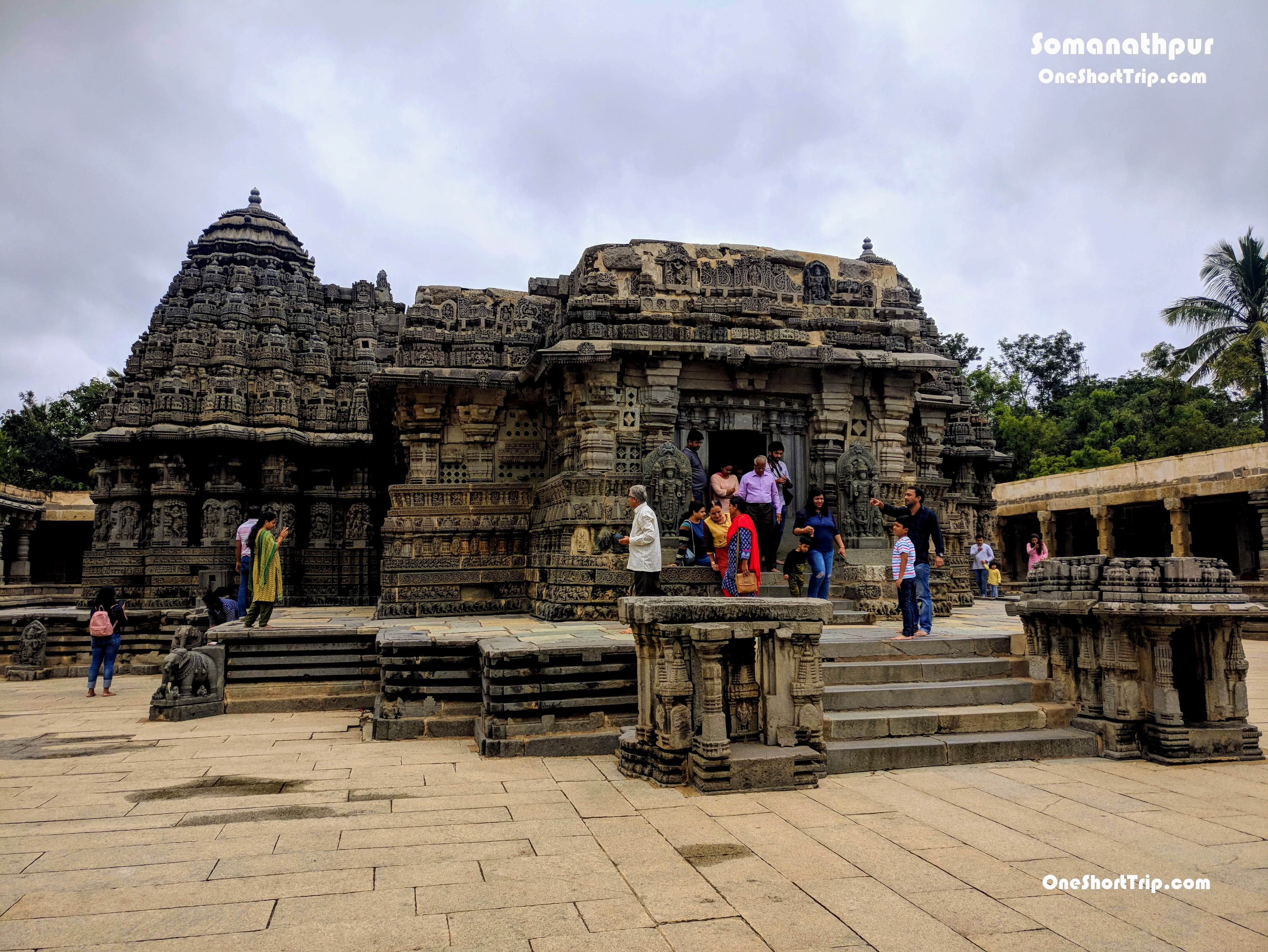
Unlike a monument that is impressive only from the front, Somanathapura rewards visitors who slowly walk around it. The entire temple is conceived as a sculptural composition. Its star-shaped plan creates a constantly changing outline, while the exterior walls carry layers of gods, goddesses, dancers, animals, epic narratives and decorative motifs. The result is less like a building with decoration added to it and more like architecture transformed into a three-dimensional storybook.


A Temple Built in the Final Great Phase of Hoysala Architecture
The temple was consecrated in 1268 CE during the reign of Hoysala king Narasimha III. Its construction was sponsored by Somanatha Dandanayaka, a powerful Hoysala military commander. An inscription associated with the temple records Somanatha's role in establishing the settlement and creating the temple.
This date is particularly important because Somanathapura belongs to the later stage of Hoysala temple building. By the 13th century, Hoysala craftsmen had spent generations experimenting with plans, elevations, sculptural programmes and ornamental details. UNESCO describes the Keshava Temple at Somanathapura as one of the last grand temples constructed during the Hoysala period and an important expression of the mature Hoysala architectural tradition.
The temple was therefore not simply a place of worship. It was also a statement of patronage, learning, craftsmanship and political influence. The settlement around it developed as an important religious and scholarly centre, and inscriptions indicate that Somanathapura had connections with both Shaiva and Vaishnava communities.
Why Is It Called Somanathapura?
The name Somanathapura is linked to Somanatha Dandanayaka, the Hoysala official who established the settlement in 1268 CE. The temple and its surrounding settlement were part of a much larger cultural landscape rather than an isolated monument standing in an empty village.
Historical inscriptions indicate that the settlement developed as an agrahara, a centre associated with Brahmin learning and religious life. This gives the temple another layer of importance: Somanathapura was not merely a royal monument but part of a functioning intellectual and sacred community.
Dedicated to Lord Vishnu
The Chennakeshava Temple is dedicated to Lord Vishnu. The name Keshava refers to one of Vishnu's celebrated forms, while the temple's sculptural programme presents a much broader Vaishnava world through different manifestations, divine figures and stories from Hindu tradition.
The most distinctive feature of the temple is its Trikuta arrangement, meaning that it was designed with three sanctums connected to a common central hall. The three principal shrines were dedicated to Keshava, Janardhana and Venugopala. This three-shrine arrangement is central to understanding why Somanathapura is architecturally different from many other Hoysala temples.


The Three Shrines: Keshava, Janardhana and Venugopala
The three sanctums form the heart of the temple. They project from the central structure in three directions and each originally carried its own superstructure, creating a balanced and highly geometric composition. The arrangement gives the temple its characteristic three-dimensional appearance when viewed from outside.
Keshava represents the principal form for which the temple is named. The other two sanctums are associated with Janardhana and Venugopala, the latter depicting Krishna playing the flute. Their presence demonstrates how the temple's Vaishnava identity incorporated different expressions of Vishnu and Krishna within a single sacred complex.
The original Keshava image is no longer present in the main shrine, while the Venugopala and Janardhana images are among the surviving sculptural highlights. For visitors, this makes the temple particularly interesting because the architecture and exterior sculpture preserve much of the artistic programme even though the original ritual setting has changed over time.
The Star-Shaped Temple Plan
The temple stands on a raised platform known as a jagati. Its plan is formed from projecting and recessed sections that create the characteristic stellate, or star-like, outline associated with mature Hoysala architecture. This was not merely an aesthetic decision. The repeated projections and angles created additional surfaces on which sculptors could work.
Walking around the jagati therefore becomes part of the experience. A wall that appears relatively compact from one angle opens into several layers of sculpture as you move around it. Light and shadow also change the appearance of the carvings throughout the day, making the same figures appear remarkably different from different viewpoints.
A Sculptural Chronicle in Stone
One of the great strengths of Somanathapura is the organisation of its exterior sculpture. Rather than covering the walls randomly, the craftsmen created horizontal bands and carefully arranged subjects according to the architectural levels of the temple.
Visitors can find rows of elephants, horses, foliage, mythological creatures and narrative panels alongside larger sculptures of gods and goddesses. The lower decorative bands create a visual rhythm, while the larger figures above them provide the main iconographic focus. This layering gives the exterior a sense of movement even though every element is carved into stone.
Ramayana, Mahabharata and Krishna Stories
The sculptural programme also turns the temple into a visual library of Hindu tradition. Scenes connected with the Ramayana and Mahabharata, along with episodes from the life of Krishna, appear among the exterior carvings. These panels were not simply decorative fillers; they allowed stories, characters and religious ideas to be expressed through images for people moving around the sacred structure.
The craftsmanship is especially impressive when viewed at close range. Jewellery, hairstyles, weapons, musical instruments, clothing and facial expressions are rendered in stone with an attention to detail that makes many figures appear almost three-dimensional. It is this combination of narrative content and technical precision that makes Somanathapura one of the strongest examples of Hoysala sculptural art.
The Material: Soapstone and Precision Carving
Hoysala sculptors made extensive use of a relatively soft stone, commonly identified as soapstone, which could be worked into exceptionally fine details. Once exposed to the elements and hardened over time, it provided a durable surface capable of preserving elaborate ornamentation.
At Somanathapura, this material allowed craftsmen to move far beyond broad architectural forms. Tiny jewellery patterns, floral details, miniature figures and complex geometric designs could all be carved with remarkable control. The result is an architecture where structure and sculpture are inseparable.
The Mandapa and Interior Craftsmanship
Inside, the three shrines connect through a shared pillared hall or mandapa. The transition from the heavily sculpted exterior to the more enclosed interior changes the character of the visit. The exterior communicates through narrative and monumental imagery, while the mandapa draws attention towards symmetry, columns, ceilings and the sanctums.
The pillars and ceiling elements display the same concern for geometry and ornament that defines the exterior. The ceiling is particularly worth examining because its carved patterns bring together concentric forms, floral motifs and carefully balanced compositions above the visitor.
Inscriptions: The Temple's Own Historical Record
One of the most valuable features at Somanathapura is its inscriptional evidence. The inscriptions help connect the surviving monument with the people who commissioned and supported it. They provide information about Somanatha Dandanayaka, the establishment of the settlement and the temple's place within the Hoysala political and religious landscape.
This is important because the history of Somanathapura is not based only on later legends. Written records from the medieval period help establish the date, patronage and wider context of the monument, allowing the temple to be understood as a historical site as well as a place of artistic and religious significance.
Somanathapura and the Sacred Ensembles of the Hoysalas
Somanathapura gained global recognition when the Sacred Ensembles of the Hoysalas were inscribed on the UNESCO World Heritage List in 2023. The serial World Heritage property brings together three major Hoysala monuments: the Chennakeshava Temple at Belur, the Hoysalesvara Temple at Halebidu and the Keshava Temple at Somanathapura.
Somanathapura represents the later and highly developed stage of this architectural tradition. UNESCO highlights the distinctive stellate plans, circumambulatory platforms, sculptural galleries, multi-tiered friezes and exceptionally detailed stone carving found across the Hoysala ensembles.
For a traveller, this UNESCO designation adds another reason to visit, but the temple's importance goes beyond the title. Somanathapura allows you to see how architecture, mythology, craftsmanship and medieval settlement life were brought together into a single carefully planned sacred environment.
What Makes Somanathapura Different from Belur and Halebidu?
Belur, Halebidu and Somanathapura belong to the same broad Hoysala architectural tradition, but they should not be treated as identical temples. Belur is an earlier and continuously worshipped royal temple, while Halebidu is known for its monumental twin-shrine composition and extraordinary Shaiva sculpture. Somanathapura, by contrast, presents a particularly controlled and symmetrical late-Hoysala composition centred on a three-shrine Vaishnava temple.
That distinction is useful when planning a heritage trip. Visiting all three does not mean seeing the same monument three times; together they show how Hoysala architects developed and refined their architectural language over generations.
Why Chennakeshava Temple Somanathapura Is Worth Visiting
Somanathapura is worth visiting for the rare combination of historical authenticity and visual detail it preserves. The temple gives you the opportunity to see a late-13th-century Hoysala monument where the overall plan, sculptural programme and surviving architectural elements can still be understood as parts of one carefully conceived design.
Rather than rushing through the complex for a few photographs, take time to walk around the jagati, identify the three shrines, look closely at the narrative panels and notice how the smaller decorative bands support the larger sculptures. The more slowly you examine Somanathapura, the more the intelligence of its design becomes visible.
Visiting Chennakeshava Temple, Somanathapura – Timings, Travel Tips & Nearby Places
Somanathapura is best experienced as a slow heritage visit rather than a quick temple stop. The monument is compact enough to explore comfortably, but its sculptural programme is so detailed that rushing through the complex means missing much of what makes it exceptional. Give yourself time to walk around the entire platform, study the different layers of carving and look at the temple from several angles.


What to Look for During Your Visit
Begin from the entrance and take a moment to understand the temple as a whole. The raised platform, three projecting shrine sections and carefully balanced geometry become much easier to appreciate when you first see the monument from outside rather than immediately walking into the central hall.
Then walk clockwise around the outer platform. Instead of trying to identify every sculpture, look at the way the carvings are arranged in horizontal bands. Elephants, horses, decorative foliage and other motifs create the lower visual rhythm, while larger divine and narrative sculptures occupy the more prominent levels above them.
Once you have completed the exterior circuit, spend time inside the mandapa. Look upwards at the ceiling and examine the polished pillars and geometric details. The contrast between the expansive sculptural exterior and the more controlled interior is one of the most interesting aspects of the monument.
Do Not Rush Past the Smaller Sculptures
The most famous images are naturally the larger figures, but some of the most revealing details are much smaller. Look closely at the ornaments, musicians, dancers, animals, weapons and miniature narrative scenes. These details provide a glimpse into the artistic vocabulary and visual imagination of medieval Karnataka.
This is also why Somanathapura is particularly rewarding for visitors interested in photography and architecture. A wide photograph captures the geometry of the monument, while a close view reveals the extraordinary amount of work invested in individual stone surfaces.
A Quiet Heritage Experience
Unlike some of Karnataka's major pilgrimage temples, Somanathapura is primarily experienced today as a protected heritage monument. Karnataka Tourism notes that the original images are no longer present in the sanctums and that regular active worship does not take place in the temple. This makes the experience distinctly different from visiting a functioning temple where the main focus is darshan.
The atmosphere is consequently suited to people who want to spend time with architecture, sculpture and history. The surrounding village setting also gives the monument a quieter character than the busy temple centres of Mysuru or the larger pilgrimage destinations of Karnataka.
Best Time to Visit Somanathapura
October to February is generally the most comfortable period for exploring Somanathapura and combining it with other outdoor attractions in southern Karnataka. The cooler weather makes it easier to spend time walking around the exposed temple platform.
For photography, morning and later afternoon light can be especially attractive because shadows emphasise the depth of the stone carving. Midday is still useful for examining details clearly, but the open courtyard and stone platform can become hot during warmer months.
Somanathapura Temple Timings
Published timings for Somanathapura have varied between tourism and travel sources over the years. Because the monument is protected and access arrangements can change, it is better to confirm the day's visiting hours before travelling specifically for the temple.
Plan your visit during daylight hours regardless of the published schedule. The exterior sculptures are the main attraction, and natural light is important if you want to appreciate the depth and detail of the carvings.
Entry Fee and Photography
Somanathapura is an Archaeological Survey of India protected monument. Entry arrangements and charges can be revised, so visitors should check the current ticket information at the monument rather than relying on older travel guides.
Photography has historically been subject to restrictions at the monument, with older Karnataka Tourism material specifically listing cameras as not allowed. Because photography rules can change, follow the signs and instructions of the monument staff on the day of your visit. Do not use tripods, lighting equipment or other professional equipment unless specifically permitted.
How to Reach Somanathapura from Mysuru
Somanathapura is approximately 35 km from Mysuru, making it one of the easier heritage excursions from the city. The temple is located in the village of Somanathapura, away from the dense urban centre, so travelling by your own vehicle or hired cab is the most convenient option for a sightseeing circuit.
If you are staying in Mysuru, a private vehicle also makes it easier to combine Somanathapura with Talakadu, Shivanasamudra or other attractions along the wider Kaveri-region route. Karnataka Tourism specifically recommends Somanathapura as a half-day excursion from Mysuru.
How Much Time Should You Spend Here?
Allow approximately 1.5 to 2 hours for a meaningful visit. A quick visitor interested mainly in seeing the monument can finish sooner, but anyone interested in Hoysala architecture should allow additional time to walk the entire exterior circuit and examine the sculpture bands.
If you are travelling with children or senior citizens, avoid scheduling the temple as a rushed stop between several attractions. The raised stone platform is extensive, and the experience is much more enjoyable when there is time to walk slowly and take breaks.
Is Somanathapura Suitable for Families and Senior Citizens?
Yes. There is no demanding mountain trek involved, making Somanathapura accessible to most families. However, the visit involves walking across an open stone platform, so comfortable footwear and protection from the sun are useful.
Senior citizens should take their time around the platform, particularly during hot weather. There is no reason to hurry—the monument is best appreciated at a comfortable pace.
What to Carry
Carry drinking water, sunglasses, sunscreen, a hat or umbrella and comfortable walking footwear. During the monsoon, add rain protection and be particularly careful on wet stone surfaces.
Because Somanathapura is a heritage monument rather than a shopping or restaurant district, it is sensible to plan meals and other substantial requirements before or after the visit.
Respect the Monument
The carvings are centuries old and should be treated as protected heritage rather than as surfaces to touch or climb. Avoid leaning against sculptures, sitting on carved sections, scratching names into stone or attempting to reach inaccessible areas for photographs.
Keep the surroundings clean and follow all instructions from ASI or site staff. A respectful visit helps preserve the monument for future travellers and researchers.
Nearby Places to Visit
Somanathapura works particularly well when combined with other destinations in the Kaveri region. Talakadu is one of the most natural combinations for travellers interested in history, temples and the landscape of the Kaveri. Shivanasamudra adds waterfalls and river scenery to the same broader circuit.
Mysuru is the most convenient base for a broader heritage itinerary, while Srirangapatna can be added for its historic temples, Tipu Sultan-era monuments and island setting. Karnataka Tourism also recommends combining Somanathapura with Talakadu and Shivanasamudra.
Suggested Somanathapura Day-Trip Circuits
From Mysuru – Heritage: Mysuru → Somanathapura → Talakadu → return to Mysuru. This works well for travellers who want to focus on temples, medieval history and the Kaveri landscape.
From Mysuru – Heritage + Nature: Mysuru → Somanathapura → Talakadu → Shivanasamudra → Mysuru. This is a longer day and works best with an early start.
Three-Hoysala Heritage Experience: Somanathapura can also be considered alongside Belur and Halebidu as part of a dedicated Hoysala architecture journey. Visiting all three helps travellers understand the development and variety of Hoysala temple design rather than viewing Somanathapura in isolation.
Why Somanathapura Deserves a Place on Your Karnataka Itinerary
Somanathapura is one of those monuments where the value of the visit increases the longer you look. The temple is not enormous, but almost every surface has been carefully considered. Its three-shrine plan, star-shaped platform, narrative sculpture, inscriptions and extraordinary stone craftsmanship make it an essential stop for anyone interested in Karnataka's Hoysala heritage. Its UNESCO World Heritage recognition further places it within one of India's most important medieval architectural traditions.