

Veeranjaneya Swamy Temple, Mulbagal
In the historic town of Mulbagal in Kolar district stands the Sri Veeranjaneya Swamy Temple, one of the important Hanuman temples of eastern Karnataka. The temple is locally known as the Mulbagal Anjaneya Temple and is located close to the town's bus stand, making it an easy spiritual stop for travellers visiting Mulbagal, Kurudumale, Kolar and the Bengaluru–Tirupati route.
The temple is centred on Lord Anjaneya, worshipped here in his heroic or Veera form. What makes the shrine especially interesting is the combination of documented medieval history, Vijayanagara-period architecture and a strong local tradition connecting the deity with the Mahabharata and Arjuna.
Mulbagal – the Eastern Gateway
Mulbagal derives its identity from the Kannada expression Mudala Bagilu, meaning the eastern gate or eastern doorway. Its location made the town an important point on historic routes connecting the interior of Karnataka with the eastern plains and the Tirupati region.
The Anjaneya temple became part of this historic landscape. An early archaeological account describes the Mulbagal Anjaneya image as a striking relief in a heroic pose and associates the original temple with the early Vijayanagara period. The Karnataka HRCE record likewise identifies the temple with the Vijayanagara era and records a 1521 inscription on the western exterior wall of the Rama shrine.
The Arjuna and Hanuman Tradition
One of the most cherished traditions associated with the temple says that Arjuna of the Pandavas installed and worshipped Lord Anjaneya here. This belief is connected to the famous relationship between Arjuna and Hanuman in the Mahabharata tradition.
Hanuman is said to have appeared on the flag of Arjuna's chariot during the Kurukshetra war. Because of this connection, local devotees regard the Mulbagal Anjaneya as a particularly significant form of Hanuman associated with courage, protection, devotion and victory. The Arjuna connection should be understood as temple tradition rather than independently verified historical evidence.
A Temple with Vijayanagara Roots
The present temple complex reflects several periods of construction and renovation rather than representing a single building phase. Karnataka's HRCE records state that although worship at the site is associated with an older tradition, substantial portions of the temple were constructed during the Vijayanagara period.
The 1521 inscription recorded on the western exterior wall of the Sri Rama shrine provides an important historical marker for the complex. Later additions and renovations contributed to the temple's present appearance, allowing visitors to see how a living place of worship developed over several centuries.
The Main Deity – Sri Veeranjaneya
Lord Hanuman is worshipped here as Veeranjaneya, a name that highlights his heroic nature. Devotees associate this form with physical and spiritual strength, fearlessness, loyalty to Lord Rama and unwavering devotion.
The deity is traditionally decorated with Kedage flowers, also known as screw pine flowers. The distinctive floral worship is one of the features specifically noted by the Kolar District Government in its description of the temple.
More Than a Hanuman Shrine
The importance of the Mulbagal temple lies not only in the main Anjaneya shrine. The temple complex contains several associated shrines, making it a broader Vaishnava and Hindu pilgrimage space rather than a single-deity temple.
The complex includes shrines associated with Rama, Sita and Lakshmana, Lakshmi Narasimha, Venugopala, Venkateshwara, Kanchi Varadaraja and Tirupati Govindaraja, among others. This collection of deities adds considerable religious depth to a visit.


Visiting Veeranjaneya Swamy Temple, Mulbagal
A visit to the Veeranjaneya Swamy Temple works especially well as part of a wider Mulbagal and Kolar heritage circuit. Because the temple is located within Mulbagal town, it can be visited without requiring a long detour from the main Bengaluru–Tirupati travel route.
Temple Timings
The Karnataka HRCE listing currently provides split temple hours, with morning and evening worship periods. Because the online listing contains an apparent time-format anomaly in one of its fields, visitors planning a tightly timed journey should confirm the day's darshan schedule locally before travelling.
For a peaceful visit, early morning is generally preferable. It is also a good time for travellers who want to combine the temple with other destinations around Mulbagal.
How Long Should You Spend Here?
Allow around 45 minutes to 1 hour for a normal visit. Devotees who want to spend more time in prayer or explore the associated shrines can plan longer.
If you are visiting purely for darshan, the temple can be covered fairly quickly. Heritage travellers should allow additional time to appreciate the mandapas, carvings, paintings and the different shrines within the complex.
Best Time to Visit
The temple can be visited throughout the year. For comfortable travel, mornings and cooler months are generally more pleasant, particularly if the temple is being combined with several outdoor destinations around Kolar district.
Hanuman-related festivals and important Hindu occasions can bring larger numbers of devotees. These days can be spiritually vibrant, but visitors looking for a quieter experience should choose a normal weekday morning.
Temple Etiquette
Dress modestly and maintain a respectful atmosphere inside the temple. Follow instructions from temple staff, especially around the main sanctum and during puja. Avoid blocking entrances or worship areas while taking photographs.
Photography rules can vary according to the area and current temple instructions. It is safest to ask before photographing the sanctum, rituals or devotees.
A Good Temple Circuit Around Mulbagal
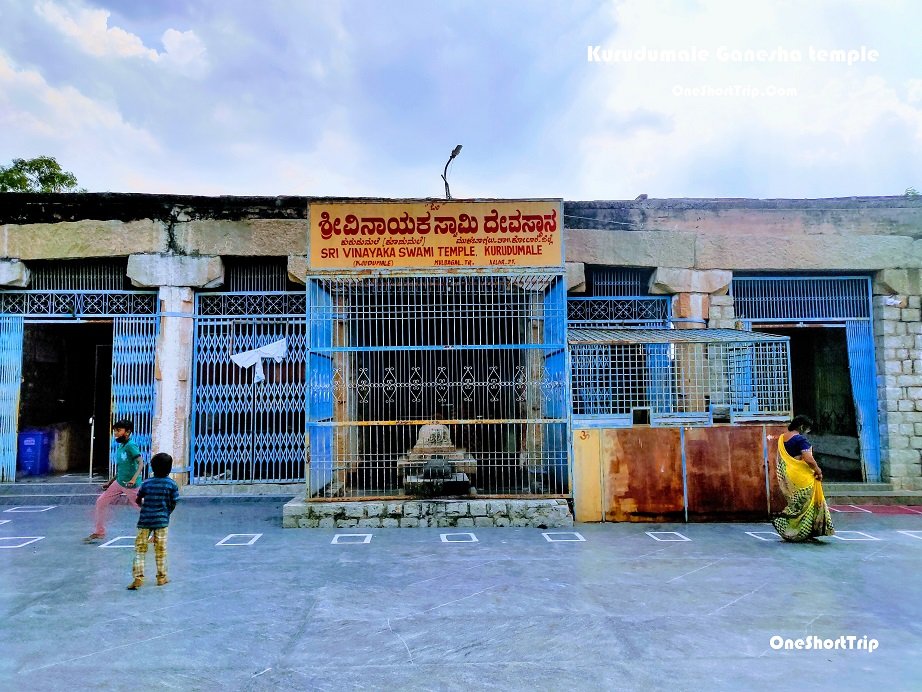
The Veeranjaneya Swamy Temple can be combined with some of the best-known religious and heritage attractions around Mulbagal. Kurudumale Ganesha Temple is one of the most natural additions to the circuit, especially for travellers interested in historic temples.
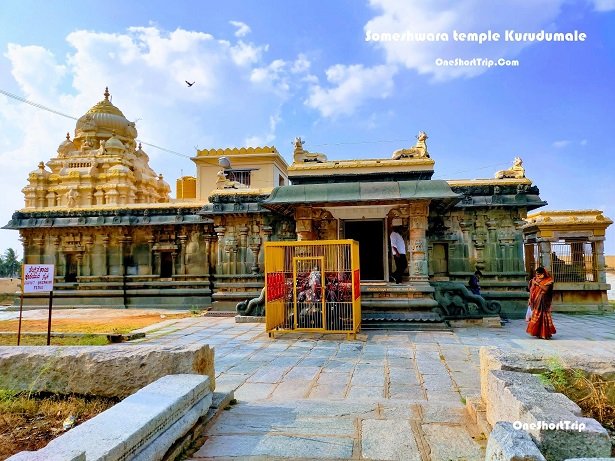
The Someshwara Temple at Kurudumale, located close to the Ganesha temple, can also be included. The wider Kolar region offers additional heritage and pilgrimage destinations, allowing travellers to build a full-day temple circuit rather than visiting Mulbagal as an isolated stop.
Who Will Enjoy This Temple?
The temple is particularly suitable for devotees of Hanuman, Rama and Vishnu, families making a temple circuit, heritage enthusiasts interested in Vijayanagara-era Karnataka and travellers exploring the religious landscape around Kolar and Mulbagal.
Families and senior citizens can also include the temple in a planned day trip, although festival days may be considerably busier. Travelling earlier in the day usually makes the overall experience more comfortable.
Why Visit Veeranjaneya Swamy Temple, Mulbagal?
The real appeal of the Mulbagal Anjaneya Temple comes from the way several layers of Karnataka's heritage meet in one place. There is the devotion to Veeranjaneya, the enduring Arjuna and Hanuman tradition, the Vijayanagara connection, the 1521 inscription, the associated Rama and Vishnu shrines, and the temple's continued role as a living place of worship.
For anyone travelling through Mulbagal, this is more than a quick temple stop. It offers an opportunity to experience a historic sacred landscape where mythology, architecture, devotional practice and the history of eastern Karnataka continue to exist side by side.
Visiting Veeranjaneya Swamy Temple, Mulbagal
A visit to the Veeranjaneya Swamy Temple works especially well as part of a wider Mulbagal and Kolar heritage circuit. Because the temple is located within Mulbagal town, it can be visited without requiring a long detour from the main Bengaluru–Tirupati travel route.
Temple Timings
The Karnataka HRCE listing currently provides split temple hours, with morning and evening worship periods. Because the online listing contains an apparent time-format anomaly in one of its fields, visitors planning a tightly timed journey should confirm the day's darshan schedule locally before travelling.
For a peaceful visit, early morning is generally preferable. It is also a good time for travellers who want to combine the temple with other destinations around Mulbagal.
How Long Should You Spend Here?
Allow around 45 minutes to 1 hour for a normal visit. Devotees who want to spend more time in prayer or explore the associated shrines can plan longer.
If you are visiting purely for darshan, the temple can be covered fairly quickly. Heritage travellers should allow additional time to appreciate the mandapas, carvings, paintings and the different shrines within the complex.
Best Time to Visit
The temple can be visited throughout the year. For comfortable travel, mornings and cooler months are generally more pleasant, particularly if the temple is being combined with several outdoor destinations around Kolar district.
Hanuman-related festivals and important Hindu occasions can bring larger numbers of devotees. These days can be spiritually vibrant, but visitors looking for a quieter experience should choose a normal weekday morning.
Temple Etiquette
Dress modestly and maintain a respectful atmosphere inside the temple. Follow instructions from temple staff, especially around the main sanctum and during puja. Avoid blocking entrances or worship areas while taking photographs.
Photography rules can vary according to the area and current temple instructions. It is safest to ask before photographing the sanctum, rituals or devotees.
A Good Temple Circuit Around Mulbagal
The Veeranjaneya Swamy Temple can be combined with some of the best-known religious and heritage attractions around Mulbagal. Kurudumale Ganesha Temple is one of the most natural additions to the circuit, especially for travellers interested in historic temples.
The Someshwara Temple at Kurudumale, located close to the Ganesha temple, can also be included. The wider Kolar region offers additional heritage and pilgrimage destinations, allowing travellers to build a full-day temple circuit rather than visiting Mulbagal as an isolated stop.
Who Will Enjoy This Temple?
The temple is particularly suitable for devotees of Hanuman, Rama and Vishnu, families making a temple circuit, heritage enthusiasts interested in Vijayanagara-era Karnataka and travellers exploring the religious landscape around Kolar and Mulbagal.
Families and senior citizens can also include the temple in a planned day trip, although festival days may be considerably busier. Travelling earlier in the day usually makes the overall experience more comfortable.
Why Visit Veeranjaneya Swamy Temple, Mulbagal?
The real appeal of the Mulbagal Anjaneya Temple comes from the way several layers of Karnataka's heritage meet in one place. There is the devotion to Veeranjaneya, the enduring Arjuna and Hanuman tradition, the Vijayanagara connection, the 1521 inscription, the associated Rama and Vishnu shrines, and the temple's continued role as a living place of worship.
For anyone travelling through Mulbagal, this is more than a quick temple stop. It offers an opportunity to experience a historic sacred landscape where mythology, architecture, devotional practice and the history of eastern Karnataka continue to exist side by side.