

City Palace Udaipur – A Grand Journey Through Mewar Royal Heritage
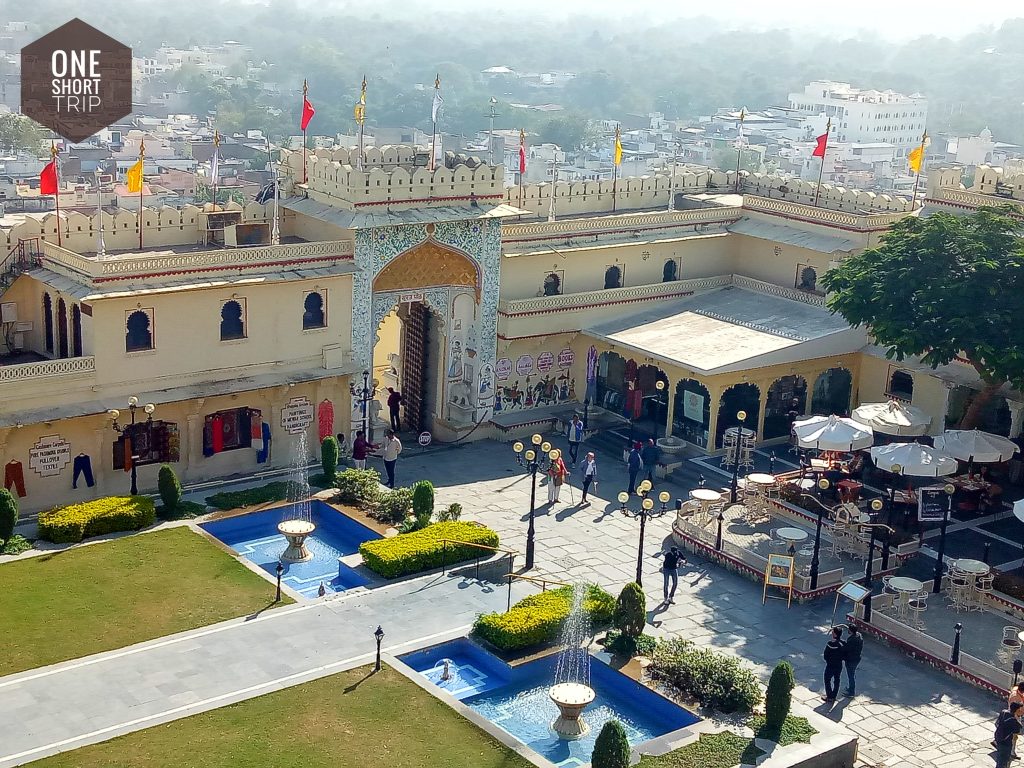
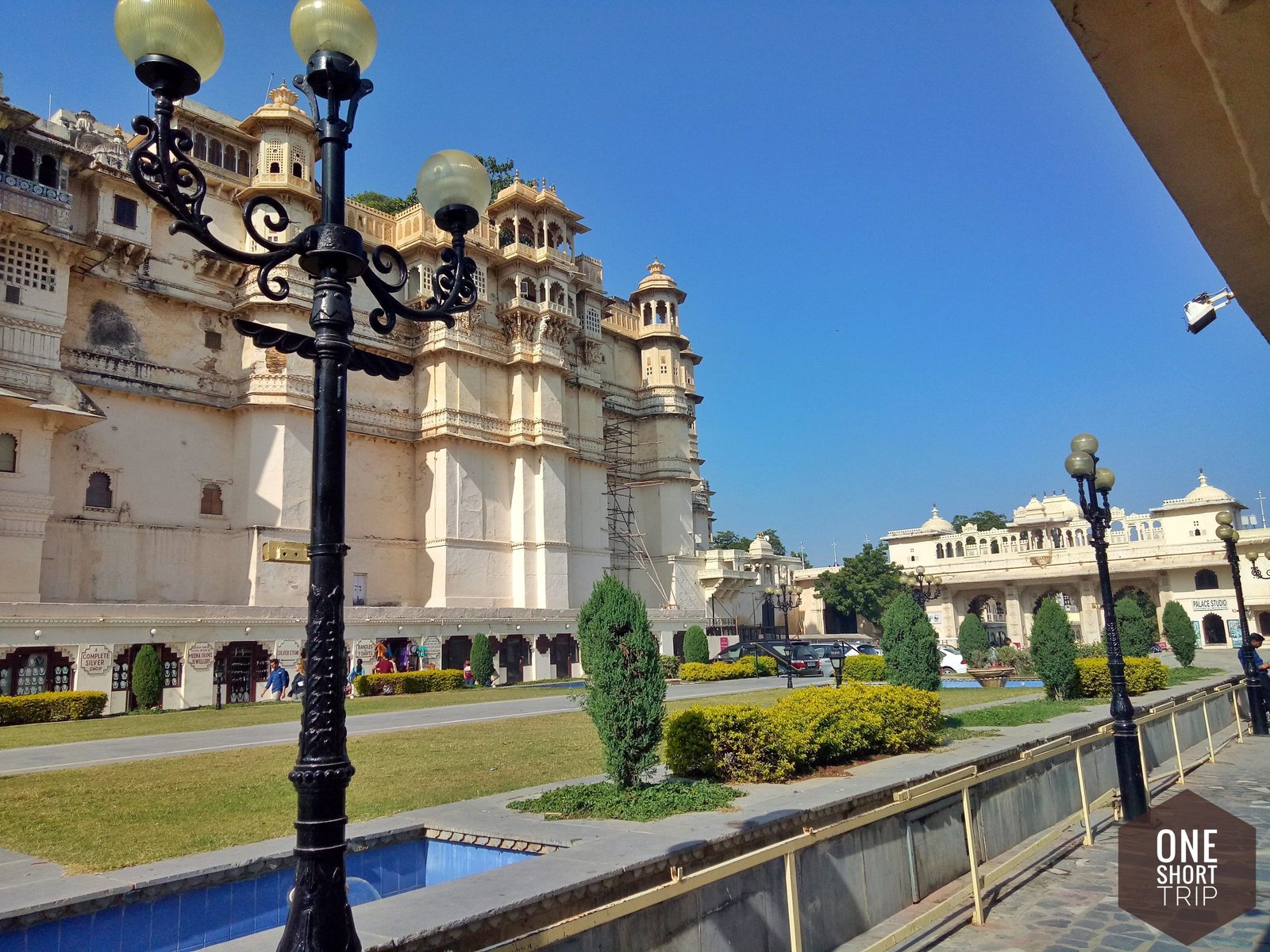
The City Palace Udaipur is one of the most magnificent heritage landmarks in Rajasthan and one of the defining sights of the City of Lakes. Rising above the eastern shore of Lake Pichola, this vast palace complex brings together centuries of Mewar history, Rajput architecture, royal residences, courtyards, balconies, galleries, temples, gardens and beautifully decorated interiors.
Unlike a palace built by a single ruler in a single period, Udaipur City Palace developed over generations. Maharana Udai Singh II laid its foundation in 1559 CE, and successive rulers of Mewar expanded and modified the complex over the centuries. Today, the palace represents a remarkable architectural and historical continuity of the Mewar dynasty.
A Palace Built Across Centuries
The story of City Palace is closely connected with the founding of Udaipur itself. Maharana Udai Singh II established Udaipur as the new capital of Mewar in 1553 after the political and military pressures surrounding Chittorgarh. The foundation of the City Palace followed in 1559, establishing the royal centre around which the new capital developed.
Over the following centuries, successive Maharanas added new palaces, courtyards, halls and decorative elements. This gradual development explains why the City Palace feels less like a single building and more like a connected royal city of its own.
Rajput Architecture with Mewar Character
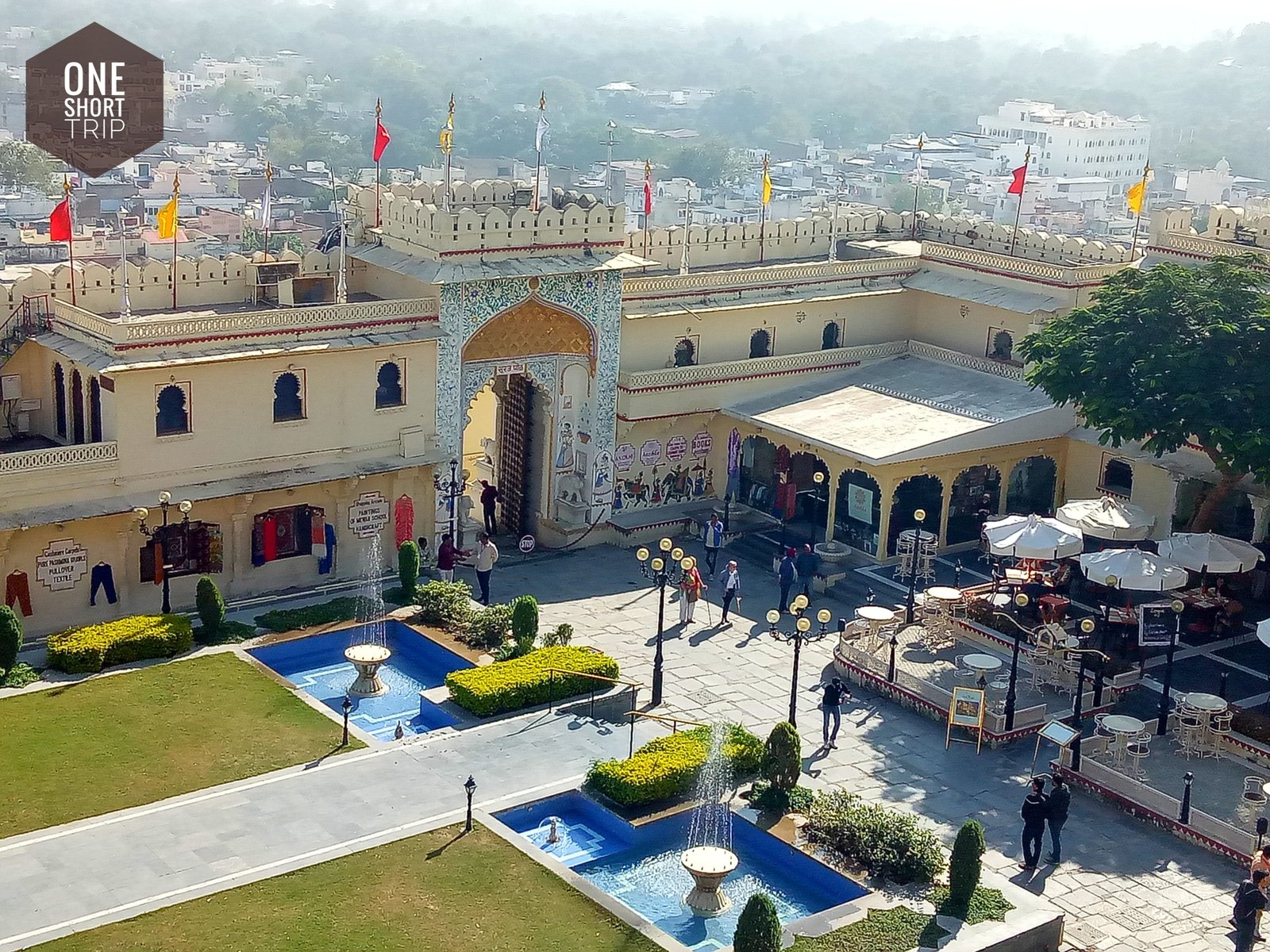
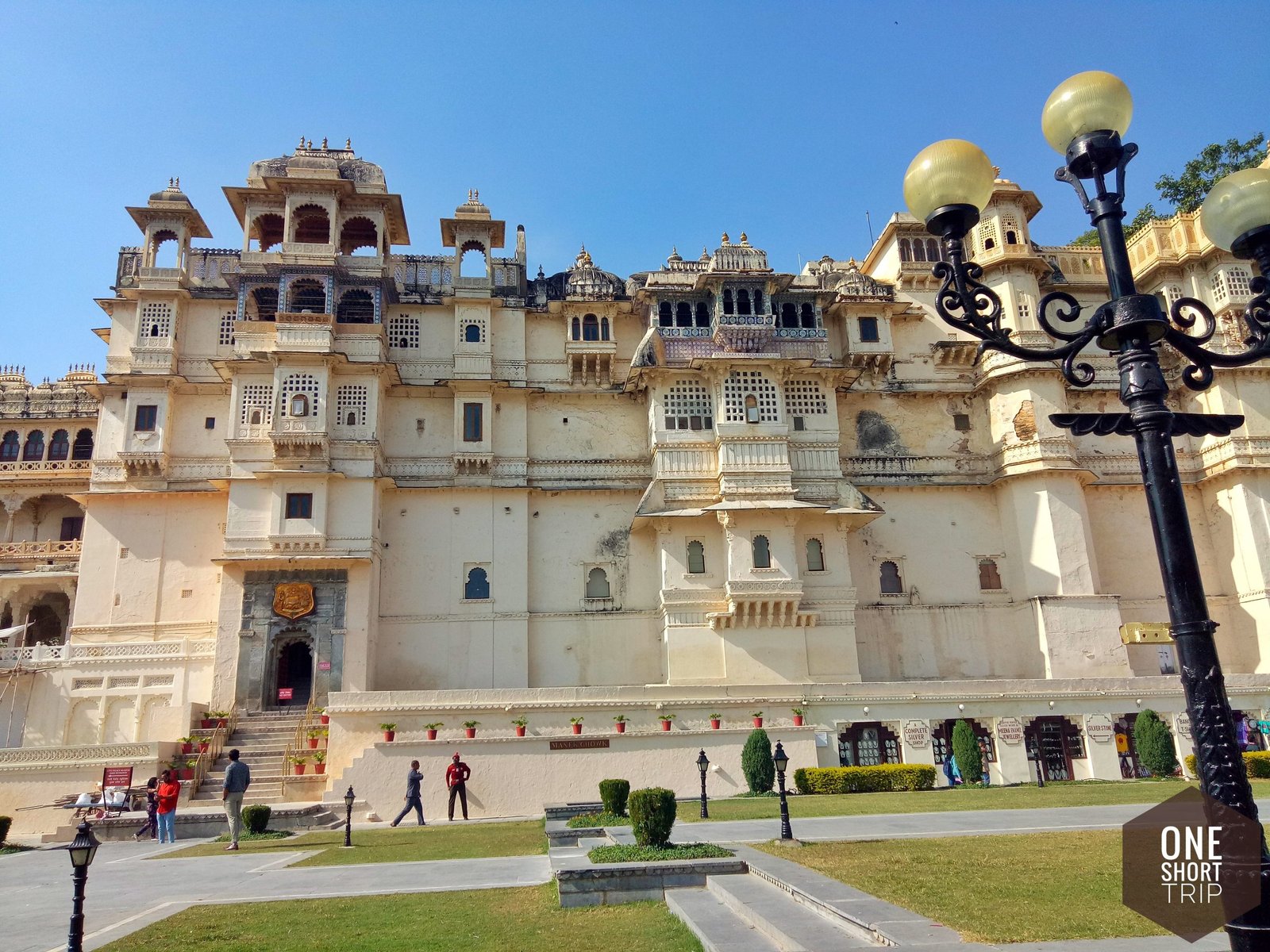
The architecture of City Palace Udaipur combines the defensive character of Rajput architecture with the elegance expected of a royal residence. Massive stone walls, ornate balconies, domes, cupolas, arches, courtyards and projecting windows create the distinctive silhouette visible from across Lake Pichola.
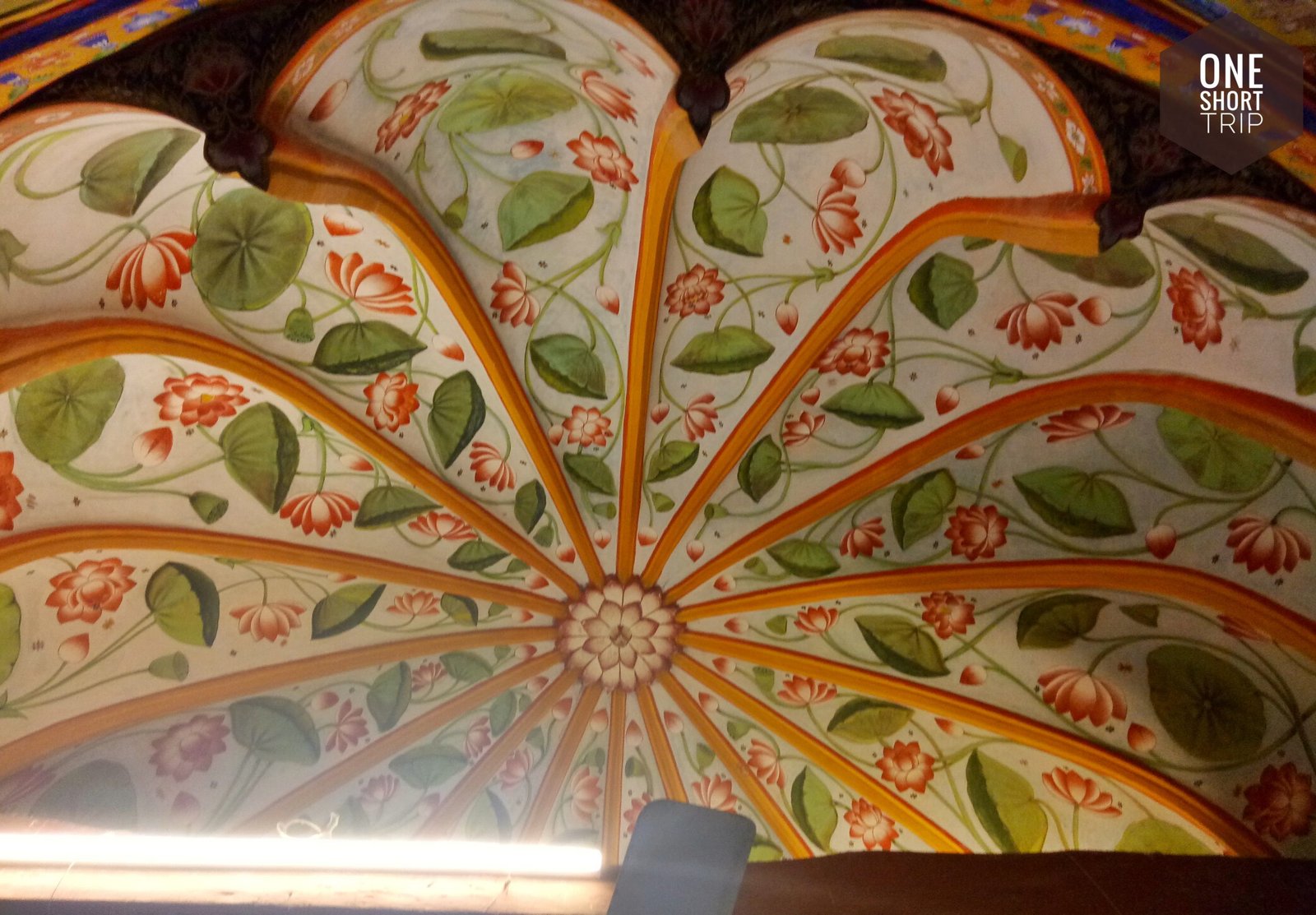
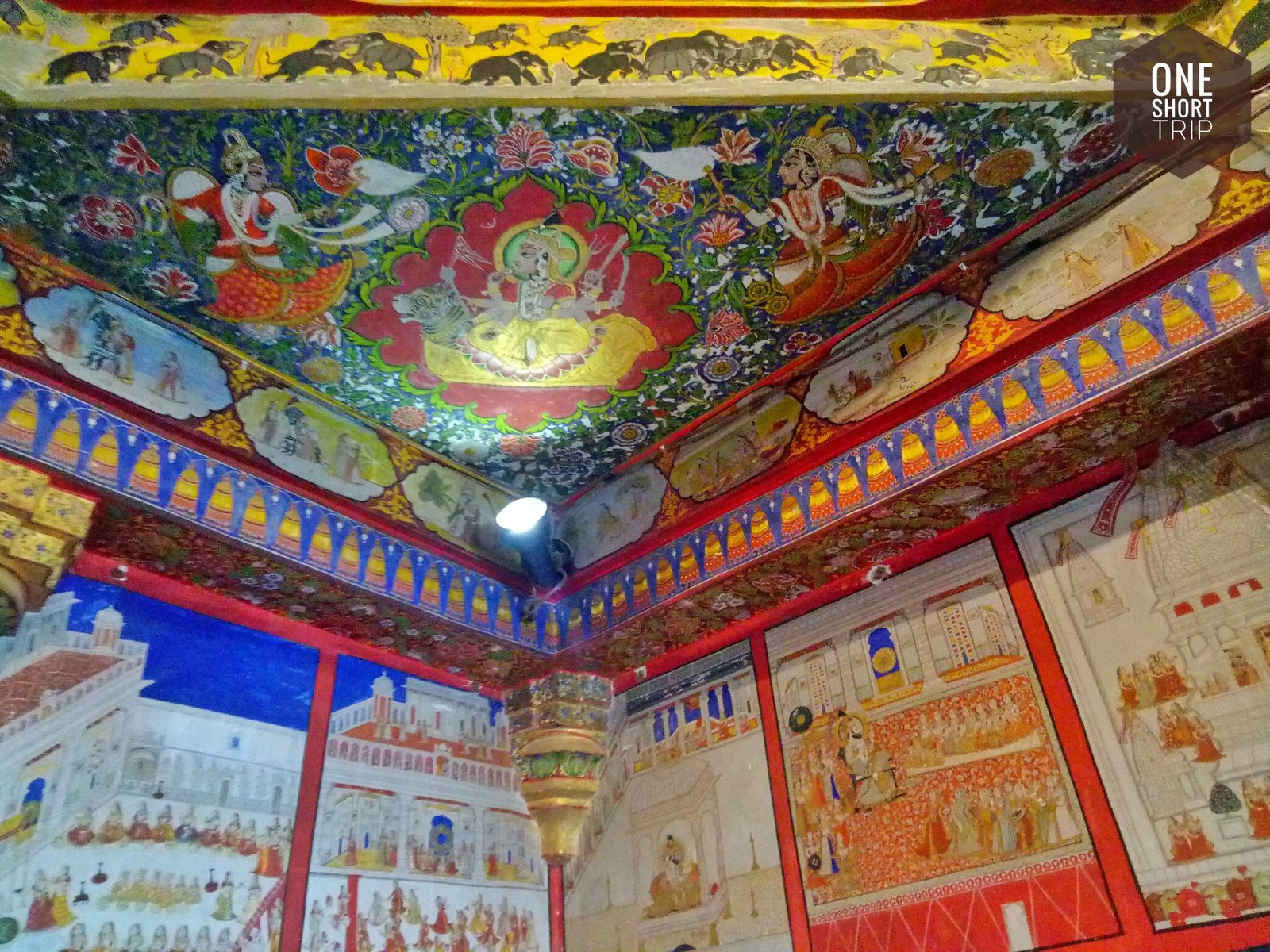
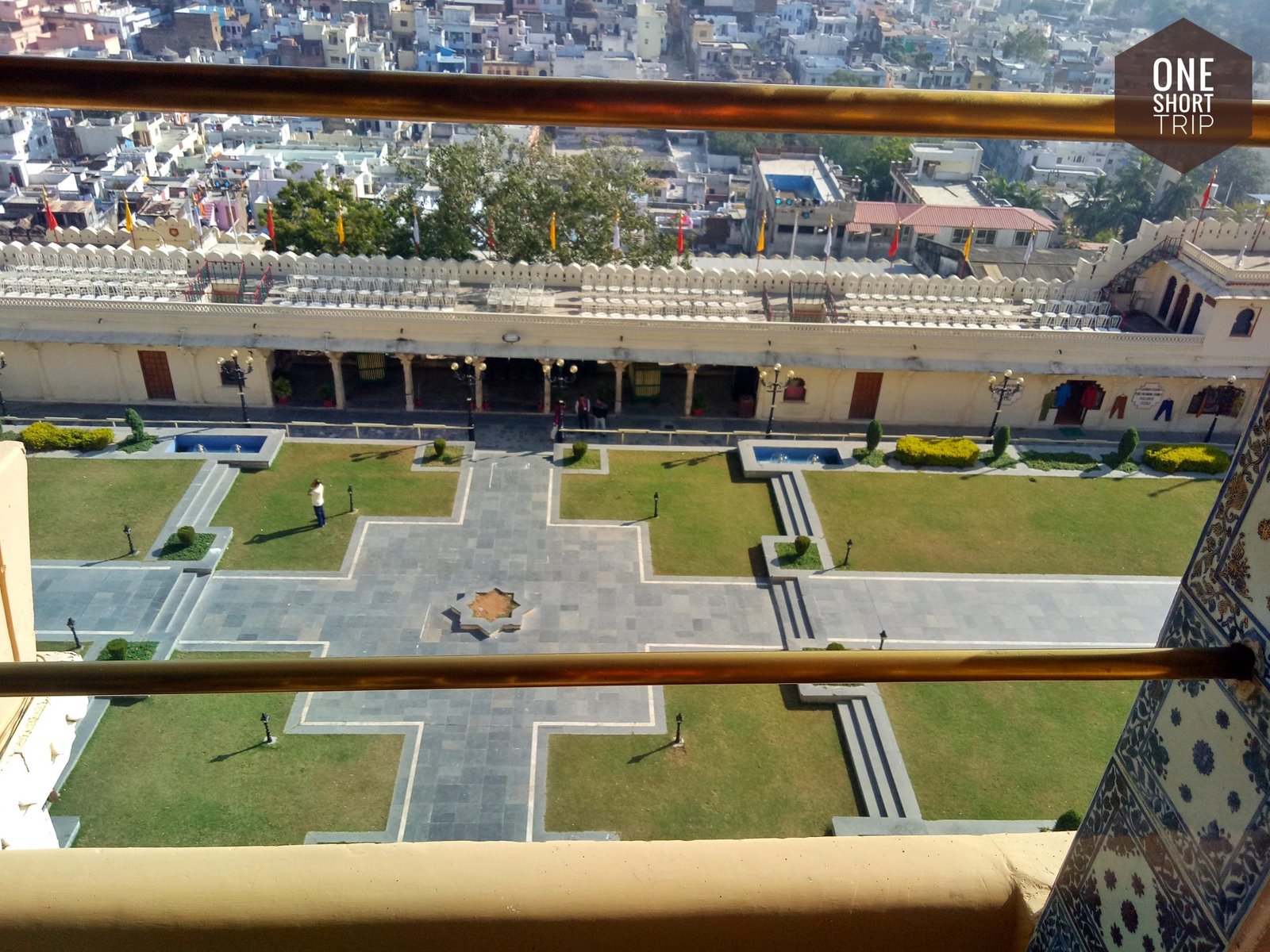
The palace complex contains numerous interconnected spaces rather than one straightforward route. As you walk through it, the architecture continually changes—from imposing gateways and open courtyards to intimate royal chambers decorated with coloured glass, mirror work, paintings, ceramics and intricate ornamental details.
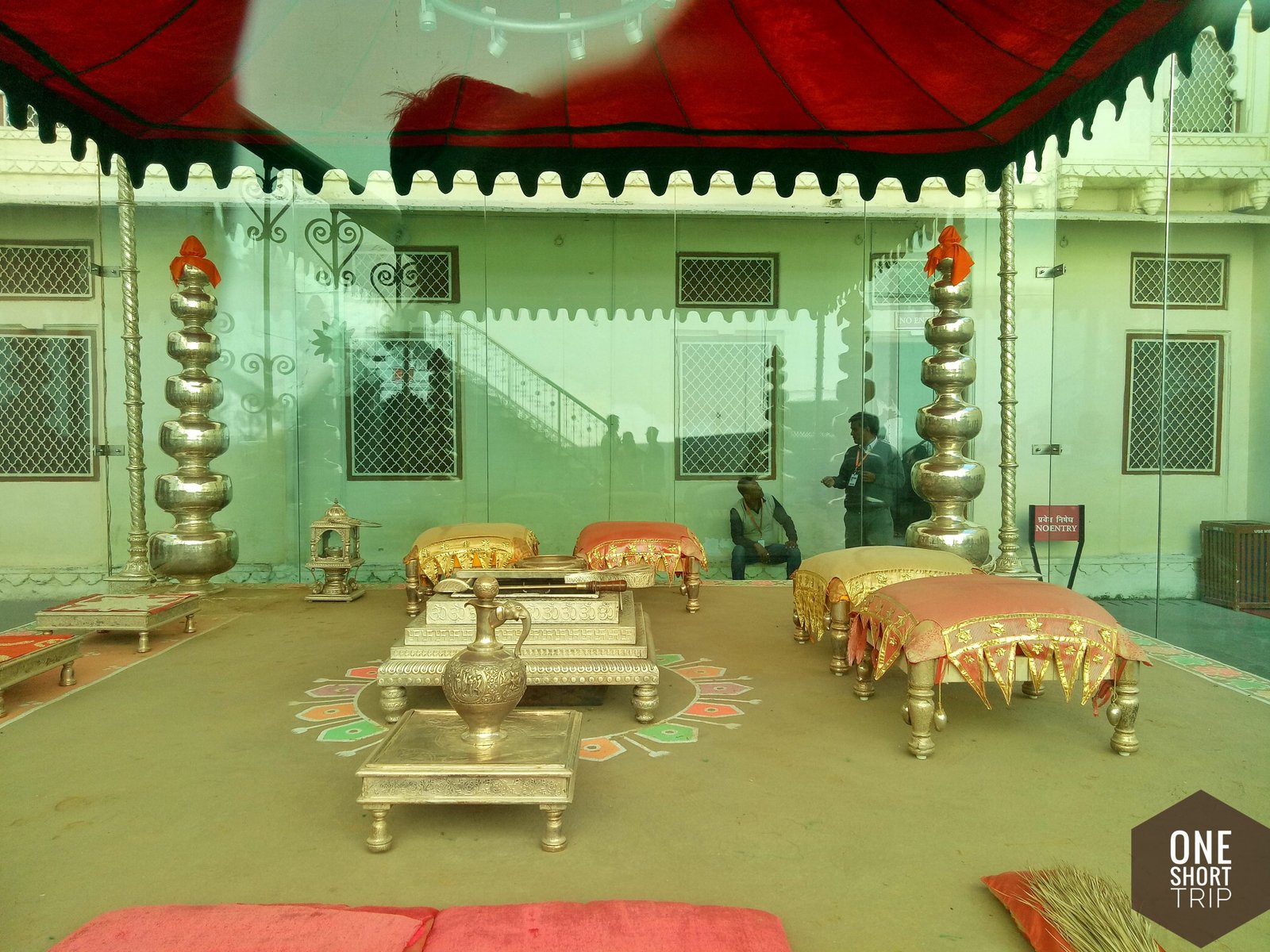
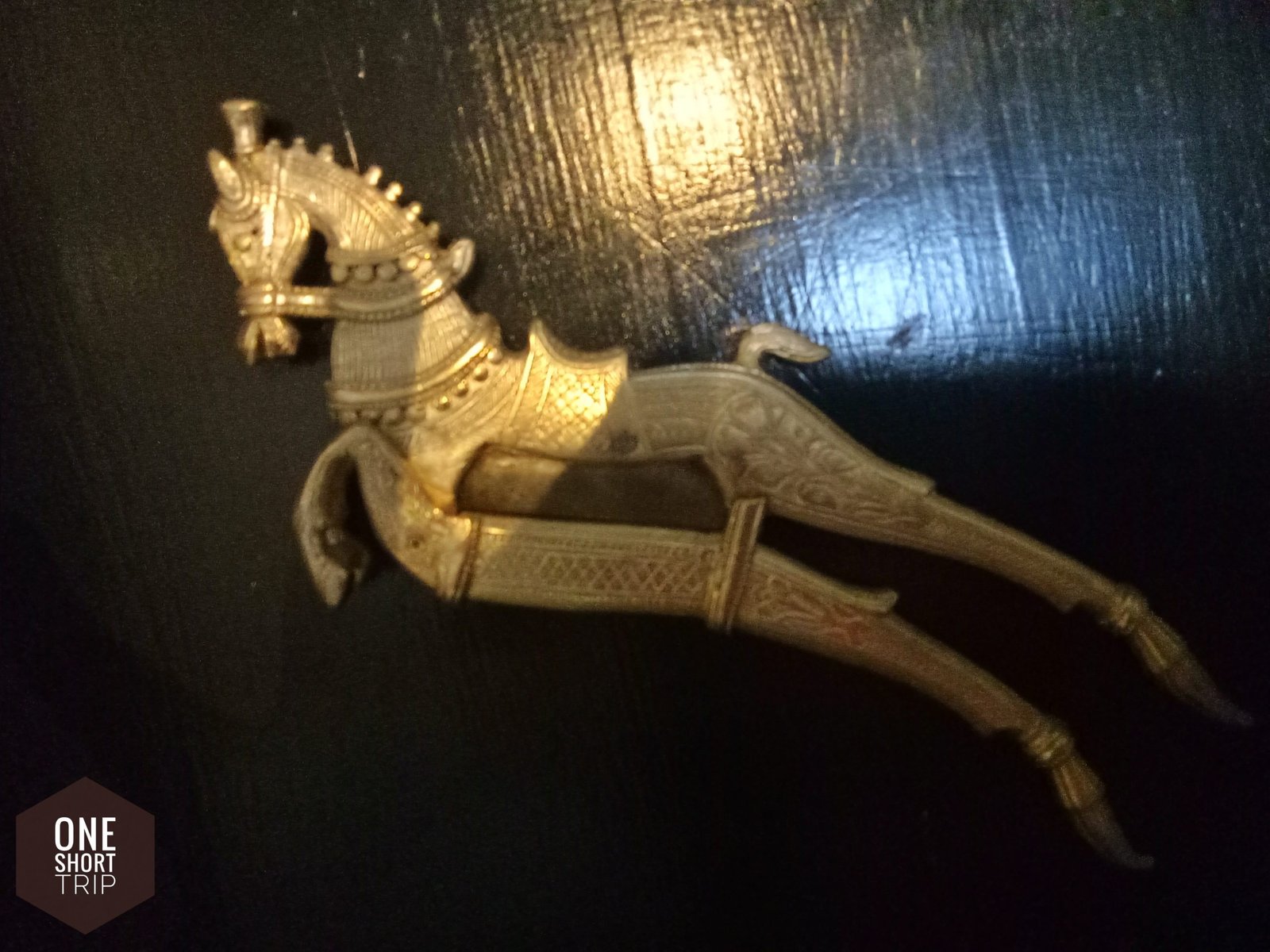
Tripolia – The Historic Triple-Arched Gateway
One of the important entrances to the palace is Tripolia, a triple-arched gateway associated with the royal approach to the palace. Rajasthan Tourism notes the presence of eight marble porticos at the gateway and records the historic tradition of the Maharanas being weighed in gold beneath it, with the equivalent wealth distributed among the people.
Passing through these gateways gives visitors a sense of how the palace functioned not only as a royal residence but also as a ceremonial and administrative centre of the Mewar kingdom.
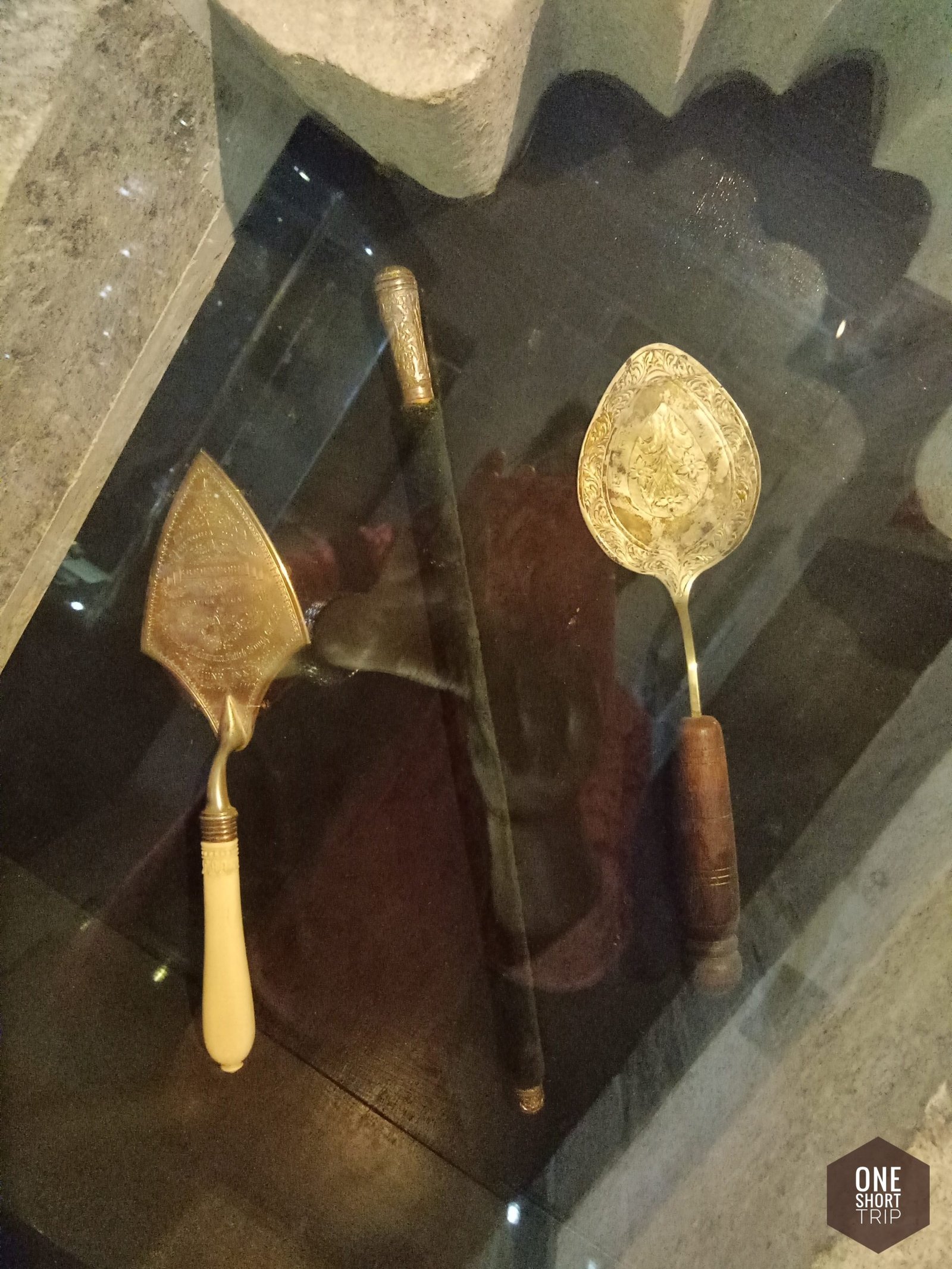
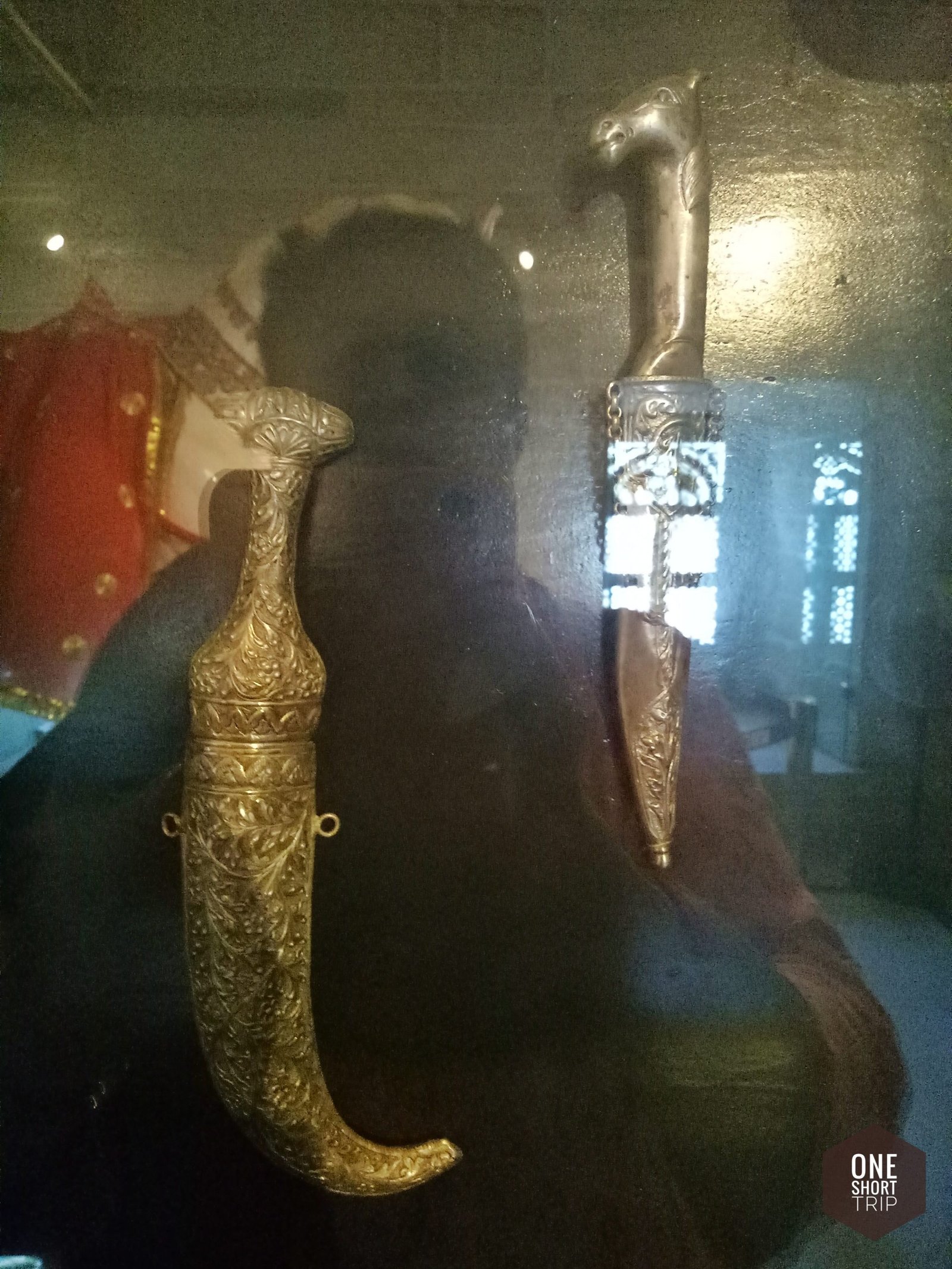
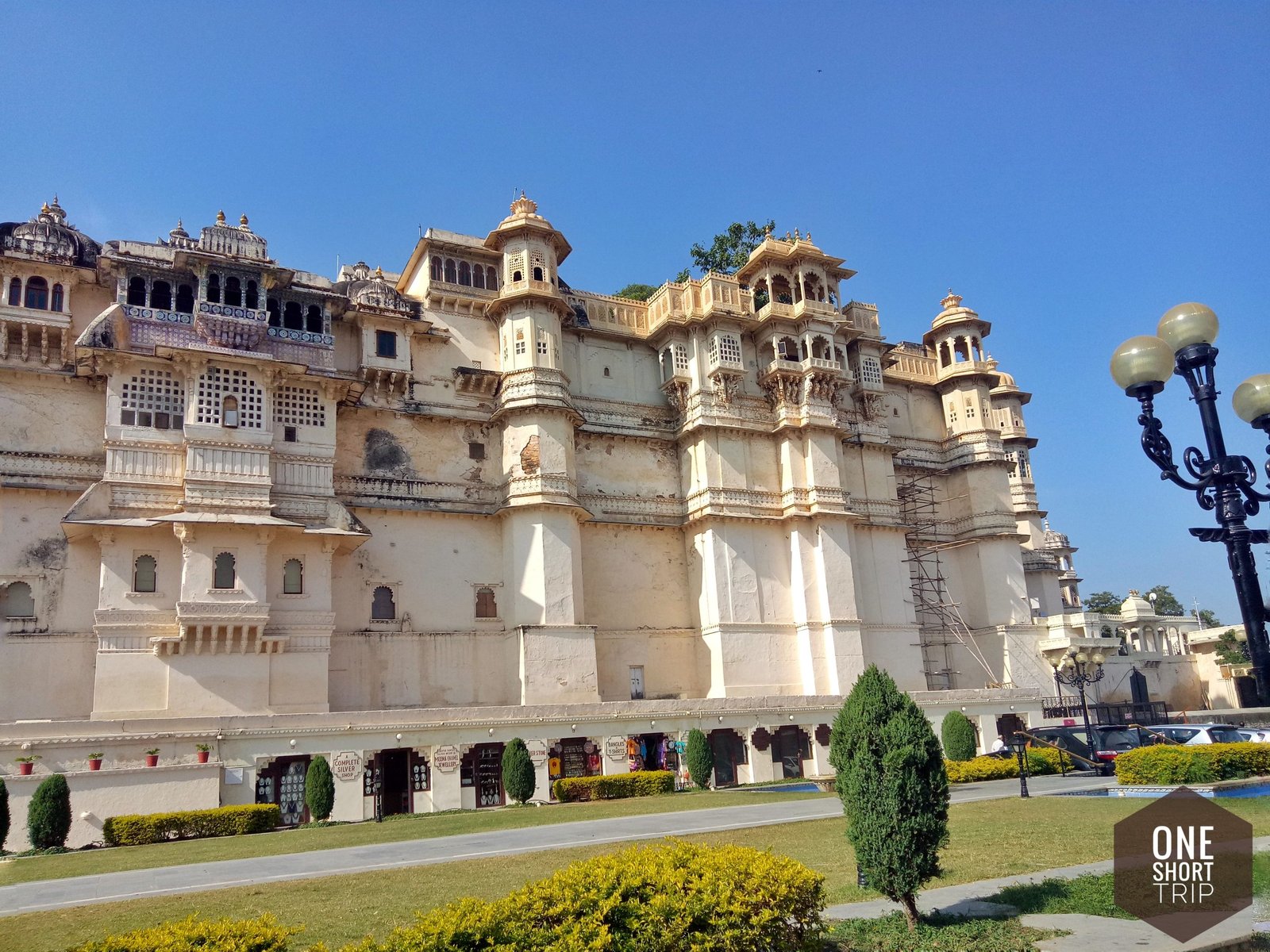
Manek Chowk – The Grand Royal Courtyard
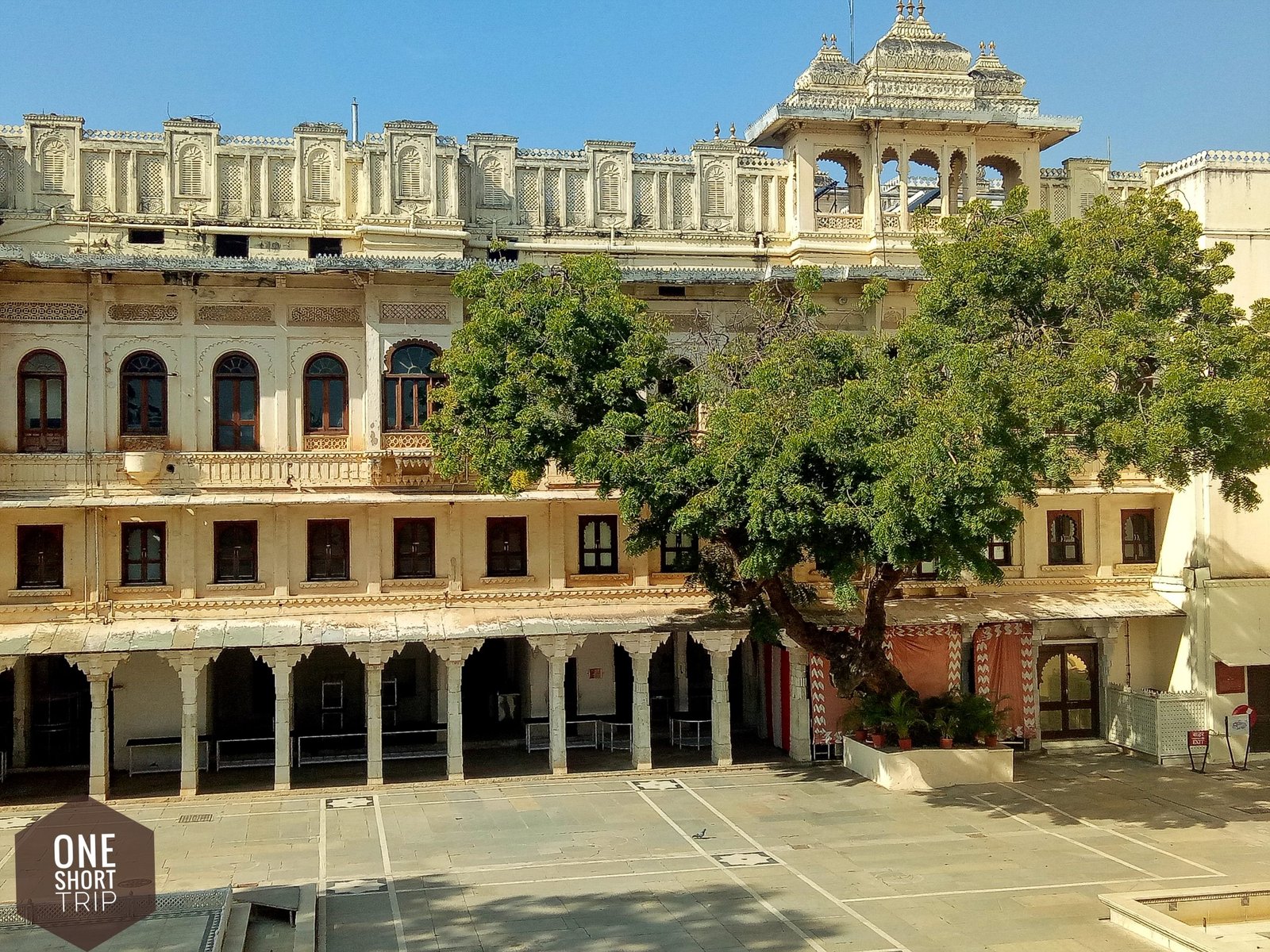
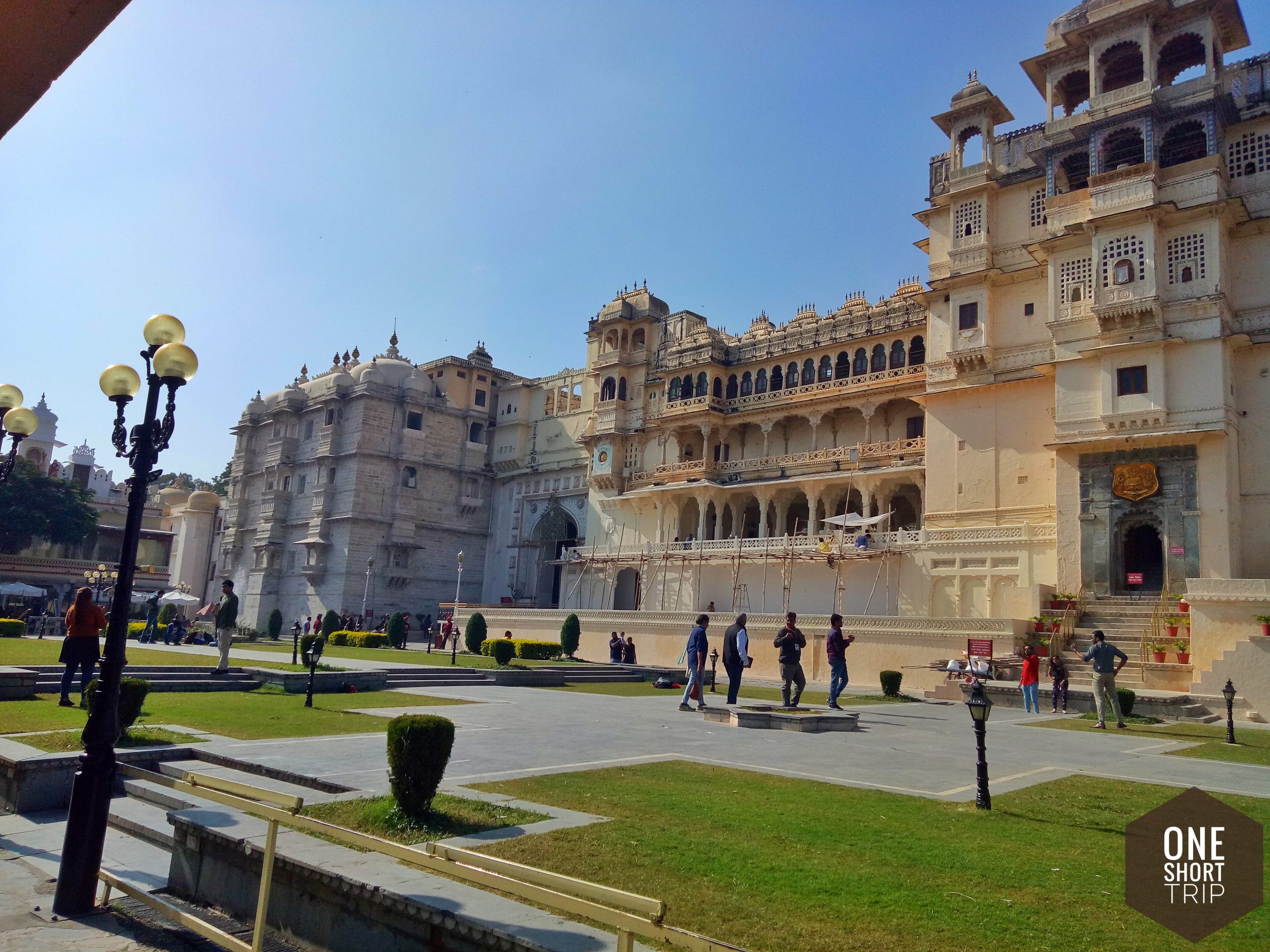
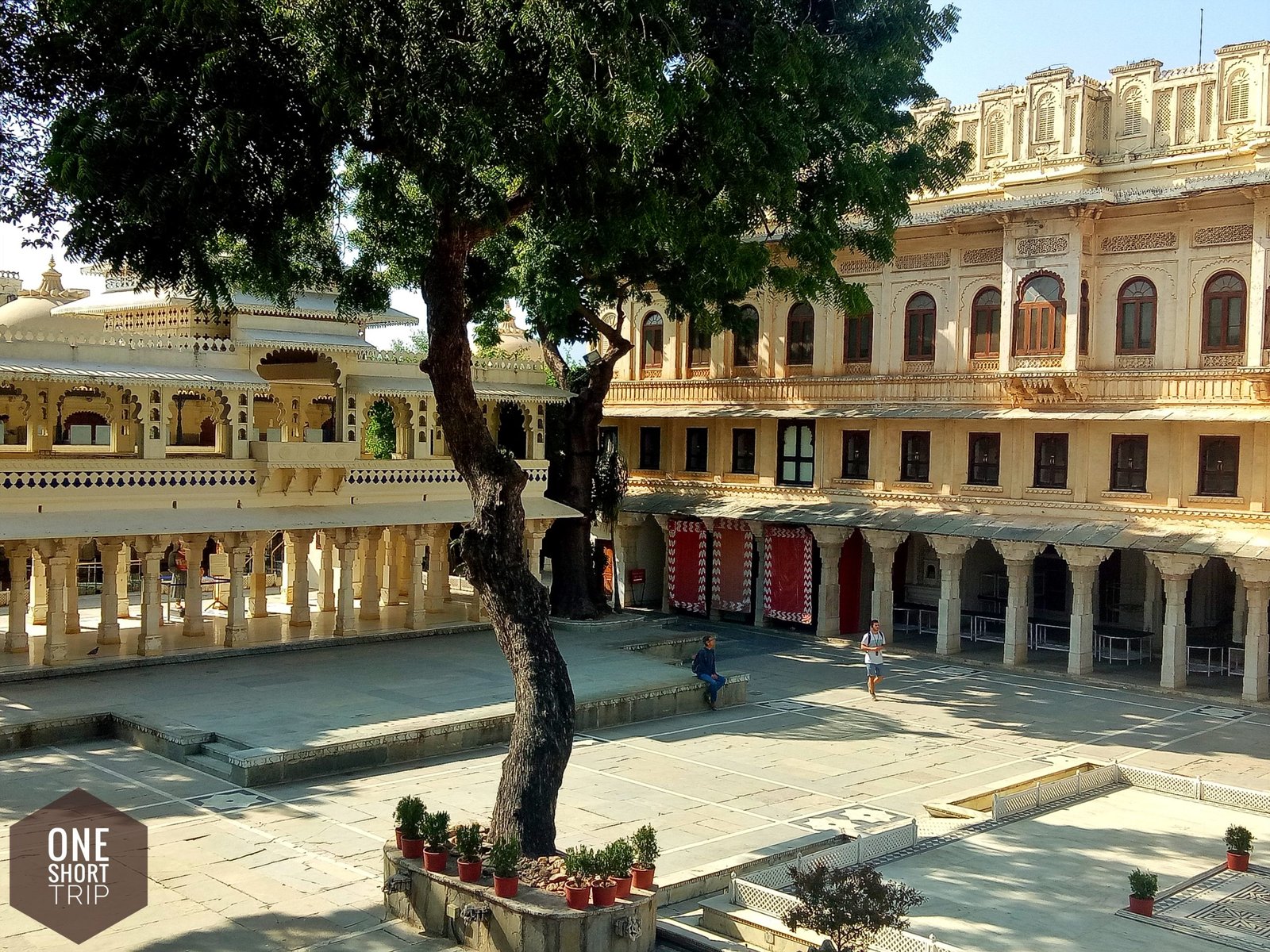
Manek Chowk is one of the best-known courtyards within the City Palace complex. Historically associated with royal ceremonies and gatherings, the courtyard provides a dramatic sense of scale and offers views of the palace's imposing architecture.
The courtyard continues to play an important role in presenting the history of Mewar to visitors. Rajasthan Tourism also notes that an evening sound and light presentation is conducted at Manek Chowk, bringing the story of Mewar's rulers and traditions to life.
Suraj Gokhada – The Balcony of the Sun
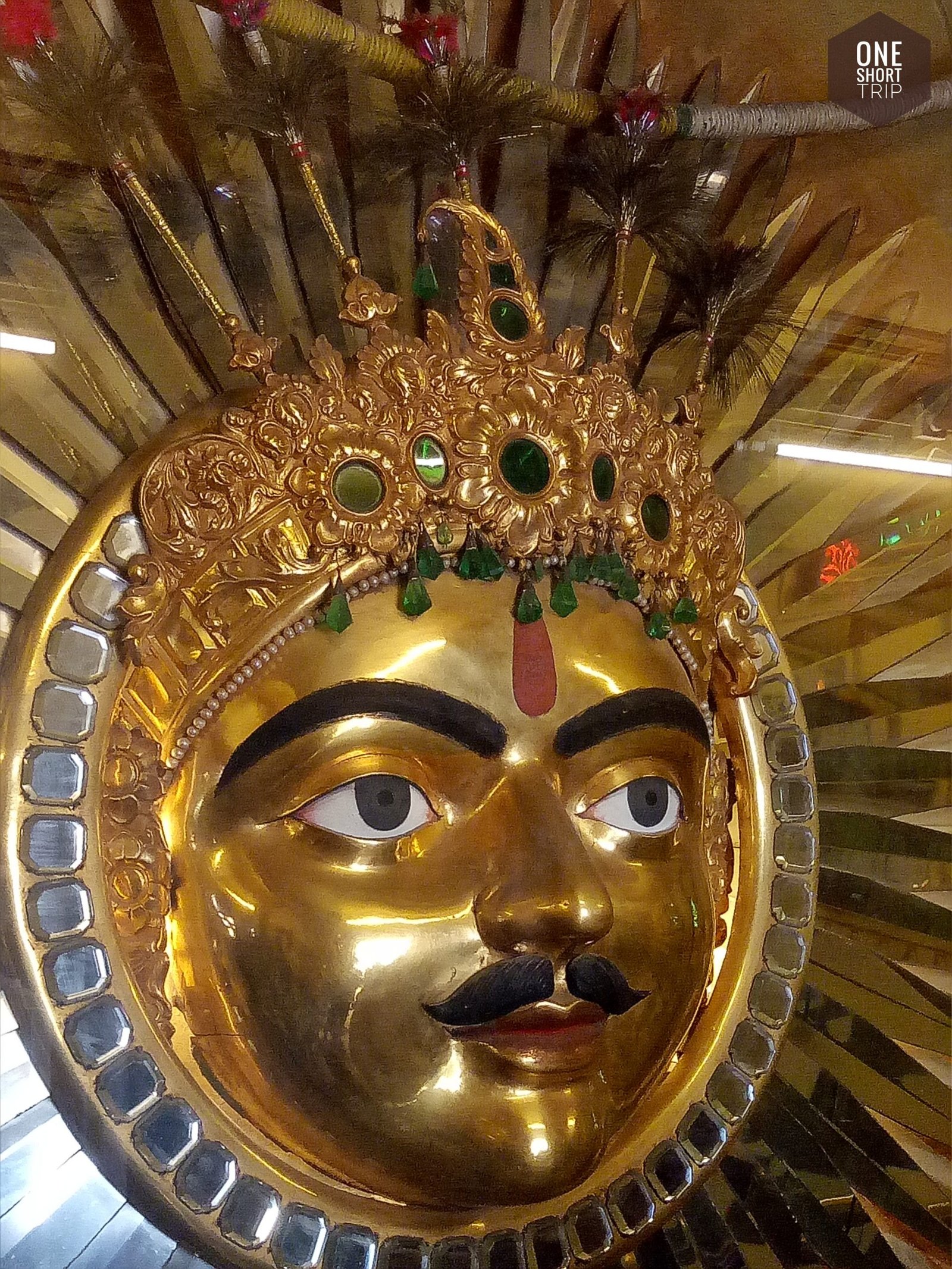
Suraj Gokhada, meaning the Balcony of the Sun, is one of the historically significant spaces within City Palace Udaipur. The Mewar rulers belonged to the traditional Suryavanshi lineage, and the sun has long held an important symbolic place in Mewar's royal identity.
According to Rajasthan Tourism, the balcony was used by the Suryavanshi Maharanas when they presented themselves before the people during difficult periods, reinforcing the relationship between the ruler and the people.
Mor Chowk – The Peacock Courtyard
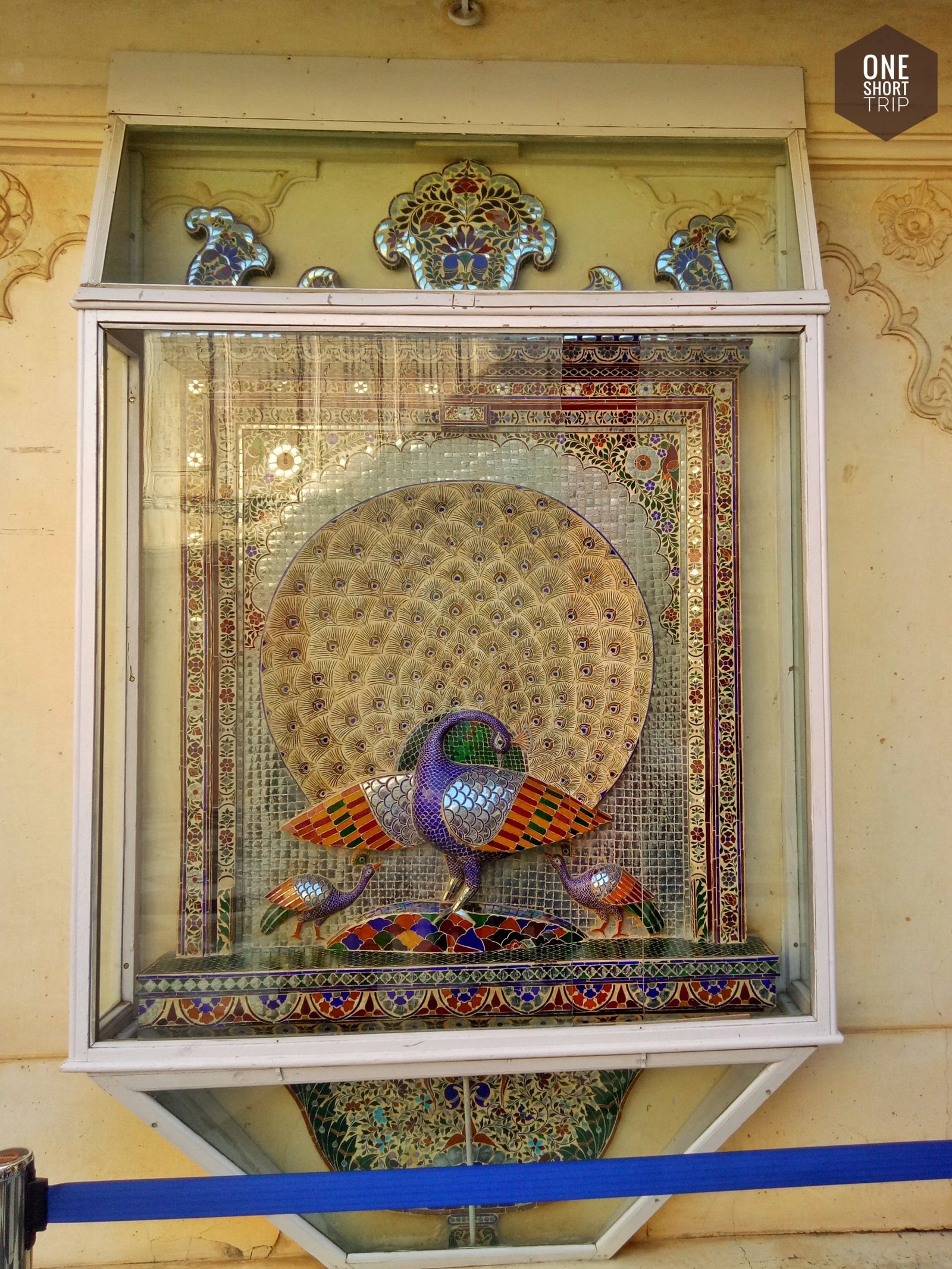
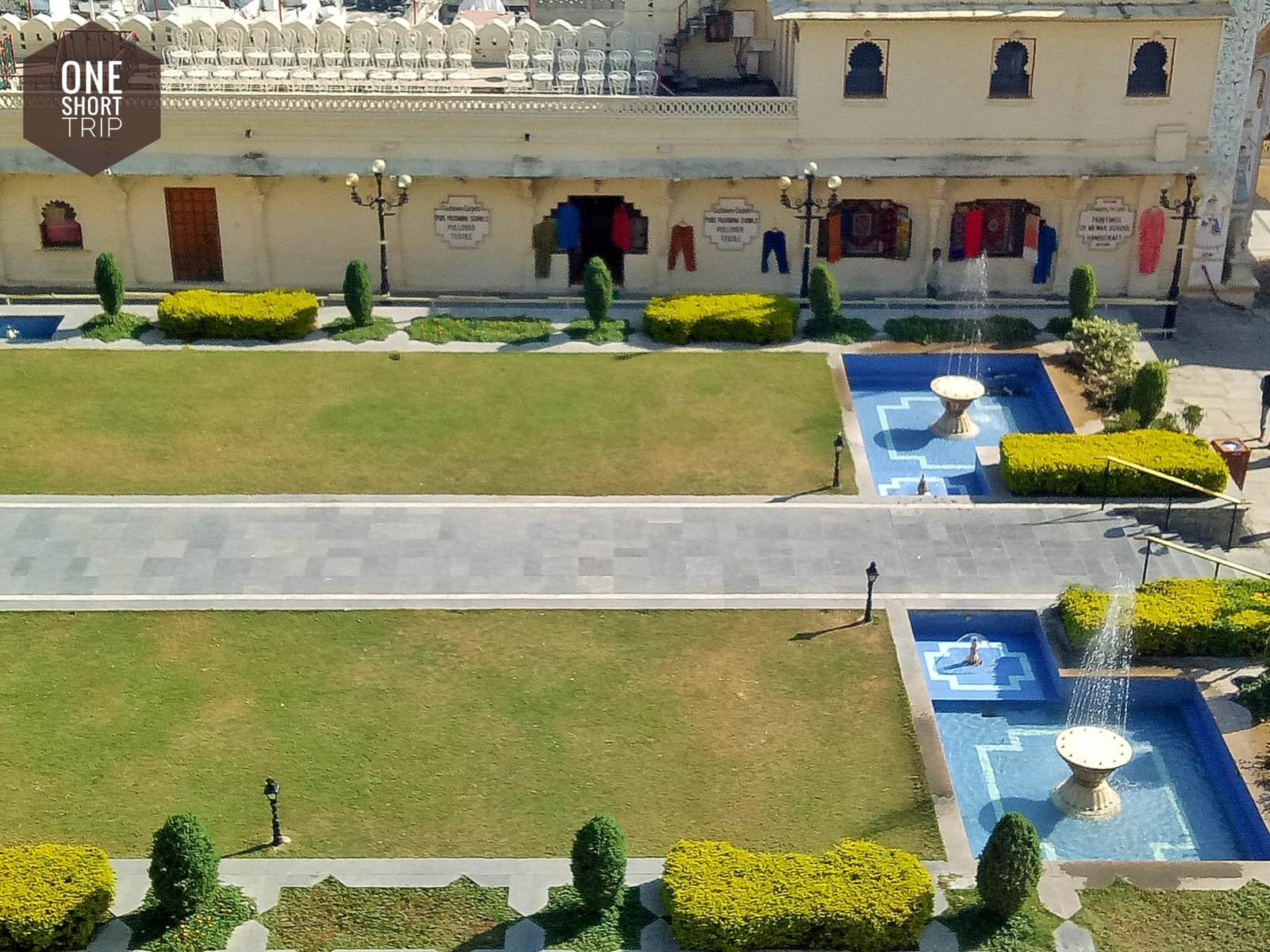
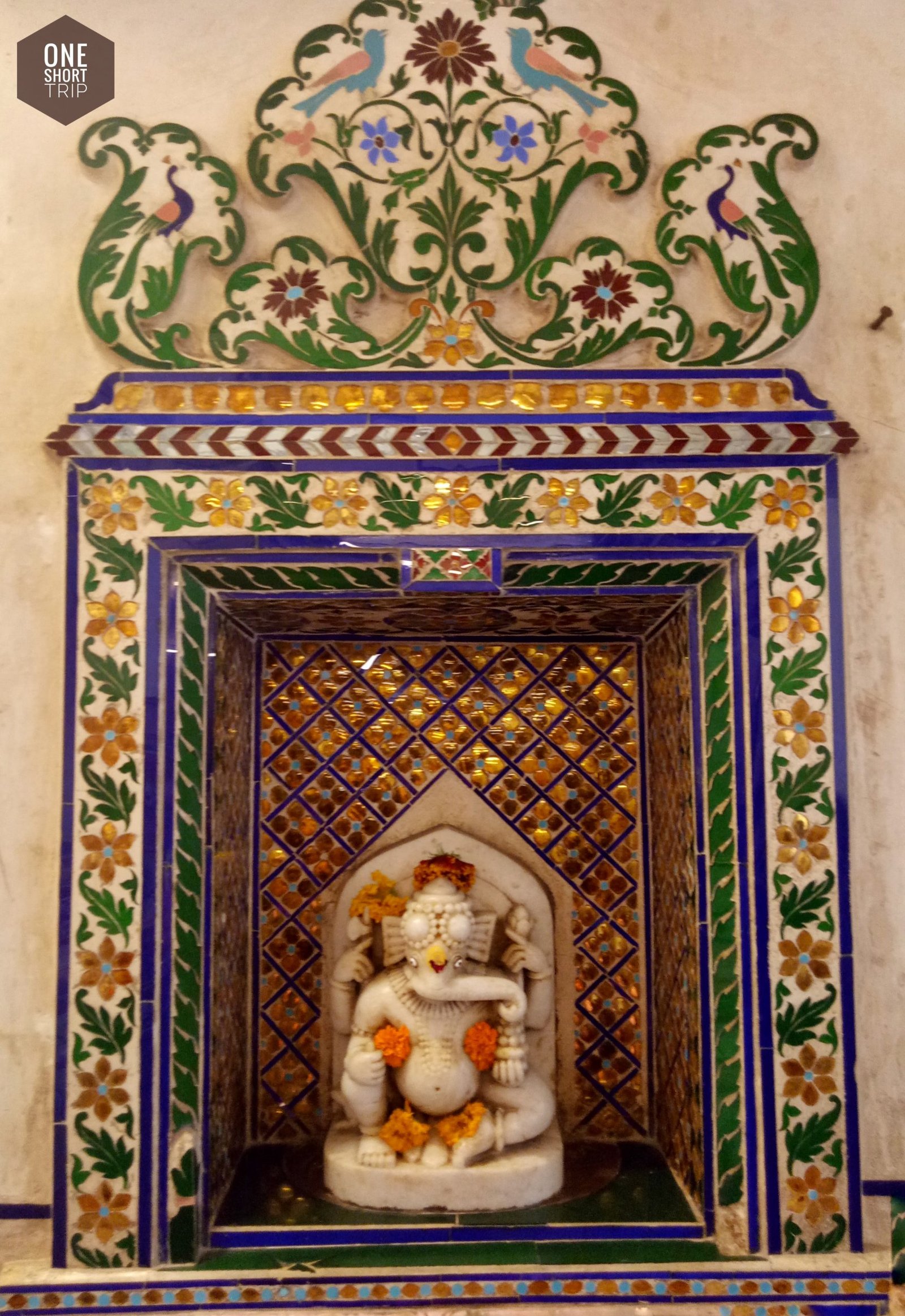
Mor Chowk is among the most visually celebrated sections of City Palace Udaipur. Its name comes from the elaborate peacock motifs that decorate the courtyard. Rajasthan Tourism specifically highlights the exquisite peacock mosaics created with coloured glass.
The peacock imagery is particularly striking because the colourful glass work changes character as light falls across the surface. For visitors interested in traditional Indian decorative arts, Mor Chowk is one of the most memorable areas of the palace.
Chini Chitrashala – Blue and White Ceramic Art
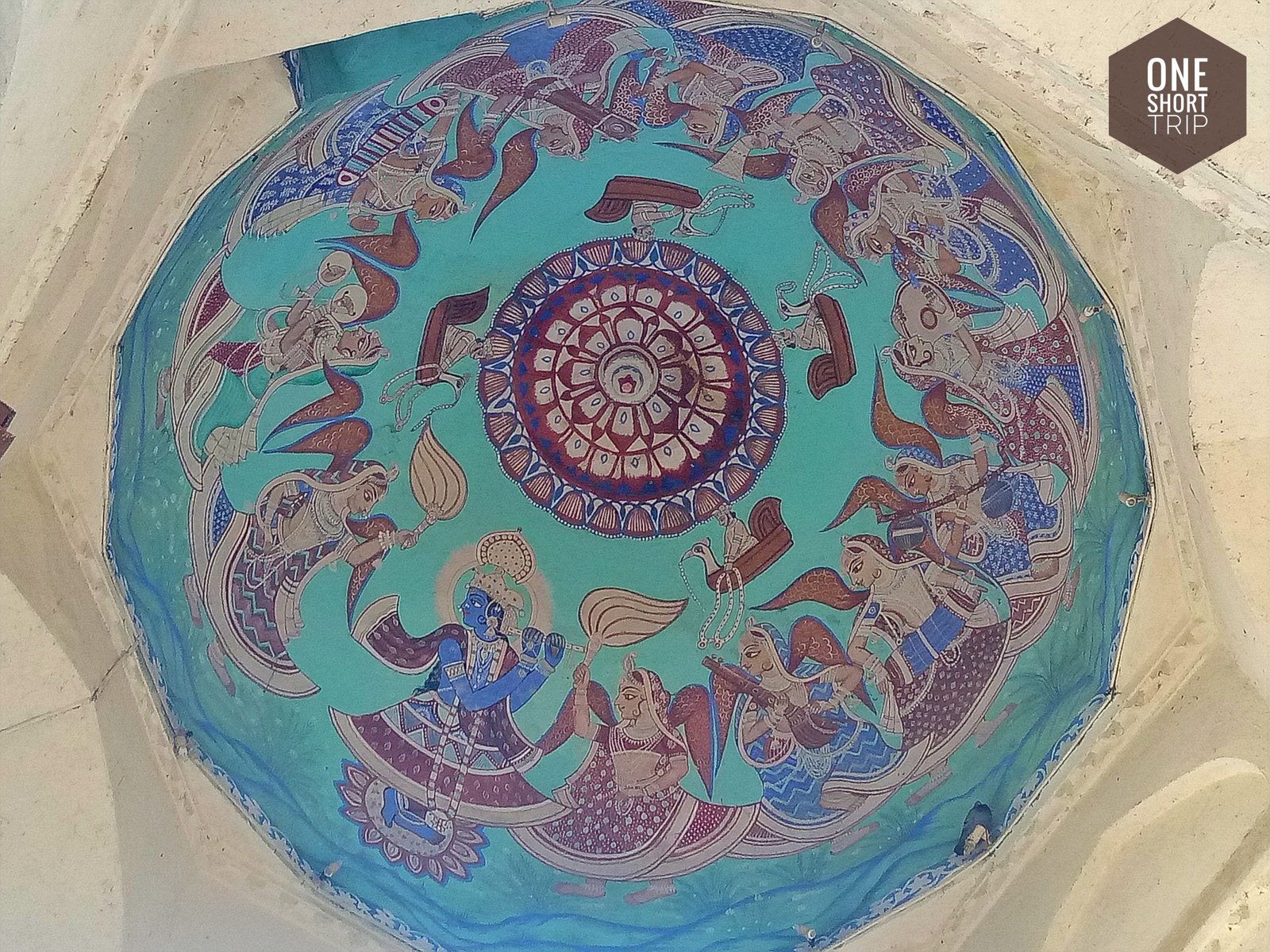
Chini Chitrashala is another distinctive attraction within the palace. The space is noted for its blue and white ceramic decoration, adding a different visual character to the otherwise richly ornamented Rajput interiors.
Together with the glass mosaics, paintings, mirror work and other decorative elements found throughout the complex, Chini Chitrashala demonstrates the variety of artistic traditions incorporated into the royal palace over generations.
Zenana Mahal – The Royal Women's Quarters
Zenana Mahal was historically associated with the women of the royal household. The official City Palace Museum describes it as a dedicated space where royal women lived and held their own functions, celebrations, rituals and gatherings.
Today, several rooms of the Zenana Mahal form part of the museum experience, allowing visitors to understand another side of royal life beyond the ceremonial halls and public courtyards.
Kanch Ki Burj – A Palace of Glass and Mirrors
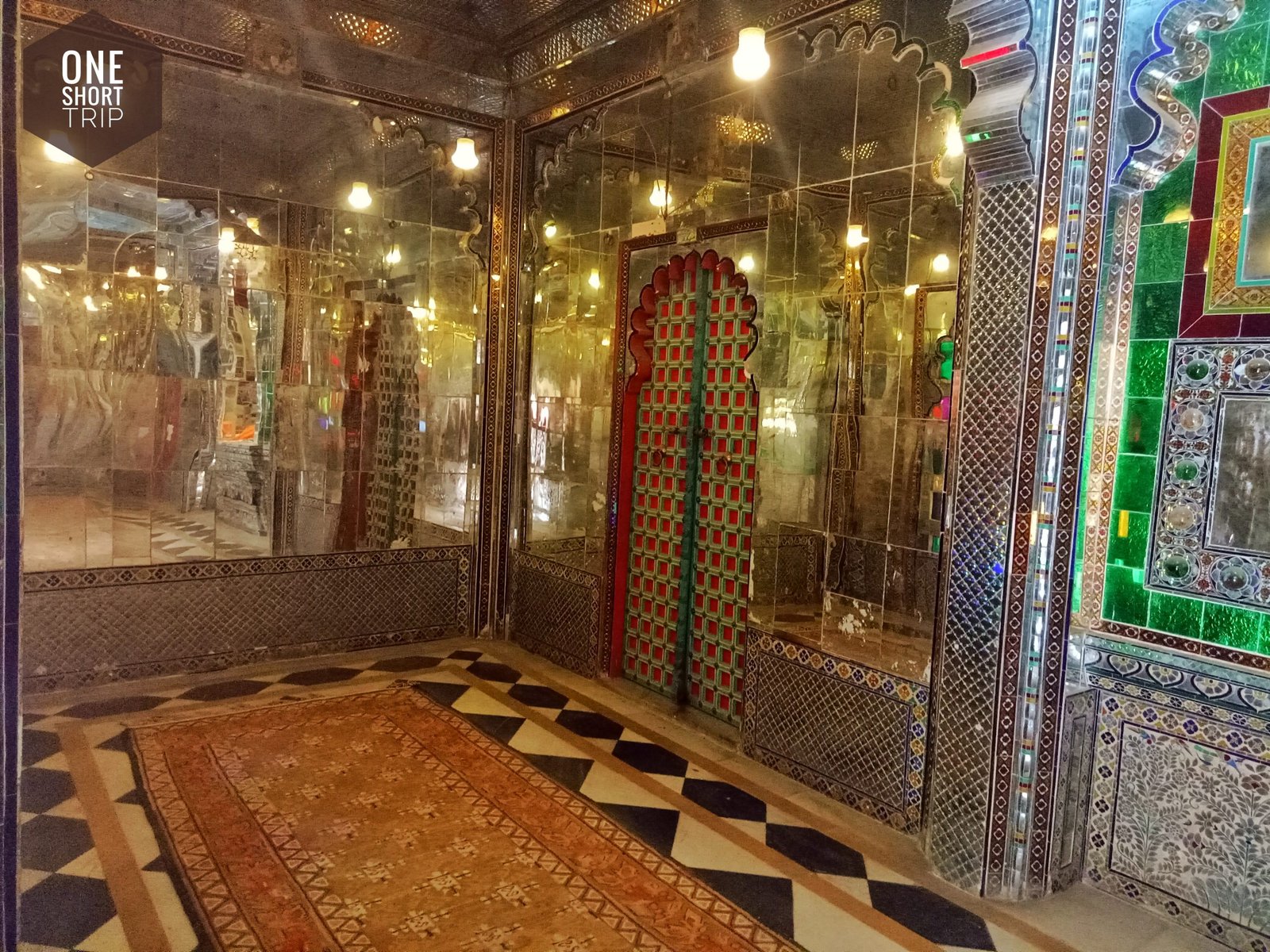
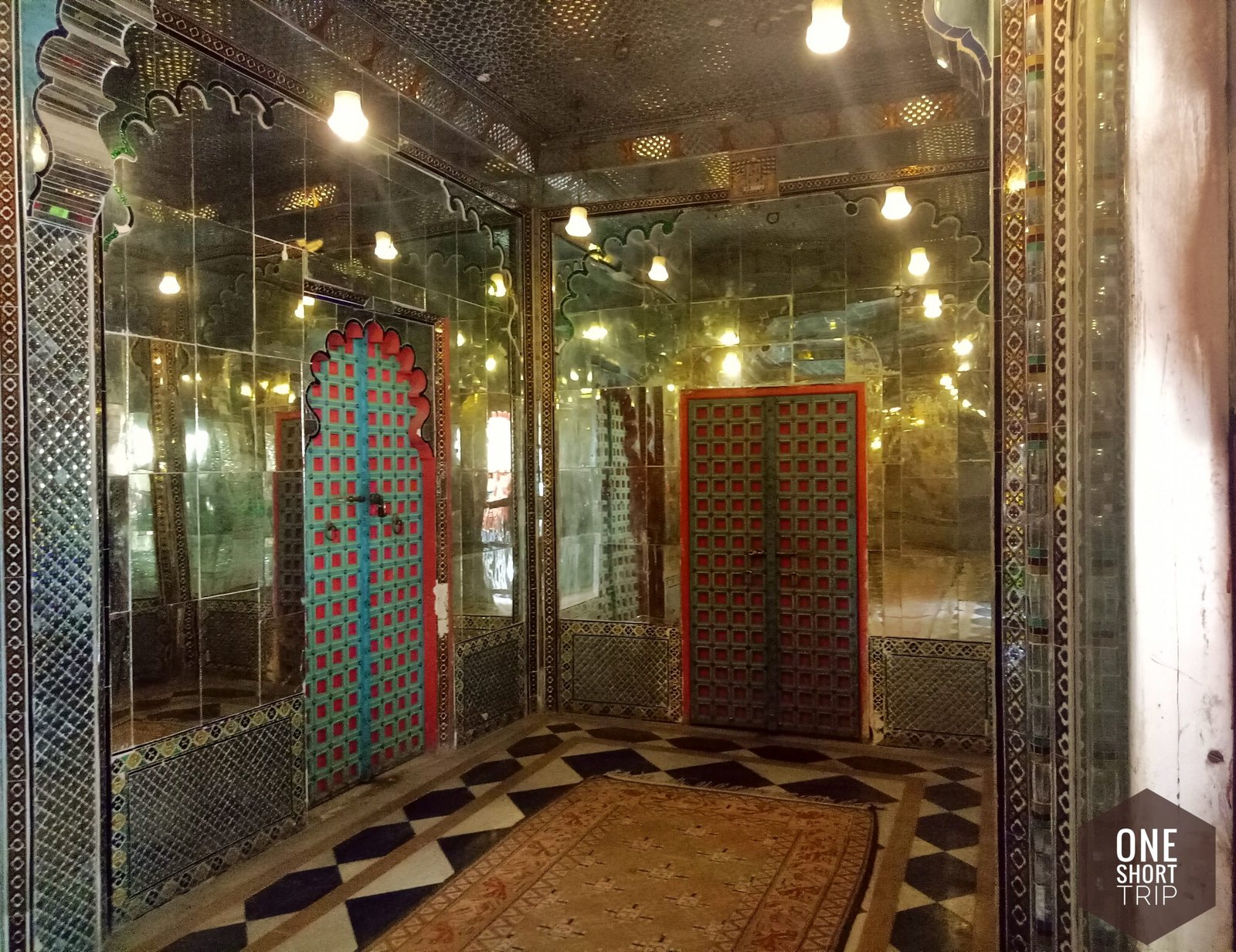
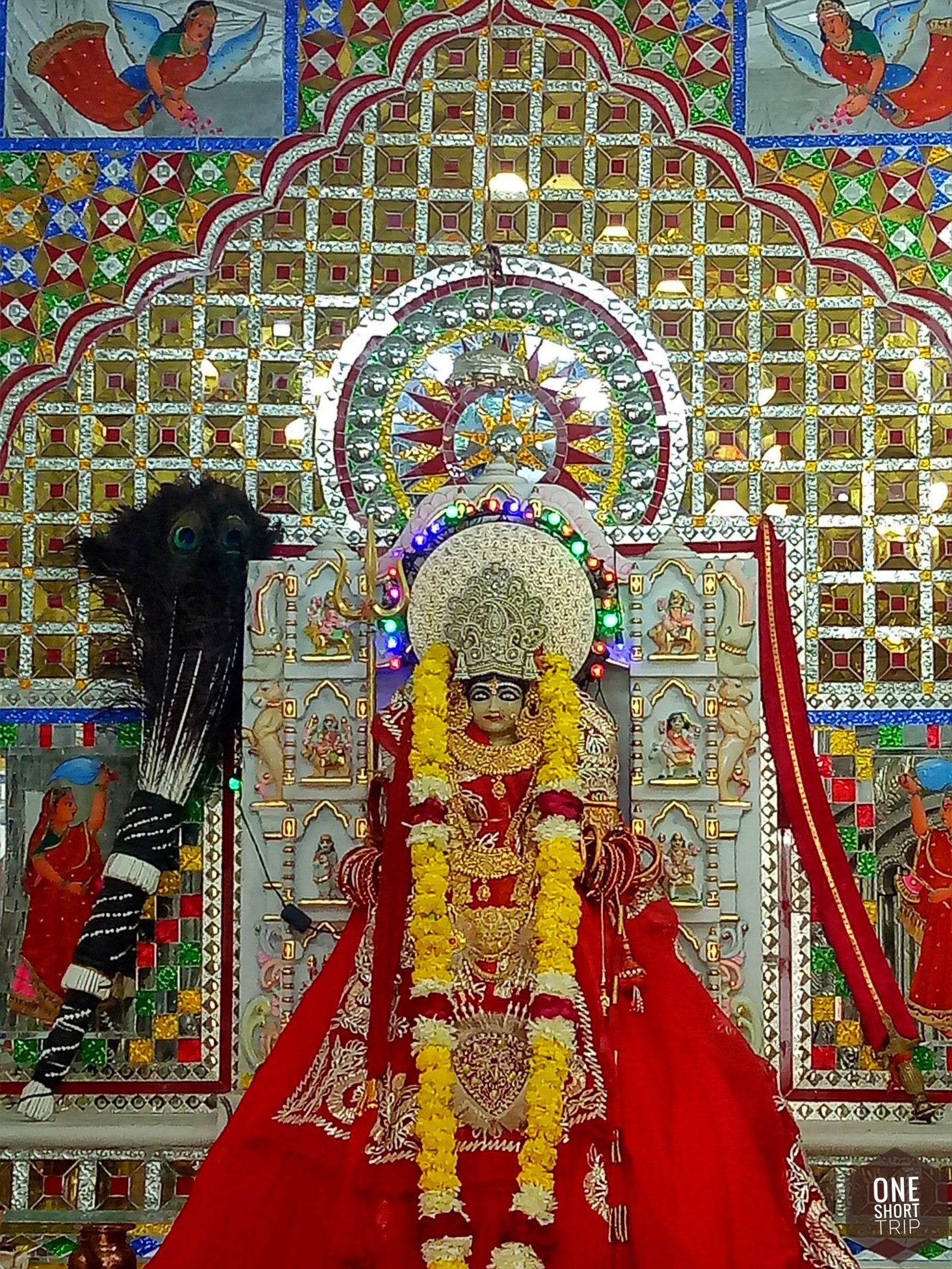
Kanch Ki Burj is known for its elaborate glass and mirror decoration. The official City Palace Museum describes it as a former winter bedroom of the Maharanas, featuring red, yellow and white colours associated with the Mewar region.
The use of mirrors, coloured glass and decorative surfaces creates a distinctly intimate atmosphere compared with the larger courtyards of the palace. It is one of the spaces that reveals the luxurious private side of royal life.
Baadi Mahal – The Garden Palace
Baadi Mahal is another important part of the City Palace Museum experience. Its elevated setting and relationship with the surrounding palace spaces add another layer to the complex, where architecture, open courtyards and views of Udaipur come together.
As visitors move through the palace, these different sections help explain how the complex accommodated royal residences, private spaces, ceremonies, administration and leisure within one enormous architectural ensemble.
Rai Angan – One of the Oldest Areas of the Palace
Rai Angan is among the important historic areas included in the City Palace Museum. Its presence helps connect the museum experience with the earliest phase of the palace's development and the foundation of Udaipur's royal centre.
The official museum identifies Rai Angan along with Zenana Mahal, Kanch Ki Burj, Mor Chowk and Baadi Mahal among the key attractions visitors can explore within the museum.
The City Palace Museum – Living Heritage of Mewar
A major part of the palace is now preserved as the City Palace Museum. The official museum states that it occupies a palace complex more than 450 years old and was opened to the public as a museum in 1969 through the initiative of Maharana Bhagwat Singh Mewar.
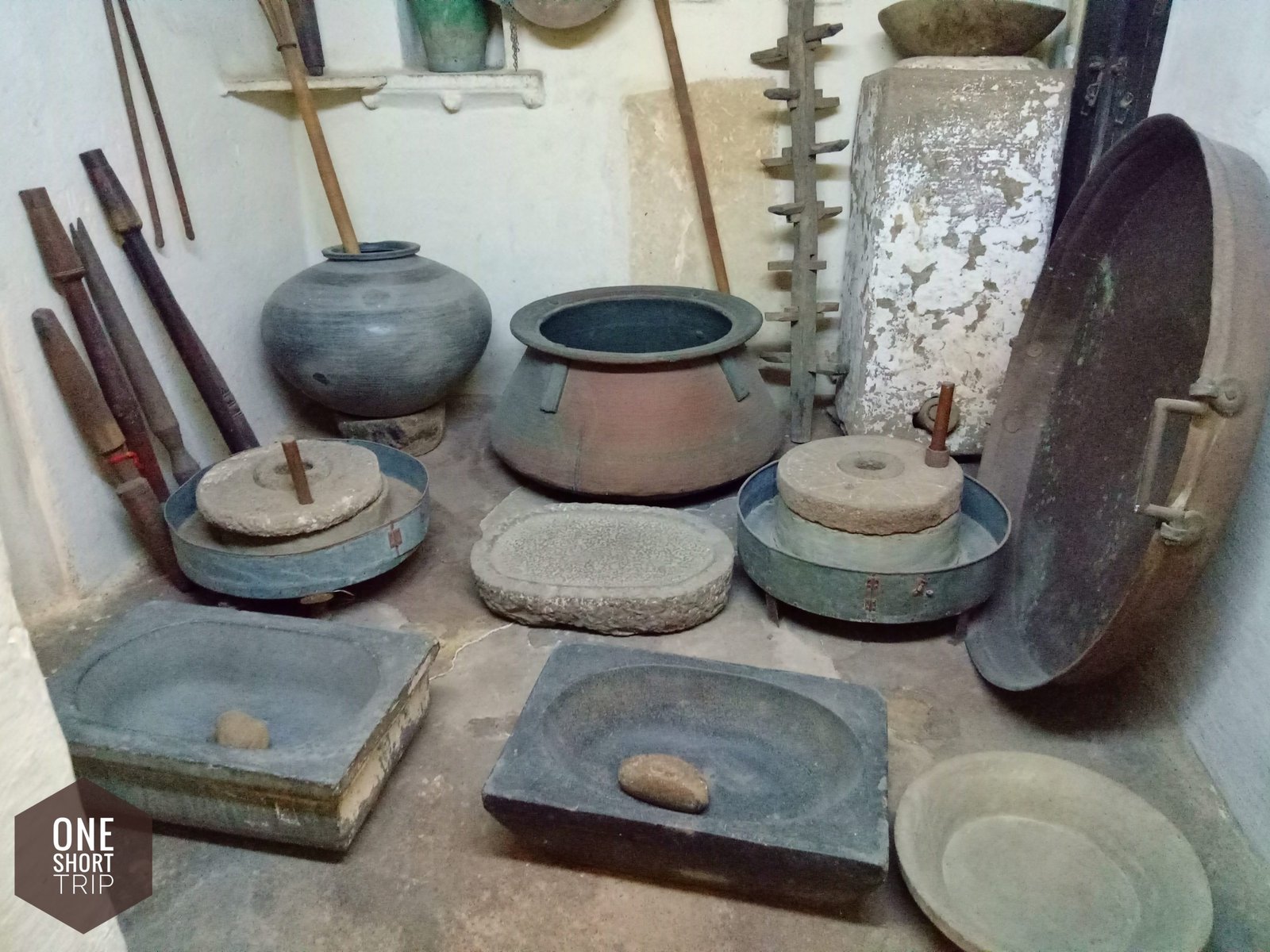
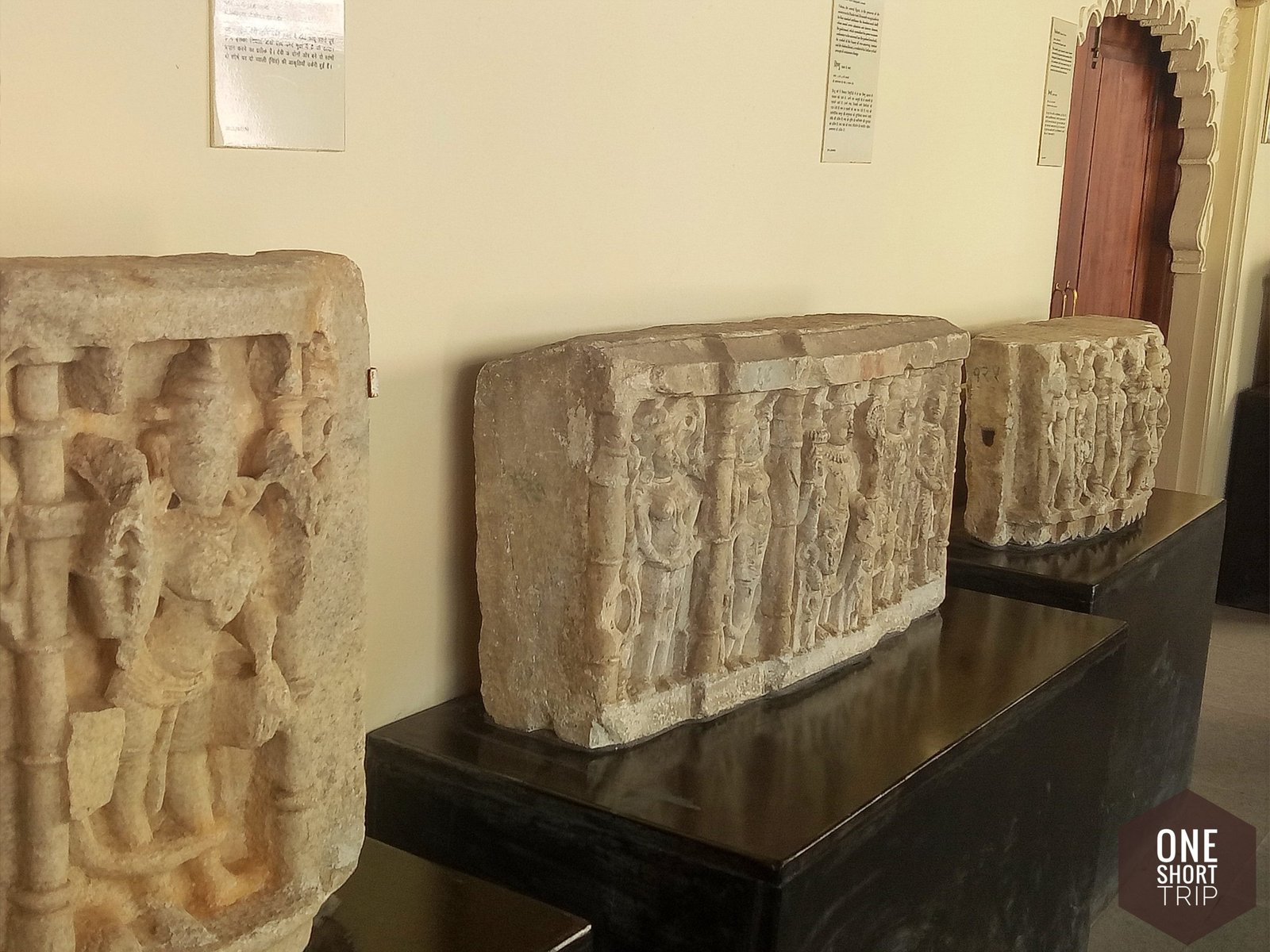
The museum preserves the material culture of Mewar through royal objects, historic interiors, paintings, weapons, costumes and architectural spaces. Rather than functioning only as a collection of exhibits, it allows visitors to walk through the actual palace environment in which generations of the Mewar royal family lived and conducted their affairs.
Why City Palace Udaipur Is So Important
City Palace is more than a beautiful palace overlooking Lake Pichola. It is one of the best places in Udaipur to understand the history of the Mewar kingdom, the evolution of Rajput royal architecture and the lifestyle of the region's ruling family.
Its courtyards, galleries, mosaics, balconies, royal apartments and ceremonial spaces create a journey through several centuries of Mewar history. The combination of architecture and its spectacular position above Lake Pichola is what makes City Palace Udaipur one of the essential places to visit in Udaipur.
Visiting City Palace Udaipur – Timings, Tickets, Travel Tips & Nearby Places
A visit to City Palace Udaipur is best planned as part of a wider Udaipur sightseeing experience. The palace sits beside Lake Pichola and is close to several of the city's most important attractions, including Jagdish Temple, Gangaur Ghat and the old-city markets. Its location makes it easy to combine the palace with other heritage and lake experiences on the same day.
Because the palace complex contains numerous courtyards, galleries, historic rooms and architectural details, it is worth allowing enough time rather than treating it as a quick photo stop. Visitors interested in history, architecture and Mewar culture will generally get much more from the experience by exploring at a relaxed pace.
City Palace Udaipur Timings
According to the current official City Palace Museum, Udaipur visitor information, the museum is open from 9:00 AM to 9:00 PM. The official FAQ states that museum ticket sales close at 8:00 PM. The museum is open seven days a week unless otherwise notified.
For a comfortable sightseeing experience, arriving earlier in the day is usually preferable, particularly during warmer months. An early visit also gives you more time to explore the palace before continuing to other attractions around Lake Pichola.
City Palace Udaipur Entry Fee
The official City Palace Museum FAQ currently available on the museum website states a ₹400 museum admission fee under its uniform fee policy for Indian and foreign visitors. It also lists concessional rates for certain categories, including children aged 5–18, students with valid identity cards, teachers accompanying student groups, defence and police personnel, and senior citizens above 60 with valid identification.
Children below five years and differently-abled visitors are listed as eligible for free entry in the official FAQ. Because the published fee document is dated October 2023, visitors should verify the current ticket price on the official museum website before travelling.
How to Reach City Palace Udaipur
By Air: The nearest airport is Maharana Pratap Airport, also known as Udaipur Airport. The official City Palace Museum website places the airport about 20 km from the city centre. From the airport, visitors can continue by taxi or other local transport.
By Train: Udaipur railway station connects the city with major destinations including Delhi, Ahmedabad, Jaipur and Mumbai. From the railway station, City Palace can be reached by taxi, auto-rickshaw or other local transport.
By Road: Udaipur is well connected by road with major cities of Rajasthan and neighbouring states. Buses, taxis and private vehicles can be used to reach the city, after which local transport can take you towards the City Palace and the old city.
How Much Time Do You Need at City Palace Udaipur?
The official City Palace Museum recommends at least one hour to get a flavour of the museum, while the actual time required depends on your interests, physical ability and pace. For travellers who want to properly appreciate the architecture, museum collections and historic rooms, planning around 2 to 3 hours is a more comfortable approach.
Photography stops, reading the museum displays and spending time in the courtyards can extend the visit. Families with children and senior citizens may also prefer a slower pace with short breaks.
Best Time to Visit City Palace Udaipur
The cooler months are generally the most comfortable period for exploring Udaipur, especially from October to March. Winter mornings and evenings are pleasant for sightseeing, while the palace itself provides a largely indoor and sheltered heritage experience.
For a quieter sightseeing experience, try to arrive earlier in the day. If you are visiting during a busy holiday period, allow additional time for ticketing, entry checks and movement through popular sections of the palace.
City Palace Udaipur for Families and Senior Citizens
City Palace is suitable for family sightseeing because the visit combines history, architecture, art and visually impressive palace spaces rather than requiring a single type of activity. Children can see royal courtyards, paintings, decorative glass work and historic objects while adults can explore the deeper history of Mewar.
The official museum also provides facilities intended to improve accessibility, including an accessible lift, wheelchair, ramps, accessible toilet, drinking water, washrooms and a childcare room. These facilities make the museum more manageable for families and visitors with different mobility requirements.
Audio Guides and Guided Visits
Visitors who want more historical context can make use of the museum's interpretation facilities. The official museum provides audio guides in English, French, German and Spanish, allowing visitors to explore the palace at their own pace.
The museum also provides trained guides. For first-time visitors who are particularly interested in Mewar history, a guided experience can make it easier to understand the purpose of different courtyards, royal rooms and collections.
Photography at City Palace Udaipur
City Palace contains many highly photogenic spaces, from its grand exterior and courtyards to colourful mosaics, balconies and lake-facing views. However, visitors should follow the photography instructions displayed inside the museum and respect restrictions wherever they apply.
Avoid using flash around delicate paintings, textiles and historic objects unless specifically permitted. Photography should never interfere with other visitors or with museum operations.
What to Wear at City Palace Udaipur
City Palace is a heritage and museum complex rather than a temple, so there is no strict religious dress code for ordinary museum entry. Nevertheless, modest and comfortable clothing is recommended, particularly when combining the visit with nearby temples such as Jagdish Temple.
Comfortable footwear is especially important because sightseeing involves walking through multiple palace sections, courtyards and passages.
City Palace and Lake Pichola
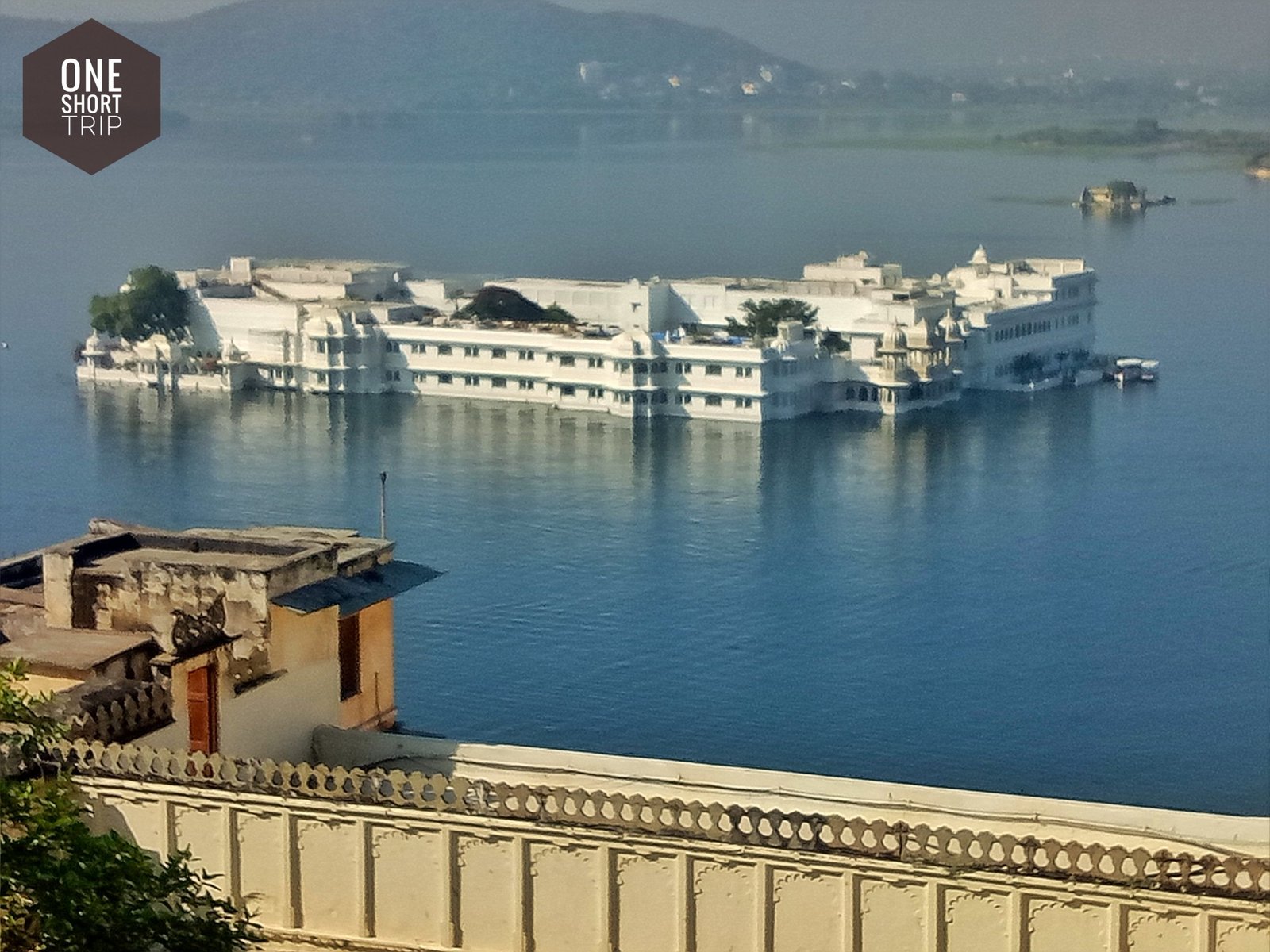
One of the biggest advantages of visiting City Palace is its position beside Lake Pichola. Rajasthan Tourism notes that City Palace stands along the eastern bank of the lake, while a boat ride around sunset offers striking views of the lake and palace.
For travellers with enough time, combining the palace with a Lake Pichola boat ride creates two different perspectives: the palace provides an immersive journey through Mewar's royal interiors, while the boat offers a panoramic view of the palace rising above the lake.
Places to Visit Near City Palace Udaipur
Jagdish Temple: Located close to City Palace, this historic Hindu temple is one of Udaipur's major architectural and religious landmarks. It can easily be combined with a palace visit.
Lake Pichola: The lake is directly associated with the palace and is ideal for a boat ride or lakeside sightseeing.
Bagore Ki Haveli: Located near Gangaur Ghat, the haveli offers another opportunity to explore Udaipur's heritage, architecture and cultural traditions.
Gangaur Ghat: A historic waterfront location on Lake Pichola, particularly atmospheric around sunset and during local festivals.
Doodh Talai: A scenic lake and hill area that can be combined with other central Udaipur sightseeing stops.
Best City Palace Udaipur Sightseeing Combination
A practical sightseeing sequence is to begin with City Palace in the morning, followed by Jagdish Temple and the old-city lanes. After lunch, continue towards Bagore Ki Haveli and Gangaur Ghat, and finish with a Lake Pichola sunset boat ride if operating and suitable for your schedule.
For travellers staying longer in Udaipur, the palace can also be combined with Fateh Sagar Lake, Saheliyon Ki Bari, Sajjangarh/Monsoon Palace and other attractions on separate sightseeing periods. Rajasthan Tourism's suggested Udaipur itinerary itself places City Palace, the museum, Jagdish Temple and Saheliyon Ki Bari together in a full sightseeing day.
Practical Tips for Visiting City Palace Udaipur
- Keep at least 2 hours if you want to explore the palace at a relaxed pace.
- Arrive earlier in the day if you prefer a more comfortable sightseeing experience.
- Wear comfortable footwear because the palace requires considerable walking.
- Carry drinking water, particularly during warmer weather.
- Follow museum instructions regarding photography and restricted areas.
- Senior citizens and visitors with mobility concerns can make use of the accessibility facilities provided by the museum.
- Check the official museum website for current ticket prices before travelling, especially because published ticket information can change.
- If you plan to take a Lake Pichola boat ride, allow additional time rather than trying to fit it into a tightly scheduled palace visit.
- During festivals and peak tourist periods, expect more visitors and allow extra time for entry.
Why City Palace Udaipur Should Be on Your Rajasthan Itinerary
City Palace is one of the few places where Udaipur's history, architecture, royal heritage and lake landscape come together in one experience. The palace is not simply a monument to photograph from outside; its courtyards, galleries and historic rooms allow visitors to step into the world of Mewar's rulers and understand how the royal complex evolved over centuries.
For anyone planning a Udaipur sightseeing itinerary, a visit to City Palace is particularly rewarding when combined with Jagdish Temple and Lake Pichola. Together, these attractions provide a strong introduction to the history, architecture and character of the City of Lakes.