

Jodhpur
The Blue City — Rajasthan's desert stronghold, ringed by indigo-washed houses beneath the towering Mehrangarh Fort.
Things To Do
Things To See In Jodhpur
 Fort & Museum
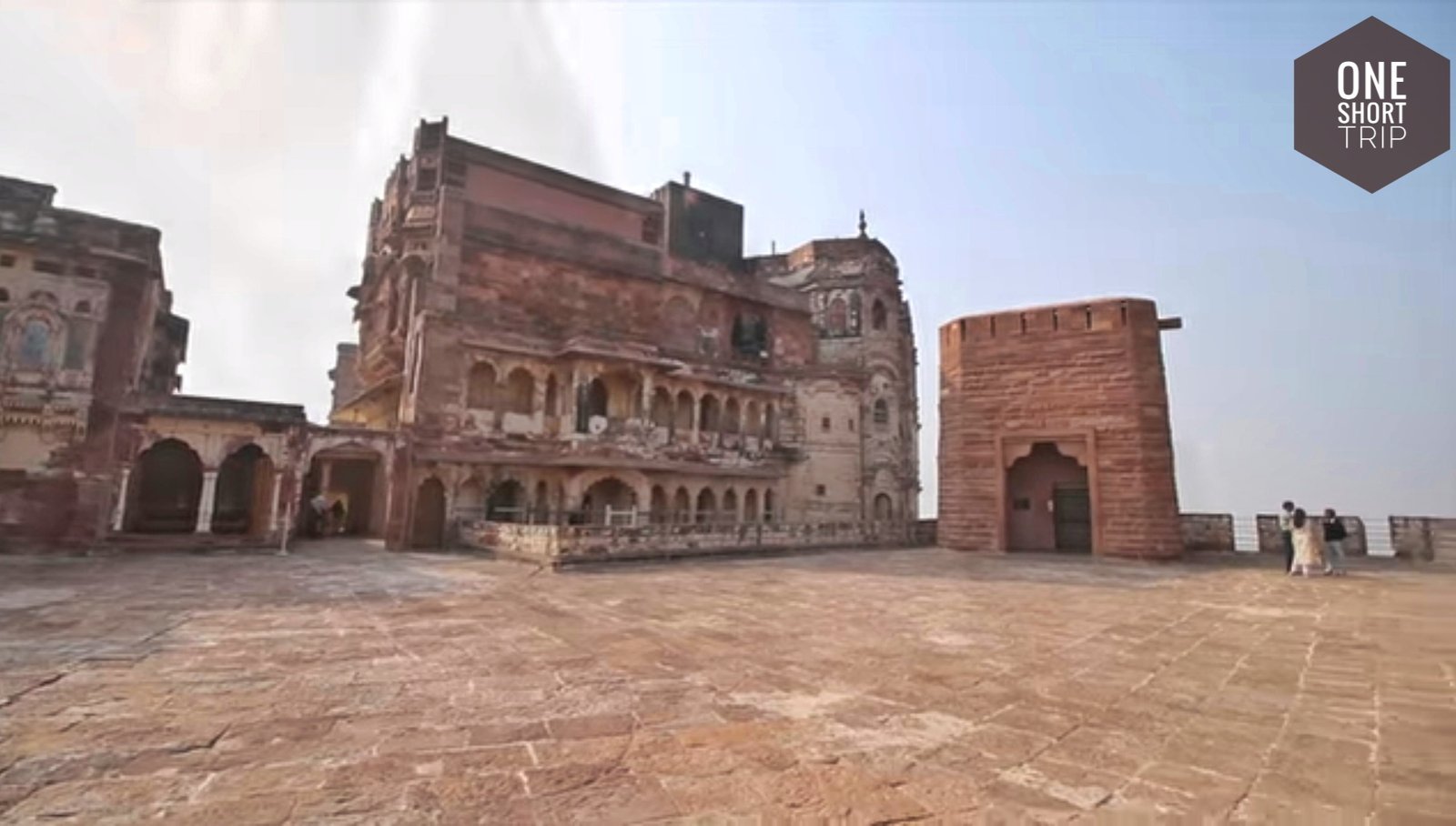
Mehrangarh Fort
One of India's largest forts, rising 410 feet above the city.
Explore →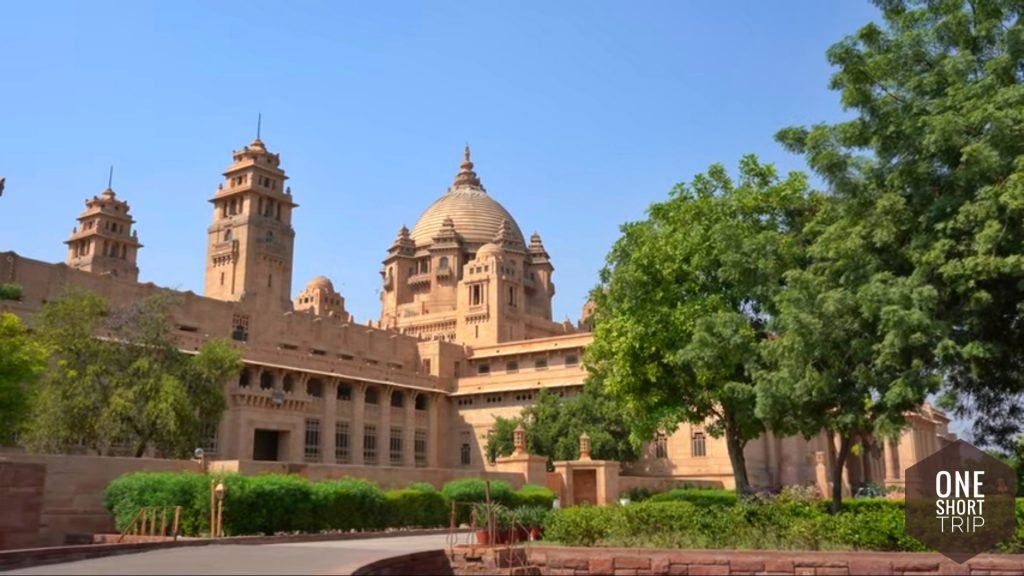 Palace
Umaid Bhawan Palace
A 347-room palace built to beat a famine and lift a curse.
Explore →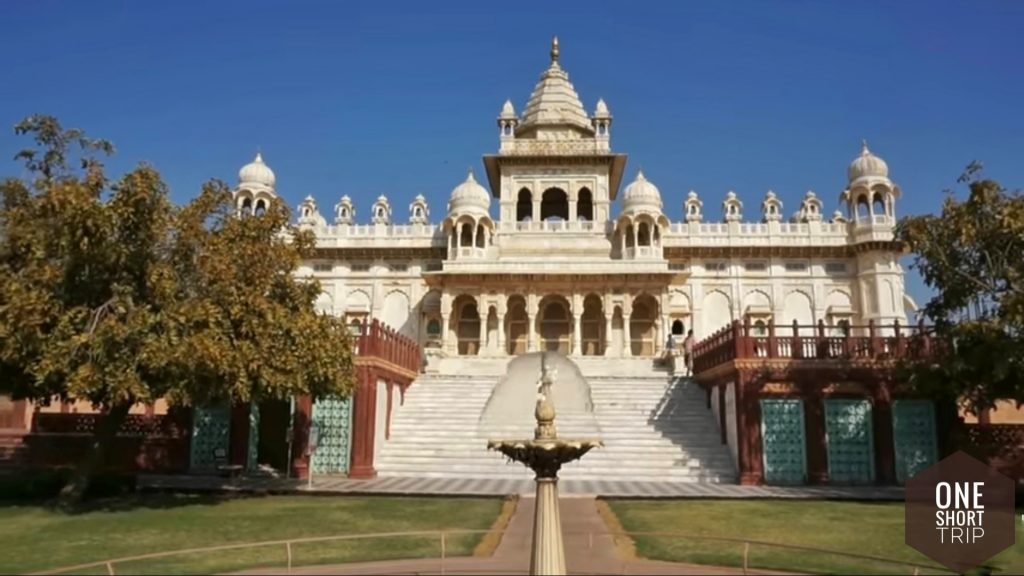 Cenotaph
Jaswant Thada
The glowing white marble "Taj Mahal of Mewar".
Explore → Jain Temple
Mahavira Jain Temple Osian
An 8th-century temple honouring Lord Mahavira.
Explore → Temple
Sachiya Mata Temple
A hilltop goddess shrine wrapped in Vedic legend.
Explore →Jodhpur – The Blue City of Rajasthan
Jodhpur is one of Rajasthan's most fascinating heritage destinations, famous for its blue-painted old city, imposing forts, royal palaces, traditional markets and deep connection with the history of Marwar. Known popularly as the Blue City, Jodhpur combines grand Rajput architecture with colourful streets, traditional crafts, local food and the unmistakable atmosphere of Rajasthan.
The city is dominated by the magnificent Mehrangarh Fort, which rises dramatically above the old city. Around the fort are historic neighbourhoods, blue houses, temples, stepwells, markets and viewpoints that reveal different sides of Jodhpur. Beyond the old city, attractions such as Umaid Bhawan Palace, Jaswant Thada, Mandore Gardens and Rao Jodha Desert Rock Park add to the city's heritage and natural appeal.
Why Jodhpur is special: Few cities in Rajasthan bring together a massive hilltop fort, a blue-painted historic city, royal palaces, Marwar culture, traditional bazaars and desert landscapes in such a compact travel destination.
Why Is Jodhpur Called the Blue City?
The old quarters of Jodhpur are famous for their houses painted in different shades of blue. The blue buildings surrounding Mehrangarh Fort create one of the city's most recognisable landscapes and are particularly striking when viewed from elevated points around the fort.
The blue colour has become an important visual identity of Jodhpur. Walking through the narrow lanes of the old city gives travellers a very different experience from visiting the large monuments. The combination of blue homes, old stone buildings, temples, balconies, wooden doors and bustling streets creates the character that makes Jodhpur instantly recognisable.
The History of Jodhpur
Jodhpur traces its foundation to 1459, when Rao Jodha, a ruler of the Rathore clan, established the city. Before Jodhpur became the centre of Marwar, the ancient capital was Mandore, located to the north of the present city.
Rao Jodha selected a strategically important rocky hill for the new settlement and began constructing the fort that would become Mehrangarh. The new city developed around this powerful fortress and eventually became one of the major centres of the Marwar region.
The history of Jodhpur is closely connected with the Rathore dynasty, Rajput traditions and the wider political history of Rajasthan. This heritage can still be experienced through its forts, palaces, temples, museums, royal memorials, traditional architecture and surviving customs.
Mehrangarh Fort – The Landmark of Jodhpur
Mehrangarh Fort is the defining monument of Jodhpur and one of the most impressive forts in Rajasthan. Built on a rocky hill overlooking the city, the fortress dominates the landscape and provides spectacular views over the blue-painted neighbourhoods below.
The fort was begun by Rao Jodha in 1459 and developed over successive periods. Its massive walls, gateways, courtyards, palaces and museums preserve centuries of Marwar history.
Inside the fort complex, visitors can explore richly decorated palace interiors and museum collections featuring royal possessions, miniature paintings, arms and armour, textiles, furniture and decorative arts. Important palace spaces include Moti Mahal, Phool Mahal and Sheesh Mahal.
Mehrangarh is not simply a fort to photograph from outside. It is one of the best places in Jodhpur to understand the city's royal history, architecture and artistic traditions.
What to See Inside Mehrangarh Fort
- Historic fort gateways and massive defensive walls
- Moti Mahal
- Phool Mahal
- Sheesh Mahal
- Royal courtyards
- Marwar miniature paintings
- Historic weapons and armour
- Royal textiles and furnishings
- Traditional decorative arts
- Panoramic views of Jodhpur's blue old city
- Chamunda Mata Temple within the fort complex
Mehrangarh Museum is particularly important for understanding the artistic and cultural history of Marwar, with collections representing several centuries of courtly life.
Jaswant Thada – The Marble Memorial of Jodhpur
Jaswant Thada is a beautiful white-marble memorial located close to Mehrangarh Fort. It was built in memory of Maharaja Jaswant Singh II and completed in 1906 by his son, Maharaja Sardar Singh.
The monument is known for its finely carved marble screens, domed architecture and peaceful setting. The translucent quality of the marble allows sunlight to filter through the stone, creating a calm atmosphere that contrasts with the imposing walls of Mehrangarh.
The site also provides attractive views towards Mehrangarh Fort and the surrounding landscape. A small museum displays portraits and information relating to the rulers of Marwar.
Jaswant Thada is managed by the Mehrangarh Museum Trust and is also used as a cultural venue during music festivals.
Umaid Bhawan Palace – Jodhpur's Grand Royal Residence
Umaid Bhawan Palace represents a very different period of Jodhpur's royal history. Built during the reign of Maharaja Umaid Singh, the palace was constructed in the 20th century and is one of the city's most recognisable architectural landmarks.
The palace was built during a period of famine and provided employment to local people. Its construction took many years and used sandstone and marble, giving the building its distinctive golden appearance.
The architecture combines influences including Indo-Saracenic, Classical Revival and Art Deco. Today, the complex has different functions, including a museum, a luxury hotel and areas associated with the royal family.
The museum section allows visitors to experience another side of Jodhpur's royal heritage through displays associated with the palace and the former royal household.
Mandore Gardens – The Ancient Capital of Marwar
Before Jodhpur became the centre of Marwar, Mandore served as the ancient capital of the region. Today, Mandore Gardens preserve important reminders of this earlier history.
The complex contains impressive cenotaphs, temples, gardens, historic structures and other remnants associated with the rulers of Marwar. Unlike many of Rajasthan's umbrella-shaped cenotaphs, several of the memorial structures at Mandore display architectural forms influenced by Hindu temple design.
Mandore is therefore more than a garden. It is an important historical extension of Jodhpur's story and is particularly useful for travellers who want to understand the city beyond Mehrangarh Fort.
Ghanta Ghar and Sardar Market
Ghanta Ghar, or the Clock Tower, stands in the heart of Jodhpur's old city beside the lively Sardar Market. Built during the reign of Maharaja Sardar Singh, the clock tower has become one of the most recognisable landmarks of the historic market area.
Sardar Market is one of the best places in Jodhpur to experience the everyday energy of the city. The surrounding lanes are filled with shops selling handicrafts, textiles, spices, jewellery, traditional clothing, souvenirs and local products.
This area is best experienced slowly. Rather than treating the market only as a shopping stop, travellers can explore the surrounding streets, observe traditional architecture and experience the contrast between historic neighbourhoods and modern Jodhpur.
Toorji Ka Jhalra – Jodhpur's Historic Stepwell
Toorji Ka Jhalra is a historic stepwell located in the old city. Its symmetrical stone steps descend towards the water and create one of Jodhpur's most distinctive architectural scenes.
The stepwell is particularly interesting for travellers who enjoy traditional Indian water architecture, photography and heritage walks. Its location near the old markets also makes it convenient to combine with a walk through the historic centre.
Rao Jodha Desert Rock Park
Located beside Mehrangarh Fort, Rao Jodha Desert Rock Park was created to restore the natural ecology of a large rocky wasteland surrounding the fort.
The park showcases plants adapted to the arid environment of the Jodhpur region and offers a different experience from the city's palaces and museums. Walking through the rocky landscape also provides interesting views towards Mehrangarh and the surrounding terrain.
It is a good addition for travellers who want to combine heritage sightseeing with nature and landscape exploration.
Other Places to Visit in Jodhpur
Jodhpur has enough attractions to keep visitors occupied beyond its three most famous landmarks. Depending on the duration of the trip, the following places can also be included:
- Sardar Government Museum – collections related to the history, art and culture of the Marwar region.
- Masuria Hills – a hilltop area offering panoramic views of Jodhpur.
- Shastri Circle – a popular local gathering area that becomes lively in the evening.
- Ranisar and Padamsar Lakes – historic water bodies associated with the early history of Jodhpur.
- Chokhelao Bagh – a historic garden located below Mehrangarh Fort.
- Guda Bishnoi Village – an option for travellers interested in rural landscapes, wildlife and Bishnoi culture.
- Balsamand Lake – a scenic area on the outskirts of the city.
- Kailana Lake – a popular location for relaxing and enjoying the landscape around Jodhpur.
Rajasthan Tourism also highlights rural experiences around Bishnoi villages and wildlife-rich areas such as Guda, making them useful additions for travellers staying longer in the region.
Jodhpur's Marwar Culture
Jodhpur is deeply connected with the culture of Marwar. The region has its own traditions of music, dance, clothing, handicrafts, cuisine and folk storytelling.
Traditional folk music is an important part of the cultural identity of the region. Performances featuring local musicians and instruments can add considerable depth to a Jodhpur trip, especially when combined with a heritage stay or cultural evening.
The city's architecture also reflects its Marwar heritage. Carved stone façades, jharokhas, courtyards, decorative doors, old havelis and painted houses create a visual connection between the modern city and its historic past.
Food to Try in Jodhpur
Jodhpur is an excellent destination for travellers interested in Rajasthani cuisine. The food reflects the dry climate and traditional cooking methods of Rajasthan, with dishes designed around ingredients that could be stored and prepared in arid conditions.
Popular Jodhpur Foods
- Makhaniya Lassi – a rich and creamy local-style lassi.
- Makhaniya Mirchi – a spicy preparation often associated with Jodhpur's food culture.
- Mirchi Vada – large green chillies stuffed and fried in a gram-flour batter.
- Pyaaz Kachori – a popular savoury snack filled with spiced onion.
- Dal Baati Churma – one of Rajasthan's best-known traditional meals.
- Gatte Ki Sabzi – gram-flour dumplings cooked in a spiced gravy.
- Ker Sangri – a traditional desert-region vegetable preparation.
- Ghevar – a popular Rajasthani sweet, particularly associated with festive occasions.
For travellers, trying local food is an important part of experiencing Jodhpur rather than simply visiting its monuments.
Shopping in Jodhpur
Shopping in Jodhpur is closely connected with its traditional crafts and the markets around the old city. Sardar Market and the lanes around the Clock Tower are particularly useful places to browse local products.
What to Shop For
- Rajasthani textiles
- Bandhani and traditional fabrics
- Jodhpuri-style clothing
- Leather products
- Handicrafts
- Traditional jewellery
- Wooden and metal decorative items
- Spices and local food products
- Rajasthani souvenirs
Shopping is best approached with time for comparison, especially in the busier market areas. Travellers should also check the quality, material and final price before purchasing handicrafts or textiles.
Jodhpur's Famous Jodhpuri Heritage
Jodhpur has given its name to the globally recognised Jodhpuri style of clothing and riding culture. The region is also associated with the Marwari horse, a distinctive breed known for its characteristic inward-curving ears.
These traditions form part of the broader identity of Marwar and help explain why Jodhpur's cultural influence extends well beyond its forts and palaces.
Best Experiences in Jodhpur
A good Jodhpur trip should not be limited to checking monuments off a list. The city's strongest experiences come from combining major heritage sites with time in the old city.
- Explore Mehrangarh Fort and its museum.
- Admire the white marble architecture of Jaswant Thada.
- Visit the museum at Umaid Bhawan Palace.
- Walk through the blue lanes of the old city.
- Explore Ghanta Ghar and Sardar Market.
- See Toorji Ka Jhalra stepwell.
- Walk around Rao Jodha Desert Rock Park.
- Visit Mandore Gardens and its historic cenotaphs.
- Try authentic Rajasthani food.
- Shop for traditional textiles and handicrafts.
- Experience local folk music and cultural performances where available.
- Explore a Bishnoi village or rural area if staying longer.
How Much Time Do You Need in Jodhpur?
2 days is a good starting point for travellers who want to cover the major attractions without rushing. This allows enough time for Mehrangarh Fort, Jaswant Thada, Umaid Bhawan Palace, the old city and some market exploration.
3 days gives a much more comfortable experience and allows visitors to add Mandore, Rao Jodha Desert Rock Park, additional museums, stepwells, local food experiences and some time outside the central city.
4 days or more can be considered if Jodhpur is being used as a base for nearby experiences such as Bishnoi villages, Osian or other destinations in the wider Marwar region.
Suggested Jodhpur Sightseeing Flow
For a first-time visitor, a practical sightseeing sequence can begin with Mehrangarh Fort → Jaswant Thada → Rao Jodha Desert Rock Park → old city → Toorji Ka Jhalra → Ghanta Ghar and Sardar Market.
Umaid Bhawan Palace can be visited separately, while Mandore Gardens can be included according to the available time. Travellers staying for three days or more can spread these attractions out rather than trying to complete everything in a single day.
Jodhpur for Families
Jodhpur works well for family holidays because its attractions combine history, architecture, museums, markets and scenic viewpoints. Children can particularly enjoy the scale of Mehrangarh Fort, while adults can spend more time exploring the museum collections and royal architecture.
Families should avoid packing too many outdoor attractions into the hottest part of the day. A relaxed schedule with breaks is more comfortable, particularly during warmer months.
Jodhpur for Senior Citizens
Senior travellers can enjoy Jodhpur comfortably with thoughtful planning. The most important consideration is the amount of walking and the uneven surfaces found around historic forts, old-city lanes and heritage sites.
It is better to begin major sightseeing earlier in the day, use suitable local transport between attractions and allow enough time for rest. Mehrangarh Fort in particular deserves adequate time rather than being rushed.
Photography in Jodhpur
Jodhpur is one of Rajasthan's most photogenic destinations. The blue houses around Mehrangarh, the fort walls, marble architecture of Jaswant Thada, old-city streets, stepwells and traditional markets all offer different photographic opportunities.
The best photographs are often obtained by looking beyond the major monuments and exploring the relationship between the fort and the old city beneath it.
Best Time to Visit Jodhpur
The cooler months are generally the most comfortable period for sightseeing in Jodhpur. October to March is particularly suitable for exploring forts, markets and outdoor attractions.
Winter mornings and evenings can feel cool, while daytime temperatures are generally more pleasant for sightseeing. The hotter months can make extensive outdoor exploration uncomfortable, especially around exposed fort walls and rocky landscapes.
Travel tip: If visiting during the warmer part of the year, plan outdoor sightseeing for the morning and late afternoon, carry sufficient water and keep the middle of the day for museums, rest or indoor activities.
How to Reach Jodhpur
By Air
Jodhpur has an airport with connectivity to major Indian cities. Air travel is convenient for travellers coming from distant parts of India, particularly when Jodhpur is part of a wider Rajasthan itinerary.
By Train
Jodhpur is an important railway city and is connected with several major cities across Rajasthan and India. Train travel can be particularly useful for travellers combining Jodhpur with Jaipur, Jaisalmer, Bikaner or other Rajasthan destinations.
By Road
Jodhpur is well connected by road with major cities in Rajasthan and neighbouring states. Road travel is particularly convenient for a Rajasthan road trip because it allows travellers to combine Jodhpur with destinations such as Jaipur, Pushkar, Ajmer, Udaipur, Jaisalmer and Bikaner.
Jodhpur as Part of a Rajasthan Tour
Jodhpur is one of the strongest destinations to include in a Rajasthan itinerary because of its location and the variety of experiences available within the city.
A classic Rajasthan route can combine Jaipur → Pushkar/Ajmer → Jodhpur → Jaisalmer, while longer itineraries can add Udaipur, Bikaner, Ranthambore or other destinations depending on the traveler's interests and available days.
Jodhpur also works particularly well as a transition between the more eastern parts of Rajasthan and the desert destinations of western Rajasthan.
Places to Visit Near Jodhpur
Travellers staying longer can explore several destinations and experiences around Jodhpur.
- Osian – known for ancient temples and desert-region landscapes.
- Bishnoi villages – useful for understanding local rural traditions and wildlife conservation practices.
- Guda – a rural area associated with Bishnoi culture and seasonal birdlife.
- Khejarli – historically important for the Bishnoi community.
- Salawas – known for rural experiences and traditional crafts.
- Kailana Lake – suitable for a quieter break outside the historic core.
- Balsamand – a scenic destination on the outskirts of Jodhpur.
What Makes Jodhpur Different from Other Rajasthan Cities?
Jaipur is known for its planned historic city, grand palaces and pink architecture. Udaipur is famous for lakes and romantic palace landscapes. Jaisalmer is strongly associated with the golden fort and Thar Desert.
Jodhpur has its own identity: a massive hilltop fort overlooking a blue-painted historic city, combined with Marwar culture and grand royal architecture.
This distinctive combination makes Jodhpur one of the most visually memorable destinations in Rajasthan.
Who Should Visit Jodhpur?
- Families looking for a heritage holiday
- Couples interested in Rajasthan's royal architecture
- History and architecture enthusiasts
- Photography enthusiasts
- Travellers interested in Indian culture
- Food lovers
- International travellers exploring Rajasthan
- Senior citizens looking for a culturally rich destination
- Travellers planning a Rajasthan road trip
- Visitors looking for a combination of forts, palaces and old-city experiences
Quick Jodhpur Travel Information
| Destination | Jodhpur, Rajasthan |
| Popular Name | The Blue City |
| Region | Marwar, western Rajasthan |
| Founded | 1459 |
| Founder | Rao Jodha of the Rathore clan |
| Most Famous Attraction | Mehrangarh Fort |
| Major Heritage Sites | Mehrangarh Fort, Jaswant Thada, Umaid Bhawan Palace, Mandore Gardens |
| Old City Highlights | Blue houses, Ghanta Ghar, Sardar Market, Toorji Ka Jhalra |
| Best For | History, forts, palaces, culture, food, photography and shopping |
| Ideal Duration | 2–3 days for the main city; longer for nearby experiences |
| Best Season | October to March |
Why Jodhpur Should Be on Your Rajasthan Itinerary
Jodhpur is more than a city of blue houses. It is a destination where the history of Marwar can be experienced through living neighbourhoods, monumental forts, royal residences, museums, markets and traditional culture.
The enormous Mehrangarh Fort provides the historical heart of the city, while Jaswant Thada adds a quieter architectural experience and Umaid Bhawan represents the grandeur of the modern royal era. The old city, markets, stepwells and blue houses then bring the destination back to everyday life.
For travellers exploring Rajasthan, Jodhpur offers an excellent balance of heritage, architecture, culture, food, shopping and photography. It is especially rewarding when visitors give themselves enough time to experience both the famous monuments and the character of the old city.
One Short Trip recommendation: Do not treat Jodhpur as just a one-stop fort visit. Spend at least two days exploring Mehrangarh, Jaswant Thada, Umaid Bhawan, the blue lanes, old-city markets and local food. If you have an additional day, add Mandore, Rao Jodha Desert Rock Park and a rural or Bishnoi experience.
Frequently Asked Questions About Jodhpur
Why is Jodhpur famous?+
Why is Jodhpur called the Blue City?+
When was Jodhpur founded?+
Who founded Jodhpur?+
What is Jodhpur's historical importance?+
What is the most famous attraction in Jodhpur?+
What can I see inside Mehrangarh Fort?+
How much time is needed to visit Mehrangarh Fort?+
What is Jaswant Thada famous for?+
Who built Jaswant Thada?+
What is Umaid Bhawan Palace famous for?+
Can tourists visit Umaid Bhawan Palace?+
What is Mandore Gardens famous for?+
What is Rao Jodha Desert Rock Park?+
What can I buy in Jodhpur?+
What food is Jodhpur famous for?+
How many days are enough for Jodhpur?+
Is 2 days enough for Jodhpur?+
What is the best time to visit Jodhpur?+
Is Jodhpur very hot in summer?+
How do I reach Jodhpur by air?+
Can I reach Jodhpur by train?+
Is Jodhpur good for a road trip?+
What places can I visit near Jodhpur?+
Is Jodhpur suitable for families?+
Is Jodhpur suitable for senior citizens?+
Is Jodhpur good for photography?+
Where can I see the Blue City in Jodhpur?+
What is Ghanta Ghar in Jodhpur?+
What is Toorji Ka Jhalra?+
Is Jodhpur a good destination for couples?+
Is Jodhpur worth visiting?+
Can I cover Jodhpur in one day?+
What should I not miss in Jodhpur?+
Is Jodhpur better than Jaipur for a Rajasthan trip?+
Can Jodhpur be combined with Jaisalmer?+
Can Jodhpur be combined with Jaipur and Udaipur?+
What is Marwar and why is Jodhpur important to it?+
What is Jodhpur's connection with the Rathore dynasty?+
Is Jodhpur good for a heritage holiday?+
What should I wear while visiting Jodhpur's monuments?+
Is Jodhpur safe for tourists?+
Is Jodhpur expensive to visit?+
What is the best way to explore Jodhpur?+
Is Jodhpur worth visiting for food lovers?+
What is unique about Jodhpur compared with other Rajasthan cities?+
Should I stay in the old city or another part of Jodhpur?+
Can I explore Jodhpur without a car?+
Is Jodhpur a good destination for a 3-day trip?+
What are the must-try experiences in Jodhpur?+
Is Jodhpur a good starting point for exploring western Rajasthan?+
Planning A Trip Here?
Get help planning your visit — call or WhatsApp us and we will help you book a tour.