

Karighatta Temple – A Hilltop Shrine Above Srirangapatna
Karighatta is a scenic hill and pilgrimage destination located about 5 km east of Srirangapatna in Karnataka's Mandya district. Rising to approximately 2,697 feet, the hill stands beside the Lokapavani River and overlooks the point where the Lokapavani meets the Kaveri. At its summit is the historic Sri Venkataramanaswamy, also known as Srinivasa, temple, making Karighatta a place where religious heritage and dramatic riverine scenery come together.
The Government of Karnataka describes Karighatta as both a historic and religious destination. Ancient inscriptions refer to the place by names including Karighatta and Karrighatta, while the temple itself is associated with the period of the Mysore rulers. Today, the hill is visited by devotees, families, photographers and travellers looking for a quieter viewpoint around Srirangapatna.


Why Is Karighatta Called Elephant Hill?
The name Karighatta is commonly associated with the Kannada words kari, meaning elephant, and ghatta, meaning hill. One traditional local legend connects the name to a wild elephant named Kari. According to the story, the elephant caused the deaths of four girls, after which Sage Kutsamuni performed severe penance and prayed for their revival. This story is part of the sacred tradition surrounding the hill and should be understood as a religious legend rather than documented historical fact.
Karighatta and the Sacred Srinivasa Tradition
The hill is home to Sri Venkataramanaswamy, or Srinivasa, a form of Lord Vishnu. The shrine is also associated with the name Karigirivasa, linking the deity with the sacred hill itself. The temple's religious identity is closely connected with the wider Vaishnava tradition of Karnataka and with the sacred geography of the Kaveri region.
Traditional accounts also associate the installation of the deity with Sage Bhrigu. Another important legend connects Karighatta with the Ramayana: it is believed that Sugriva carried the sacred Nilachala hill from the Tirumala region while helping prepare the bridge to Lanka, and that the hill was left here after devotees requested him to stop. These stories contribute to the spiritual identity of Karighatta, although they belong to religious tradition rather than established archaeological history.
The Sri Venkataramanaswamy Temple
At the top of Karighatta Hill stands the Sri Venkataramanaswamy Temple, a historic shrine associated with the Mysore rulers. The Government of Karnataka notes that the temple has a spacious prakara, while the traditional temple description includes the principal Srinivasa shrine along with other forms of the deity.
The principal shrine is traditionally identified with Vaikunta Srinivasa. The temple complex also has associated shrines and features such as Yoga Srinivasa, Bhoga Srinivasa, Goddess Padmavathi, Garuda and a Garuda pillar. A Kalyana Mantapa forms another part of the complex and is associated with religious functions.
A Temple Surrounded by the Kaveri Landscape
One of the biggest reasons to visit Karighatta is that the temple is not isolated from its natural surroundings. The hill rises above the Lokapavani–Kaveri landscape, creating wide views across the countryside and towards Srirangapatna and Mysuru. From the higher sections, the meeting of the two rivers becomes one of the most distinctive features of the scenery.
The combination of a hilltop Vishnu shrine, dry vegetation, open skies and the rivers below gives Karighatta a very different atmosphere from the larger temple complexes and historic monuments elsewhere in Srirangapatna. It is particularly appealing to travellers who want to combine a spiritual visit with a short hill climb and panoramic views.
Climbing Karighatta Hill
Visitors can reach the summit by road or by climbing the stone steps. Traditional visitor descriptions place the staircase at roughly 450 steps. The climb is short compared with a full-day trek, but the slope and exposed sections can still feel strenuous during the hotter part of the day.
For travellers arriving by car, the winding road provides the easier option, while the steps offer a more active way to experience the hill. The Government of Karnataka confirms that both vehicular access and climbing routes are available.


Visiting Karighatta Temple – Timings, Route and Travel Tips
Karighatta Temple is an easy addition to a Srirangapatna sightseeing itinerary, especially for travellers interested in temples, viewpoints and quieter natural surroundings. The hill is located about 5 km east of Srirangapatna and can be reached by a winding motorable road or by climbing the steps to the summit. The Government of Karnataka identifies Karighatta as both a historic and religious destination.
The visit is particularly rewarding because the temple experience extends beyond the shrine itself. From the hilltop, visitors can enjoy open views of the surrounding countryside, Srirangapatna's river island landscape and the Kaveri–Lokapavani region.
Karighatta Temple Timings
Temple timings published online are not completely consistent. Current visitor listings commonly show morning and evening worship hours, with one current listing reporting approximately 9:30 AM–2:00 PM and 4:00 PM–6:00 PM. Other sources publish different schedules, particularly for weekends and holidays. It is therefore best to confirm the day's opening hours locally before planning a visit around darshan.
If you are travelling primarily for the temple, arriving during the morning opening period is the safer choice. For sightseeing and photography, late afternoon can be pleasant because the hill is cooler and the surrounding landscape is softer in the evening light.
How to Reach Karighatta Temple
Karighatta is situated off the Srirangapatna–Bannur road, around 5 km east of Srirangapatna. The hill can be approached by road and the final ascent can be made by vehicle. The Government of Karnataka specifically notes that the top can be reached either by the steep curved road or by climbing the hill.
For visitors travelling from Mysuru, Karighatta can be comfortably combined with a Srirangapatna heritage circuit. Travellers coming from Bengaluru can reach the Srirangapatna area by the Bengaluru–Mysuru highway and then continue towards Karighatta.
Road or Steps – Which Way Should You Choose?
There are two ways to experience the ascent. The motorable road is the more convenient option for families, senior citizens and visitors who want to conserve energy for the temple and viewpoint. The staircase is better suited to travellers who enjoy a short physical climb and want a more traditional approach to the hilltop shrine.
Travel sources commonly describe the staircase as roughly 450 steps, although the exact count varies between descriptions. The climb can be tiring during hot weather, so carry water and avoid attempting it in the strongest afternoon heat.
The View from Karighatta Hill
The panoramic scenery is one of Karighatta's biggest attractions. The elevated position provides views across the Srirangapatna region and the surrounding agricultural landscape. The Kaveri and Lokapavani rivers add an especially distinctive character to the scenery around the hill.
On a clear day, the hilltop offers an excellent perspective of the countryside around Srirangapatna. This makes Karighatta appealing not only to pilgrims but also to photographers and travellers looking for a peaceful viewpoint away from the busier monuments.


Best Time to Visit Karighatta Temple
The cooler months from October to February are generally more comfortable for exploring Karighatta, particularly if you plan to climb the steps or spend time at the viewpoints. The surrounding landscape can look different depending on the season, so the hill offers a slightly different experience throughout the year.
Early morning is ideal for a quieter temple visit and comfortable climbing conditions. Late afternoon is another good option for enjoying the scenery. During summer, avoid the middle of the day if you intend to walk up the hill.
How Much Time Do You Need?
Around 1 to 2 hours is usually sufficient for a straightforward visit covering the temple, hilltop surroundings and viewpoints. Allow more time if you plan to climb the steps at a relaxed pace, photograph the landscape or combine Karighatta with other attractions in the Srirangapatna area.
Karighatta for Families and Senior Citizens
Karighatta can work well for a family day trip because the hilltop can be reached by vehicle. Families with young children should supervise them around slopes and viewpoints. Senior citizens who find the staircase difficult can choose the road instead of attempting the full climb.
Comfortable footwear is recommended even when travelling by car because some walking around the temple and viewpoint areas is still required.
Nearby Places to Visit
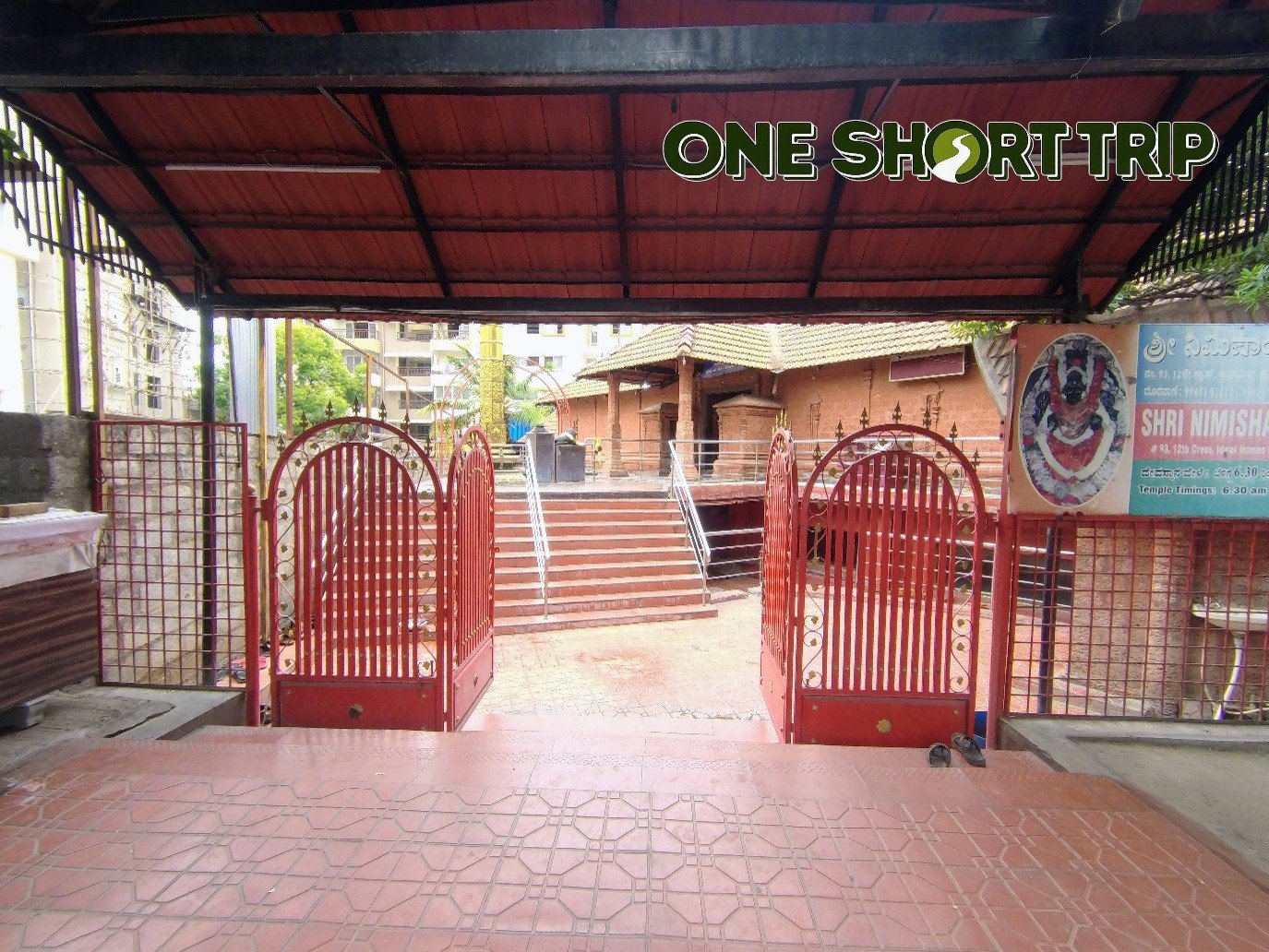
Karighatta is best experienced as part of a wider Srirangapatna circuit. Nearby attractions include Sri Ranganathaswamy Temple, Daria Daulat Bagh, Gumbaz-e-Shahi, Srirangapatna Fort, Tipu Sultan's Summer Palace and Nimishamba Temple. The wider region also includes the Kaveri river landscape and scenic places such as Balmuri.
For travellers interested in history, combining Karighatta with Srirangapatna's major heritage monuments creates a balanced itinerary of temples, royal history, gardens, mausoleums and river scenery. Karnataka Tourism and the Mandya district administration both highlight Srirangapatna as an important heritage destination.
Annual Festival at Karighatta
Karighatta is associated with an annual traditional car festival, generally held around the February–March period according to published temple and travel references. The festival attracts devotees and gives the hill a much livelier atmosphere than an ordinary sightseeing day. Festival dates and arrangements can vary, so visitors planning specifically for the event should verify the current year's schedule.
Practical Tips for Visiting Karighatta
- Carry drinking water, especially if you plan to climb the steps.
- Wear comfortable footwear with a good grip.
- Start early if you want to climb before the weather becomes hot.
- Use the motorable road if travelling with elderly family members or anyone uncomfortable with steep steps.
- Dress respectfully because Karighatta is an active Hindu temple.
- Keep the hill and temple surroundings clean and avoid littering.
- Stay within visitor-accessible areas and do not enter restricted or unsafe slopes.
- Confirm temple timings locally if your itinerary depends on a specific darshan time.
Why Karighatta Is Worth Visiting
Karighatta offers a different side of Srirangapatna. Instead of another monument within the historic town, it takes you above the surrounding landscape to a peaceful hilltop shrine dedicated to Srinivasa. The combination of devotion, hill scenery, river views and a short climb makes it a worthwhile addition to a Mysuru or Srirangapatna itinerary.
For travellers exploring Srirangapatna, Karighatta is particularly valuable as a quieter stop between the region's major historical attractions. It is suitable for a short temple visit, a scenic break or a more active climb, depending on how you choose to experience the hill.