


Mehrangarh Fort Jodhpur – History, Architecture and Royal Heritage
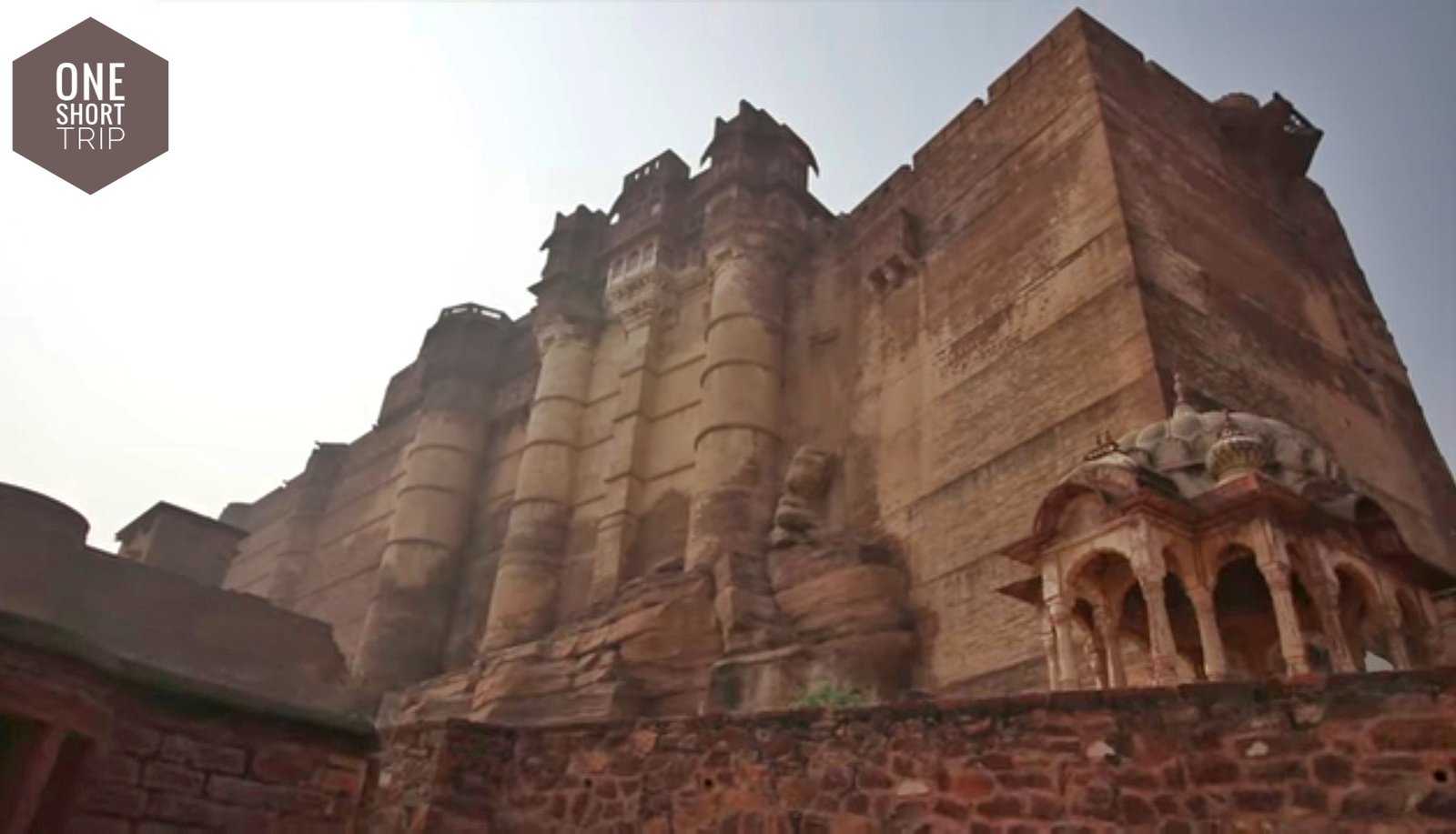
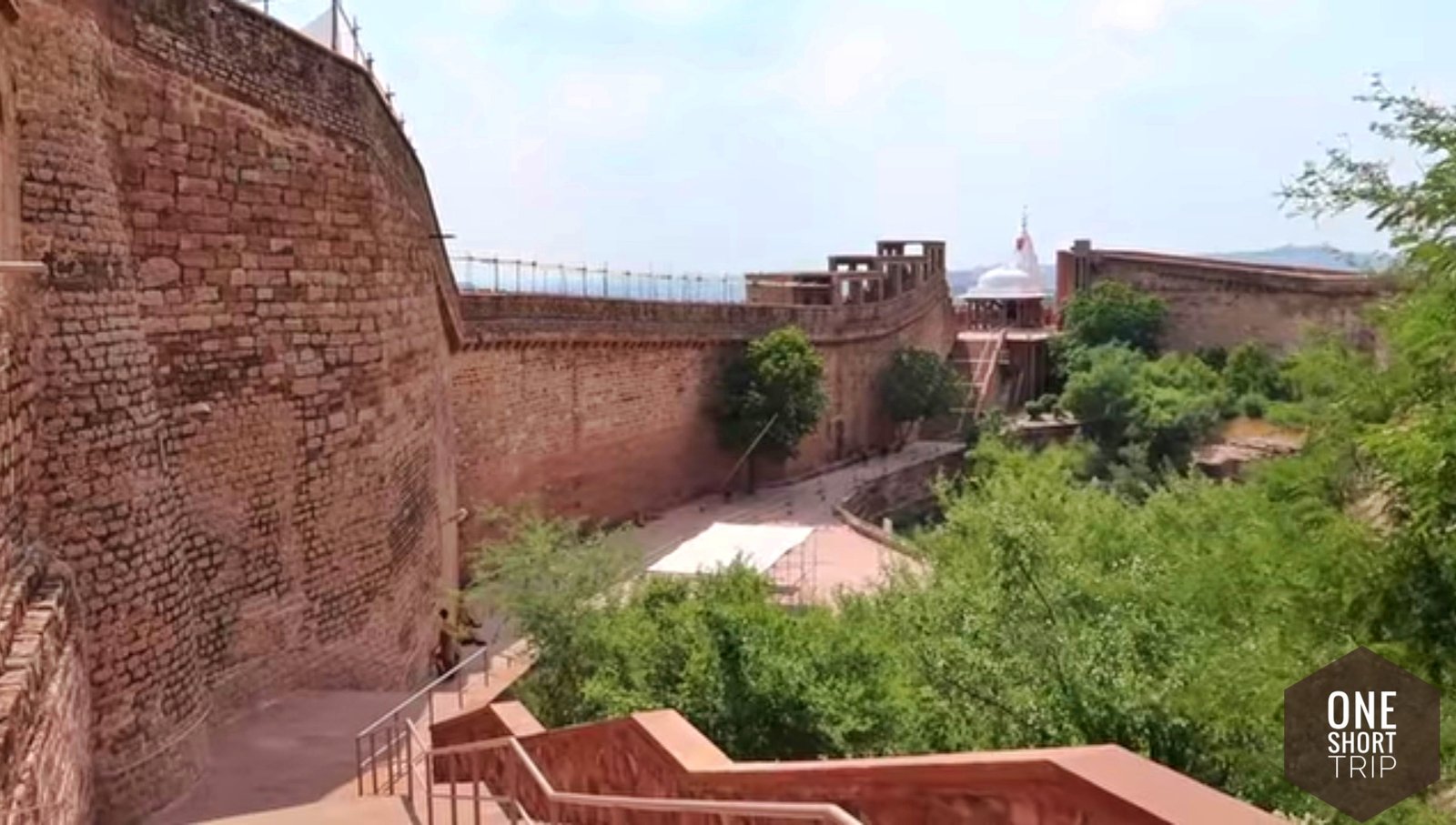
Mehrangarh Fort is the magnificent hilltop fortress that dominates the skyline of Jodhpur, Rajasthan. Rising dramatically above the Blue City, the fort is one of the most important historic monuments in Rajasthan and one of the best-preserved large forts in India. Built on a rocky hill approximately 400 feet above the surrounding plain, Mehrangarh combines massive defensive walls with richly decorated royal palaces, courtyards, temples, galleries and a remarkable museum collection.
The fort was founded by Rao Jodha, the Rathore ruler who established Jodhpur in 1459. Construction and expansion continued for centuries under successive rulers, which is why Mehrangarh contains architectural elements from several periods rather than representing a single architectural phase. Today, the fort and its museum provide an exceptional window into the political history, courtly life, art, military traditions and cultural heritage of Marwar.
The History of Mehrangarh Fort
The story of Mehrangarh begins in 1459, when Rao Jodha moved the Rathore capital from Mandore and established a new fortified settlement at a more strategically defensible rocky location. The fort was built on an isolated hill overlooking the developing city, giving the rulers both a commanding military position and a powerful symbol of authority.
The name Mehrangarh is commonly interpreted as the “Fort of the Sun”, reflecting the Rathore dynasty's traditional association with the Sun. The fort's enormous walls, elevated position and multiple gates were designed to make it difficult for invading armies to capture. Over the centuries, successive Rathore rulers expanded the complex with new palaces, courtyards, defensive structures and ceremonial spaces.
Mehrangarh Museum Trust notes that the fort and its palaces were developed over roughly five centuries. This long building history explains the remarkable variety of architectural details visible during a visit.
A Fort Built for Defence and Royal Life
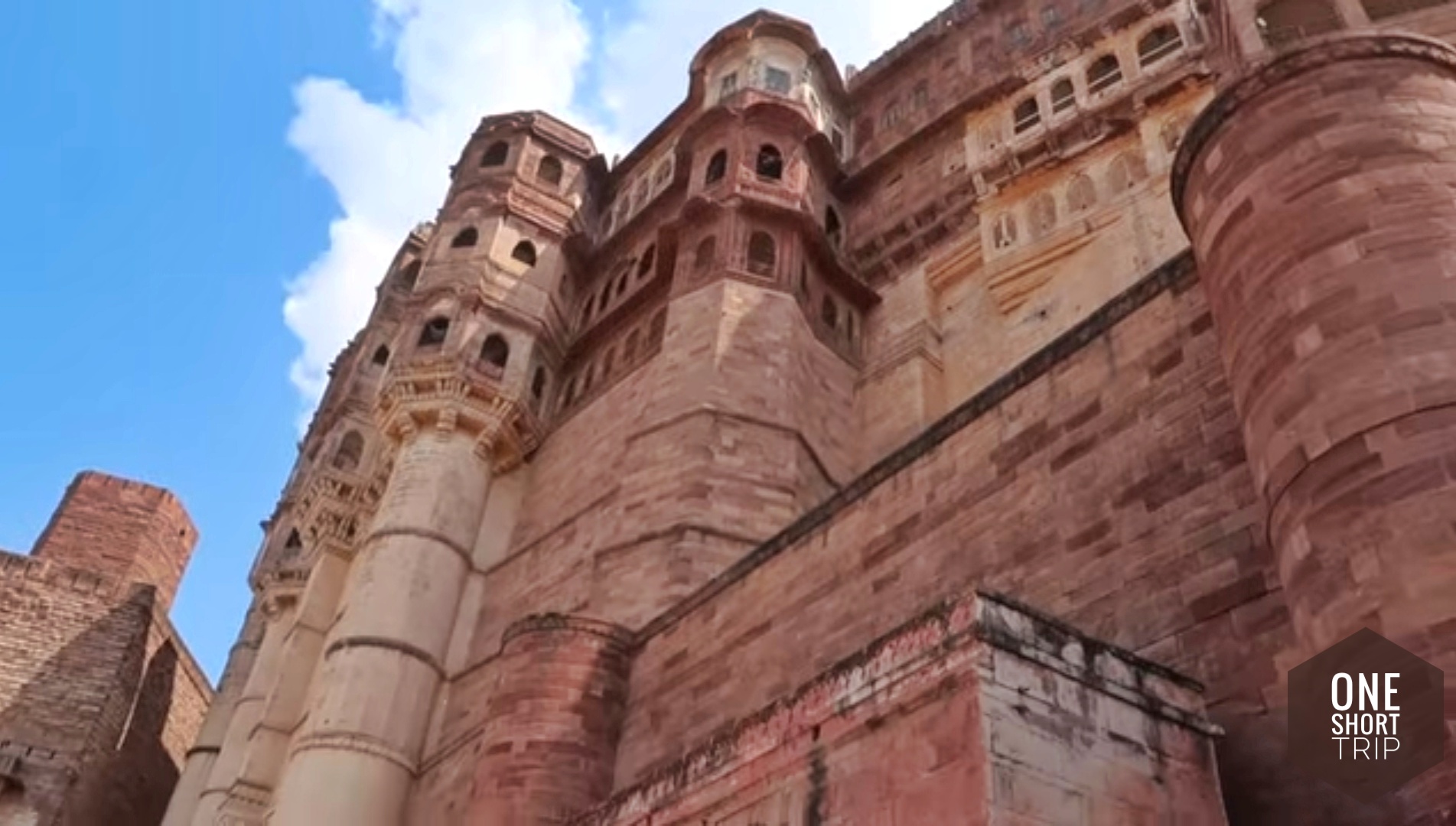
Mehrangarh was much more than a military fortress. It served as a royal residence, administrative centre, place of worship and important centre of artistic and cultural patronage. The fort contains temples and shrines alongside palaces and defensive structures, reflecting the many functions of a historic royal citadel.
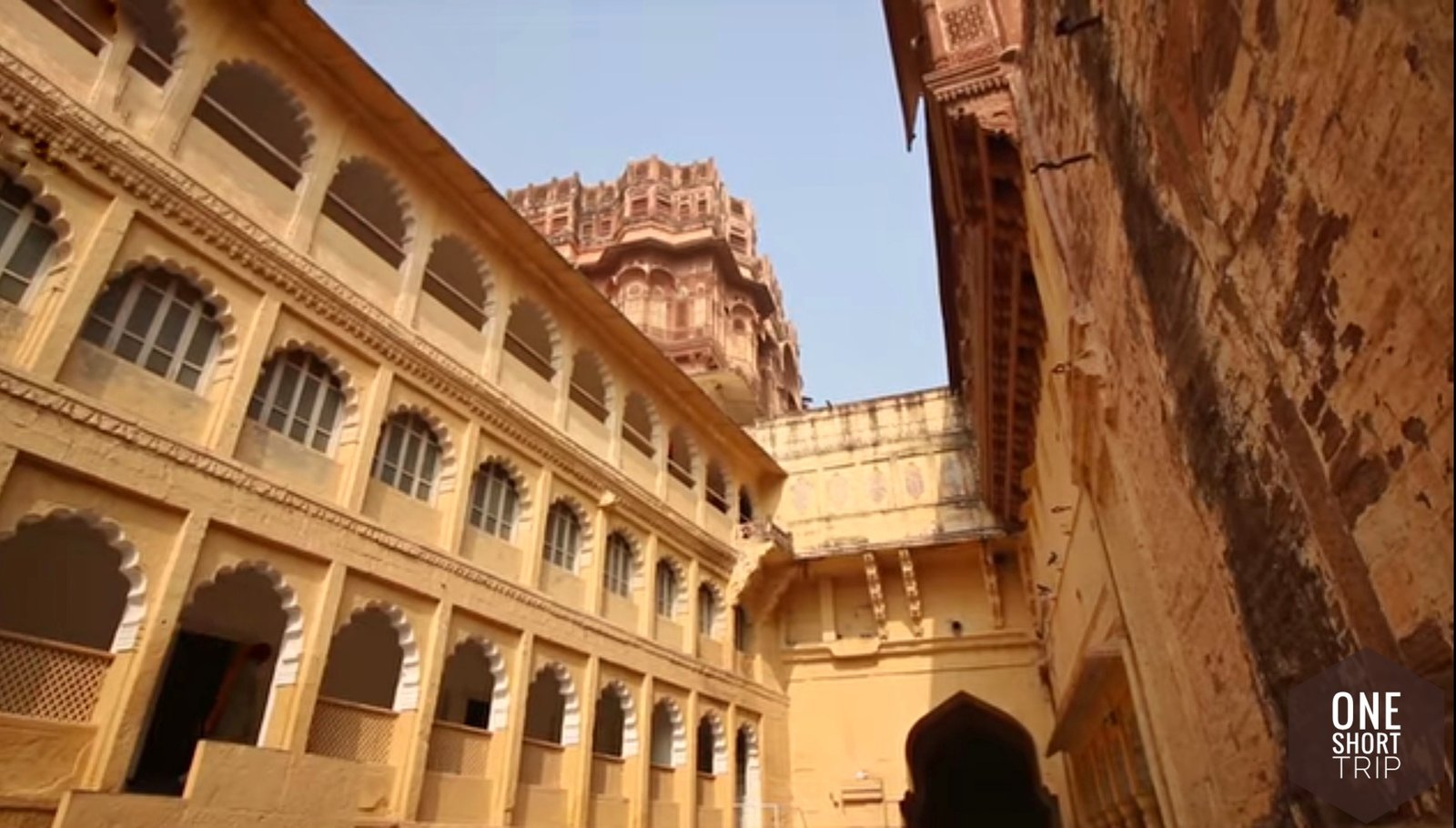
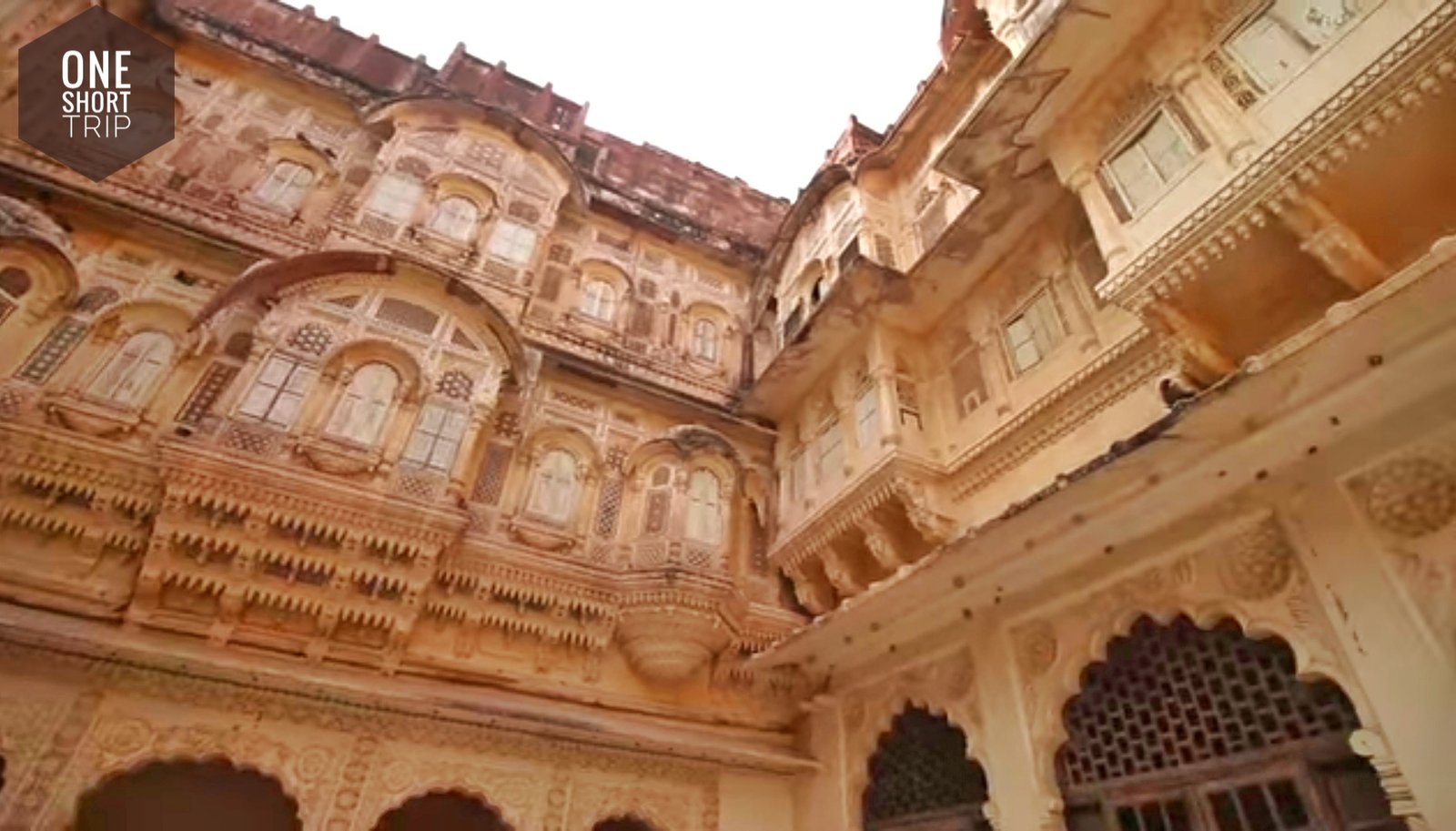
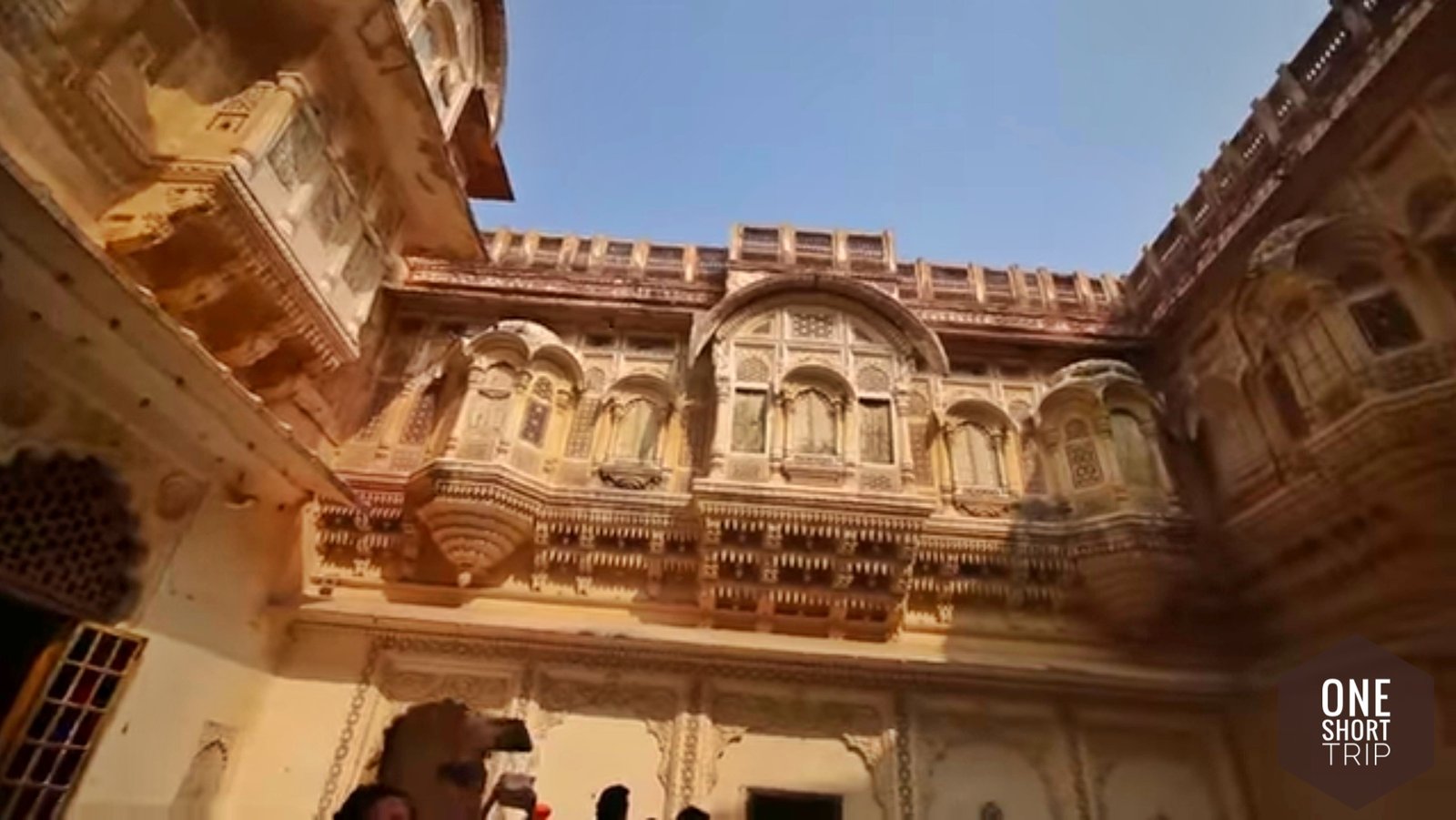
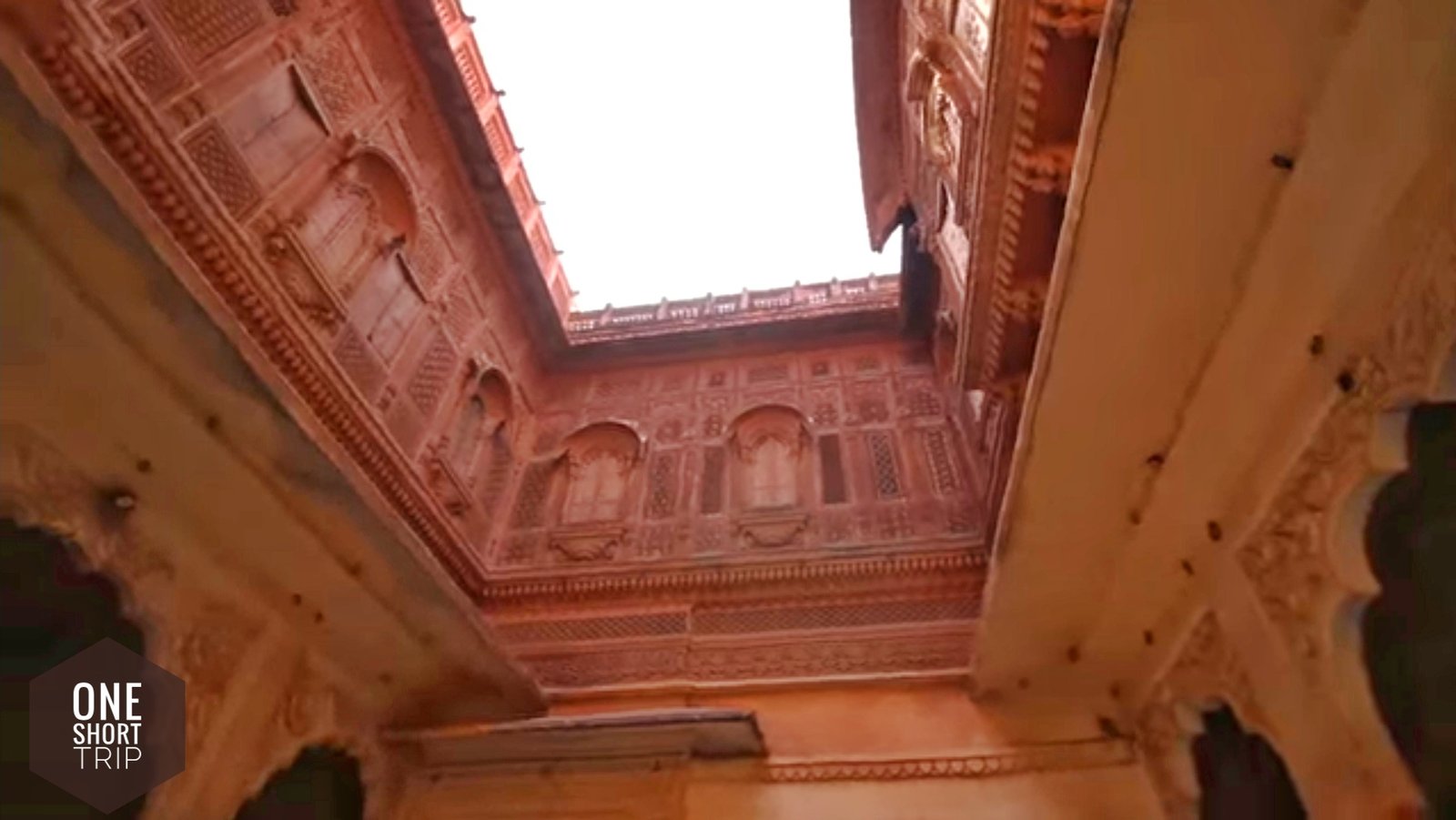
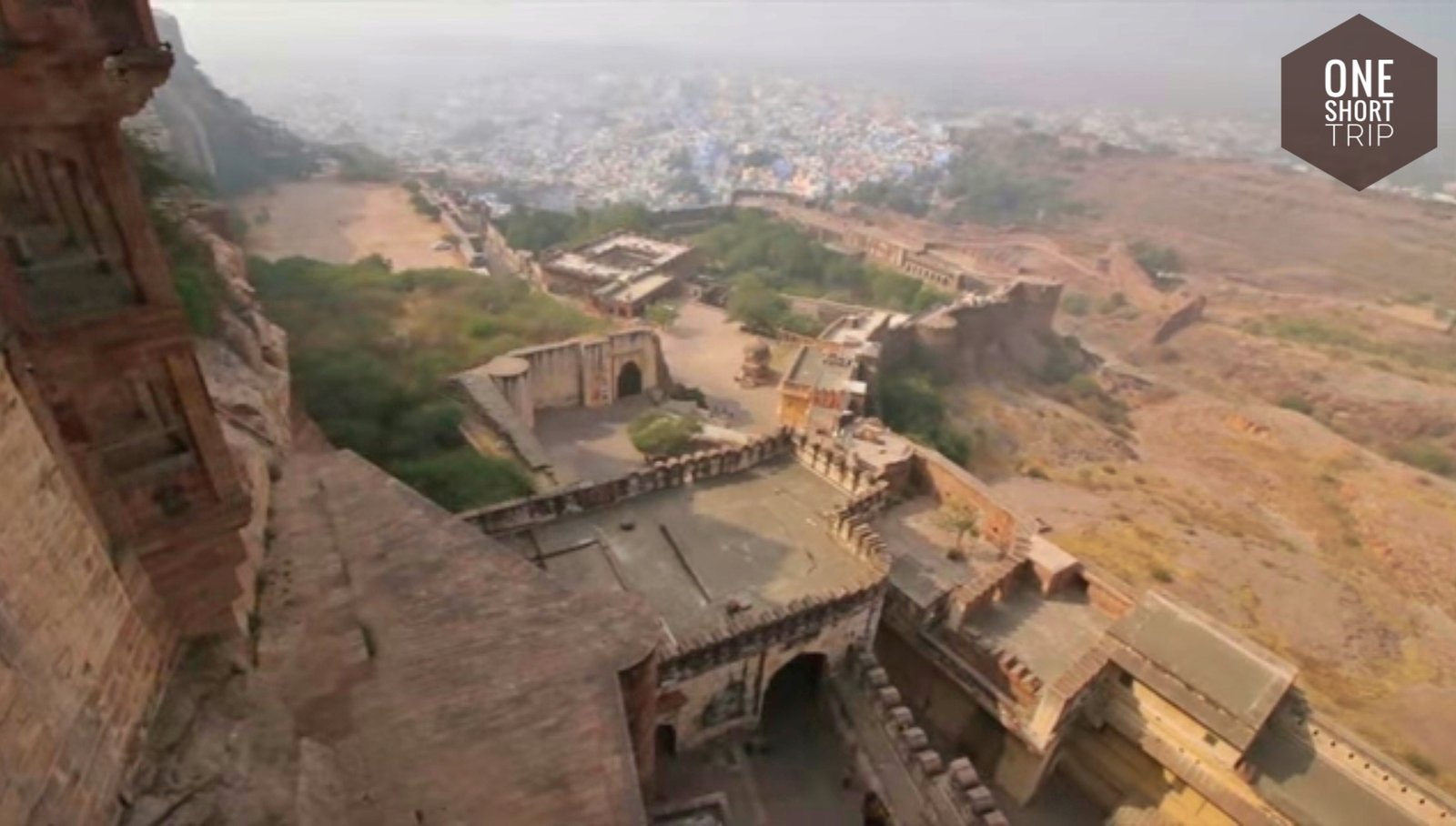
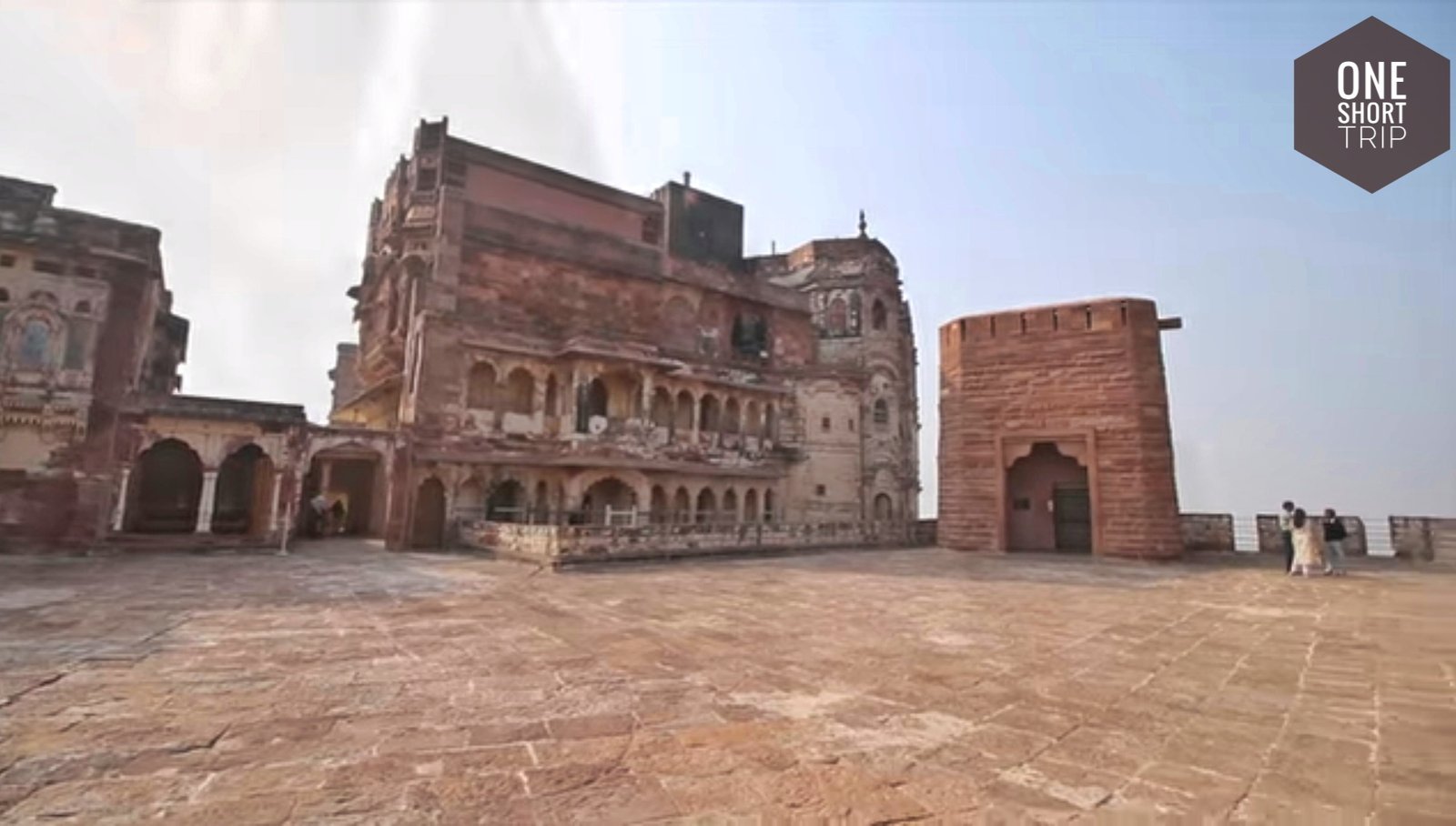
The massive fortifications rise dramatically from the hill, while the interiors become increasingly refined as visitors move through the gates and palace complexes. Carved sandstone screens, balconies, courtyards, painted surfaces and richly decorated chambers reveal the contrast between the fort's formidable exterior and the sophisticated lifestyle of the Marwar court.
The Gates of Mehrangarh Fort
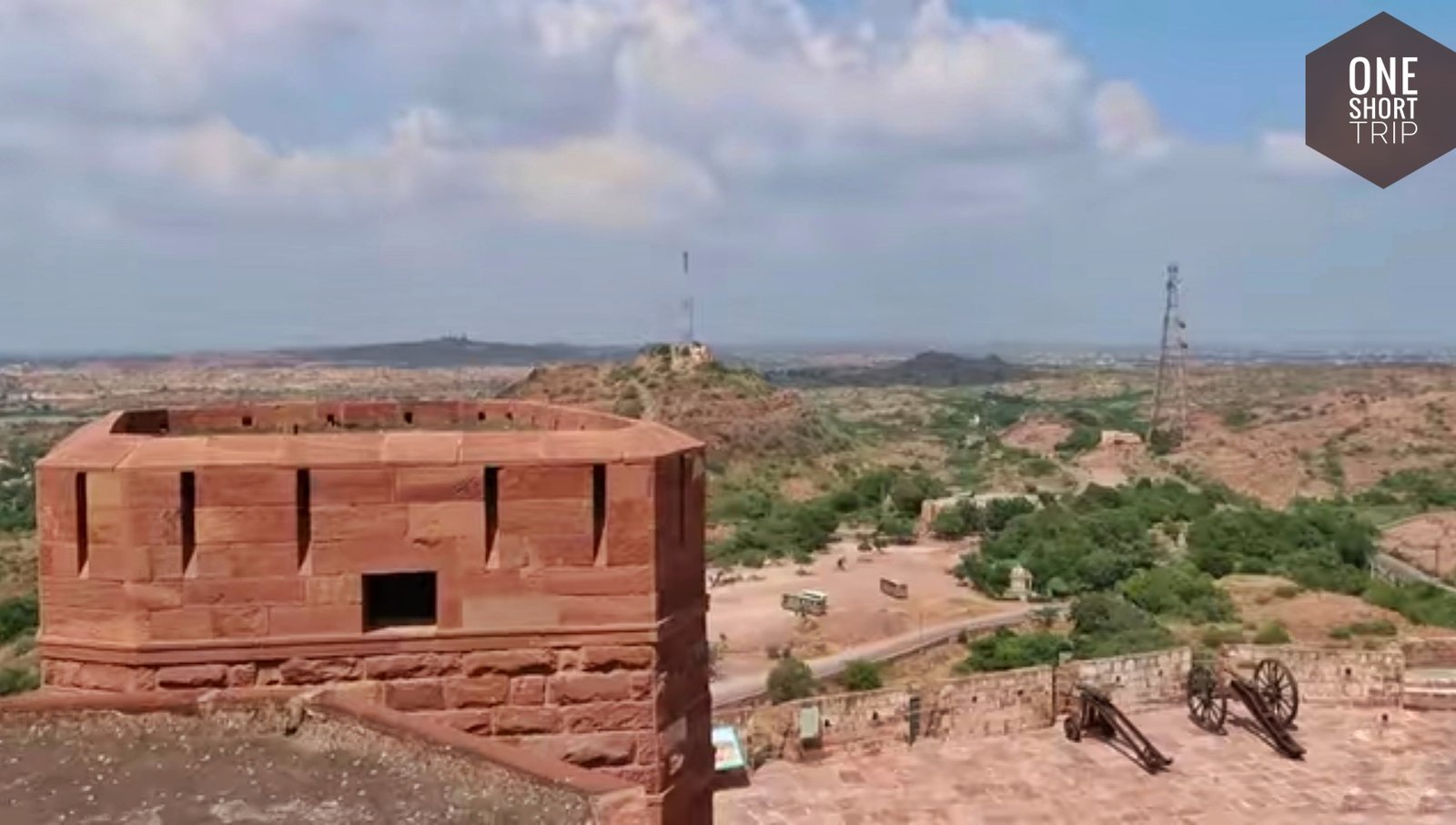
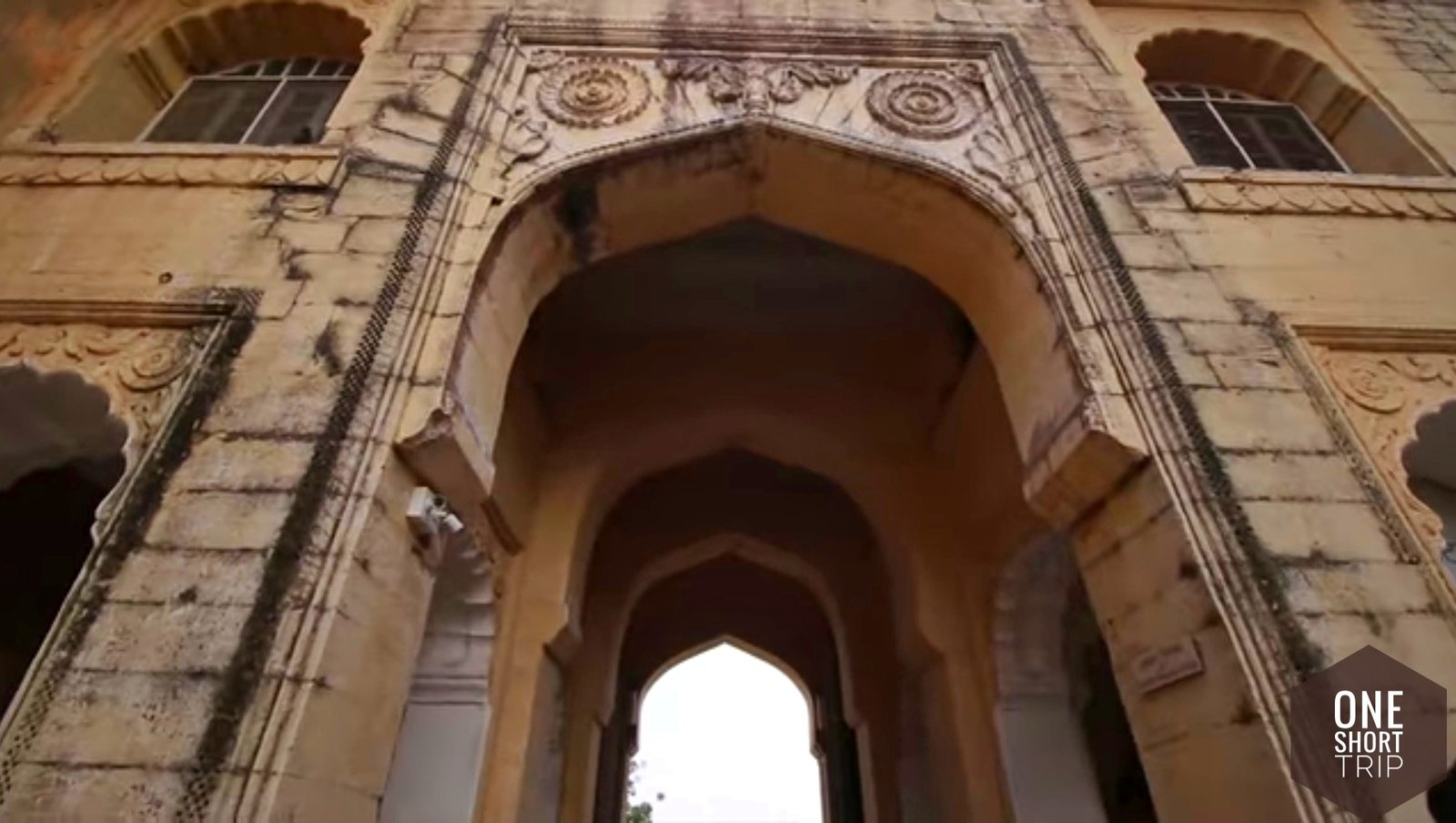
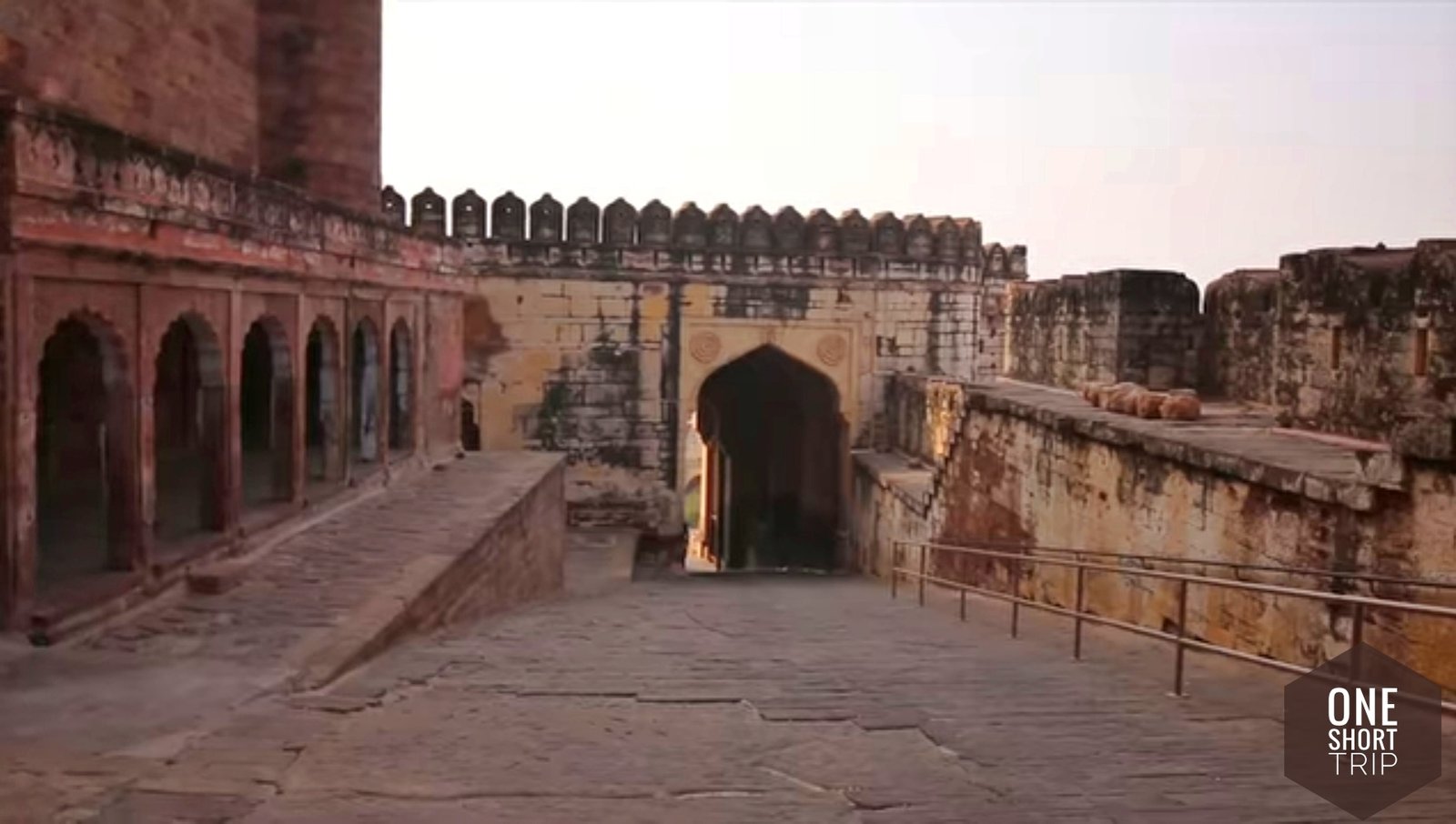
The approach to Mehrangarh takes visitors through a sequence of historic gates, each forming part of the fort's defensive system. The gates forced approaching armies to negotiate increasingly difficult routes while allowing defenders to control access to the inner fortress.
The fort's walls still preserve physical reminders of its military past. Rajasthan Tourism notes that cannonball marks from attacks by the armies of Jaipur can still be seen on the fort's second gate.
Moti Mahal – The Pearl Hall
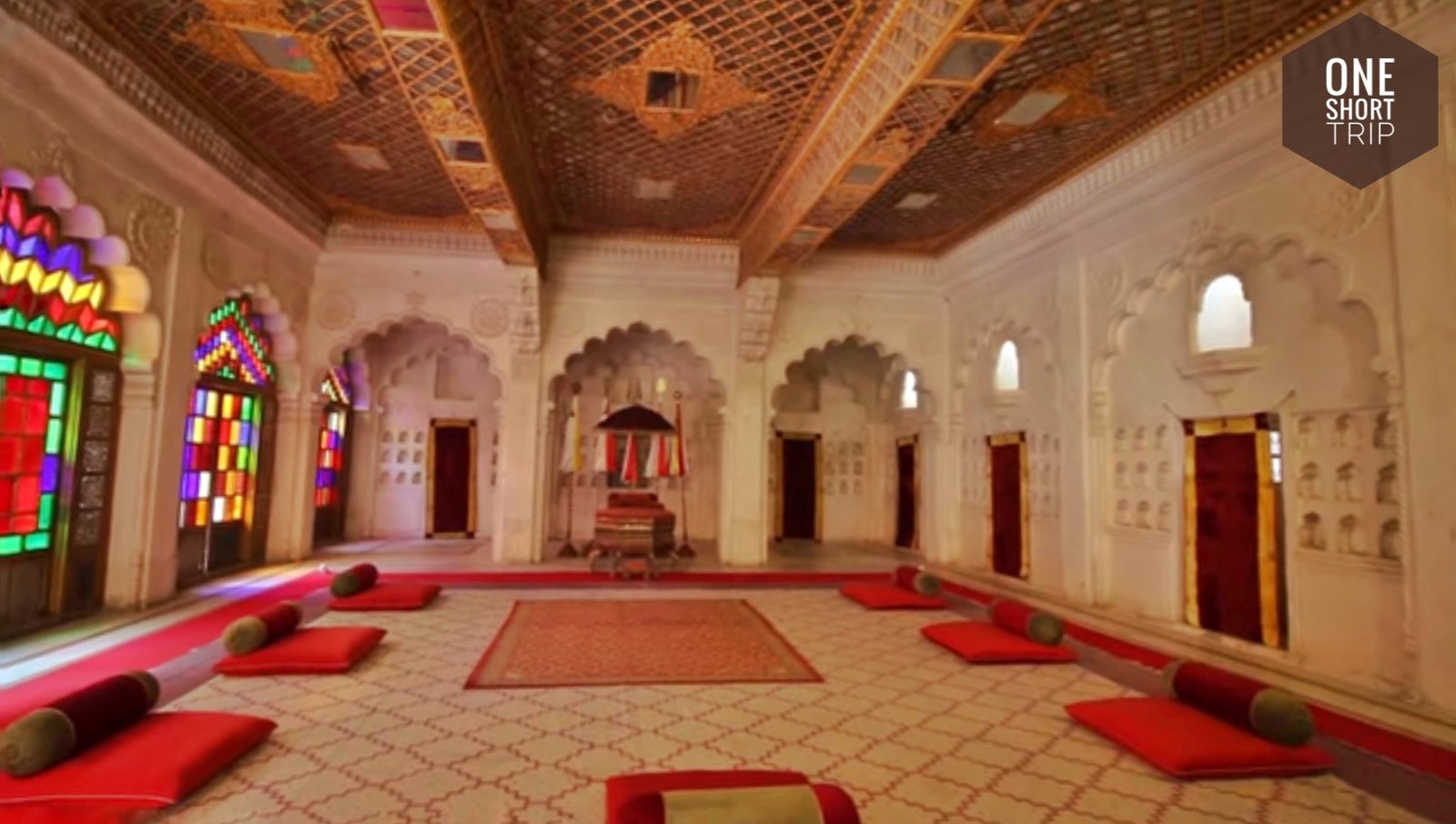
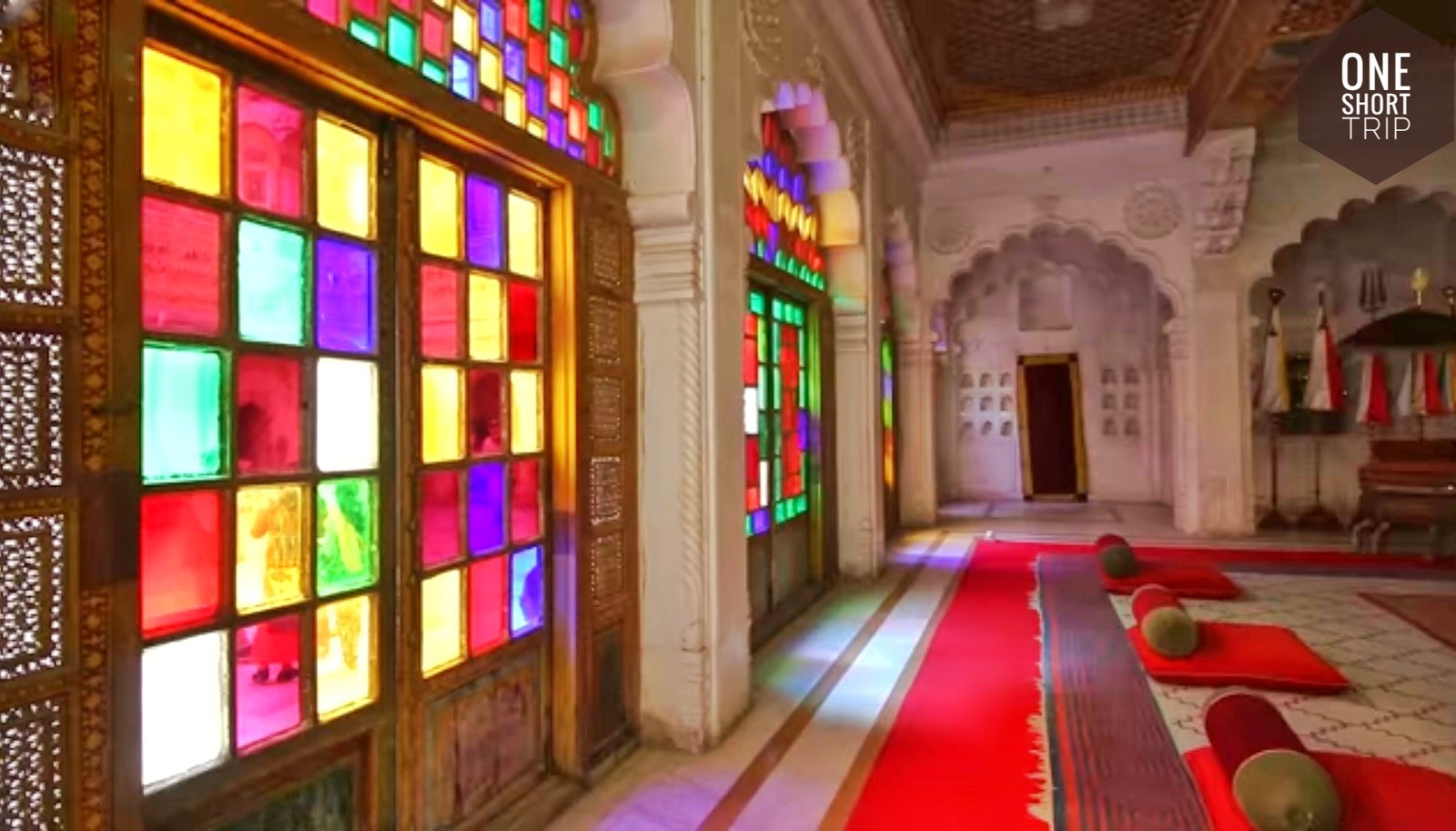
Moti Mahal, or the Pearl Hall, was one of the principal ceremonial halls of the royal complex. It was used for royal audiences and state occasions. Its decorated interiors and distinctive windows provide an insight into how the rulers of Marwar conducted courtly affairs.
Sheesh Mahal – The Mirror Palace
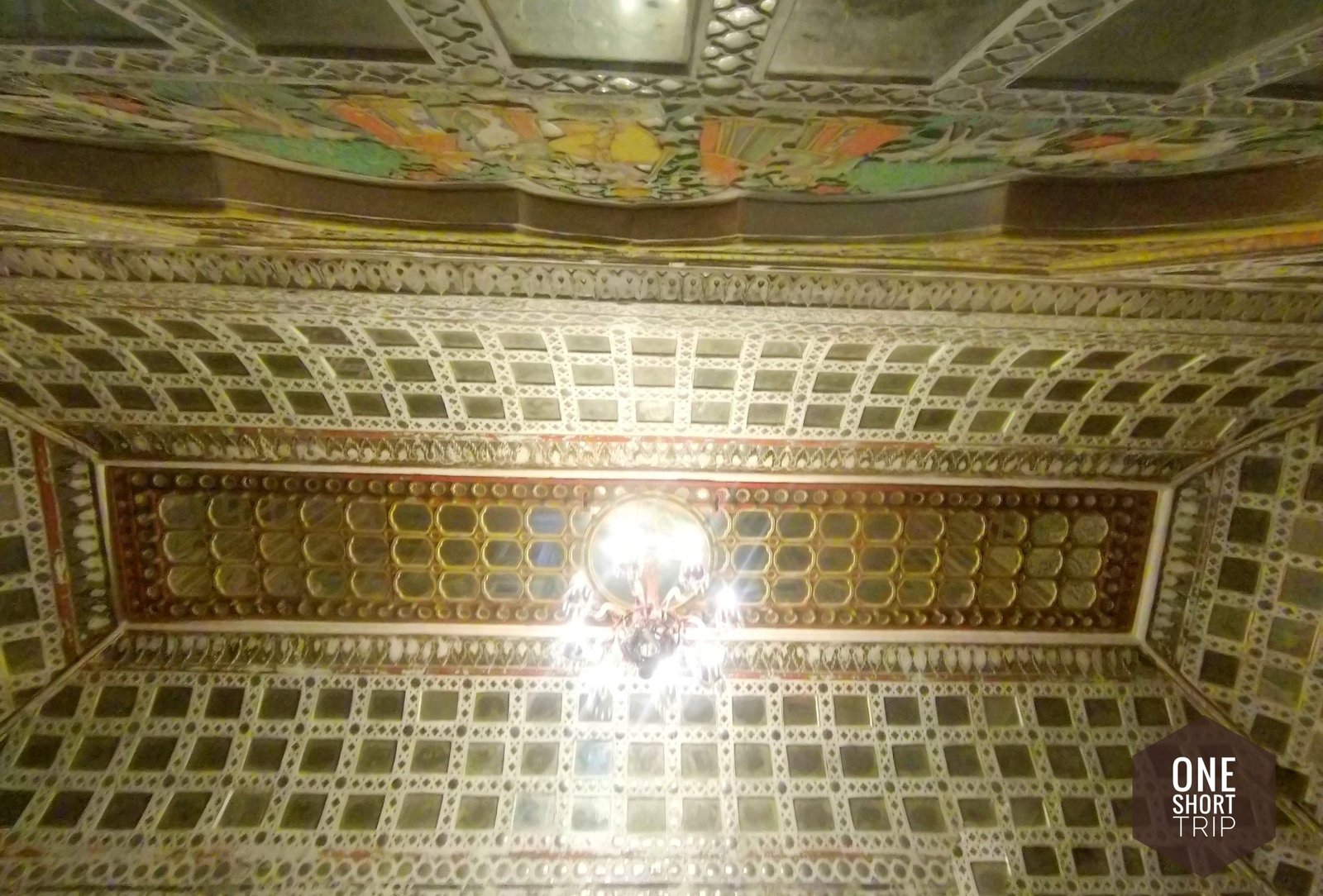
Sheesh Mahal is one of Mehrangarh's most visually striking palace interiors. The room is decorated with extensive mirror work and colourful ornamental elements. The combination of reflective surfaces, painted decoration and traditional craftsmanship demonstrates the luxurious character of the royal interiors.
Phool Mahal – The Flower Palace
Phool Mahal, meaning Flower Palace, is another celebrated chamber within Mehrangarh. The richly decorated room reflects the ceremonial and leisure-oriented side of royal life. Its ornate ceiling and decorative details are among the highlights of the palace interiors.

Takhat Vilas and Other Royal Rooms
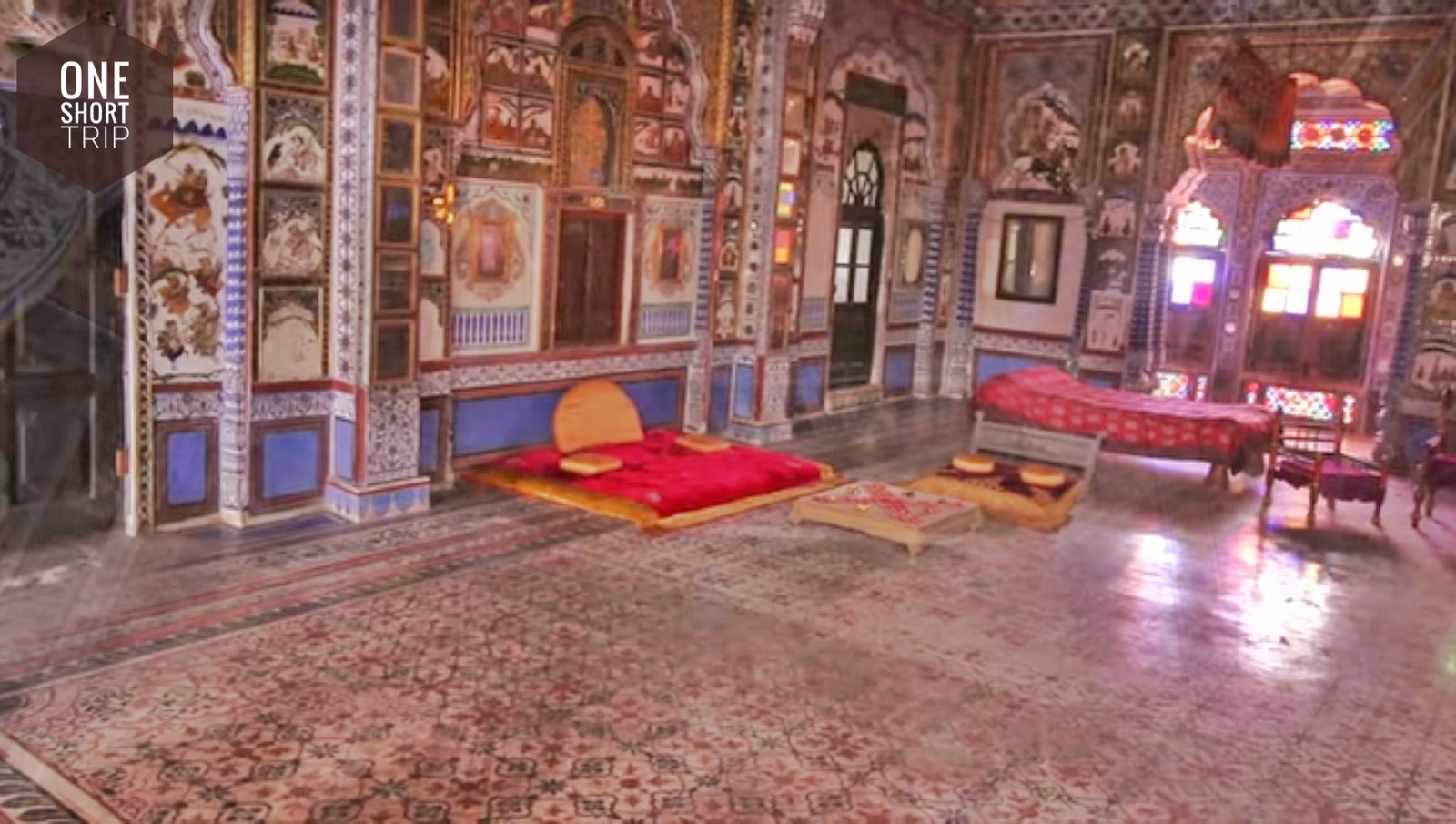
The palace complex contains several period rooms associated with different rulers and periods of the Marwar court. Takhat Vilas, Sardar Vilas, Jhanki Mahal, Dipak Mahal and other historic rooms help visitors understand the evolution of royal domestic and ceremonial spaces.
Together, these rooms form an important part of the Mehrangarh Museum experience rather than simply serving as decorated palace chambers. The museum presents objects within the architectural spaces where courtly life once unfolded.
Chamunda Mata Temple
The Chamunda Mata Temple stands within the Mehrangarh complex and remains an important religious site. Rajasthan Tourism records that Rao Jodha brought the idol of Chamunda Mata to the fort, and the goddess continues to be associated with the royal family's worship. Visitors should therefore remember that Mehrangarh is not only a historical monument but also contains an active place of worship.
Mehrangarh Museum – A Treasury of Marwar
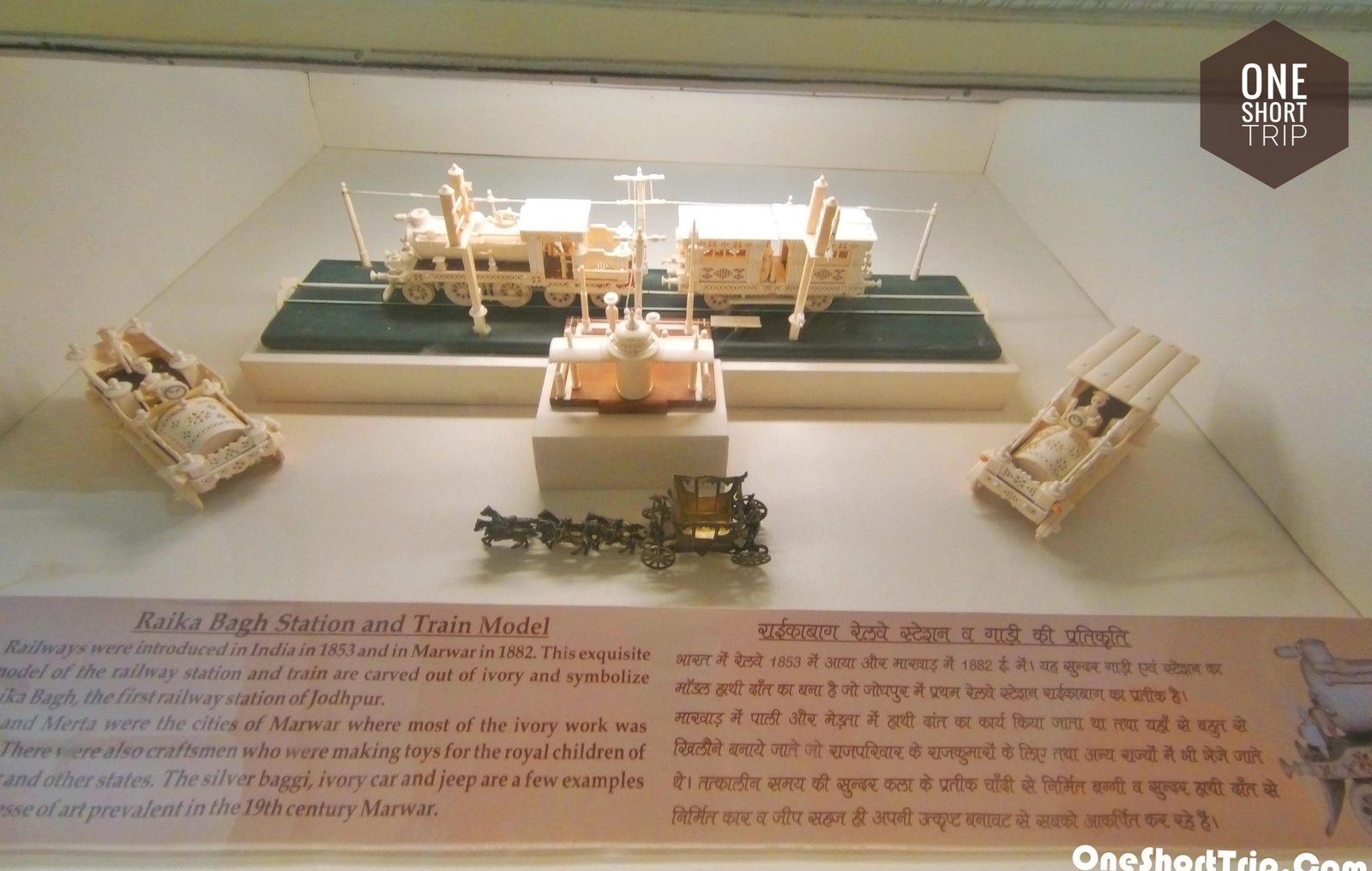
The Mehrangarh Museum is one of the most important parts of a visit. The collection focuses on the artistic and cultural history of Marwar and Central Rajasthan, preserving objects connected with royal court life, warfare, textiles, painting, transportation and decorative arts.
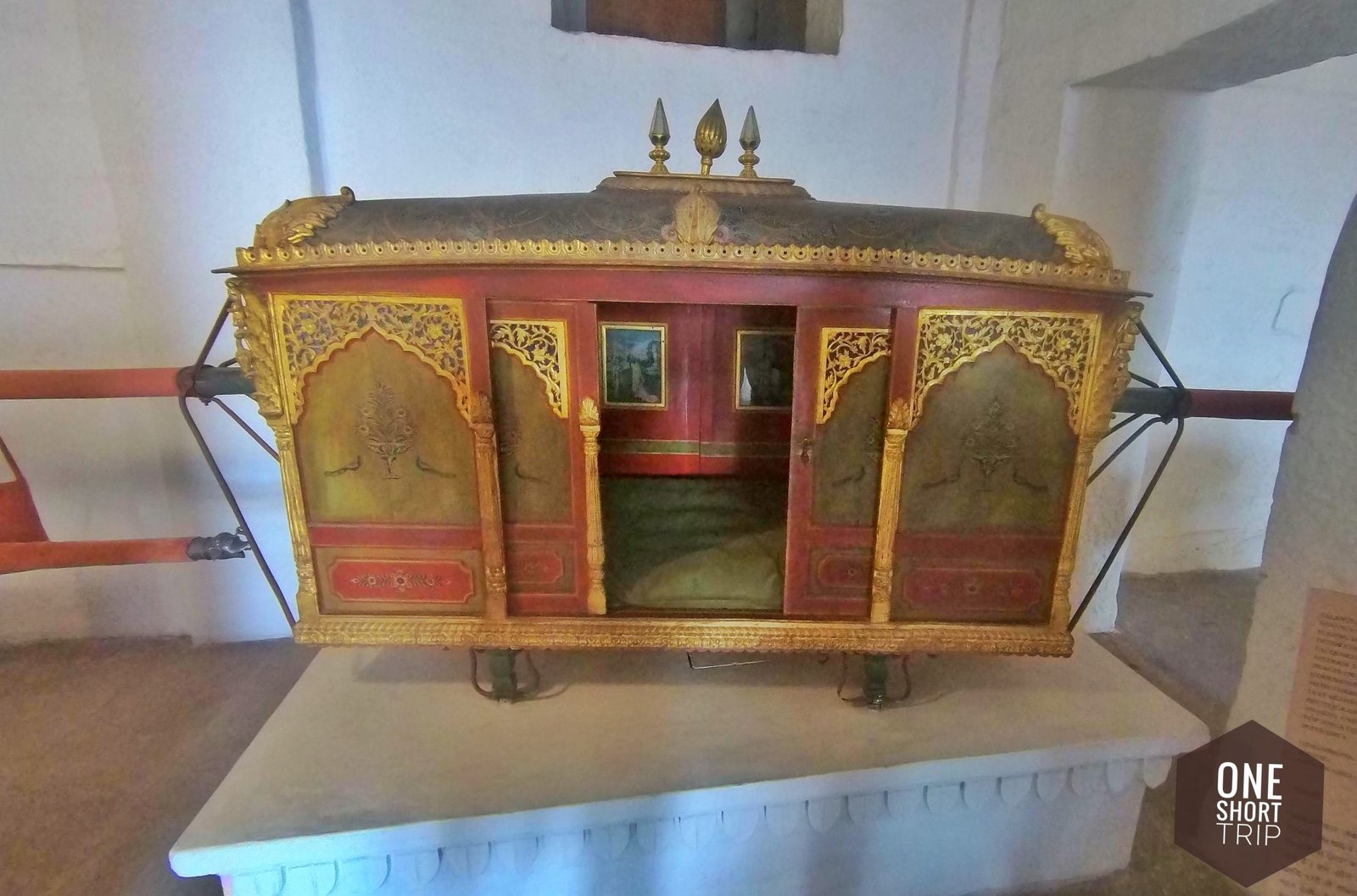
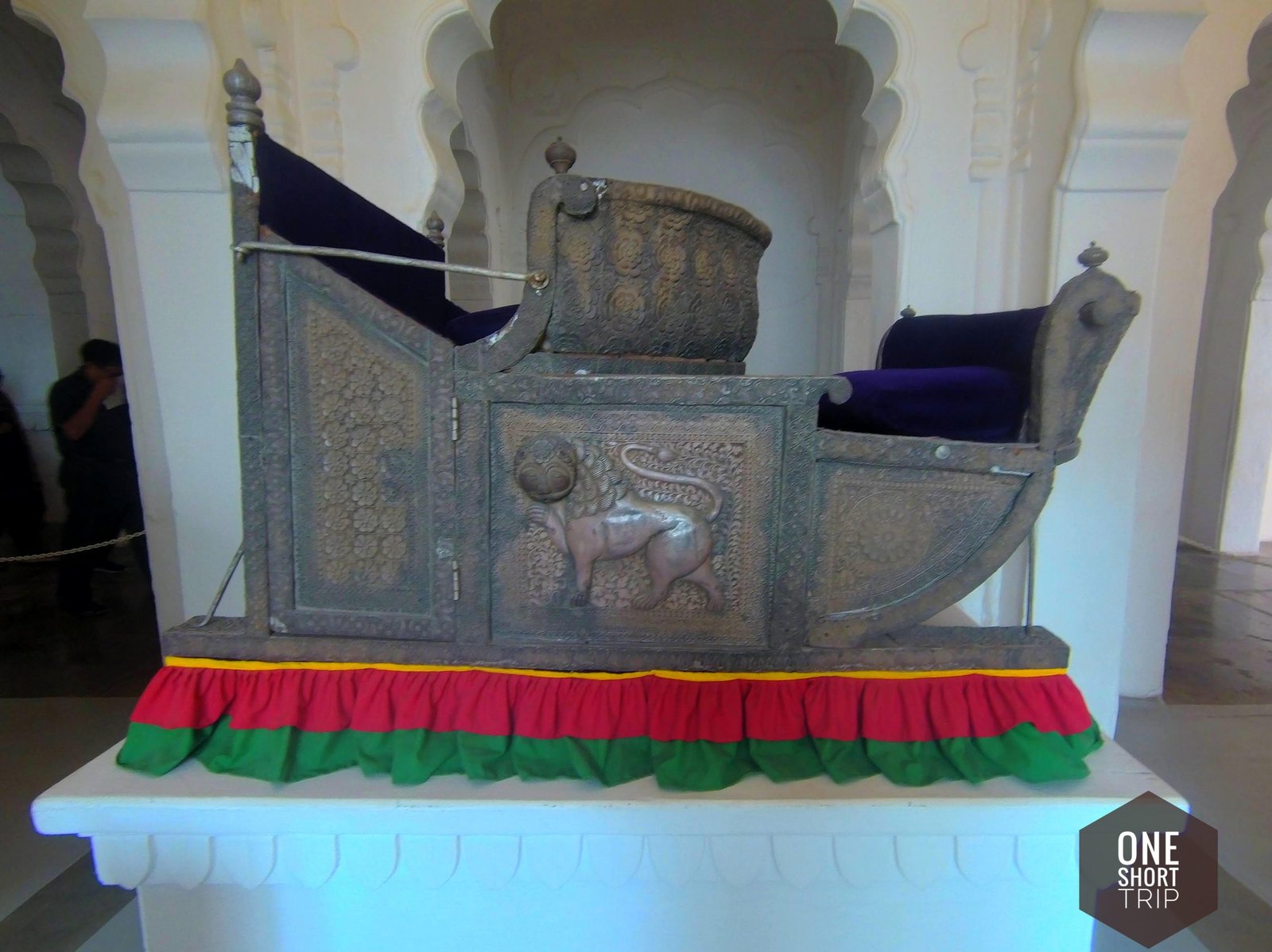
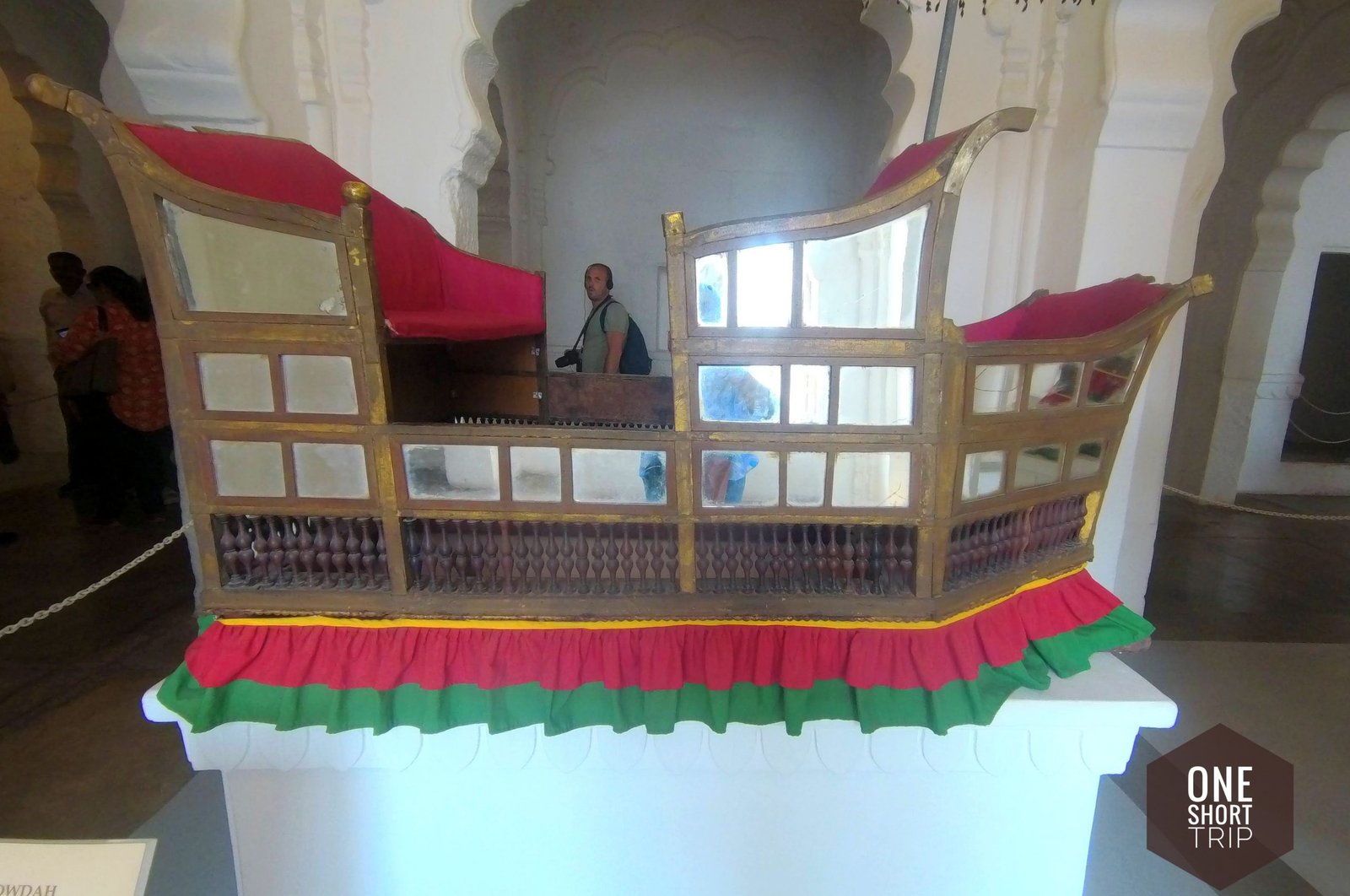
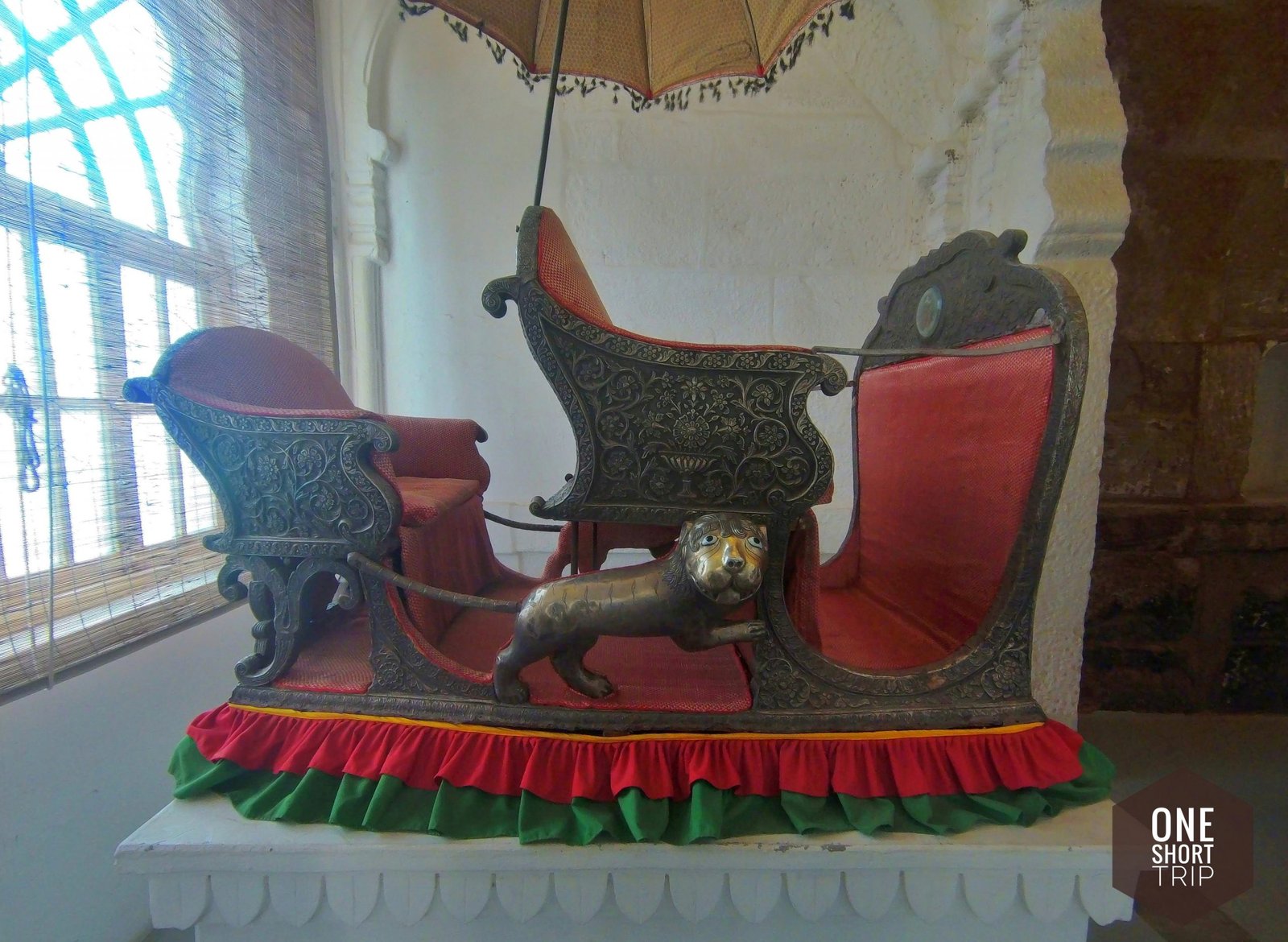
The official Mehrangarh Museum Trust identifies seven period rooms and six principal galleries: the Howdah Gallery, Palanquin Gallery, Daulat Khana, Painting Gallery, Textile Gallery and Arms Gallery, alongside the palace period rooms.
Miniature Paintings of the Marwar School
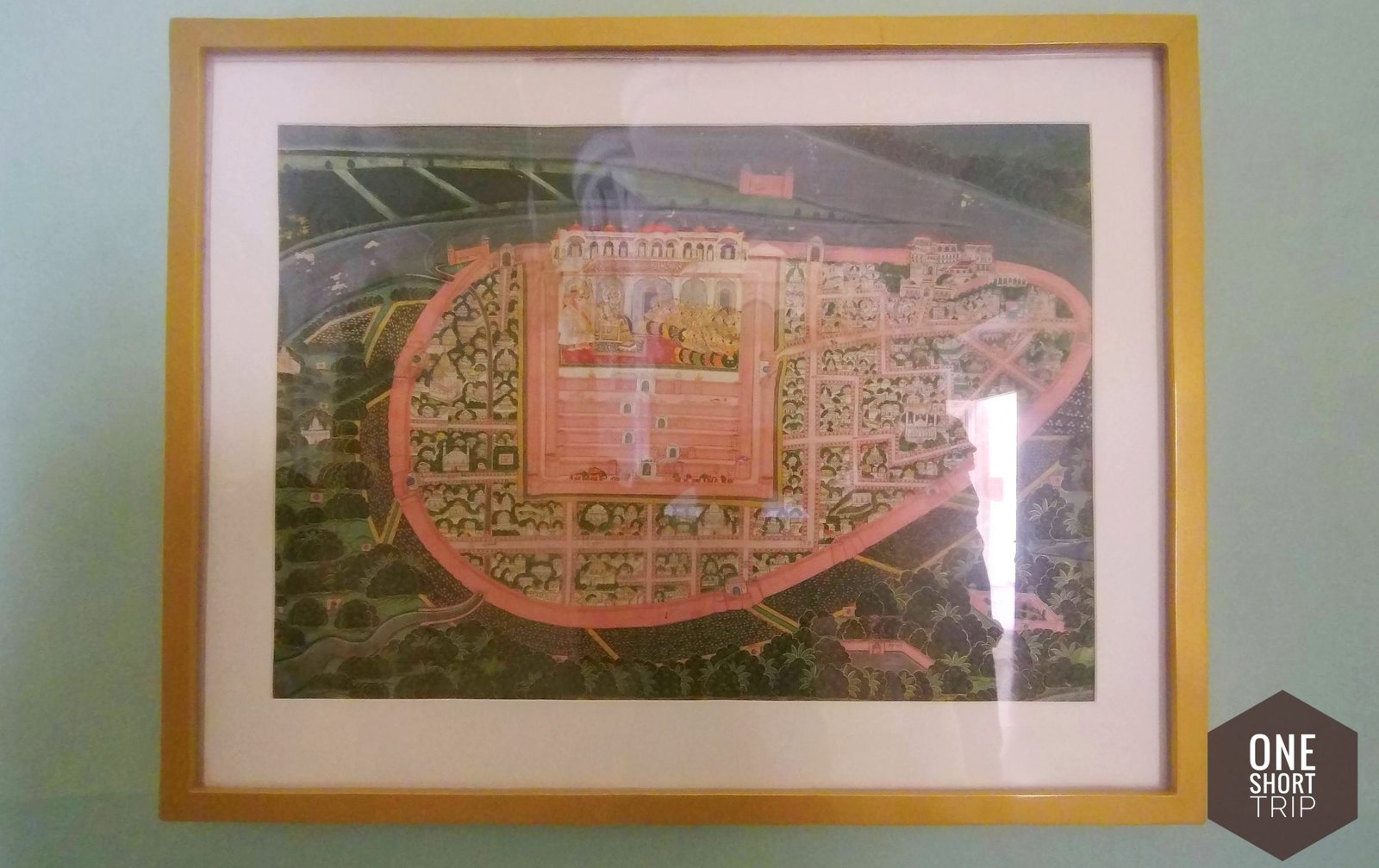
The museum holds an important collection of miniature paintings associated with the Marwar School. The official collection records more than 3,000 miniature paintings dating from the late 16th to the 19th century. Mughal artistic influences were combined with distinctive local traditions to create a recognisable Jodhpur-Marwar style.
Arms and Armour
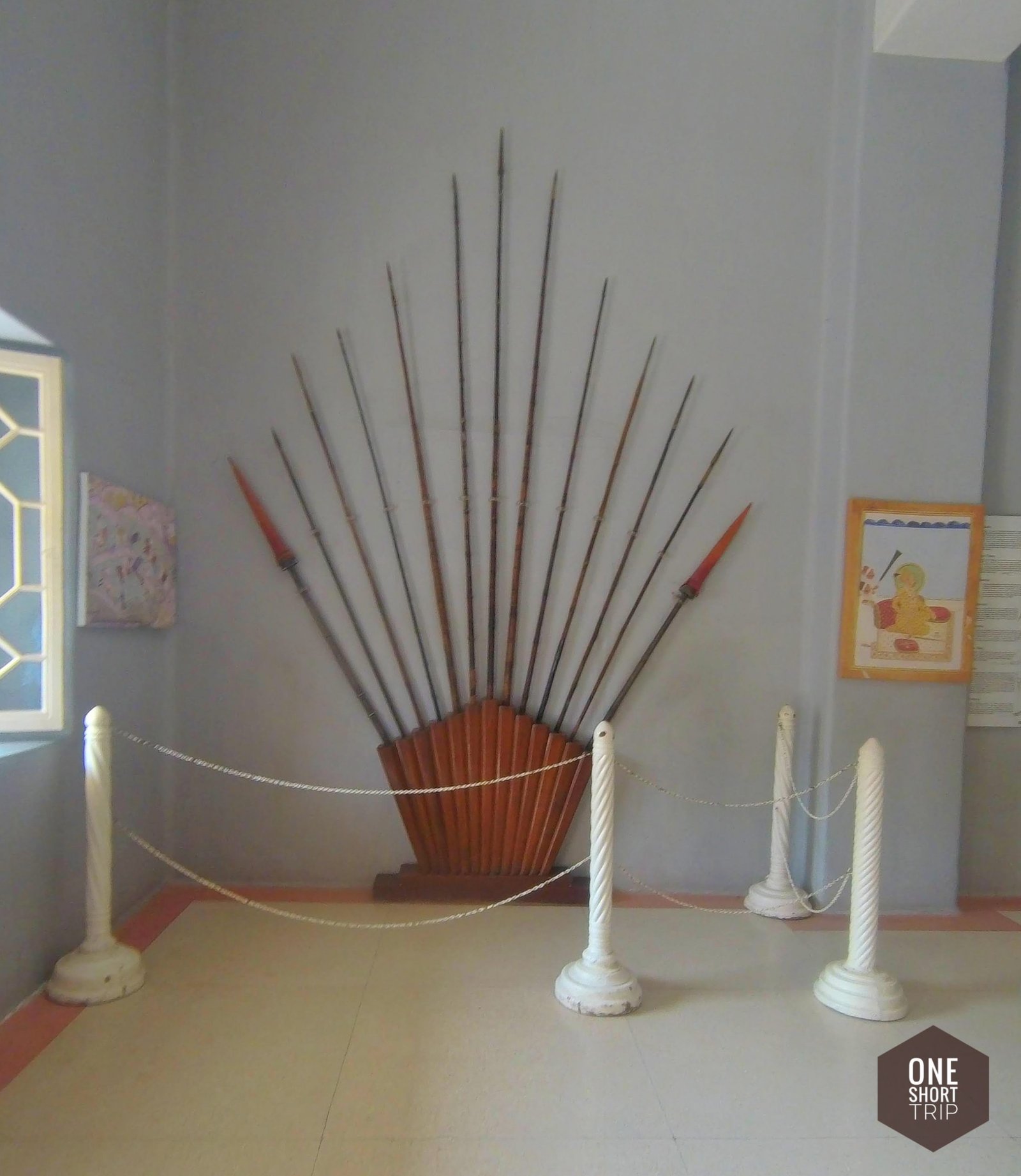
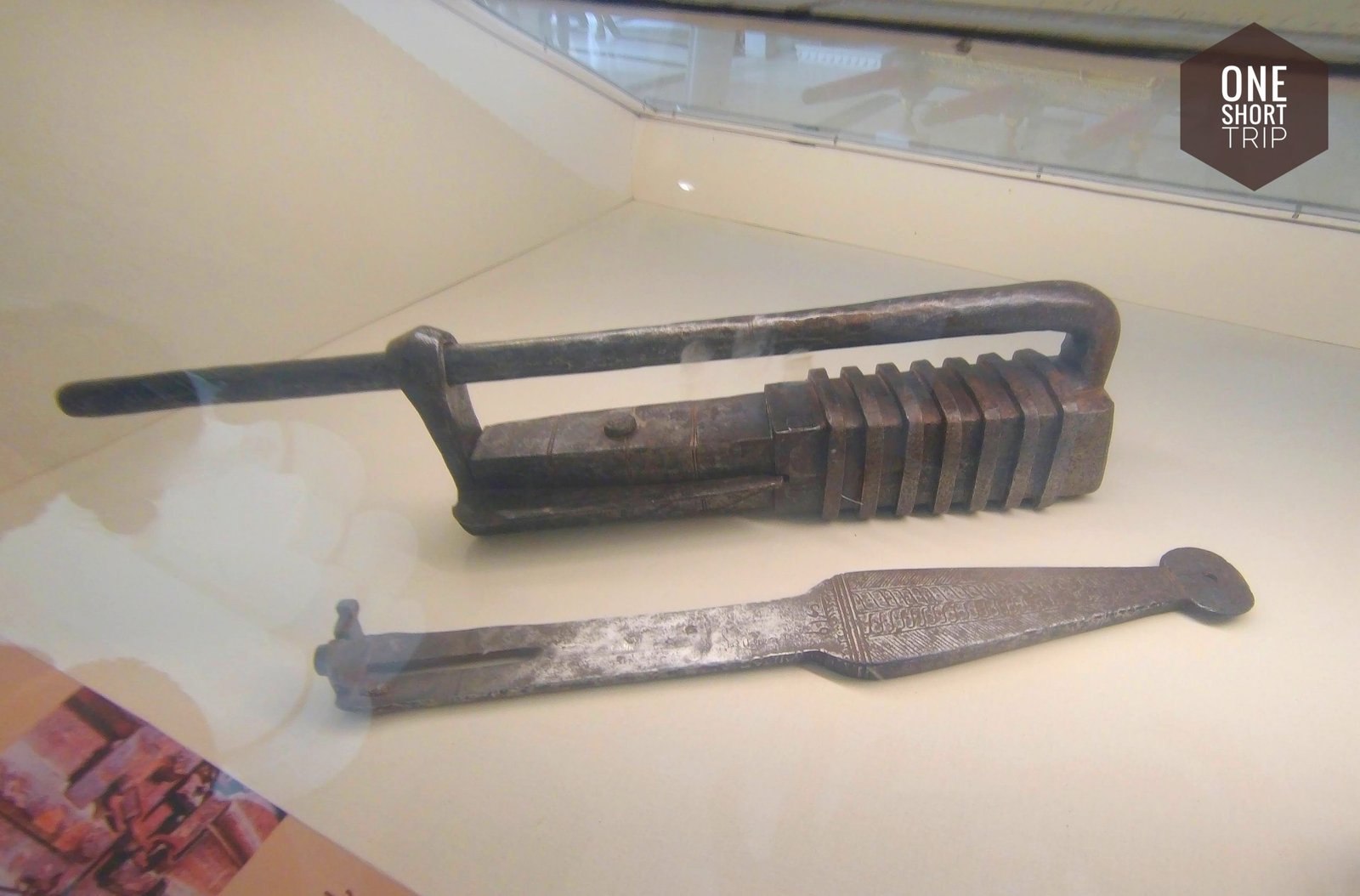
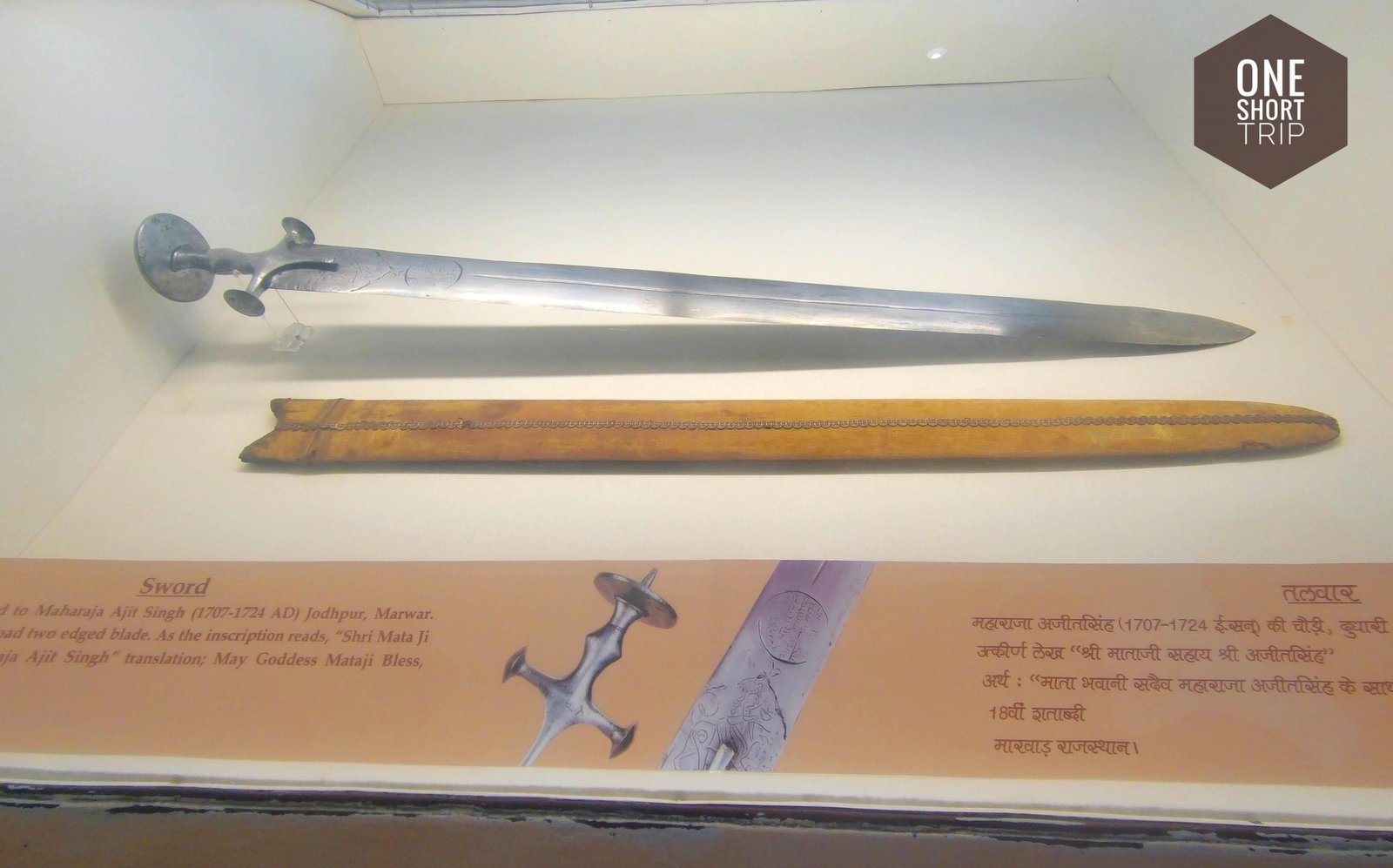
The Arms Gallery explores the military traditions of the Rathore rulers and the wider history of warfare in Marwar. The collection developed over centuries through purchase, gifts, conquest and other means, and includes weapons associated with Rajput and Indo-Islamic military traditions.
Why Mehrangarh Fort Is So Important
Mehrangarh brings together military architecture, Rajput history, royal life, religion, art and Marwar culture in one enormous historic complex. The fort's exceptional scale and the quality of its museum collections make it much more than a viewpoint over Jodhpur. It is one of the best places to understand how the Rathore rulers shaped the history and culture of Marwar.
For travellers visiting Jodhpur, the fort is an essential heritage experience and should ideally be given several hours rather than treated as a quick photo stop.
Visiting Mehrangarh Fort Jodhpur – Timings, Tickets, Museum and Travel Guide
A visit to Mehrangarh Fort is one of the highlights of any Jodhpur itinerary. The enormous complex combines defensive walls, historic gateways, royal palaces, museum galleries, temples, courtyards and panoramic viewpoints overlooking the Blue City. Because there is so much to see, it is better to plan several hours rather than treating the fort as a quick sightseeing stop.
Mehrangarh Museum Trust currently lists the museum as open every day from 9:00 AM to 5:00 PM, with ticket sales closing at 5:00 PM. Visitors should still check the official visitor information before travelling because special events or operational changes can affect access.
Mehrangarh Fort Timings
The current official museum schedule is 9:00 AM to 5:00 PM daily. Arriving earlier in the day is recommended, particularly during the warmer months, because exploring the fort involves walking through open courtyards, ramps and exposed sections of the historic complex.
Mehrangarh Fort Entry Tickets
The official Mehrangarh Museum Trust currently lists admission at ₹200 for Indian visitors and ₹800 for foreign visitors. Concessionary rates are available for eligible domestic visitors, while additional charges may apply for services such as the elevator, guide and audio guide. Check the official ticket information for the latest rates before your visit.
How Long Does a Visit to Mehrangarh Fort Take?
Allow at least 2 to 3 hours for the fort and museum. History and architecture enthusiasts can comfortably spend longer exploring the palace rooms, galleries, courtyards and viewpoints. If you also want to visit Rao Jodha Desert Rock Park, Chokhelao Bagh and Jaswant Thada, keep additional time in your Jodhpur itinerary.
Mehrangarh Museum Galleries
The museum is an essential part of the fort experience. Its collections preserve important examples of the artistic and cultural history of Marwar and Central Rajasthan. The principal galleries include the Howdah Gallery, Palanquin Gallery, Daulat Khana, Painting Gallery, Textile Gallery and Arms Gallery.
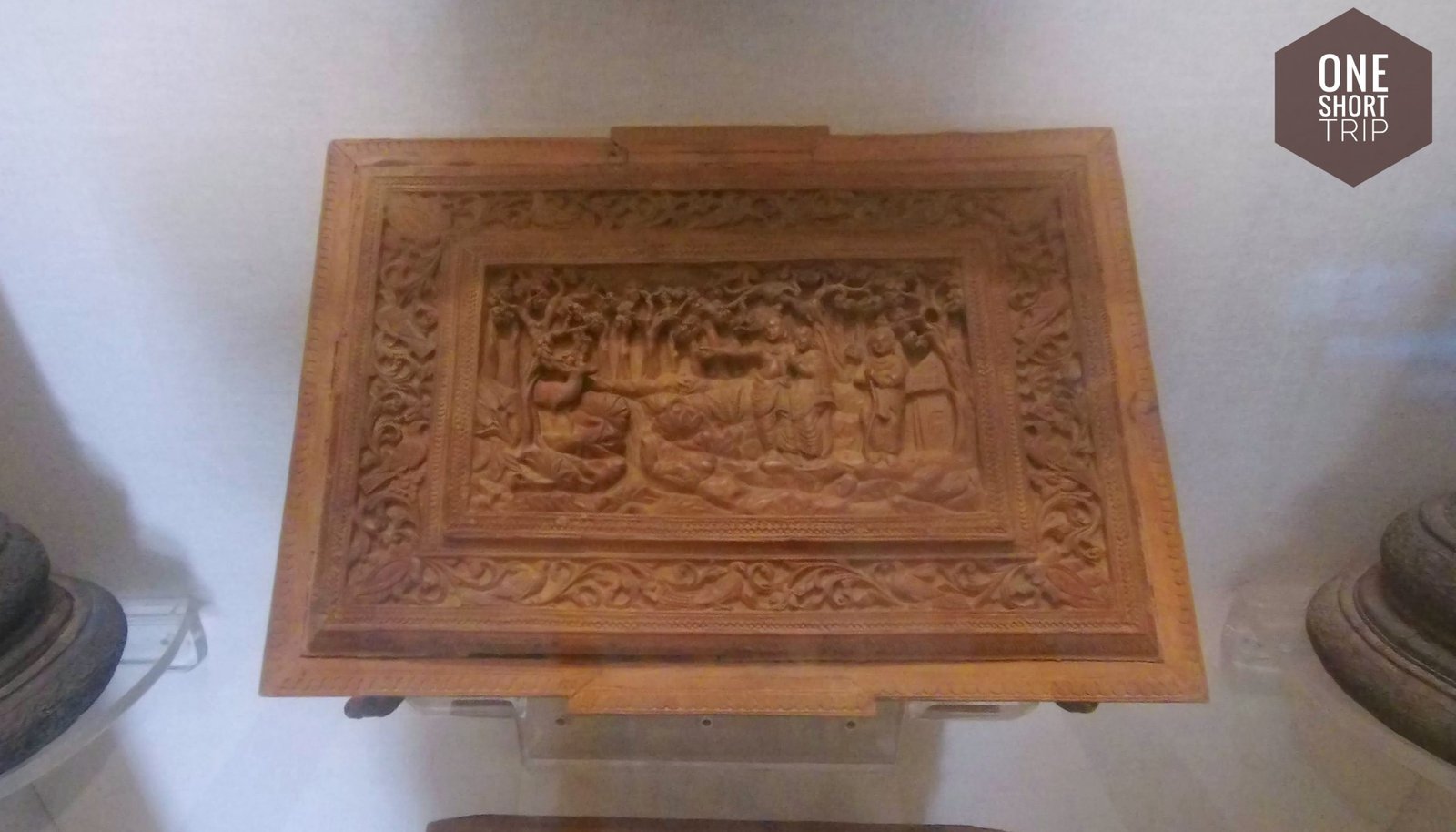
Visitors can see royal howdahs and palanquins, miniature paintings, historic textiles, arms and armour, decorative arts and objects connected with courtly life. The collections make the museum particularly valuable for travellers who want more than photographs of the fort's exterior.
Marwar Miniature Paintings
The Painting Gallery contains an important collection associated with the Marwar school of miniature painting. The museum's collection spans several centuries and demonstrates how local artistic traditions interacted with Mughal and other influences. These paintings provide a visual record of royal life, court ceremonies, religious themes and the landscapes of the region.
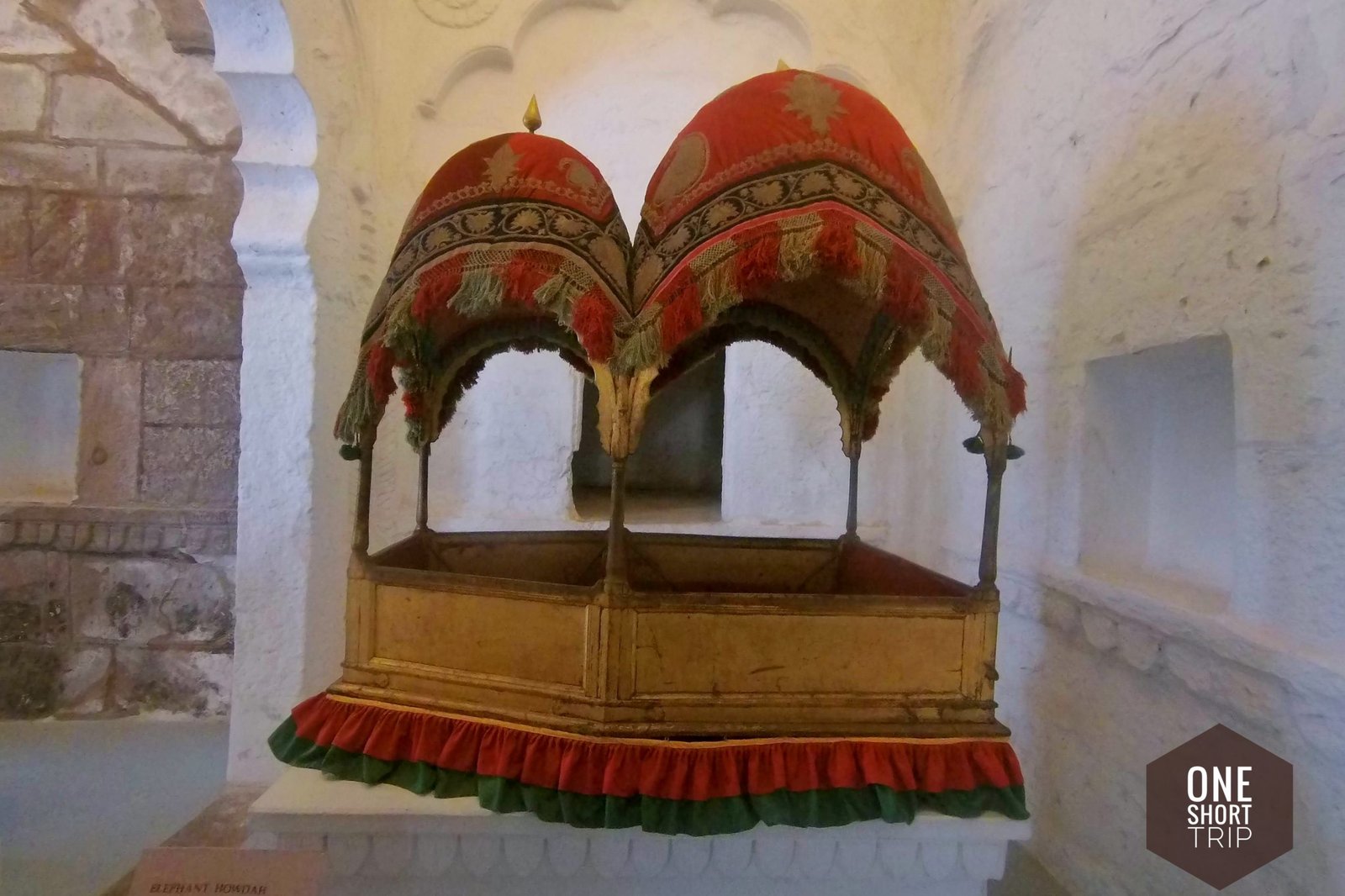
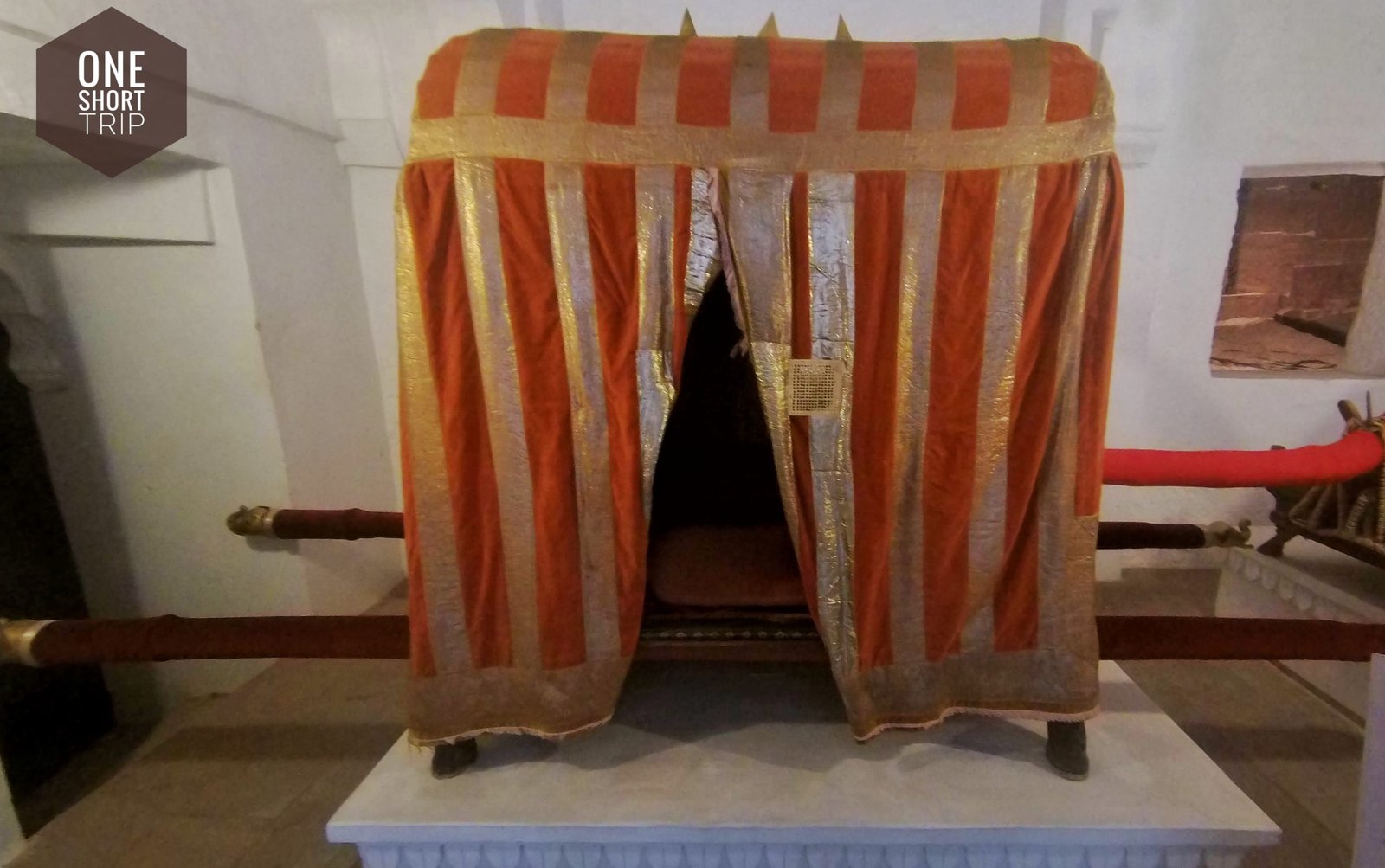
Royal Howdahs and Palanquins
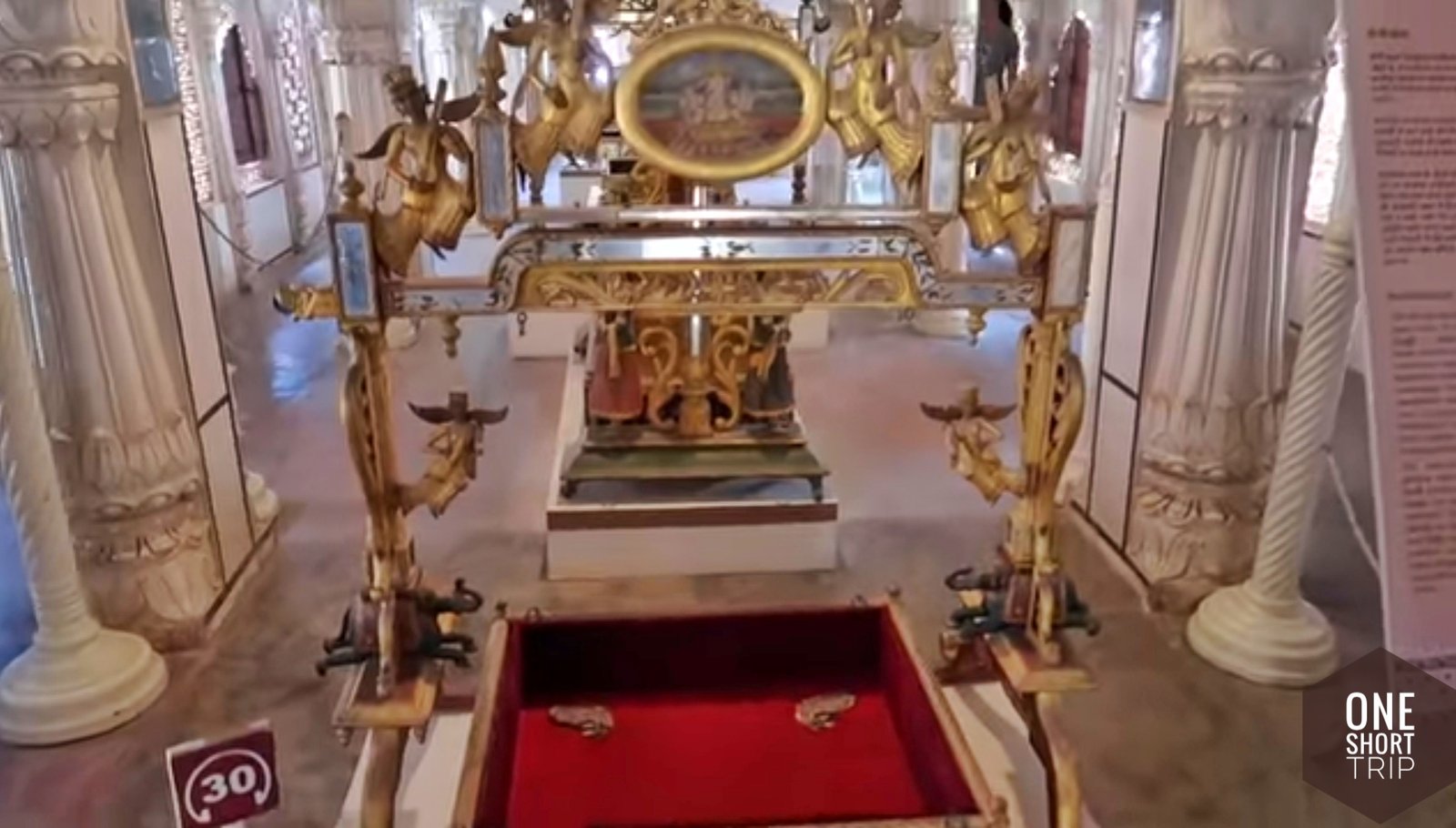
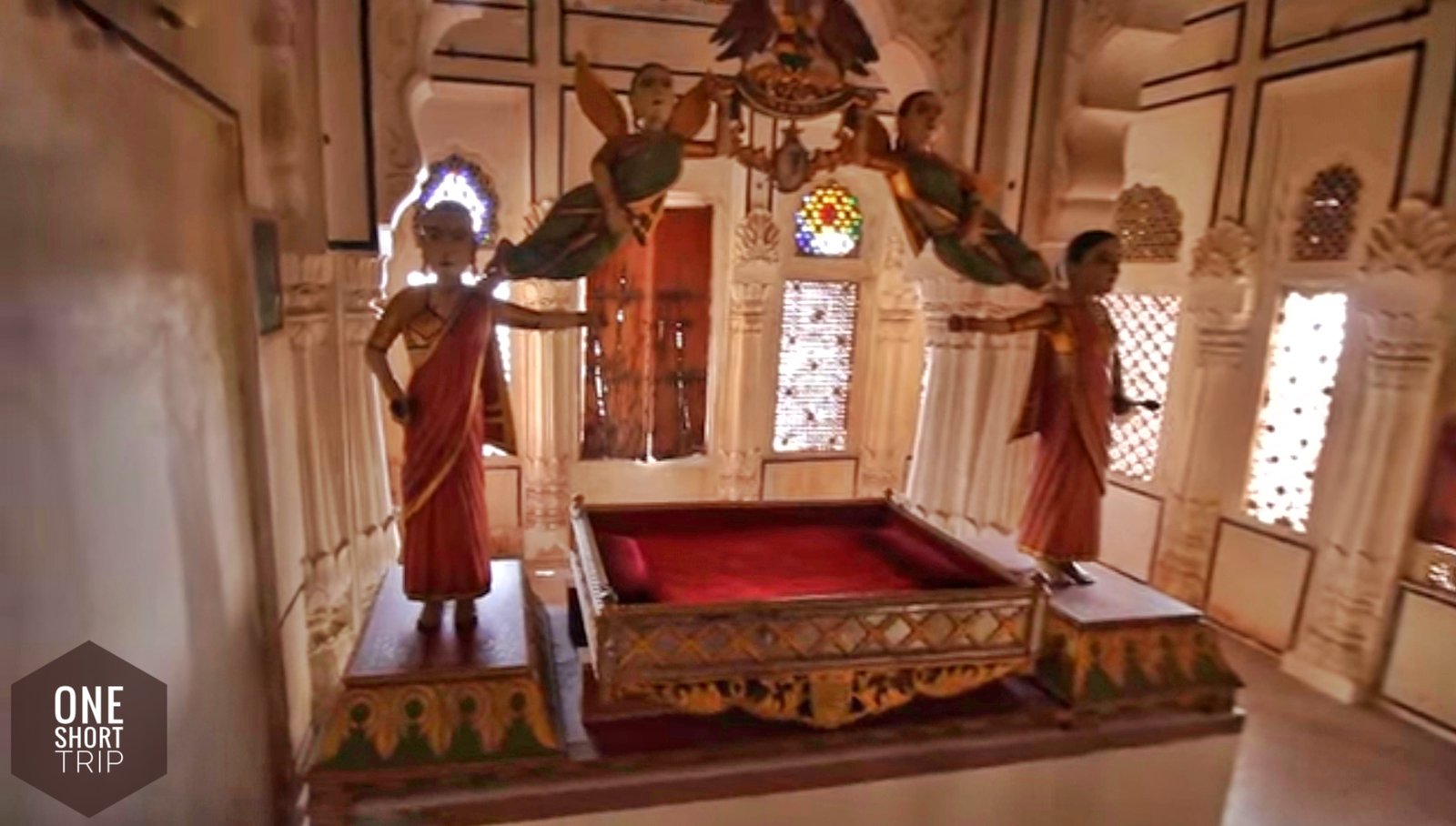
The Howdah and Palanquin galleries reveal how members of the royal household travelled and appeared in ceremonial settings. These objects were not merely practical forms of transport; their elaborate decoration reflects the wealth, craftsmanship and ceremonial traditions of the Marwar court.
Arms and Armour Collection
Mehrangarh's Arms Gallery provides an insight into the military traditions of Rajasthan and the changing technology of warfare. The collection includes historic weapons and armour connected with the region's royal and warrior traditions. Together with the fort's massive walls and defensive gates, the gallery helps visitors understand the military importance of Mehrangarh.
Views Over Jodhpur's Blue City
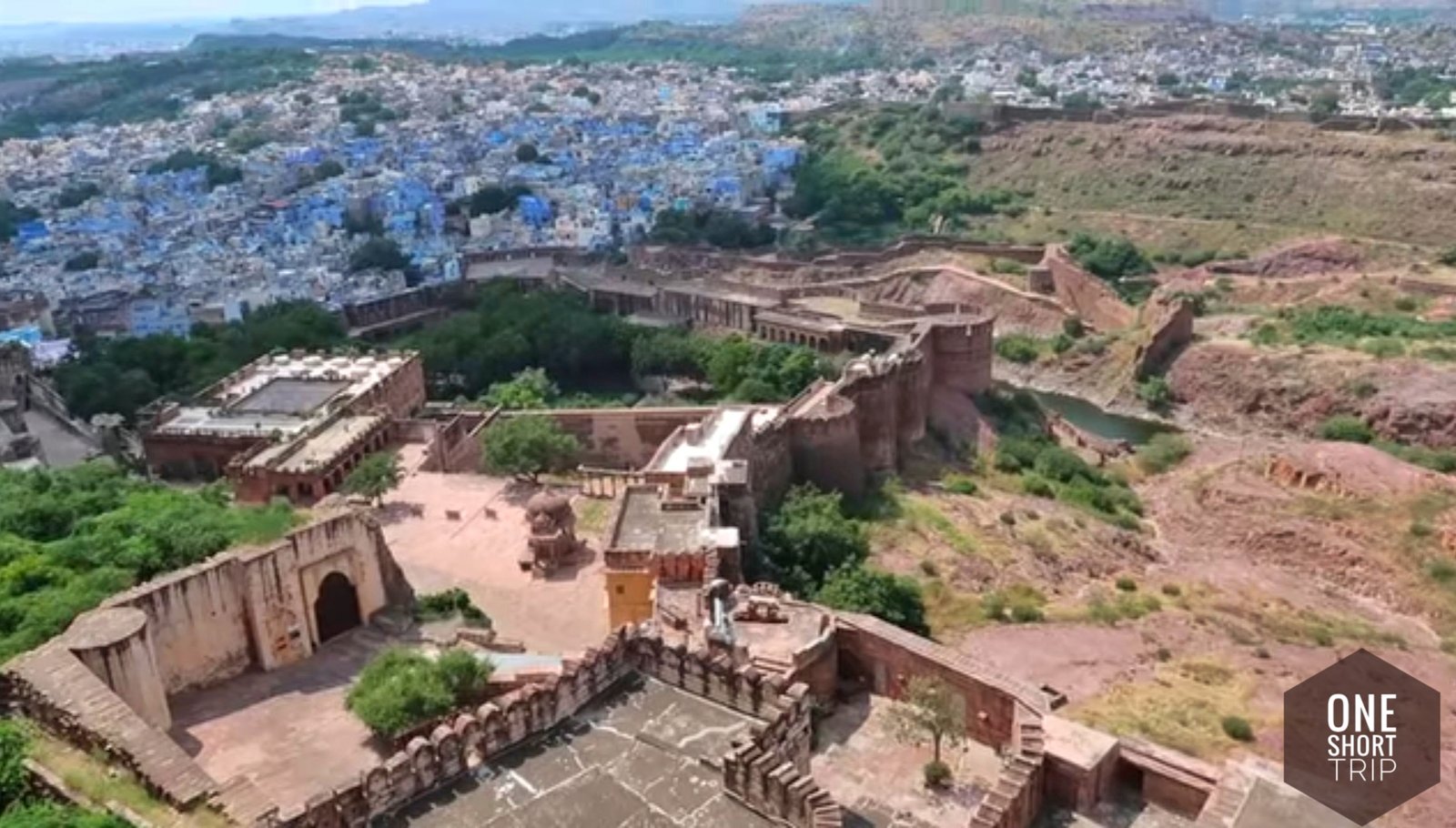
Mehrangarh's elevated position provides spectacular views across Jodhpur. From the fort's ramparts and viewpoints, the dense historic city spreads across the landscape, with many blue-painted houses visible below. The contrast between the reddish-brown fort stone and the blue neighbourhoods is one of the defining visual experiences of Jodhpur.
For photography, early morning and late afternoon generally provide softer light and more comfortable conditions. The changing light across the fort walls and city can create particularly strong architectural photographs.
Rao Jodha Desert Rock Park
Rao Jodha Desert Rock Park lies beside Mehrangarh Fort and offers a completely different perspective on the landscape. The park was developed to restore the rocky terrain around the fort using plants native or adapted to the arid environment. Walking trails provide opportunities to explore the natural landscape below the massive fort walls.
Chokhelao Bagh
Chokhelao Bagh sits at the foot of Mehrangarh and recreates the atmosphere of an 18th-century Marwar garden. Rajasthan Tourism describes it as a historic garden containing regionally appropriate flora and traditional garden features. It is a good addition for travellers who want to experience the landscape surrounding the fort rather than only its stone architecture.
Jaswant Thada
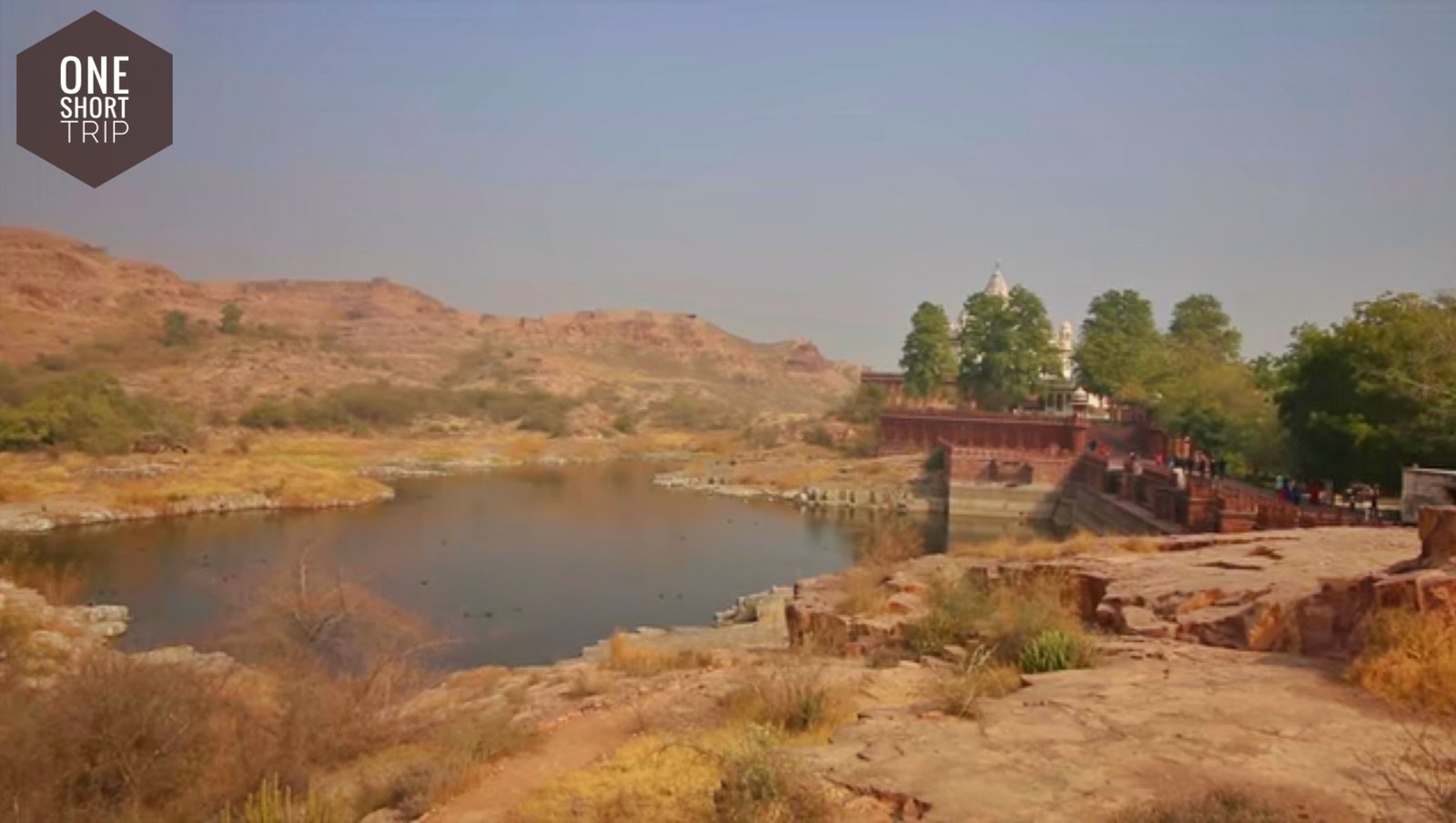
Jaswant Thada is one of the easiest attractions to combine with Mehrangarh Fort. The white-marble memorial was built in memory of Maharaja Jaswant Singh II and contains portraits connected with the Marwar royal family. Its quiet setting creates a strong contrast with the imposing sandstone walls of Mehrangarh.
Other Places Near Mehrangarh Fort
After exploring Mehrangarh, travellers can continue into Jodhpur's historic areas. Popular additions include the Clock Tower and Sardar Market, the old blue-city neighbourhoods, Umaid Bhawan Palace, Mandore Garden and other heritage attractions. Rajasthan Tourism identifies Mehrangarh, Jaswant Thada, Umaid Bhawan Palace, Mandore and several other attractions among Jodhpur's major places to explore.
Best Time to Visit Mehrangarh Fort
October to March is generally the most comfortable season for exploring Jodhpur's outdoor attractions. Winter provides better conditions for walking around the fort, while early morning and late afternoon are preferable during hotter periods. Summers can be extremely warm, so visitors should plan outdoor exploration accordingly.
Is Mehrangarh Fort Suitable for Families and Senior Citizens?
Mehrangarh is suitable for families, older children and travellers interested in history. Senior citizens can also enjoy the fort, although the complex involves walking, slopes, steps and uneven historic surfaces. Comfortable footwear, regular breaks and an unhurried itinerary can make the visit easier.
Practical Tips for Visiting Mehrangarh Fort
- Start early if you want to explore the fort comfortably.
- Allow at least 2–3 hours for the fort and museum.
- Wear comfortable walking shoes.
- Carry drinking water, particularly outside the cooler months.
- Consider an audio guide or guided tour for additional historical context.
- Keep extra time if you want to visit Rao Jodha Desert Rock Park or Chokhelao Bagh.
- Combine the fort with Jaswant Thada for an efficient heritage circuit.
- Respect the Chamunda Mata Temple and other religious areas within the complex.
- Follow all photography and visitor instructions displayed inside the museum and monument.
A Complete Mehrangarh Fort Experience
The best way to experience Mehrangarh is to look beyond its enormous exterior walls. Walk through the historic gates, explore the royal palaces, study the museum collections, visit Chamunda Mata Temple and spend time on the viewpoints overlooking Jodhpur. Each section reveals another part of the history of Marwar.
For travellers planning a Jodhpur sightseeing itinerary, Mehrangarh Fort deserves to be one of the main attractions rather than a brief stop. Its combination of history, architecture, royal collections and panoramic views makes it one of the most rewarding heritage experiences in Rajasthan.
Planning A Trip Here?
Get help planning your visit — call or WhatsApp us and we will help you book a tour.