Ghati Subramanya Temple
A Sacred Naga Kshetra of Lord Subramanya and Lord Narasimha
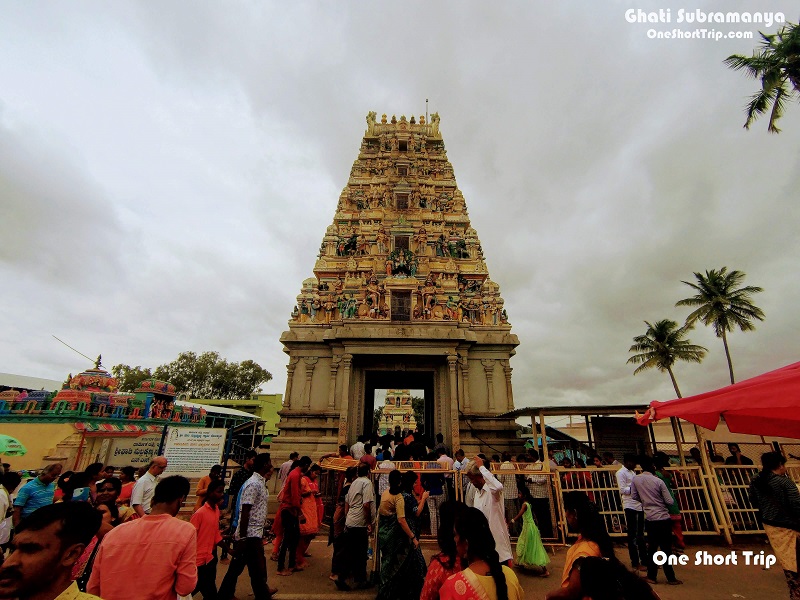
Ghati Subramanya Temple is one of the important spiritual destinations near Bengaluru, Karnataka. The temple is dedicated to Lord Subramanya, also known as Lord Kartikeya, and is famous for its unique connection with Lord Narasimha and Naga worship.
Located near Doddaballapur, Ghati Subramanya is a meaningful short trip from Bangalore and short trip from Bengaluru for devotees, families and travellers looking for a peaceful spiritual experience close to the city.


Ghati Subramanya Temple at a Glance
About Ghati Subramanya Temple
Ghati Subramanya Temple is located in Melinajuganhalli village in Doddaballapur Taluk of Bengaluru Rural District, Karnataka. It is one of the important pilgrimage centres associated with Lord Subramanya and Naga worship.
The temple is traditionally regarded as one of the three famous Naga Kshetras. The other two are Kukke Subramanya, traditionally identified as Aadi Subramanya, and Nagalamadike Subramanya, traditionally identified as Anthya Subramanya.
Ghati Subramanya is traditionally known as Madhya Subramanya. This gives the temple an important place in the devotional tradition surrounding Lord Subramanya and serpent worship.
The temple is also known for traditional rituals associated with Kuja Dosha Parihara, Naga Pratishtha and Sarpa Dosha Parihara. Devotees visit the temple throughout the year for darshan, prayers and different religious ceremonies.
The Three Famous Naga Kshetras
Traditional accounts associated with Ghati Subramanya describe three important Subramanya Kshetras connected with Naga worship.
Aadi Subramanya
Kukke Subramanya in Dakshina Kannada is traditionally identified as Aadi Subramanya.
Madhya Subramanya
Ghati Subramanya in Doddaballapur Taluk is traditionally identified as Madhya Subramanya.
Anthya Subramanya
Nagalamadike Subramanya in Pavagada Taluk is traditionally identified as Anthya Subramanya.
Why Is Ghati Subramanya Temple Special?
Ghati Subramanya is not simply a temple near Bangalore. Its spiritual importance comes from its unique deity arrangement, Naga worship traditions, mythology and long association with devotees from Karnataka and neighbouring regions.
- The main deity is Lord Subramanya, also known as Kartikeya.
- Lord Subramanya is represented in a serpent form.
- Lord Narasimha is represented along with Lord Subramanya.
- The principal deity is traditionally believed to be Swayambhu, or self-manifested.
- The temple is strongly associated with Naga worship.
- Traditional Sarpa Dosha and Naga-related rituals are performed here.
- The temple has several centuries of history.
- The temple is traditionally associated with the Ghorpade rulers of Sandur.
- Major religious festivals are celebrated throughout the year.
- Its location makes it suitable for a spiritual trip from Bangalore or trip from Bengaluru.
Ghati Subramanya Temple Story
The story of Ghati Subramanya is closely connected with Lord Subramanya, Lord Narasimha and the serpent form of Subramanya.
According to the traditional legend, Lord Subramanya came to this region in the form of a serpent and performed penance here. He sought protection from Lord Srihari because he was concerned about the danger posed by Garuda, the divine vehicle of Lord Vishnu.
Lord Srihari, together with Goddess Lakshmi, appeared in the form of Lakshmi Narasimha and protected Lord Subramanya.
This traditional connection between Subramanya, serpent worship and Narasimha is reflected in the unique deity arrangement inside the temple.

The Purana Behind Lord Subramanya
The traditional story of Lord Subramanya is connected with the struggle between the forces of good and evil. According to the Purana associated with the story, powerful demons began troubling mankind.
Tripurasura had been defeated by Lord Shiva. Later, his sons Takasura, Simhavakra, Gajasya and Shurapadma became powerful and began troubling the Devas and people.
The Devas and people sought help from Lord Brahma and Lord Vishnu. According to the traditional account, Lord Brahma explained that Shiva's son would be able to defeat these powerful demons.
Lord Vishnu therefore suggested that Lord Shiva marry Goddess Parvati. Their divine union eventually led to the birth of Shanmukha, or Lord Subramanya.
Lord Subramanya later fought the demons and defeated them, restoring peace and protecting the Devas and mankind.
Subramanya's Anger and the Serpent Form
One of the important legends associated with Ghati Subramanya concerns Lord Brahma and the sacred syllable Omkara.
According to the traditional story, Lord Subramanya once asked Lord Brahma to explain the meaning of Omkara. When Brahma could not provide a satisfactory explanation, Subramanya became angry and placed Brahma in prison.
Lord Shiva later came to Brahma's help. With the permission of Lord Subramanya, Brahma was released from prison.
Subramanya then felt guilty about his actions and came to Earth, or Bhu-Loka, in the form of Ghata Sarpa, meaning a serpent.
Because Subramanya had taken the form of a serpent, he knew that he could face danger from Garuda. He therefore prayed to Lord Srihari for protection.
Lord Srihari, together with Goddess Lakshmi, appeared as Lakshmi Narasimha and protected Subramanya.
This traditional story is an important part of understanding why Lord Subramanya and Lord Narasimha are worshipped together at Ghati Subramanya Temple.
The Legend of Ghatikesura
Another traditional legend explains the name Ghati Subramanya.
According to the temple tradition, an Asura named Ghatikesura lived in this region and troubled the sages and local people.
Lord Subramanya came to protect them and fought Ghatikesura. After defeating the Asura, Lord Subramanya restored peace to the region.
Because of this association with Ghatikesura, the place came to be known as Ghati Subramanya.
The location is also considered a Subramanya Kshetra because the self-manifested, or Swayambhu, form of Lord Subramanya is traditionally believed to have been found here.
The Unique Idol of Lord Subramanya and Lord Narasimha
One of the most distinctive features of Ghati Subramanya Temple is the presence of Lord Subramanya and Lord Narasimha together.
Lord Subramanya is traditionally represented in the form of a seven-headed cobra facing east, while Lord Narasimha faces west.
Both forms are represented within the same sacred stone. A mirror arrangement allows devotees to see Lord Narasimha while viewing Lord Subramanya.
The combination of Lord Subramanya in serpent form and Lord Narasimha in the same sacred representation is one of the defining features of Ghati Subramanya Temple.

Religious Significance of Ghati Subramanya
Ghati Subramanya holds special importance for devotees who worship Lord Subramanya and follow traditional Naga worship practices.
The temple is traditionally associated with several devotional rituals and parihara practices. Devotees visit the temple with personal prayers, family traditions and religious intentions.
Traditional rituals associated with the temple include:
- Sarpa Dosha Parihara
- Naga Dosha-related prayers
- Naga Pratishtha
- Kuja Dosha Parihara
- Sarpa Dosha Nivarana rituals
- Traditional offerings to Lord Subramanya
Beliefs surrounding Sarpa Dosha, Naga Dosha and the spiritual benefits of particular rituals are part of religious and devotional traditions. They should be understood as matters of faith rather than as scientifically established effects.
History of Ghati Subramanya Temple
Ghati Subramanya has a history extending across several centuries. Traditional accounts associated with the temple connect its development with the Ghorpade rulers of the Sandur Dynasty.
The older One Short Trip page recorded that the history of Ghati Subramanya was more than 800 years old and that the temple's Garbhagudi was built around 600 years ago by Maharaja Srimanth Ghorpade of the Sandur Dynasty.
Historical descriptions can vary between sources, so it is safer to describe Ghati Subramanya as a temple with a long history spanning several centuries.
Over the years, the temple has continued to attract devotees from Bengaluru, different parts of Karnataka and neighbouring regions. Its importance remains closely connected with Lord Subramanya, Lord Narasimha and Naga worship.
Sarpa Dosha Pooja at Ghati Subramanya
Sarpa Dosha Pooja, also referred to in traditional practice as Sarpa Samskara or Sarpa Dosha Parihara, is one of the major reasons devotees visit Ghati Subramanya.
Traditional temple information states that Sarpa Dosha Pooja is performed on most days. Tuesdays, Shashti and Ashlesha Nakshatra days are considered particularly auspicious by devotees.
These days can also attract larger crowds. Therefore, if you are planning your Bangalore to Ghati Subramanya or Bengaluru to Ghati Subramanya journey specifically for a ritual, it is better to plan ahead.
Before travelling, contact the temple administration and confirm the current seva availability, registration procedure, timings, required materials and applicable charges.
Jatre at Ghati Subramanya
The annual Jatre at Ghati Subramanya is traditionally associated with Pushya Maasa Shuddha Shashti and generally takes place around December or January.
The festival period brings a large number of devotees to the temple. Special religious activities and traditional celebrations make this an important period in the temple calendar.
Major Festivals at Ghati Subramanya
Ghati Subramanya celebrates several festivals associated with Lord Subramanya, Lord Narasimha and Naga worship.
- Brahma Rathotsava — Pushya Maasa Shuddha Shashti, generally December or January.
- Nagara Panchami — Shravana Maasa, generally July or August.
- Narasimha Jayanti — Vaishaka Maasa, according to the Hindu lunar calendar.
- Theppotsava / Kiru Shashti — traditionally around January or February.
- Champa Shashti — traditionally around November.
- Kumara Sashti / Skanda Shashti — according to the temple's Hindu calendar.
Festival dates can change every year because many Hindu festivals follow the lunar calendar. Always confirm the exact date and programme with the temple administration before planning your visit.
Ghati Subramanya Cattle Fair
Ghati Subramanya is also associated with a traditional cattle fair held around the annual festival period.
Farmers, cattle rearers and traders from Karnataka and neighbouring regions participate in the fair. The event creates a lively atmosphere around the temple and offers visitors an opportunity to experience an important part of rural Karnataka culture.
Best Time to Visit Ghati Subramanya Temple
The best time to visit depends on the kind of experience you want. If you prefer a relatively peaceful darshan, a regular weekday outside major festivals can be more comfortable.
If you want to experience the temple's major celebrations, plan your visit around festivals such as Brahma Rathotsava, Nagara Panchami or Narasimha Jayanti. However, festival periods can be considerably busier.
For a peaceful spiritual visit
Choose a normal weekday and allow enough time for darshan, prayers and exploring the temple surroundings.
For special rituals
If your purpose is Sarpa Dosha Pooja, Naga-related rituals or another seva, contact the temple before travelling and confirm the latest arrangements.
For festival celebrations
Plan well in advance, especially when travelling with senior citizens or family members. Confirm the exact festival date and temple schedule before starting your journey from Bangalore or Bengaluru.
Why Visit Ghati Subramanya With One Short Trip?
Ghati Subramanya is an excellent destination for travellers looking for a meaningful spiritual escape without travelling too far from Bengaluru.
The journey combines temple worship, mythology, history and the peaceful countryside around Doddaballapur. This makes it suitable for a simple short trip from Bengaluru, especially for families and travellers who prefer a spiritual destination close to the city.
At One Short Trip, our aim is to make spiritual travel comfortable, organised and meaningful. A well-planned trip allows you to spend more time experiencing the destination and less time worrying about the practical details of the journey.
- Convenient destination for a short pilgrimage from Bengaluru.
- Important temple dedicated to Lord Subramanya.
- Unique connection between Lord Subramanya and Lord Narasimha.
- Important centre for traditional Naga worship.
- Traditional Sarpa Dosha-related rituals.
- Rich mythology and temple legends.
- Several centuries of temple history.
- Major annual festivals and celebrations.
- Suitable for family and senior-friendly spiritual travel when planned comfortably.
- Can be combined with nearby attractions for a longer day trip.
For devotees looking for a break from the routine of city life, Ghati Subramanya offers a simple spiritual journey from Bengaluru into the quieter countryside of Karnataka.
Ghati Subramanya Temple Timings
Ghati Subramanya Temple is generally open for devotees from the morning until the evening. Temple schedules can vary on festival days and during special religious events.
| Information | Timing / Details |
|---|---|
| Temple Opening | Approximately 6:00 AM |
| Temple Closing | Approximately 8:00 PM |
| Recommended Visit | Allow around 2–3 hours |
Temple timings can change during festivals, special poojas, Rathotsava and other religious occasions. Confirm the day's schedule with the temple before travelling, especially if you are planning a specific seva.
Darshan at Ghati Subramanya Temple
Devotees can visit the temple for regular darshan and participate in various poojas and sevas according to the temple's schedule.
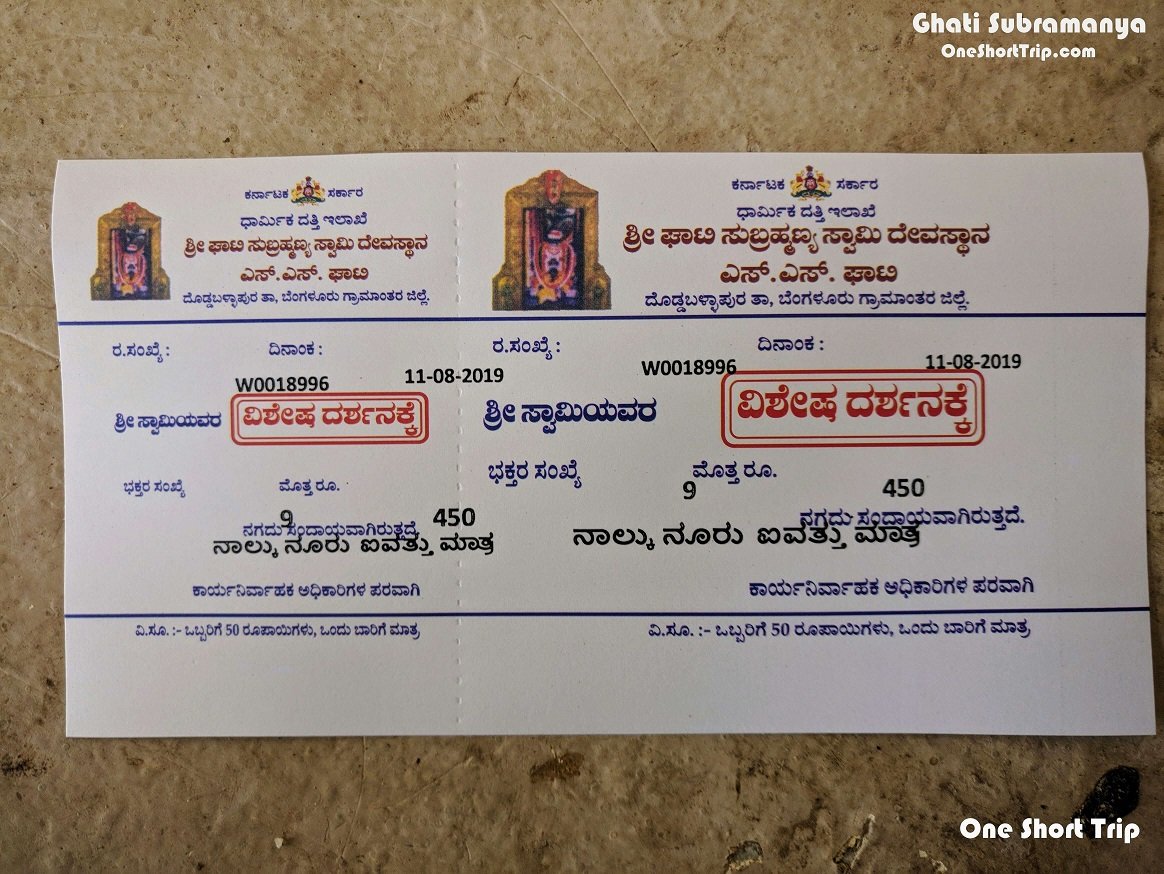
The older One Short Trip page recorded normal darshan as free and special darshan as ₹50. However, this is historical information and should not be treated as the current fee.
If you specifically want special darshan or a particular seva, confirm the current procedure and charges directly with the temple administration.
Seva and Pooja at Ghati Subramanya Temple
Several poojas and sevas are traditionally offered at Ghati Subramanya. The charges listed below were recorded on the older One Short Trip page. Since temple charges can change, use this list as a reference rather than a current price list.
| Seva / Pooja | Earlier Listed Amount |
|---|---|
| Kumkuma Archana | ₹10 |
| Mudi | ₹20 |
| Vahana Pooje – Two Wheeler | ₹25 |
| Vahana Pooje – Heavy Vehicle | ₹50 |
| Tulabhara | ₹50 |
| Sahasranama Archana | ₹50 |
| Ksheerabhisheka / Halabhisheka | ₹100 |
| Aksharabhyasa | ₹101 |
| Annaprasana | ₹101 |
| Namakarana | ₹101 |
| Ear Piercing | ₹101 |
| Panchamrutha Abhisheka | ₹200 |
| Rudrabhisheka | ₹300 |
| Samuhika Ashlesha Bali | ₹500 |
| Sarpa Seva | ₹750 |
| Prakarotsava | ₹1,001 |
| Ekadasha Rudrabhisheka | ₹2,001 |
| Abhisheka Shashwatha Seva | ₹2,001 |
| Kalyana Mantapa Rent – One Day | ₹3,000 |
| Samuhika Sarpa Samskara | ₹4,000 |
| 1 Day Annadana | ₹5,001 |
| Navagraha Shanti / Sarpa Shanti / Ashlesha Bali | ₹5,001 |
| Pratyeka Sarpa Samskara | ₹10,001 |
| Kalyanotsavam Seva | ₹15,000 |
| Shashwatha Seva – 1 Day / Year with Annadana Prasada | ₹1,50,001 |
These amounts are from the recovered older One Short Trip page. Temple seva charges may have changed. Confirm the latest fee, availability and booking procedure before making any payment.
Important Pooja Timings
The older One Short Trip page recorded the following approximate timings for important daily rituals:
| Ritual | Earlier Listed Time |
|---|---|
| Abhisheka | 8:30 AM |
| Mahamangalarathi | 10:30 AM |
| Mahamangalarathi | 8:30 PM |
These timings should be confirmed with the temple before your visit, particularly if your travel is planned around a specific ritual.
Parking at Ghati Subramanya Temple
Parking is available near the temple. The older One Short Trip page noted private parking facilities a short distance from the temple and described parking as free at the time of publication.
During weekends, Shashti, Ashlesha Nakshatra days, festivals and the annual Jatre, the area can become considerably busier. If you are travelling with elderly family members, reaching earlier can make the visit more comfortable.
How Much Time Do You Need at Ghati Subramanya?
For a normal temple visit, plan for approximately 2–3 hours. This gives you enough time for the temple visit, darshan, prayers and a relaxed look around the surrounding area.
If you are visiting for Sarpa Dosha Pooja, Sarpa Samskara or another special seva, allow additional time. Rituals, queues and crowd levels can make the visit considerably longer.
Ghati Subramanya Temple Address
Sri Subrahmanyaswamy Temple
Ghati / SS Ghati Post
Doddaballapur Taluk
Bengaluru Rural District
Karnataka – 561203
Ghati Subramanya Temple Contact Number
If you are travelling specifically for a pooja, seva or festival, contacting the temple before leaving is recommended.
Temple Contact:
080-2765-7131
080-2765-7141
Older contact listed by One Short Trip:
+91 99805 53276
Email recorded on the older page:
srighatisubramanyatempleco@gmail.com
Phone numbers and email details can change. Please verify the current contact details before relying on them for same-day travel or seva arrangements.
Accommodation Near Ghati Subramanya Temple
If you are planning a day trip from Bengaluru, accommodation may not be necessary. However, devotees travelling for special poojas, festivals or an early morning darshan may prefer to stay nearby.
The older One Short Trip page noted that temple accommodation was not available at the time. It also mentioned boarding and lodging options opposite the temple and nearby accommodation around Ghati.
Krishna Kutira
Krishna Kutira was listed on the earlier One Short Trip page as one of the accommodation options near the temple.
Yatri Nivasa
Yatri Nivasa near the Gram Panchayat office was also mentioned as an affordable accommodation option.
Hotels and Resorts Around Doddaballapur
Travellers looking for more accommodation choices can consider staying around Doddaballapur and then travelling to the temple. The older page also mentioned properties such as SR Valley and Green Valley in the surrounding region.
Since accommodation availability and property listings change over time, check the current options before booking your stay.
Places to Visit Near Ghati Subramanya Temple
Ghati Subramanya can also be combined with other attractions in Bengaluru Rural and nearby parts of Karnataka. This makes it useful for travellers planning a one-day spiritual and sightseeing trip.
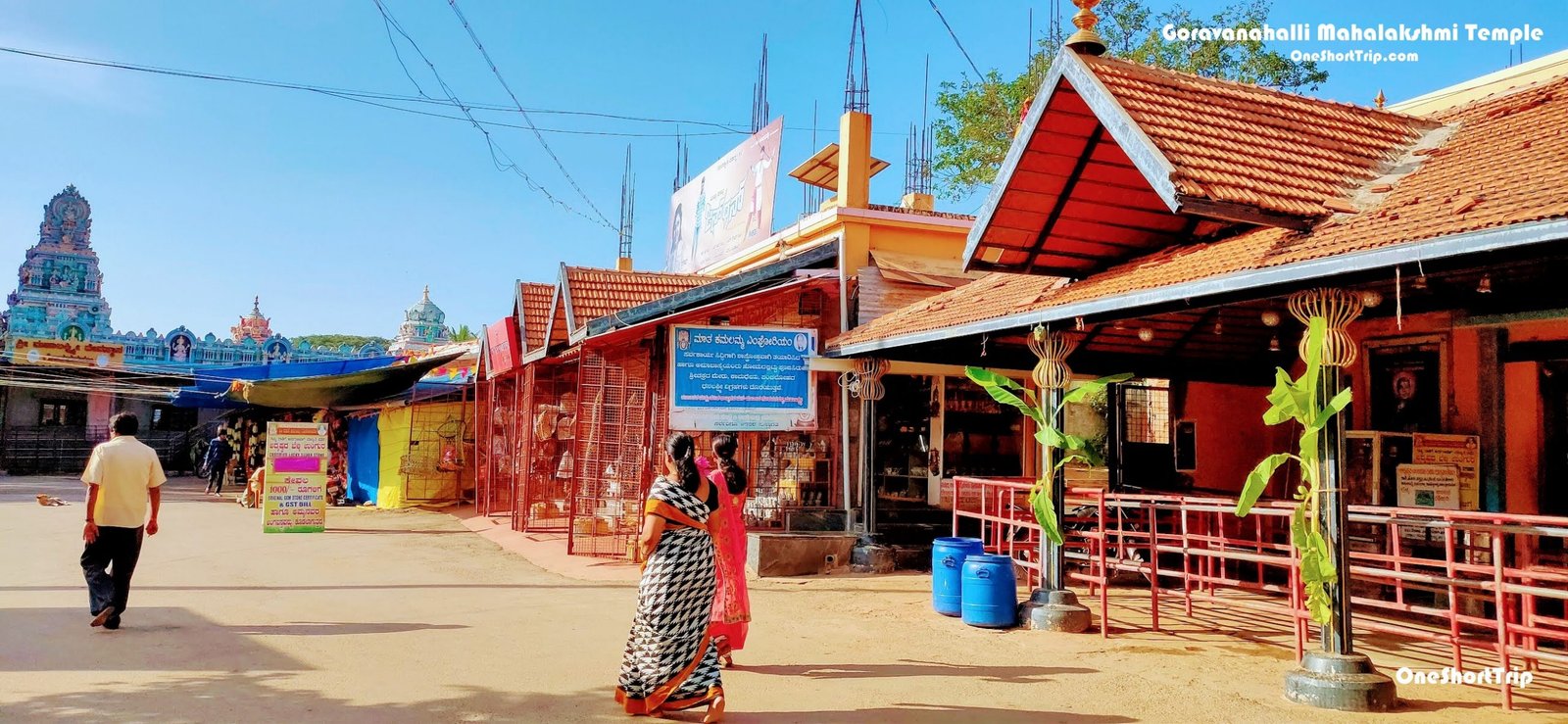
Goravanahalli Mahalakshmi Temple
Goravanahalli Mahalakshmi Temple is a well-known spiritual destination that can be considered when planning a temple-focused journey around the Bengaluru Rural region.
Devarayanadurga
Devarayanadurga is a hill destination known for its temples, natural surroundings and elevated landscape. It can be considered as part of a longer day trip when road conditions and travel time allow.
Namada Chilume
Namada Chilume is a natural spring associated with local mythology and is another interesting destination to consider when exploring the wider region.
Do not try to fit too many destinations into one day. If travelling with senior citizens or family members, keep enough time for temple darshan, meals, rest and unexpected traffic delays.
Distance to Ghati Subramanya Temple
The exact distance and travel time can vary depending on your starting point, route and traffic conditions.
How to Reach Ghati Subramanya by Bus
Travelling by bus usually involves reaching Doddaballapur first and then taking local transport towards Ghati Subramanya.
From Bangalore to Doddaballapur
The older One Short Trip page listed several BMTC routes connecting Bangalore with Doddaballapur, including:
- 285MA — Cauvery Bhavan to Doddaballapur
- 285 — KR Market to Doddaballapura
- V285M — Majestic to Doddaballapura
The old page also recorded an approximate ticket price of ₹36 per person. Bus fares and route numbers can change, so check the current BMTC schedule before travelling.
Doddaballapur to Ghati Subramanya
From Doddaballapur, local transport such as shared or private autos can be used to reach Ghati Subramanya.
The older page recorded approximately ₹20 per person for a shared auto and around ₹200 one way for a private auto. These are historical figures and should not be used as current fare estimates.
How to Reach Ghati Subramanya by Train
Train travel can also be considered, followed by local road transport to the temple.
The older One Short Trip page mentioned Makali Durga Railway Station as being around 6.3 km from the temple and listed passenger trains as an option.
However, railway routes and stopping patterns can change. Check the current Indian Railways schedule and confirm the most convenient station before planning your journey.
Do not rely on the old train numbers or ticket prices from the recovered page. Verify the current train schedule, station, availability and fare before travelling.
How to Reach Ghati Subramanya by Car or Bike
Driving is one of the easiest ways to reach Ghati Subramanya from Bangalore or Bengaluru, particularly for families and groups.
A commonly used route from central Bengaluru is:
Majestic / Kempegowda Bus Station → Hebbal → Yelahanka → Doddaballapura Road → Bashettihalli → Doddaballapur / Tubagere Road → Ghati Subramanya Temple
Depending on your starting location, navigation apps may suggest a slightly different route. Follow the current road conditions and live navigation rather than relying only on an older route description.
How to Reach Ghati Subramanya from Bangalore Airport
Kempegowda International Airport is the nearest major airport. Ghati Subramanya can be reached by road from the airport.
The exact driving distance depends on the route selected. Allow additional time for traffic, especially when travelling during peak hours.
Can Ghati Subramanya Be Covered as a One-Day Trip from Bangalore?
Yes. Ghati Subramanya is well suited to a one-day spiritual trip from Bangalore or Bengaluru.
Because the temple is approximately 60 km from Bangalore, travellers can leave in the morning, spend a few hours at the temple and return to the city on the same day.
A private car is particularly convenient for families and senior citizens because it allows more flexibility with departure time, meals, rest stops and return travel.
Simple One-Day Plan
- Early morning departure from Bangalore / Bengaluru.
- Drive towards Doddaballapur and Ghati Subramanya.
- Temple darshan and prayers.
- Participate in a seva if pre-arranged.
- Breakfast or lunch nearby.
- Visit one suitable nearby attraction if time permits.
- Return to Bangalore by evening.
Things to Know Before Visiting Ghati Subramanya
- Check temple timings before starting your journey.
- Confirm seva availability and current charges in advance.
- Festival days and Shashti days can attract large crowds.
- Reach early if you are travelling with senior citizens.
- Wear comfortable and respectful clothing suitable for temple premises.
- Keep some cash with you for local transport and small offerings.
- Do not assume that older online prices are still valid.
- Keep additional travel time for weekend and festival traffic.
- If travelling for a specific ritual, confirm the procedure before leaving Bangalore.
- Respect temple rules regarding photography, footwear and entry into restricted areas.