

Thonnur Kere: A Historic Lake Shaped by Water, Faith and Hoysala History
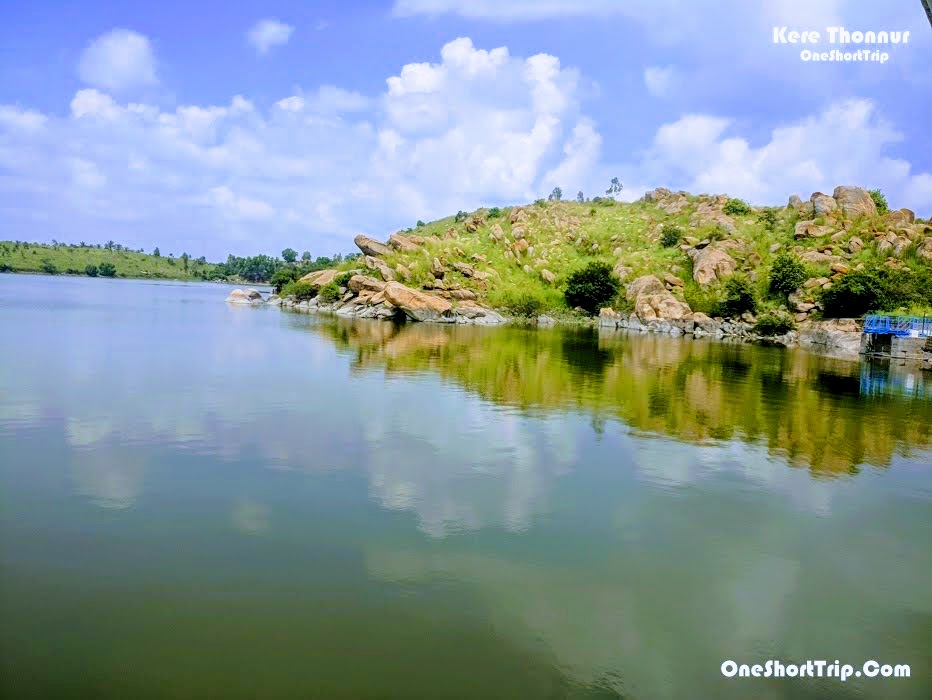
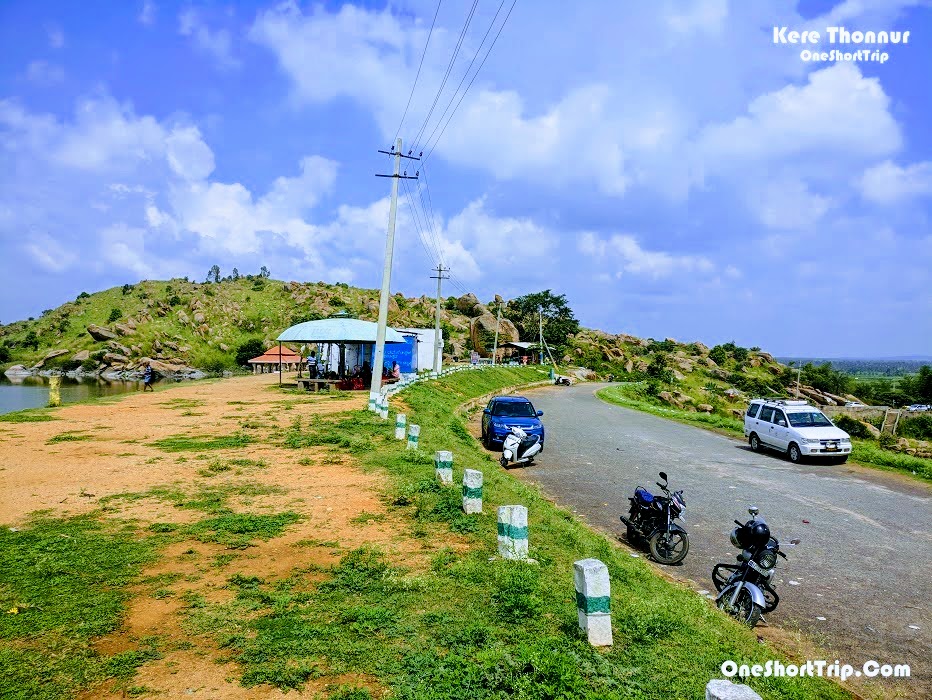
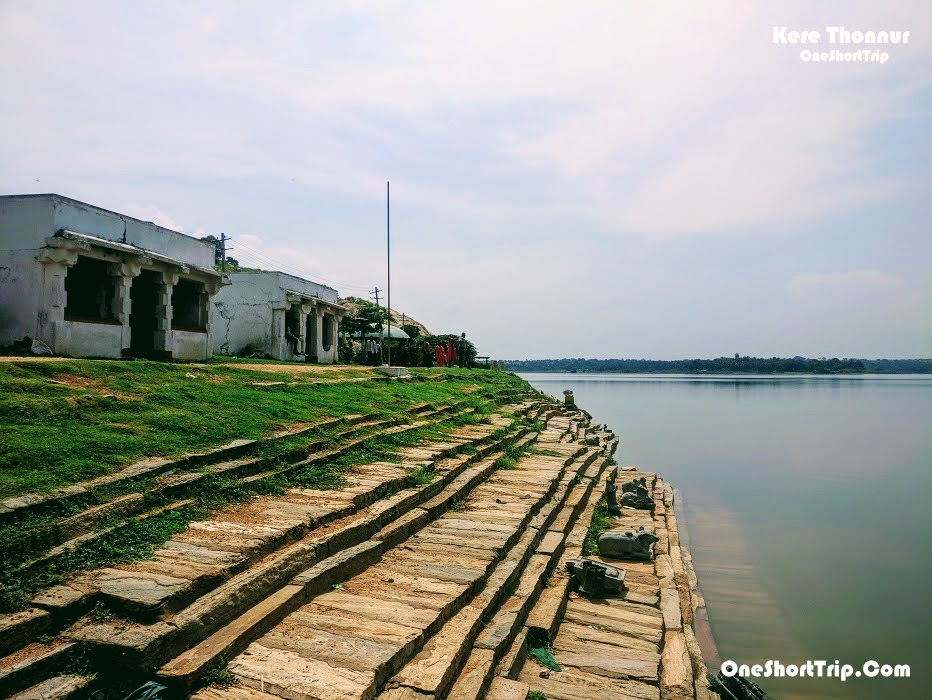
Thonnur Kere, also known as Tonnuru Lake or Tondanuru Kere, is one of those places in Mandya district where the landscape cannot be separated from history. The broad sheet of water lies among low rocky hills near Pandavapura, but the real story of Thonnur begins beyond the lake itself—with an old settlement that once served as a centre of learning, an important Hoysala-era political landscape, and the long association of Sri Ramanujacharya with the region.
The Mandya District administration classifies Tonnuru Lake under both Historic and Natural / Scenic Beauty. Ancient records give the settlement several names, including Tonnanuru, Tondanuru, Tonnuru, Yadavapura and Padmagiri. This is important because the modern lake is only one part of a much older cultural landscape.
The Story of Ancient Tondanuru
Long before Thonnur became a quiet countryside destination, Tondanuru was a recognised settlement with religious and scholarly importance. Historical records describe it as an Anadi Hiriya Agrahara and identify an ancient educational centre known as Yadavanarayana Chaturvedi Mangala. In other words, this was not simply a village that happened to acquire a famous lake; it belonged to a wider network of settlements where religion, learning and administration were closely connected.
The surviving inscriptions also place Tondanuru within the political world of the Hoysalas. Records dated to 1125 and 1128 CE refer to the place during the reign of Hoysala Vishnuvardhana and describe it as a sub-capital. That gives the area a much deeper historical identity than its present-day appearance might suggest.
Ramanujacharya and the Vaishnava Transformation
Thonnur is particularly important in the history of Sri Vaishnavism because of its association with Sri Ramanujacharya. According to the established local tradition recorded by the Mandya District administration, Ramanujacharya travelled through the region before reaching Melukote and stayed at Tondanuru for several years. His presence helped transform the settlement into an important centre of Vaishnava religious activity.
The same tradition connects Ramanujacharya with the Hoysala ruler Vishnuvardhana, who is said to have embraced the Sri Vaishnava tradition under his influence. Whether approached through religious tradition or historical study, this association explains why the villages around Thonnur and Melukote became such an important part of Karnataka's Vaishnava heritage.
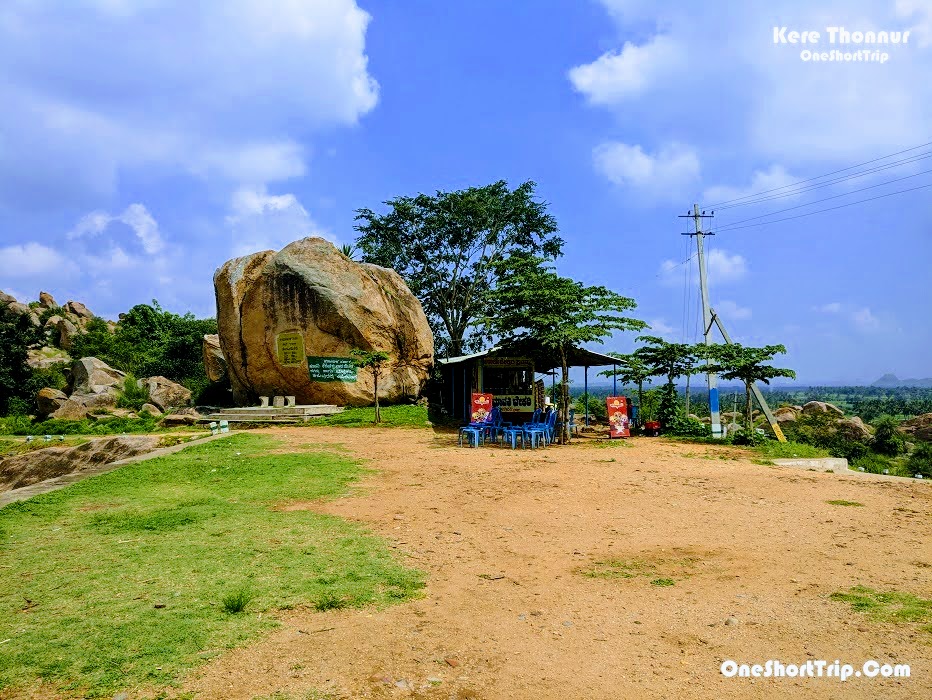
The Lake and Its Changing Names
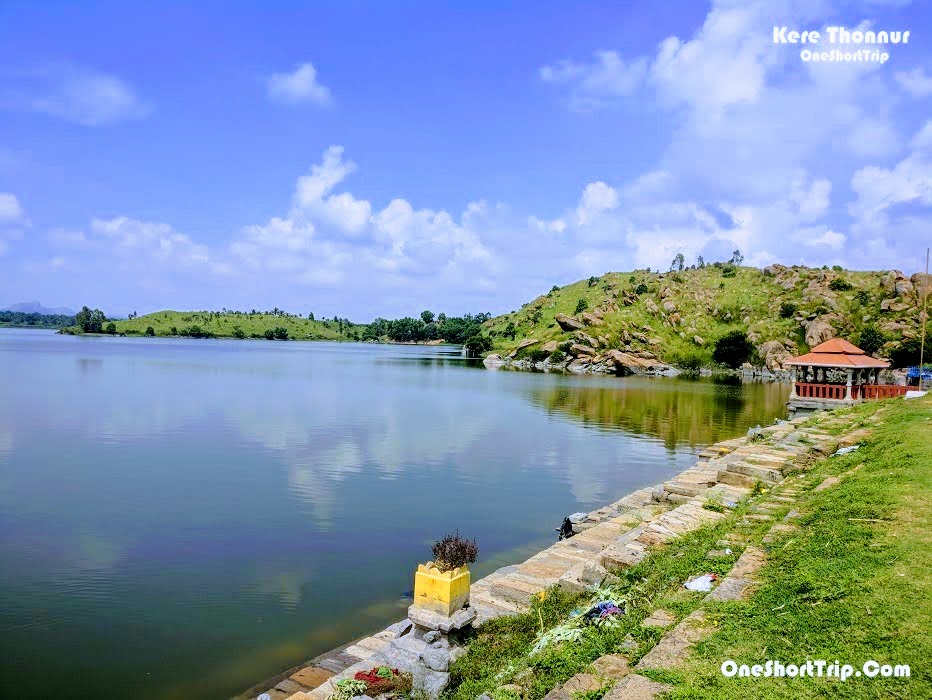
The lake is commonly known as Thonnur Kere today, but older traditions associate it with the name Tirumalasagara. Later historical accounts also record the name Moti Talab, or “Lake of Pearls”. The latter name became associated with the striking clarity of the water and the lake's appearance within the surrounding rocky landscape.
There is an important distinction to make here: popular travel accounts often describe Ramanujacharya as the person who physically built the entire lake. The historical picture is more complicated. The lake belongs to an old water-management landscape, and the area has seen construction, maintenance and changes over different periods. What is firmly established is that Thonnur's water body became closely woven into the religious and cultural traditions surrounding Ramanujacharya and the Hoysala-era settlement.
A Landscape Where the Lake Connects the Temples
One of the most rewarding aspects of Thonnur is that the lake should not be viewed in isolation. Around the historic settlement are old Vaishnava shrines associated with the religious history of Tondanuru. Among the best-known are the Nambinarayana Temple, the Gopalakrishna / Parthasarathi tradition, and the Yoga Narasimha Temple. There is also a long-standing association with Srinivasa or Venkataramana worship in the surrounding hills.
This concentration of shrines is what gives Thonnur its distinctive character. The lake provides the geographical centre, while the temples preserve the spiritual and architectural memory of the old settlement. Rather than treating them as unrelated attractions, it is more useful to understand them as parts of one historic Tondanuru landscape.
Nambinarayana and the Hoysala Heritage
The Nambinarayana Temple is particularly significant to the story of Thonnur. Historical architectural studies identify the temple group at Tonnur with the Hoysala period, while inscriptions provide evidence for the settlement's importance during the twelfth century. The temples therefore offer an architectural counterpoint to the lake: the water landscape tells the story of settlement and resource management, while the stone structures preserve the religious and artistic culture of medieval Karnataka.
One unusual feature associated with Nambinarayana is the positioning of the conch and discus in the deity's hands, described in temple tradition as being reversed from the arrangement commonly seen in Vishnu images. The tradition connects this distinctive iconography with the role of the deity in initiating devotees into the Sri Vaishnava tradition.
Yoga Narasimha and the Sacred Hill
The Yoga Narasimha shrine adds another layer to the landscape. Positioned on a smaller rocky elevation near the lake, it combines the natural setting of Thonnur with the Narasimha tradition of Vishnu worship. Local religious traditions connect the shrine with ancient sacred stories and with Ramanujacharya's presence in the region.
A particularly distinctive feature associated with the shrine is the image of Ramanujacharya shown in connection with Adishesha. This reflects the deep theological relationship between Ramanuja and the Vaishnava tradition and makes the temple circuit considerably more interesting than a simple lake visit.
The Hills, Water and Rural Setting
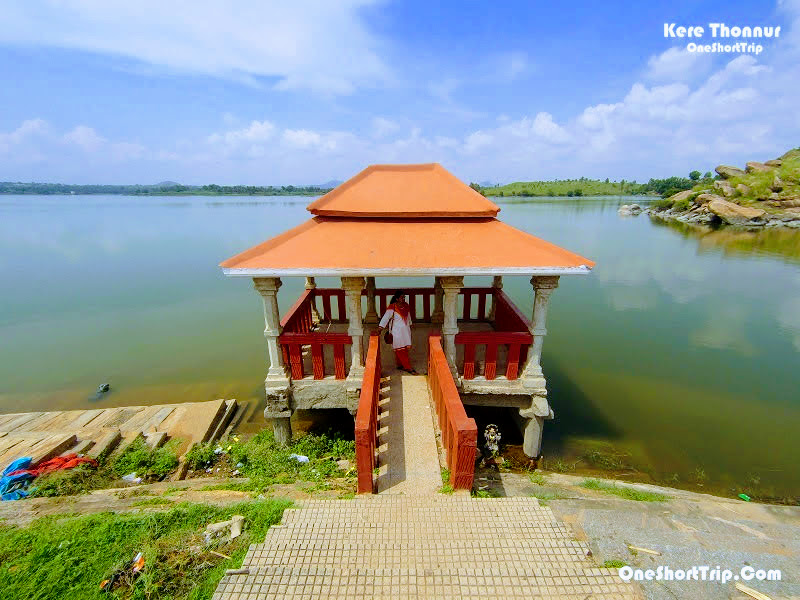
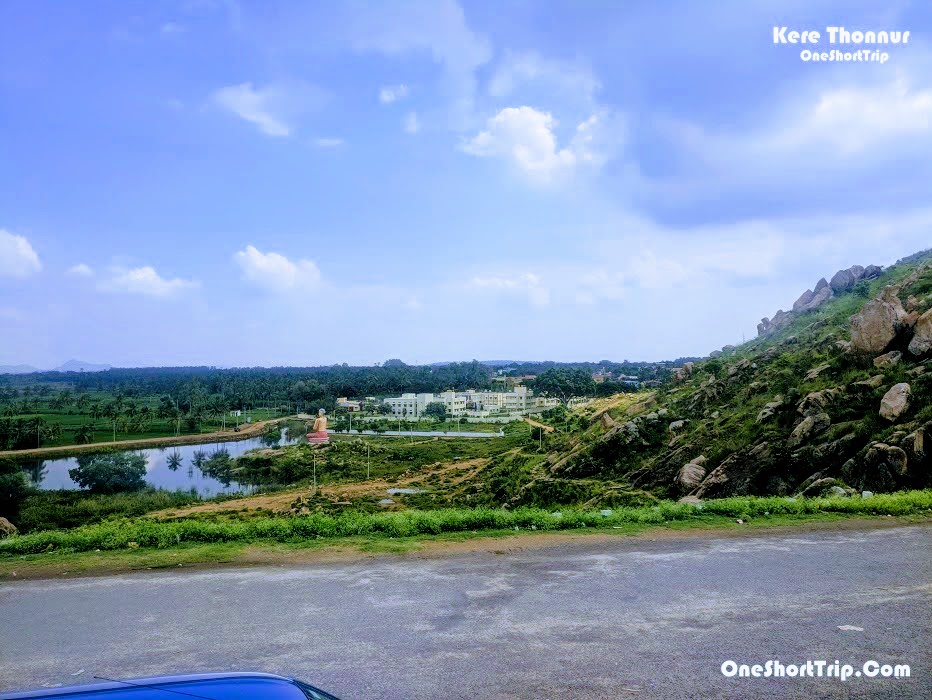
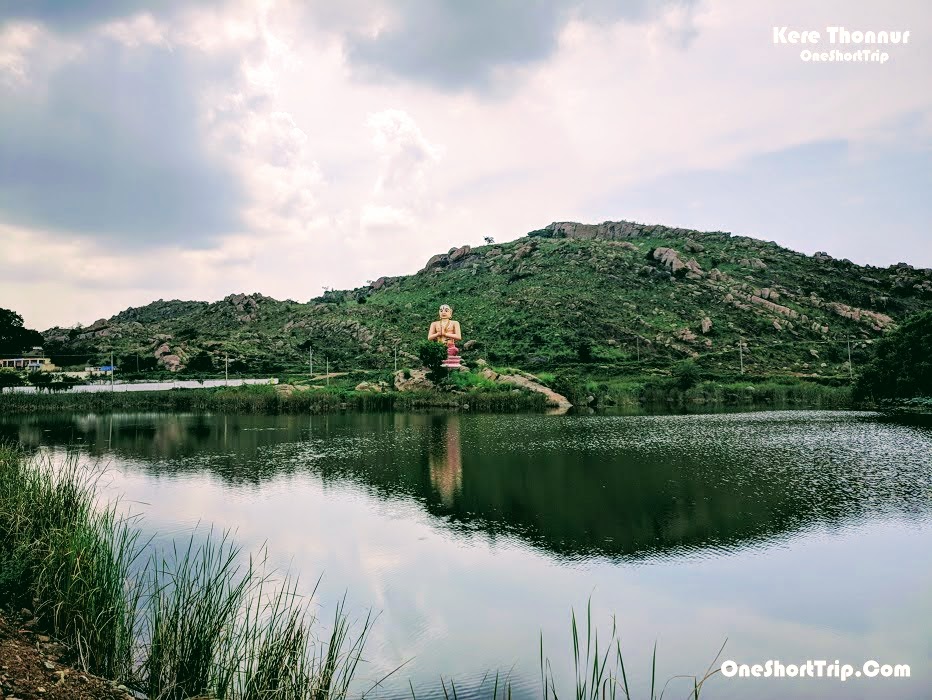
The visual appeal of Thonnur Kere comes from the way the water sits between rocky elevations. The hills create a natural enclosure around the reservoir, while fields and village landscapes extend beyond it. During and after the monsoon, the contrast between the blue-green water, exposed rock and surrounding vegetation gives the area a particularly striking appearance.
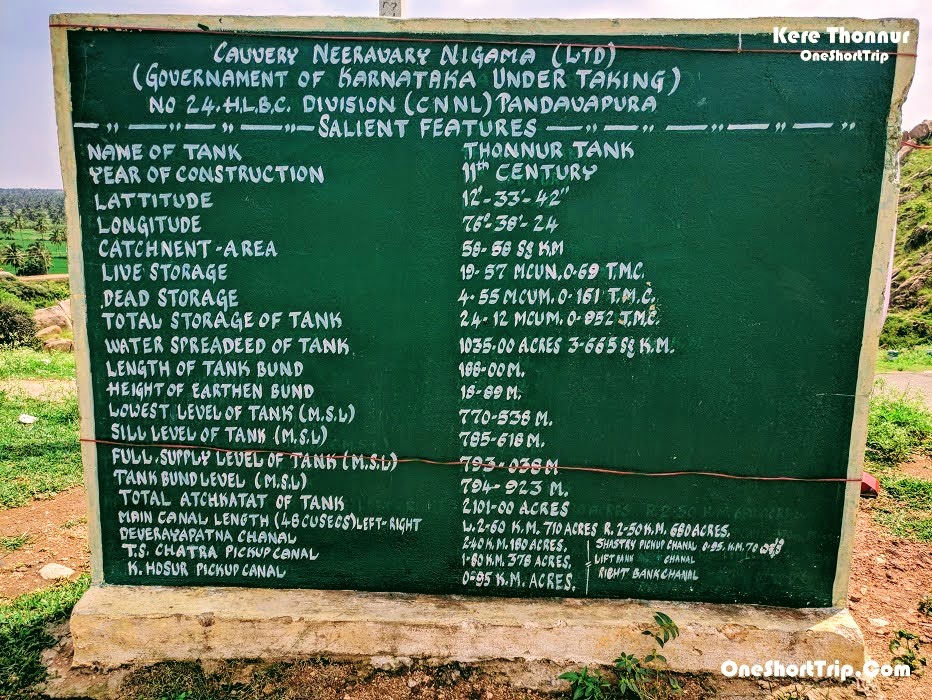
The lake is also part of the agricultural landscape of the region. Its importance is therefore practical as well as scenic: historic tanks such as this were created and maintained as water-management systems capable of supporting settlement and cultivation through Karnataka's seasonal climate.
Why Thonnur Kere Is More Than a Scenic Lake
What makes Thonnur Kere unusual is the number of stories concentrated within a relatively small area. There is the ancient settlement of Tondanuru, the Hoysala political connection, the scholarly tradition of the agrahara, Ramanujacharya's years in the region, the growth of Sri Vaishnavism, the surviving temple architecture and the continuing agricultural role of the lake.
That combination makes Thonnur especially rewarding for travellers who enjoy destinations where nature and history overlap. The lake is beautiful on its own, but its real character emerges when the water, rocky hills, temples and old settlement are understood as one connected cultural landscape.
Visiting Thonnur Kere: What to See and How to Plan Your Trip
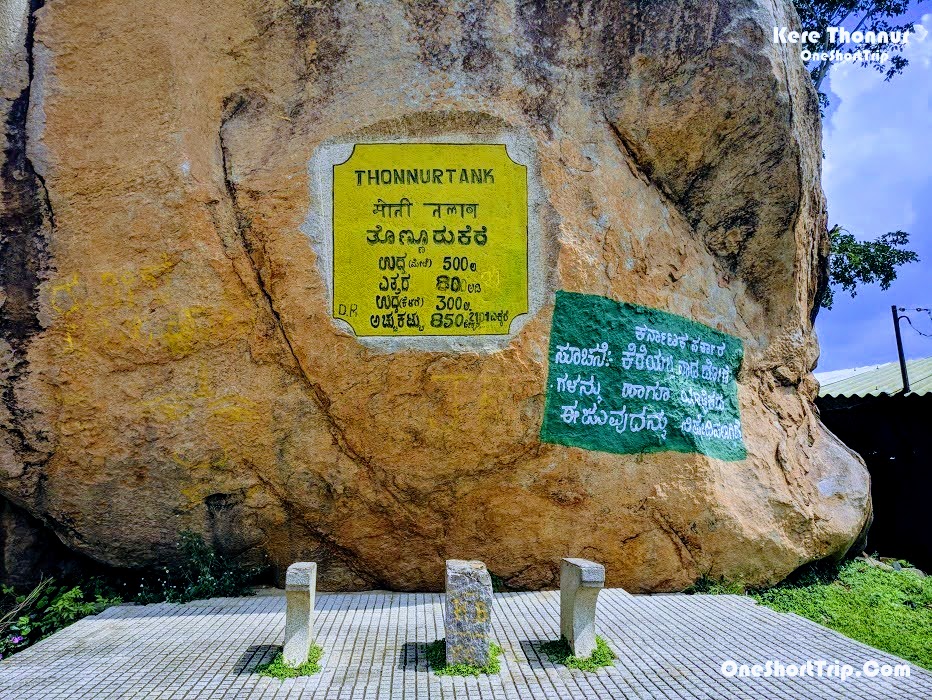
What You Can Experience at Thonnur Kere
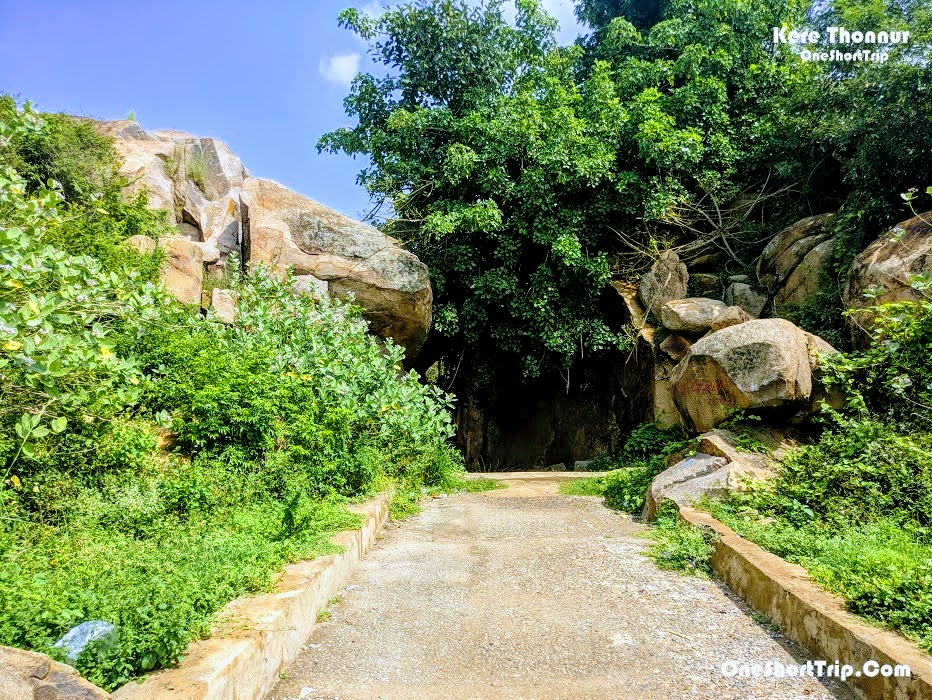
Thonnur Kere is best experienced slowly rather than as a quick photo stop. The main attraction is the combination of open water, rocky surroundings and the quiet rural landscape. Depending on the season and water level, the appearance of the lake changes considerably, making different parts of the shoreline worth exploring.
A good visit can include time beside the lake followed by the historic temple sites of Tondanuru. This gives the outing two very different experiences: an open landscape for photography and relaxation, followed by a heritage and pilgrimage circuit.
1. Walk Along the Lake
There is no need to plan an elaborate activity to enjoy Thonnur Kere. Walking around accessible parts of the lake and simply taking in the water and hills is one of the best ways to experience the place. The landscape is particularly attractive in the softer morning and evening light.
2. Explore the Tondanuru Temple Circuit
The lake becomes much more meaningful when combined with the historic temples of Tondanuru. Nambinarayana, Yoga Narasimha and the other associated shrines help visitors understand why this settlement became an important Sri Vaishnava centre. The Mandya District administration specifically records the area's association with Ramanujacharya and its former status as an ancient educational centre.
3. Spend Time Photographing the Landscape
Thonnur works particularly well for landscape photography because the composition changes naturally between the water, rocky hills, temple structures and surrounding fields. Early morning is usually better for softer light, while late afternoon gives the hills and shoreline more definition. Avoid stepping onto unstable rocks or approaching the water's edge simply for a photograph.
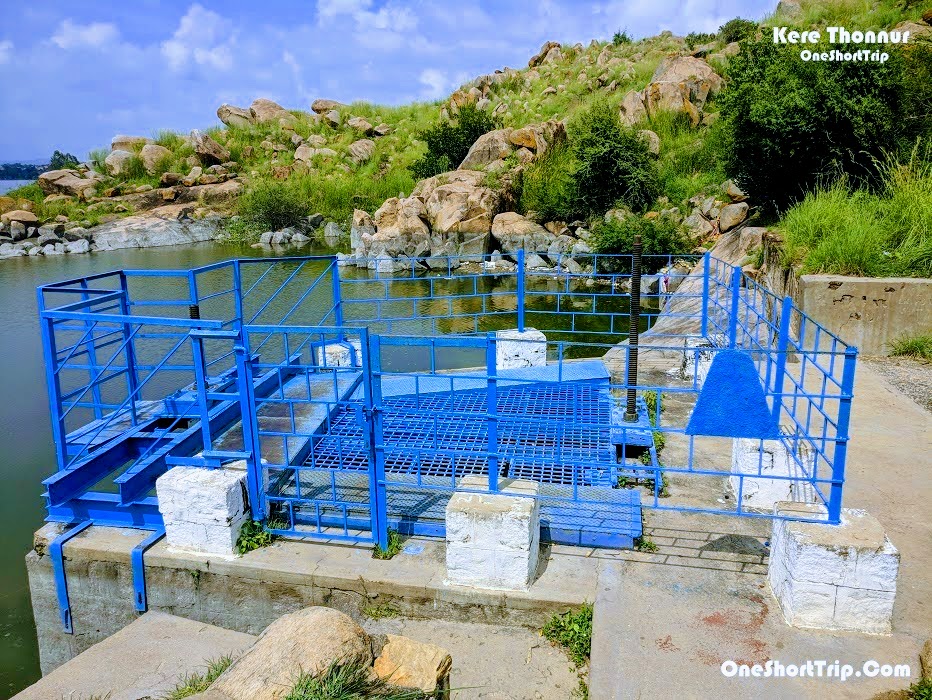
How to Reach Thonnur Kere
From Pandavapura: Thonnur Kere is approximately 10 km northwest of Pandavapura. This is one of the easiest approaches for travellers already exploring Pandavapura and the surrounding historical sites.
From Melukote: The lake is approximately 15 km south of Melukote, making it an excellent addition to a Melukote temple and heritage trip. Travellers can visit Melukote first and continue towards Tondanuru and Thonnur.
From Bengaluru: The practical approach is by road via the Bengaluru–Mysuru side and onward towards Mandya, Pandavapura and Melukote. A private car or cab is particularly convenient because the lake is best combined with several nearby destinations rather than visited as a standalone stop.
By public transport: Pandavapura and Mandya are useful transport points, after which local road transport is needed to reach the lake. The district is connected by road and rail with Bengaluru and Mysuru.
Best Time to Visit Thonnur Kere
The most rewarding period is generally during and after the monsoon, when the surrounding landscape becomes greener and the lake has a fuller appearance. The cooler months are also comfortable for combining the lake with Melukote, Pandavapura and other outdoor heritage sites.
For photography and a relaxed visit, early morning and late afternoon are preferable to the middle of the day. During the hotter months, carry sufficient drinking water and avoid spending long periods exposed to the sun.
How Much Time Do You Need?
Allow around 1 to 2 hours if you are visiting primarily for the lake and landscape. If you include the historic Tondanuru temples, allow additional time because the experience then becomes a heritage and religious circuit rather than simply a lakeside stop.
Thonnur is therefore better treated as a half-day experience when combined with its temple heritage, especially if you want time for photography and a relaxed exploration rather than rushing between locations.
Is Thonnur Kere Suitable for Families and Seniors?
Yes, provided the visit is planned as a scenic and heritage outing rather than an adventure activity. The lake itself does not require a strenuous trek. Families can enjoy the open landscape and temples, while older travellers can focus on accessible viewpoints and the main heritage sites instead of walking long distances.
Seniors should be particularly careful around uneven ground, exposed rocks and the lake edge. Comfortable footwear is more useful here than formal footwear, especially if the itinerary includes temple visits and short walks.
Safety Around the Lake
Thonnur Kere is a natural water landscape rather than a managed urban recreational lake. Visitors should therefore treat the water with caution. Avoid swimming, entering the reservoir or standing on slippery rocks close to deep water unless a clearly designated and supervised facility exists.
During the monsoon, wet rocks can become particularly slippery. Children should remain under close supervision, and visitors should avoid isolated areas after dark. Do not leave plastic, food packaging or other waste around the lake.
Photography and Things to Carry
Thonnur Kere is naturally suited to landscape photography. Carry a phone or camera, drinking water, sunscreen, a hat and comfortable walking footwear. During the rainy season, a compact rain jacket or umbrella is useful.
If you are combining the lake with temples, carry a modest outfit suitable for religious places. Temple-specific photography rules can differ, so follow the instructions displayed at each shrine rather than assuming that photography is permitted everywhere.
Are There Fixed Timings or an Entry Fee?
The Mandya District administration's current Tonnuru Lake listing does not publish a separate tourist ticket price or fixed sightseeing timetable. It is therefore better not to treat Thonnur Kere like a ticketed monument with guaranteed opening hours. Local conditions, access to individual areas and temple schedules may vary.
If your visit includes the temples, plan around their individual worship schedules rather than relying on a generic “lake opening time”. This is especially important for travellers making the journey specifically for religious visits.
Best Nearby Places to Combine with Thonnur Kere
Melukote
At approximately 15 km north of Thonnur Kere, Melukote is the most natural companion destination. Its hilltop temples, Vaishnava heritage and association with Ramanujacharya complement the religious history of Tondanuru.
Pandavapura
Pandavapura is the nearest major town and a useful base point for exploring Thonnur Kere. Its location makes it convenient to combine the lake with other Mandya heritage and countryside attractions.
Kunti Betta
For travellers interested in combining scenery with a more active experience, Kunti Betta provides a contrasting stop. Thonnur offers a quieter lake and heritage setting, while Kunti Betta adds rocky terrain, hill views and trekking.
Pandavapura–Melukote Heritage Landscape
Rather than treating Thonnur as an isolated attraction, it works best as one stop within the wider Pandavapura–Tondanuru–Melukote landscape. The Mandya District tourism directory itself places Tonnuru Lake and Melukote among the district's historic and scenic destinations.
Suggested Thonnur Kere Day-Trip Circuits
Option 1: Thonnur + Melukote
Start with Melukote in the morning, explore its major temples and hilltop heritage, then travel towards Thonnur for the lake and Tondanuru temple circuit. This is the strongest option for travellers interested in Vaishnava history.
Option 2: Thonnur + Kunti Betta
Combine the peaceful landscape of Thonnur with the rocky hills of Kunti Betta. This works well for travellers who want a mixture of photography, nature and light adventure.
Option 3: Pandavapura + Thonnur + Melukote
This is the most complete short circuit. Begin around Pandavapura, continue to Thonnur Kere and the Tondanuru temples, and finish at Melukote. The route brings together the area's landscape, mythology, medieval history and Vaishnava traditions in one day.
Why Thonnur Kere Is Worth Visiting
Thonnur Kere is worth visiting because it offers something that many standalone lakes cannot: context. The water, hills, old settlement and temples belong to the same historic landscape. A traveller who visits only for the view sees the scenic side; a traveller who explores Tondanuru as well begins to understand why this quiet corner of Mandya was once an important religious and educational centre.
For a Bengaluru weekend trip, Thonnur is especially attractive when combined with Melukote or Kunti Betta. Rather than spending the entire day at the lake, use it as the peaceful centrepiece of a broader Mandya heritage circuit.