
Nahargarh Fort Jaipur – History, Architecture, Royal Palace & City Views
Nahargarh Fort Jaipur stands dramatically on the Aravalli Hills overlooking the Pink City. Built as part of Jaipur's historic defensive landscape, the fort combines military architecture, royal residences, temples, artistic interiors and some of the most impressive views of Jaipur.
Constructed in 1734 during the reign of Maharaja Sawai Jai Singh II and later expanded in 1868, Nahargarh Fort became an important part of the defensive system around Jaipur. Today, it is one of the city's most popular heritage attractions and an especially memorable place to experience Jaipur from above.


Why Is Nahargarh Fort Famous?
Nahargarh Fort is famous for its combination of royal history, hilltop location, defensive architecture and panoramic Jaipur views. From its elevated position in the Aravalli range, the fort overlooks the city and provides a completely different perspective of Jaipur compared with attractions in the old city.
The fort is also known for Madhavendra Bhawan, a royal palace complex built for the Jaipur royal family, as well as temples, courtyards, corridors and decorative interiors. Its combination of heritage and scenery makes it particularly popular with travellers interested in history, architecture and photography.
History of Nahargarh Fort Jaipur
Nahargarh Fort was constructed in 1734 under Maharaja Sawai Jai Singh II, the founder of Jaipur. The fort was positioned on the Aravalli ridge overlooking the new capital, giving it an important strategic role in protecting Jaipur and controlling the surrounding hill approaches.
The fort was later expanded and developed further, with Rajasthan Tourism recording a major expansion in 1868. This later period added to the royal character of Nahargarh and helped create the complex visitors see today.
Nahargarh also witnessed important events during the history of Jaipur. Rajasthan Tourism material notes that the fort served defensive purposes and was associated with historical events including treaties involving the Marathas. During the upheaval of 1857, the fort also provided refuge to European residents.
What Does Nahargarh Mean?
The name Nahargarh is commonly translated as “abode of tigers.” The name has also become closely associated with a fascinating local legend involving a Rathore prince named Nahar Singh Bhomia.
According to the traditional story, construction was repeatedly disrupted by the spirit of Nahar Singh Bhomia. A shrine dedicated to the prince was eventually established within the fort precincts, after which construction was believed to proceed smoothly. This remains a legend rather than a historically verified explanation, but it adds to the mysterious character of Nahargarh.

Nahargarh Fort and Jaipur's Defensive Landscape
Nahargarh was not an isolated fort. It formed part of the larger defensive landscape around Jaipur and the former Amber region, together with Jaigarh Fort and Amer Fort. Its position high on the Aravalli ridge provided strategic advantages and helped protect the approaches to Jaipur.
The hilltop setting was particularly important. From the fort, the surrounding terrain and Jaipur plains could be observed from an elevated position, while the fort's walls and gateways created a formidable defensive barrier.
Architecture of Nahargarh Fort
Nahargarh displays a fascinating combination of Rajput architectural traditions and European-influenced decorative elements. The fort includes massive walls, gateways, courtyards, temples and palace spaces, while some later interiors feature European-style details.
The architecture changes as you move from the defensive sections of the fort into the royal palace areas. Stone walls and gateways communicate the fort's military purpose, while decorated corridors, murals and residential suites reveal the more refined lifestyle of Jaipur's royal family.
Madhavendra Bhawan – The Royal Palace Inside Nahargarh Fort
Madhavendra Bhawan is one of the most important attractions within Nahargarh Fort. The palace was built by Sawai Madho Singh as a summer retreat for the royal family. Its elaborate residential spaces make it very different from the purely military image associated with a fort.
The palace complex contains matching apartments for the queens and a suite for the king. Rajasthan Tourism describes 12 matching boudoirs for the queens connected by corridors decorated with delicate murals, while other official tourism material describes the palace's nine queen apartments. The complex evolved through royal additions, so descriptions can vary by how its residential units are counted.


The Nine Queen Apartments
One of the most fascinating features of Madhavendra Bhawan is its arrangement of royal apartments. The apartments were designed for the queens and were connected through corridors, creating an unusual residential layout within a hilltop fort.
Each apartment was designed as a self-contained royal space, with rooms arranged around the palace complex. Decorative murals and architectural details give these spaces a distinctly different atmosphere from the rugged defensive walls elsewhere in Nahargarh.
The Palace Murals and Decorative Details
The corridors and rooms of Madhavendra Bhawan are known for their decorative murals and painted details. These interiors provide an insight into the artistic preferences and royal lifestyle of Jaipur's rulers and contrast strongly with the austere military sections of the fort.
Visitors interested in architecture should look beyond the broad city views and spend time examining the palace's repeated room patterns, painted surfaces, corridors and decorative elements.
Tadigate – An Important Entrance to the Fort
Tadigate is identified as an important entrance to Nahargarh Fort. The gateway leads visitors into a complex that contains both defensive and royal architectural elements.
The gateways and fortifications are a reminder that Nahargarh was originally designed as a functioning military stronghold rather than simply as a royal palace. Exploring these sections helps visitors understand why the fort occupies such a commanding position above Jaipur.
Temples Inside Nahargarh Fort
Nahargarh is also home to temples associated with the Jaipur royal family and the fort's legends. Incredible India notes a temple dedicated to the deities of Jaipur's rulers near the entrance and another temple associated with the Rathore prince Nahar Singh Bhomia.
These religious spaces add another layer to the fort's identity, showing that Nahargarh functioned not only as a military installation and royal retreat but also as a place connected with the spiritual traditions of the ruling family.
Nahargarh Fort and the Jaipur City View
One of the biggest reasons travellers visit Nahargarh Fort today is the panoramic view of Jaipur. The fort sits high above the city, allowing visitors to look across the urban landscape and appreciate how Jaipur spreads out beneath the Aravalli Hills.
The view changes throughout the day. Clear mornings can provide broad visibility across Jaipur, while late afternoon brings warmer light. After dark, the illuminated city creates a completely different scene, with Rajasthan Tourism specifically highlighting Nahargarh's appearance when floodlit and its views of Jaipur's city lights.

Nahargarh Fort at Sunset
Nahargarh is particularly attractive in the late afternoon when the sun begins to soften over Jaipur. The elevated position gives visitors a broad western and southern outlook, making sunset a popular time for photography and enjoying the landscape.
The fort's hilltop setting also makes the atmosphere noticeably different from the busy streets of Jaipur. Instead of experiencing the city from ground level, visitors can see its roads, buildings and neighbourhoods spreading across the plains below.
Nahargarh Fort After Dark
Nahargarh has long been associated with spectacular nighttime views of Jaipur. Rajasthan Tourism notes that the fort looks especially striking when illuminated and that the city lights below create a glittering panorama.
The nighttime experience should not be confused with unrestricted late-night monument access. Visitors should follow the current fort timings and local instructions, while enjoying the evening views only from areas that are open and permitted.
Nahargarh Fort as a Royal Summer Retreat
Although Nahargarh began as a defensive fort, its later development gave it a distinctly royal and residential character. Madhavendra Bhawan served as a summer destination for members of the royal family, taking advantage of the elevated hill location away from the heat and bustle of the city.
This dual identity is one of Nahargarh's greatest attractions. Within the same complex, visitors can encounter massive defensive walls, royal apartments, decorative murals, temples and expansive views across Jaipur.
Nahargarh Fort and Jaipur's Heritage Circuit
Nahargarh forms an important part of Jaipur's wider heritage landscape. Together with Amer Fort, Jaigarh Fort and the historic city of Jaipur, it helps tell the story of the transformation of the former Amber kingdom into the planned city founded by Jai Singh II in 1727.
For travellers interested in Jaipur's forts, Nahargarh offers something different from Amer and Jaigarh. Amer is known for its grand palace complex, Jaigarh for its military character and artillery heritage, while Nahargarh combines a defensive hilltop setting with royal residential architecture and sweeping views over the Pink City.
Visiting Nahargarh Fort Jaipur – Timings, Location, How to Reach & Travel Tips
Nahargarh Fort is one of the best places to visit in Jaipur for travellers who want to combine Rajasthan's royal heritage with panoramic views of the Pink City. Located on the Aravalli Hills, the fort can be included easily in a Jaipur sightseeing itinerary along with Amer Fort, Jaigarh Fort, Jal Mahal and other attractions in the northern part of the city.
The experience is not limited to the fort walls. Visitors can explore the palace areas, enjoy the hilltop scenery, photograph Jaipur from above and combine the visit with nearby attractions. Rajasthan Tourism places Nahargarh approximately 20 km from Jaipur's city railway station and bus stand.


Where Is Nahargarh Fort Located?
Nahargarh Fort is located on the Aravalli Hills overlooking Jaipur. Its elevated position creates a natural viewpoint over the city and is one of the main reasons the fort is included in Jaipur sightseeing tours.
The fort is situated away from the dense streets of the historic city centre, so the final approach involves travelling uphill. The road journey itself becomes part of the experience as the surroundings gradually change from the urban landscape of Jaipur to the rocky Aravalli terrain.
How Far Is Nahargarh Fort from Jaipur?
Rajasthan Tourism states that Nahargarh Fort is approximately 20 km from Jaipur's city railway station and bus stand. The actual travel time can vary considerably depending on the starting point, traffic and road conditions.
For visitors staying around the old city, C-Scheme, MI Road or other central areas, it is best to allow additional time for the uphill drive rather than planning the visit only around the distance in kilometres.
How to Reach Nahargarh Fort
By taxi or private car: This is the most convenient option for most travellers. Rajasthan Tourism specifically recommends hiring a taxi or renting a car for the journey because there is no direct public transport to the fort.
By Jaipur city tour: Nahargarh Fort is also included in RTDC's full-day Jaipur sightseeing tour, which combines it with several major attractions. This can be useful for travellers who prefer a fixed sightseeing circuit rather than arranging separate transport.
By public transport: There is no direct public transport service to the fort according to the current Rajasthan Tourism destination page. Travellers should therefore plan the final uphill journey by taxi, rental car or an organised sightseeing service.

Nahargarh Fort Timings
The current Rajasthan Tourism destination page does not publish a fort-specific opening and closing time. Because monument operating hours can change, visitors should verify the current visiting hours before travelling, particularly if planning a late-afternoon or evening visit.
Do not assume that the fort's famous nighttime views mean that every part of the monument remains accessible late at night. Entry to individual areas can be subject to their own operating arrangements and local instructions.
Nahargarh Fort Entry Fee
A current fort-specific entry fee is not published on the latest Rajasthan Tourism destination page. Visitors should therefore check the official ticketing information or the ticket counter before planning their budget rather than relying on older online fee figures.
It is also important to distinguish the Nahargarh Fort entry from separately operated attractions within or around the complex. For example, the Jaipur Wax Museum and Sheesh Mahal have their own ticketing arrangement. Rajasthan Tourism currently lists the combined Wax Museum and Sheesh Mahal ticket at ₹500 for Indian visitors and ₹700 for international visitors, with the museum open daily from 10 AM to 6 PM.
How Much Time Do You Need at Nahargarh Fort?
Allow around 1.5 to 2.5 hours for a comfortable visit if you want to explore the main fort and palace areas, enjoy the viewpoints and take photographs. Travellers who are particularly interested in architecture, murals or the additional attractions may want to spend longer.
If your main purpose is simply to see Jaipur from the hilltop, a shorter visit may be sufficient. However, rushing through Nahargarh means missing much of what makes the fort historically interesting, particularly the palace interiors and royal residential spaces.
Best Time to Visit Nahargarh Fort
The cooler months are generally the most comfortable time to visit Nahargarh Fort. Jaipur's summer can be very hot, and the exposed hilltop setting can make the heat feel stronger during the middle of the day.
For the most attractive combination of comfortable weather and scenery, consider visiting in the late afternoon. This allows time to explore the fort before enjoying the changing light over Jaipur. Always check current access hours if you intend to stay for sunset.
Is Nahargarh Fort Good for Sunset?
Yes. Sunset at Nahargarh Fort is one of the most popular experiences because the fort's elevated position gives broad views across Jaipur. The changing light also brings out the texture of the Aravalli landscape and the city's buildings below.
However, sunset timing changes throughout the year and monument access does not necessarily extend until sunset. Plan around the official visiting hours rather than assuming sunset access is guaranteed.
Nahargarh Fort for Night Views of Jaipur
Nahargarh is famous for its views of Jaipur's city lights after dark. Rajasthan Tourism specifically highlights the fort's appearance when floodlit and the glittering view of Jaipur from above.
If you are planning an evening experience, confirm which areas are currently accessible and return safely using an organised taxi or private vehicle. The hill road should not be treated as a place for unplanned late-night travel.


Nahargarh Fort for Families and Senior Citizens
Families can include Nahargarh Fort in a Jaipur itinerary, especially when children are interested in forts, royal palaces and panoramic viewpoints. The wide range of spaces also makes the visit more engaging than a monument that consists only of one palace interior.
For senior citizens, it is better to avoid the hottest part of the day and allow sufficient time for walking and resting. Comfortable footwear is important because the fort complex involves uneven heritage surfaces and walking between different sections.
Photography at Nahargarh Fort
Nahargarh is one of the strongest photography locations in Jaipur because it offers several different subjects in one visit: fort walls, palace architecture, murals, gateways, Aravalli landscapes and panoramic views of the city.
The best photographs are often taken by combining the architecture with the landscape rather than photographing only the city. Early or late daylight can provide softer conditions, while clear weather generally gives better visibility across Jaipur.
What to Wear at Nahargarh Fort
Wear comfortable, breathable clothing and sturdy walking shoes. The hilltop can be sunny and exposed, while the stone surfaces can become uncomfortable during very hot weather.
A hat, sunglasses, sunscreen and drinking water are useful during warmer months. Visitors entering temple areas within the complex should also dress respectfully and follow any local instructions.
Food and Refreshments Around Nahargarh
Food and refreshments may be available through facilities operating around the Nahargarh complex, but visitors should not depend on a particular restaurant or food outlet unless its current operation has been confirmed. Carrying drinking water is advisable, especially when travelling with children or senior citizens.
The historic hilltop setting is best enjoyed without rushing, so it is sensible to plan meals around the wider Jaipur sightseeing route rather than spending unnecessary time looking for food after reaching the fort.
Jaipur Wax Museum and Sheesh Mahal
The Jaipur Wax Museum is a separate attraction associated with the Nahargarh complex. It features wax figures of national and international personalities as well as royal-themed displays. The adjacent Sheesh Mahal is known for its mirror work and decorative interiors.
Rajasthan Tourism currently lists the combined Wax Museum and Sheesh Mahal ticket at ₹500 for Indian visitors and ₹700 for international visitors, with timings of 10 AM to 6 PM daily. These tickets should be treated separately from any Nahargarh Fort admission.
Sculpture Park at Nahargarh
The Nahargarh Sculpture Park adds a contemporary-art dimension to the historic fort complex. The park brings modern sculptures into the setting of the old palace and fort, creating an interesting contrast between Rajasthan's heritage architecture and contemporary art. Rajasthan Tourism describes it as a public gallery with indoor and outdoor contemporary works.
If contemporary art interests you, allow additional time rather than treating the sculpture park as a quick stop. Current operating arrangements should be checked before visiting.
Places to Visit Near Nahargarh Fort
Nahargarh works particularly well as part of a northern Jaipur sightseeing circuit. Depending on the time available, travellers can combine it with:
Amer Fort
A grand Rajput palace-fort known for courtyards, palaces, gateways and artistic interiors.
Jaigarh Fort
A heavily fortified hilltop complex associated with Jaipur's military history and the famous Jaivana cannon.
Jal Mahal
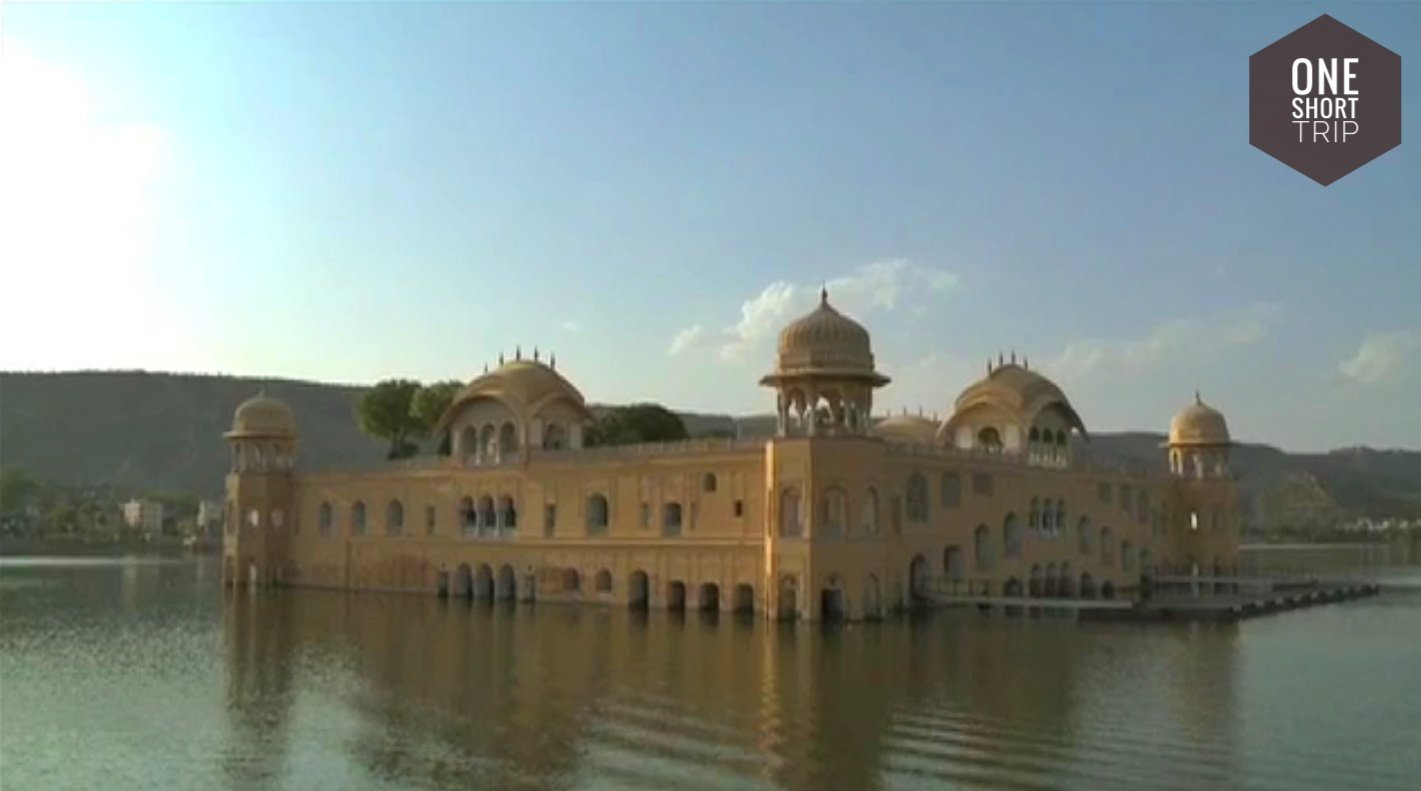
A striking palace in Man Sagar Lake that makes a convenient photography stop while travelling between Jaipur and the northern attractions.
Gaitore
The royal cenotaph complex of Jaipur's Kachhwaha rulers, known for its carved marble and sandstone memorials.
Best Jaipur Itinerary Sequence for Nahargarh Fort
For travellers planning a full day around Jaipur's northern heritage attractions, a practical sequence is Amer Fort → Jaigarh Fort → Jal Mahal → Nahargarh Fort, depending on opening hours and the day's priorities. Nahargarh is especially well suited to the later part of the sightseeing day because of its elevated city views.
Another option is to visit Nahargarh earlier and then continue towards the old city. The best sequence depends on where you are staying, traffic conditions and the current opening hours of each attraction.
Tips for Visiting Nahargarh Fort Jaipur
- Check the current fort opening hours before starting your journey.
- Use a taxi, private car or organised sightseeing service for the uphill journey.
- Carry drinking water, especially during warmer months.
- Wear comfortable shoes because the fort involves walking over historic and uneven surfaces.
- Allow at least 1.5 to 2.5 hours if you want to explore rather than simply photograph the viewpoint.
- Late afternoon is a good time for combining fort exploration with changing views over Jaipur, subject to current access hours.
- Do not assume that nighttime city views mean that all monument areas remain open late.
- Keep additional time if you plan to visit the Wax Museum, Sheesh Mahal or Sculpture Park.
- Families and senior citizens should avoid the harshest afternoon heat where possible.
- Respect temple areas and follow photography restrictions wherever they are displayed.
- Check current ticket prices directly before visiting because monument and attraction fees can change.
Is Nahargarh Fort Worth Visiting?
Yes, Nahargarh Fort is worth visiting if you want to experience a different side of Jaipur. While Amer Fort is famous for its grand palace architecture and Jaigarh is strongly associated with military heritage, Nahargarh combines a historic hilltop fort, royal residential architecture, artistic interiors and panoramic views of the Pink City.
It is particularly rewarding for travellers who enjoy Jaipur forts, Rajasthan history, photography, architecture, sunset views and scenic viewpoints. Its location in the Aravalli Hills also provides a welcome contrast to the crowded streets and monuments of central Jaipur.