

Pushkar Lake – The Sacred Lake at the Heart of Pushkar
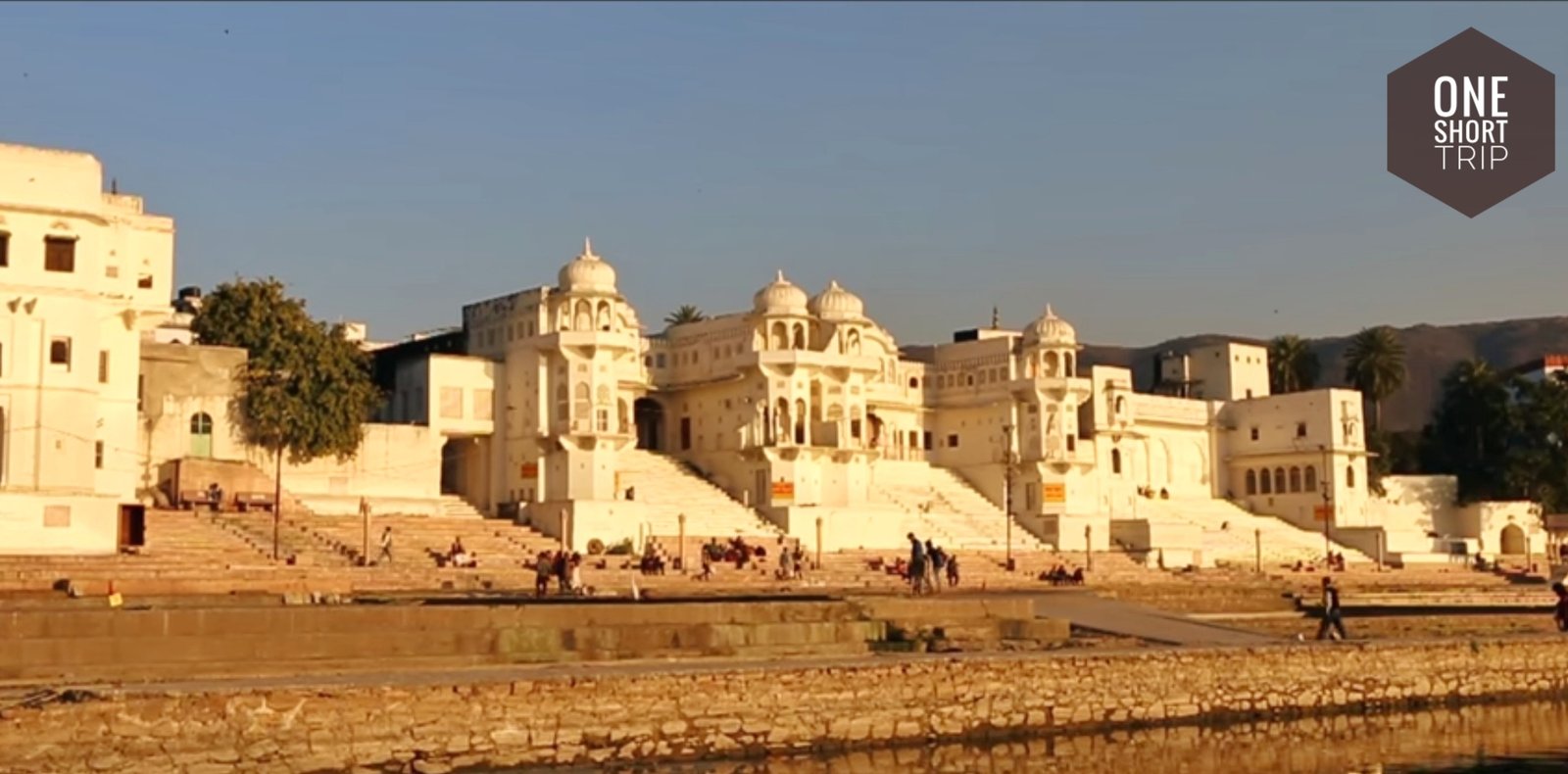
Pushkar Lake, also known as Pushkar Sarovar, is the spiritual heart of Pushkar in Rajasthan and one of the most sacred pilgrimage lakes in India. Surrounded by the Aravalli hills, ancient temples and a remarkable ring of bathing ghats, the lake is much more than a scenic attraction. For Hindu pilgrims, it is a sacred tirtha, or pilgrimage crossing, and Pushkar itself is traditionally regarded as one of India's most important pilgrimage destinations.
The lake is particularly famous because of its association with Lord Brahma, the Hindu god of creation. The sacred landscape around the water includes the famous Brahma Temple, hundreds of other temples and shrines, narrow pilgrimage lanes, flower sellers, ritual priests and dozens of ghats where religious ceremonies continue throughout the day. Rajasthan Tourism describes Pushkar Lake as the most sacred of Rajasthan's lakes and notes that it is surrounded by 52 bathing ghats and more than 500 temples.
Pushkar Lake History and the Legend of Lord Brahma
According to Hindu mythology, the origin of Pushkar Lake is connected with a lotus flower held by Lord Brahma. One widely told version of the legend says that Brahma was preparing to perform a sacred yajna at Pushkar and needed a holy place for the ritual. As the lotus was dropped or released, the place where it fell became associated with the creation of the sacred lake. The name Pushkar is traditionally connected with the Sanskrit words for lotus and hand, reflecting the story of the lotus falling from Brahma's hand.
Another important part of Pushkar's mythology concerns Brahma's yajna. According to tradition, Brahma's wife Savitri was delayed when the ritual was due to begin. To complete the ceremony at the appointed time, Brahma is said to have married Gayatri and proceeded with the yajna. Savitri, angered by the events, is traditionally believed to have cursed Brahma, which is associated in popular tradition with the extraordinary rarity of temples dedicated to Brahma. This legend is one of the reasons the lake, Brahma Temple and Savitri Temple are best understood as parts of one interconnected sacred landscape.
Why Is Pushkar Lake So Sacred?
Pushkar Lake is traditionally known as Tirtha Raj, meaning the "King of Tirthas" or king of pilgrimage sites. Hindu tradition attaches exceptional importance to bathing in its waters, particularly during the sacred month of Kartik and on Kartik Purnima, the full moon day of Kartik. Pilgrims come to the lake to perform ritual bathing, prayers, offerings and ceremonies for spiritual purification and religious merit.
The lake is also associated with the belief that bathing in its sacred waters can help devotees attain spiritual purification and, according to traditional belief, relief from sins and certain ailments. These are religious beliefs rather than medical claims, but they remain an important part of why Pushkar continues to attract pilgrims from across India.
The 52 Ghats of Pushkar Lake
One of the most distinctive features of Pushkar Lake is the chain of 52 ghats surrounding its shoreline. A ghat is a stepped access point leading down to the water, and the ghats of Pushkar are closely connected with the religious life and history of the town. Different ghats have their own names, traditions and associations, and pilgrims use them for bathing, prayer, offerings, ceremonies and remembrance rituals.
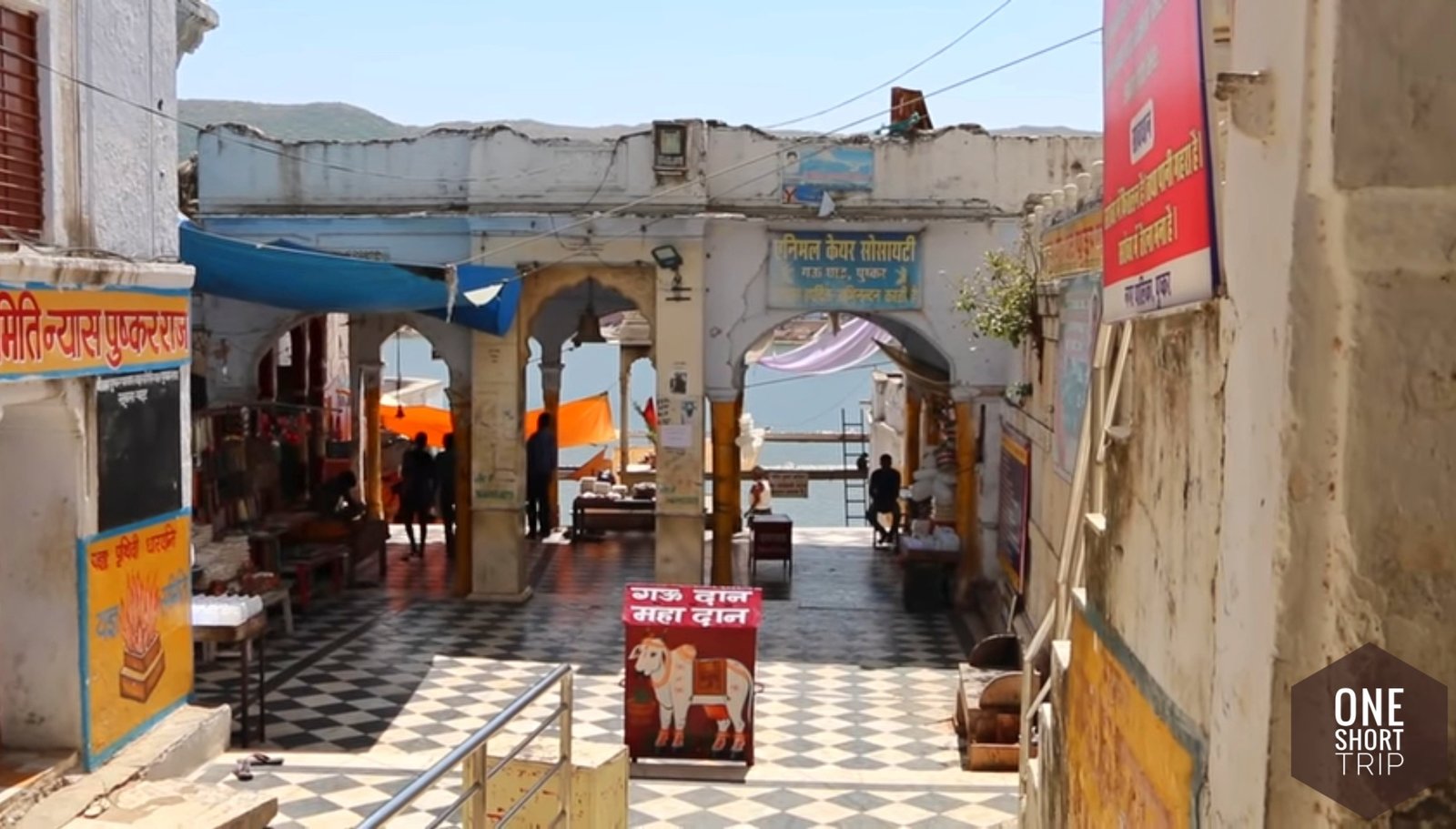
Among the better-known ghats are Brahma Ghat, Gau Ghat, Varaha Ghat, Yagya Ghat and Kapal Mochan Ghat. Gau Ghat is particularly associated with national remembrance ceremonies and has historical significance, while Brahma Ghat is closely associated with the lake's central pilgrimage zone. The different ghats create a continuous sacred waterfront where religious activity, architecture and everyday life come together.
Pushkar Lake and Kartik Purnima
The most important period in Pushkar's religious calendar is Kartik Purnima, the full moon of the Hindu month of Kartik. During this period, pilgrims travel to Pushkar in large numbers to bathe in the sacred lake and visit the temples. The lake becomes the spiritual centre of the famous Pushkar Fair, creating an extraordinary combination of pilgrimage, livestock trading, cultural celebrations and tourism.
The traditional belief surrounding Kartik Purnima gives the lake a special importance that goes beyond ordinary sightseeing. A pilgrimage to Pushkar during this period is considered especially auspicious, and the ghats become extremely busy with ritual bathing, prayers and religious ceremonies. Travellers visiting during the fair should therefore expect substantially larger crowds than at other times of the year.
Pushkar Lake and the Famous Pushkar Fair
The Pushkar Fair, often called the Pushkar Camel Fair, is one of Rajasthan's best-known cultural events. Traditionally connected with Kartik Purnima, the fair brings together pilgrims, livestock traders, camel owners, rural communities, performers and travellers from India and abroad. Camels, horses and cattle are traded and displayed, while the surrounding town hosts cultural performances, markets, competitions and other festivities.
For visitors, the important distinction is that the lake itself remains a sacred religious space while the camel fair takes place across the wider Pushkar area. The combination of the lake, illuminated ghats, temple bells, religious rituals, desert landscape and colourful fairgrounds is what gives Pushkar its distinctive character during the festival season.
Pushkar Lake Timings and Entry Fee
There is no standard entry ticket for Pushkar Lake. Visitors can access the public areas around the lake and its ghats without purchasing a general sightseeing ticket. However, individual temples, religious ceremonies, guided rituals or services offered by priests may follow their own arrangements.
The lake area is best experienced during daylight, with early morning and evening being particularly atmospheric. Sunrise brings quieter ghats, softer light and active morning rituals, while the evening period is popular for prayers, lamps and aarti. Visitors should remember that the lake is an active place of worship rather than simply a tourist viewpoint.
Pushkar Lake Aarti and Daily Rituals
Religious activity continues around Pushkar Lake throughout the day. Pilgrims perform puja, offer flowers, light lamps and carry out ritual bathing at the ghats. Morning and evening are especially atmospheric because of the prayers, bells, chanting and aarti ceremonies taking place around the water. The exact timing and location of individual rituals can vary, so visitors should follow the instructions of priests and local temple authorities rather than assuming that every ceremony follows a fixed tourist schedule.
Exploring Pushkar Lake: Ghats, Rituals, History and Things to Know
Pushkar Lake is not a conventional tourist lake where the main attraction is boating or a waterfront promenade. Its importance comes from the living religious traditions that surround it. The water, ghats, temples, priests and pilgrimage rituals form one connected cultural landscape, and understanding that relationship makes a visit far more meaningful than simply walking around the lake and taking photographs.
The Three Pushkars
Traditional Hindu accounts also describe Pushkar as a sacred landscape associated with three forms of the lake: Jyeshtha Pushkar, Madhya Pushkar and Kanishtha Pushkar. These names are connected with the idea of three sacred water bodies within the wider Pushkar region. The central Pushkar Lake seen by visitors today is the principal pilgrimage lake and the focus of the town's religious life.
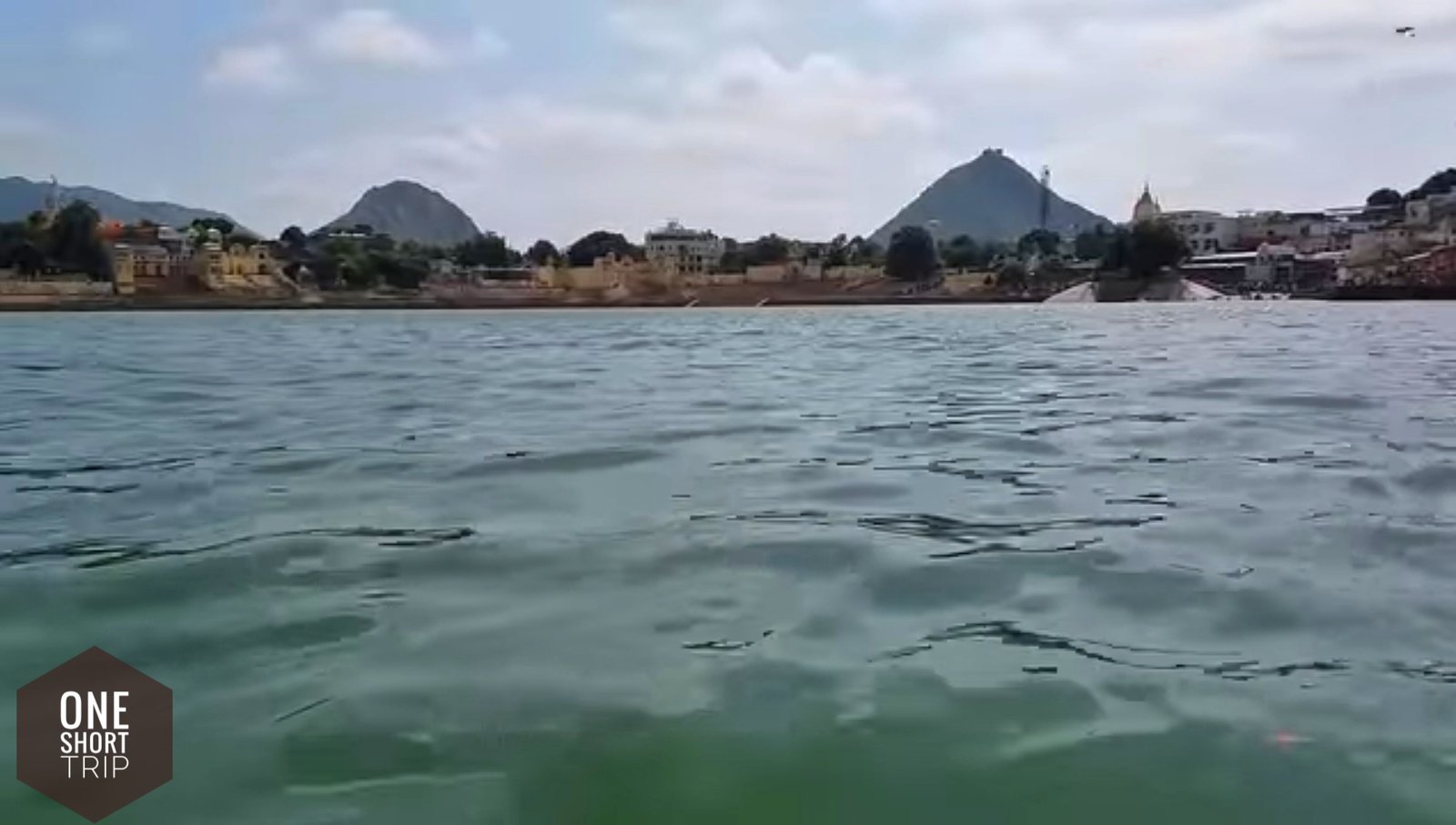
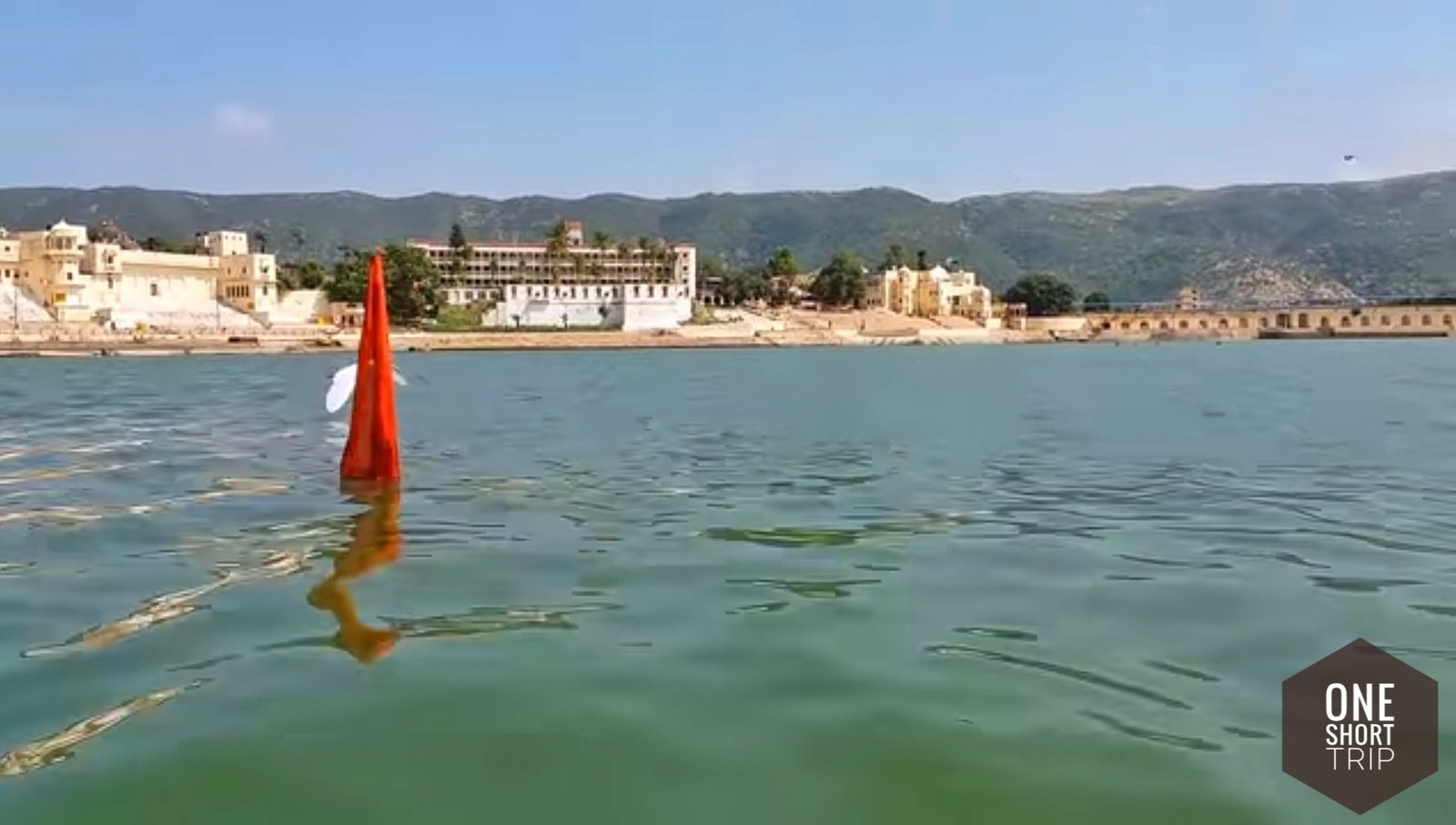
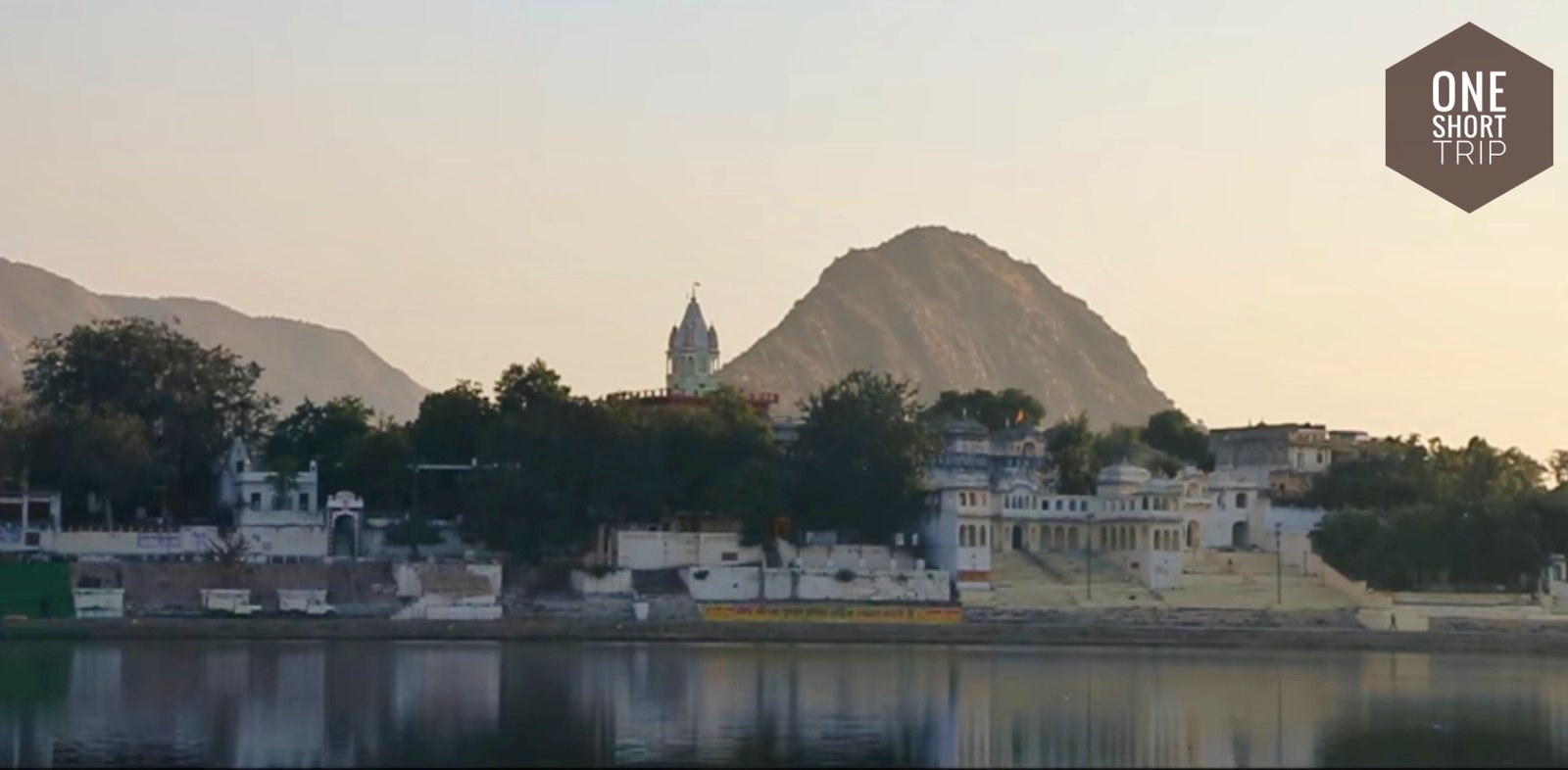
The lake itself is broadly semi-circular and lies in a natural setting among the Aravalli hills. Its surrounding landscape is part of what makes Pushkar visually distinctive: temple spires rise behind the ghats, the hills form a natural backdrop and the dense old town surrounds the sacred water on all sides.
Important Ghats Around Pushkar Lake
The 52 ghats are not identical. Each developed with its own history, patronage and religious associations. Some are particularly important for pilgrims, while others are quieter and better suited to observing the architecture and daily rhythm of Pushkar. The ghats collectively create the visual identity of the lake and are one of the main reasons a walk around Pushkar is so different from visiting an ordinary lake.
Brahma Ghat: One of the most important areas around the lake and closely associated with the pilgrimage traditions of Pushkar.
Gau Ghat: A historically significant ghat associated with remembrance ceremonies and religious offerings.
Varaha Ghat: Associated with Lord Varaha, the boar incarnation of Lord Vishnu, and the important Varaha Temple tradition of Pushkar.
Yagya Ghat: Connected with the yajna traditions that are central to Pushkar's mythology.
Kapal Mochan Ghat: Another traditional pilgrimage ghat associated with religious purification and the sacred character of Pushkar Lake.

Ritual Bathing at Pushkar Lake
Ritual bathing, or snan, is one of the principal reasons pilgrims come to Pushkar Lake. Devotees traditionally enter the water from designated ghats, offer prayers and perform rituals according to their religious traditions. Kartik Purnima is considered especially auspicious, although bathing and worship take place throughout the year.
Visitors who are not travelling for religious reasons can still experience the ghats respectfully without participating in the rituals. Photography should be handled sensitively, particularly when people are bathing, praying or performing family ceremonies. The lake should be treated as a sacred place of worship rather than a recreational swimming area.
Pushkar's Pilgrimage Priests and Family Records
An important but less visible part of Pushkar Lake's heritage is its community of hereditary pilgrimage priests, commonly known as pandas. These priests have traditionally assisted pilgrims with religious ceremonies, offerings and rituals at the ghats. Some priestly families maintain genealogical records of pilgrims and their families, creating an unusual historical record of generations of visitors to Pushkar.
Visitors may be approached by priests offering to perform a puja or other ceremony. Travellers who do not wish to participate can politely decline. Those who do want a ceremony should establish clearly what is being performed and what donation or offering is expected before beginning.
Pushkar Lake's Water Crisis and Conservation
Although Pushkar Lake is sacred, its water supply has faced serious environmental challenges. Rajasthan's dry climate, irregular rainfall, groundwater extraction and changes in the lake's catchment have all affected the availability and quality of water over time. The lake is therefore an important example of how a religious water body can also be an environmentally fragile ecosystem.
The crisis became particularly visible in 2009, when Pushkar Lake almost completely dried up around the time of the annual fair. The event highlighted the vulnerability of the lake and attracted considerable attention to groundwater depletion, catchment management and conservation. Subsequent efforts have included water replenishment and conservation measures, but maintaining the lake requires more than simply adding water: protecting its catchment, improving groundwater recharge and managing surrounding development are all important to its long-term health.
For travellers, this history adds another dimension to Pushkar Lake. The water that appears timeless is actually part of a delicate system, and responsible tourism matters. Visitors should avoid littering, throwing plastic or other waste into the water, using soaps or chemicals at the ghats, and disturbing religious ceremonies.
Pushkar Lake and the Temples Around It
The lake should ideally be explored together with the temples of Pushkar because the two are inseparable in the town's religious geography. The most famous is the Brahma Temple, one of the world's best-known temples dedicated to Lord Brahma. The temple is located close to the lake and is traditionally visited by pilgrims after bathing in the sacred water.
Other important attractions include the Varaha Temple, Savitri Temple, Rangji Temple, Atmateshwar Temple and Gurudwara Singh Sabha. The hilltop Savitri Temple is particularly useful for understanding the geography of Pushkar because its elevated position provides broad views over the lake, temples and surrounding landscape.
What to Do at Pushkar Lake
- Walk around the 52 ghats and observe the traditional architecture.
- Watch morning prayers and religious activity around the lake.
- Experience the evening atmosphere and aarti around the ghats.
- Visit the nearby Brahma Temple as part of the same pilgrimage circuit.
- Explore the old lanes, temples, markets and handicraft shops surrounding the lake.
- Visit Pushkar during Kartik Purnima for the major pilgrimage and fair atmosphere.
- Photograph the lake, ghats, temple architecture and surrounding Aravalli landscape respectfully.
- Visit Savitri Temple for a panoramic view over Pushkar and the lake.
- Combine Pushkar Lake with Ajmer for a broader Rajasthan pilgrimage itinerary.
Best Time to Visit Pushkar Lake
The most comfortable months for exploring Pushkar are generally from October to March, when Rajasthan's weather is more suitable for walking and sightseeing. Early mornings and evenings are especially pleasant for visiting the lake because the light is softer and the atmosphere around the ghats is more active.
If you want to experience the famous Pushkar Fair and Kartik Purnima celebrations, plan around the Hindu lunar calendar because the dates change each year. This is also the busiest period, so accommodation and transport should be arranged well in advance.
How to Reach Pushkar Lake
Pushkar is located approximately 15 km from Ajmer and around 145 km from Jaipur. Ajmer is the nearest major transport hub, and buses, taxis and auto-rickshaws/tuk-tuks can be used to travel between Ajmer and Pushkar. Once in Pushkar town, the lake is centrally located and the main ghats can be explored on foot.
Travellers arriving from Jaipur can reach Pushkar by road via Ajmer. Those planning a Rajasthan circuit can conveniently combine Pushkar with Ajmer, Kishangarh and other destinations in the region.
Pushkar Lake Distance from Ajmer and Jaipur
Visitor Etiquette at Pushkar Lake
Pushkar Lake is a living place of worship, so visitors should dress modestly and behave respectfully around the ghats. Avoid loud behaviour, do not enter restricted areas, and ask permission before photographing people who are performing rituals or bathing. Footwear may need to be removed in specific sacred areas, and visitors should follow signs or instructions from local authorities and priests.
Do not treat the lake as a swimming pool. Avoid using soap, shampoo or other substances in the sacred water, and never throw flowers, plastic, food packaging or other waste into the lake. Responsible behaviour helps protect both the religious significance and the environmental health of Pushkar Lake.
A Complete Pushkar Lake Visit
A good first visit can begin with an early morning walk around the lake, when the ghats are active with prayers and the surrounding hills catch the first light. From there, explore the Brahma Temple and the lanes around the main pilgrimage area before returning to the lake later in the day.
Return around sunset if possible. The changing light over the water, temple silhouettes, bells and evening rituals create a completely different atmosphere from the morning. Allow enough time to walk rather than simply stopping at one viewpoint because the character of Pushkar Lake changes from ghat to ghat.

Why Pushkar Lake Is Worth Visiting
Pushkar Lake is one of those places where mythology, pilgrimage, architecture, landscape and everyday life exist side by side. It is the sacred centre around which Pushkar developed, the setting for thousands of years of pilgrimage traditions, the focus of Kartik Purnima celebrations and an important part of Rajasthan's cultural identity. Whether you arrive as a pilgrim, a heritage traveller, a photographer or someone exploring Rajasthan for the first time, understanding the lake's religious and historical importance makes the experience far richer than simply viewing it as a scenic attraction.