


Mandya
Sugarcane country between Mysore and Bangalore — home to Srirangapatna's island fort, the Gaganachukki and Barachukki falls, and one of Karnataka's best bird sanctuaries.
Things To See — Srirangapatna
Tipu Sultan's Island Town
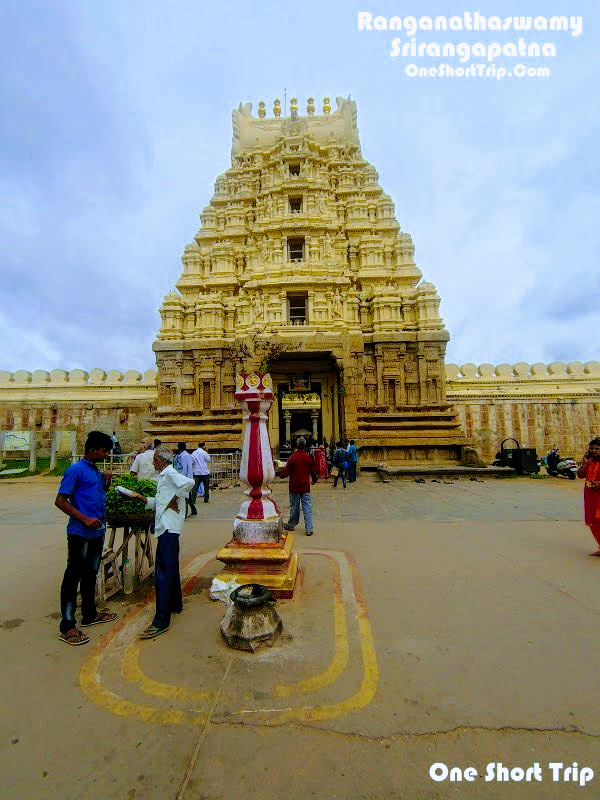 Temple
Ranganathaswamy Temple
The Adiranga temple that gave Srirangapatna its name.
Explore →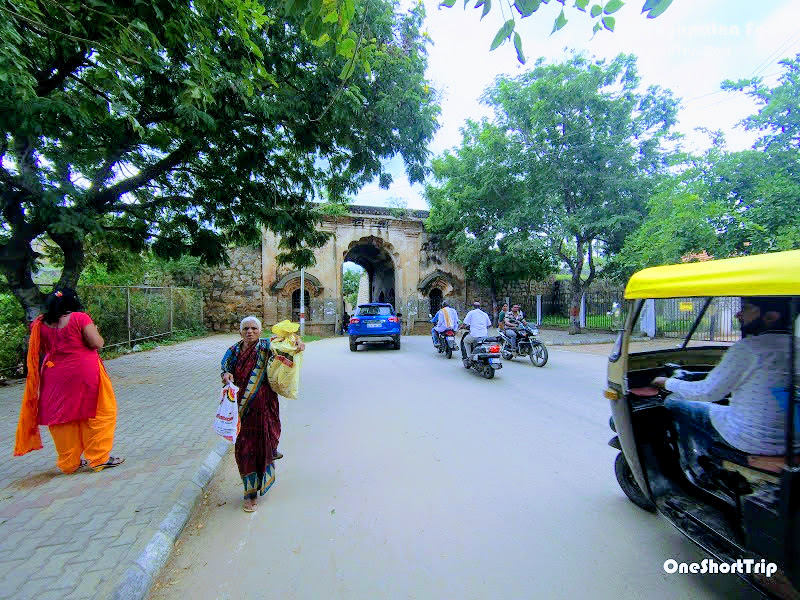 Fort
Fort
Srirangapatna Fort
The island fortress that was once Tipu Sultan's capital.
Explore → Palace
Daria Daulat Bagh
Tipu Sultan's ornate summer palace and gardens.
Explore → Mausoleum
Gumbaz-e-Shahi
The domed tomb of Tipu Sultan and Hyder Ali.
Explore → Temple
Sri Nimishamba Temple
A goddess temple believed to answer prayers within a minute.
Explore →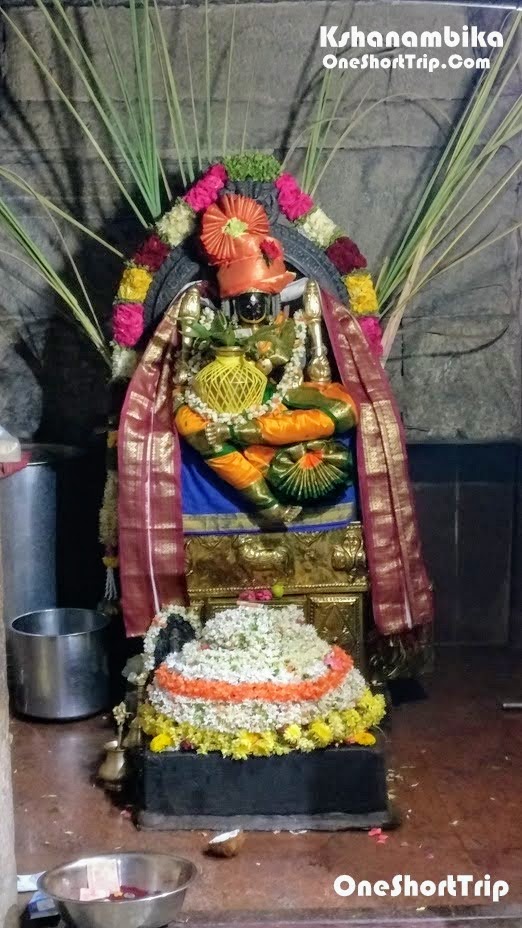 Temple
Sri Kshanambika Temple
A goddess temple believed to answer prayers within a second.
Explore → Wildlife
Ranganathittu Bird Sanctuary
Karnataka's largest bird sanctuary on Kaveri islets.
Explore →Things To See — Thonnur
A Village of Hoysala Temples
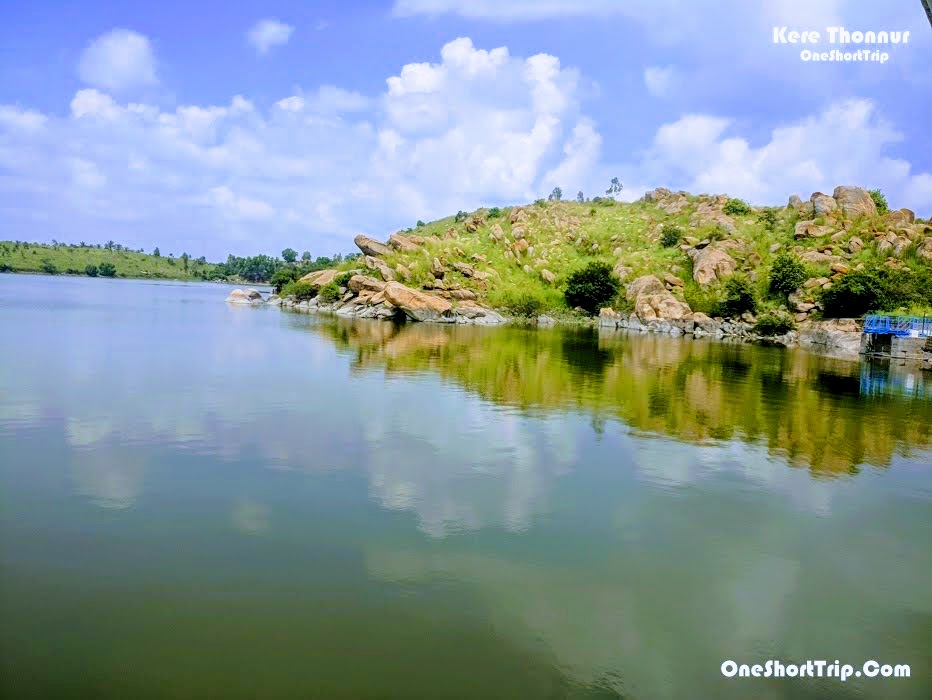 Lake
Lake
Thonnur Lake
A 2,150-acre lake with a rare Ramanujacharya statue.
Explore → Temple
Sri Nambinarayana Temple
A 1,000-year-old Hoysala temple tied to saint Ramanujacharya.
Explore →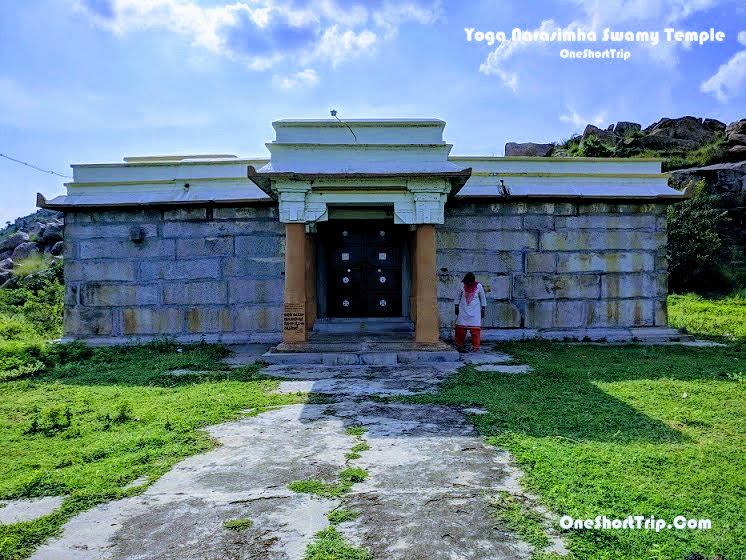 Temple
Yoga Narasimha Swamy Temple
A hilltop Hoysala temple with sweeping views over Thonnur.
Explore → Temple
Sri Venugopalaswamy Temple
Known for its reversed Dancing Krishna idol.
Explore →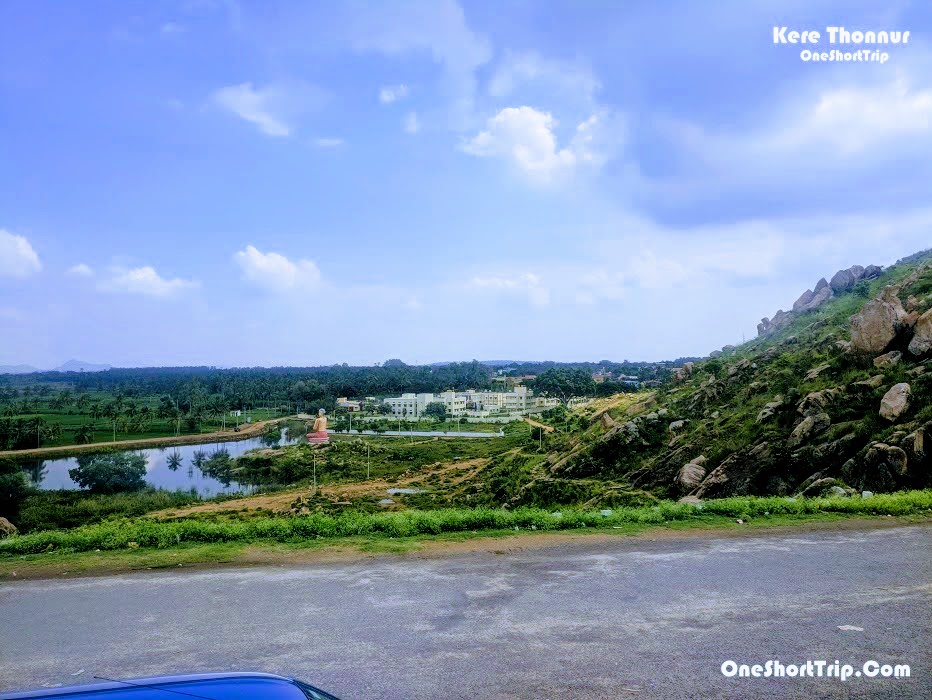 Temple
Srinivasa Temple, Thonnur
A hilltop temple with a distinctive turtle-shaped rock.
Explore →Things To See — Nature & Countryside
Waterfalls, Hills & Quiet Shrines
 Hill Trek
Kunti Betta
A sunrise trekking hill tied to Mahabharata legend.
Explore →
Waterfalls
Shivanasamudra
Twin falls where the Kaveri splits around an island town.
Explore →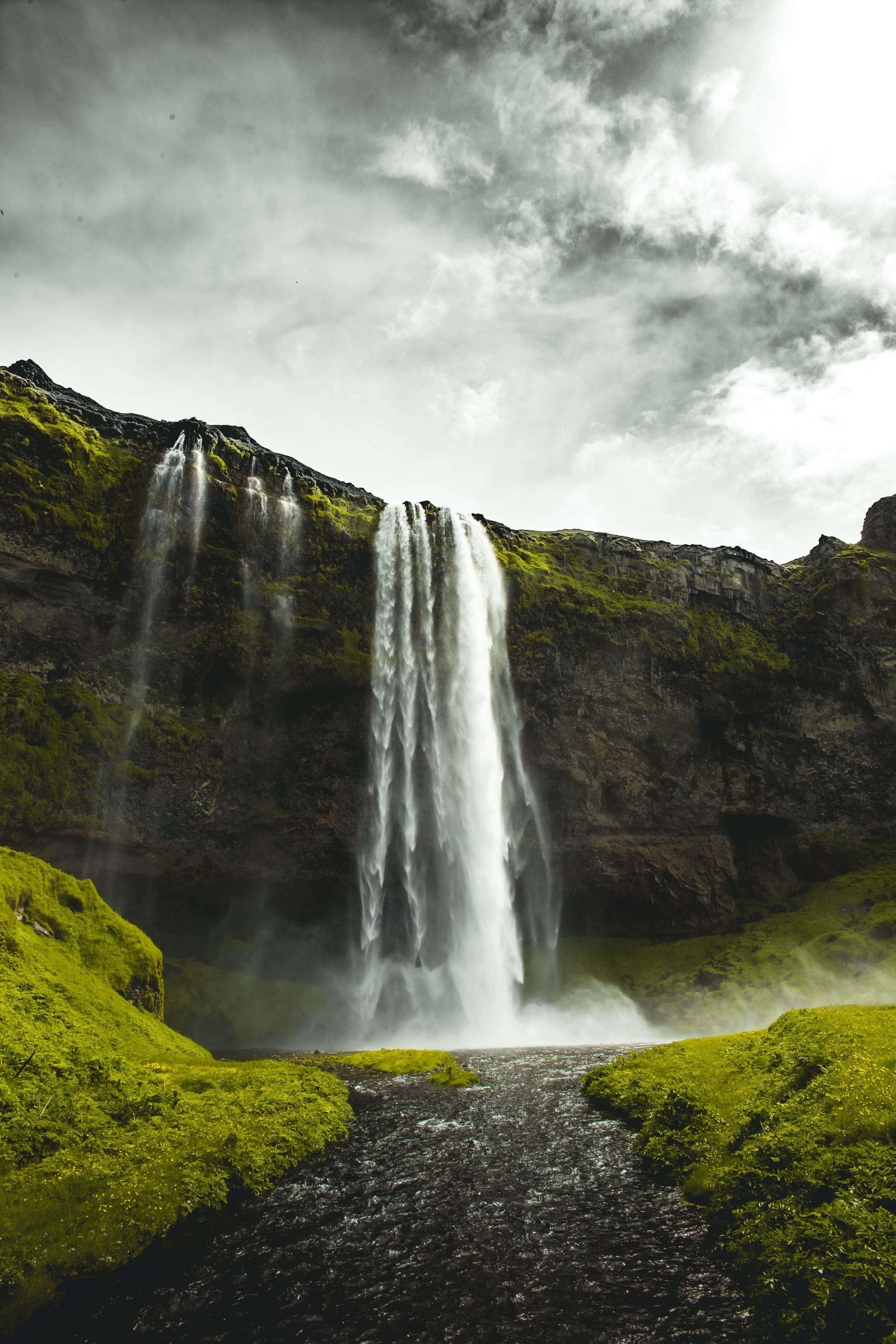 Waterfall
Balmuri Falls
A gentle cascade near KRS Dam, ideal for a picnic stop.
Explore →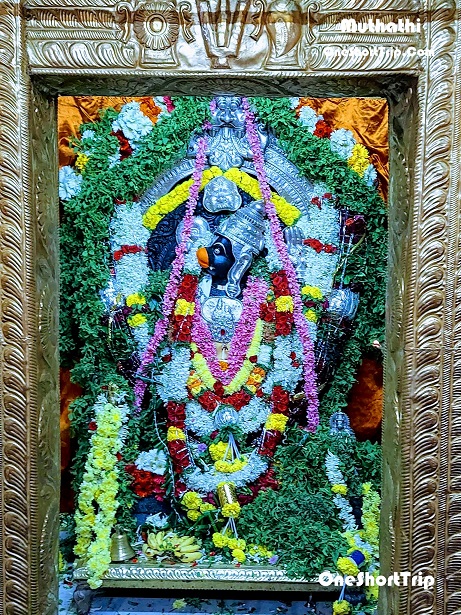 Riverside Retreat
Muthathi
A quiet Kaveri-side forest spot near Mandya.
Explore → Hill Temple
Karighatta
A hilltop Srinivasa temple with panoramic countryside views.
Explore → Temple
Matthithaleshwara Temple
A quiet Shiva shrine off the tourist trail in Malavalli taluk.
Explore → Temple
Bhoo Varahasswamy Temple
A 2,500-year-old riverside temple in Kallahalli.
Explore →Mandya District – Places to Visit, History, Nature, Temples & Travel Guide
Located between Bengaluru and Mysuru, Mandya district is one of Karnataka's most diverse destinations for a short trip. Known for its vast sugarcane fields, historic temples, Cauvery River landscapes, waterfalls, bird sanctuaries and heritage towns, Mandya offers much more than a stopover on the Bengaluru–Mysuru highway.
The district combines several different travel experiences in one region. You can explore the royal and military history of Srirangapatna, visit the sacred hill town of Melukote, see the landscaped Brindavan Gardens below the KRS Dam, watch migratory birds at Ranganathittu and Kokkare Bellur, or travel south towards Shivanasamudra and Gaganachukki Falls.
About Mandya District
Mandya is often called the "Sugar City" or "Sakkare Nagara" because sugarcane is one of the district's most important crops and the sugar and jaggery industries play a major role in its economy. Irrigation from the Kaveri and other river systems has made the district one of Karnataka's important agricultural regions.
The district headquarters is Mandya city, located on the Bengaluru–Mysuru corridor. The district currently has seven taluks: Mandya, Maddur, Malavalli, Pandavapura, Krishnarajpet, Srirangapatna and Nagamangala. The district administration lists an area of about 4,962 sq km and identifies Kannada as the principal language.
Why Is Mandya Famous?
Sugarcane Country
Mandya's agricultural landscape is strongly associated with sugarcane, jaggery and sugar production.
Cauvery Landscapes
The Cauvery and other rivers create waterfalls, islands, reservoirs, temples and fertile agricultural landscapes.
Royal History
Srirangapatna was the capital of the Mysore kingdom under Tipu Sultan and remains one of the district's most important heritage areas.
Temples & Pilgrimage
Melukote, Srirangapatna, Adichunchanagiri and numerous historic temples make Mandya an important religious destination.
Geography, Rivers and Landscape
Mandya lies in the southern plains of Karnataka between Bengaluru and Mysuru. Karnataka Tourism describes the district as the land of five rivers, associated with the Cauvery, Hemavathi, Shimsha, Veeravaishnavi and Lokapavani river systems. These waterways have shaped both the agricultural economy and the region's religious and scenic character.
The landscape changes considerably across the district. Around Mandya and Pandavapura, fertile agricultural fields dominate the scenery. Near Srirangapatna, the Cauvery creates a historic river island. Towards Melukote and Adichunchanagiri, rocky hills and temple towns create a very different landscape, while the Malavalli side leads towards the dramatic waterfalls of the Cauvery basin.
History of Mandya
Mandya has a long history extending from prehistoric settlements to the major kingdoms that shaped southern Karnataka. The district has archaeological and historical associations with the Gangas, Cholas, Hoysalas, Vijayanagara rulers and Wadiyars. Karnataka Tourism also notes prehistoric habitation evidence around areas such as Pandavapura, Kunti Betta and Belakavadi.
Srirangapatna became particularly important during the later history of the region. Raja Wodeyar captured Srirangapatna in 1610, and the island later became the centre of the Mysore kingdom during the period of Hyder Ali and Tipu Sultan. The surviving forts, palaces, temples, mosques, tombs and battle-related sites around Srirangapatna reflect this complex history.
The name Mandya itself has several traditional explanations. The district administration records legends connecting the area with names such as Vedaranya and Vishnupura, while another tradition associates the name with the sage Mandavya. These are traditional accounts rather than established historical explanations.
Best Places to Visit in Mandya District
Mandya district has attractions ranging from major tourist landmarks to quieter heritage villages and nature destinations. Some are ideal for first-time visitors, while others are better suited to travellers who want to explore beyond the usual Bengaluru–Mysuru route.
1. Srirangapatna
Srirangapatna is one of the most important destinations in Mandya district. Located on an island formed by the Cauvery River, it combines religious heritage with the history of the Mysore kingdom and Tipu Sultan.
Major attractions include the Sri Ranganathaswamy Temple, Daria Daulat Bagh, Gumbaz, Srirangapatna Fort, Tipu Sultan's historical sites, Colonel Bailey's Dungeon, Jama Masjid and Nimishamba Temple. A dedicated Srirangapatna heritage circuit can easily occupy half a day or a full day.
2. Melukote
Melukote is one of Karnataka's most important temple towns. Located on Yadugiri hill, it is known for the Cheluvanarayana Swamy Temple, Yoganarasimha Temple, sacred Kalyani and its long association with the Sri Vaishnava tradition.
Sri Ramanujacharya spent several years in Melukote, making the town an important centre of Sri Vaishnavism. The area also contains archaeological evidence and traditions associated with much earlier habitation.
3. Brindavan Gardens
Brindavan Gardens, located below the Krishnaraja Sagara Dam, is one of the best-known attractions associated with Mandya district. The formal gardens are known for landscaped terraces, pathways, fountains and the illuminated musical fountain experience.
The garden was developed during the Mysore state's modern irrigation era and is associated with Sir Mirza Ismail. The district administration describes its design as resembling the Shalimar Gardens of Kashmir.
4. KRS Dam
The Krishnaraja Sagara Dam, commonly known as KRS Dam, was built across the Cauvery at Kannambadi. It is closely associated with the irrigation development that transformed agriculture in Mandya and remains one of the district's most recognisable landmarks.
5. Ranganathittu Bird Sanctuary
Ranganathittu Bird Sanctuary lies close to Srirangapatna along the Cauvery River. It consists of small river islands that provide habitat for birds and other wildlife.
The sanctuary has a long history of bird conservation, with natural islands providing nesting and feeding habitat. Migratory birds visit during different parts of the year, making it one of the most rewarding nature experiences near Mysuru and Srirangapatna.
6. Shivanasamudra and Gaganachukki Falls
Gaganachukki Falls is one of the spectacular waterfalls created by the Cauvery. The river plunges dramatically through the rocky landscape at Shivanasamudra, creating a powerful seasonal attraction.
The Mandya district tourism information describes Gaganachukki as a waterfall of around 300 feet and also highlights the nearby island of Madhya Ranga, where the Ranganatha temple and other shrines are located.
7. Kokkare Bellur
Kokkare Bellur is a distinctive rural bird habitat near Maddur. The village is especially known for migratory birds nesting in trees within and around the settlement, creating an unusual coexistence between local residents and birdlife.
The district administration records seasonal visits by cranes, pelicans and other birds, with the birding season generally extending from around January into the monsoon period.
8. Kunti Betta
Kunti Betta near Pandavapura is a hill complex associated with local Mahabharata traditions. The area has rocky peaks, temples, natural formations and trekking opportunities.
The hill complex includes features locally associated with Kunti and Bheema, along with a Shiva temple, Kunti Kola, natural rock formations and viewpoints.
9. Adichunchanagiri
Adichunchanagiri is an important pilgrimage and cultural centre near Nagamangala. The hill is associated with the Adichunchanagiri Mahasamsthana Matha and temples dedicated to deities including Chandramouleshwara, Annapurneshwari and Bhairava.
The area is also known for peacocks and natural scenery. The district administration records a protected area established on the hill for peacock habitat.
10. Tonnur Lake
Tonnur Lake, near Melukote, is a scenic historic water body surrounded by rocky terrain and agricultural landscapes. It is a good addition to a Melukote trip for travellers looking for a quieter natural stop.
11. Kambadahalli
Kambadahalli is an important Jain heritage site known for the Panchakuta Basadi and other Jain monuments and sculptures. It is particularly worthwhile for travellers interested in Karnataka's religious and architectural history.
12. Gagana Chukki and Madhya Ranga
The Gaganachukki region combines dramatic river scenery with religious heritage. Madhya Ranga is a small Cauvery island associated with the Ranganatha temple as well as Someshwara and Veerabhadra temples.
13. Sangama
Sangama is a scenic river confluence associated with the meeting of the Shimsha and Cauvery rivers. It is a natural attraction suited to travellers interested in river landscapes and quieter outdoor experiences.
14. Balamuri
Balamuri is a Cauvery-side recreational destination near Srirangapatna. Its river setting makes it popular for visitors looking for a relaxed outing around the water and countryside.
15. Nimishamba Temple
Nimishamba Temple at Ganjam stands on the northern bank of the Cauvery and is an important religious attraction that can be combined with a Srirangapatna heritage tour. The temple is associated with local Puranic traditions and attracts devotees throughout the year.
16. Karighatta
Karighatta is a historic and religious hill near Srirangapatna. The elevated setting provides a different perspective of the surrounding Cauvery landscape and makes it a worthwhile addition for travellers exploring the area's temples and heritage sites.
More Offbeat Places in Mandya District
Beyond the major attractions, Mandya district has numerous smaller destinations for travellers who want to explore its rural heritage and lesser-known landscapes. These include Mahadevapura, Gosai Ghat, Muttatti, Chikka Muttatti, Antaravalli, Jain monuments at Aretippuru, Shivapura Satyagraha Soudha, Konanahalli Lake, Guttalu Lake, Basaralu, Kikkeri, Govindanahalli, Hosaholalu, Bindiganavile, Hariharapura and Varahanatha Kallahalli.
Many of these places are better suited to slow travel than conventional sightseeing. They are useful for travellers interested in Hoysala and Jain architecture, village temples, lakes, freedom-movement history and the quieter side of Mandya. The district administration maintains a broad catalogue of tourist places across these categories.
Mandya's Agricultural Heritage
Agriculture is central to Mandya's identity. The introduction and expansion of irrigation from the KRS reservoir during the 1930s significantly changed the district's cropping pattern and agricultural productivity. The district administration describes more than half of Mandya's geographical area as agricultural land.
Sugarcane remains the signature crop, while ragi, paddy and pulses are also cultivated. Jaggery production and sugar industries are closely connected to the rural economy and form an important part of Mandya's cultural identity.
Food to Try in Mandya
Maddur Vada
Maddur Vada is the most famous food associated with Mandya district. The crisp, savoury snack originated around Maddur and is commonly enjoyed with chutney and a cup of South Indian filter coffee. Karnataka Tourism specifically identifies Maddur Vada as a signature local delicacy.
Jaggery and Sugarcane Products
Because sugarcane is central to the district's economy, locally produced jaggery and traditional sugarcane products are also part of Mandya's food identity.
South Indian Meals
Travellers can expect familiar Karnataka and South Indian staples such as idli, dosa, vada, rice meals, curd rice, sambar and filter coffee at restaurants and roadside establishments throughout the district.
Best Time to Visit Mandya
Mandya can be visited throughout much of the year, but the best period depends on what you want to see.
| Season | What to Expect |
|---|---|
| October – February | Comfortable weather for heritage sightseeing, temples, road trips and outdoor exploration. |
| June – September | Green countryside and stronger waterfalls, although rain can affect outdoor plans. |
| March – May | Hotter conditions, particularly for hill climbs and long outdoor sightseeing days. |
The district administration records a moderate climate, with average annual rainfall of around 700 mm. Summer temperatures can reach around 35°C, while winter minimums are generally around 20°C.
How to Reach Mandya
By Road
Road travel is the easiest way to explore Mandya district, particularly if you want to combine several attractions. Mandya city is on the Bengaluru–Mysuru highway, while Srirangapatna, Pandavapura, Maddur and other towns are connected by road.
From Bengaluru
Mandya city is approximately 96–100 km from Bengaluru, depending on the starting point and route. The Bengaluru–Mysuru corridor makes the district particularly convenient for weekend trips from Bengaluru.
From Mysuru
Mandya city is around 40 km from Mysuru, while several of the district's major tourist attractions are even closer. Srirangapatna and Ranganathittu are particularly convenient additions to a Mysuru trip.
By Train
Mandya district is served by the Bengaluru–Mysuru railway corridor. The district administration notes that trains between Bengaluru and Mysuru pass through Maddur, Mandya, Pandavapura and Srirangapatna, making rail travel a practical option for reaching several parts of the district.
By Air
For air travellers, Bengaluru is the main major airport option for reaching Mandya district. Mysuru Airport can also be considered depending on the destination and flight availability.
How Many Days Are Enough for Mandya?
One day is enough for a focused trip covering a small number of attractions, such as Srirangapatna and Ranganathittu or Melukote and nearby places.
Two days is better for combining the major heritage and nature attractions without rushing. A two-day trip could include Srirangapatna, Ranganathittu, KRS and Brindavan Gardens on one route, followed by Melukote and Pandavapura-area attractions.
Three days or more allows travellers to explore lesser-known temples, birding locations, Kunti Betta, Adichunchanagiri and the Shivanasamudra side of the district at a more relaxed pace.
Suggested Mandya Tourist Circuits
Mandya Heritage Circuit
Srirangapatna → Sri Ranganathaswamy Temple → Daria Daulat Bagh → Gumbaz → Srirangapatna Fort → Nimishamba Temple
KRS and Birding Circuit
Ranganathittu Bird Sanctuary → Srirangapatna → KRS Dam → Brindavan Gardens
Melukote Circuit
Melukote → Cheluvanarayana Swamy Temple → Yoganarasimha Temple → Kalyani → Tonnur Lake → Kunti Betta
Nature and Waterfall Circuit
Malavalli → Shivanasamudra → Gaganachukki Falls → Madhya Ranga → Sangama
Birding Circuit
Ranganathittu → Kokkare Bellur → Cauvery countryside
Mandya for Different Types of Travellers
Families
Srirangapatna, Brindavan Gardens, Ranganathittu and KRS are good family-friendly choices when planned with comfortable travel breaks.
Senior Citizens
Heritage sites around Srirangapatna and the gardens at KRS are easier options, while hill destinations may require more walking and should be planned accordingly.
History Lovers
Srirangapatna, Melukote, Kambadahalli and the district's many historic temples offer an exceptionally rich heritage trail.
Nature Lovers
Ranganathittu, Kokkare Bellur, Gaganachukki, Sangama, Kunti Betta and the Cauvery landscapes provide varied outdoor experiences.
Things to Do in Mandya District
- Explore the historic monuments of Srirangapatna.
- Visit the Sri Ranganathaswamy Temple.
- Explore Tipu Sultan's Daria Daulat Bagh and Gumbaz.
- Watch birds at Ranganathittu Bird Sanctuary.
- Visit KRS Dam and Brindavan Gardens.
- Explore the temples and heritage of Melukote.
- Trek or hike around Kunti Betta.
- Visit Gaganachukki Falls at Shivanasamudra.
- Experience the rural bird habitat at Kokkare Bellur.
- Visit Adichunchanagiri and its hill temples.
- Explore Jain heritage at Kambadahalli and Aretippuru.
- Try authentic Maddur Vada.
- Drive through Mandya's sugarcane-growing countryside.
Travel Tips for Mandya
- Start early when covering several attractions in one day.
- Keep extra time for Srirangapatna because its attractions are spread across the historic island.
- Wear comfortable footwear for temples, forts and hill destinations.
- Carry drinking water, especially for outdoor and hill locations.
- During the monsoon, check local conditions before visiting waterfalls and river areas.
- Do not enter restricted river sections or attempt unsafe waterfall activities.
- At temples, dress respectfully and follow photography restrictions.
- For birding locations, maintain distance from nesting birds and avoid loud behaviour.
- For Kunti Betta and other hill areas, carry suitable footwear and avoid attempting difficult sections without local knowledge.
- Plan attraction timings carefully because individual temples, museums and protected monuments may have different opening hours.
Where to Stay in Mandya
Travellers have several options depending on their itinerary. Mandya city is convenient for exploring central parts of the district, while Srirangapatna and Mysuru are practical bases for trips covering the northern and western attractions. For a Melukote-focused pilgrimage or heritage trip, staying closer to Melukote can reduce travel time.
For a broader Karnataka holiday, Mandya can also be explored as part of a Bengaluru–Mandya–Mysuru route, allowing travellers to combine city sightseeing with heritage, temples and nature attractions.
Why Mandya Is Worth Visiting
Mandya is one of those destinations where the journey is as interesting as the individual attractions. Its sugarcane fields, river landscapes, temple towns, historic battle sites, bird habitats and waterfalls create a varied travel experience within a relatively compact region.
For first-time visitors, Srirangapatna, Ranganathittu, KRS Dam, Brindavan Gardens and Melukote provide an excellent introduction. Travellers with more time can explore Kunti Betta, Kokkare Bellur, Adichunchanagiri, Kambadahalli, Shivanasamudra and the many lesser-known temples and villages across the district.
Whether you are planning a Mandya one-day trip from Bangalore, a weekend road trip from Bengaluru, a Mysuru sightseeing extension, a temple tour, a heritage journey or a nature-focused getaway, Mandya offers enough variety to justify more than a quick stop on the Bengaluru–Mysuru highway.
Frequently Asked Questions
What is Mandya famous for?+
Where is Mandya located?+
Why is Mandya called Sakkare Nagara?+
Which rivers flow through Mandya district?+
What are the best places to visit in Mandya district?+
Is Mandya a good destination for a one-day trip?+
How many days are enough to explore Mandya district?+
Is Mandya good for a weekend trip from Bengaluru?+
How far is Mandya from Bengaluru?+
How far is Mandya from Mysuru?+
What is the best time to visit Mandya?+
Can Mandya be visited during the monsoon?+
What is the most famous attraction in Mandya district?+
What is KRS Dam famous for?+
Why is Brindavan Gardens famous?+
Is Brindavan Gardens worth visiting at night?+
What is Srirangapatna famous for?+
Is Srirangapatna part of Mandya district?+
What is Melukote famous for?+
How high is Melukote?+
Who is associated with Melukote's religious history?+
What is Ranganathittu Bird Sanctuary famous for?+
When is the best time for bird watching at Ranganathittu?+
Is Shivanasamudra in Mandya district?+
What are the waterfalls at Shivanasamudra?+
When is the best time to see Gaganachukki Falls?+
What is Kokkare Bellur famous for?+
When can migratory birds be seen at Kokkare Bellur?+
What is Kunti Betta famous for?+
Is Mandya good for trekking?+
What is Adichunchanagiri famous for?+
What is Tonnur Lake known for?+
What is Madhya Ranga in Mandya district?+
What is Sangama in Mandya district?+
What is Balamuri famous for?+
What is Nimishamba Temple famous for?+
What food is Mandya famous for?+
Where can I eat Maddur Vada in Mandya district?+
How can I reach Mandya from Bengaluru?+
Does Mandya have a railway station?+
What is the nearest airport to Mandya?+
Is it better to explore Mandya by car?+
Is Mandya suitable for family trips?+
Is Mandya suitable for senior citizens?+
Is Mandya good for couples?+
Can I cover Mandya and Mysuru together?+
Can I cover Mandya and Bengaluru together on a weekend?+
What are the best heritage places in Mandya district?+
Does Mandya have Hoysala architecture?+
What role did the Cauvery play in Mandya's development?+
Why is Mandya important for agriculture?+
What should I carry for a Mandya trip?+
Are there enough places to stay in Mandya district?+
Is Mandya expensive to visit?+
Is Mandya safe for tourists?+
Are there good places for photography in Mandya?+
What are the best nature places in Mandya district?+
What is the best Mandya itinerary for first-time visitors?+
Can Mandya be combined with Srirangapatna and Mysuru in one trip?+
Is Mandya worth visiting beyond KRS and Brindavan Gardens?+
What makes Mandya different from other destinations near Bengaluru?+
What is the best way to explore Mandya district?+
Planning A Trip Here?
Get help planning your visit — call or WhatsApp us and we will help you book a tour.