

Udaipur
The City of Lakes — Rajasthan's most romantic city, where marble palaces rise straight from still, blue water.
Udaipur Travel Guide – Complete Information About the City of Lakes
Udaipur is one of Rajasthan's most beautiful and romantic destinations, famous for its shimmering lakes, magnificent palaces, historic temples, colourful old streets and the green Aravalli Hills that surround the city. Often called the City of Lakes and popularly described as the Venice of the East, Udaipur offers a very different experience from the desert cities of Rajasthan.
Founded in 1553 by Maharana Udai Singh II, Udaipur became the new capital of the Mewar kingdom after Chittorgarh. The city's historic identity is closely connected with the Sisodia Rajput rulers, Mewar's long history, Maharana Pratap, grand royal residences and a remarkable tradition of architecture, painting and craftsmanship.
Today, Udaipur combines its royal past with peaceful lakeside experiences, heritage hotels, markets, traditional Rajasthani food, cultural performances and scenic viewpoints. The result is a destination that works equally well for families, couples, senior citizens, history enthusiasts, photographers and travellers looking for a relaxed Rajasthan holiday.
Why Is Udaipur Famous?
Udaipur is famous primarily for its lakes and palaces. Lake Pichola, Fateh Sagar Lake and the surrounding Aravalli landscape create the distinctive scenery that has made the city one of Rajasthan's most recognisable destinations.
The city's most famous landmark is the Udaipur City Palace, a vast royal complex overlooking Lake Pichola. Nearby attractions include Jagdish Temple, Bagore Ki Haveli, Jag Mandir, Lake Palace, Saheliyon Ki Bari, Fateh Sagar Lake and Sajjangarh, popularly known as the Monsoon Palace.
Udaipur is also associated with the history of Mewar and Maharana Pratap, making it an important destination for travellers interested in Rajput history and Rajasthan's medieval heritage.
History of Udaipur
The history of Udaipur is inseparable from the history of Mewar. Before Udaipur became the capital, Chittorgarh served as the principal capital of the Mewar kingdom.
According to Rajasthan Tourism, Maharana Udai Singh II founded Udaipur in 1553. The new capital was established in the fertile Girwa Valley, surrounded by the Aravalli Hills and protected by the natural landscape.
The city subsequently developed into an important centre of Mewar's royal and cultural life. The Maharanas constructed palaces, gardens, lakes, temples and other structures that continue to define Udaipur's character today.
Udaipur's history is also closely connected with Maharana Pratap, one of the most celebrated rulers of Mewar. The nearby Haldighati region is associated with the famous Battle of Haldighati fought in 1576.
Over the centuries, Udaipur developed a distinctive combination of Rajput architecture, decorative arts, lakeside gardens and royal residences. Much of this heritage remains visible throughout the old city.
Geography and Landscape of Udaipur
Udaipur lies in southern Rajasthan amid the Aravalli mountain range. Unlike the dry desert landscapes associated with western Rajasthan, the Udaipur region has hills, lakes, rocky terrain and pockets of greenery.
This geography is one of the main reasons the city feels different from destinations such as Jaisalmer and Jodhpur. The lakes reflect the surrounding hills and palace architecture, creating some of Rajasthan's most recognisable landscapes.
The city is centred around a network of historic and artificial lakes, including Lake Pichola, Fateh Sagar Lake, Udai Sagar Lake, Doodh Talai, Badi Lake and Swaroop Sagar. Rajasthan Tourism describes these lakes as a defining part of Udaipur's identity.
Best Places to Visit in Udaipur
1. Udaipur City Palace
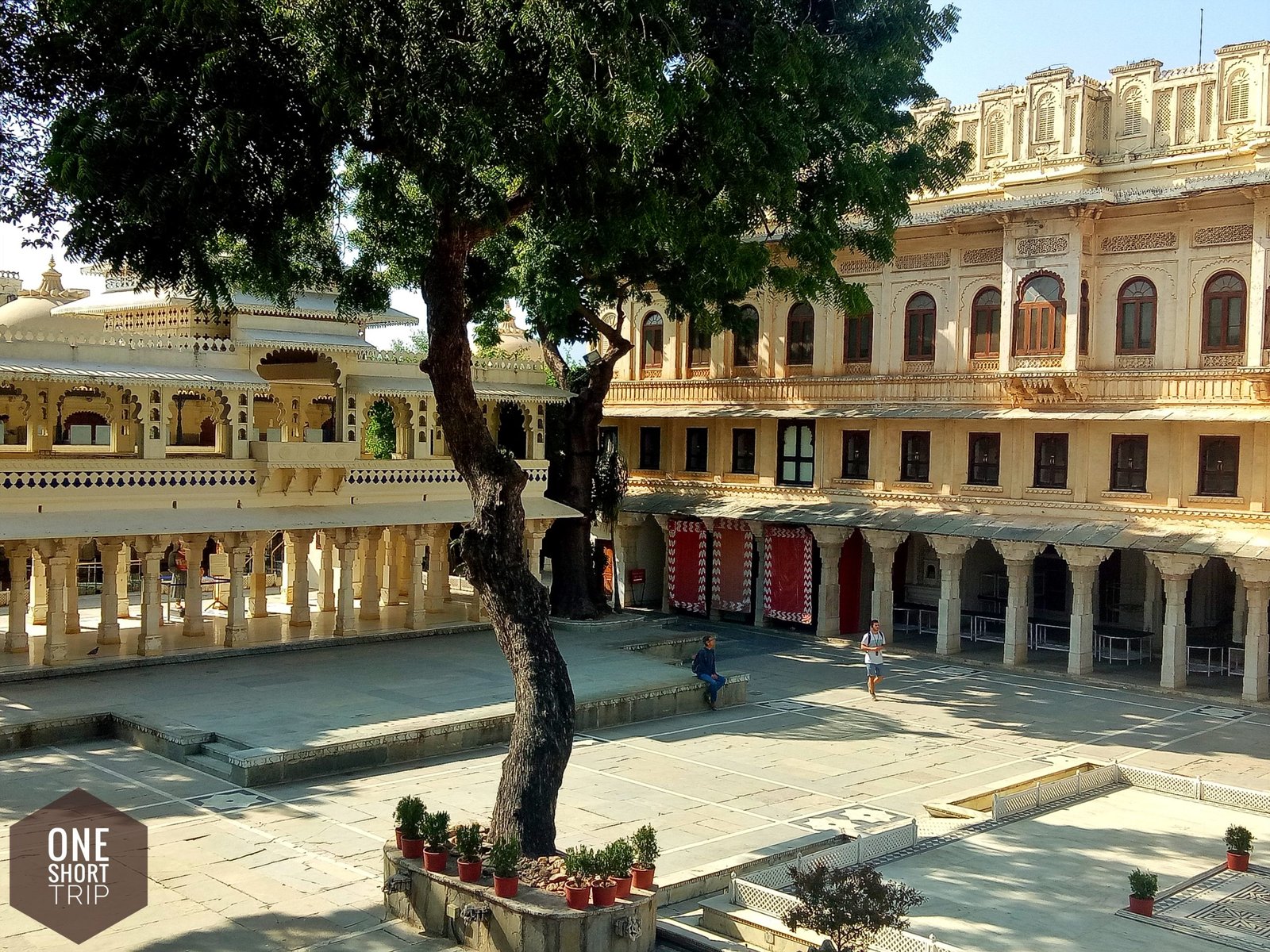
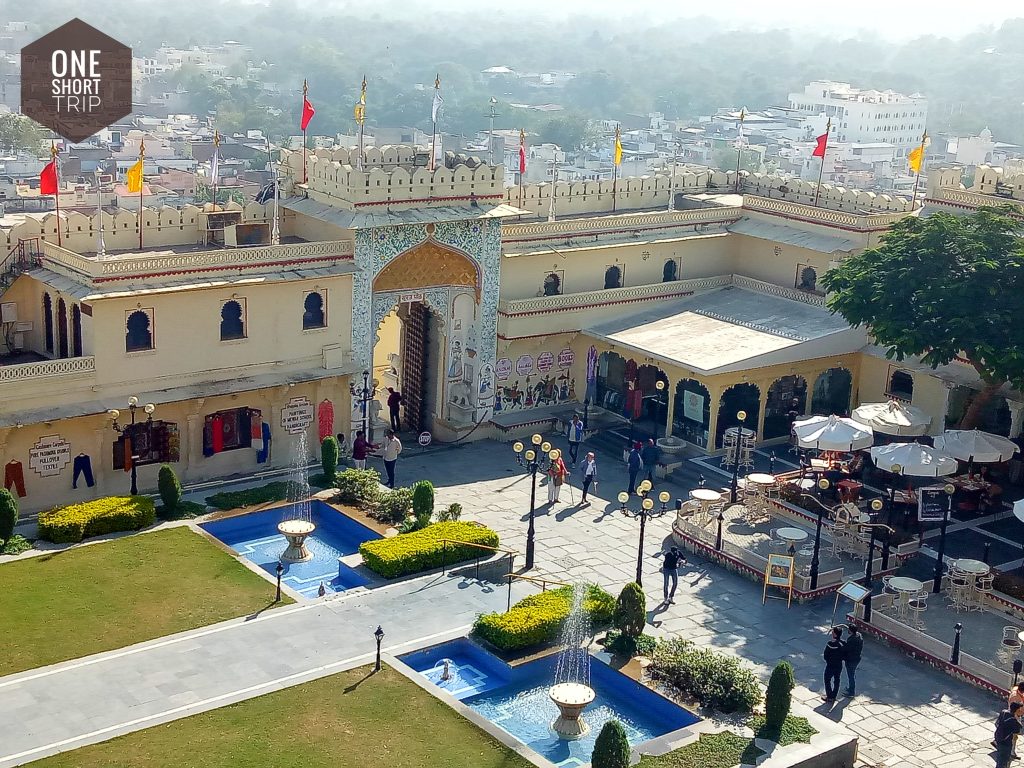
The City Palace is the centrepiece of Udaipur's royal heritage. Built on the eastern bank of Lake Pichola, the enormous complex contains courtyards, palaces, balconies, corridors, terraces, gardens and richly decorated interiors.
Important features include Tripolia Gate, Mor Chowk, Suraj Gokhada, Chini Chitrashala and Manak Chowk. The palace museum contains historic objects, paintings, weapons, armour, clothing and other material associated with Mewar's royal history.
The elevated position of the palace also provides excellent views of Lake Pichola and the surrounding city. Rajasthan Tourism describes it as a major architectural landmark overlooking the lake.
2. Lake Pichola
Lake Pichola is the heart of Udaipur's landscape. The lake is surrounded by hills, palaces, ghats and historic buildings, with the City Palace standing prominently along its eastern shore.
The lake contains the islands of Jag Niwas, home to the Lake Palace, and Jag Mandir. A boat ride, especially around sunset, is one of the classic Udaipur experiences.
3. Lake Palace
The famous Lake Palace, originally called Jag Niwas, stands on an island in Lake Pichola. It was built between 1743 and 1746 during the reign of Maharana Jagat Singh II as a summer palace and later became a luxury hotel.
The white palace floating against the blue waters of Lake Pichola has become one of Udaipur's most recognisable images. Rajasthan Tourism confirms its historic role as a summer palace and its island location.
4. Jag Mandir
Jag Mandir is another island palace in Lake Pichola. Construction began around 1620 and the complex was completed around 1652.
The royal family used Jag Mandir as a summer retreat and for entertainment. One of its most interesting historical associations is with Prince Khurram, who later became Mughal Emperor Shah Jahan. Rajasthan Tourism notes the traditional account that his stay at Jag Mandir influenced his appreciation of architectural styles that later appeared in Mughal architecture.
5. Jagdish Temple
Jagdish Temple is one of Udaipur's most important historic temples. Built in 1651 by Maharana Jagat Singh I, the temple is dedicated to Lord Vishnu.
The three-storeyed temple is known for its carved pillars, sculptural details, decorated ceilings and Indo-Aryan architectural style. Its location close to the City Palace makes it easy to include in a walking heritage circuit.
6. Sajjangarh Monsoon Palace
Sajjangarh, popularly known as the Monsoon Palace, stands on a hill overlooking Udaipur. The 19th-century palace was commissioned by Maharana Sajjan Singh.
The palace was associated with monsoon stays and hunting, while an earlier plan envisioned an astronomical centre. Its elevated position makes it particularly famous for panoramic views of Udaipur and the surrounding Aravallis.
7. Fateh Sagar Lake
Fateh Sagar Lake is one of Udaipur's most scenic lakes. Surrounded by hills and greenery, it lies north of Lake Pichola and is connected to it by a canal.
The lake contains Nehru Island and an island housing the Udaipur Solar Observatory. Rajasthan Tourism describes the observatory as an island-based facility and highlights Fateh Sagar as one of the city's major attractions.
8. Saheliyon Ki Bari
Saheliyon Ki Bari, or the Garden of the Maidens, is a historic garden known for its fountains, marble elements, lotus pool, kiosks and landscaped setting.
The garden was developed for the women of the royal household and provides a quieter contrast to Udaipur's large palace complexes.
9. Bagore Ki Haveli
Bagore Ki Haveli stands at Gangaur Ghat beside Lake Pichola. Built in the 18th century by Amar Chand Badwa, the Prime Minister of Mewar, the haveli contains numerous rooms displaying costumes, decorative objects, traditional arts and other cultural material.
Its location beside the lake also makes the Gangaur Ghat area a popular place to experience Udaipur's old-city atmosphere.
10. Doodh Talai
Doodh Talai is a small lake surrounded by hills and gardens near Lake Pichola. The area includes viewpoints and landscaped parks and is particularly useful for travellers looking for scenic views of the lake and palace skyline.
11. Maharana Pratap Memorial – Moti Magri
Moti Magri is associated with the memory of Maharana Pratap. A large bronze statue of Maharana Pratap on his horse Chetak stands on the hill overlooking Fateh Sagar Lake.
The memorial is an important stop for visitors interested in Mewar's military history and the legacy of Maharana Pratap. Rajasthan Tourism specifically highlights the statue and its association with Chetak.
12. Ahar Cenotaphs and Ahar Museum
The Ahar archaeological site offers a different perspective on Udaipur's history. The area contains royal cenotaphs and the Ahar Museum, which houses archaeological material including pottery and sculptures.
Some archaeological finds displayed at the museum date back thousands of years, providing a historical perspective that goes well beyond the medieval Mewar period.
13. Shilpgram
Shilpgram is a rural arts and crafts complex located about 7 km west of Udaipur. Spread across a large area near the Aravallis, it showcases traditional lifestyles, handicrafts, folk arts and cultural traditions from western India.
It is particularly interesting for travellers who want to experience Rajasthan beyond palaces and monuments.
14. Gulab Bagh
Gulab Bagh is one of Udaipur's historic gardens. The garden complex contains the Navalakha Mahal and is associated with Maharishi Dayanand Saraswati, who stayed there in the 19th century.
15. Badi Lake
Badi Lake, also known as Jiyan Sagar, is a quieter artificial lake outside the busy central areas. Built during the reign of Maharana Raj Singh, it was intended to help the city deal with water shortages.
Today, Badi Lake is valued for its peaceful atmosphere, hills and scenic surroundings and is a good option for travellers looking for a quieter side of Udaipur.
More Places to Explore in and Around Udaipur
- Udai Sagar Lake – Historic lake associated with Maharana Udai Singh II.
- Swaroop Sagar – A lake connected with Udaipur's wider water system.
- Sajjangarh Biological Park – Wildlife attraction below the Monsoon Palace.
- Pratap Gaurav Kendra – Dedicated to Maharana Pratap and Mewar's history.
- Menar – A winter destination known for migratory birds.
- Nagda – Ancient temple complex with the famous Sahastra Bahu temples.
- Eklingji Temple – Important Shaivite temple associated with the Mewar royal tradition.
- Nathdwara – Famous for the Shrinathji temple and Vaishnavite pilgrimage.
- Haldighati – Historic region associated with Maharana Pratap and the Battle of Haldighati.
- Kumbhalgarh Fort – Major Mewar fort set amid the Aravalli landscape.
- Ranakpur Jain Temple – Famous for its exceptionally detailed marble architecture.
- Chittorgarh Fort – One of the most important historic sites associated with Mewar.
The Lakes of Udaipur
Udaipur's lakes are not simply sightseeing attractions; they are fundamental to the city's history, identity and landscape.
Lake Pichola
The city's most famous lake, surrounded by the City Palace, Lake Palace, Jag Mandir and historic ghats.
Fateh Sagar Lake
A scenic lake surrounded by hills and greenery, particularly popular for evening visits.
Udai Sagar Lake
A historic artificial lake constructed as part of Mewar's water-management system.
Badi Lake
A quieter lake outside the main tourist centre, ideal for scenic views and a peaceful escape.
Doodh Talai
A smaller lake and garden area near Lake Pichola, popular for viewpoints and sunset scenery.
Best Experiences in Udaipur
- Take a boat ride on Lake Pichola.
- Watch the sunset around Lake Pichola or Fateh Sagar.
- Explore the enormous City Palace complex.
- Visit Jagdish Temple.
- Explore the old lanes and ghats around the lake.
- Attend a traditional cultural performance at Bagore Ki Haveli when available.
- Visit Sajjangarh for panoramic views.
- Explore traditional crafts at Shilpgram.
- Visit Moti Magri and learn about Maharana Pratap.
- Shop for miniature paintings, handicrafts and traditional textiles.
- Try traditional Rajasthani cuisine.
- Take a day trip to Haldighati, Nathdwara or Eklingji.
Udaipur for History Lovers
Udaipur is one of Rajasthan's strongest destinations for travellers interested in history. The city allows visitors to follow the story of Mewar through its palaces, temples, lakes, museums and memorials.
A history-focused itinerary should include the City Palace, Jagdish Temple, Bagore Ki Haveli, Moti Magri, Ahar Museum, Haldighati and one or more Mewar forts.
For a deeper historical experience, combine Udaipur with Chittorgarh and Kumbhalgarh, both of which provide important context for the history of Mewar.
Udaipur for Couples
Udaipur is particularly popular with couples because of its lakeside scenery, historic architecture, sunset viewpoints and heritage ambience.
A romantic Udaipur experience can include a sunset boat ride on Lake Pichola, an evening around Gangaur Ghat, views from Sajjangarh or Doodh Talai and a relaxed dinner overlooking the lake.
Udaipur for Families
Families can comfortably explore Udaipur because the city offers a mix of palaces, lakes, gardens, temples, museums and cultural attractions.
Children may particularly enjoy boat rides, the palace interiors, open gardens, scenic viewpoints and wildlife attractions. Families should avoid trying to cover too many monuments in one day because the old city is best experienced at a relaxed pace.
Udaipur for Senior Citizens
Udaipur can be an excellent senior-friendly Rajasthan destination if the itinerary is planned carefully. The city has many attractions close to one another, allowing visitors to reduce unnecessary long-distance travel.
However, several historic monuments involve stairs, uneven surfaces and walking through large complexes. A comfortable vehicle, adequate rest breaks and an early start can make sightseeing considerably easier.
Best Time to Visit Udaipur
October to March is generally the most comfortable period for a Udaipur holiday because daytime sightseeing conditions are considerably better than during the peak summer.
October and November offer pleasant sightseeing weather, while December and January can have cooler mornings and evenings. February and March are also popular for exploring the city before temperatures rise significantly.
April to June can be hot, particularly in the afternoon. If travelling during summer, sightseeing should be planned around the cooler parts of the day.
The monsoon season can transform the surrounding hills and landscape into a greener setting. However, rainfall can affect outdoor plans and travel schedules.
How Many Days Are Enough for Udaipur?
2 days are enough to experience the major highlights of Udaipur at a reasonable pace.
3 days are better for travellers who want to explore the city more deeply and include additional attractions such as Sajjangarh, Shilpgram, Badi Lake or Ahar.
4 days or more allow you to add nearby destinations such as Haldighati, Nathdwara, Eklingji, Kumbhalgarh or Chittorgarh.
Suggested 1-Day Udaipur Itinerary
Morning: Begin with Udaipur City Palace and Jagdish Temple.
Late morning: Explore the old city and continue towards Bagore Ki Haveli and Gangaur Ghat.
Afternoon: Visit Saheliyon Ki Bari and Fateh Sagar Lake.
Evening: Head towards Doodh Talai or another suitable viewpoint and enjoy the sunset.
A one-day trip gives you a taste of Udaipur but does not allow enough time to explore the city deeply.
Suggested 2-Day Udaipur Itinerary
Day 1: City Palace → Jagdish Temple → Bagore Ki Haveli → Gangaur Ghat → Lake Pichola boat ride → sunset.
Day 2: Saheliyon Ki Bari → Fateh Sagar Lake → Moti Magri → Sajjangarh Monsoon Palace → evening in the old city.
Suggested 3-Day Udaipur Itinerary
Day 1: City Palace, Jagdish Temple, old city, Bagore Ki Haveli and Lake Pichola.
Day 2: Saheliyon Ki Bari, Fateh Sagar Lake, Moti Magri, Sajjangarh and Doodh Talai.
Day 3: Choose between Shilpgram, Ahar, Badi Lake or a nearby excursion to Haldighati, Nathdwara or Eklingji.
How to Reach Udaipur
By Air
Udaipur is served by Maharana Pratap Airport, also known as Udaipur Airport. The airport connects the city with major Indian cities, although flight schedules can vary seasonally.
By Train
Udaipur City Railway Station is an important rail connection for travellers arriving from different parts of Rajasthan and India. Train travel can be particularly convenient for travellers planning Rajasthan circuits.
By Road
Udaipur is well connected by road with Jaipur, Jodhpur, Ahmedabad, Delhi and other Rajasthan destinations. Buses, taxis and private vehicles are commonly used for reaching the city.
For travellers exploring Rajasthan by car, Udaipur works particularly well as part of a circuit connecting Jaipur, Jodhpur, Jaisalmer, Udaipur, Mount Abu and Chittorgarh, depending on the route and available days.
Getting Around Udaipur
The main tourist areas of Udaipur are relatively compact, but the city also has attractions spread across different directions.
- Walking: Excellent for exploring the old city, markets, ghats and lanes.
- Auto-rickshaw: Useful for short local journeys.
- Taxi/Cab: Convenient for covering multiple attractions in one day.
- Private vehicle: Useful for families and for excursions outside the city.
- Boat: Essential for the classic Lake Pichola experience.
Where to Stay in Udaipur
Accommodation in Udaipur ranges from budget guesthouses and modern hotels to heritage properties and luxury lake-view hotels.
Old City: Best for travellers who want to stay close to City Palace, Jagdish Temple, Bagore Ki Haveli and the lake ghats.
Lake Pichola: Ideal for travellers seeking lake views and a romantic heritage atmosphere.
Fateh Sagar: A good option for travellers who prefer a quieter environment while remaining within reach of the main attractions.
Modern city areas: Suitable for travellers who prioritise convenient road access, larger hotels and modern facilities.
What to Eat in Udaipur
Udaipur is a good place to experience traditional Rajasthani cuisine. Popular dishes and foods to look for include:
- Dal Baati Churma
- Gatte Ki Sabzi
- Ker Sangri
- Bajra Roti
- Missi Roti
- Ghevar
- Malpua
- Mirchi Vada
- Kachori
- Traditional Rajasthani thali
The old city and markets also offer numerous vegetarian snacks and sweets. Travellers can combine sightseeing with local food experiences rather than relying only on hotel restaurants.
Shopping in Udaipur
Udaipur is known for traditional Rajasthani handicrafts and artistic products. Popular shopping areas include the old-city markets around Hathi Pol, Bada Bazaar and nearby streets.
Travellers can look for miniature paintings, traditional textiles, handicrafts, jewellery, pottery, leather products, decorative items and locally made souvenirs.
When purchasing traditional artwork, ask about its material, craftsmanship and origin rather than assuming that every painting or handicraft is handmade locally.
Udaipur's Culture and Arts
Udaipur has a strong tradition of Rajasthani folk music, dance, miniature painting, handicrafts and traditional crafts.
Shilpgram is particularly important for experiencing rural arts and crafts, while cultural performances in heritage venues provide visitors with an introduction to traditional music and dance.
The city's miniature painting tradition is another important part of its cultural identity, with historic Mewar painting styles featuring royal life, religious themes, nature and courtly scenes.
Festivals in Udaipur
Festivals add another dimension to Udaipur's cultural experience. Mewar Festival, Gangaur and other Rajasthani celebrations bring traditional music, processions, decorations and cultural activities to the city.
The Shilpgram Festival, held in December, is particularly relevant for travellers interested in arts, crafts and folk culture. Rajasthan Tourism notes that the festival traditionally runs from 21 to 30 December.
Udaipur for Photography
Udaipur is one of Rajasthan's strongest photography destinations. The combination of lakes, palaces, hills, ghats, reflections and old-city architecture creates opportunities throughout the day.
Some particularly scenic subjects include City Palace from Lake Pichola, Jag Mandir, Lake Palace, Gangaur Ghat, Fateh Sagar Lake, Sajjangarh and the old-city streets.
Sunrise and sunset are especially attractive around the lakes, while the palace architecture is best photographed when there is enough natural light to reveal its details.
Is Udaipur Expensive?
Udaipur can be experienced at different budgets. Accommodation ranges from economical guesthouses to luxury heritage hotels, while transport and sightseeing options can also be adapted according to the traveller's budget.
The largest variation usually comes from the choice of accommodation, private transportation and premium experiences such as luxury lake-view stays.
Practical Travel Tips for Udaipur
- Start sightseeing early, especially during warmer months.
- Keep enough time for the City Palace rather than rushing through it.
- Plan your Lake Pichola boat ride around the operating schedule and weather.
- Wear comfortable footwear for old-city streets and large heritage complexes.
- Carry drinking water during outdoor sightseeing.
- Use sun protection during the hotter months.
- Keep some flexibility in the itinerary for traffic and weather.
- Respect photography restrictions inside museums, temples and heritage buildings.
- Dress respectfully when visiting temples.
- Allow additional time if travelling to attractions outside central Udaipur.
- For senior citizens, plan fewer attractions per day and include adequate rest periods.
- Book popular accommodation well ahead during peak tourist periods.
Nearby Destinations from Udaipur
Haldighati
A historically important region associated with Maharana Pratap and the famous Battle of Haldighati.
Nathdwara
A major pilgrimage destination famous for the Shrinathji temple and Vaishnavite traditions.
Eklingji
A significant Shiva temple associated with the Mewar royal tradition and an important religious site near Udaipur.
Kumbhalgarh
One of the great forts of Rajasthan, set amid the Aravalli Hills and strongly connected with the history of Mewar.
Ranakpur
Famous for its spectacular Jain temples and intricate marble craftsmanship.
Chittorgarh
Home to the enormous Chittorgarh Fort, one of the most important historic sites in the story of Mewar.
Who Should Visit Udaipur?
Udaipur is suitable for a wide range of travellers:
- Couples: lakeside scenery, palaces and romantic sunsets.
- Families: museums, palaces, lakes, gardens and cultural attractions.
- Senior citizens: a relaxed destination when sightseeing is paced properly.
- History lovers: Mewar's palaces, temples, forts and memorials.
- Photography enthusiasts: lakes, reflections, architecture and Aravalli landscapes.
- Culture lovers: folk arts, crafts, music, dance and traditional cuisine.
- Luxury travellers: heritage properties and iconic lakefront experiences.
- First-time Rajasthan visitors: a softer introduction to Rajasthan's royal heritage.
Why Udaipur Should Be on Your Rajasthan Itinerary
Udaipur offers something that few other Rajasthan destinations can reproduce: the combination of royal palaces, serene lakes, Aravalli hills, Rajput history, temples, gardens and a relaxed atmosphere.
While Jaisalmer is defined by the desert and Jodhpur by its blue houses and massive fort, Udaipur's identity comes from water and architecture. The reflection of the City Palace across Lake Pichola, the island palaces, historic ghats and surrounding hills create a landscape that has become synonymous with the city.
For travellers exploring Rajasthan, Udaipur is particularly rewarding when given at least two or three days. It should not be treated simply as a quick stop between other cities; the city's greatest appeal is experienced by slowing down and spending time around its lakes and historic neighbourhoods.
Udaipur Quick Travel Information
| Destination | Udaipur, Rajasthan |
| Popular Name | City of Lakes |
| Founded | 1553 by Maharana Udai Singh II |
| Historic Kingdom | Mewar |
| Landscape | Aravalli Hills, lakes and valleys |
| Major Lake | Lake Pichola |
| Top Attraction | Udaipur City Palace |
| Other Highlights | Lake Palace, Jag Mandir, Jagdish Temple, Fateh Sagar, Sajjangarh, Saheliyon Ki Bari and Bagore Ki Haveli |
| Ideal Duration | 2–3 days |
| Best Season | October to March |
| Best Experiences | Palace sightseeing, lake boat rides, heritage walks, sunsets, culture and local food |
Frequently Asked Traveller Questions About Udaipur
Is Udaipur worth visiting?
Yes. Udaipur is one of Rajasthan's most distinctive destinations, combining lakes, royal palaces, Mewar history, temples, gardens and Aravalli scenery.
How many days are enough for Udaipur?
Two days are enough for the main highlights, while three days allow a more relaxed experience and time for additional attractions or a nearby excursion.
What is Udaipur most famous for?
Udaipur is best known for its lakes, City Palace, Lake Palace, Jag Mandir, Mewar heritage and scenic Aravalli surroundings.
What is the best place to visit in Udaipur?
Udaipur City Palace is generally the essential first attraction, followed by Lake Pichola, Jagdish Temple, Jag Mandir, Fateh Sagar Lake and Sajjangarh.
What is the best experience in Udaipur?
A Lake Pichola boat ride around sunset combined with a visit to the City Palace is one of the city's signature experiences.
Is Udaipur good for a family trip?
Yes. Udaipur offers a good combination of history, sightseeing, lakes, gardens, museums and cultural attractions for families.
Is Udaipur good for senior citizens?
Yes, provided the itinerary is paced comfortably. A private vehicle, shorter sightseeing days and adequate rest breaks can make the city easier for seniors to explore.
Udaipur is more than a city of palaces and lakes. It is the living heart of Mewar's heritage, where royal architecture, Rajput history, sacred temples, traditional arts and the natural beauty of the Aravallis come together. Whether you spend two days exploring its famous landmarks or several days discovering the surrounding Mewar region, Udaipur offers one of Rajasthan's most memorable travel experiences.
Things To Do
Things To See In Udaipur


Frequently Asked Questions
Why is Udaipur famous?+
Why is Udaipur called the City of Lakes?+
Where is Udaipur located?+
When was Udaipur founded?+
Who founded Udaipur?+
What is Udaipur famous for historically?+
What are the best places to visit in Udaipur?+
Is City Palace Udaipur worth visiting?+
What is special about Lake Pichola?+
Can tourists visit Lake Palace in Udaipur?+
What is Jag Mandir famous for?+
What is special about Jagdish Temple Udaipur?+
What is Sajjangarh Monsoon Palace famous for?+
Which lakes should I visit in Udaipur?+
Is boating available in Udaipur?+
What is the best time for a boat ride in Udaipur?+
How many days are enough for Udaipur?+
Is Udaipur good for a 2-day trip?+
Is Udaipur good for a 3-day trip?+
Is one day enough for Udaipur?+
What is the best time to visit Udaipur?+
Can I visit Udaipur during summer?+
Is monsoon a good time to visit Udaipur?+
How can I reach Udaipur by air?+
Does Udaipur have a railway station?+
Can I reach Udaipur by road?+
How do I travel around Udaipur?+
Which area is best to stay in Udaipur?+
Is Udaipur suitable for families with children?+
Is Udaipur suitable for senior citizens?+
Is Udaipur good for couples?+
What food is Udaipur famous for?+
What should I buy in Udaipur?+
What is Udaipur known for besides lakes and palaces?+
Where can I experience Rajasthani culture in Udaipur?+
Is photography allowed at Udaipur attractions?+
Is Udaipur expensive for tourists?+
Is Udaipur safe for tourists?+
How early should I start sightseeing in Udaipur?+
Can I cover Udaipur sightseeing without a car?+
What are the best nearby places to visit from Udaipur?+
Can I visit Nathdwara from Udaipur in one day?+
Can I visit Kumbhalgarh from Udaipur in one day?+
Can I visit Chittorgarh from Udaipur in one day?+
What should I wear while visiting temples in Udaipur?+
Are there vegetarian restaurants in Udaipur?+
What are the best places for sunset in Udaipur?+
Is Udaipur good for photography?+
What festivals are celebrated in Udaipur?+
What is Shilpgram in Udaipur?+
Is Udaipur good for a Rajasthan family trip?+
What should I carry for a Udaipur trip?+
How much walking is involved in Udaipur sightseeing?+
Can Udaipur be covered with elderly parents?+
What makes Udaipur different from Jaipur and Jodhpur?+
Should I include Udaipur in my Rajasthan itinerary?+
Planning A Trip Here?
Get help planning your visit — call or WhatsApp us and we will help you book a tour.