

Sirohi
Gateway to Mount Abu — Rajasthan's hill-country district of marble temples, ancient Shiva shrines, and cool Aravalli air.
About Sirohi District
Sirohi district sits in the Aravalli hills of southern Rajasthan and is best known internationally for Mount Abu, the state's only hill station and a former summer capital for the erstwhile princely states of the region. The district's history stretches back to the Chauhan rulers who founded the Sirohi princely state in the 14th century, though Mount Abu itself carries a much older legacy as a centre of Jain pilgrimage and, more recently, as the headquarters of the Brahma Kumaris spiritual movement since 1950.
The district's cooler climate, a rarity in Rajasthan, has long made it a retreat from the desert heat, while its temples, lakes, and forested hills give it a character distinct from the rest of the state's more arid destinations.
About The District
Planning A Short Trip To Sirohi
Sirohi district, home to Rajasthan's only hill station Mount Abu, sits in the state's southwestern corner near the Gujarat border. It's a refreshing change from the desert image most people have of Rajasthan — Mount Abu's forested Aravalli hills, cool climate, and lakeside setting make it a popular escape from the heat, especially between March and June when the rest of the state is scorching.
Beyond Mount Abu itself, the district is known for the intricately carved Dilwara Jain temples, Nakki Lake, Guru Shikhar (the highest peak in the Aravalli range), and a scattering of forts and step-wells that see far fewer crowds than the more famous circuits around Jaipur and Udaipur. Sirohi town, the district headquarters, is a convenient stop for fuel, food, and onward connections if you're driving through from Udaipur or Mount Abu Road.
Most visitors base themselves in Mount Abu and use it as the hub for exploring the rest of the district over a day or two — the hill roads are winding but well-maintained, and taxis are easy to arrange locally for temple and viewpoint visits.
Things To See
Explore Sirohi
Jain Temple
Dilwara Temples
Exquisite marble Jain temples built over five centuries.
Explore →
Temple
Achaleshwar Mahadev Temple
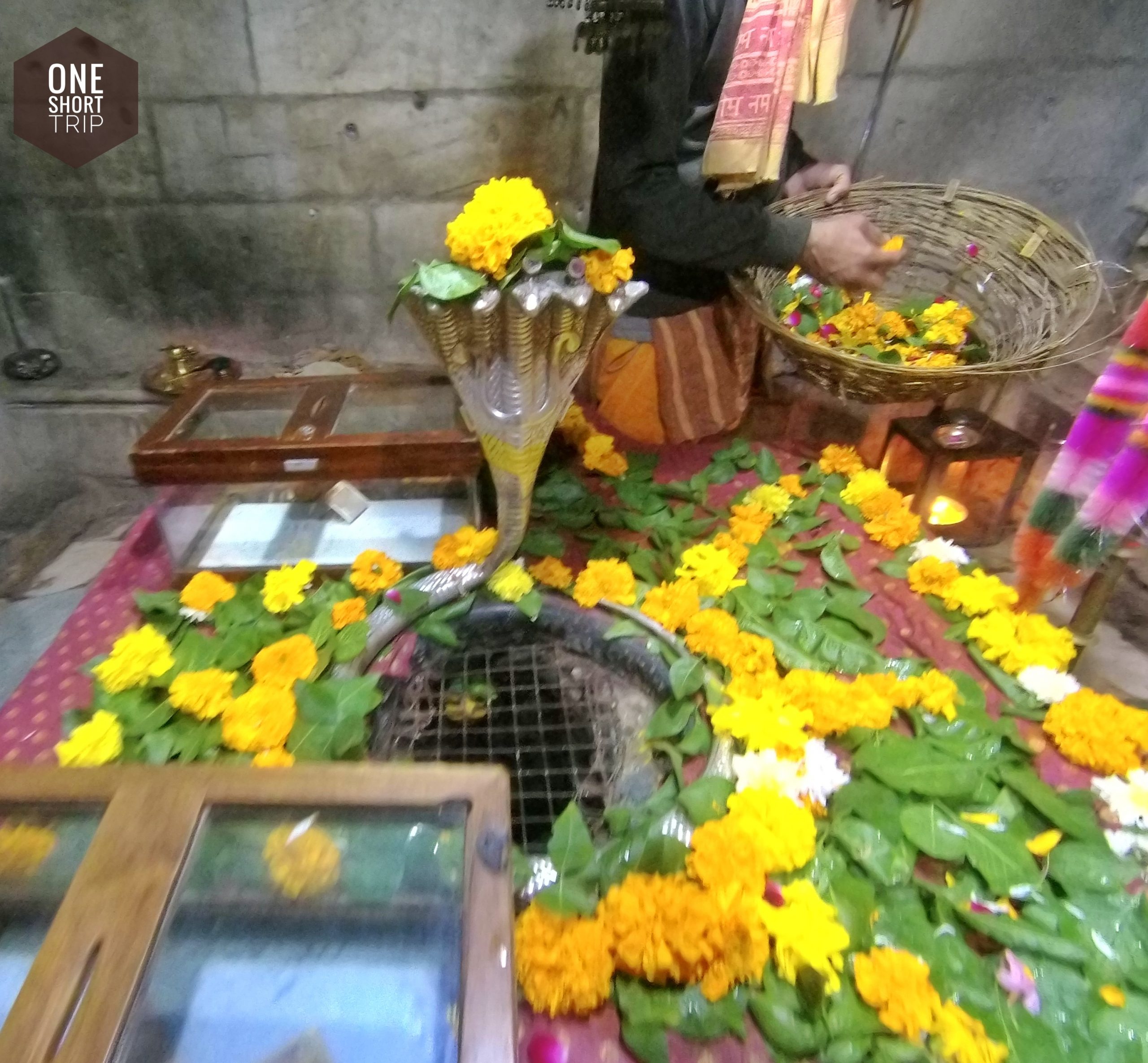
A hilltop shrine where Shiva's toe, not an idol, is worshipped.
Explore →
Lake
Nakki Lake
A legendary lake carved, it's said, by the nails of gods.
Explore →
Retreat
Shantivan Brahma Kumaris
A 50-acre spiritual campus with one of the world's largest meditation halls.
Explore →Frequently asked questions
What is Sirohi known for?
Being the gateway district to Mount Abu, Rajasthan's only hill station, known for its marble Dilwara Temples and cool climate.
Are the Dilwara Temples worth visiting?
Yes — their intricately carved marble interiors are considered among the finest examples of Jain temple architecture in India.
How many days do you need in Sirohi/Mount Abu?
2 days is enough to cover Nakki Lake, the Dilwara Temples, and Achaleshwar Mahadev Temple comfortably.
Why is Mount Abu the only hill station in Rajasthan?
Rajasthan is otherwise a largely flat, arid state; Mount Abu sits on an isolated outcrop of the Aravalli range that rises high enough (around 1,220 metres) to give it a cooler, wetter climate unlike anywhere else in the state.
Planning A Trip Here?
Get help planning your visit — call or WhatsApp us and we will help you book a tour.
