

Explore Rajasthan
Pink cities, blue cities, golden forts rising out of the desert — every place below has been visited and written up first-hand.
Places to explore in Rajasthan
Jaipur
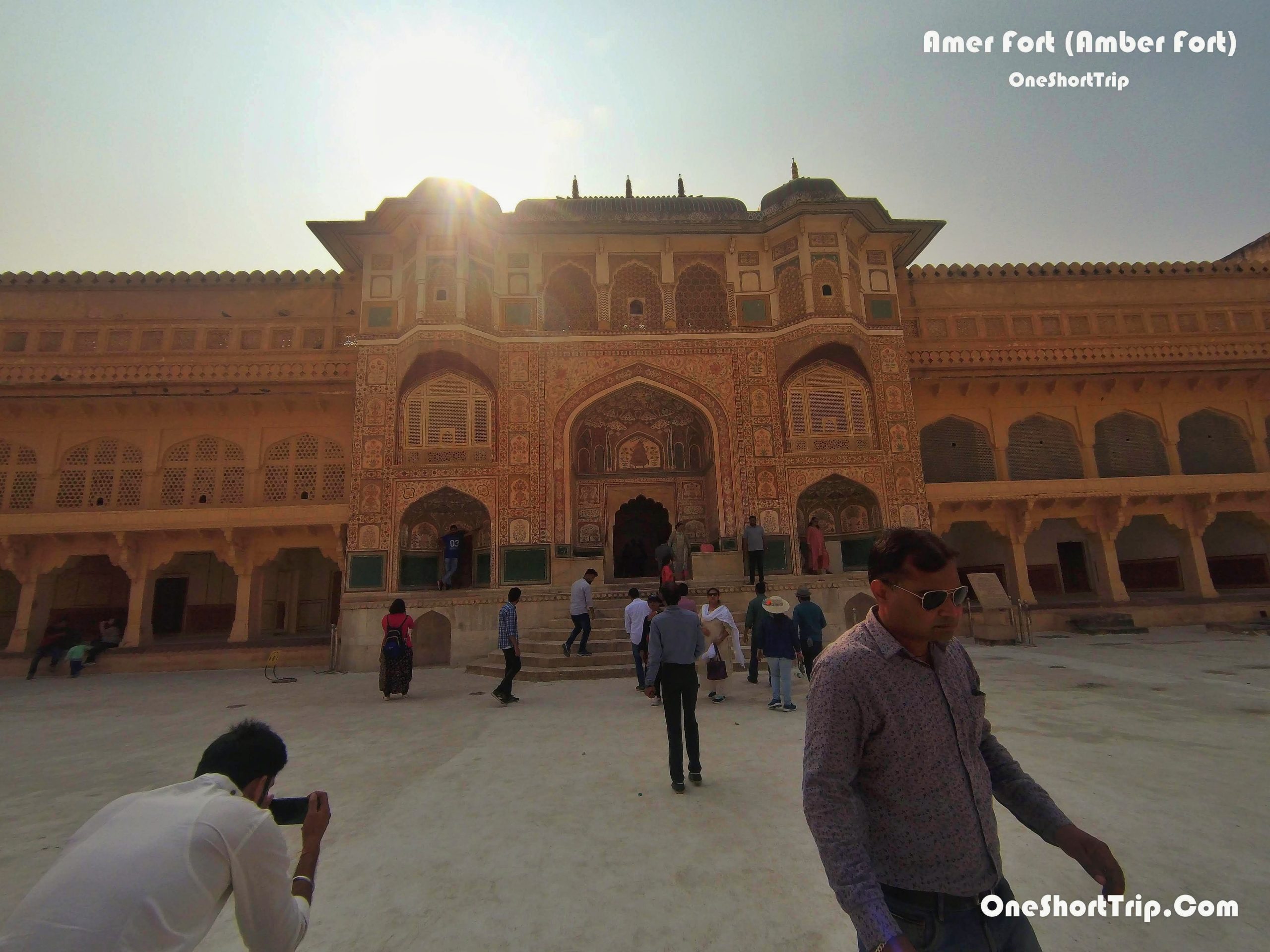
The Pink City and Rajasthan's capital — forts, bazaars, and Amer Fort just outside town.
Explore →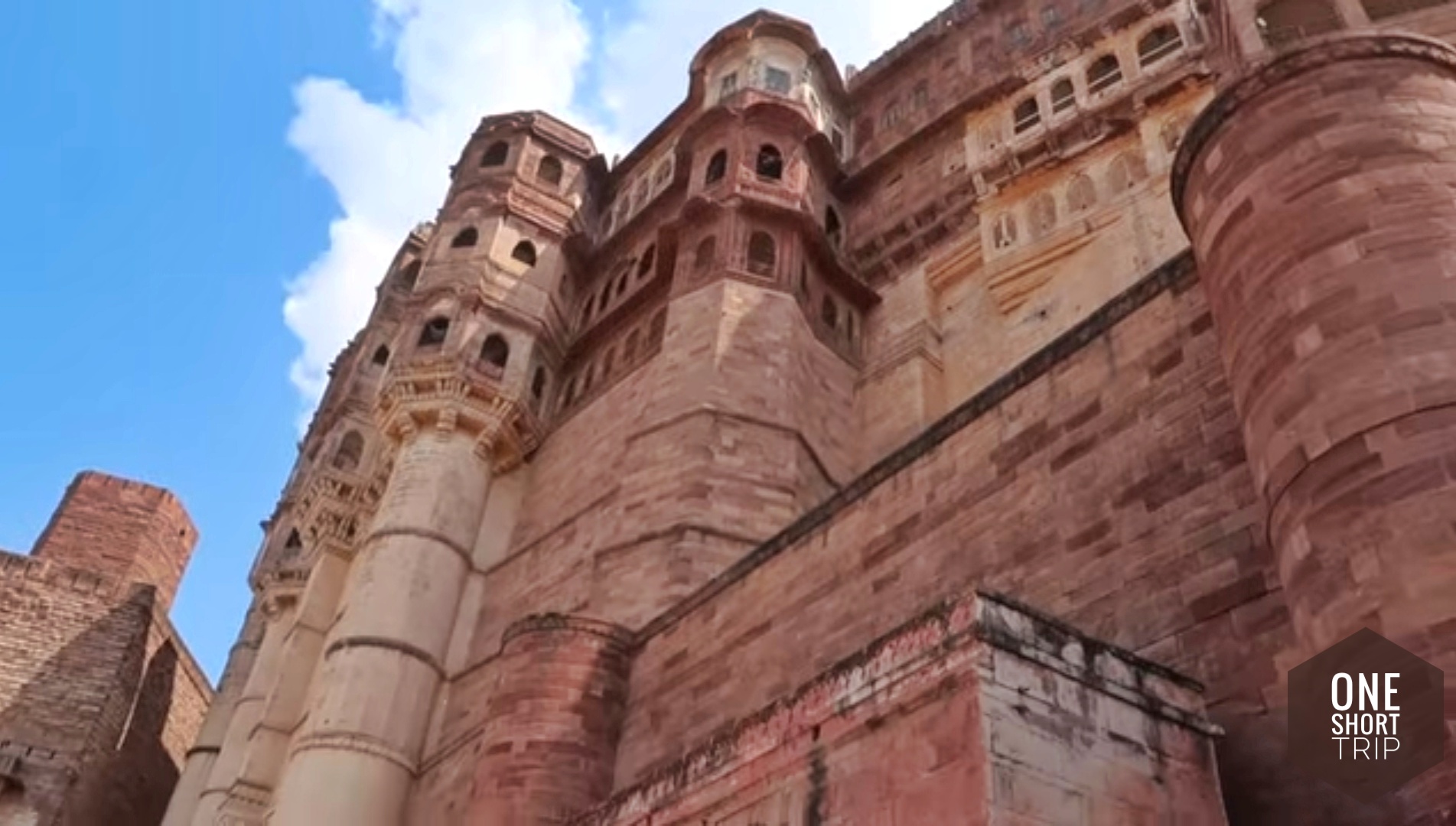
Jodhpur
The Blue City, watched over by Mehrangarh Fort on its cliff above the old town.
Explore →Udaipur
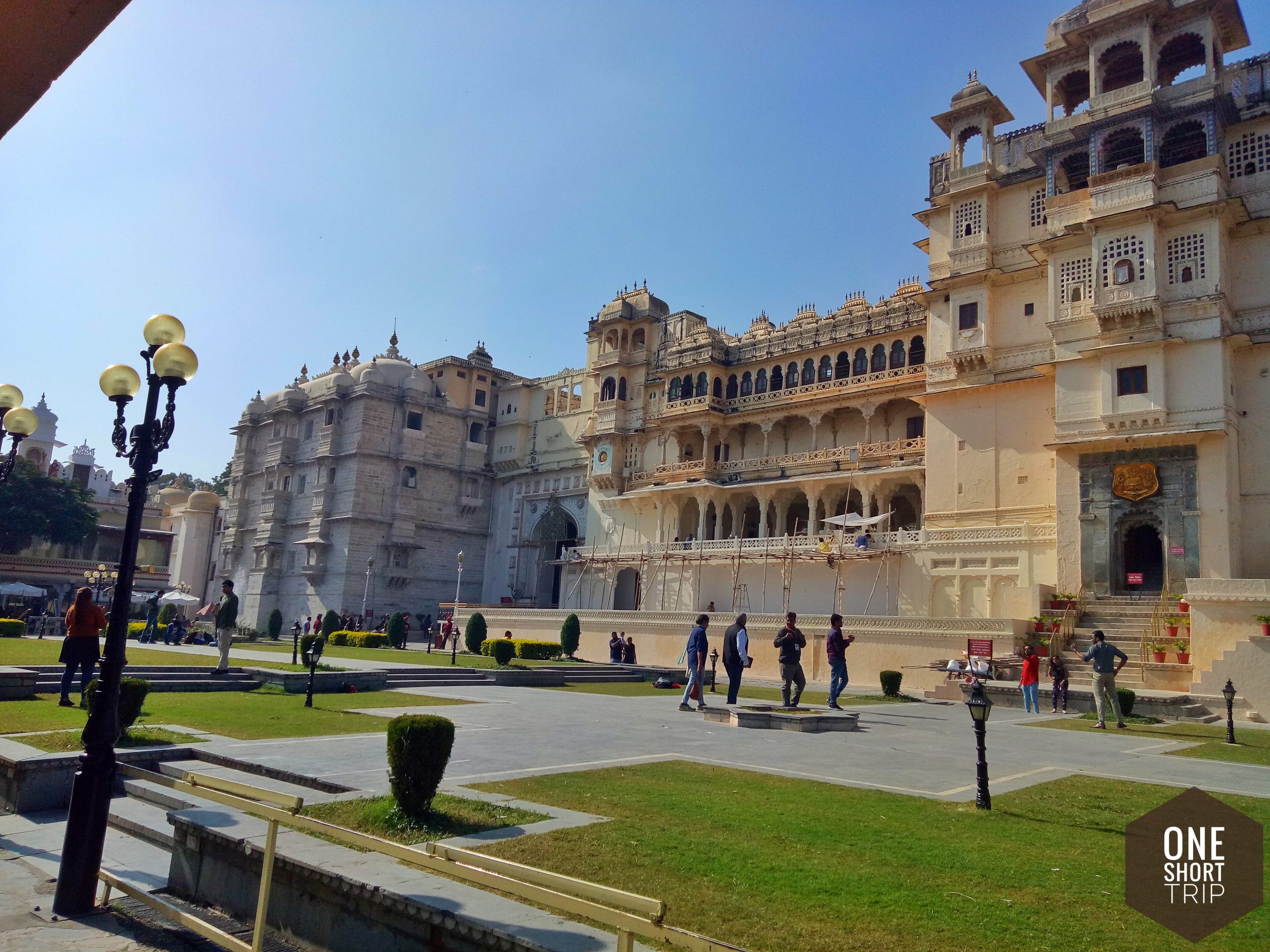
The City of Lakes, with the City Palace looking out over Lake Pichola.
Explore →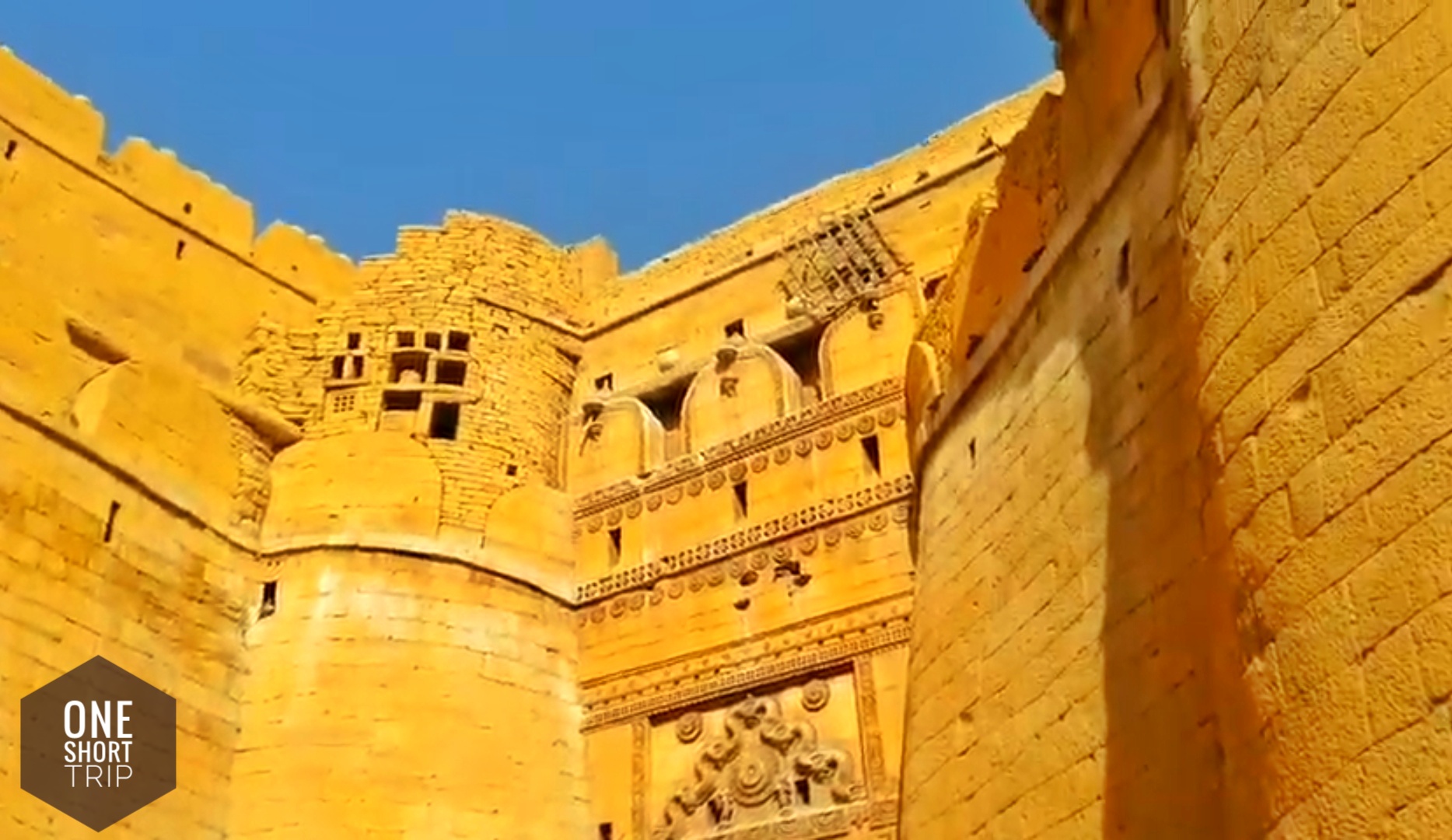
Jaisalmer
The Golden City, rising out of the Thar Desert with a fort still lived in today.
Explore →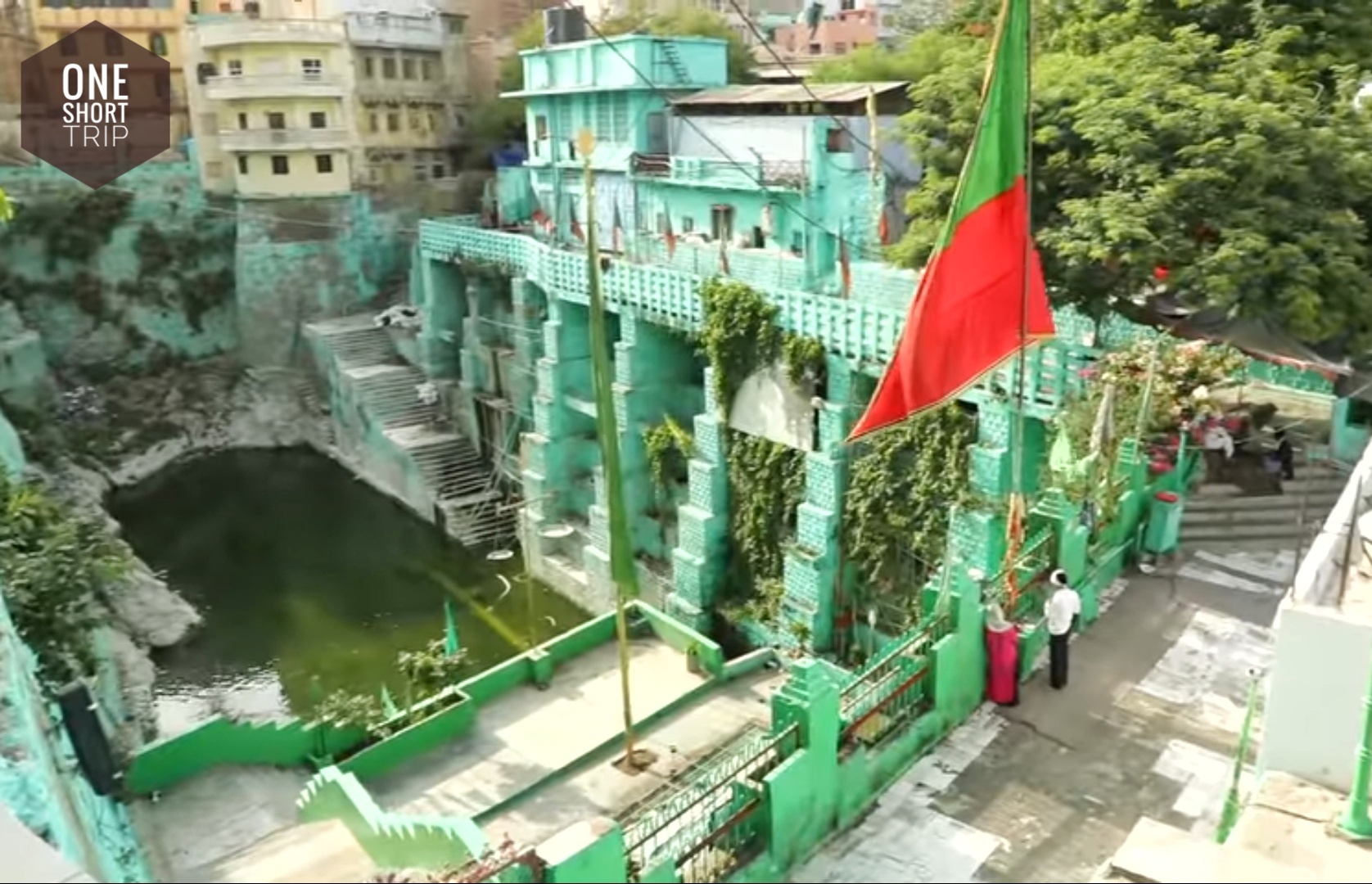
Ajmer
One of Rajasthan's oldest cities, home to the Ajmer Sharif dargah and close to Pushkar's lake.
Explore →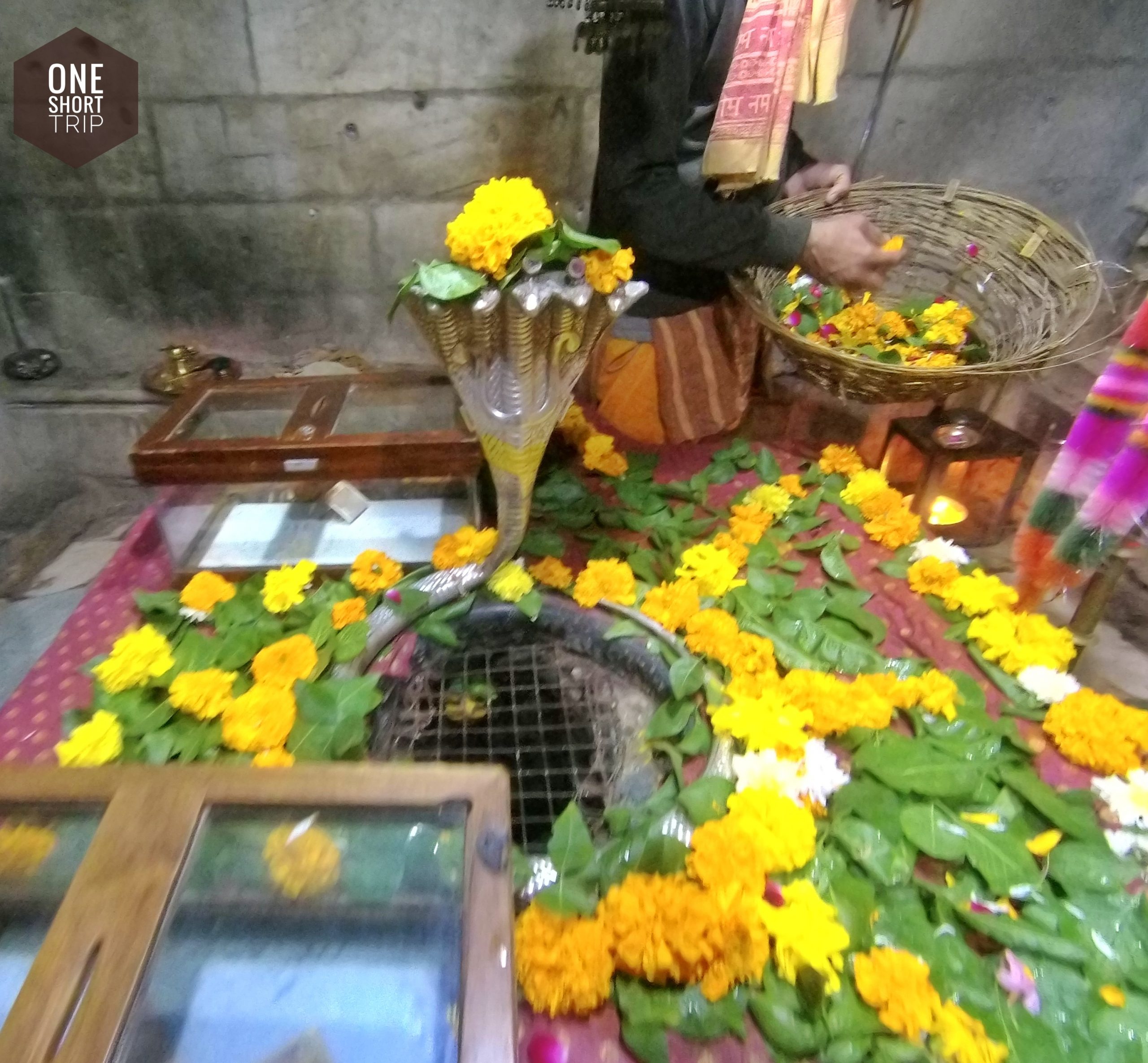
Sirohi (Mount Abu)
Rajasthan's only hill station — cool air and Aravalli views above the desert heat.
Explore →Rajasthan Travel Guide – Complete Information, Places to Visit, Things to Do & Travel Tips
Rajasthan is one of India's most spectacular travel destinations, known for its magnificent forts, royal palaces, colourful cities, ancient temples, desert landscapes, traditional villages, wildlife sanctuaries and rich cultural heritage. From the pink streets of Jaipur and the blue lanes of Jodhpur to the golden sandstone architecture of Jaisalmer and the lakes of Udaipur, Rajasthan offers an extraordinary variety of experiences within one state.
Often called the Land of Kings, Rajasthan carries the legacy of Rajput kingdoms, princely states, royal families, historic battles, traditional arts and centuries-old customs. At the same time, it is not only a destination for history lovers. Rajasthan also offers desert safaris, wildlife experiences, pilgrimage journeys, heritage stays, shopping, local cuisine, photography, adventure activities and relaxing holidays.
Rajasthan is India's largest state by area and covers approximately 3,42,239 square kilometres. The state stretches from the sandy landscapes of the Thar Desert in the west to greener and more fertile regions in the east, with the Aravalli Range running diagonally across much of the state.
Why Is Rajasthan Famous?
Rajasthan is famous for its combination of royal history, magnificent architecture, colourful culture and dramatic landscapes. Few destinations in India offer such a concentration of forts, palaces, havelis, temples, lakes and desert experiences.
- Historic Rajput forts and palaces
- Jaipur's pink-coloured heritage architecture
- Jodhpur's blue cityscape and Mehrangarh Fort
- Jaisalmer's golden sandstone architecture and living fort
- Udaipur's lakes and palaces
- Thar Desert camel safaris and desert camps
- Pushkar's pilgrimage traditions and annual fair
- Ranthambore's tiger safari experience
- Traditional Rajasthani music and folk dances
- Handicrafts, textiles, jewellery and colourful markets
- Rajasthani cuisine including dal baati churma
- Heritage hotels and former royal residences
History of Rajasthan
The history of Rajasthan is deeply connected with the rise of Rajput kingdoms and the development of several powerful princely states. Historically, much of present-day Rajasthan was known as Rajputana, a region made up of numerous kingdoms and princely states.
The Rajput dynasties played a major role in shaping the region's political and cultural identity. Important historical centres developed around Mewar, Marwar, Amber, Jaipur, Bikaner, Jaisalmer and other kingdoms. The history of the region includes periods of conflict, alliances and interaction with the Delhi Sultanate, Mughal Empire and later British administration.
Rajasthan is associated with legendary historical personalities including Maharana Pratap, Prithviraj Chauhan and Sawai Jai Singh II. The state's forts and palaces preserve memories of these different periods and make Rajasthan one of India's most important heritage destinations.
After Indian Independence, the princely states of Rajputana were gradually integrated into the Indian Union. Rajasthan took its present form through a series of administrative integrations during the late 1940s and early 1950s.
Geography of Rajasthan
Rajasthan occupies a large part of northwestern India and shares borders with Punjab, Haryana, Uttar Pradesh, Madhya Pradesh and Gujarat. It also shares an international border with Pakistan.
The state's geography changes dramatically from west to east. The Thar Desert dominates much of western Rajasthan, while the Aravalli Range creates a major geographical and climatic divide. Eastern and southeastern Rajasthan contain more fertile plains, rivers, forests and agricultural landscapes.
This geographical diversity is one reason Rajasthan can offer such different travel experiences. A single trip can include a desert safari in Jaisalmer, a lake holiday in Udaipur, a wildlife safari in Ranthambore and a hill escape at Mount Abu.
Best Places to Visit in Rajasthan
Rajasthan has an extensive network of tourist destinations. The most popular cities form the backbone of many Rajasthan holiday itineraries, while smaller towns offer quieter heritage, religious and cultural experiences. Rajasthan Tourism officially highlights destinations ranging from Jaipur, Udaipur and Jodhpur to Jaisalmer, Pushkar, Bundi, Bharatpur, Chittorgarh, Mount Abu and many others.
1. Jaipur – The Pink City
Jaipur is the capital of Rajasthan and one of India's most famous heritage cities. Known as the Pink City, Jaipur combines royal architecture, colourful bazaars, historic forts, museums, temples and modern hospitality.
Major attractions include Amber Fort, City Palace, Hawa Mahal, Jantar Mantar, Jal Mahal and Nahargarh Fort. Jaipur is also an excellent destination for shopping, with markets offering textiles, jewellery, handicrafts, blue pottery and traditional Rajasthani products.
For first-time visitors to Rajasthan, Jaipur is often the natural starting point because it provides a broad introduction to the state's history, architecture and culture.
2. Udaipur – The City of Lakes
Udaipur is famous for its lakes, palaces, romantic atmosphere and Aravalli surroundings. Lake Pichola forms the heart of the city's most iconic views, with the City Palace complex overlooking the water.
Important attractions include City Palace, Lake Pichola, Jagdish Temple, Saheliyon-ki-Bari, Sajjangarh Monsoon Palace and Fateh Sagar Lake.
Udaipur is particularly suitable for couples, families, heritage travellers and visitors looking for a slower and more scenic side of Rajasthan.
3. Jodhpur – The Blue City
Jodhpur is dominated by the spectacular Mehrangarh Fort, one of Rajasthan's most impressive historic fort complexes. The old city below the fort is famous for its blue-painted houses and narrow traditional streets.
Other important attractions include Umaid Bhawan Palace, Jaswant Thada, Toorji Ka Jhalra and the old city markets.
Jodhpur is an excellent destination for travellers interested in forts, architecture, photography, shopping and Marwari culture.
4. Jaisalmer – The Golden City
Jaisalmer rises from the edge of the Thar Desert and is famous for its golden sandstone architecture. The city's most iconic landmark is Jaisalmer Fort, a historic living fort where people continue to live and work within the fortified city.
Visitors can explore Patwon Ki Haveli, Salim Singh Ki Haveli, Nathmal Ki Haveli and Gadisar Lake before heading into the desert for a sunset experience.
The Sam Sand Dunes and surrounding desert areas are popular for camel rides, jeep safaris, sunset views, folk performances and overnight desert camps.
5. Pushkar – The Sacred Town
Pushkar is one of Rajasthan's most important pilgrimage destinations and is centred around the sacred Pushkar Lake. The town is particularly known for the Brahma Temple, ghats around the lake and its vibrant spiritual atmosphere.
Pushkar is also famous for the Pushkar Camel Fair, which brings together livestock trading traditions, cultural performances and large numbers of visitors during its annual season.
6. Ajmer – A Major Pilgrimage Centre
Ajmer is one of Rajasthan's most important religious destinations. The city is famous for the Ajmer Sharif Dargah, associated with Khwaja Moinuddin Chishti.
Ajmer is frequently combined with Pushkar because the two destinations are relatively close to each other. A combined Ajmer–Pushkar trip works well for travellers interested in pilgrimage, history and culture.
7. Ranthambore – Wildlife and Tigers
Ranthambore, centred around Sawai Madhopur, is one of India's best-known wildlife destinations and is particularly associated with tiger sightings.
The region combines wildlife with history because Ranthambore Fort rises above the national park landscape. Safari experiences provide opportunities to see tigers along with other wildlife, birds and the distinctive dry deciduous environment.
Wildlife sightings are never guaranteed, so visitors should approach a safari as a broader nature experience rather than expecting a tiger encounter on every drive.
8. Bikaner – The Desert Heritage City
Bikaner offers a quieter alternative to some of Rajasthan's more heavily visited destinations. The city is known for Junagarh Fort, Lalgarh Palace, traditional havelis and desert culture.
Bikaner is also associated with camel breeding traditions and is an excellent destination for travellers interested in architecture, local food and the cultural heritage of northern Rajasthan.
9. Chittorgarh – The Land of Mewar
Chittorgarh is dominated by the enormous Chittorgarh Fort, one of Rajasthan's most important historic fortifications. The fort is closely associated with the history and legends of Mewar.
Important attractions within the fort include Vijay Stambh, Kirti Stambh, Rana Kumbha Palace, Meera Temple and Padmini Palace.
10. Mount Abu – Rajasthan's Hill Station
Mount Abu is Rajasthan's best-known hill station and offers a striking contrast to the desert landscapes of western Rajasthan.
Popular attractions include Nakki Lake, Dilwara Jain Temples, Guru Shikhar, Sunset Point and Achalgarh. The cooler climate makes Mount Abu particularly attractive during periods when much of Rajasthan experiences high temperatures.
11. Bundi – The City of Stepwells and Frescoes
Bundi is a smaller and quieter heritage destination known for its palace, fort, stepwells and distinctive wall paintings. It is an excellent choice for travellers who want to explore Rajasthan away from the busiest tourist circuits.
The major attractions include Taragarh Fort, Bundi Palace, Chitrashala and historic stepwells.
12. Bharatpur – Birdwatching and Heritage
Bharatpur is particularly famous for Keoladeo National Park, one of India's best-known bird habitats. The destination works well for wildlife enthusiasts, birdwatchers and travellers combining Rajasthan with Agra and the Taj Mahal circuit.
13. Alwar
Alwar is one of the historic gateway cities of Rajasthan and offers forts, palaces, lakes and access to the surrounding Aravalli landscape. The city can be combined with nearby attractions such as Sariska Tiger Reserve.
14. Shekhawati
The Shekhawati region, covering areas around towns such as Mandawa, Nawalgarh, Jhunjhunu and Churu, is famous for elaborately painted havelis. It is an excellent destination for travellers interested in frescoes, merchant history and lesser-known heritage towns.
15. Dausa
Dausa is an ancient town with historic temples, forts and stepwells. Its location also makes it useful for travellers exploring lesser-known destinations around Jaipur.
16. Karauli
Karauli is known for its red sandstone architecture, palace heritage and religious significance. It offers a quieter cultural experience compared with Jaipur, Jodhpur and Udaipur.
Top Things to Do in Rajasthan
Rajasthan is not a destination where sightseeing is limited to monuments. The state offers a wide variety of experiences that can be built into different types of holidays.
- Explore historic forts and palaces.
- Take a camel safari in the Thar Desert.
- Stay overnight in a desert camp.
- Watch sunset over the sand dunes.
- Enjoy traditional Rajasthani folk music and dance.
- Take a boat ride on Lake Pichola in Udaipur.
- Explore Jaipur's historic bazaars.
- Go on a wildlife safari in Ranthambore.
- Visit Keoladeo National Park near Bharatpur.
- Explore the havelis of Shekhawati.
- Visit Rajasthan's historic temples and pilgrimage centres.
- Try authentic Rajasthani cuisine.
- Stay in a heritage hotel or restored haveli.
- Shop for traditional handicrafts and textiles.
- Experience Rajasthan's colourful festivals and fairs.
Rajasthan Forts and Palaces
Forts and palaces are at the heart of Rajasthan tourism. They are not simply monuments; many reflect the political history, architecture, craftsmanship and lifestyles of the kingdoms that ruled different parts of the region.
Some of the most important forts and palace complexes to include in a Rajasthan itinerary are:
- Amber Fort – Jaipur
- City Palace – Jaipur
- Mehrangarh Fort – Jodhpur
- Jaisalmer Fort – Jaisalmer
- Junagarh Fort – Bikaner
- Chittorgarh Fort – Chittorgarh
- Ranthambore Fort – Sawai Madhopur
- Kumbhalgarh Fort – Rajsamand region
- Jaigarh Fort – Jaipur
- Nahargarh Fort – Jaipur
- Taragarh Fort – Bundi
The hill forts of Rajasthan are especially significant from a heritage perspective. The UNESCO-listed group includes major forts representing different Rajput kingdoms and their defensive, architectural and cultural traditions.
Rajasthan Desert Experience
The Thar Desert is one of Rajasthan's defining landscapes. The desert experience is particularly associated with Jaisalmer and the western districts of the state.
A typical desert experience may include a camel ride, jeep safari, sunset at the dunes, traditional folk performances, Rajasthani dinner and an overnight stay in a desert camp.
For families and senior citizens, it is worth choosing accommodation carefully and avoiding excessive activity during the hottest part of the day. Winter evenings in the desert can also become surprisingly cold, so warm clothing is useful for overnight stays.
Rajasthan Culture and Traditions
Rajasthan's culture is one of the strongest reasons to visit the state. Traditional music, dance, clothing, handicrafts, architecture, food and festivals vary across different regions.
Traditional folk performances often feature instruments such as the sarangi, kamayacha, algoza and dhol, while dances such as Ghoomar and Kalbelia have become widely recognised symbols of Rajasthan's cultural identity.
The state is also known for colourful textiles, embroidery, block printing, leatherwork, pottery, jewellery, miniature painting and traditional handicrafts. Rajasthan Tourism describes the state's craft traditions across materials including stone, clay, leather, wool, wood, glass, brass, silver, gold and textiles.
Rajasthani Food You Must Try
Food is an important part of any Rajasthan trip. Traditional cuisine developed in an environment where water availability, climate and preservation were important considerations.
Popular Rajasthani Dishes
- Dal Baati Churma
- Gatte Ki Sabzi
- Ker Sangri
- Laal Maas
- Safed Maas
- Ghevar
- Mawa Kachori
- Pyaz Kachori
- Mirchi Bada
- Rabri
- Lasun Ki Chutney
Vegetarian food is particularly prominent across Rajasthan, although meat-based dishes such as Laal Maas and Safed Maas are also associated with the state's culinary traditions. Rajasthan Tourism specifically highlights dal baati churma, laal maans, safed maans and lasun ki chutney among the state's recognised foods.
Rajasthan Festivals and Fairs
Festivals add another dimension to Rajasthan travel. Winter is particularly attractive because several major fairs and cultural events take place during the cooler months. Rajasthan Tourism highlights events including the Pushkar Fair, Camel Fair, Jaipur Literature Festival and Udaipur World Music Festival among the winter attractions.
Festival dates can change from year to year, so travellers should check the official schedule before planning a trip around a particular event.
Best Time to Visit Rajasthan
For most travellers, October to March is the most comfortable period for exploring Rajasthan, particularly for sightseeing, forts, palaces and desert experiences. Rajasthan Tourism describes winter as the best season, with generally mild daytime conditions and cooler nights.
October to March – Best Overall Season
This is the most popular travel period. Days are generally comfortable for sightseeing, while desert destinations become especially pleasant compared with summer.
April to June – Hot Summer
Summer can be extremely hot across much of Rajasthan, with temperatures becoming particularly challenging in desert and inland regions. If travelling during this period, sightseeing should be planned around cooler morning and evening hours. Mount Abu and some elevated destinations can offer a more comfortable alternative.
July to September – Monsoon
Monsoon transforms parts of Rajasthan and can bring greener landscapes and fewer tourists. Udaipur, Bundi and some southeastern destinations can be particularly attractive during this period. However, weather conditions should be considered when planning road journeys.
Rajasthan Tourism Development Corporation notes that summer can be harsh, while monsoon can offer a different and less crowded experience; October onward generally brings more comfortable conditions, with winter considered the strongest overall season for tourism.
How to Reach Rajasthan
By Air
Rajasthan has several airports serving its major tourist cities. Jaipur International Airport is the most important gateway for many travellers and offers domestic and selected international connectivity. Jodhpur and Udaipur also have airports serving domestic routes, while Jaisalmer, Kishangarh and Bikaner provide additional connectivity.
By Train
Rail travel is one of the most convenient ways to reach Rajasthan from major Indian cities. Important railway hubs include Jaipur, Kota, Ajmer, Jodhpur, Udaipur, Bikaner, Bharatpur and Alwar. Jaipur and Kota are among the major railway hubs connecting Rajasthan with other parts of India.
By Road
Rajasthan has an extensive road network connecting it with Delhi, Gujarat, Haryana, Uttar Pradesh, Madhya Pradesh and other neighbouring regions. Road travel is particularly useful for Rajasthan tours because many forts, villages, heritage towns and desert attractions are spread across large distances.
How Many Days Are Enough for Rajasthan?
There is no single ideal duration because Rajasthan is a very large state. The right number of days depends on whether you want to focus on the Golden Triangle, the major royal cities, the desert or a slower cultural journey.
Rajasthan in 4–5 Days
A short trip can focus on Jaipur and nearby destinations. This is suitable for travellers who have limited time.
Rajasthan in 6–7 Days
A week allows a more meaningful circuit such as Jaipur → Jodhpur → Udaipur, with travel time carefully planned.
Rajasthan in 8–10 Days
Eight to ten days can cover a larger classic circuit such as Jaipur → Jodhpur → Jaisalmer → Udaipur, although the itinerary will involve substantial road or rail travel.
Rajasthan in 10–14 Days
Two weeks allows a much more relaxed Rajasthan experience and can include Jaipur, Pushkar, Jodhpur, Jaisalmer, Bikaner, Udaipur, Chittorgarh or Ranthambore, depending on priorities.
Popular Rajasthan Tour Circuits
Classic Rajasthan Circuit
Jaipur → Pushkar → Jodhpur → Udaipur
Ideal for first-time visitors interested in forts, palaces, temples, markets and lakes.
Golden Rajasthan Circuit
Jaipur → Jodhpur → Jaisalmer
Ideal for travellers who want the strongest combination of royal architecture and the Thar Desert.
Royal Rajasthan Circuit
Jaipur → Jodhpur → Udaipur → Chittorgarh → Kumbhalgarh
Best suited to travellers interested in Rajput history, forts and palace architecture.
Rajasthan Desert Circuit
Jodhpur → Jaisalmer → Sam Sand Dunes → Bikaner
Ideal for desert landscapes, camel safaris, folk culture and sandstone architecture.
Rajasthan Wildlife Circuit
Jaipur → Ranthambore → Bharatpur
Suitable for travellers interested in tiger safaris, birds and nature alongside heritage sightseeing.
Rajasthan for Families
Rajasthan can be an excellent family holiday destination because it combines sightseeing with experiences that appeal to different age groups. Children can enjoy forts, palaces, desert camps and wildlife safaris, while adults can explore history, architecture, food and shopping.
For families with young children, avoid packing too many cities into a short itinerary. Rajasthan involves long road journeys between several popular destinations, so comfortable accommodation and realistic travel times make a major difference.
Rajasthan for Senior Citizens
Rajasthan is suitable for senior travellers, but the itinerary should be planned at a comfortable pace. Large forts can involve steep paths, steps and considerable walking, while desert excursions can involve uneven terrain.
- Choose hotels with lifts or rooms on lower floors where possible.
- Avoid unnecessarily long daily drives.
- Keep sufficient time for rest between major sightseeing stops.
- Plan forts and monuments during comfortable morning or evening hours.
- Carry regular personal medicines and essential documents.
- Choose comfortable vehicles for multi-city road journeys.
Shopping in Rajasthan
Shopping is one of the most enjoyable parts of travelling through Rajasthan. Different cities and regions are associated with different crafts and products.
- Jaipur: jewellery, gemstones, blue pottery, textiles and handicrafts
- Jodhpur: handicrafts, textiles, spices and traditional products
- Jaisalmer: leather products, textiles, handicrafts and desert souvenirs
- Udaipur: miniature paintings, handicrafts, jewellery and textiles
- Bikaner: snacks, handicrafts and traditional products
- Jaisalmer and Jodhpur: traditional leather and textile products
- Shekhawati: heritage-inspired crafts and local products
When buying expensive jewellery, gemstones or antiques, purchase from established sellers and request proper documentation where applicable.
Where to Stay in Rajasthan
Accommodation ranges from luxury hotels and heritage palaces to boutique havelis, desert camps, resorts, budget hotels and homestays. Rajasthan Tourism notes that travellers can find accommodation across different price levels, including heritage properties and tourism facilities.
For a first Rajasthan trip, staying close to the historic areas of each city can reduce daily travel time. In Jaisalmer, travellers can choose between accommodation inside or around the fort and desert camps outside the city.
Rajasthan Travel Tips
- Rajasthan is a large state, so do not underestimate travel time between cities.
- October to March is generally the most comfortable period for a multi-city Rajasthan tour.
- Carry light cotton clothing for daytime sightseeing even during winter.
- Carry warm layers for winter mornings and desert nights.
- Use sunscreen, sunglasses and a hat during outdoor sightseeing.
- Stay hydrated, particularly during long road journeys.
- Start sightseeing early when visiting large forts and outdoor monuments.
- Respect local customs when visiting temples, mosques, dargahs and other religious places.
- Ask permission before photographing people closely.
- Check safari availability and entry rules before visiting wildlife destinations.
- Book popular heritage hotels and desert camps in advance during peak season.
- Keep some flexibility in your itinerary because long-distance travel can take longer than expected.
What to Pack for Rajasthan
- Comfortable walking shoes
- Light cotton clothes
- Warm jacket or sweater during winter
- Sunglasses
- Hat or cap
- Sunscreen
- Reusable water bottle
- Personal medicines
- Power bank and charging accessories
- Government-issued identification
- Small day backpack
- Comfortable footwear for forts and monuments
Is Rajasthan Safe for Tourists?
Rajasthan is a major tourism destination with established tourist infrastructure across its principal cities. As with any large tourist destination, travellers should take normal precautions with valuables, crowded markets, transport bookings and unfamiliar surroundings.
When travelling in remote desert areas or wildlife zones, use registered operators and follow local instructions. At forts, temples and heritage monuments, follow the rules displayed by the site authorities.
Why Rajasthan Should Be on Your Travel List
Rajasthan is one of those destinations where every region feels different. Jaipur introduces you to royal architecture and colourful markets. Jodhpur brings the drama of Mehrangarh Fort and the Blue City. Jaisalmer takes you into the Thar Desert. Udaipur offers lakes and palaces. Ranthambore brings wildlife into the journey, while Pushkar and Ajmer add powerful religious and cultural experiences.
The real appeal of Rajasthan is the combination of these experiences. A Rajasthan holiday can be a heritage tour, family vacation, romantic getaway, pilgrimage journey, wildlife trip, desert adventure or cultural holiday depending on how the itinerary is designed.
For travellers visiting Rajasthan for the first time, the best approach is not to rush through every major city. Choose a route based on your interests, allow realistic travel time between destinations and leave enough time to experience the food, markets, architecture and local culture along the way.
Rajasthan Travel at a Glance
| Category | Information |
|---|---|
| State | Rajasthan |
| Capital | Jaipur |
| Known For | Forts, palaces, desert, culture, wildlife, temples and heritage |
| Major Landscape | Thar Desert, Aravalli Range, plains, forests and lakes |
| Best Overall Season | October to March |
| Popular Cities | Jaipur, Udaipur, Jodhpur, Jaisalmer, Bikaner, Pushkar, Ajmer and Chittorgarh |
| Wildlife | Ranthambore, Sariska, Keoladeo and other protected areas |
| Famous Food | Dal Baati Churma, Gatte Ki Sabzi, Ker Sangri, Laal Maas and Ghevar |
| Major Travel Experiences | Fort tours, palace visits, desert safaris, wildlife safaris, heritage stays and cultural experiences |
Frequently Asked Questions About Rajasthan
What is Rajasthan famous for?
What is the capital of Rajasthan?
Why is Rajasthan called the Land of Kings?
What are the best places to visit in Rajasthan?
Which city is best to visit in Rajasthan for the first time?
What are the most famous cities in Rajasthan?
What is the Pink City of Rajasthan?
What is the Blue City of Rajasthan?
What is the Golden City of Rajasthan?
What is Udaipur famous for?
What is Jodhpur famous for?
What is Jaisalmer famous for?
What is Jaipur famous for?
What is Pushkar famous for?
What is Ajmer famous for?
What is Ranthambore famous for?
What is Mount Abu famous for?
What is Rajasthan's Thar Desert?
Can I stay overnight in the Thar Desert?
Is a camel safari worth doing in Rajasthan?
What are the best things to do in Rajasthan?
What are the best forts to visit in Rajasthan?
What are the best palaces to visit in Rajasthan?
What is the best time to visit Rajasthan?
Is Rajasthan too hot in summer?
Is Rajasthan worth visiting during the monsoon?
How many days are enough for a Rajasthan trip?
Can Rajasthan be covered in 5 days?
Can Rajasthan be covered in 7 days?
Can Rajasthan be covered in 10 days?
What is the best Rajasthan tour route for first-time visitors?
What is the best Rajasthan route for forts and palaces?
What is the best Rajasthan route for a desert trip?
What is the best Rajasthan route for wildlife?
What food is Rajasthan famous for?
What should I eat in Rajasthan?
What can I buy in Rajasthan?
Which city is best for shopping in Rajasthan?
Is Rajasthan good for a family holiday?
Is Rajasthan suitable for senior citizens?
Is Rajasthan good for couples?
Is Rajasthan safe for tourists?
How can I reach Rajasthan by air?
How can I reach Rajasthan by train?
Is Rajasthan good for a road trip?
How far are the major Rajasthan cities from each other?
What should I pack for a Rajasthan trip?
What should I wear in Rajasthan?
Are Rajasthan desert nights cold?
Can I combine Rajasthan with the Taj Mahal?
Can I combine Rajasthan with Delhi?
Is Rajasthan good for a spiritual or pilgrimage trip?
Is Rajasthan worth visiting?
Planning A Trip Here?
Get help planning your visit — call or WhatsApp us and we will help you book a tour.