

Jaipur
The Pink City — Rajasthan's capital, famed for its hilltop forts, royal palaces, and centuries-old bazaars.
Things To Do
Things To See In Jaipur
 Fort & Palace
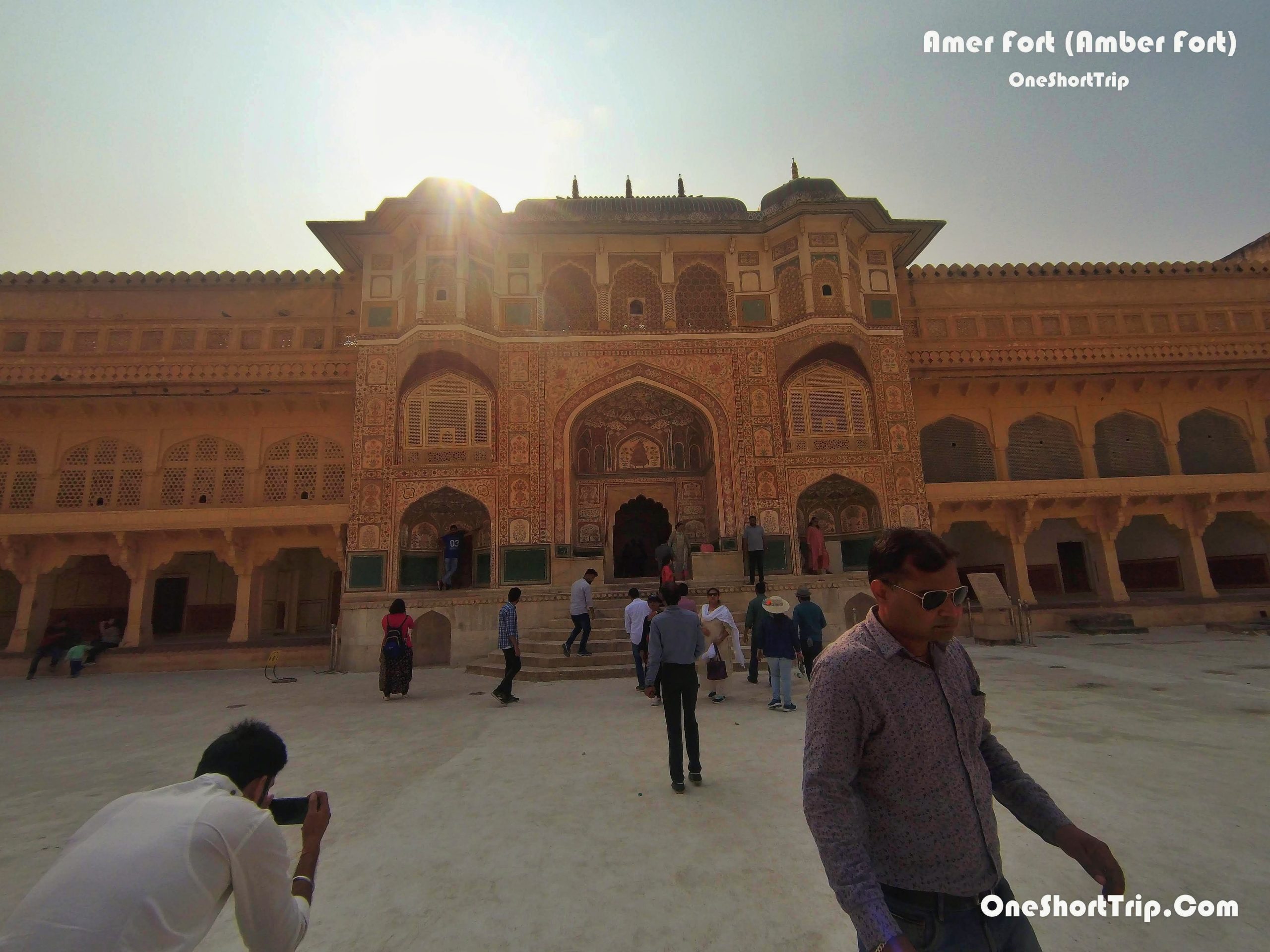
Amer Fort
A 1592 sandstone fortress with 137 years of royal restoration.
Explore →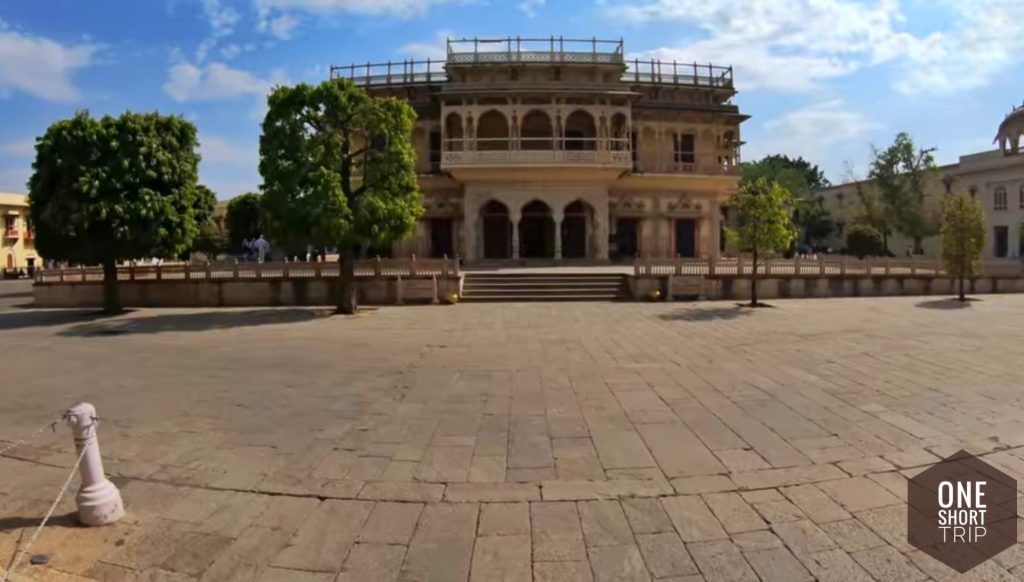 Palace
City Palace Jaipur
A blend of Rajasthani, Mughal and European architecture.
Explore → Palace
Hawa Mahal
The iconic honeycomb "Palace of Winds" facade.
Explore → Observatory
Jantar Mantar
A UNESCO-listed observatory with the world's largest sundial.
Explore → Fort
Fort
Jaigarh Fort
The "Hill of Eagles" built to guard Amer Fort.
Explore → Fort
Fort
Nahargarh Fort
The "Abode of Tigers" with a legendary origin story.
Explore → Water Palace
Jal Mahal
A romantic palace floating at the centre of Man Sagar Lake.
Explore → Stepwell
Panna Meena ka Kund
A 450-year-old stepwell with a tragic Meena-Rajput legend.
Explore →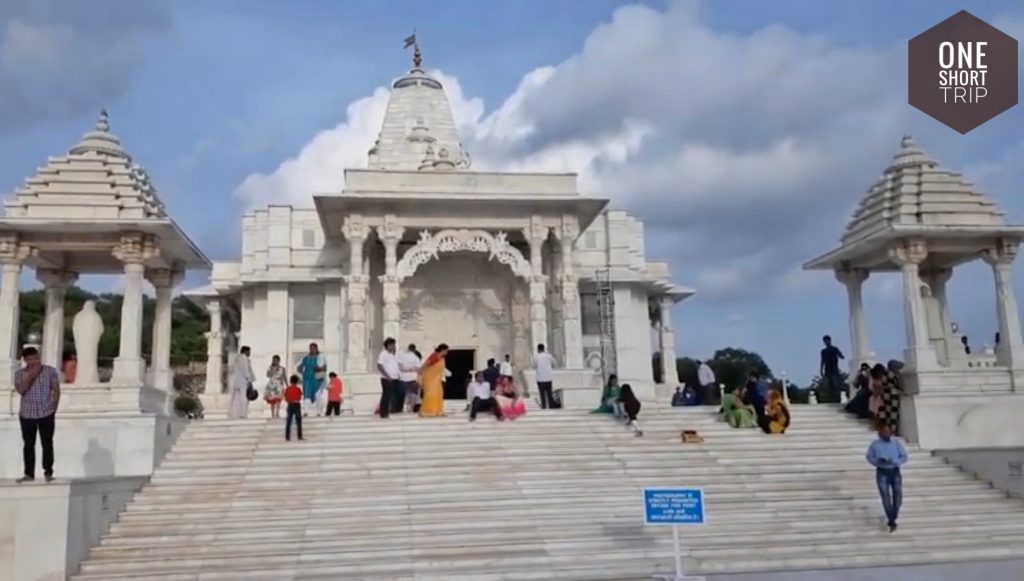 Temple
Birla Mandir
A gleaming white marble temple honouring all faiths.
Explore →About Jaipur
Jaipur, popularly known as the "Pink City", is the capital of Rajasthan and one of India's most celebrated heritage destinations. Founded in 1727 by Maharaja Sawai Jai Singh II, Jaipur was planned as a new royal capital with broad streets, organised markets and carefully designed neighbourhoods. The historic walled city is recognised as a UNESCO World Heritage Site for its distinctive urban planning, architecture and cultural heritage.
Jaipur is famous for its magnificent forts, royal palaces, historic observatories, colourful bazaars, traditional handicrafts and vibrant Rajasthani culture. The city forms an important part of India's Golden Triangle tourist circuit along with Delhi and Agra and is also an excellent starting point for exploring other parts of Rajasthan.
From the grand Amer Fort and City Palace to the delicate façade of Hawa Mahal and the panoramic views from Nahargarh Fort, Jaipur offers travellers a remarkable combination of history, architecture, food, shopping and local experiences.
Why Is Jaipur Called the Pink City?
Jaipur earned its famous nickname, the "Pink City", after the historic city was painted in a distinctive terracotta-pink colour in 1876 to welcome the Prince of Wales. Pink was traditionally associated with hospitality, and the colour became an important part of Jaipur's visual identity.
The pink façades of the old city, historic gateways, traditional markets and grand buildings continue to give Jaipur its instantly recognisable character. Exploring the walled city is therefore an essential part of experiencing Jaipur rather than simply visiting its individual monuments.
Best Places to Visit in Jaipur
Jaipur has an exceptional collection of forts, palaces, temples, museums, gardens and historic landmarks. The following attractions are among the most important places to include in a Jaipur sightseeing itinerary.
1. Amer Fort
Amer Fort, also known as Amber Fort, is one of Jaipur's most spectacular landmarks. Located on a hill overlooking Maota Lake, the fort is known for its grand courtyards, imposing gateways, ornate palaces and intricate decorative work. Its architecture reflects a blend of Rajput and Mughal influences and provides a fascinating insight into the royal history of the region.
2. City Palace
Located in the heart of the historic walled city, City Palace was established by Sawai Jai Singh II and expanded by successive rulers. The complex contains grand courtyards, gateways, royal residences and museums displaying costumes, textiles, weapons, paintings and other objects connected with Jaipur's royal heritage.
3. Hawa Mahal
Hawa Mahal is perhaps Jaipur's most recognisable landmark. Built in 1799 by Maharaja Sawai Pratap Singh, this five-storey structure is famous for its elaborate façade containing numerous small windows and latticed openings. These openings allowed members of the royal household to observe activities on the streets while maintaining privacy. The monument is especially attractive in the soft morning light.
4. Jantar Mantar
Jantar Mantar is an impressive eighteenth-century astronomical observatory built by Sawai Jai Singh II. Its enormous masonry instruments were designed to measure time and observe celestial positions. The observatory is a UNESCO World Heritage Site and is one of the best places in Jaipur for travellers interested in science, astronomy and the intellectual achievements of the city's founder.
5. Nahargarh Fort
Nahargarh Fort stands along the Aravalli Hills overlooking Jaipur and is one of the city's best viewpoints. The fort was originally constructed during the reign of Sawai Jai Singh II and later expanded. Its elevated position makes it particularly popular for panoramic views of Jaipur, especially around sunset.
6. Jaigarh Fort
Jaigarh Fort is a powerful hilltop fort overlooking the Amer region. Built to protect the royal capital and its important structures, the fort is known for its strong defensive architecture, massive walls, gateways and panoramic views. Its location makes it easy to combine with Amer Fort during a full-day sightseeing tour.
7. Jal Mahal
Jal Mahal, or the Water Palace, stands dramatically in the middle of Man Sagar Lake. The palace appears to float on the water and creates one of Jaipur's most photographed scenes, particularly when viewed against the surrounding Aravalli Hills. It is generally a short sightseeing and photography stop.
8. Albert Hall Museum
Albert Hall Museum, located in Ram Niwas Garden, is one of Jaipur's most important museums. The historic building itself is an architectural attraction, while its collections include sculptures, paintings, textiles, weapons, metalwork, decorative objects and traditional crafts. It is a worthwhile addition for travellers who want to explore Rajasthan's artistic and cultural heritage.
9. Gaitore Ki Chhatriyan
Gaitore is a historic memorial complex associated with Jaipur's former rulers. Its beautifully carved marble and sandstone chhatris feature domes, pillars and intricate architectural details. Compared with Jaipur's busiest monuments, Gaitore is generally quieter and is particularly appealing to travellers interested in architecture and photography.
10. Govind Dev Ji Temple
Govind Dev Ji Temple is one of Jaipur's most important Krishna temples and has a close historical association with the city's royal family. The temple is known for its devotional atmosphere and regular worship rituals and provides visitors with an opportunity to experience the spiritual side of Jaipur.
11. Moti Dungri Ganesh Temple
Moti Dungri Ganesh Temple is a popular religious landmark in Jaipur dedicated to Lord Ganesha. The temple is visited by devotees throughout the day and can be included in a city sightseeing itinerary along with nearby attractions.
12. Sisodia Rani Garden
Sisodia Rani Garden is a historic royal garden located outside the main city. Its landscaped terraces, fountains, pavilions and decorative paintings provide a quieter experience compared with Jaipur's major forts and palaces.
13. Anokhi Museum of Hand Printing
Located near Amer, the Anokhi Museum of Hand Printing showcases Rajasthan's traditional block-printing heritage. Visitors can learn about the tools, techniques and craftsmanship behind hand-printed textiles and gain a deeper appreciation for one of the region's enduring artistic traditions.
Things to Do in Jaipur
A Jaipur trip is about more than visiting forts and palaces. The city offers a combination of heritage, food, shopping, architecture and cultural experiences that can make a sightseeing holiday much more memorable.
Explore the historic walled city: Walk through the old city's gateways, streets, markets and historic neighbourhoods to experience Jaipur's distinctive character.
Watch the sunset from Nahargarh: The elevated position of Nahargarh Fort provides impressive views over Jaipur and the surrounding landscape.
Explore traditional crafts: Jaipur is known for jewellery, textiles, block printing, blue pottery and other traditional handicrafts.
Try Rajasthani cuisine: Sample traditional dishes such as dal baati churma, gatte ki sabzi, ker sangri, pyaaz kachori and ghewar.
Visit Jaipur's temples: Govind Dev Ji and Moti Dungri Ganesh Temple offer a glimpse into the city's living religious traditions.
Best Time to Visit Jaipur
The best time to visit Jaipur is generally from October to March, when temperatures are more comfortable for sightseeing and outdoor activities.
October to November
The weather gradually becomes more comfortable after the summer months, making this a good period for exploring forts, palaces and markets.
December to January
Winter provides pleasant daytime sightseeing conditions, although mornings and evenings can be cold. Carry warm clothing if you are visiting during this period.
February to March
These months are generally comfortable for sightseeing before the intense summer heat begins.
April to June
Summer can be extremely hot, particularly during the afternoon. If travelling during these months, plan outdoor sightseeing during the cooler morning and evening hours.
July to September
The monsoon season can bring some relief from the summer heat, although rainfall and weather conditions can vary.
How Many Days Are Enough for Jaipur?
1 Day in Jaipur: The major highlights can be covered in one day, but the itinerary will be busy. Amer Fort, City Palace, Jantar Mantar, Hawa Mahal and Jal Mahal can form the core sightseeing circuit.
2 Days in Jaipur: Two days are ideal for a first-time visit. You can explore the major forts, palaces, historic landmarks and markets without rushing through every attraction.
3 Days in Jaipur: Three days allow for a more relaxed experience with additional forts, museums, temples, shopping and local experiences.
Suggested 2-Day Jaipur Itinerary
Day 1 – Forts, Palaces and the Old City
Begin the morning with Amer Fort and continue towards Jaigarh Fort. Stop at Jal Mahal for photographs before exploring City Palace and Jantar Mantar. End the day around Hawa Mahal and the historic markets of the old city.
Day 2 – Culture, Heritage and City Views
Visit Albert Hall Museum, Moti Dungri Ganesh Temple and Birla Mandir in the morning. Depending on your interests, add Gaitore or Sisodia Rani Garden before spending time shopping in Jaipur's traditional markets. Finish the day with sunset views from Nahargarh Fort.
Suggested 3-Day Jaipur Itinerary
Day 1 – Amer and the Hill Forts
Amer Fort → Jaigarh Fort → Jal Mahal → Nahargarh Fort.
Day 2 – Royal Jaipur
City Palace → Jantar Mantar → Hawa Mahal → Old City markets and shopping.
Day 3 – Culture and Local Experiences
Albert Hall Museum → Moti Dungri Ganesh Temple → Birla Mandir → Gaitore → Sisodia Rani Garden → shopping and local food experiences.
How to Reach Jaipur
By Air
Jaipur International Airport is the city's main airport and provides air connectivity with several major Indian cities. Flying is the most convenient option for travellers coming from distant parts of India, including Bangalore.
By Train
Jaipur Junction is an important railway station with connections to major cities across India. Train travel can be a convenient option for travellers arriving from Delhi, Mumbai and other major cities.
By Road
Jaipur is well connected by road with Delhi, Agra and other destinations across Rajasthan. Road travel is particularly useful when Jaipur is included as part of a longer Rajasthan road trip.
Jaipur from Bangalore
For travellers starting from Bangalore, Jaipur can be planned as a dedicated city break or as the first destination in a longer Rajasthan holiday. For a short trip, flying to Jaipur and using a private vehicle for local sightseeing is generally the most practical approach.
A longer Rajasthan journey from Bangalore can combine Jaipur with destinations such as Ajmer, Pushkar, Jodhpur, Udaipur and Jaisalmer. The ideal route depends on the number of days available and whether the priority is forts and heritage, culture, desert experiences or a combination of all three.
Places to Visit Near Jaipur
Jaipur also works as a base for exploring several destinations in and around Rajasthan. Depending on the length of your trip, these places can be added to a Jaipur itinerary.
Amer
Located close to Jaipur, Amer is home to the magnificent Amer Fort and can easily be included in a Jaipur sightseeing day.
Ajmer
Ajmer is an important pilgrimage and heritage destination and can be combined with Pushkar for a day trip or overnight journey.
Pushkar
Pushkar is known for its sacred lake, temples, ghats and distinctive spiritual atmosphere. It is one of the most popular additions to a Jaipur and Rajasthan itinerary.
Samode
Samode is known for its historic palace, traditional architecture and rural surroundings and offers a quieter experience away from the busy city.
Jaipur Food Guide
Food is an important part of experiencing Jaipur. The city offers traditional Rajasthani dishes alongside popular North Indian snacks and sweets.
Dal Baati Churma: One of Rajasthan's most famous traditional meals, combining baked baati with dal and sweet churma.
Gatte Ki Sabzi: Gram-flour dumplings cooked in a traditional spiced gravy.
Ker Sangri: A traditional Rajasthani preparation made using desert beans and berries.
Pyaaz Kachori: A popular spicy snack and one of the foods many visitors associate with Jaipur.
Mirchi Bada: A spicy snack commonly found across Rajasthan.
Ghewar: A traditional Rajasthani sweet that is especially popular during festive occasions.
Shopping in Jaipur
Shopping is one of the most enjoyable things to do in Jaipur. The city's traditional markets are particularly famous for jewellery, textiles, handicrafts and colourful Rajasthani products.
Johari Bazaar
Known particularly for jewellery, gemstones and traditional ornaments.
Bapu Bazaar
A popular market for textiles, souvenirs, traditional clothing and other colourful local products.
Tripolia Bazaar
Known for traditional crafts, bangles, textiles and local shopping.
Chandpole Bazaar
A historic market area offering handicrafts, traditional products and local shopping experiences.
Is Jaipur Good for Families?
Yes. Jaipur is an excellent destination for family holidays because it combines history, architecture, shopping, food and cultural experiences. Families can explore the major attractions at a comfortable pace, although some forts and historic monuments involve stairs, uneven surfaces and considerable walking. A well-planned itinerary with adequate breaks is particularly important when travelling with young children or elderly family members.
Is Jaipur Suitable for Senior Citizens?
Jaipur can be a comfortable destination for senior citizens when sightseeing is planned at a relaxed pace. Instead of trying to visit every attraction in one day, it is better to focus on the major highlights and allow sufficient time for rest.
Starting early, using a private vehicle, avoiding the hottest part of the afternoon and choosing attractions according to mobility levels can make a Jaipur holiday much more comfortable for senior travellers.
Jaipur Travel Tips
Start outdoor sightseeing early, particularly during warmer months.
Carry sufficient drinking water and protect yourself from the sun.
Wear comfortable footwear because several historic attractions involve walking and uneven surfaces.
Keep some extra time for traffic around the historic city and popular tourist areas.
Do not try to cover every attraction in a single day.
Check the latest timings, entry arrangements and local conditions before visiting individual attractions.
What to Wear in Jaipur
Comfortable clothing and footwear are best for Jaipur sightseeing. During summer, lightweight cotton clothing, sunglasses and a hat or cap can make outdoor exploration more comfortable. During winter, carry a light jacket or warm layer for cool mornings and evenings.
When visiting temples and religious places, modest clothing is advisable. Comfortable footwear is particularly important because forts, palaces and old-city areas can involve considerable walking.
Frequently Asked Questions About Jaipur
What is Jaipur famous for?
Jaipur is famous for its royal forts and palaces, Hawa Mahal, historic observatories, colourful bazaars, jewellery, traditional handicrafts and Rajasthani culture.
How many days are enough for Jaipur?
Two days are enough to cover Jaipur's major attractions, while three days provide a more relaxed experience with additional sightseeing, shopping and cultural activities.
What are the best places to visit in Jaipur?
Amer Fort, City Palace, Hawa Mahal, Jantar Mantar, Nahargarh Fort, Jaigarh Fort, Jal Mahal and Albert Hall Museum are among Jaipur's most important attractions.
What is the best time to visit Jaipur?
October to March is generally the most comfortable period for Jaipur sightseeing because daytime temperatures are more suitable for exploring outdoor attractions.
Is Jaipur good for a family trip?
Yes. Jaipur is well suited for families because it combines historical attractions, cultural experiences, food and shopping. A relaxed itinerary is recommended for families travelling with young children or senior citizens.
Can Jaipur be covered in one day?
The major highlights can be visited in one day, but the schedule will be busy. Two days are recommended for a more comfortable Jaipur sightseeing experience.
What food is Jaipur famous for?
Jaipur is known for dal baati churma, gatte ki sabzi, ker sangri, pyaaz kachori, mirchi bada and ghewar.
What should I buy in Jaipur?
Popular purchases include jewellery, gemstones, block-printed textiles, blue pottery, mojari footwear, handicrafts and traditional Rajasthani products.
Frequently asked questions about Jaipur
What is Jaipur famous for?
Jaipur is famous for its historic forts, royal palaces, Hawa Mahal, Jantar Mantar, colourful bazaars, traditional handicrafts, jewellery and Rajasthani culture. Its historic walled city is also recognised as a UNESCO World Heritage Site.
Why is Jaipur called the Pink City?
Jaipur became known as the Pink City after the buildings of its historic walled city were painted terracotta pink in 1876 to welcome the Prince of Wales. The distinctive colour remains an important part of Jaipur's identity.
How many days are enough for Jaipur?
Two days are ideal for covering Jaipur's major forts, palaces and historic landmarks. Three days allow a more relaxed trip with additional museums, temples, shopping and local experiences.
Can Jaipur be covered in one day?
Yes, the major highlights can be visited in one day, but the itinerary will be busy. Amer Fort, City Palace, Jantar Mantar, Hawa Mahal and Jal Mahal can be included in a one-day Jaipur sightseeing plan.
What are the best places to visit in Jaipur?
Amer Fort, City Palace, Hawa Mahal, Jantar Mantar, Nahargarh Fort, Jaigarh Fort, Jal Mahal and Albert Hall Museum are among the most popular places to visit in Jaipur.
What is the best time to visit Jaipur?
October to March is generally the best time to visit Jaipur because the weather is more comfortable for sightseeing. Summer months can be very hot, especially during the afternoon.
Is Jaipur part of the Golden Triangle?
Yes. Jaipur is one of the three destinations in India's popular Golden Triangle tourist circuit, along with Delhi and Agra.
Is Jaipur good for a family trip?
Yes. Jaipur is an excellent family destination because it combines forts, palaces, museums, markets, food and cultural experiences. A relaxed itinerary is recommended when travelling with children or elderly family members.
Is Jaipur suitable for senior citizens?
Yes. Jaipur can be comfortable for senior citizens when sightseeing is planned at a relaxed pace. Starting early, using a private vehicle and allowing sufficient rest between attractions can make the trip more enjoyable.
What is the best way to travel around Jaipur?
A private car or cab is convenient for sightseeing because Jaipur's major attractions are spread across different parts of the city. It also makes it easier to combine Amer, Jaigarh, Jal Mahal and the city attractions in one itinerary.
How can I reach Jaipur from Bangalore?
Flying is generally the most practical option for a short Jaipur trip from Bangalore. Jaipur can then be explored using a private vehicle, taxi or local transport depending on your itinerary.
Is Jaipur good for a 2-day trip?
Yes. Two days are enough to experience Jaipur's major highlights, including Amer Fort, City Palace, Hawa Mahal, Jantar Mantar, Jal Mahal and Nahargarh Fort, with careful planning.
What should I eat in Jaipur?
Popular foods to try in Jaipur include dal baati churma, gatte ki sabzi, ker sangri, pyaaz kachori, mirchi bada and ghewar. Jaipur is a good destination for travellers interested in traditional Rajasthani cuisine.
What is Jaipur famous for shopping?
Jaipur is well known for jewellery, gemstones, block-printed textiles, blue pottery, mojari footwear, handicrafts and traditional Rajasthani products. Johari Bazaar and Bapu Bazaar are among the popular shopping areas.
Which fort is most famous in Jaipur?
Amer Fort is the most famous fort in Jaipur and one of Rajasthan's major heritage attractions. Jaigarh Fort and Nahargarh Fort are also important and can be included in a Jaipur sightseeing itinerary.
Is Hawa Mahal worth visiting?
Yes. Hawa Mahal is one of Jaipur's most distinctive landmarks and is famous for its elaborate façade and numerous latticed windows. It is also conveniently located near City Palace and Jantar Mantar.
Is Jaipur expensive to visit?
Jaipur can suit different travel budgets. Travellers can choose from budget stays and local restaurants to premium hotels, private sightseeing and luxury experiences.
What should I wear in Jaipur?
Comfortable, breathable clothing and walking shoes are best for sightseeing. Carry sun protection during warmer months and a light jacket during winter mornings and evenings. Modest clothing is advisable when visiting temples.
How far is Amer Fort from Jaipur?
Amer Fort is located around 11 km from central Jaipur and can be easily included in a Jaipur sightseeing itinerary along with Jaigarh Fort and Jal Mahal.
What are the best places to visit near Jaipur?
Amer, Ajmer, Pushkar and Samode are popular places to visit near Jaipur. Jaipur can also be used as the starting point for longer Rajasthan trips covering destinations such as Jodhpur, Udaipur and Jaisalmer.
Planning A Trip Here?
Get help planning your visit — call or WhatsApp us and we will help you book a tour.