

Jaisalmer
The Golden City — a living sandstone fort rising from the Thar Desert, ringed by dunes and camel-safari camps.
Things To Do
Things To See In Jaisalmer


Jaisalmer Travel Guide – Complete Information About the Golden City of Rajasthan
Jaisalmer is one of the most distinctive destinations in Rajasthan, where a historic fortified city rises directly from the Thar Desert and golden sandstone buildings glow in the desert sunlight. Known as the Golden City of Rajasthan, Jaisalmer is famous for its magnificent Jaisalmer Fort, intricately carved havelis, ancient Jain temples, Gadisar Lake, royal cenotaphs, desert villages, camel safaris and the vast sand dunes of the Thar Desert.
What makes Jaisalmer different from other Rajasthan destinations is the way history and everyday life continue to exist together. The Jaisalmer Fort, also called Sonar Qila, is not simply a preserved monument. It remains a living fort with homes, shops, temples, guesthouses and historic havelis inside its walls. Rajasthan Tourism identifies this living character as one of the city's defining features.
Beyond the fort, the landscape changes dramatically into the open Thar Desert. A trip to Jaisalmer can therefore combine heritage sightseeing in the morning, lakes and havelis during the afternoon, and a sunset over the sand dunes followed by traditional music, dance and a desert camp at night.
Why Is Jaisalmer Famous?
Jaisalmer is famous primarily for its golden-yellow sandstone architecture and its location in the heart of the Thar Desert. The city's most iconic landmark is Jaisalmer Fort, which rises above the city and appears golden when illuminated by the sun.
The city is also known for its elaborately carved havelis, historic Jain temples, royal cenotaphs, desert safaris and traditional Rajasthani culture. The surrounding desert provides opportunities for camel rides, jeep safaris, dune bashing, quad biking, parasailing in designated areas and overnight desert camping.
Jaisalmer is particularly attractive to travellers who want to experience the combination of Rajasthan history, architecture, desert landscapes and folk culture in one destination.
The Golden City of Rajasthan
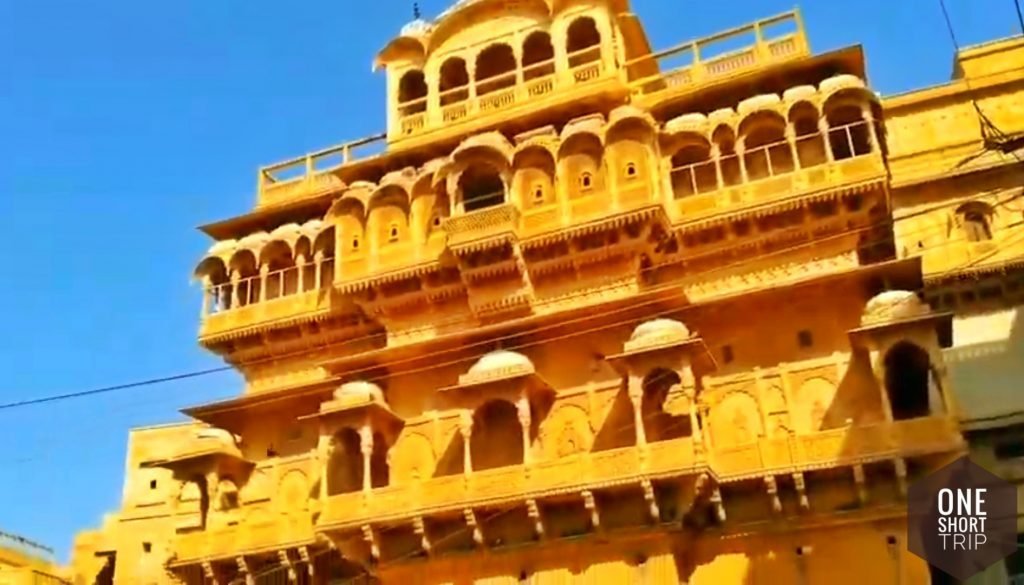
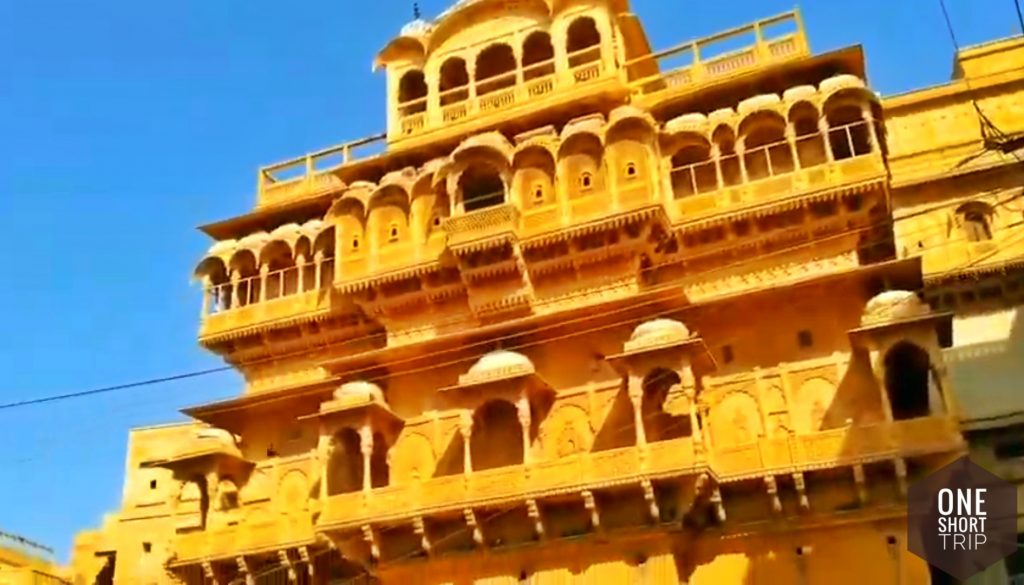
Jaisalmer earned the name Golden City because much of its historic architecture is built from locally available yellow sandstone. Under the strong desert sunlight, the sandstone buildings take on a warm golden appearance, especially around sunrise and sunset.
The effect is particularly striking around Jaisalmer Fort, the old city and the traditional havelis. Walking through the narrow lanes of the old city reveals carved balconies, jharokhas, stone screens, ornate doorways and buildings decorated with remarkably detailed sandstone work.
History of Jaisalmer
Jaisalmer traces its history to the 12th century. According to Rajasthan Tourism, Rawal Jaisal founded the city in 1156 after choosing the Trikuta Hill as the location for his new capital. The city was named after him.
The location was strategically important because Jaisalmer stood along historic trade routes crossing the desert. Merchants, caravans and traders passed through the region, contributing to the prosperity of the city and helping its merchant families build elaborate havelis.
Over the centuries, Jaisalmer developed into an important fortified desert kingdom. Its architecture reflects the region's ability to adapt to a harsh environment while maintaining an elaborate artistic tradition.
The fort, palaces, temples, havelis, wells and water bodies collectively tell the story of how people lived in the desert and how trade, royalty, religion and craftsmanship shaped Jaisalmer.
Jaisalmer Fort – Sonar Qila
Jaisalmer Fort is the heart of the city and its most important attraction. Also known as Sonar Qila or the Golden Fort, it stands on Trikuta Hill and dominates the surrounding desert landscape.
Unlike many historic forts that exist primarily as archaeological monuments, Jaisalmer Fort continues to function as a living urban settlement. Residents, businesses, shops, hotels, temples and historic houses continue to operate within the fort.
The fort's yellow sandstone walls change appearance according to the light. During the daytime they appear golden-yellow, while the warm light around sunset can give the fort an even deeper golden colour.
What Can You See Inside Jaisalmer Fort?
- Historic gateways and fortified walls
- Royal palace areas
- Jain temples
- Decorated havelis and residences
- Traditional shops
- Old streets and courtyards
- Local handicrafts
- Panoramic views over Jaisalmer
- Traditional sandstone architecture
The fort is particularly rewarding for travellers who enjoy architecture and photography because almost every lane contains carved details, balconies, windows or old sandstone facades.
Jain Temples Inside Jaisalmer Fort
The Jain temples inside Jaisalmer Fort are among the city's most important religious and architectural attractions. Rajasthan Tourism notes that the temples date from different periods between the 12th and 15th centuries.
The temples are dedicated to Jain Tirthankaras and are richly carved from yellow sandstone. Their interiors contain detailed pillars, sculptures, decorative motifs and intricate stonework.
Visitors should remember that these are active religious spaces and should maintain appropriate behaviour, dress modestly and follow photography restrictions wherever applicable.
Patwon Ki Haveli
Patwon Ki Haveli is one of the most famous architectural attractions in Jaisalmer. It is a large collection of elaborately decorated havelis located in a narrow lane within the historic city.
The complex is particularly impressive for its detailed yellow sandstone carvings, balconies, windows, arches and decorative elements. Rajasthan Tourism describes it as one of the largest and most elaborately carved havelis in Jaisalmer.
Inside, visitors can see surviving paintings, mirror work and other decorative details that provide an insight into the lifestyle and artistic preferences of wealthy merchant families.
Nathmal Ji Ki Haveli
Nathmal Ji Ki Haveli is another major architectural landmark in Jaisalmer. It is known for its detailed sandstone carvings and distinctive design.
According to Rajasthan Tourism, two architect brothers worked on the building from different sides, creating a fascinating combination of symmetry and individual craftsmanship.
The haveli features miniature-style paintings, carved elephants and intricate decorative work. It is an excellent stop for visitors interested in traditional Rajasthani architecture.
Salim Singh Ki Haveli
Salim Singh Ki Haveli is recognised by its distinctive upper structure and ornate balconies. The haveli was built in the first half of the 18th century.
Its architecture includes beautifully carved brackets and peacock-shaped decorative elements. The building is one of the most recognisable havelis in Jaisalmer and is an important part of the city's architectural heritage.
Mandir Palace and Badal Mahal
Mandir Palace is a historic palace complex known for its five-storeyed structure and the distinctive Tazia Tower, also called Badal Mahal or Cloud Palace.
The tower demonstrates the influence of different artistic traditions in Jaisalmer. Its balconies and decorative details make it an interesting addition to a heritage-focused sightseeing itinerary.
Gadisar Lake
Gadisar Lake is one of Jaisalmer's most important historic water bodies. In a desert city where water has always been precious, the lake represents the importance of water conservation and traditional urban planning.
The lake is surrounded by temples, shrines, gateways, pavilions and historic structures. Its setting becomes particularly attractive during the early morning and evening.
Gadisar Lake is also a popular photography location. Depending on the season and local operating arrangements, boating and other visitor experiences may be available.
Bada Bagh
Bada Bagh, located a short distance north of Jaisalmer, is a historic complex of royal cenotaphs or chhatris.
The sandstone cenotaphs stand against the desert landscape and create one of the most atmospheric heritage settings around Jaisalmer. The location is particularly popular around sunset when the warm light illuminates the sandstone structures.
Bada Bagh is an excellent choice for travellers who want a quieter heritage experience away from the crowded streets of the main city.
Kuldhara Village
Kuldhara is an abandoned historic village located near Jaisalmer and is one of the region's most intriguing places to visit.
The village is associated with several local legends explaining why its inhabitants left. Because many details belong to oral tradition and folklore, visitors should distinguish between documented history and stories that have developed around the abandoned settlement.
The remains of houses, streets and traditional structures provide a fascinating glimpse into desert settlement patterns.
Amar Sagar Lake
Amar Sagar Lake lies on the western outskirts of Jaisalmer near the Amar Singh Palace complex. Rajasthan Tourism describes it as a lake-and-oasis setting with historic structures, ponds, wells, temples and carved stone details.
The area offers a quieter alternative to the city's main attractions and can be included in a sightseeing circuit covering other western Jaisalmer attractions.
Jaisalmer Government Museum
The Jaisalmer Government Museum provides an opportunity to explore the region's cultural and historical heritage.
The museum contains traditional household objects, jewellery, sculptures and other artefacts. Rajasthan Tourism highlights its collection relating to the cultural history of Jaisalmer and the surrounding region.
Desert National Park
Desert National Park is one of the most important natural attractions around Jaisalmer and showcases the ecosystem of the Thar Desert.
The landscape includes sand dunes, rocky areas, salt lake beds and other desert habitats. Wildlife found in the region includes blackbuck, chinkara and desert foxes.
The park is also important for the endangered Great Indian Bustard. Winter can bring migratory birds and raptors to the region, making the park particularly interesting for birdwatchers and wildlife enthusiasts.
Akal Wood Fossil Park
Akal Wood Fossil Park offers a completely different experience from Jaisalmer's forts and desert camps. The site contains fossilised wood and geological evidence associated with ancient environmental conditions.
Rajasthan Tourism notes that the site provides an opportunity to understand geological events that occurred in the region around 180 million years ago.
For travellers interested in geology, palaeontology and the natural history of the Thar Desert, Akal is a fascinating addition to a Jaisalmer itinerary.
The Thar Desert
The Thar Desert is the landscape that defines the Jaisalmer experience. Vast stretches of sand, sparse vegetation, desert villages and changing colours of the dunes create an environment very different from the rest of Rajasthan.
A Jaisalmer trip is incomplete for many first-time visitors without spending at least one evening in the desert. The experience usually combines a sunset over the dunes with camel rides, cultural performances, traditional food and an overnight stay at a desert camp.
Sam Sand Dunes
Sam Sand Dunes are among the most popular desert areas near Jaisalmer. The dunes are widely used for camel safaris, desert camps and cultural experiences.
The most popular time to visit is usually late afternoon. Travellers can reach the dunes before sunset, experience the changing colours of the desert, enjoy a camel ride and then continue to a desert camp for dinner and cultural performances.
Khuri Sand Dunes
Khuri offers another desert experience and can be considered by travellers who want an alternative to the more heavily visited Sam area.
The surrounding village and dunes provide opportunities to experience desert landscapes, camel rides and traditional rural life. Khuri can be particularly appealing to travellers looking for a quieter desert atmosphere.
Desert Camping in Jaisalmer
Desert camping is one of the signature experiences of Jaisalmer. Camps range from simple traditional tented accommodation to luxury desert resorts with private bathrooms, comfortable beds and organised cultural programmes.
A typical desert camp experience may include:
- Sunset at the sand dunes
- Camel safari
- Traditional Rajasthani folk music
- Kalbelia and other folk dances
- Rajasthani dinner
- Bonfire or evening entertainment, where permitted
- Stargazing
- Overnight stay in a desert tent
Rajasthan Tourism recommends the cooler period between October and March for desert camping.
Camel Safari in Jaisalmer
A camel safari is one of the most traditional ways to experience the Thar Desert. Safaris are available around Sam and Khuri through local camel owners and desert camp operators.
Short rides are generally sufficient for travellers who simply want the experience and photographs. Longer desert excursions can be considered by travellers specifically interested in experiencing rural desert life.
For children, senior citizens and travellers uncomfortable with camel riding, a jeep-based desert experience can be a more practical alternative.
Jeep Safari and Dune Bashing
Jaisalmer also offers jeep safari and dune-bashing experiences in designated desert areas. These provide a more adventurous way to experience the dunes.
Travellers should choose established operators and confirm what is included before booking. Desert activities should always be conducted according to local safety and environmental regulations.
Other Adventure Activities
Depending on the season and operating conditions, Jaisalmer also offers activities such as:
- Quad biking
- Parasailing in designated areas
- Jeep safari
- Camel safari
- Desert camping
- Village excursions
- Photography tours
- Stargazing
Jaisalmer Desert Festival
The Jaisalmer Desert Festival is one of the city's major cultural events. Rajasthan Tourism describes it as a celebration of Rajasthani folk culture, featuring traditional music and dance, puppetry, camel-related events, competitions and other cultural activities.
The festival is generally organised around January or February, although exact dates can change from year to year. Travellers planning specifically around the festival should check the current official schedule before booking accommodation and transport.
Jaisalmer's Culture and Traditions
Jaisalmer's culture is deeply connected with the desert environment and centuries of trade. Folk music, traditional instruments, colourful textiles, handicrafts, jewellery and storytelling remain important parts of the region's identity.
Desert camps often provide visitors with an introduction to traditional Rajasthani music and dance. However, travellers should remember that these performances are cultural experiences presented for visitors and should not be treated as a complete representation of every aspect of local life.
Folk Music of Jaisalmer
Traditional desert music is one of the most memorable experiences of Jaisalmer. Folk musicians perform songs that reflect the region's history, legends, devotion, romance and everyday life.
The musical traditions of the desert are particularly atmospheric at night, when performances take place under the open sky or around a camp setting.
Food to Try in Jaisalmer
Jaisalmer offers a variety of Rajasthani dishes as well as North Indian and other cuisines. Travellers should try local specialities during their stay.
Popular Rajasthani Foods
- Dal Baati Churma
- Gatte Ki Sabzi
- Ker Sangri
- Bajra Roti
- Gatta Pulao
- Rajasthani Kadhi
- Laal Maas
- Mirchi Vada
- Pyaz Kachori
- Traditional Rajasthani sweets
Many desert camps also serve a traditional Rajasthani dinner as part of the overnight camping experience.
Shopping in Jaisalmer
Jaisalmer is a good destination for travellers interested in handicrafts and traditional Rajasthani products.
Popular shopping choices include:
- Rajasthani textiles
- Mirror-work products
- Leather goods
- Traditional jewellery
- Decorative handicrafts
- Wooden crafts
- Miniature paintings
- Traditional puppets
- Souvenirs made from sandstone
- Colourful bags and accessories
Markets around the fort and old city are particularly interesting because shopping can be combined with heritage walks.
Best Experiences in Jaisalmer
- Explore Jaisalmer Fort
- Visit the Jain temples inside the fort
- Walk through the old city's narrow lanes
- Visit Patwon Ki Haveli
- See Nathmal Ji Ki Haveli
- Visit Salim Singh Ki Haveli
- Spend time at Gadisar Lake
- Watch sunset at Bada Bagh
- Visit Kuldhara
- Experience the Thar Desert
- Take a camel safari
- Try dune bashing or a jeep safari
- Stay overnight at a desert camp
- Watch Rajasthani folk performances
- Explore Desert National Park
- Visit Akal Wood Fossil Park
- Shop for traditional handicrafts
- Try authentic Rajasthani cuisine
Jaisalmer for History Lovers
Jaisalmer is one of the strongest destinations in Rajasthan for travellers interested in history. The fort, Jain temples, havelis, palaces, cenotaphs and abandoned settlements collectively tell the story of a desert kingdom shaped by trade, warfare, religion and craftsmanship.
A history-focused itinerary should prioritise Jaisalmer Fort, the Jain temples, Patwon Ki Haveli, Nathmal Ji Ki Haveli, Salim Singh Ki Haveli, Bada Bagh and Kuldhara.
Jaisalmer for Couples
Jaisalmer can be an excellent destination for couples. Sunset over the dunes, a private or small-group desert camp, traditional music under the stars, heritage hotels and evening walks through the old city create a very different experience from typical urban holidays.
Couples who want a relaxed trip should ideally spend at least two nights in Jaisalmer, with one night in the city and one night at a desert camp.
Jaisalmer for Families
Jaisalmer can work well for families, particularly during the cooler months. Children can enjoy the fort, havelis, desert landscape, camel rides and cultural performances.
Families should avoid packing too many outdoor activities into the afternoon because desert temperatures can become uncomfortable. Early morning and late afternoon are generally better for outdoor sightseeing.
Jaisalmer for Senior Citizens
Senior citizens can enjoy Jaisalmer, but the itinerary should be planned carefully. The fort contains uneven lanes, slopes and steps, while desert activities can involve long periods outdoors.
A private vehicle, centrally located accommodation, frequent breaks and a shorter camel ride or jeep safari can make the experience much more comfortable.
Best Time to Visit Jaisalmer
The most comfortable period for a Jaisalmer trip is generally October to March. The weather is more suitable for exploring the fort, walking through the old city and spending time in the desert.
October to November
The weather begins becoming more comfortable after the hot summer. This can be a good period for sightseeing and desert activities.
December to January
Winter provides pleasant daytime conditions but desert nights can become quite cold. Warm clothing is important for overnight desert camping.
February to March
This is another good period for exploring Jaisalmer. The Desert Festival may also fall during this broader period depending on the year's official schedule.
April to June
Summer can be extremely hot. Outdoor sightseeing in the middle of the day can be uncomfortable, and desert activities require additional care.
July to September
Monsoon is generally less popular for Jaisalmer than winter because the destination is primarily known for its desert experience. Weather conditions can also affect outdoor activities.
How Many Days Are Enough for Jaisalmer?
Two days and two nights is a good minimum for a first-time Jaisalmer trip.
A comfortable three-day itinerary allows visitors to experience the fort and havelis, explore Gadisar Lake and other city attractions, and spend a full evening and night in the Thar Desert.
Travellers interested in Desert National Park, Kuldhara, Bada Bagh, Akal Wood Fossil Park or additional excursions may prefer three to four days.
Suggested 1-Day Jaisalmer Itinerary
- Morning – Jaisalmer Fort
- Late morning – Jain Temples inside the fort
- Afternoon – Patwon Ki Haveli
- Afternoon – Nathmal Ji Ki Haveli and Salim Singh Ki Haveli
- Evening – Gadisar Lake
- Night – Old city dinner and local market
This is a fast-paced itinerary and does not allow enough time for a proper desert experience.
Suggested 2-Day Jaisalmer Itinerary
Day 1 – Jaisalmer Heritage
Start with Jaisalmer Fort and its Jain temples. Explore the old city and visit Patwon Ki Haveli, Nathmal Ji Ki Haveli and Salim Singh Ki Haveli. End the day around Gadisar Lake or another suitable sunset location.
Day 2 – Thar Desert Experience
Visit Bada Bagh and Kuldhara or another nearby attraction before travelling towards Sam or Khuri. Enjoy a camel safari or jeep safari around sunset, followed by a traditional cultural programme and overnight desert camping.
Suggested 3-Day Jaisalmer Itinerary
Day 1 – Fort and Old City
Explore Jaisalmer Fort, Jain temples, palace areas and the old city. Visit the major havelis and spend the evening around Gadisar Lake.
Day 2 – Desert Experience
Visit Bada Bagh and Kuldhara before continuing towards the desert. Enjoy the dunes, sunset, camel safari and cultural programme before staying overnight at a desert camp.
Day 3 – Jaisalmer's Wider Attractions
Depending on interest and departure time, visit Desert National Park, Amar Sagar, Akal Wood Fossil Park or another nearby attraction before returning to the city or continuing to the next Rajasthan destination.
How to Reach Jaisalmer
By Air
Jaisalmer has a civil airport with air connectivity to selected Indian cities. Flight schedules can change seasonally, so travellers should check current availability for their travel dates.
By Train
Jaisalmer is connected by rail with major cities, including direct services on selected routes to Delhi and connections to other parts of Rajasthan and India.
By Road
Jaisalmer is connected by road with Jodhpur, Bikaner, Jaipur and other Rajasthan destinations. Buses, taxis and private vehicles are commonly used.
Road travel can be particularly convenient for travellers combining Jaisalmer with Jodhpur, Osian, Bikaner or other Rajasthan destinations.
Getting Around Jaisalmer
The old city and fort are best explored on foot because many lanes are narrow. Auto-rickshaws, taxis and private cars are useful for travelling between the fort, havelis, lakes, desert areas and attractions outside the city.
A private vehicle becomes particularly useful when combining Jaisalmer sightseeing with Bada Bagh, Kuldhara, Amar Sagar, desert camps or other attractions outside the main city.
Where to Stay in Jaisalmer
Jaisalmer offers several types of accommodation.
Inside or Near Jaisalmer Fort
Staying around the fort provides a heritage atmosphere and easy access to the old city. However, the historic lanes can be narrow and may not always be ideal for travellers with mobility difficulties or large luggage.
Jaisalmer City
Hotels outside the fort provide easier vehicle access and can be convenient for families and travellers using private transport.
Desert Camps
For the complete desert experience, spend one night at a desert camp around Sam or another established desert area. Options range from basic traditional tents to luxury camps.
How Much Time Do You Need at Jaisalmer Fort?
Allow at least 2 to 3 hours for a meaningful visit to Jaisalmer Fort, particularly if you want to explore its lanes, temples, viewpoints, shops and historic structures rather than simply seeing the exterior.
Architecture enthusiasts and photographers may easily spend longer inside the fort.
How Much Time Do You Need for the Desert?
A minimum of one evening is recommended. Ideally, spend one full evening and night in the desert so you can experience the dunes at sunset, a cultural programme and the desert atmosphere after dark.
Photography in Jaisalmer
Jaisalmer is one of Rajasthan's best destinations for photography. The golden sandstone architecture provides strong visual character throughout the city.
Excellent photography opportunities include:
- Jaisalmer Fort
- Fort viewpoints
- Patwon Ki Haveli
- Nathmal Ji Ki Haveli
- Salim Singh Ki Haveli
- Gadisar Lake
- Bada Bagh
- Kuldhara
- Sam Sand Dunes
- Desert sunsets
- Traditional markets
- Desert camp evenings
Always follow photography restrictions inside temples, museums and private properties.
Is Jaisalmer Expensive?
Jaisalmer can be experienced on different budgets. Budget hotels, local restaurants and standard transport can keep costs manageable, while heritage hotels, luxury desert camps, private vehicles and premium desert experiences can significantly increase the overall cost.
The biggest variation often comes from accommodation and desert camping rather than ordinary city sightseeing.
Is Jaisalmer Safe for Tourists?
Jaisalmer is a well-established tourist destination. Normal precautions are recommended, particularly in crowded markets and busy tourist areas.
When participating in desert activities, choose established operators, follow safety instructions, stay hydrated and avoid unnecessary exposure to extreme heat.
Jaisalmer with Children
Children can enjoy the fort, havelis, desert landscapes and cultural performances. However, the heat and long outdoor periods should be considered when planning the itinerary.
For younger children, a short camel ride followed by a comfortable desert camp experience may be preferable to a long safari.
Jaisalmer with Elderly Parents
A comfortable Jaisalmer trip with elderly parents is possible with careful planning. Avoid scheduling the fort, desert and multiple outdoor attractions back-to-back.
Choose accommodation with easy vehicle access, carry water, allow rest periods and consider a jeep experience instead of an extended camel safari if mobility is a concern.
What to Wear in Jaisalmer
Light, breathable clothing is useful during the day, particularly outside winter. Comfortable walking shoes are important for the fort and old city.
During winter, carry warm layers because desert temperatures can fall considerably after sunset. Modest clothing is recommended when visiting temples and religious sites.
What to Carry for a Jaisalmer Trip
- Comfortable walking shoes
- Sunscreen
- Sunglasses
- Hat or cap
- Reusable water bottle
- Light cotton clothing
- Warm jacket during winter
- Basic medicines
- Power bank
- Moisturiser or lip balm
- Rain protection during the monsoon season
Important Tips for Visiting Jaisalmer
- Start sightseeing early during warmer months.
- Carry enough drinking water during outdoor excursions.
- Keep warm clothing for winter desert nights.
- Wear comfortable shoes inside the fort.
- Respect temple and religious-site rules.
- Check the current desert camp facilities before booking.
- Confirm what is included in camel safari and jeep safari packages.
- Do not rely solely on online photographs when selecting a desert camp.
- Keep some flexibility in your itinerary for weather conditions.
- Use authorised or reputable operators for adventure activities.
- Be respectful when photographing local people.
- Keep the desert clean and avoid leaving plastic or waste behind.
Places to Visit Near Jaisalmer
Bada Bagh
A historic complex of royal cenotaphs and one of the best sunset locations near Jaisalmer.
Kuldhara
An abandoned historic village known for its ruins and legends.
Amar Sagar
A peaceful lake-and-palace complex with historic temples, pavilions and carved stone details.
Desert National Park
An important desert ecosystem and wildlife destination, especially interesting for birdwatchers.
Akal Wood Fossil Park
A geological attraction containing fossilised wood and evidence of the ancient history of the region.
Tanot Mata Temple
A significant temple in the border region associated with local faith and military history. It is considerably farther from Jaisalmer than the main city attractions and requires additional travel planning.
Longewala
A border-region destination associated with the famous Battle of Longewala and India's military history. It can be considered as part of a longer excursion rather than ordinary city sightseeing.
Jaisalmer to Jodhpur
Jodhpur is one of the most common destinations to combine with Jaisalmer. The two cities provide contrasting experiences: Jodhpur is known for Mehrangarh Fort and the Blue City, while Jaisalmer is centred around the Golden Fort and the Thar Desert.
Rajasthan Tourism currently lists Jodhpur at approximately 286 km from Jaisalmer.
Jaisalmer to Bikaner
Bikaner can also be combined with Jaisalmer for travellers exploring the desert regions of Rajasthan. Bikaner offers attractions such as Junagarh Fort, old havelis and other heritage sites.
Rajasthan Tourism lists Bikaner at approximately 330 km from Jaisalmer.
Jaisalmer to Jaipur
Jaipur is much farther away but is frequently combined with Jaisalmer as part of a longer Rajasthan circuit. A typical Rajasthan itinerary can connect Jaipur with Jodhpur and Jaisalmer before continuing towards other destinations.
Who Should Visit Jaisalmer?
Jaisalmer is particularly suitable for:
- History enthusiasts
- Architecture lovers
- Couples
- Families
- Photography enthusiasts
- Adventure travellers
- Luxury travellers
- Culture enthusiasts
- Desert and nature lovers
- Travellers exploring Rajasthan for the first time
Who May Need More Planning?
Travellers who have difficulty walking, dislike heat, are uncomfortable with long road journeys or do not enjoy outdoor desert experiences may need to modify the itinerary.
Jaisalmer is best experienced without rushing. The city combines heritage sightseeing with desert travel, so allowing adequate time between activities makes the trip much more enjoyable.
Why Jaisalmer Should Be on Your Rajasthan Itinerary
Jaisalmer offers an experience that is difficult to replicate elsewhere in India. Jaipur provides grand royal architecture, Jodhpur offers its blue city and massive hill fort, Udaipur is known for lakes and palaces, while Jaisalmer combines a living golden fort with the vast landscape of the Thar Desert.
The destination is not only about seeing a fort. It is about walking through centuries-old sandstone streets, discovering merchant havelis, watching the desert change colour at sunset, listening to folk musicians under the stars and understanding how communities have lived in one of India's most challenging landscapes.
Quick Jaisalmer Travel Information
| Destination | Jaisalmer, Rajasthan |
| Popular Name | Golden City of Rajasthan |
| Region | Thar Desert, Western Rajasthan |
| Founded | 1156 |
| Founder | Rawal Jaisal |
| Main Attraction | Jaisalmer Fort |
| Other Major Attractions | Patwon Ki Haveli, Nathmal Ji Ki Haveli, Salim Singh Ki Haveli, Gadisar Lake, Bada Bagh, Kuldhara |
| Main Experience | Thar Desert and Desert Camping |
| Popular Desert Areas | Sam and Khuri |
| Best Time | October to March |
| Ideal Duration | 2–3 days |
| Best For | Heritage, desert, culture, photography, couples and family holidays |
Final Thoughts
Jaisalmer is more than a desert destination. It is a living historical city where golden sandstone architecture, Rajput heritage, merchant havelis, Jain temples, traditional culture and the Thar Desert come together.
For a first visit, the ideal combination is to explore Jaisalmer Fort and the old city, discover the historic havelis and temples, visit Gadisar Lake and Bada Bagh, and then spend an evening and night experiencing the Thar Desert.
If you have additional time, Kuldhara, Desert National Park, Amar Sagar and Akal Wood Fossil Park allow you to explore the history, ecology and geology surrounding the Golden City.
With its living fort, golden architecture and unforgettable desert landscape, Jaisalmer is one of the destinations that gives a Rajasthan journey its most distinctive character.
Frequently Asked Questions
Why is Jaisalmer famous?+
Why is Jaisalmer called the Golden City?+
Where is Jaisalmer located?+
What is the history of Jaisalmer?+
What is Jaisalmer Fort famous for?+
Is Jaisalmer Fort a living fort?+
How much time is needed to visit Jaisalmer Fort?+
What are the main places to visit inside Jaisalmer Fort?+
Are there Jain temples inside Jaisalmer Fort?+
What are the famous havelis in Jaisalmer?+
What is Patwon Ki Haveli famous for?+
What is Nathmal Ji Ki Haveli known for?+
What can I see at Gadisar Lake?+
Is Gadisar Lake worth visiting?+
What is Bada Bagh famous for?+
What is Kuldhara Village famous for?+
Is Kuldhara worth visiting?+
What is Amar Sagar Lake famous for?+
What is Desert National Park famous for?+
What is Akal Wood Fossil Park?+
What can I do in the Thar Desert near Jaisalmer?+
Which are the best sand dunes near Jaisalmer?+
Is Sam Sand Dunes worth visiting?+
Which is better, Sam Sand Dunes or Khuri Sand Dunes?+
Is a camel safari worth doing in Jaisalmer?+
What is included in a Jaisalmer desert camp experience?+
Is desert camping in Jaisalmer safe?+
What is the best time for desert camping in Jaisalmer?+
What is the best time to visit Jaisalmer?+
How many days are enough for Jaisalmer?+
Can Jaisalmer be covered in one day?+
Is two days enough for Jaisalmer?+
Is Jaisalmer good for a family trip?+
Is Jaisalmer suitable for senior citizens?+
Is Jaisalmer good for couples?+
How can I reach Jaisalmer by flight?+
How can I reach Jaisalmer by train?+
Can I reach Jaisalmer by road?+
How far is Jaisalmer from Jodhpur?+
Can Jaisalmer be combined with Jodhpur?+
What food is Jaisalmer famous for?+
What should I buy in Jaisalmer?+
What should I wear in Jaisalmer?+
What should I carry for a Jaisalmer trip?+
Is Jaisalmer expensive to visit?+
Where is the best area to stay in Jaisalmer?+
Should I stay inside Jaisalmer Fort?+
Is Jaisalmer good for photography?+
What is the Jaisalmer Desert Festival?+
When is the Jaisalmer Desert Festival held?+
Is Jaisalmer safe for tourists?+
Can children enjoy a Jaisalmer trip?+
How long should I spend in the desert near Jaisalmer?+
Can I visit Jaisalmer in summer?+
Can I visit Jaisalmer during the monsoon?+
What are the best sunset places in Jaisalmer?+
What are the best things to do in Jaisalmer at night?+
Is Jaisalmer worth visiting?+
What are the most important places to visit in Jaisalmer?+
What is the ideal Jaisalmer itinerary for first-time visitors?+
Planning A Trip Here?
Get help planning your visit — call or WhatsApp us and we will help you book a tour.