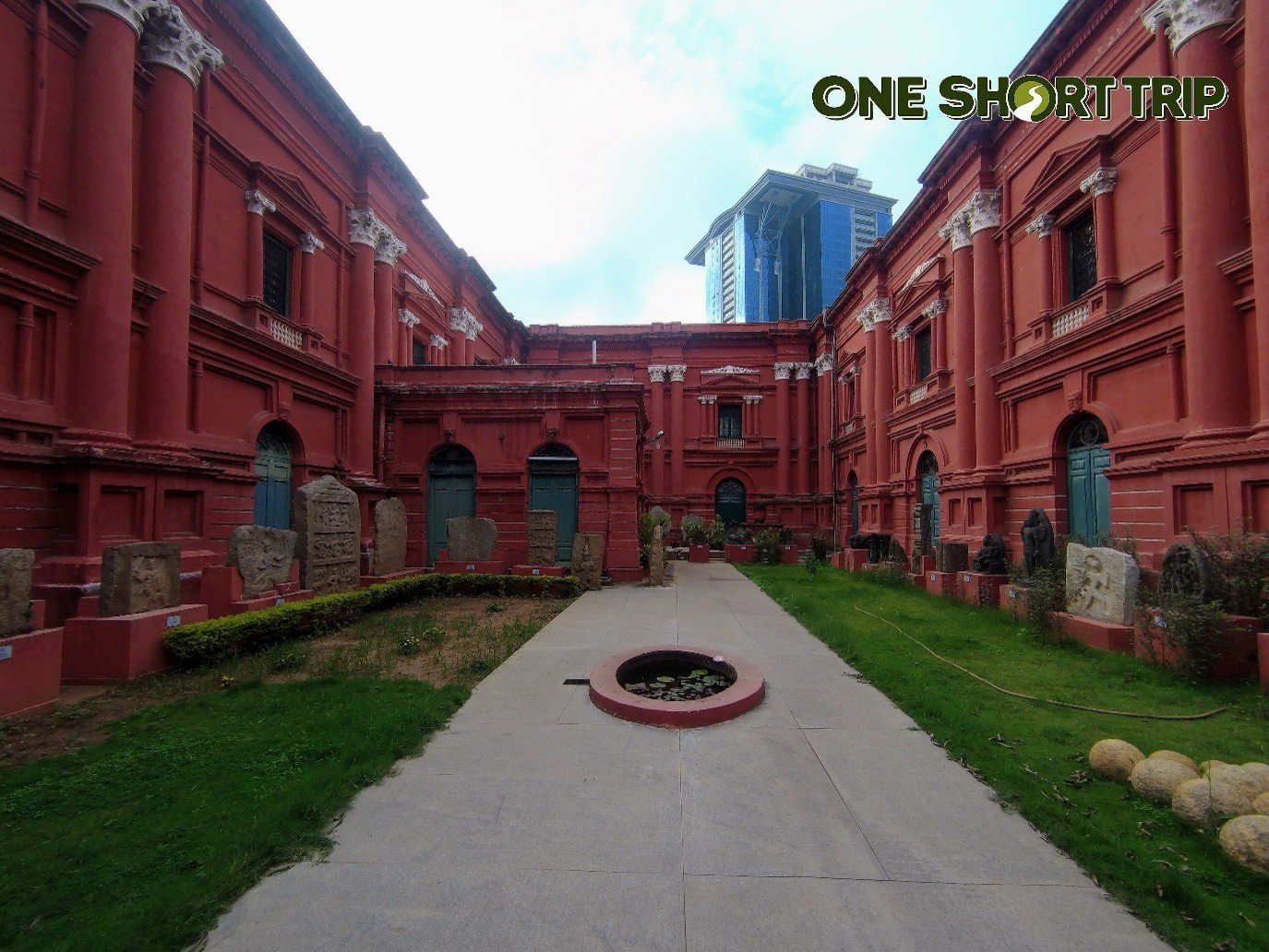
Visvesvaraya Industrial & Technological Museum, Bengaluru
The Visvesvaraya Industrial & Technological Museum Bengaluru, popularly known as VITM, is one of the city's most engaging places to visit for anyone interested in science, technology, engineering and innovation. Located on Kasturba Road beside Cubbon Park, this interactive science museum brings complex scientific ideas to life through working exhibits, galleries, demonstrations and hands-on experiences.
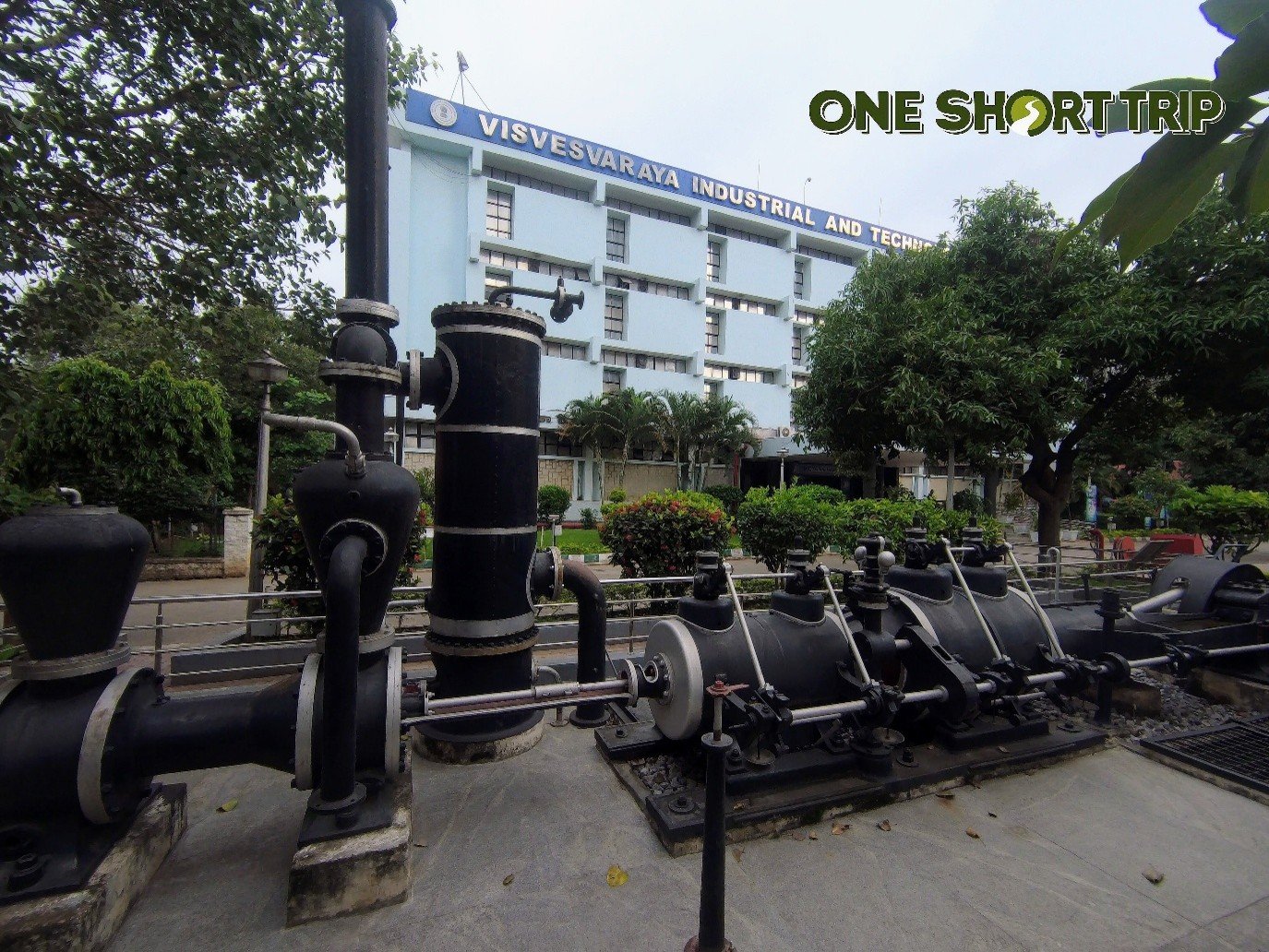
About Visvesvaraya Industrial & Technological Museum
The Visvesvaraya Industrial & Technological Museum is a constituent unit of the National Council of Science Museums (NCSM), Ministry of Culture, Government of India. The museum was established in memory of Bharat Ratna Sir M. Visvesvaraya and has become an important science education and family attraction in Bengaluru.
The museum was inaugurated by India's first Prime Minister, Pandit Jawaharlal Nehru, on 14 July 1962. Its first thematic gallery, Electrotechnic, opened to the public in 1965. Since then, VITM has grown into a major science museum with interactive galleries covering engines, electricity, space technology, electronics, biotechnology, children's science and more.
Why Is VITM Bengaluru Famous?
VITM is famous because it makes science interactive rather than purely theoretical. Visitors can see machines, operate selected exhibits, explore scientific principles and experience technology through demonstrations and immersive displays. This makes the museum especially popular with children, students and families.
Unlike a traditional museum where visitors mainly look at objects, VITM encourages people to learn by seeing, touching, experimenting and observing. It is therefore one of the best places in Bengaluru for an educational family outing.
History of Visvesvaraya Industrial & Technological Museum
The museum was created as a tribute to Sir M. Visvesvaraya, the renowned Indian engineer and statesman. The original museum building was developed in the peaceful surroundings of Cubbon Park and initially displayed industrial products and engines.
The opening of the Electrotechnic gallery in 1965 marked an important stage in the museum's development. Over the decades, VITM expanded its collection and exhibition spaces to cover modern science and technology. Today, it also conducts science demonstrations, educational activities, workshops, lectures and other programmes that help make science accessible to the public.
Where Is Visvesvaraya Museum Located?
The museum is located on Kasturba Road in central Bengaluru, adjoining Cubbon Park. Its central location makes it easy to combine with several other attractions including Cubbon Park, Vidhana Soudha, Attara Kacheri, the Government Museum and other important landmarks in the city centre.

Galleries at Visvesvaraya Industrial & Technological Museum
The museum has a wide range of permanent exhibition areas. Depending on the current exhibition setup, visitors can explore galleries dedicated to engines, electricity, electronics, space, biotechnology, children's science and interactive experiments.
Engine Hall
Engine Hall introduces visitors to machines, engines and mechanical technology. It is particularly interesting for students and anyone curious about how mechanical systems work.
Electrotechnic Gallery
The Electrotechnic Gallery explores electricity and related scientific principles through interactive exhibits. It was the museum's first thematic gallery and has played an important role in VITM's history.
Fun Science Gallery
The Fun Science Gallery uses interactive exhibits to make scientific concepts entertaining and easy to understand. The gallery was inaugurated in July 2025 and adds a newer interactive experience to the museum.
Space Technology Gallery
The Space Technology Gallery introduces visitors to space exploration, rockets, spacecraft and the technology used to understand and explore the universe.
BEL Hall of Electronics
The BEL Hall of Electronics explores electronics and communication technology through exhibits designed to demonstrate how electronic systems work and how they have changed modern life.
Biotechnology Gallery
The Biotechnology Gallery introduces visitors to applications of biological science and technology. It helps explain how scientific developments in biology can be applied to everyday life and modern industries.
Science for Children
The children's science exhibits are designed to make learning enjoyable through interactive activities. Younger visitors can explore scientific ideas at their own pace while learning through experimentation.
Famous Attractions Inside VITM
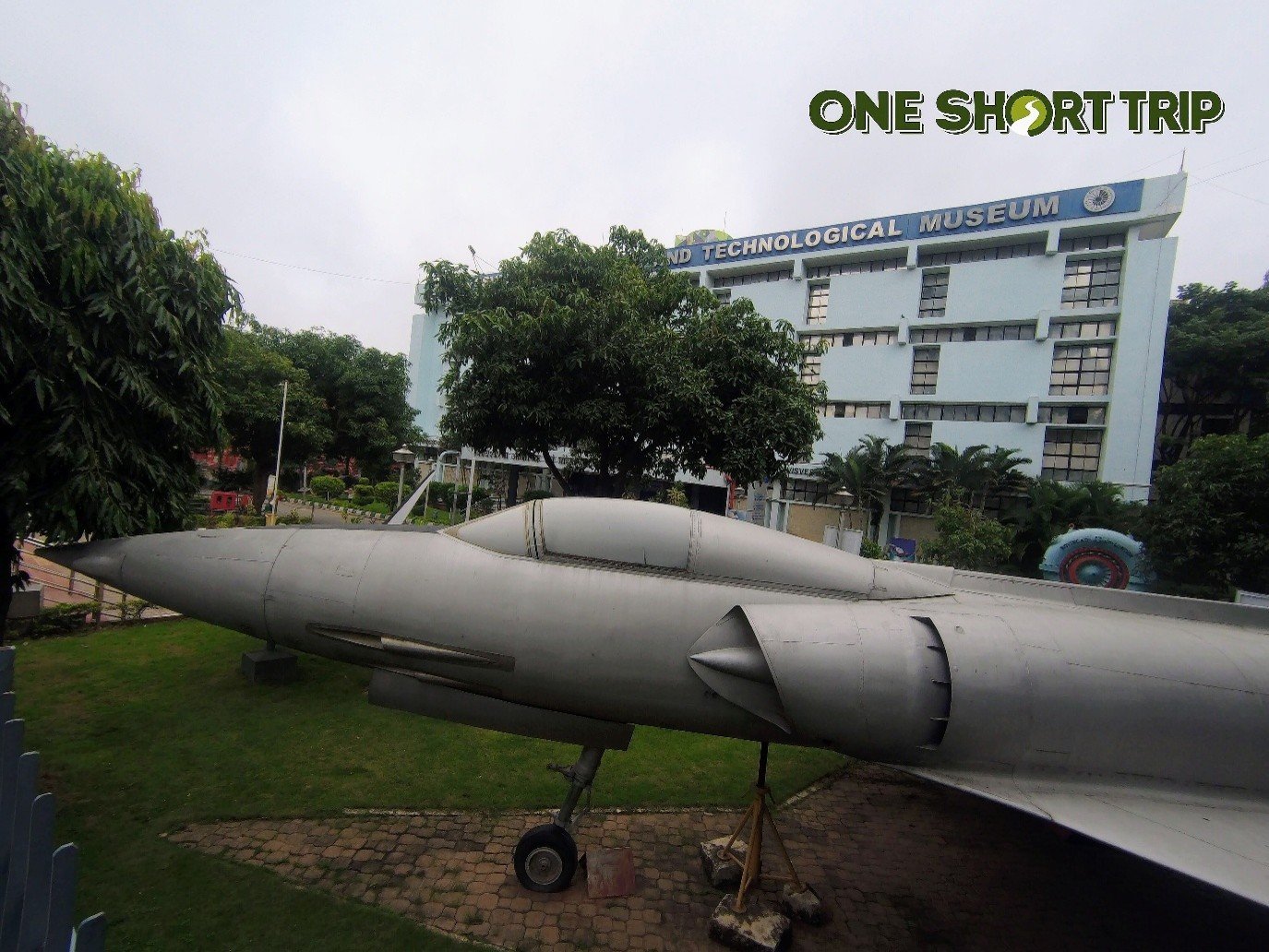
Some of the museum's best-known attractions include a full-scale replica of the Wright Brothers' Flyer, Science on a Sphere, a Dinosaur Enclave, space-related exhibits, interactive science displays and several immersive experiences.
The Wright Flyer replica was created in collaboration with the National Aerospace Laboratories and the museum's exhibit team. The museum also features a Science on a Sphere system that uses multimedia projections to present dynamic information about the Earth and its atmosphere, oceans and land areas.
Science Shows and Interactive Experiences
VITM is more than a collection of galleries. The museum also conducts educational demonstrations and interactive programmes. Regular science demonstration shows cover topics that help visitors understand scientific principles through live experiments.
The museum also offers experiences such as the Science on a Sphere, flight-related exhibits, space displays, 3D experiences and interactive science activities. Some programmes and shows may operate at specific times, so visitors should check the official museum schedule before planning around a particular show.
Visvesvaraya Museum Timings
The current exhibition hours listed by the museum are 9:30 AM to 6:00 PM. The ticket counter closes at 5:30 PM. The museum is open on all days except Ganesha Chaturthi and Deepavali.
Museum timings and individual show schedules can change. It is advisable to check the official VITM website before travelling, especially if a particular show or activity is important to your visit.
How Much Time Do You Need at VITM?
Plan for around 2 to 3 hours if you want to explore the major galleries without rushing. Families with children may prefer to spend longer because the interactive exhibits encourage visitors to stop, experiment and understand how things work.
If you are combining VITM with Cubbon Park and nearby attractions, it is better to keep a larger part of the day available rather than treating the museum as a very short stop.

Best Time to Visit Visvesvaraya Museum Bengaluru
Because most of the experience is indoors, VITM can be visited throughout the year. It is also a useful option during Bengaluru's rainy days when outdoor sightseeing in Cubbon Park may be less comfortable.
For a quieter experience, visiting earlier in the day can be a good choice. Weekends and school holidays can attract more families and students, so visitors who prefer a slower experience may consider a weekday.
How to Reach Visvesvaraya Industrial & Technological Museum
By Metro
The museum is in central Bengaluru and is convenient to reach using the Bengaluru Metro network. Cubbon Park Metro Station is a useful option for visitors exploring the museum and the surrounding Cubbon Park area, followed by a walk or local connection depending on your starting point.
By Bus
Several Bengaluru city bus services connect the central city with the Kasturba Road and Cubbon Park area. Bus routes vary, so checking the current route from your starting location is recommended.
By Car or Taxi
The museum is located on Kasturba Road in central Bengaluru. If you are driving, allow extra time for city traffic and parking conditions around the central business district and Cubbon Park area.
Places to Visit Near Visvesvaraya Museum
One of the biggest advantages of visiting VITM is its location. You can combine it with several popular Bengaluru attractions in the same part of the city.
- Cubbon Park – A historic green space ideal for walking and relaxing.
- Attara Kacheri – The historic building that houses the High Court of Karnataka.
- Vidhana Soudha – One of Bengaluru's most recognisable government buildings.
- Government Museum Bengaluru – A major museum with collections of art, archaeology and history.
- Venkatappa Art Gallery – A useful stop for visitors interested in Indian art.
Is Visvesvaraya Museum Good for Children?
Yes. VITM is particularly well suited to children because many exhibits are designed around interaction and experimentation. Instead of simply reading about science, children can observe demonstrations and understand concepts through practical experiences.
The museum is also useful for school-age children because many exhibits connect classroom science with real machines, technology and everyday applications. Parents can turn the visit into an enjoyable learning experience without making it feel like a classroom lesson.
Is VITM Suitable for Families and Senior Citizens?
VITM works well for family outings because different age groups can find something interesting. Children can focus on interactive exhibits, while adults can explore engineering, electronics, space and technology displays.
Senior citizens who enjoy science, engineering and Bengaluru's educational landmarks can also include the museum in a central-city sightseeing plan. Since the museum involves walking through exhibition areas, comfortable footwear is recommended.
Things to Keep in Mind Before Visiting VITM
- Check the official museum website for current timings and special programme schedules.
- Reach before the ticket counter closes at 5:30 PM if you plan a full museum visit.
- Allow at least 2 to 3 hours for a comfortable visit.
- Children should be supervised around interactive exhibits.
- Wear comfortable footwear because the museum involves walking between galleries.
- Weekends and school holidays may be busier than regular weekdays.
- If you want to attend a particular science show, check its current timing before visiting.
Why Visit Visvesvaraya Industrial & Technological Museum?
The Visvesvaraya Industrial & Technological Museum is one of the best places in Bengaluru to experience science in an engaging way. Its combination of interactive exhibits, technology galleries, historic displays and educational programmes makes it different from a conventional museum.
Whether you are travelling with children, planning a family day out, exploring Bengaluru's museums or looking for an educational attraction near Cubbon Park, VITM is a worthwhile addition to your itinerary. Its central location also makes it easy to combine with some of the city's most important heritage and cultural attractions.