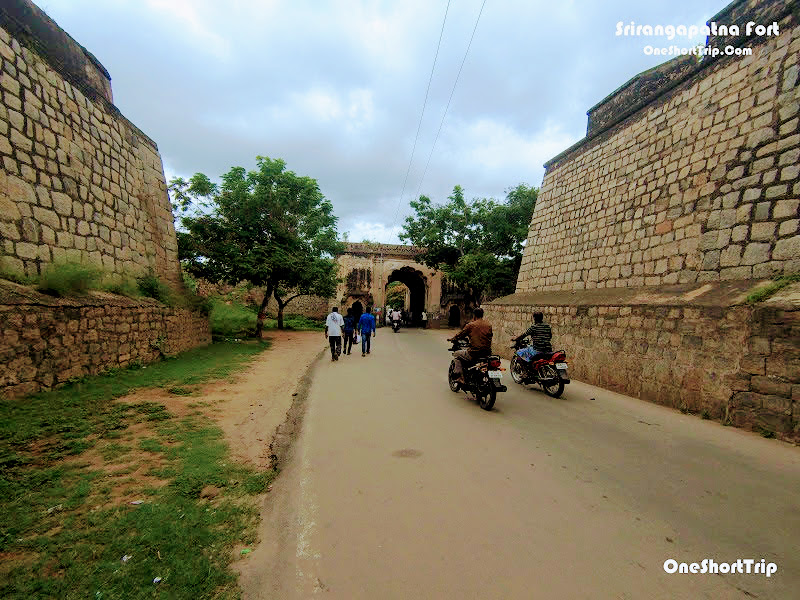
Sri Ranganathaswamy Temple, Srirangapatna – A Sacred Island Temple of Lord Ranganatha
The Sri Ranganathaswamy Temple in Srirangapatna is one of Karnataka's most important Vaishnavite temples and one of the most significant pilgrimage attractions near Mysuru. Located on the historic island of Srirangapatna, surrounded by the waters of the River Cauvery, the temple is dedicated to Lord Ranganatha, the reclining form of Lord Vishnu.
Known traditionally as Adi Ranga, the temple occupies the first position among the three major Ranganatha shrines associated with the Cauvery River. The other two are Madhya Ranga at Shivanasamudra and Antya Ranga at Srirangam in Tamil Nadu. Together, these temples form an important sacred tradition associated with Lord Ranganatha.

A Temple at the Heart of Srirangapatna
Srirangapatna is a historic river island formed by the Cauvery and has been an important centre of religion, politics and military history for centuries. The Sri Ranganathaswamy Temple stands at the heart of this heritage landscape, creating a remarkable contrast between the town's sacred traditions and its later association with the Mysuru kingdom, Hyder Ali and Tipu Sultan.
For travellers visiting Srirangapatna, the temple is more than an isolated religious attraction. It is part of a larger heritage circuit that includes Srirangapatna Fort, Daria Daulat Bagh, Gumbaz, Colonel Bailey's Dungeon, Jama Masjid and the historic Cauvery riverfront.
History of Sri Ranganathaswamy Temple
The origins of the temple are traditionally traced to the Ganga period in the 9th century. Karnataka Tourism identifies the temple's foundational core with the Ganga Dynasty and notes that later rulers expanded and enriched the complex. Over the centuries, the temple evolved through contributions associated with the Hoysala and Vijayanagara periods.
This long architectural history is one of the reasons the temple is so interesting to explore. Rather than representing a single period, the complex reflects layers of South Indian temple architecture developed and modified over several centuries.

The Significance of Adi Ranga
One of the most important reasons devotees visit this temple is its identity as Adi Ranga. In the sacred Ranganatha tradition along the Cauvery, Srirangapatna is regarded as the first of the three major Ranganatha shrines encountered downstream along the river system.
This gives Srirangapatna a special position among Vaishnavite pilgrimage destinations. Devotees visiting the temple come to worship Lord Ranganatha in his peaceful reclining form and experience the spiritual atmosphere of the ancient river island.
Lord Ranganatha – The Reclining Form of Vishnu
The principal deity of the temple is Lord Ranganatha, a manifestation of Lord Vishnu shown reclining upon the coils of the serpent Adi Shesha. The reclining posture is one of the defining features of Ranganatha temples and represents the serene, cosmic form of Vishnu.
At Srirangapatna, the main shrine contains the majestic reclining image of Ranganatha with Adi Shesha's multiple hoods above him. Goddess Lakshmi is represented near the feet of the deity. The sanctum creates a deeply devotional experience for visitors, particularly during quieter periods outside major festival days.
Architecture of the Temple
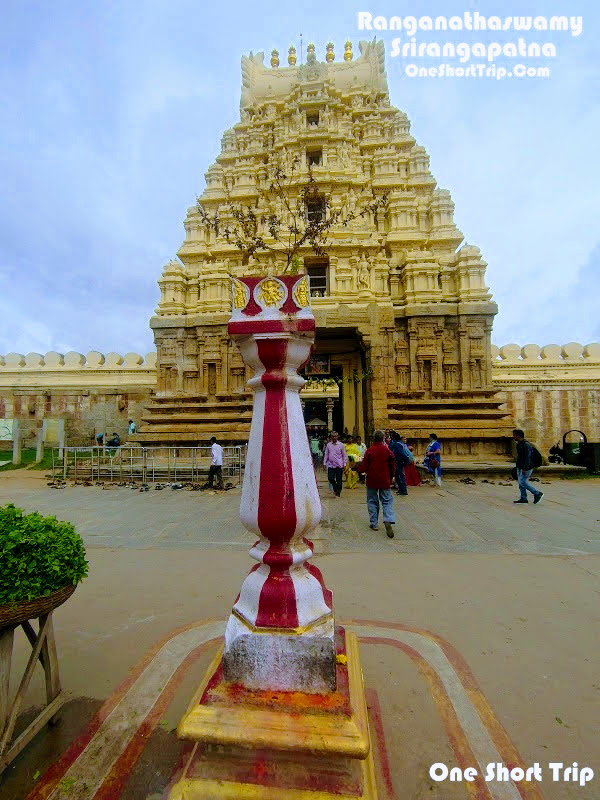
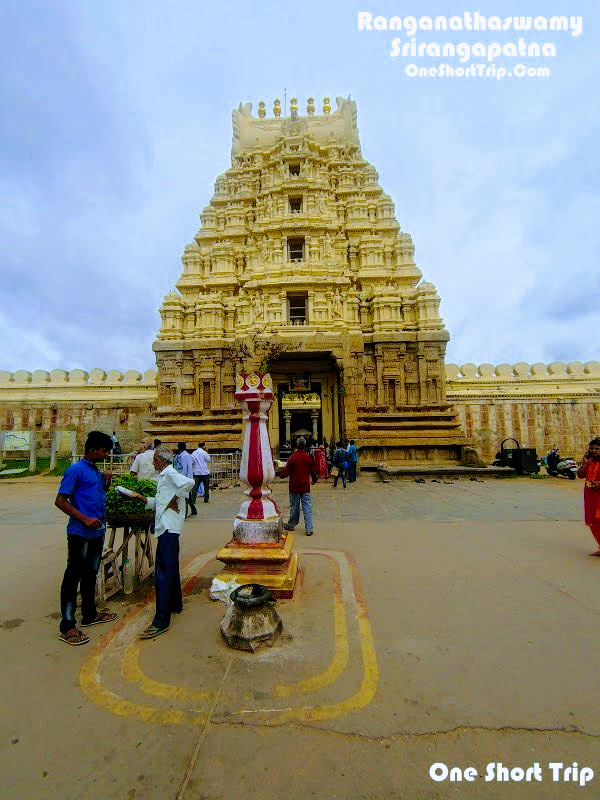
The Ranganathaswamy Temple architecture is one of its major attractions. The complex combines elements developed during different periods, with Hoysala, Vijayanagara and Dravidian influences visible across its structures, pillars, gateways and mandapas.
The entrance tower, pillared halls and enclosed courtyards create a traditional South Indian temple layout. Intricately carved pillars are particularly notable, reflecting the craftsmanship associated with the historic temple-building traditions of Karnataka.


Important Shrines Within the Temple Complex
Although Lord Ranganatha is the principal deity, the temple complex contains several other shrines and sacred images. Visitors may find shrines associated with Narasimha, Garuda, Gopala Krishna and Hanuman, adding to the religious importance of the complex.
These subsidiary shrines also make the temple interesting for devotees following different Vaishnavite traditions. Take time to explore the inner areas respectfully rather than treating the temple only as an architectural monument.
The Temple and the Cauvery River
The geographical setting of the temple is inseparable from its spiritual identity. Srirangapatna is a river island surrounded by the Cauvery, and the presence of the river gives the town a distinctive atmosphere that is very different from an inland temple city.
The Cauvery is regarded as sacred, and pilgrims traditionally associate the river with purification and religious observance. Visitors should exercise caution near the river because currents and water levels can change, particularly during the monsoon.
Festivals Celebrated at Ranganathaswamy Temple
The temple becomes especially vibrant during its annual festivals and special religious celebrations. Karnataka Tourism highlights festivals and observances such as Bangarada Garudotsava, Sriranga Jayanti, Sudha Poornima and Uyyalotsava among the important celebrations associated with the temple.
Festival days attract larger crowds, processions and special worship. For devotees, these periods can provide a more immersive religious experience, while travellers primarily interested in architecture may prefer visiting on a regular weekday when the temple is comparatively calmer.

Why Sri Ranganathaswamy Temple Is Important
The importance of Sri Ranganathaswamy Temple comes from the combination of religion, history, architecture and geography. It is an ancient Vaishnavite centre, an important Ranganatha shrine, an architectural record of multiple South Indian dynasties and a landmark within the historic river island of Srirangapatna.
For visitors travelling from Mysuru, the temple is one of the easiest and most rewarding heritage excursions. It can also be included in a full Srirangapatna sightseeing circuit covering the temple, fort, Tipu Sultan's monuments, riverfront and nearby attractions.
Sri Ranganathaswamy Temple as Part of a Srirangapatna Heritage Tour
A visit to the temple becomes even more meaningful when combined with the wider history of Srirangapatna. The island was an important stronghold during the Anglo-Mysore Wars and later became closely associated with Tipu Sultan. The same landscape therefore contains centuries-old Hindu religious heritage alongside forts, palaces, mosques, dungeons and memorials.
This unusual combination makes Srirangapatna one of the most interesting day trips from Mysuru. Travellers can experience a living temple in the morning and then explore the political and military history of the Mysuru kingdom in the same day.
Who Should Visit Sri Ranganathaswamy Temple?
Devotees: The temple is an important destination for followers of Lord Vishnu and those interested in the Ranganatha tradition.
History enthusiasts: The temple provides an important introduction to Srirangapatna before exploring the town's later political and military history.
Architecture lovers: The combination of Hoysala, Vijayanagara and Dravidian influences makes the temple worth examining beyond its religious significance.
Families and senior travellers: The temple can comfortably be included in a Mysuru–Srirangapatna day trip, provided enough time is allowed for walking and rest.
A Sacred Landmark Near Mysuru
Located roughly 15–20 km from Mysuru depending on the route and starting point, Srirangapatna is close enough to be visited as a half-day or full-day excursion. Karnataka Tourism places Srirangapatna approximately 15 km from Mysuru and identifies the Ranganathaswamy Temple as the central spiritual landmark of the island town.
Whether you are visiting as a pilgrim, history lover, architecture enthusiast or traveller exploring Karnataka's heritage, Sri Ranganathaswamy Temple, Srirangapatna offers a rare combination of sacred tradition and living history.
Visiting Sri Ranganathaswamy Temple, Srirangapatna – Timings, Travel, Darshan & Travel Tips
Sri Ranganathaswamy Temple is one of the most important places to visit in Srirangapatna and can easily be included in a Mysuru–Srirangapatna day trip. Since the temple is both a living place of worship and a historic monument, visitors should plan their visit around worship hours, dress respectfully and allow enough time to experience the temple without rushing.
Sri Ranganathaswamy Temple Timings
The commonly published visiting schedule for Sri Ranganathaswamy Temple is approximately 7:00 AM to 1:30 PM in the morning and 4:00 PM to 8:30 PM in the evening. Temple schedules can change during festivals, special poojas and other religious occasions, so it is advisable to confirm the day's timings before travelling.
For a peaceful visit, early morning is generally preferable. The temple can become busier around important worship periods, weekends and festival days.
Best Time to Visit the Temple
Srirangapatna can be visited throughout the year, but November to April is generally more comfortable for sightseeing because the weather is relatively cooler. Karnataka Tourism's travel material also identifies this period as the cooler season for Srirangapatna.
If your priority is a quieter darshan, try to arrive early in the morning rather than during the busiest part of the day. If you are interested in temple festivals and special celebrations, festival periods offer a more vibrant devotional atmosphere but usually come with larger crowds.
How Long Should You Spend at Sri Ranganathaswamy Temple?
Allow approximately 45 minutes to 1.5 hours for a comfortable visit, depending on the crowd and whether you want to explore the temple architecture and surrounding areas in addition to having darshan.
During major festivals, the time required can be considerably longer. Visitors travelling with senior citizens or young children should avoid creating a tightly packed schedule around the temple.
How to Reach Sri Ranganathaswamy Temple, Srirangapatna
Srirangapatna is well connected by road and rail and is one of the easiest heritage destinations to visit from Mysuru. Karnataka Tourism places Srirangapatna roughly 15–20 km from Mysuru, while Bengaluru is approximately 130 km away by road.
By Road
Road travel is the most convenient option for travellers combining the temple with other Srirangapatna attractions. Buses, taxis and private vehicles connect Srirangapatna with Mysuru, Bengaluru and other towns in Karnataka.
By Train
Srirangapatna has a railway station with rail connectivity towards Mysuru and Bengaluru. Travellers arriving by train can use local transport to reach the temple and other attractions around the historic town.
By Air
The nearest practical airport for most visitors is Mysuru Airport, while Bengaluru's Kempegowda International Airport provides a much wider range of domestic and international connections. From either airport, the final journey to Srirangapatna can be completed by road.
Dress Code and Temple Etiquette
Visitors should wear clean, modest and comfortable clothing when entering the temple. Clothing that covers the shoulders and knees is recommended, particularly for devotees planning to spend time inside the inner temple areas.
Footwear must be removed before entering designated temple areas. Follow the instructions of temple staff and priests, avoid touching sacred objects without permission and maintain silence or a low voice inside the worship areas.
Photography and Mobile Phones
Photography rules can vary between different areas of the temple. Visitors should follow the instructions displayed at the temple and avoid photography where it is prohibited, especially around the sanctum and active worship areas.
Even when photography is permitted, avoid using flash near devotees, priests or sacred rituals. Keeping your phone on silent is recommended during darshan and pooja.
Darshan at Sri Ranganathaswamy Temple
The principal purpose of visiting the temple is darshan of Lord Ranganatha in his reclining form. The experience is especially peaceful when the temple is less crowded and visitors have enough time to move through the temple complex without rushing.
On busy days, devotees may need to spend additional time in queues. If your itinerary includes several Srirangapatna attractions, keep a reasonable buffer rather than scheduling the next attraction immediately after the expected darshan time.
Visiting with Senior Citizens
The temple can be visited by senior citizens, but the complex involves walking through traditional temple spaces and standing may be required during busy periods. Early morning visits are generally more comfortable for elderly travellers.
If travelling with seniors, combine the temple with nearby attractions at a relaxed pace instead of attempting the entire Srirangapatna heritage circuit in a few hours.
Visiting with Children
Children can visit the temple, but parents should explain basic temple etiquette beforehand. The historic surroundings and stories associated with Lord Ranganatha can also make the visit more engaging for older children interested in history and mythology.
During crowded festivals, keep children close and avoid rushing through narrow or busy areas of the temple.
Parking and Local Transport
Visitors arriving by private vehicle can find parking around the Srirangapatna town area, but availability can become limited during weekends, festivals and peak tourist periods. It is better to arrive early on busy days.
Autos and local taxis can be useful for moving between the temple and other historical attractions. A private vehicle is more convenient if you plan to cover several places around Srirangapatna and return to Mysuru the same day.
Best Places to Visit Near Ranganathaswamy Temple
The temple should ideally be treated as part of a larger Srirangapatna heritage circuit. Important nearby attractions include:
- Srirangapatna Fort – Historic fortifications surrounding much of the old town.
- Daria Daulat Bagh – Tipu Sultan's summer palace and historic garden.
- Gumbaz – The mausoleum associated with Tipu Sultan, Hyder Ali and members of their family.
- Colonel Bailey's Dungeon – A historic dungeon associated with the Anglo-Mysore Wars.
- Jama Masjid – An important historic mosque within Srirangapatna.
- Wellesley Bridge – A historic bridge spanning the Cauvery.
- Nimishamba Temple – A riverside temple associated with Goddess Nimishamba.
- Ranganathittu Bird Sanctuary – A popular nearby nature and birdwatching destination.
How to Plan a Mysuru–Srirangapatna Day Trip
If you are travelling from Mysuru, start early and visit Sri Ranganathaswamy Temple before moving on to the other historical attractions. This approach gives you time for darshan before the day becomes busier and leaves sufficient time to explore Srirangapatna's fort and Tipu Sultan-era monuments.
A comfortable route can include Sri Ranganathaswamy Temple → Srirangapatna Fort → Daria Daulat Bagh → Gumbaz → Colonel Bailey's Dungeon → selected Cauvery-side attractions. Ranganathittu Bird Sanctuary can be added when the schedule and opening hours permit.
Best Time of Day to Visit
For travellers who want a quieter experience, early morning is usually the best choice. The cooler temperature also makes it easier to combine the temple with outdoor sightseeing around Srirangapatna.
Avoid planning the temple visit at the very end of a packed day. Apart from the possibility of queues, the temple's atmosphere is best appreciated when you have enough time to pause, pray and explore respectfully.
Temple Festivals and Special Occasions
Festival days can transform the temple into a much more vibrant pilgrimage centre, with special poojas, decorations, processions and large gatherings of devotees. Karnataka Tourism's material highlights celebrations associated with the temple, including Garudotsava and other annual religious observances.
Travellers planning a festival visit should expect additional crowds and allow extra time for parking, darshan and local traffic. Confirm the festival schedule before travelling because dates and programmes vary from year to year.
Important Tips for Visitors
- Check the temple's current opening and pooja schedule before travelling.
- Visit early if you want a quieter darshan.
- Wear modest and comfortable clothing.
- Carry a small bag and avoid unnecessary belongings inside the temple.
- Follow footwear, photography and mobile-phone instructions.
- Keep extra time during weekends and festivals.
- Be careful near the Cauvery River, particularly during monsoon and periods of strong flow.
- Combine the temple with Srirangapatna's historical attractions for a more complete experience.
- Senior citizens should plan rest breaks because the heritage circuit involves walking.
- Do not rush through active worship areas for photography.
Why Include Ranganathaswamy Temple in Your Mysuru Itinerary?
Srirangapatna adds an important historical and spiritual dimension to a Mysuru trip. While Mysuru is best known for its palaces and royal culture, Srirangapatna brings together an ancient Vaishnavite temple, the Cauvery River, Tipu Sultan's heritage and the remains of a historic fortified island town.
For travellers interested in temples near Mysuru, Karnataka heritage sites, Lord Ranganatha temples and historical places near Mysuru, Sri Ranganathaswamy Temple is one of the most worthwhile additions to the itinerary.