

Sri Venugopalaswamy Temple, Thondanur
Sri Venugopalaswamy Temple at Thondanur, also known as Thonnur or Tondanur, is one of the lesser-known but historically important Vaishnava temples of Mandya district. The temple stands within an old sacred landscape associated with the Hoysala period and the Sri Vaishnava tradition of Ramanujacharya. Unlike the much larger pilgrimage centres of Melukote and Srirangapatna, Thondanur retains a quieter atmosphere, allowing visitors to experience its temple heritage alongside the surrounding historic village and Thonnur Lake.
Thondanur itself was not simply a village surrounding a few temples. Historical records identify it by several names, including Tondanuru, Tonnuru, Yadavanapura and Yadavanarayana Chaturvedi Mangala. The Mandya district administration notes that it was an ancient agrahara and educational centre and that inscriptions from the 12th century identify it as an important settlement during the reign of Hoysala Vishnuvardhana. Tradition also connects the place strongly with Ramanujacharya, who is believed to have stayed here for several years before establishing his major centre at Melukote.


An Ancient Vaishnava Centre in Thondanur
The importance of Venugopalaswamy Temple becomes clearer when it is viewed together with the other historic shrines of Thondanur. The village contains a remarkable concentration of Vaishnava monuments, including the Nambi Narayana Temple and Yoga Narasimha Temple. The temples are not isolated attractions; they belong to the wider religious landscape that developed around Thondanur during the Hoysala period.
Historical inscriptions found in and around the temple provide an important window into this past. Records refer to the deity by the older name Virrirunda Perumal, while later traditions identify the shrine with Krishna or Venugopala. Several inscriptions record grants and endowments made for worship, lamps and temple services, demonstrating that this was a functioning religious institution rather than simply a monument.
The Temple and the Ramanujacharya Tradition
Thondanur occupies a special place in the traditional story of Sri Ramanujacharya's Karnataka years. The saint is believed to have travelled through the region and spent an important period at Thondanur before making Melukote a major centre of Sri Vaishnavism. Local temple traditions connect Venugopalaswamy Temple with this period of religious activity and with the broader transformation of Thondanur into a Vaishnava centre.
Some traditional accounts go further and associate Ramanujacharya with the reconstruction or revival of temples in Thondanur. These accounts form an important part of local religious memory, although individual episodes should be understood as tradition rather than independently established historical fact. What is firmly supported by the historical record is that Thondanur was an important Hoysala-period settlement and that Ramanuja's religious network had a documented presence in the region.
Who is Venugopalaswamy?
Venugopala is a form of Lord Krishna associated with his identity as the divine cowherd who plays the flute. The Krishna tradition gives the temple a distinctly Vaishnava character, while the historic name Virrirunda Perumal found in inscriptions shows that the shrine's identity has developed through several layers of religious history.
The principal deity is traditionally represented with Rukmini and Satyabhama. The shrine therefore brings together Krishna's devotional, royal and pastoral associations within a historic temple setting. The temple is sometimes referred to locally as a Parthasarathi or Gopalakrishna shrine, reflecting the different names through which Krishna has been worshipped in the Thondanur tradition.
Hoysala-Era Temple Architecture
The architecture of the temple is more restrained than the highly elaborate sculptural compositions seen at Belur, Halebidu or Somanathapura. Its value lies partly in this contrast. The temple preserves the proportions and stone-building traditions of the medieval Karnataka temple landscape while retaining evidence of later alterations and continued worship.
The temple complex includes the garbhagriha, an intermediate vestibule, a Navaranga and a larger mandapa. The sanctum is crowned by a comparatively simple Dravidian-style superstructure. Stone pillars and architectural members demonstrate the craftsmanship associated with the region's medieval temple-building tradition, while later additions reflect the continued life of the shrine.
Inscriptions: A Direct Link to the Past
One of the most valuable aspects of Venugopalaswamy Temple is its epigraphic evidence. Inscriptions in Tamil, Kannada and related scripts have been documented in the Thondanur temple landscape. They record grants, land revenues, lamps, offerings and other forms of temple support. Such records help establish that the religious institutions of Thondanur were integrated into the economic and administrative life of the medieval kingdom.
The inscriptions are also significant because they preserve older names of the deity and settlement. They provide a useful counterpoint to legends surrounding Ramanujacharya: rather than relying only on later stories, visitors can see how historical records reveal the temple's place within the Hoysala-era religious network.
Thondanur as a Sacred Landscape
A visit to Venugopalaswamy Temple is best understood as part of a larger Thondanur heritage circuit. Nambi Narayana Temple, Yoga Narasimha Temple and Venugopalaswamy Temple are located within the same historic landscape, while Thonnur Lake adds a natural element to the experience. The combination makes Thondanur particularly rewarding for travellers interested in South Indian temple history, Sri Vaishnavism and quieter heritage destinations.
The connection with Thonnur Lake is especially important. The lake lies close to the historic settlement and is itself associated with Ramanujacharya's period at Thondanur. The Mandya district administration records the area's earlier names and its role as an agrahara and educational centre, showing that the landscape around the temple was historically much more significant than its present-day rural appearance might suggest.
Why Visit Sri Venugopalaswamy Temple?
Sri Venugopalaswamy Temple is worth visiting for the way it brings together several layers of Karnataka's history: Hoysala-era temple culture, the growth of Sri Vaishnavism, the traditions surrounding Ramanujacharya, medieval inscriptions and the living worship of Krishna. It is particularly rewarding when visited together with the other temples of Thondanur rather than treated as an isolated stop.


Planning Your Visit to Sri Venugopalaswamy Temple
Sri Venugopalaswamy Temple is best experienced as part of a wider Thondanur heritage visit rather than as a quick standalone temple stop. The shrine is surrounded by a landscape in which several medieval Vaishnava institutions developed close to one another. Allow enough time to visit the temple peacefully, look at its stone architecture and inscriptions, and then continue to the nearby Nambi Narayana Temple, Yoga Narasimha Temple and Thonnur Lake.
Because Thondanur remains a relatively quiet rural settlement, the experience is very different from visiting a major urban temple. There are fewer commercial facilities immediately around the monuments, and the atmosphere is particularly suitable for travellers who enjoy heritage, architecture and religious history rather than crowded sightseeing.


Where Is Sri Venugopalaswamy Temple?
The temple is located at Thondanur, also written as Thonnur or Tondanur, in Pandavapura taluk of Mandya district, Karnataka. Thondanur lies close to Melukote and Thonnur Lake and can be combined easily with other historic sites in the region.
For travellers coming from Mysuru or Bengaluru, the most practical option is usually to travel by road. Pandavapura is the nearest useful railway point for reaching the Thondanur area, while Mysuru offers considerably more accommodation, restaurants and transport options for travellers planning a longer stay.
How to Reach Thondanur
By road: Thondanur is most convenient to visit by car or taxi, especially if you want to explore several temples and the lake in the same trip. From Mysuru, the temple can be combined naturally with Melukote and other Mandya district attractions. From Bengaluru, it works well as part of a full-day heritage circuit.
By train: Pandavapura railway station is the nearest railway station commonly used for reaching Thondanur. From the station, the final stretch is best covered by a local taxi or other road transport.
By air: Mysuru Airport is the nearest airport for travellers already flying into the region, while Kempegowda International Airport in Bengaluru provides the widest choice of flights and can be used when beginning the journey from Bengaluru.
Temple Timings and Darshan
Current official temple timings are not consistently published online. Older and local travel listings commonly mention daytime access around 9:30 AM to 5:30 PM, but this should be treated as a guide rather than a guaranteed daily schedule. Temple hours can change because of rituals, festivals, maintenance or local arrangements.
If the temple is an important part of your journey, it is better to confirm the day's darshan availability locally before setting out. This is particularly important if you are travelling specifically to see the sanctum rather than simply exploring the exterior and surrounding heritage.
How Much Time Should You Spend Here?
Allow approximately 30 to 60 minutes for the Venugopalaswamy Temple itself if you want to see the shrine, mandapas and architectural details without rushing. Travellers interested in inscriptions, historic construction and the wider religious history of Thondanur may want longer.
The more useful approach is to allow several hours for the whole Thondanur circuit. The Venugopalaswamy Temple, Nambi Narayana Temple and Yoga Narasimha Temple form the core of the historic temple visit, while Thonnur Lake provides a natural setting where you can slow down after the temple stops.
The Best Time to Visit
The cooler months from October to February are generally the most comfortable for exploring Thondanur and combining several outdoor attractions. Early mornings and late afternoons are particularly pleasant for walking between heritage sites and spending time around the lake.
The monsoon can make the surrounding countryside greener and more attractive, but wet ground may make walking around older temple surfaces and the lake area less comfortable. Summer afternoons can become hot, so an early start is preferable if visiting multiple places.
A Temple Visit for Families and Senior Citizens
The temple can be included in a family heritage trip, particularly for travellers who want to introduce children to Karnataka's temple architecture and the story of Krishna. Children may find the visit more interesting when it is explained as part of the larger story of Thondanur, Ramanujacharya and the Hoysala period rather than as only a religious stop.
Senior citizens should be comfortable visiting the temple at a relaxed pace, but the condition of the surrounding pathways and steps can vary. Avoid rushing between the different sites, particularly during hot weather. A private vehicle is useful because it reduces unnecessary walking between the temples and lake.
Dress Code and Temple Etiquette
As this is an active Hindu temple, modest and respectful clothing is recommended. Remove footwear wherever required before entering designated temple areas and follow instructions from the temple staff or priests.
Photography should be treated carefully. Exterior photography may be possible, but visitors should not assume that every interior area, shrine or ritual can be photographed. Follow the instructions displayed at the temple and avoid photographing devotees during worship without permission.
What to Carry
Carry drinking water, comfortable footwear for walking between the sites, sun protection and some cash for small local expenses. If you are planning to explore Thonnur Lake as well, carry a hat or umbrella during hotter months and avoid getting too close to the water's edge.
There is no need to pack heavily for the temple itself. The more important preparation is to plan your route because several of Thondanur's attractions are spread around the historic settlement rather than concentrated inside one large tourist complex.
Nearby Places to Visit
Nambi Narayana Temple: This is one of the most important Vaishnava shrines in Thondanur and should ideally be visited together with Venugopalaswamy Temple. Its inscriptions and association with the Ramanujacharya tradition make it particularly important for understanding the area's medieval religious history.
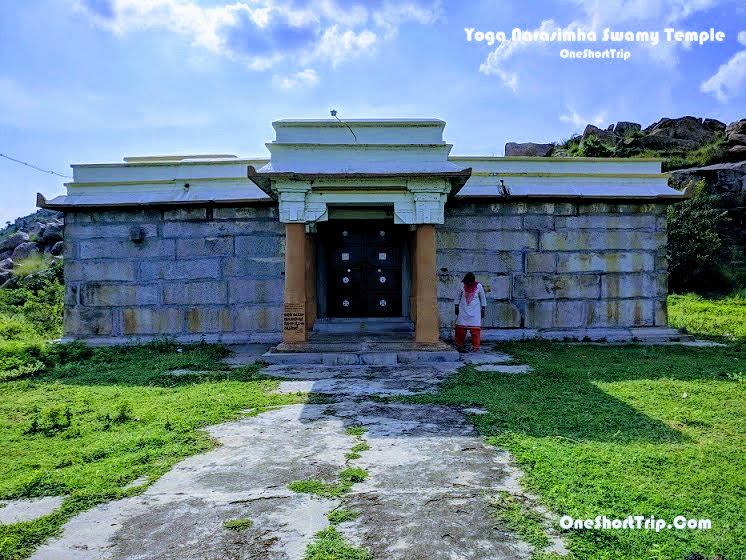
Yoga Narasimha Temple: Located within the same wider Thondanur landscape, this shrine adds another dimension to the area's Vaishnava heritage. Its traditions are closely connected with Ramanujacharya and the transformation of Thondanur into an important centre of Vaishnavism.
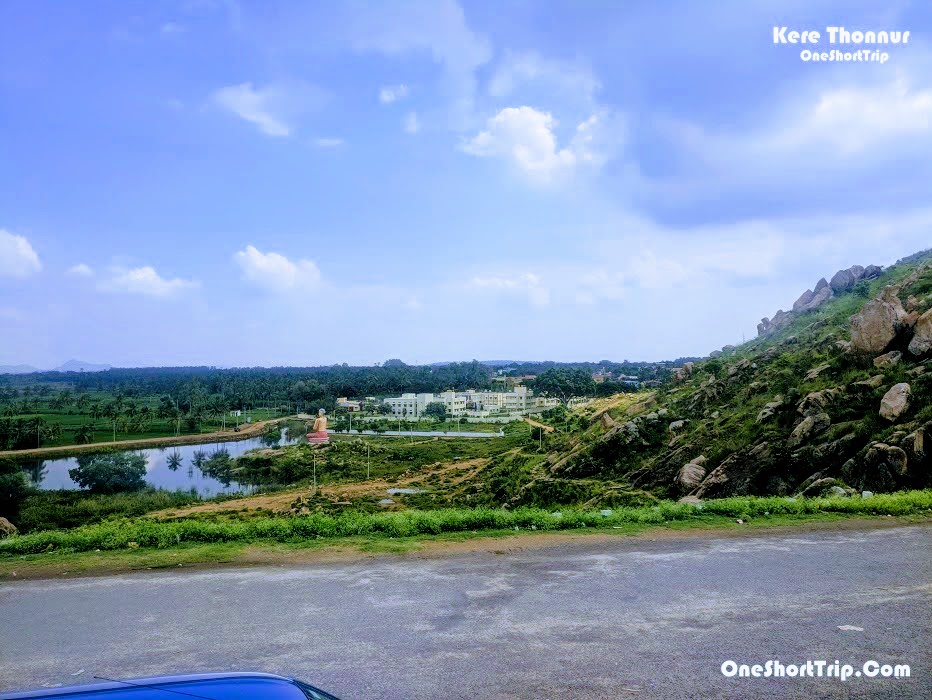
Thonnur Lake: The historic lake is one of the defining features of the landscape. Its broad waters and rocky surroundings provide a completely different experience from the temples and make it a natural final stop after exploring the heritage sites.
Melukote: The famous Sri Vaishnava centre of Melukote is a natural extension of a Thondanur temple circuit. The historical relationship between the two places makes it especially meaningful for travellers interested in Ramanujacharya and Karnataka's Vaishnava tradition.
Suggested Thondanur Heritage Circuit
Half-day: Nambi Narayana Temple → Venugopalaswamy Temple → Yoga Narasimha Temple → Thonnur Lake.
Full-day from Mysuru: Thondanur temples → Thonnur Lake → Melukote → return to Mysuru.
Heritage-focused route: Thondanur → Melukote → Somanathapura. This route works particularly well for travellers interested in medieval Karnataka, Hoysala architecture and Vaishnava history.
Food and Accommodation
Thondanur is a small settlement, so it is better not to depend on it for a wide choice of restaurants or accommodation. Mysuru, Mandya and other larger towns provide considerably more options. Melukote can also be incorporated into the trip if you want to experience the area's traditional vegetarian and temple-oriented food culture.
For a comfortable multi-day trip, Mysuru is generally the easiest base. Travellers making a dedicated Mandya heritage circuit can instead choose accommodation closer to the day's other destinations.
Things to Avoid
Do not treat the temple as a quick photo stop. The value of Venugopalaswamy Temple lies in the combination of its architecture, inscriptions, living worship and connection with the historic Thondanur landscape. Avoid touching carvings or inscriptions, entering restricted areas, or disturbing ongoing rituals.
It is also better not to combine every story associated with Thondanur and Ramanujacharya into established history. The region has a rich body of religious tradition and legend, but inscriptions and historical records provide a different kind of evidence. Experiencing both layers is what makes the destination particularly interesting.
Why Sri Venugopalaswamy Temple Is Worth Visiting
Sri Venugopalaswamy Temple is one of those places where the surroundings are almost as important as the shrine itself. A relatively quiet village preserves traces of an important medieval settlement, Vaishnava temples stand within a compact landscape, inscriptions preserve evidence of historical patronage, and traditions surrounding Ramanujacharya continue to shape the identity of the place. For travellers exploring Thondanur temples, Mandya heritage sites and Ramanujacharya's Karnataka legacy, this temple deserves to be part of the route rather than an optional detour.