

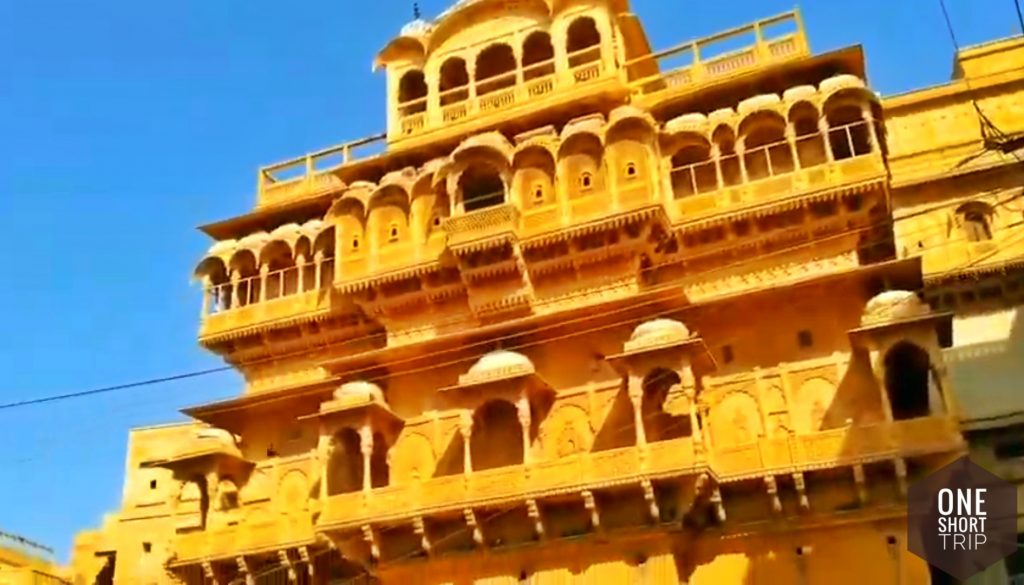
Jaisalmer Fort – The Living Golden Fort of Rajasthan
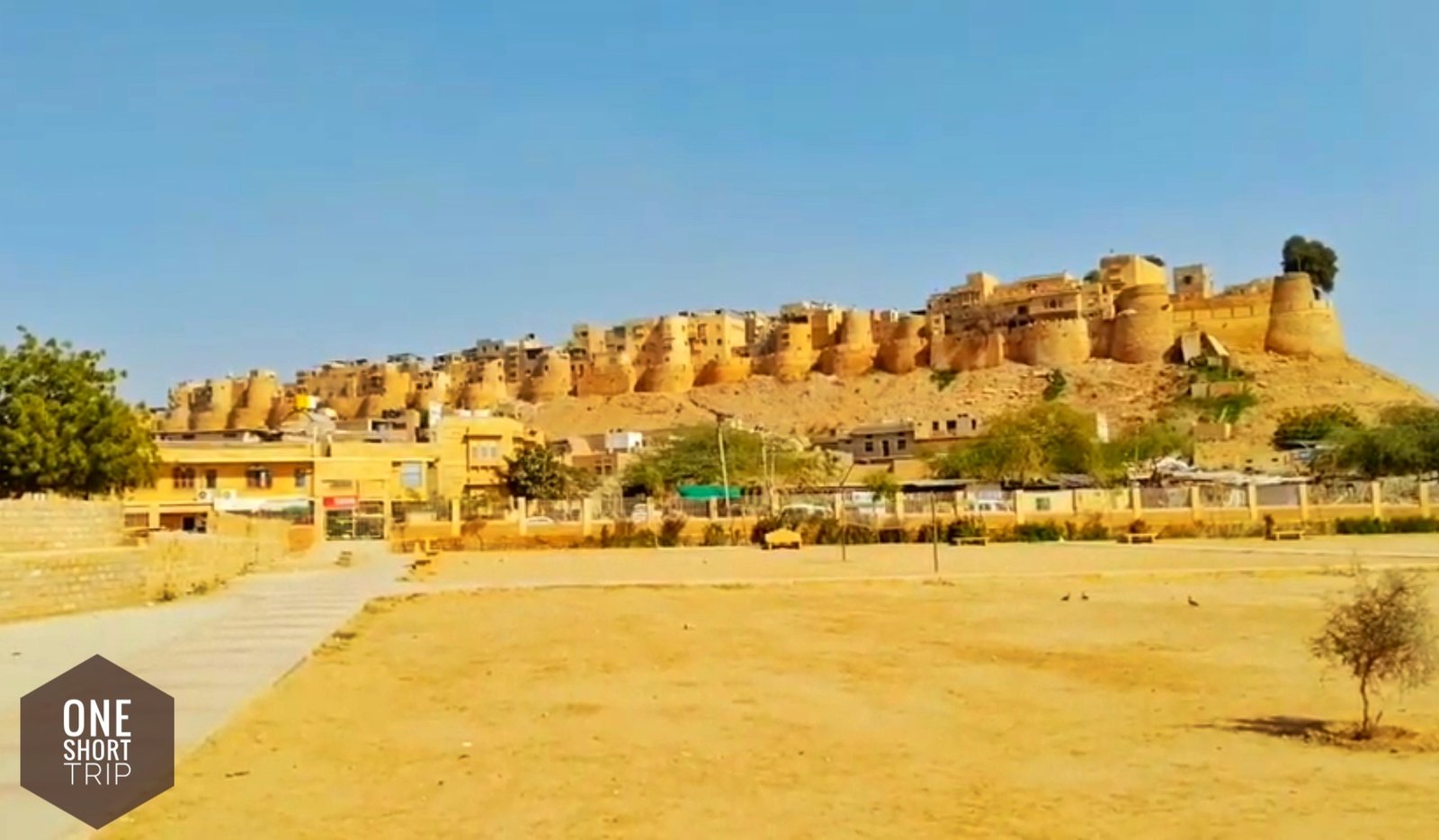
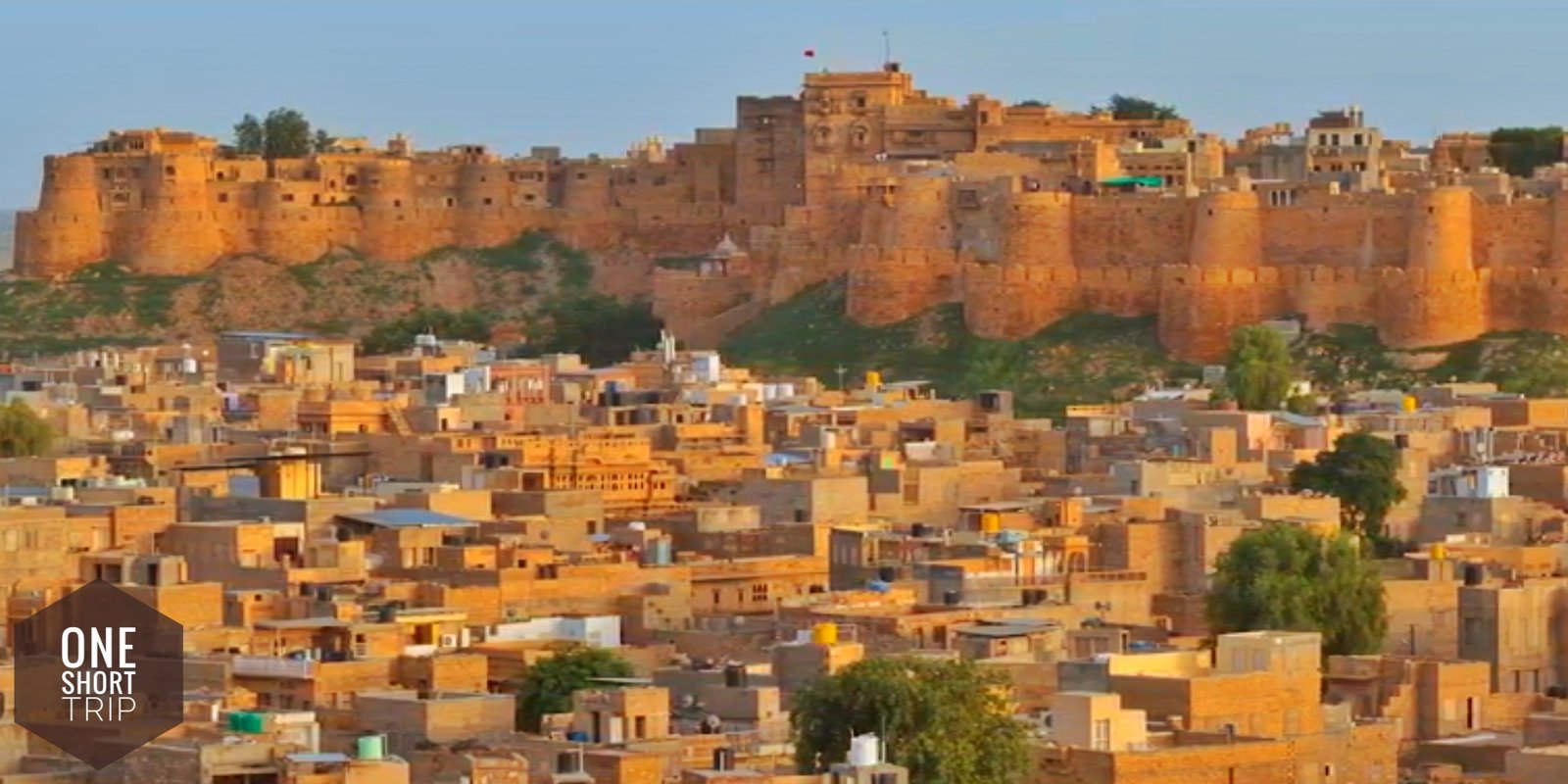
Jaisalmer Fort, popularly known as Sonar Quila or the Golden Fort of Jaisalmer, is one of Rajasthan's most remarkable historic landmarks. Rising dramatically from Trikuta Hill in the middle of the Thar Desert, the fort appears to emerge directly from the surrounding golden landscape. Built primarily from locally quarried yellow sandstone, its walls change colour with the movement of the sun, appearing pale golden during the day and taking on a deeper honey-gold glow around sunset.
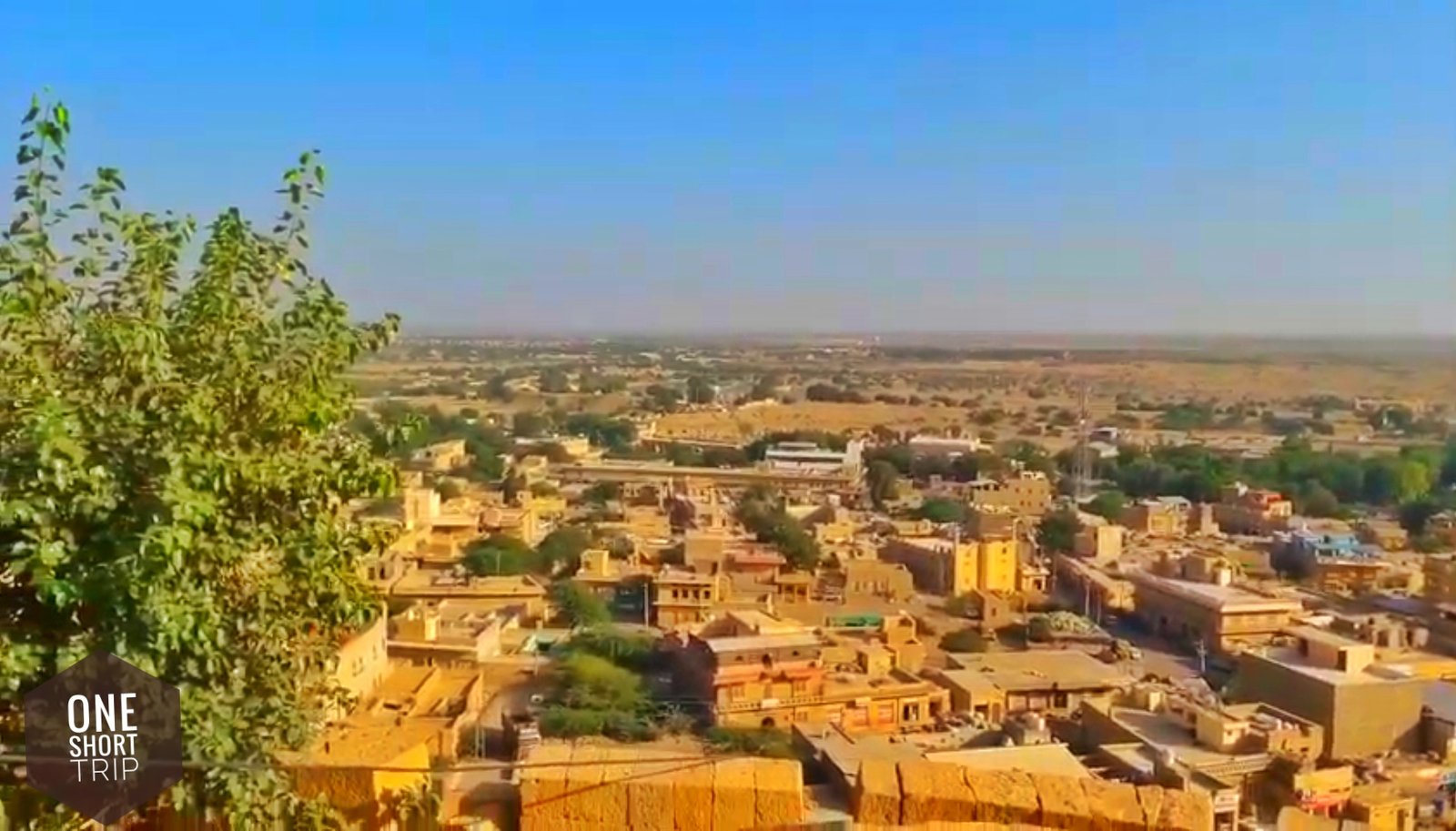
What makes Jaisalmer Fort particularly unusual is that it is not simply an abandoned monument preserved for tourists. It remains a living fort, with residents, temples, homes, shops, guesthouses, restaurants and traditional businesses functioning within its historic walls. This continuing residential life gives the fort a character that is very different from many other forts in India.
The fort is also part of the UNESCO World Heritage-listed Hill Forts of Rajasthan, recognised for its outstanding Rajput military architecture, historic setting and cultural importance. For travellers exploring Jaisalmer, a visit to the fort is much more than a walk around a fortified wall: it is an opportunity to experience royal history, religious traditions, merchant culture, desert architecture and everyday life in one extraordinary historic settlement.
History of Jaisalmer Fort
The history of Jaisalmer Fort begins in the 12th century. According to the traditional account, Rawal Jaisal, a Bhati Rajput ruler, was searching for a suitable location for a new capital when he encountered the sage Eesul on Trikuta Hill. The sage is said to have revealed an older prophecy associated with Lord Krishna, according to which a descendant of the Yaduvanshi lineage would establish a kingdom at this location.
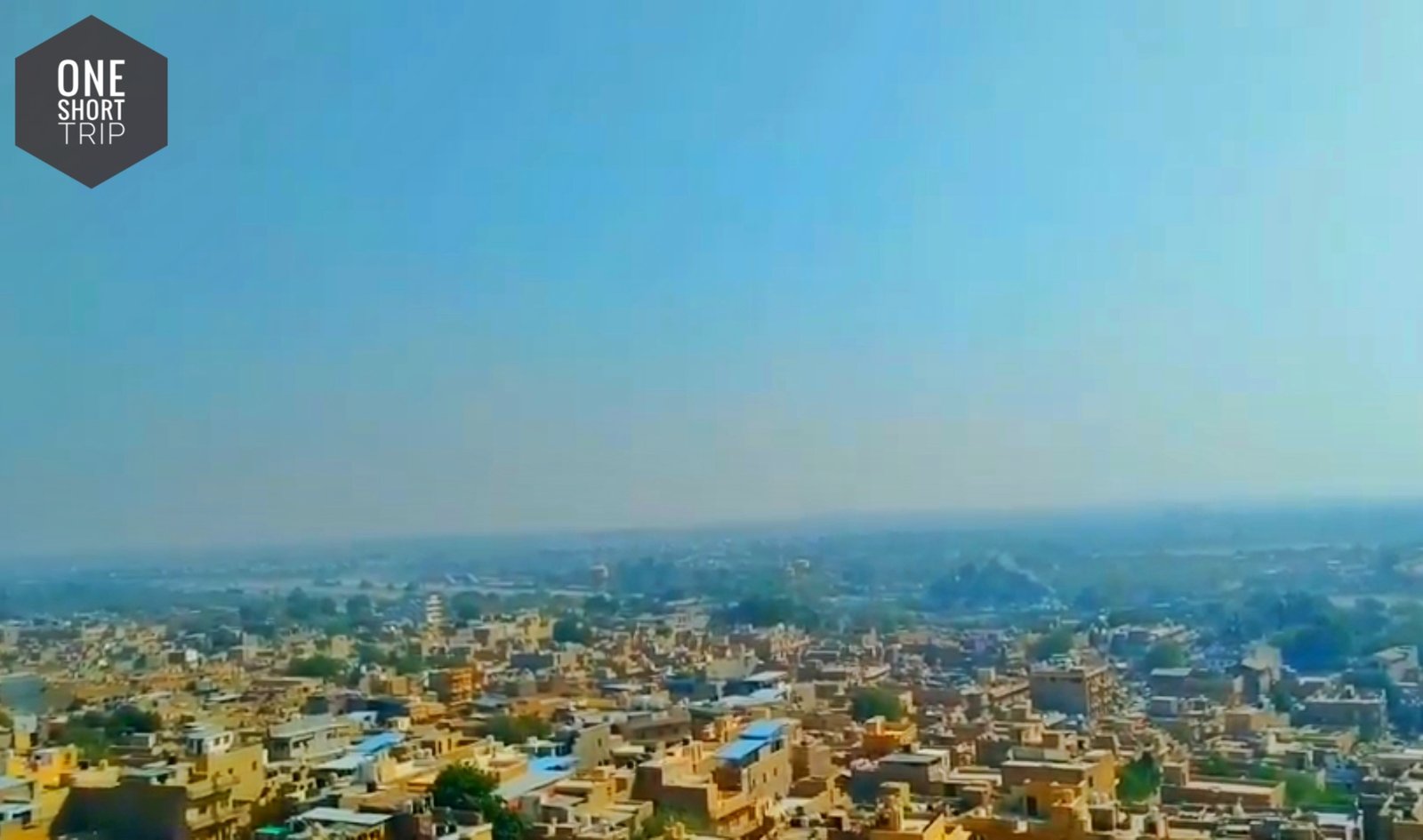
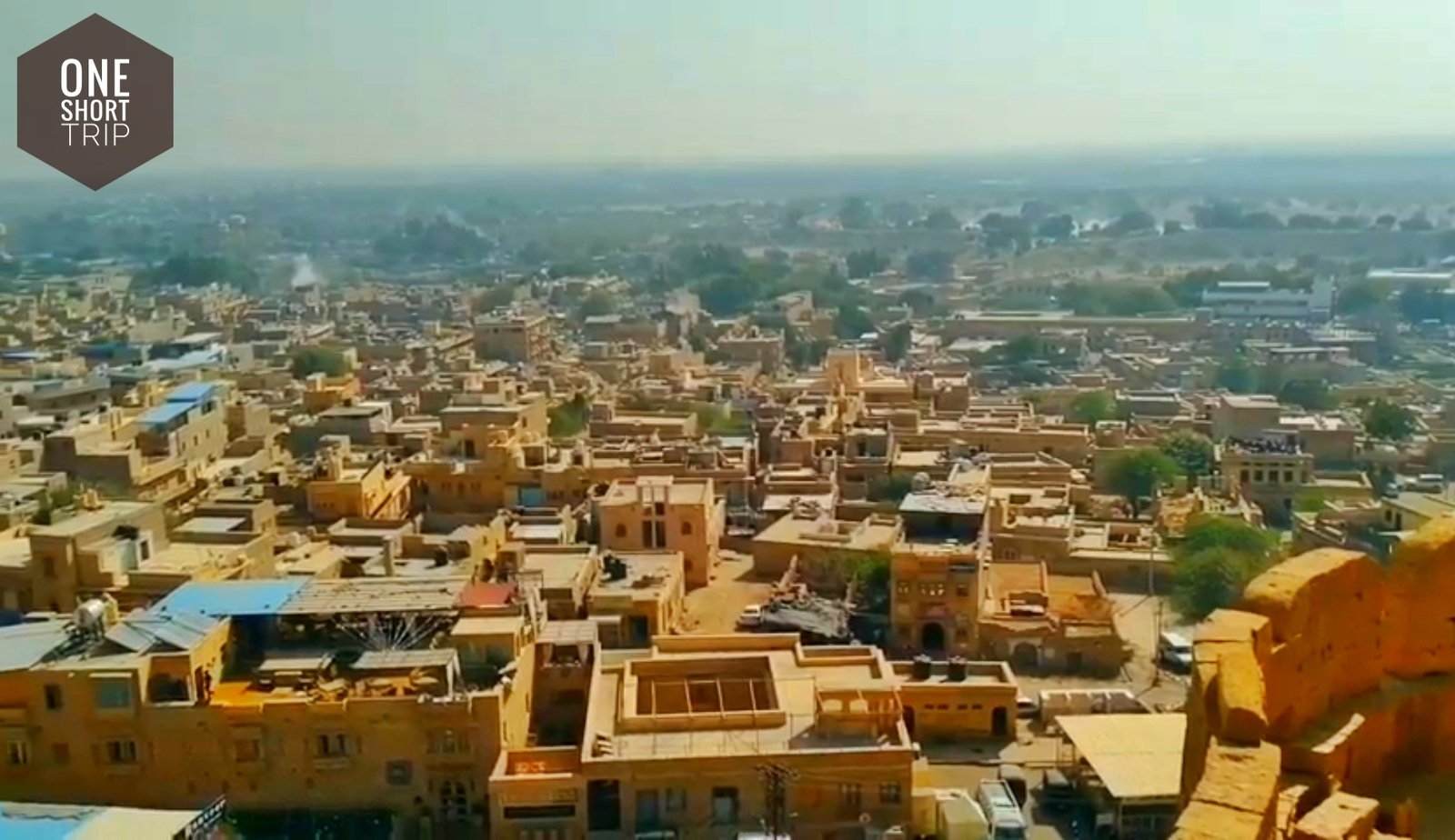
Rawal Jaisal established his new capital here in 1156 CE, giving the settlement the name Jaisalmer. The position of the hill was strategically important. From the elevated plateau, the rulers could observe the surrounding desert and important routes passing through this part of western Rajasthan.
Jaisalmer grew into an important centre along historic trade routes connecting India with regions farther west. Merchants, caravans and travellers crossed the desert carrying textiles, spices, precious goods and other commodities. The wealth generated by this trade eventually helped finance the construction of temples, havelis, palaces and other elaborate buildings inside and around the fortified city.
Over the centuries, the fort experienced conflicts involving the Bhati rulers and powerful neighbouring kingdoms and imperial forces. Its location and defensive strength made it an important stronghold in western Rajasthan. The fort was strengthened and modified by successive rulers, resulting in the layered architecture visible today.
Why Is Jaisalmer Fort Called Sonar Quila?
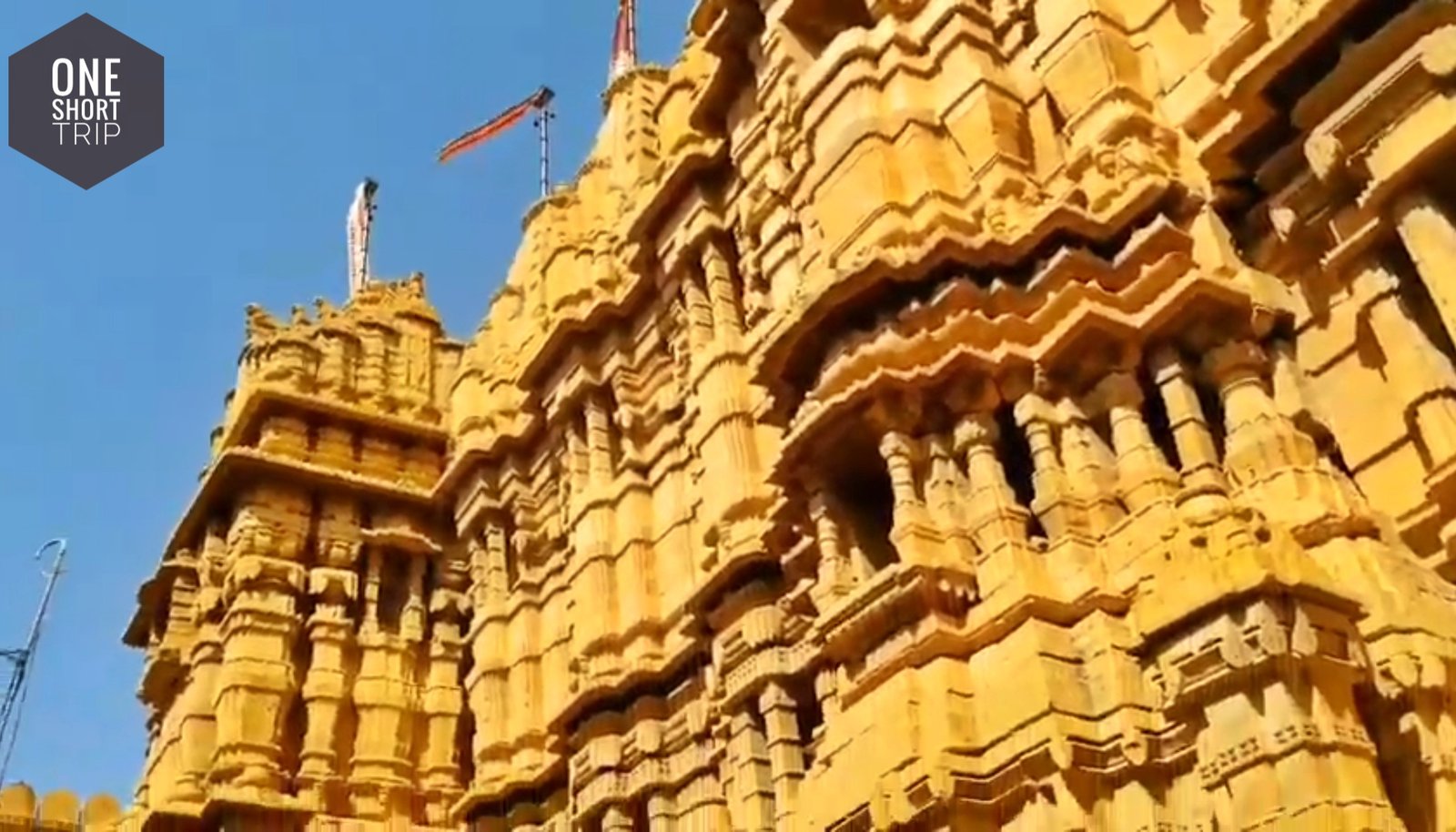
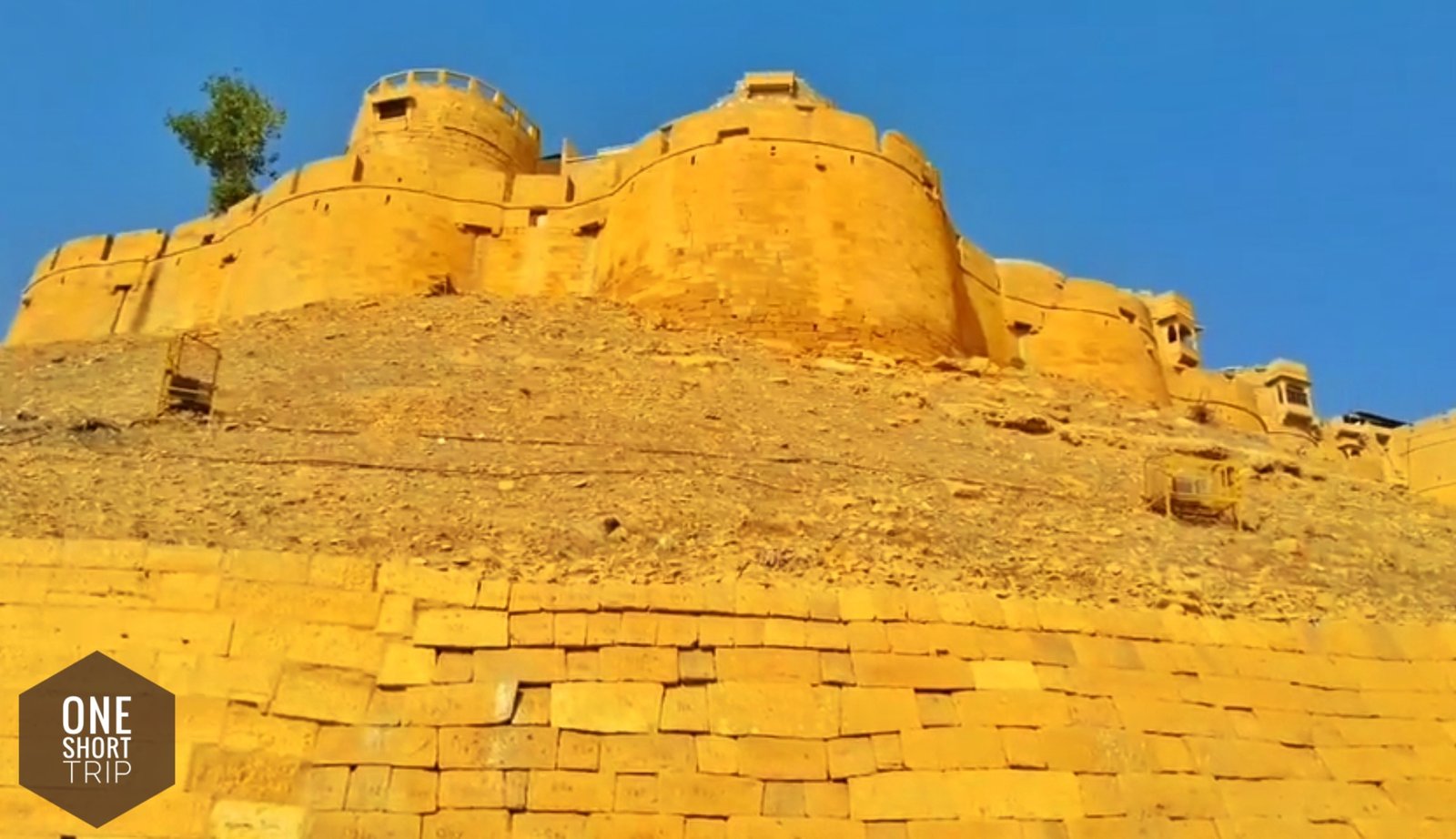
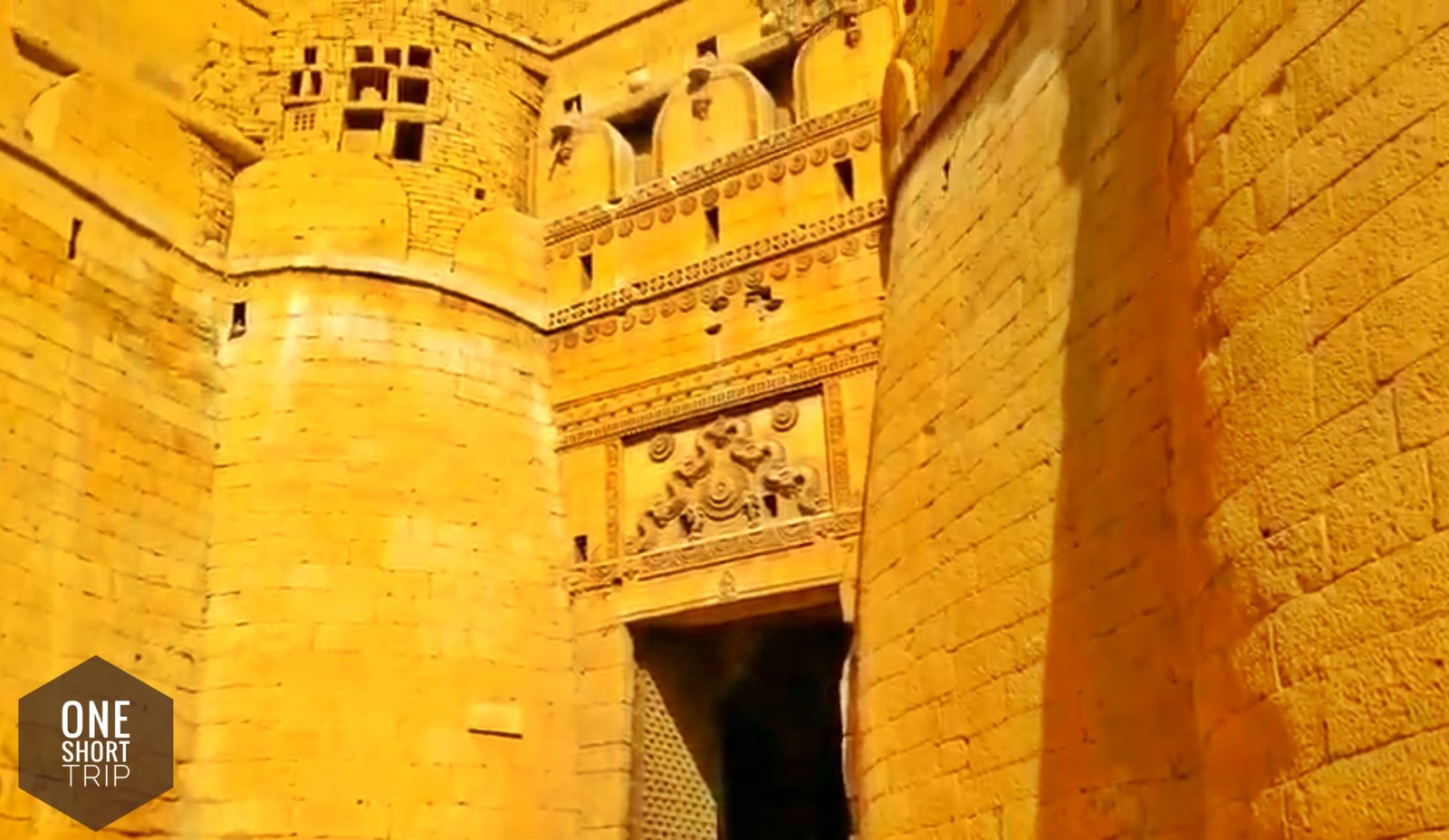
The name Sonar Quila literally refers to the fort's golden appearance. Its walls and buildings were constructed largely from the distinctive yellow sandstone found in the region. Rather than contrasting sharply with the desert, the sandstone blends naturally with the colours of the Thar.
The visual effect becomes especially striking during the early morning and late afternoon. As sunlight strikes the sandstone at different angles, the fort can appear yellow, amber, honey-coloured or deep gold. This changing appearance is one of the main reasons Jaisalmer became known as the Golden City.
Jaisalmer Fort Architecture
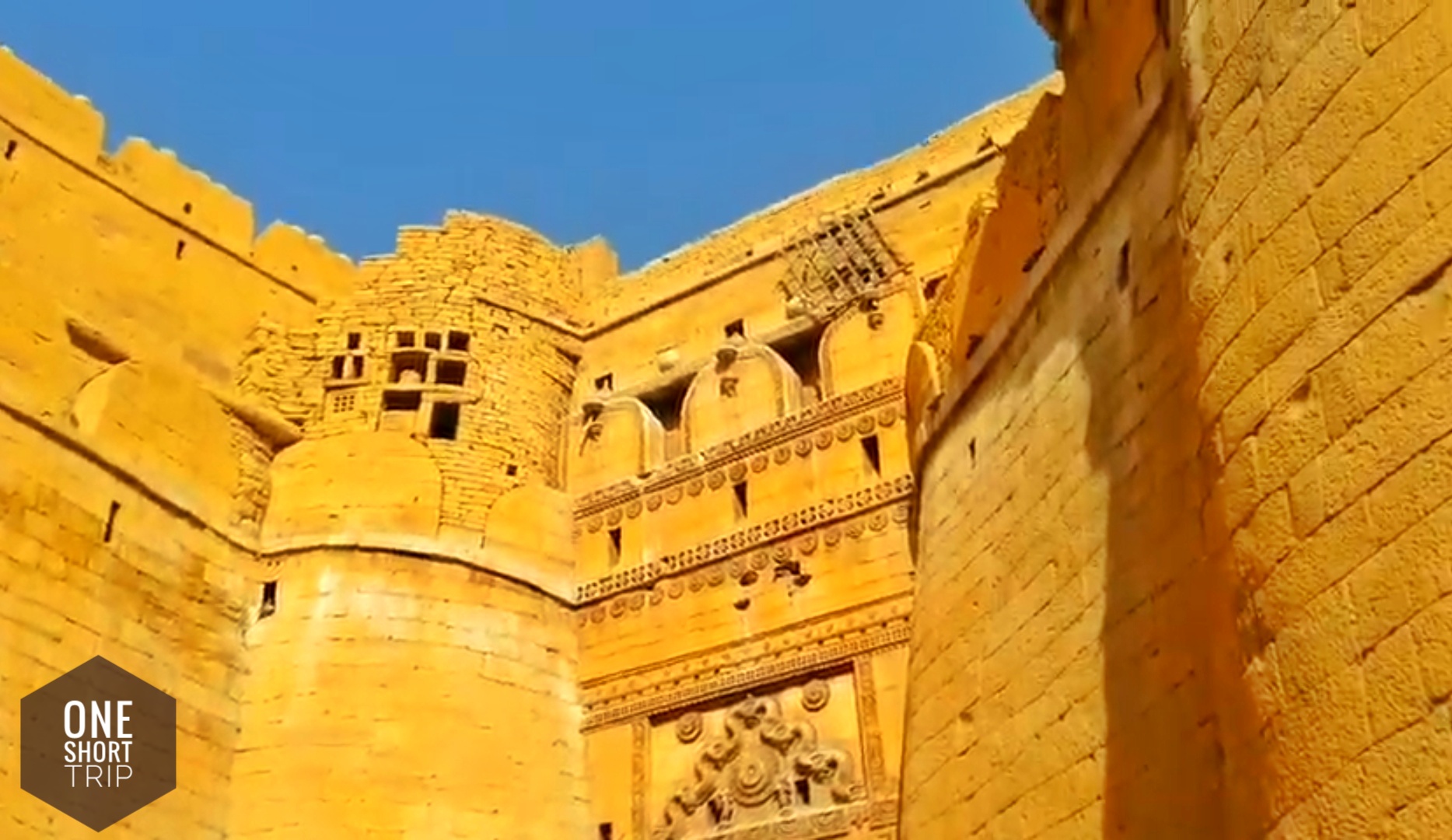
The fort is an outstanding example of Rajput defensive architecture adapted to the desert environment. Massive sandstone walls surround the settlement, while bastions, gateways, narrow passages and elevated viewpoints were designed to make the hilltop difficult to attack.
The fort's architecture also reflects the cultural exchanges that took place along western India's historic trade routes. Rajput, Jain, Hindu and other artistic influences can be seen in its temples, palaces, residences, carved balconies, stone screens and ornamental details.
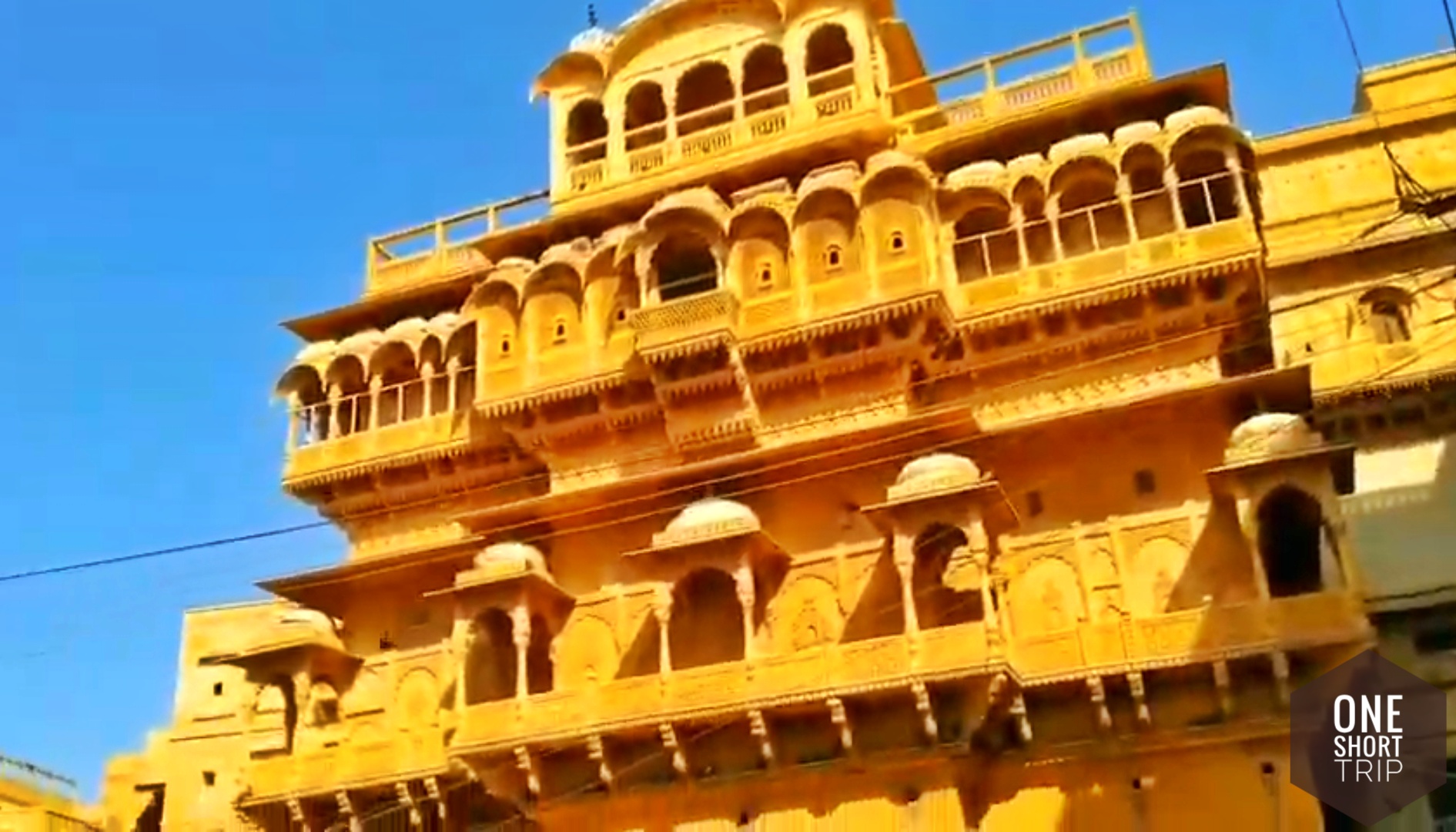
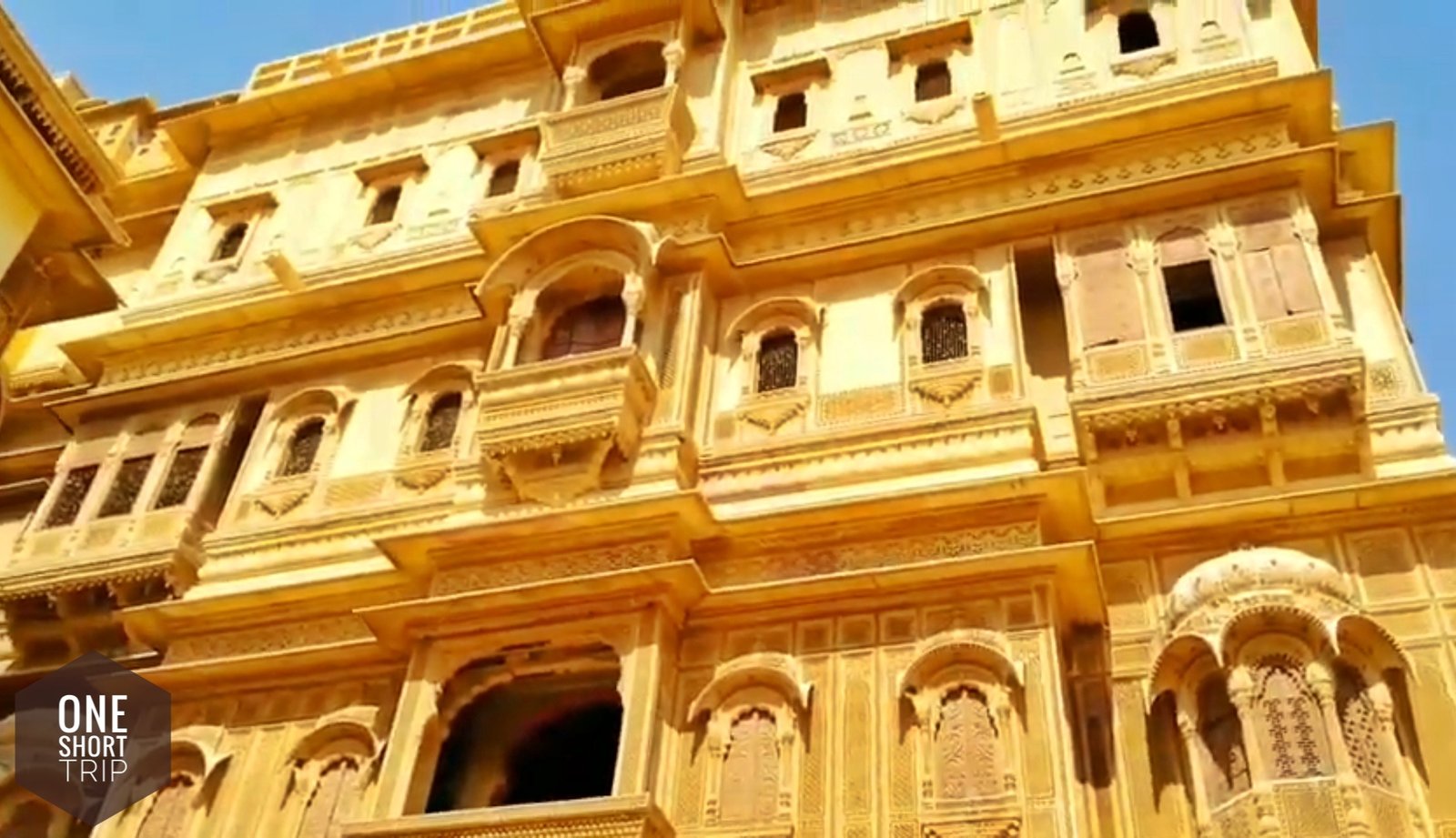
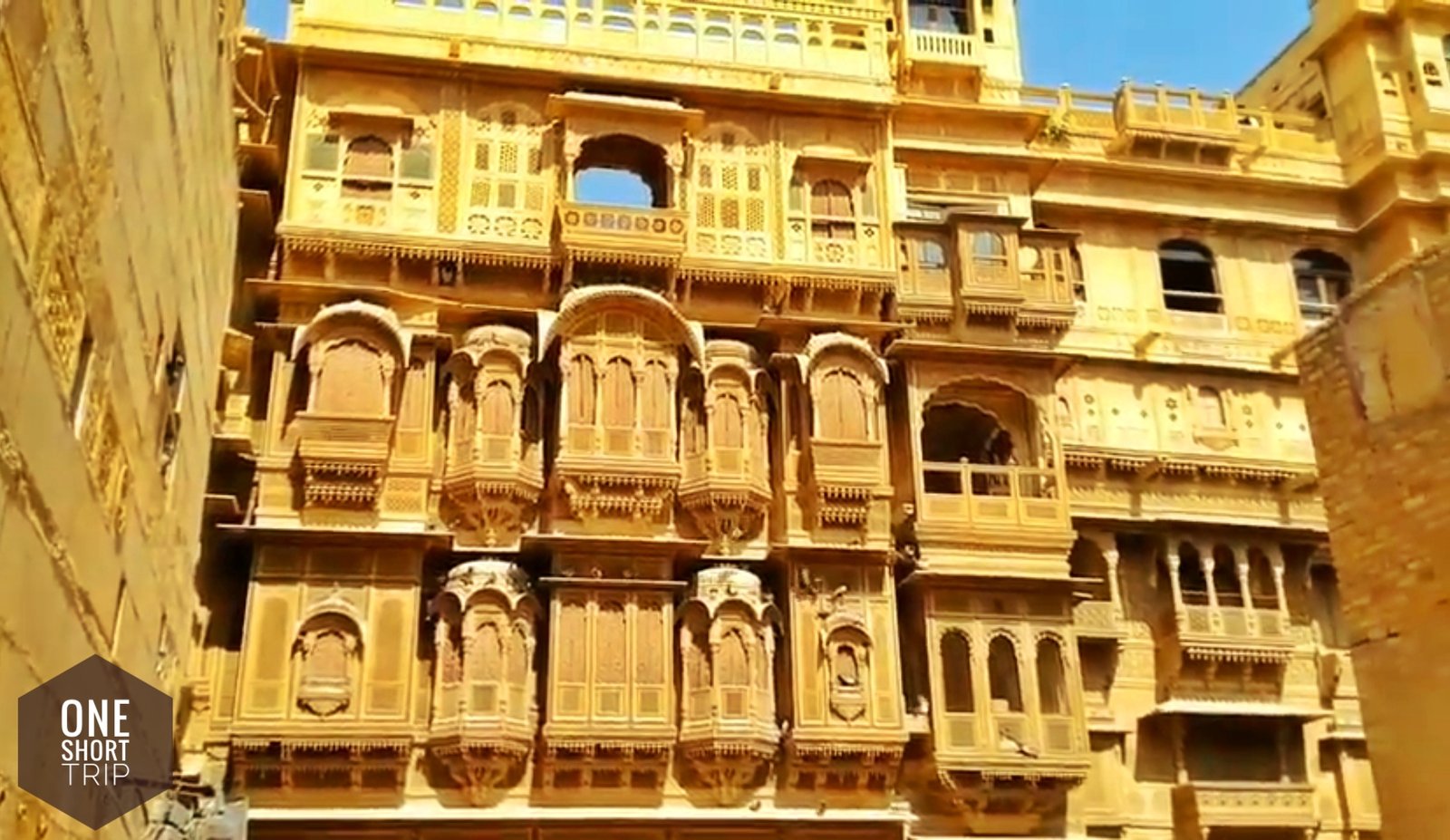
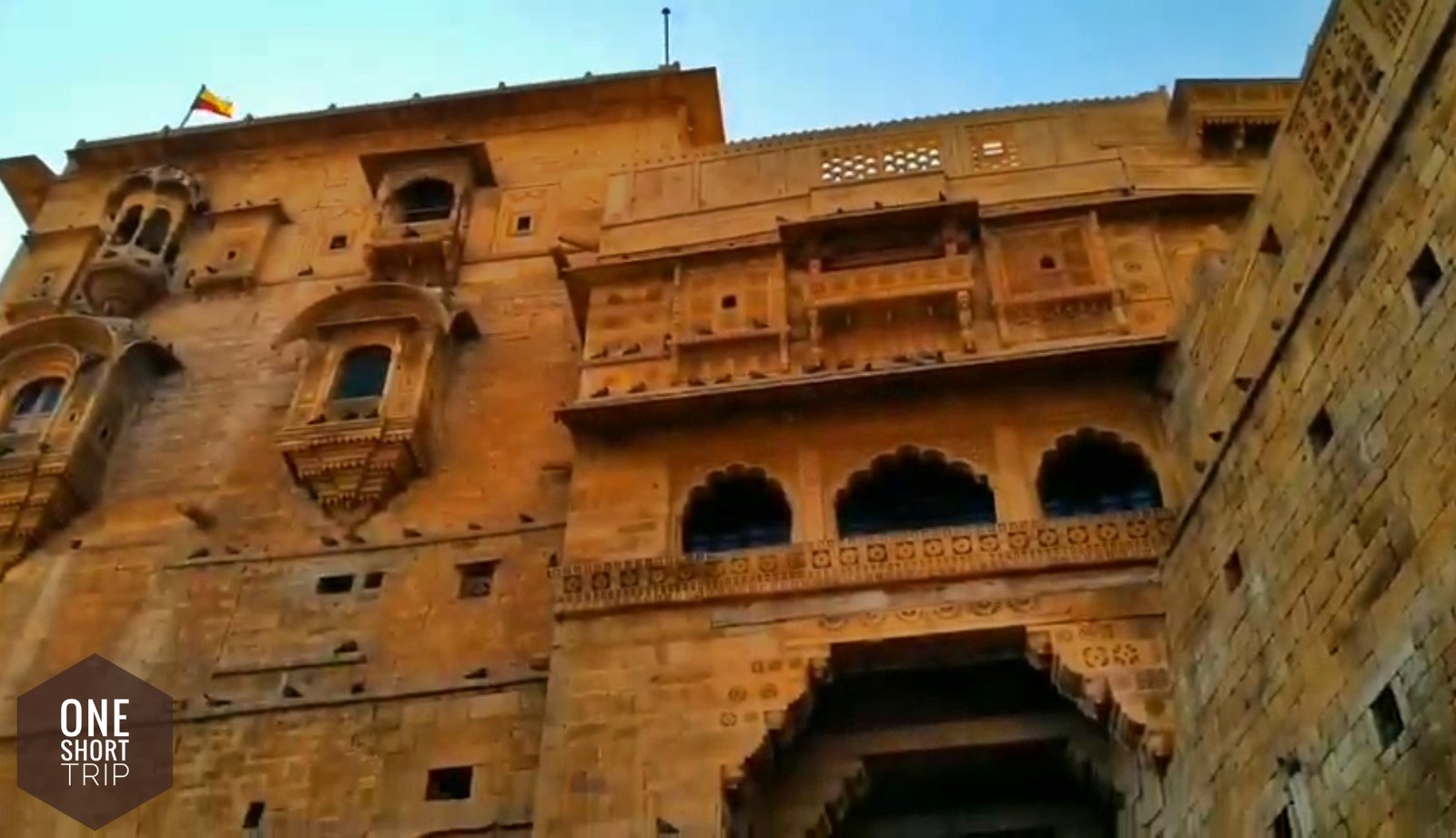
One of the most fascinating features is the use of local sandstone throughout the complex. Skilled craftsmen carved the relatively workable stone into detailed façades, pillars, balconies, arches and decorative panels, creating a striking contrast between the fort's military exterior and the intricate craftsmanship found within.
Four Main Gates of Jaisalmer Fort
Visitors enter the historic fort through a sequence of four major gateways. These gates were not simply decorative entrances; they formed part of the fort's defensive system, forcing approaching armies to negotiate a controlled series of passages before reaching the inner settlement.
Akhai Pol
Akhai Pol is one of the principal gateways through which visitors enter the fort. It leads into the sequence of passages and courtyards that connect the outer defensive zone with the heart of the settlement.
Ganesh Pol
Ganesh Pol is associated with Lord Ganesha and forms another important stage in the approach toward the inner part of the fort. Its religious association reflects the way spiritual symbolism and defensive architecture coexist throughout Jaisalmer.
Suraj Pol
Suraj Pol, or the Sun Gate, is another major entrance in the fort's defensive sequence. The name reflects the importance of solar symbolism within Rajput traditions.
Hawa Pol
Hawa Pol is the final major gateway in the traditional sequence. From this part of the fort, visitors move deeper into the historic settlement and toward its palaces, temples, homes, markets and viewpoints.
What to See Inside Jaisalmer Fort
Raj Mahal
The Raj Mahal, or Royal Palace, represents the former royal centre of the fort. Its courtyards, balconies, carved stonework and royal rooms provide a glimpse into the lifestyle of the Bhati rulers who governed Jaisalmer from the hilltop.
Jain Temples
The fort contains an exceptional group of seven Jain temples, built over several centuries. Dedicated to different Jain Tirthankaras, these temples are particularly famous for their detailed yellow-sandstone carvings, pillars, sculptures, ornamental doorways and finely worked interiors.
Among the temples are those dedicated to Parshvanath, Sambhavanath, Shitalnath, Shantinath, Kunthunath, Chandraprabhu and Rishabhanath. Chandraprabhu Temple dates to the early 16th century, while the wider temple group represents a much longer tradition of Jain presence within the fort.
Laxminath Temple
The Laxminath Temple is one of the important Hindu temples inside the fort. Dedicated to Lakshmi and Vishnu, it adds another layer to the religious landscape of the historic settlement and demonstrates how Hindu and Jain places of worship developed within the same fortified city.
Fort Havelis and Historic Residences
Walking through the fort also reveals old residential buildings, merchant houses, carved balconies, stone façades and narrow lanes. These structures show how the fort gradually developed from a military stronghold into a complete urban settlement where royal families, traders, religious communities and ordinary residents lived alongside one another.
Why Is Jaisalmer Fort Called a Living Fort?
Unlike many historic forts that survive mainly as archaeological monuments, Jaisalmer Fort continues to function as a neighbourhood. Families live within the fort, while shops, cafés, handicraft stores, small hotels, guesthouses and religious institutions continue to operate inside its walls.
This living character is one of the fort's greatest attractions. Instead of walking through an empty monument, visitors encounter daily life unfolding among centuries-old buildings. Residents move through narrow lanes, shopkeepers open their stores, worshippers visit temples and travellers explore the historic streets.
At the same time, the continued occupation of the fort creates serious conservation challenges. Water movement, drainage, construction, waste management and the pressure created by tourism can affect the historic sandstone structures. Responsible tourism is therefore particularly important inside Jaisalmer Fort.
Jaisalmer Fort and UNESCO World Heritage Status
Jaisalmer Fort is recognised as part of the Hill Forts of Rajasthan, a UNESCO World Heritage property that includes several major Rajput hill forts across Rajasthan. The recognition highlights the forts as exceptional examples of Rajput military architecture and the relationship between fortification, landscape and political power.
For Jaisalmer, the combination of a strategically positioned hilltop fort, massive defensive walls, historic palaces, temples and a continuing urban community makes the site particularly distinctive. Its heritage value extends beyond individual buildings to the entire historic settlement.
Jaisalmer Fort in Popular Culture
The dramatic appearance of the Golden Fort has made it one of India's most recognisable cinematic landmarks. Its association with Satyajit Ray's famous Feluda story and film Sonar Kella, meaning The Golden Fortress, further strengthened the fort's identity in popular culture.
The fort's combination of golden sandstone, desert surroundings, narrow medieval lanes and imposing walls provides a naturally cinematic setting. It is also one of the reasons Jaisalmer has become a major destination for heritage photography and architectural photography.
Best Time to Visit Jaisalmer Fort
The most comfortable period to explore Jaisalmer Fort is generally from October to March, when daytime temperatures are more suitable for walking around the fort and exploring the surrounding attractions. Winter is also the busiest tourism season in Jaisalmer.
For photography, early morning and late afternoon are particularly rewarding. The low-angle sunlight brings out the texture of the sandstone and gives the fort its characteristic golden appearance. Sunset is especially popular, although viewpoints can become busy during peak tourist months.
How Long Does It Take to Explore Jaisalmer Fort?
A quick walk through the main lanes and viewpoints can take around 1 to 2 hours, but travellers interested in the palace, Jain temples, architecture, shops and local life should allow approximately 2 to 3 hours or more.
Because the fort is a living neighbourhood, it is worth slowing down rather than treating it as a monument to be crossed off a list. Combining the fort with the nearby havelis and local markets creates a much fuller experience of historic Jaisalmer.
Visitor Tips for Jaisalmer Fort
- Wear comfortable footwear because the fort involves walking through uneven stone lanes and sloping passages.
- Carry drinking water, particularly during warmer months.
- Start early if you want cooler weather and fewer crowds.
- Late afternoon is ideal if your priority is golden-hour photography.
- Respect residents because the fort remains a functioning residential neighbourhood.
- Dress appropriately when entering Jain and Hindu temples.
- Follow photography restrictions wherever individual temples or religious areas request them.
- Do not touch or climb historic carvings, walls or fragile architectural features.
- Allow extra time for the Jain temples because their detailed carvings are easy to miss if you rush.
- Explore the surrounding old city as well; many of Jaisalmer's famous merchant havelis are outside the fort.
Places to Visit Near Jaisalmer Fort
Jaisalmer Fort sits close to many of the city's major attractions, making it easy to combine several heritage sites in one day. Patwon Ki Haveli, Nathmal Ki Haveli, Salim Singh Ki Haveli, Gadisar Lake and the old markets are among the most convenient additions to a fort visit.
Travellers staying longer in Jaisalmer can continue beyond the city to Bada Bagh, Kuldhara, Sam Sand Dunes, Desert National Park and Amar Sagar. These attractions together provide a broader picture of the region's royal history, desert environment, architecture and traditional culture.
Jaisalmer Fort is ultimately best understood not as a single monument but as the historic heart of the Golden City. Its walls, temples, palace, homes, markets and narrow streets preserve layers of Rajasthan's past while remaining part of everyday life. That rare combination of heritage and living culture is what makes Sonar Quila one of the most memorable places to visit in Rajasthan.
Planning A Trip Here?


Get help planning your visit — call or WhatsApp us and we will help you book a tour.