
Jaisalmer Desert Camp – Experience the Thar Desert
A Jaisalmer desert camp is one of the best ways to experience the Thar Desert beyond the historic streets of the Golden City. Instead of simply visiting the sand dunes for a few hours, a desert camp lets you spend an evening surrounded by golden sands, enjoy a camel safari or jeep safari, watch the sunset, experience Rajasthani folk performances and spend the night in a traditional or luxury tent.
The Sam Sand Dunes area is the most popular desert camping region near Jaisalmer. The landscape changes dramatically as the sun moves across the dunes, making the desert especially attractive during sunset, after dark and again at sunrise. Rajasthan Tourism also highlights camping at the dunes as a combination of adventure, comfort and traditional cultural experiences.


What Is Jaisalmer Desert Camping?
Jaisalmer desert camping means staying in a tented accommodation in or around the Thar Desert, usually near the Sam Sand Dunes or other desert camping areas. Depending on the camp, accommodation can range from simple tents with basic facilities to comfortable Swiss tents and luxury desert tents with attached bathrooms and more refined interiors.
A typical desert camp experience begins in the afternoon or evening. Travellers head towards the dunes, enjoy a camel ride or jeep safari, watch the sunset over the sand, return to the camp for tea or snacks and then spend the evening watching Rajasthani music and dance performances around a campfire. Dinner and an overnight stay complete the experience.
Why Stay at a Desert Camp?
The main attraction is the chance to experience the desert after the usual sightseeing hours. The dunes become quieter after sunset, the sky becomes much more visible and the atmosphere around a traditional camp creates a very different experience from staying inside Jaisalmer city.
Desert camping is particularly suitable for travellers who want a combination of nature, local culture, adventure and a memorable overnight experience rather than only a short visit to the sand dunes.
Where Is Jaisalmer Desert Camp Located?
Most visitors looking for a Jaisalmer desert camp stay in the desert camping belt around Sam Sand Dunes, west of Jaisalmer. Sam is one of the best-known areas for camel safaris, desert camps and sunset experiences.
The exact location depends on the camp you choose. Some camps are positioned close to the main dune area, while others are set farther away to provide a quieter desert atmosphere. When booking, it is worth checking the exact camp location rather than choosing a property only by the name "Jaisalmer Desert Camp."
Types of Accommodation at Jaisalmer Desert Camps
Desert camps in Jaisalmer are available in different comfort levels. The right option depends on whether you are looking for a simple traditional experience, a comfortable family stay or a more luxurious desert holiday.
Traditional Desert Tents
Traditional tents are designed to give travellers a closer feel of desert camping. They generally provide a bed, basic furnishings and essential facilities, with the exact amenities depending on the camp.
Swiss or Premium Tents
Swiss tents and premium tents offer more space and comfort. Many have attached bathrooms and decorated interiors while retaining the appearance of a traditional desert camp.
Luxury Desert Camps
Luxury camps are designed for travellers who want a more comfortable stay in the desert. These may include better furnishings, spacious tents, private bathrooms, seating areas and additional hospitality services.
Things to Do at a Jaisalmer Desert Camp
1. Camel Safari
A camel safari is one of the most popular experiences at Sam Sand Dunes. Riding across the dunes gives visitors a slower way to experience the desert landscape and is particularly popular around sunset.
2. Jeep Safari and Dune Bashing
Jeep safari offers a more adventurous way to explore the dunes. Vehicles travel across selected dune tracks and provide a faster, more exciting experience than a camel ride. Travellers with back or neck problems should be cautious because dune bashing can involve sudden movement and jolts.
3. Watch the Desert Sunset
Sunset is one of the highlights of a Jaisalmer desert camp experience. As the sun moves towards the horizon, the colour and shadows across the dunes change continuously, creating excellent opportunities for photography.
4. Rajasthani Folk Music and Dance
Many desert camps organise evening cultural programmes featuring Rajasthani folk music and traditional dance. These performances provide visitors with an introduction to the region's music, costumes and cultural traditions.
5. Campfire Evening
After sunset, the camp atmosphere usually changes from outdoor desert exploration to an evening around the campfire. Depending on the property and season, tea, snacks, dinner and cultural performances may be part of the experience.
6. Stargazing
Away from the lights of Jaisalmer city, the desert can offer a much darker night sky. On clear nights, simply sitting outside the tent and looking at the stars can become one of the most peaceful parts of the camping experience.
Best Time to Visit Jaisalmer Desert Camp
The best time for a Jaisalmer desert camp experience is generally from October to March, when daytime conditions are more comfortable and the desert becomes especially pleasant around sunset and after dark. Rajasthan Tourism also recommends October to March for desert camping.
November to February is particularly popular because the evenings and nights can be cold. If you are travelling during these months, carry warm clothing even if the afternoon feels comfortable.
Summer months can be extremely hot in the Thar Desert. Travellers visiting outside the main season should plan outdoor activities carefully and check the operating schedule of their chosen camp.


How Long Should You Stay at a Jaisalmer Desert Camp?
One night is enough to experience the main highlights of desert camping, including a camel safari or jeep safari, sunset, cultural programme, dinner and an overnight stay in a tent.
However, a two-day desert experience gives you more time to enjoy the dunes without rushing. You can combine the camp stay with Jaisalmer Fort, Patwon Ki Haveli, Gadisar Lake and other attractions in the city.
A Good 2-Day Desert Experience
Reach the desert camp in the afternoon, check in and relax before heading out for a camel safari or jeep safari. Watch the sunset from the dunes and return to the camp for folk performances, dinner and a campfire. Spend the night in the desert.
The following morning, wake up early for sunrise if your camp location and schedule allow it. After breakfast, check out and return towards Jaisalmer for city sightseeing.
How to Reach Jaisalmer Desert Camp
From Jaisalmer City
Desert camps around Sam Sand Dunes are reached by road from Jaisalmer. Many travellers visit the city first and then travel towards the desert in the afternoon so they can reach the dunes before sunset.
By Car or Taxi
A private car or taxi is one of the most convenient ways to reach a desert camp, especially for families, senior citizens and groups carrying luggage. It also makes it easier to combine the desert stay with Jaisalmer sightseeing.
By Tour Package
Many Rajasthan tour itineraries include a visit to Sam Sand Dunes from Jaisalmer, with the desert experience planned around sunset. Some packages include transfers, camel safari, meals and cultural programmes, while others treat these as optional activities.
What Is Usually Included in a Desert Camp Stay?
Inclusions vary from one camp to another, so travellers should check the booking details carefully. Depending on the property, a package may include tent accommodation, meals, evening tea or snacks, camel safari, cultural performances, campfire and other activities.
Some camps also offer jeep safari, quad biking or other adventure activities at an additional cost. Do not assume that every activity is included simply because it is advertised by the camp.
Food at Jaisalmer Desert Camps
Desert camps commonly serve meals as part of their accommodation packages. Depending on the camp, dinner may include North Indian and Rajasthani dishes along with snacks or tea during the evening cultural programme.
If you have dietary restrictions or require Jain, vegetarian or other specific meals, confirm this with the camp before arrival rather than assuming that a particular menu will be available.
Is Jaisalmer Desert Camping Suitable for Families?
Yes. Desert camping can be a memorable family experience because it combines nature, cultural performances, a unique type of accommodation and optional activities. Families should choose a camp with comfortable bathrooms, suitable bedding and easy vehicle access if travelling with young children.
Parents should also keep children hydrated during outdoor activities and supervise them around dunes, campfire areas and safari vehicles.
Is Jaisalmer Desert Camping Suitable for Senior Citizens?
Senior citizens can enjoy a desert camp, particularly when staying at a comfortable property with easy vehicle access. The main consideration is the physical strain involved in camel rides and dune-bashing.
A peaceful desert stay, sunset viewing and cultural programme can be enjoyed without taking part in every adventure activity. Travellers with back, neck or mobility concerns should choose activities according to their comfort level.
What to Pack for a Jaisalmer Desert Camp
Pack light but prepare for both warm afternoons and cold desert nights. Comfortable clothing, sunglasses, sunscreen, a hat or scarf, comfortable footwear and a reusable water bottle are useful during the day.
During the winter season, carry a jacket, sweater or warm shawl because temperatures can drop considerably after sunset. A power bank can also be useful if you are spending a night away from the city.
Useful Items to Carry
Sunglasses, sunscreen, lip balm, moisturizer, comfortable shoes, warm clothing during winter, personal medicines, a torch or phone light and a small day bag are practical additions for a desert camp stay.
Desert Camp Experience at Night
The atmosphere changes completely after sunset. The heat of the afternoon gives way to cooler air, the camp lights come on and the evening usually centres around Rajasthani music, dance, dinner and a campfire.
If the sky is clear and the camp is away from strong artificial lighting, the desert can also be a wonderful place for quiet stargazing. The experience is less about a packed schedule and more about slowing down and enjoying the surroundings.

Places to Combine with Jaisalmer Desert Camp
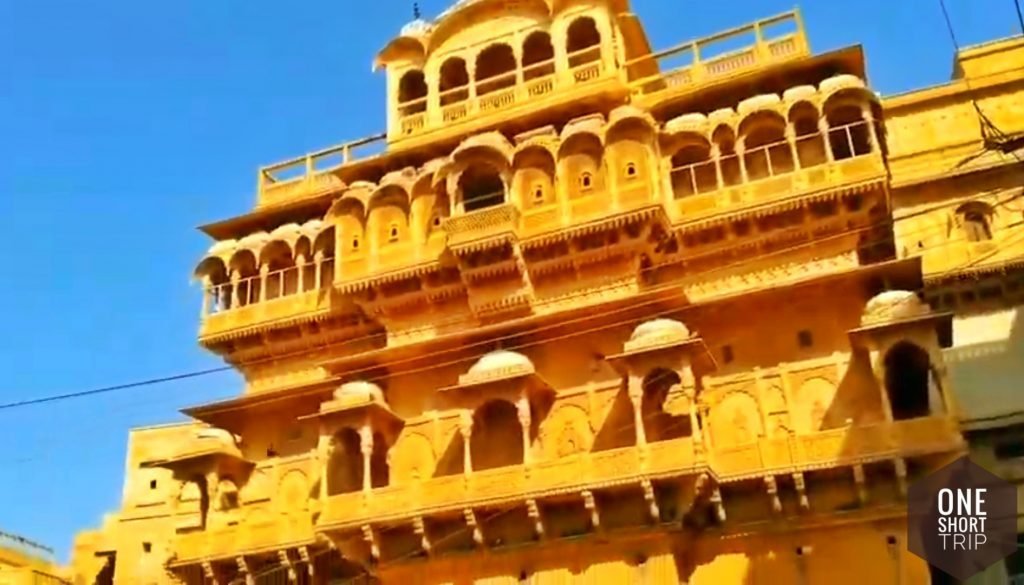
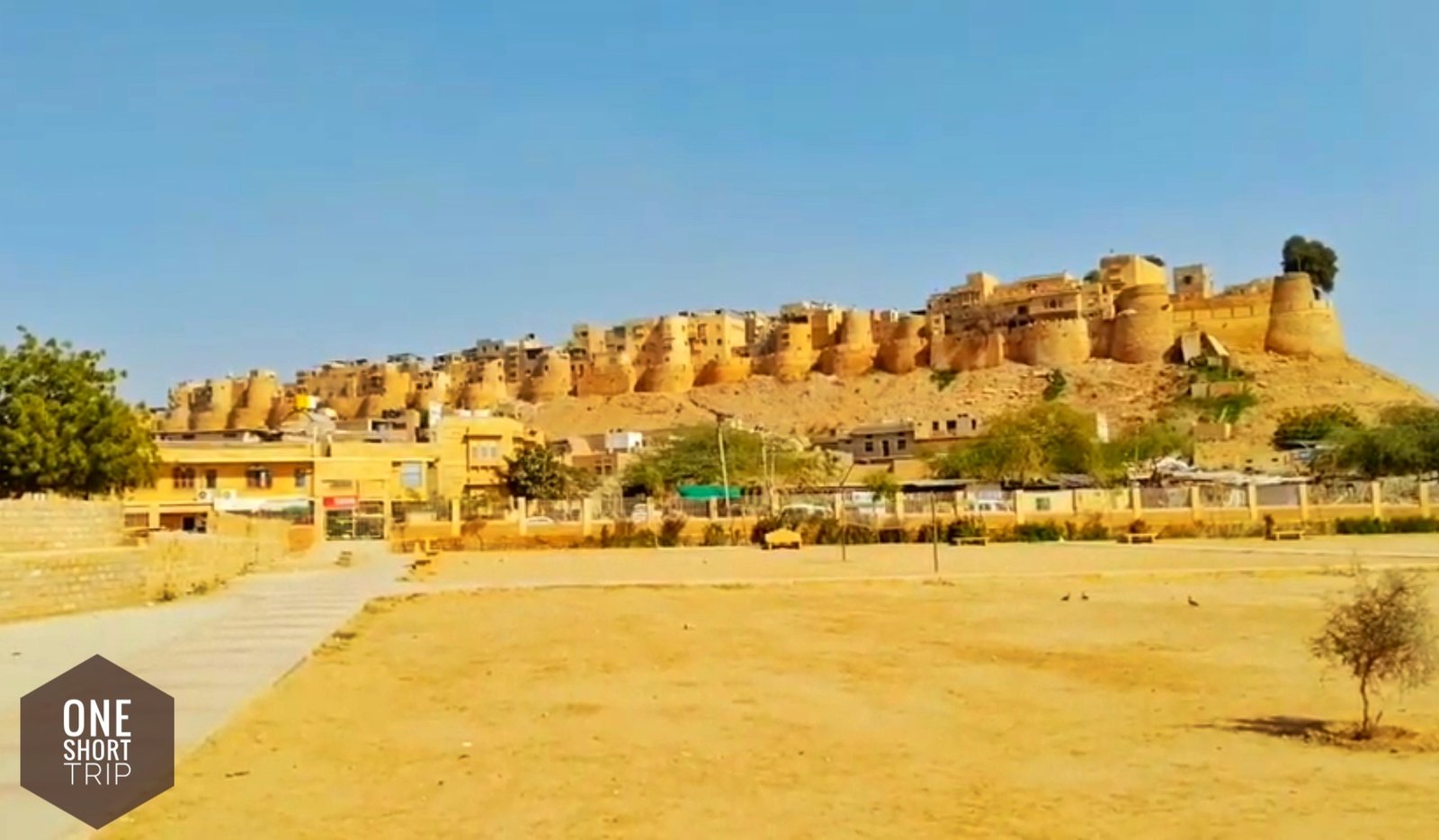
A desert camp is best experienced as part of a wider Jaisalmer itinerary rather than as a standalone attraction. Before or after your desert stay, you can explore Jaisalmer Fort, Patwon Ki Haveli, Salim Singh Ki Haveli, Nathmal Ki Haveli and Gadisar Lake.
Travellers with additional time can also consider destinations such as Kuldhara and the Desert National Park. Rajasthan Tourism lists Kuldhara and the Desert National Park among the important attractions around Jaisalmer.
Jaisalmer Desert Camp – Things to Keep in Mind
Desert camping is a seasonal experience, and the quality of the stay can depend greatly on the camp you select. Check the exact tent category, bathroom facilities, meal plan, safari inclusions and location before booking.
Sunset is usually the busiest period around the dunes, so allow enough time to reach your camp and complete check-in before the evening activities begin. During winter, carry warm clothing for the night even if the afternoon is sunny and warm.
Most importantly, do not treat the desert only as an adventure destination. The real charm of a Jaisalmer desert camp lies in experiencing the landscape, local culture, sunset, night sky and slower pace of desert life.
Jaisalmer Desert Camp – A Complete Desert Experience
From camel rides across the dunes and sunset photography to traditional Rajasthani performances and sleeping under the desert sky, a Jaisalmer desert camp adds a completely different dimension to a Rajasthan trip. For first-time visitors, staying at least one night in the desert is one of the easiest ways to experience the Thar beyond the forts and havelis of the city.
Whether you choose a simple traditional tent or a luxury desert camp, plan the experience around the season, your comfort level and the activities you actually want to enjoy. A well-planned overnight stay around Sam Sand Dunes can become one of the most memorable parts of a Jaisalmer journey.