About Venkatappa Art Gallery
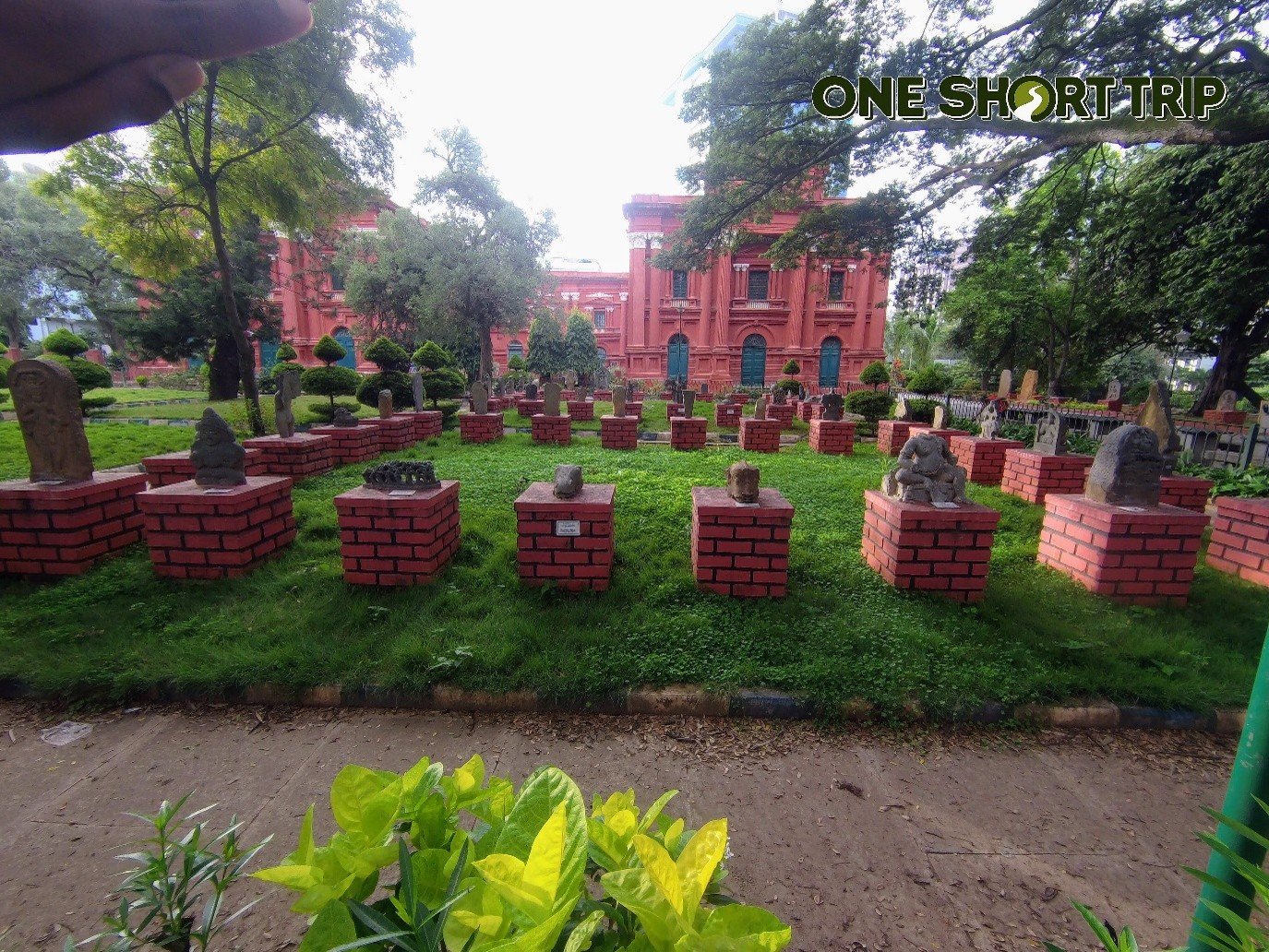
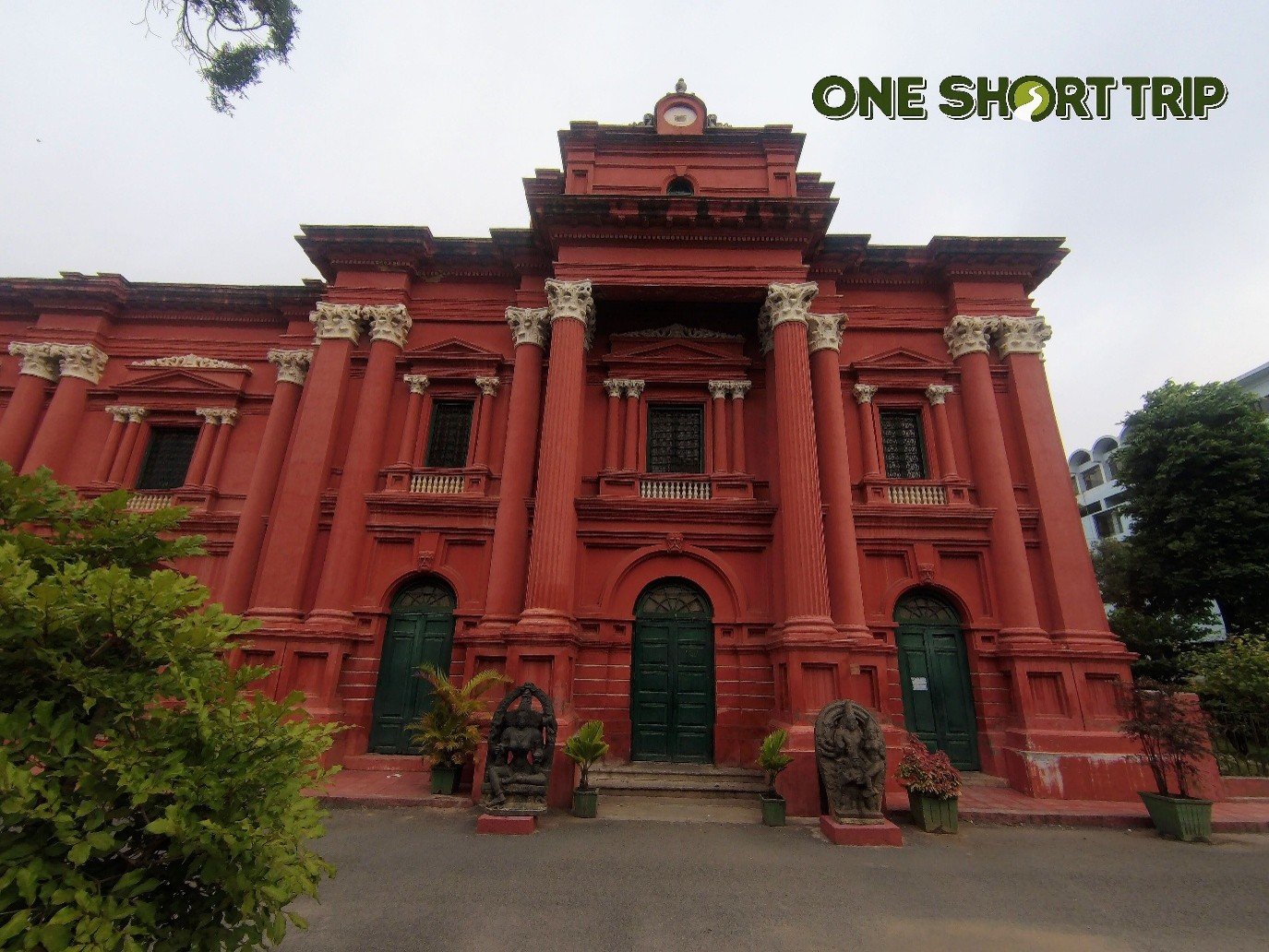
Located on Kasturba Road beside Cubbon Park in central Bengaluru, Venkatappa Art Gallery is one of the city's important destinations for art, culture and heritage. The gallery is named after K. Venkatappa, one of Karnataka's most respected artists, whose work reflects a remarkable combination of painting, drawing, sculpture and music. For travellers looking for cultural places to visit in Bengaluru, the gallery offers an opportunity to explore Indian art in a quieter setting away from the city's busier attractions.
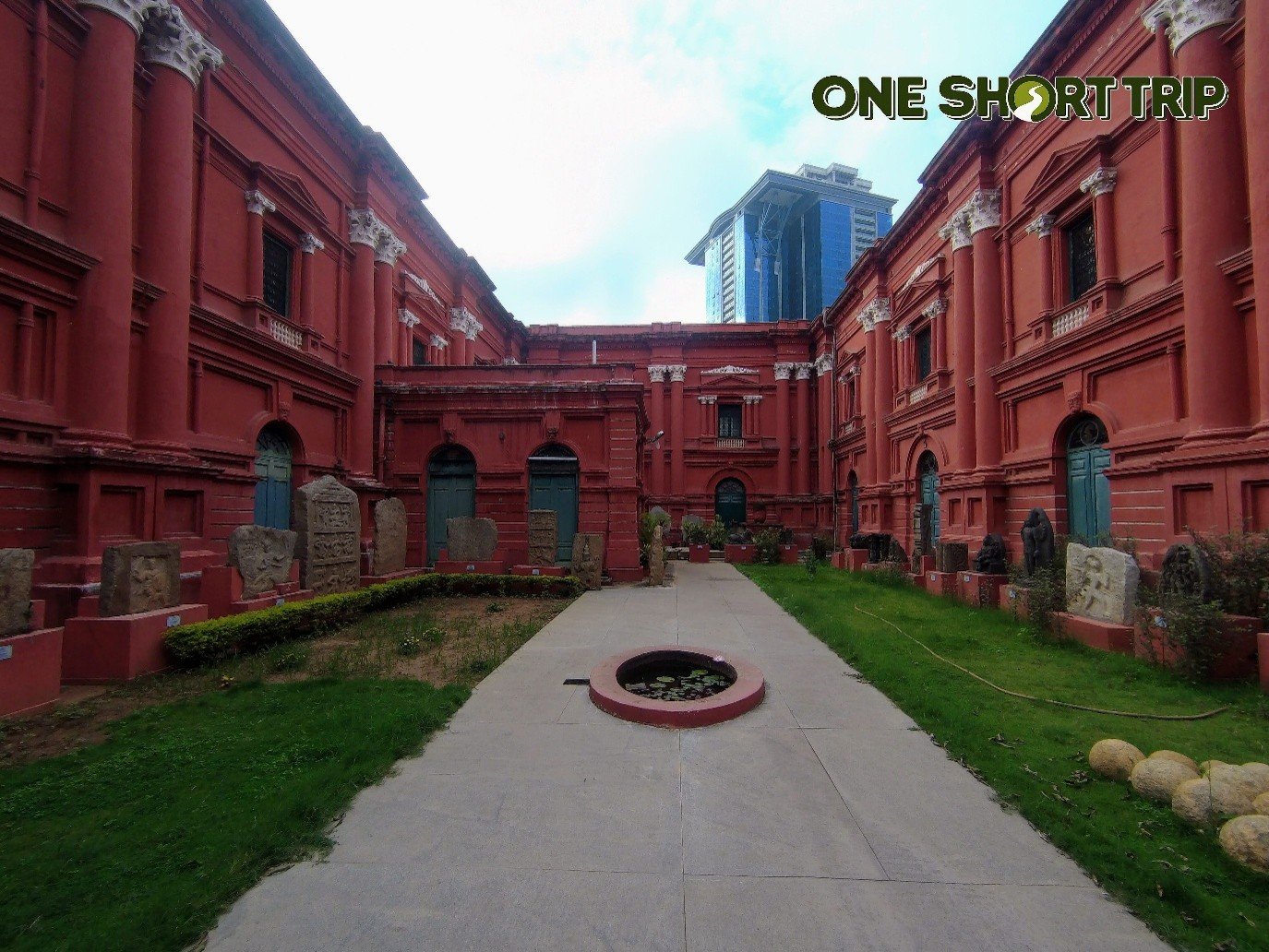
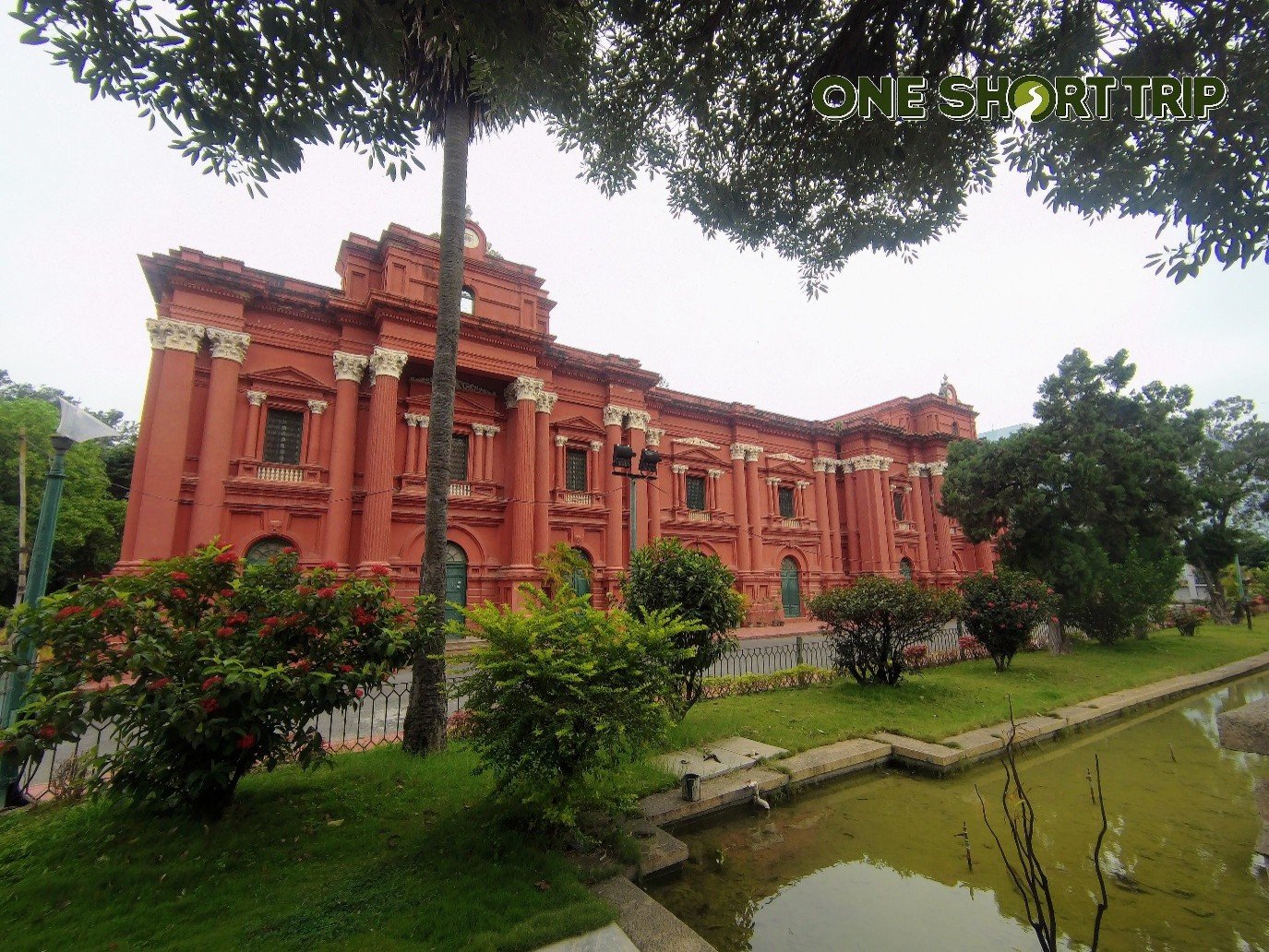
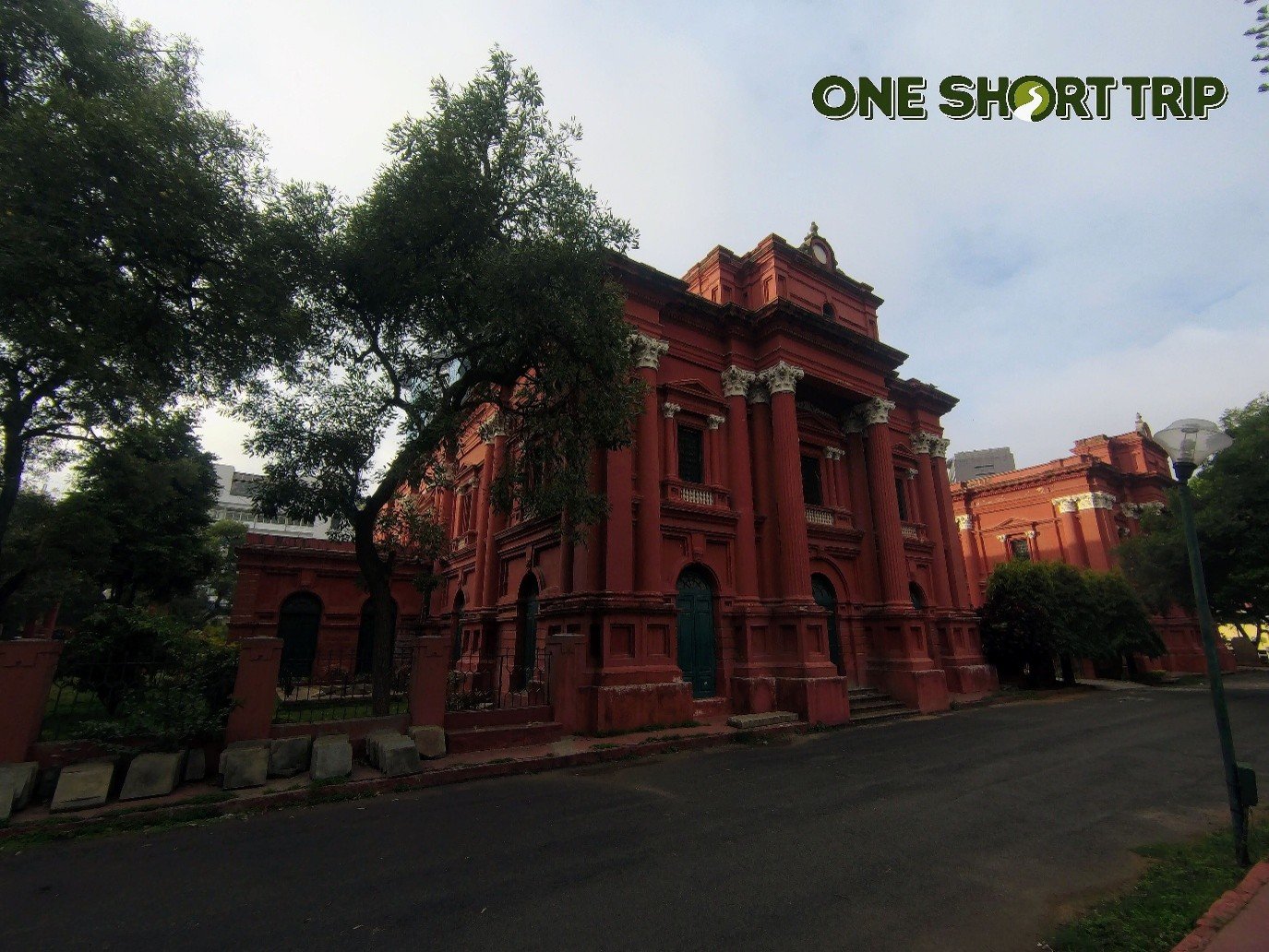
The gallery forms part of the Karnataka Government Museum complex and has developed into more than a memorial to a single artist. Visitors can see works associated with K. Venkatappa as well as collections connected with other notable Indian artists, including K. K. Hebbar. The wider museum complex also contains archaeological and historical collections, making this a useful stop for travellers who want to combine art, history and heritage in one visit.
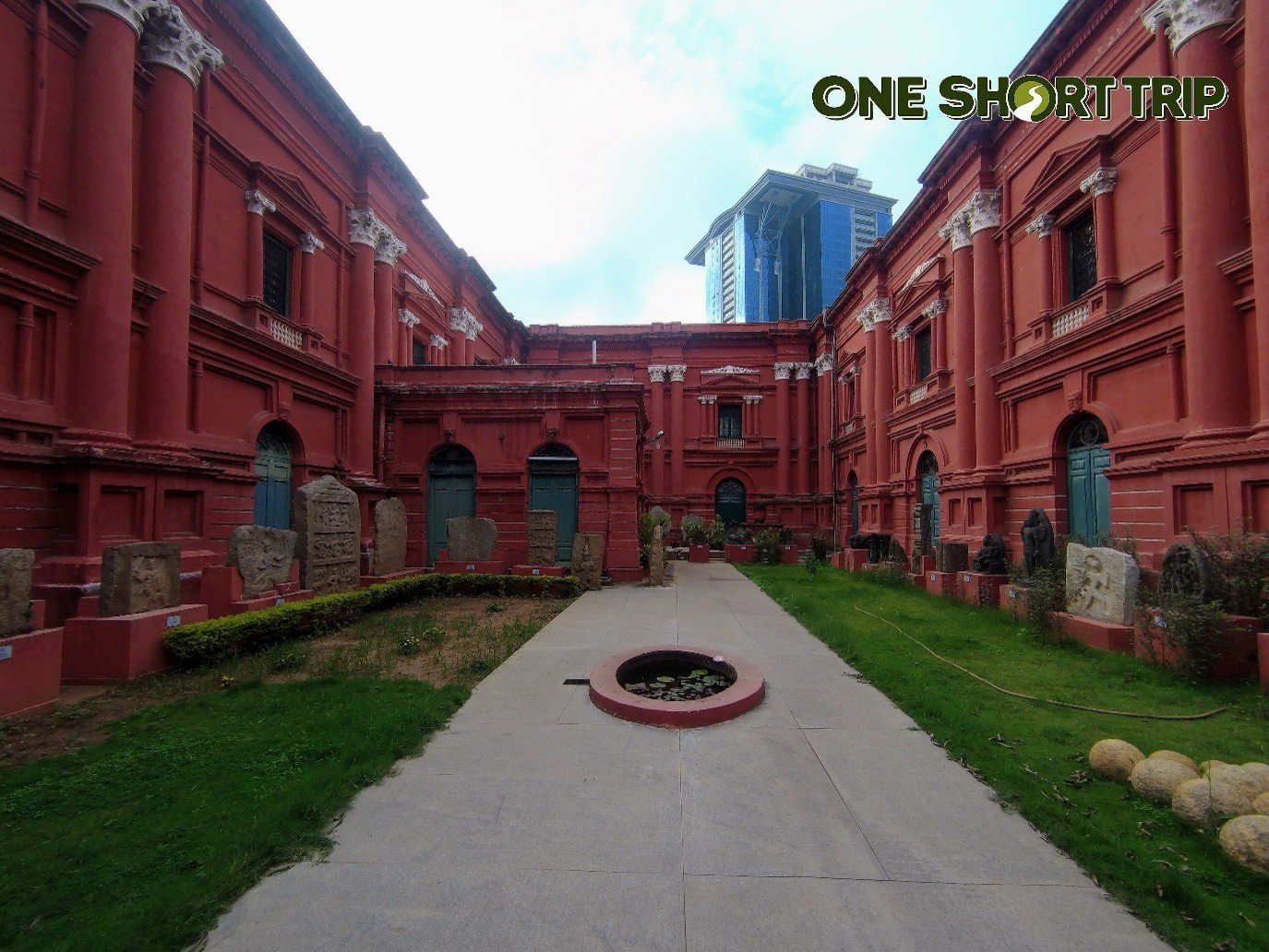
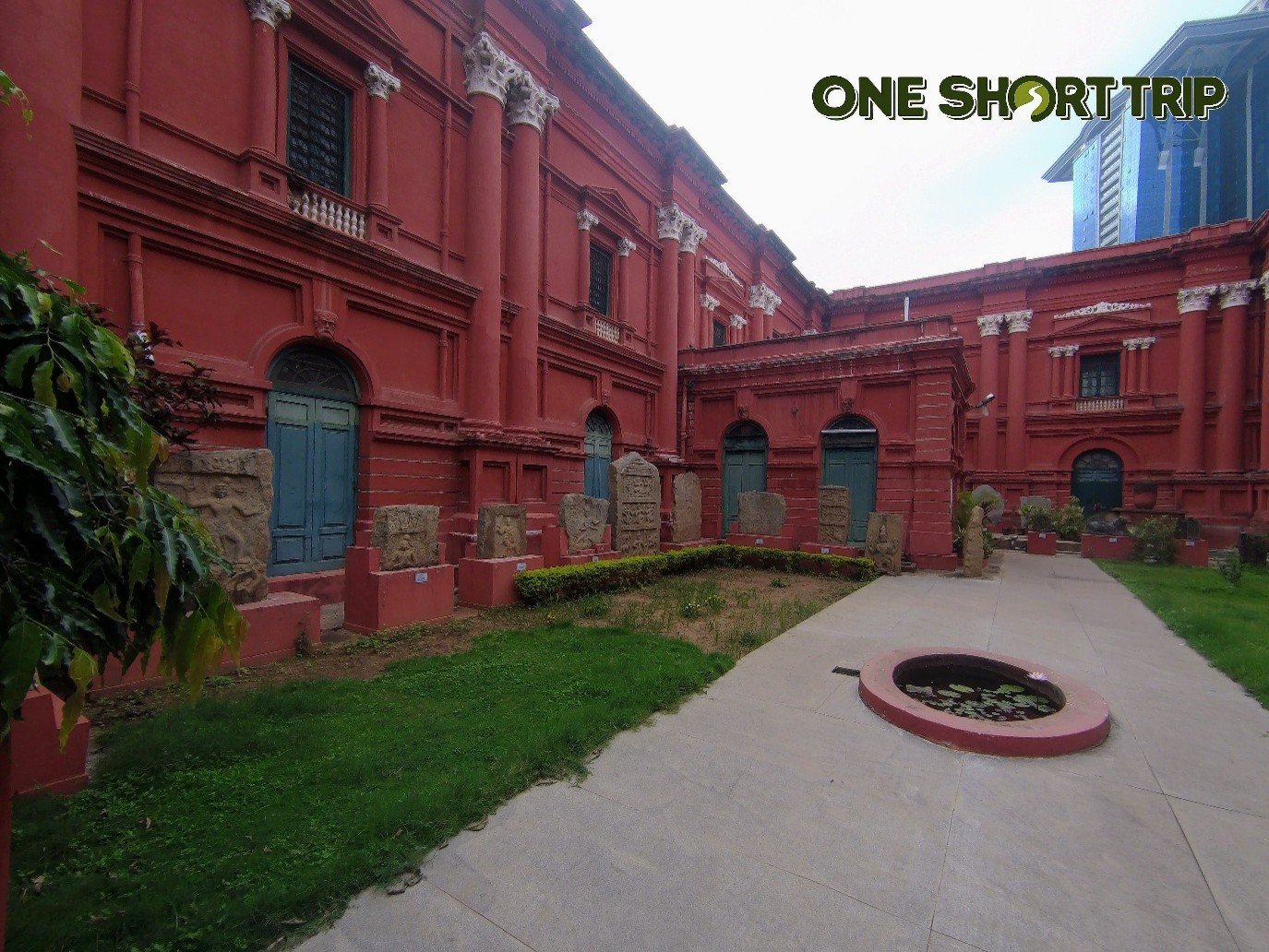
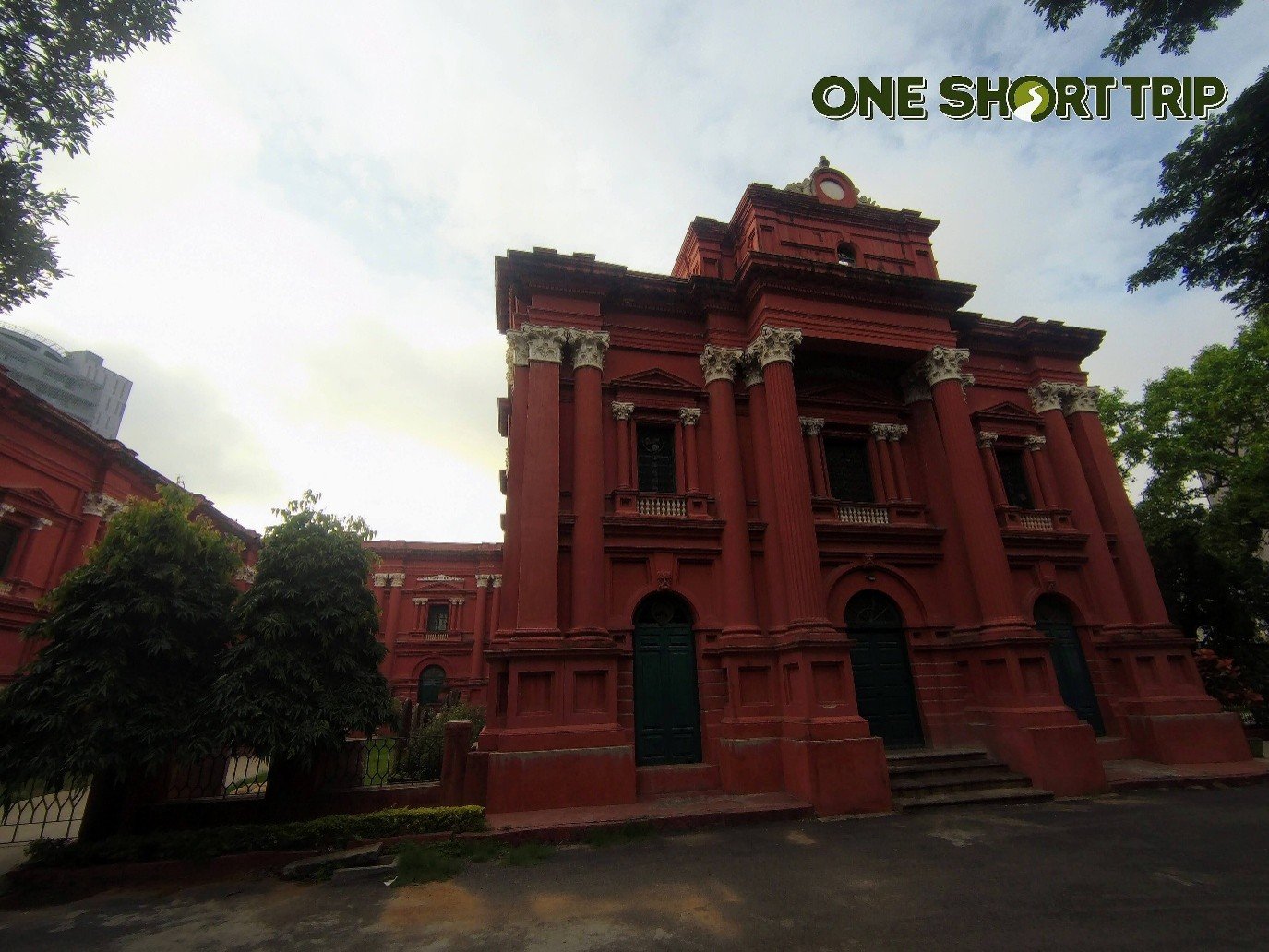
The gallery is particularly worthwhile for visitors interested in the development of modern Indian art in Karnataka. K. Venkatappa is remembered for his landscape paintings, studies, sketches and other works, while the broader collection gives visitors a chance to see different artistic styles and approaches. The experience is less about rushing from one landmark to another and more about spending time observing the artwork, understanding the artists and appreciating Bengaluru's cultural history.
Its location also makes Venkatappa Art Gallery easy to combine with other central Bengaluru attractions. A visit can be planned alongside the Karnataka Government Museum, Cubbon Park, Vidhana Soudha, Visvesvaraya Industrial & Technological Museum and other nearby heritage and cultural landmarks. For travellers planning a Bengaluru sightseeing itinerary, this makes the gallery especially convenient as part of a half-day cultural circuit.
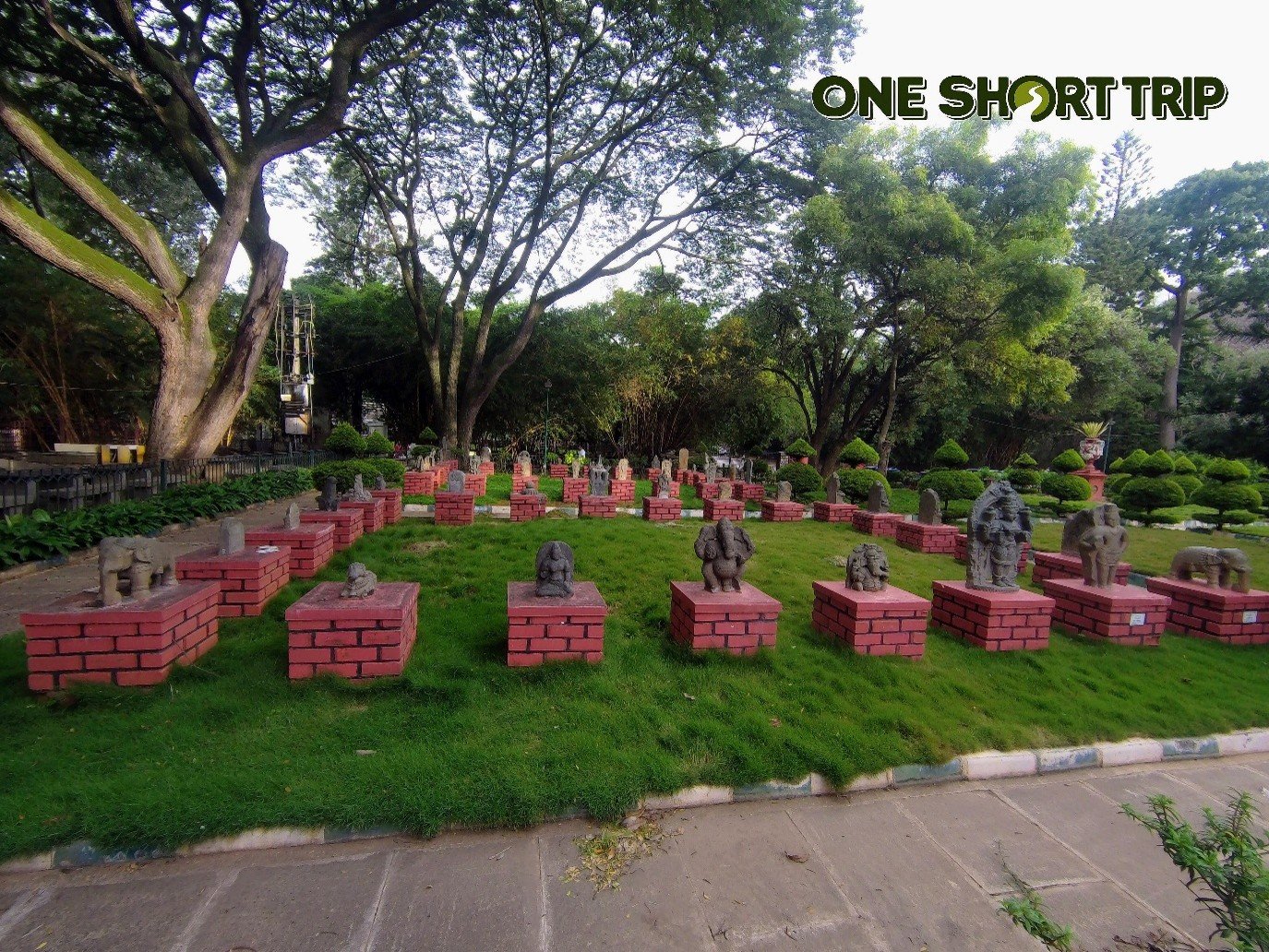
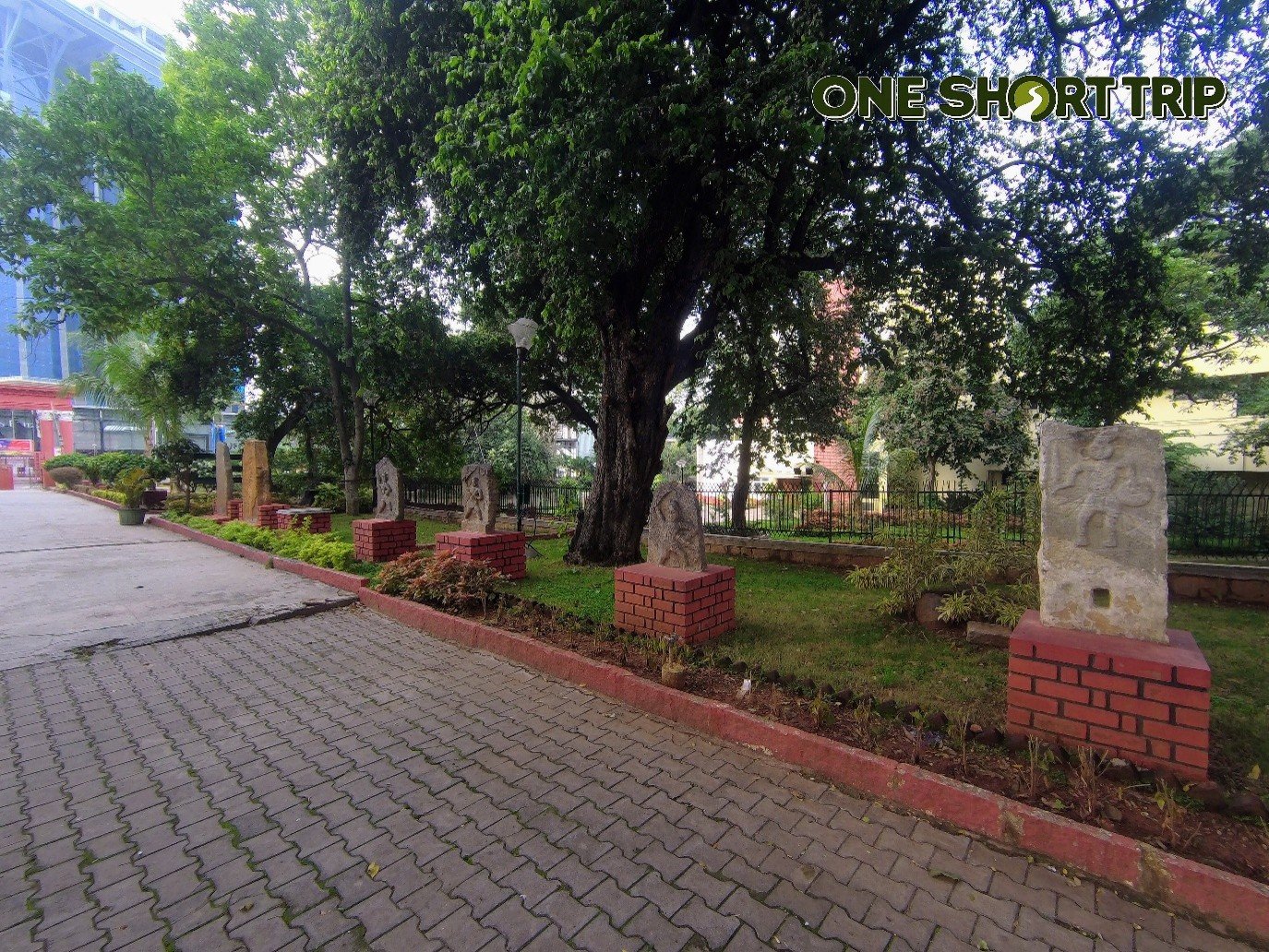
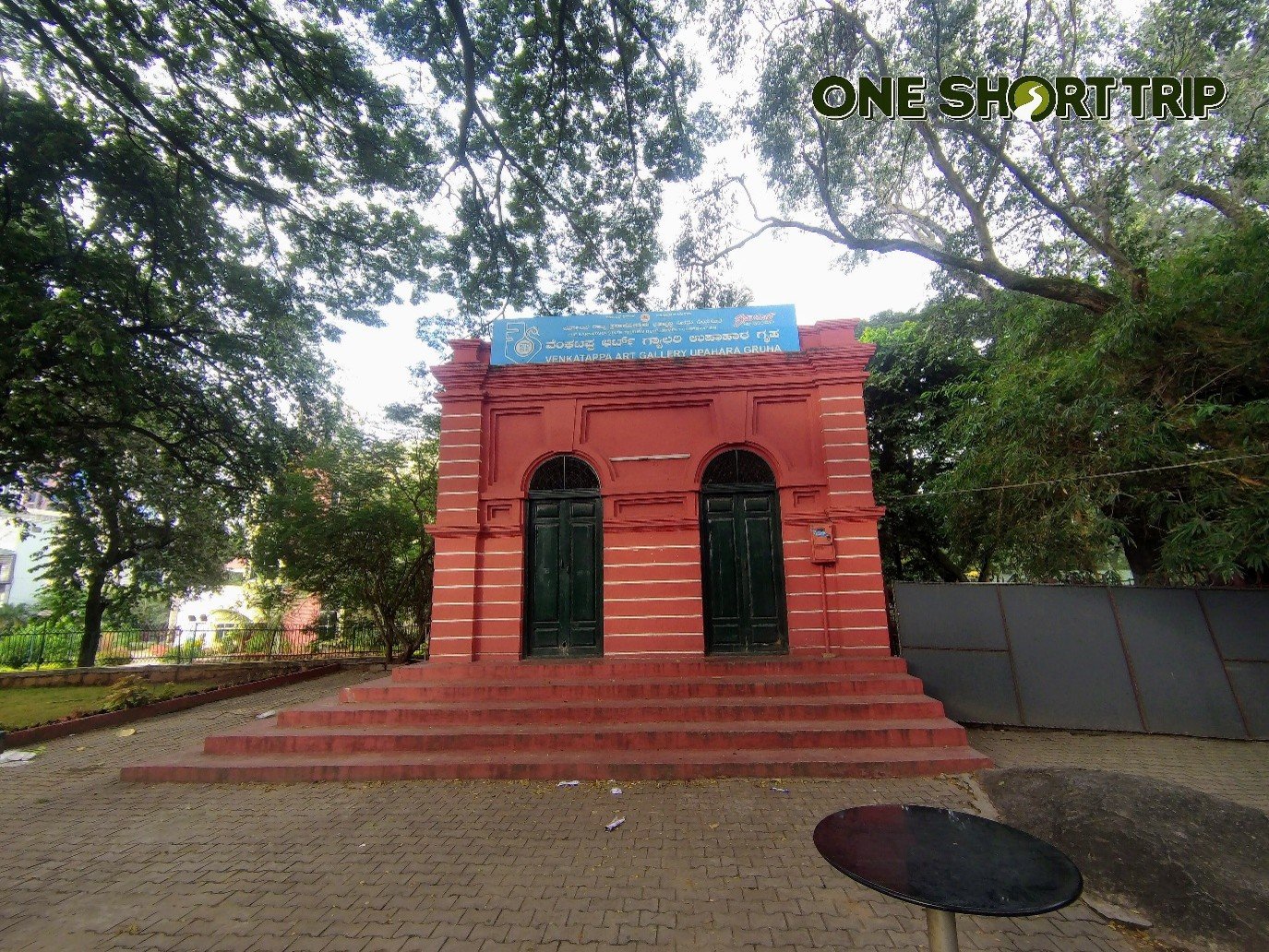
Plan to spend around one to two hours if you want to explore the gallery comfortably rather than simply passing through. The surrounding museum complex can extend the visit considerably, particularly for travellers interested in archaeology, sculpture, coins, inscriptions and other historical collections. The gallery is also a practical option for families, students, art enthusiasts and travellers looking for indoor cultural experiences in Bengaluru.
The gallery's setting near Cubbon Park adds another dimension to the visit. You can combine time indoors with a walk through one of Bengaluru's best-known green spaces, making the area suitable for a relaxed half-day outing. If you are exploring central Bengaluru, Venkatappa Art Gallery is therefore best considered as part of a wider cultural and heritage itinerary rather than as an isolated attraction.
Venkatappa Art Gallery Timings, Entry Fee & Visitor Information
Venkatappa Art Gallery is generally open from 10:00 AM to 5:00 PM, Tuesday to Sunday, and remains closed on Mondays. The official Museums of India listing records the gallery as wheelchair friendly and notes facilities including restrooms and parking. A typical visit takes around one to two hours, although you may need more time if you also explore the adjoining Karnataka Government Museum.
Entry information can change, particularly when museum administration updates ticketing arrangements or special exhibitions are being held. Travellers should therefore check the latest ticket information at the venue before planning their visit. The gallery is located at Kasturba Road, Ambedkar Veedhi, Sampangi Rama Nagar, Bengaluru, making it convenient to include in a central Bengaluru sightseeing route.
The Artist Behind Venkatappa Art Gallery
K. Venkatappa (1886–1965) occupies an important place in the history of art in Karnataka. Born into a family associated with the Mysore court's artistic tradition, he developed his skills in painting and later became known particularly for his watercolour landscapes. His paintings of places such as Ooty and Kodaikanal are noted for their careful observation of nature, atmospheric quality and sense of light.
Venkatappa's artistic interests extended beyond painting. He also worked with sculpture and was an accomplished musician, including playing the veena. His association with the Mysore artistic environment and his exposure to the Bengal School tradition helped shape a distinctive body of work. Today, the gallery named after him provides visitors with an opportunity to understand this important chapter in Bengaluru's and Karnataka's art history.
What Can You See Inside Venkatappa Art Gallery?
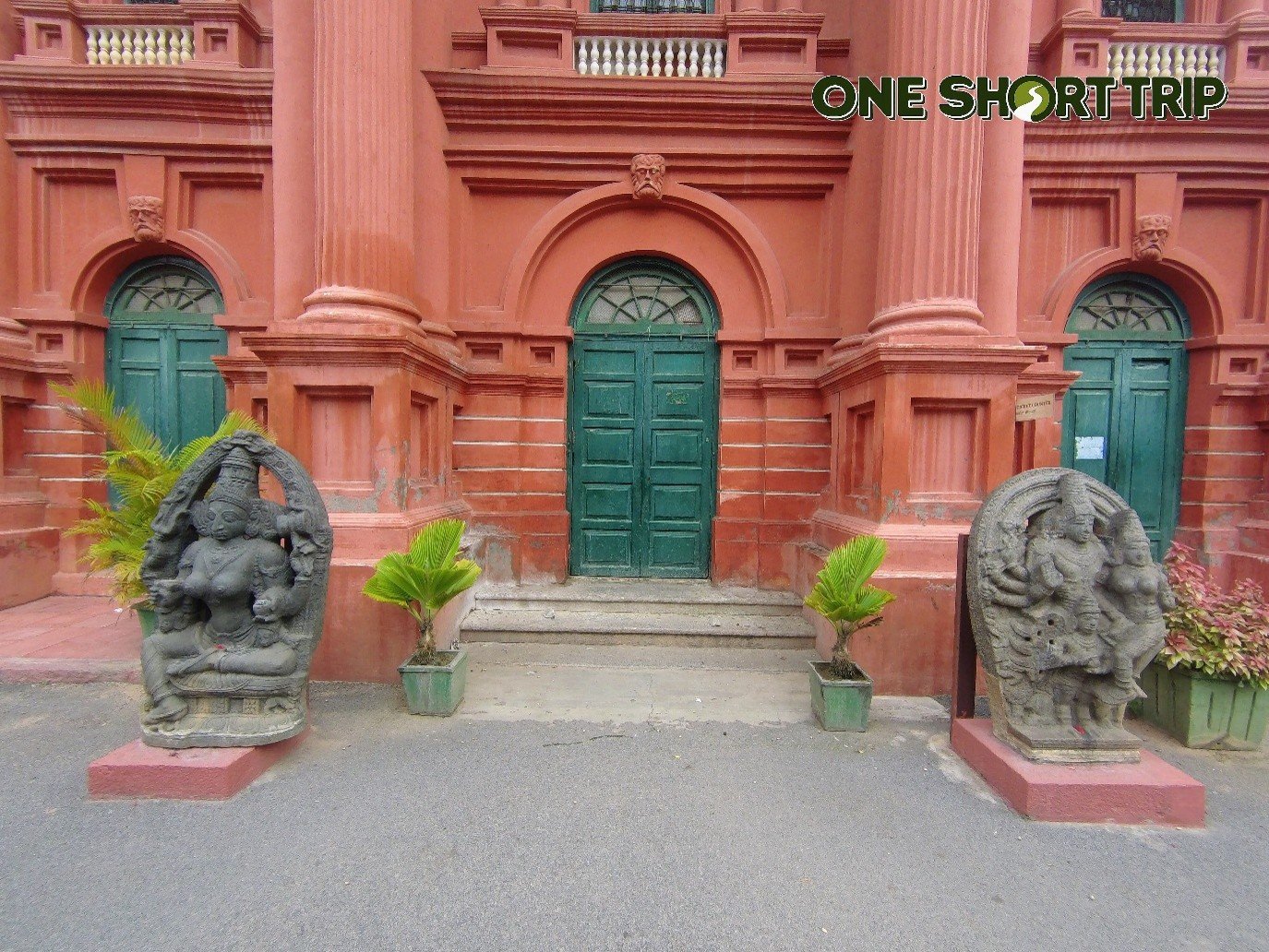
The main attraction is the collection associated with K. Venkatappa, including his paintings, sketches and other works. The Museums of India listing specifically highlights his watercolour landscapes, including works depicting Ooty and Kodaikanal, as well as displays of his sketches and musical instruments. The gallery also hosts exhibitions of contemporary Indian artists, so the experience can vary depending on what temporary exhibition is being presented during your visit.
The gallery is therefore useful for both dedicated art enthusiasts and casual visitors exploring Bengaluru's cultural attractions. Instead of treating it simply as a memorial to one painter, take time to look at the different techniques, subjects and artistic styles represented in the displays. Photography is permitted according to the current museum listing, while videography is not permitted.
How Much Time Should You Spend Here?
Allow around 1 to 2 hours for Venkatappa Art Gallery if you want to explore the collection at a comfortable pace. The official Museums of India listing gives the same average visit duration. Art enthusiasts may wish to spend longer, particularly when temporary exhibitions or special programmes are taking place.
The gallery's location makes it particularly easy to combine with other central Bengaluru attractions. Rather than planning a separate full-day trip only for the gallery, travellers can include it in a half-day or full-day heritage and cultural itinerary around Cubbon Park, Kasturba Road and Ambedkar Veedhi.
How to Reach Venkatappa Art Gallery
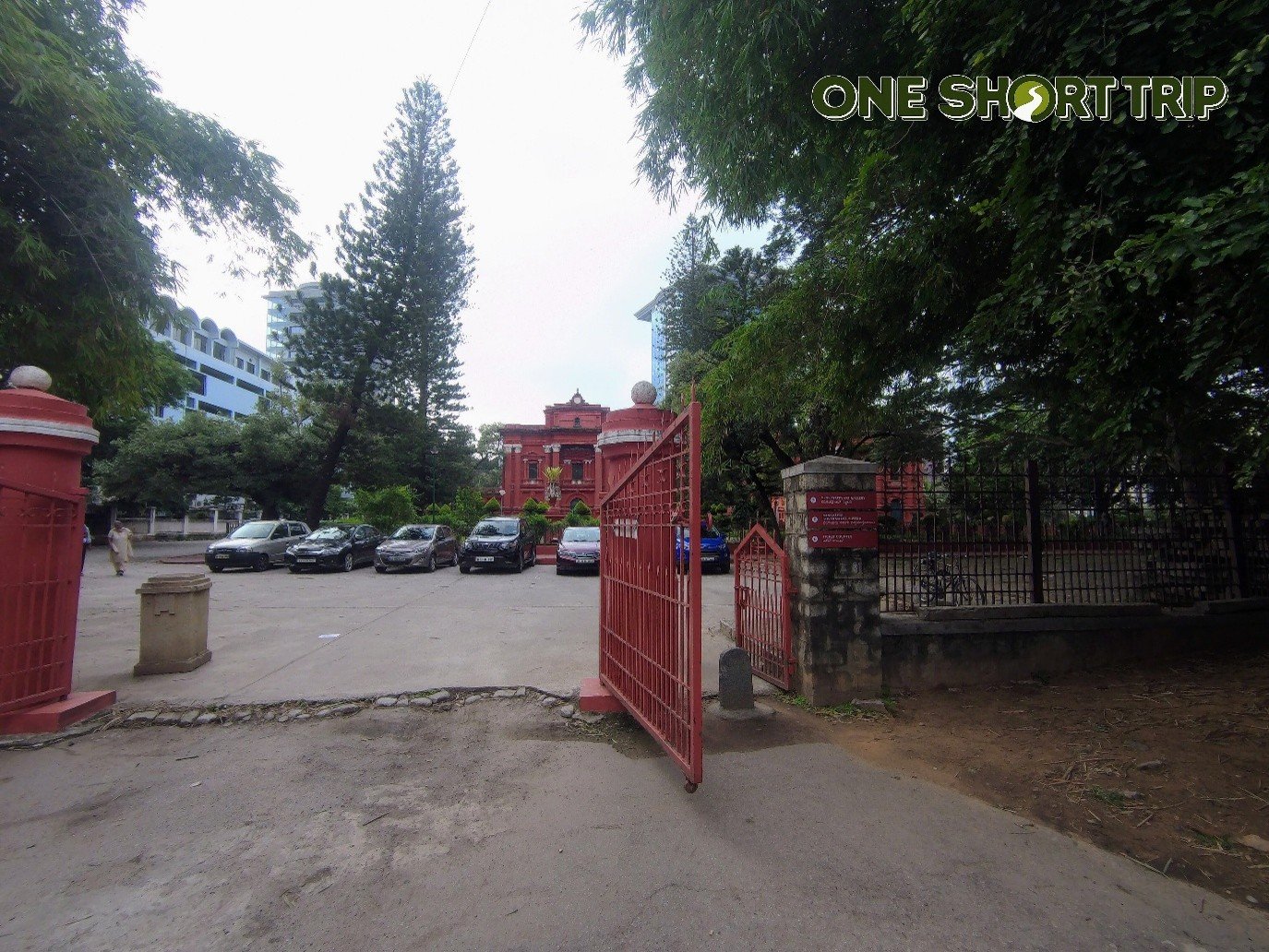
Venkatappa Art Gallery is located on Kasturba Road, Ambedkar Veedhi, Sampangi Rama Nagar, Bengaluru – 560001, next to the Government Museum. The current museum listing identifies Cubbon Park Metro Station as the nearest metro station and the Government Museum as the nearest bus stop. Autos, taxis and app-based cabs are also convenient options for reaching this central Bengaluru attraction.
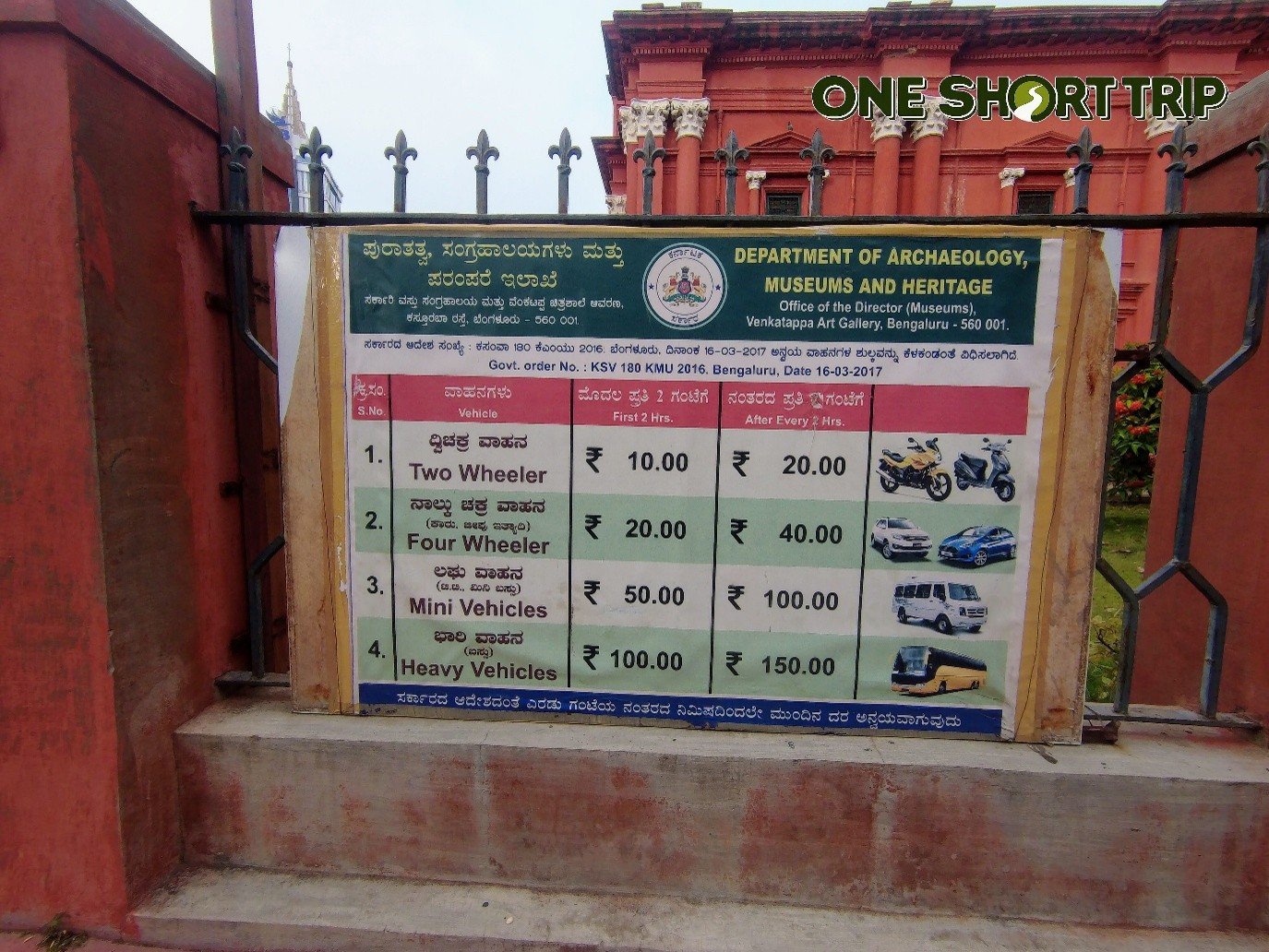
If you are travelling by car, parking is available according to the museum's visitor information. Because this is a central city location, allowing additional time for Bengaluru traffic and parking is sensible, particularly on weekends and during busy periods.
Nearby Places to Visit
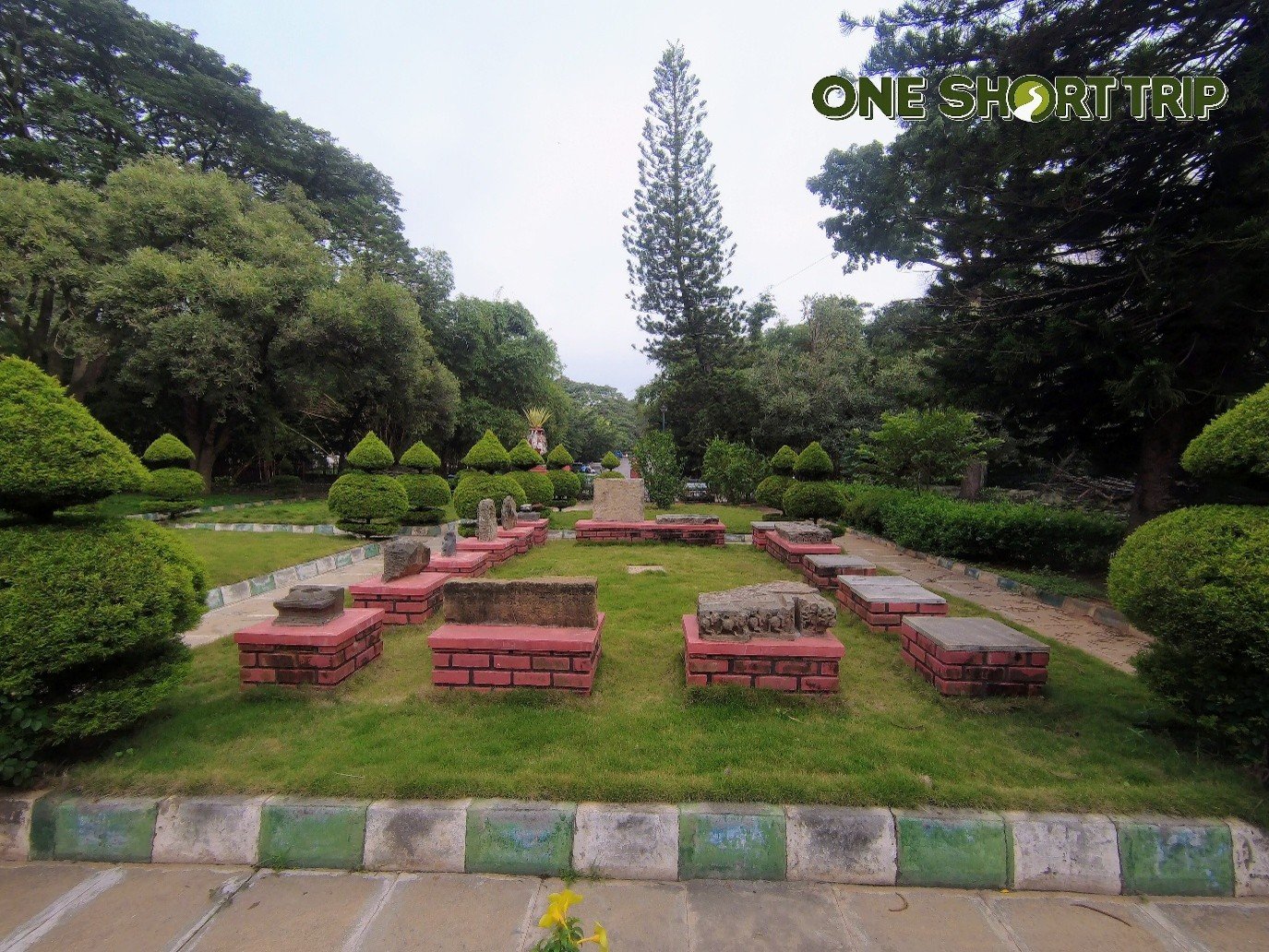
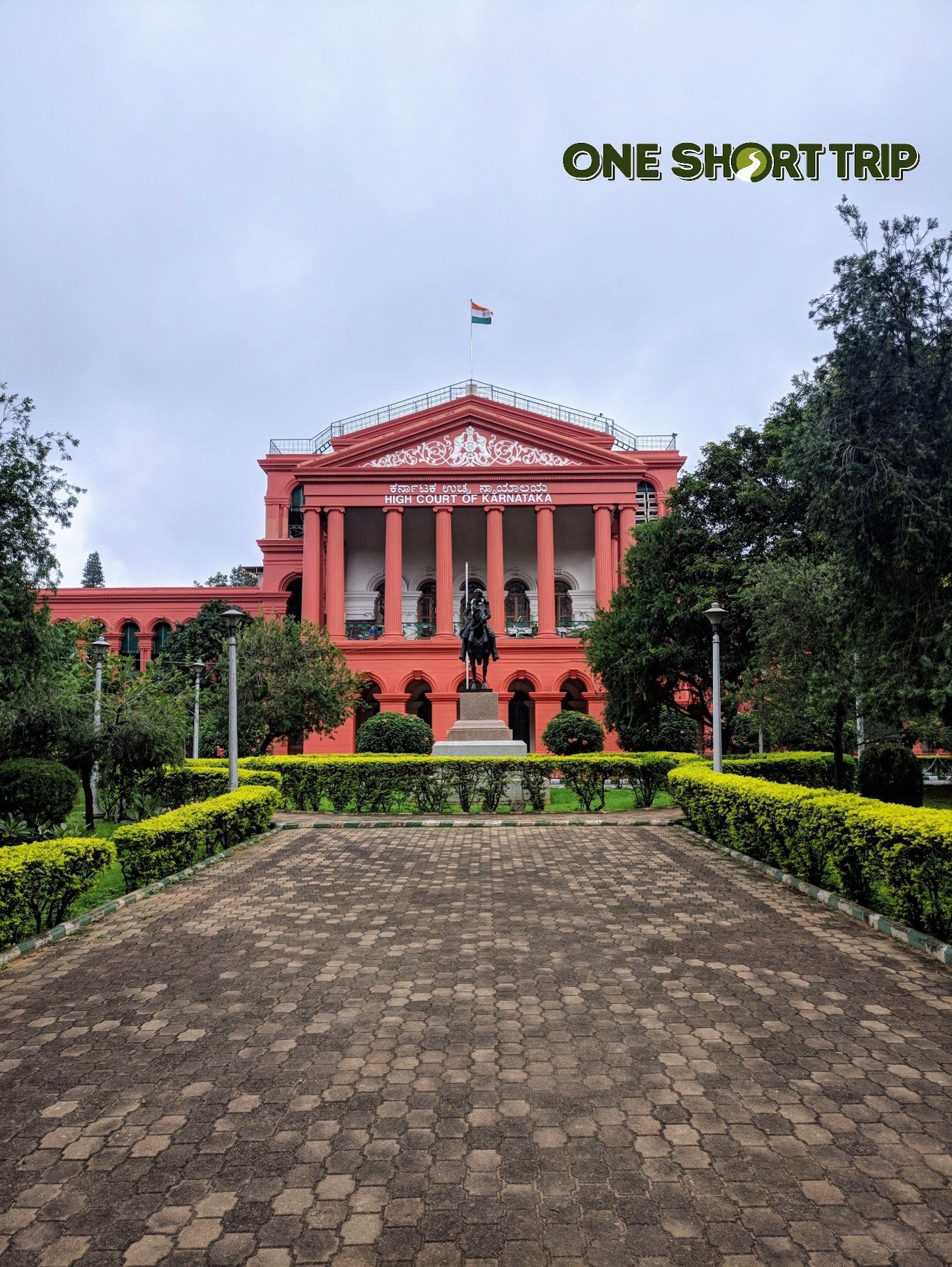
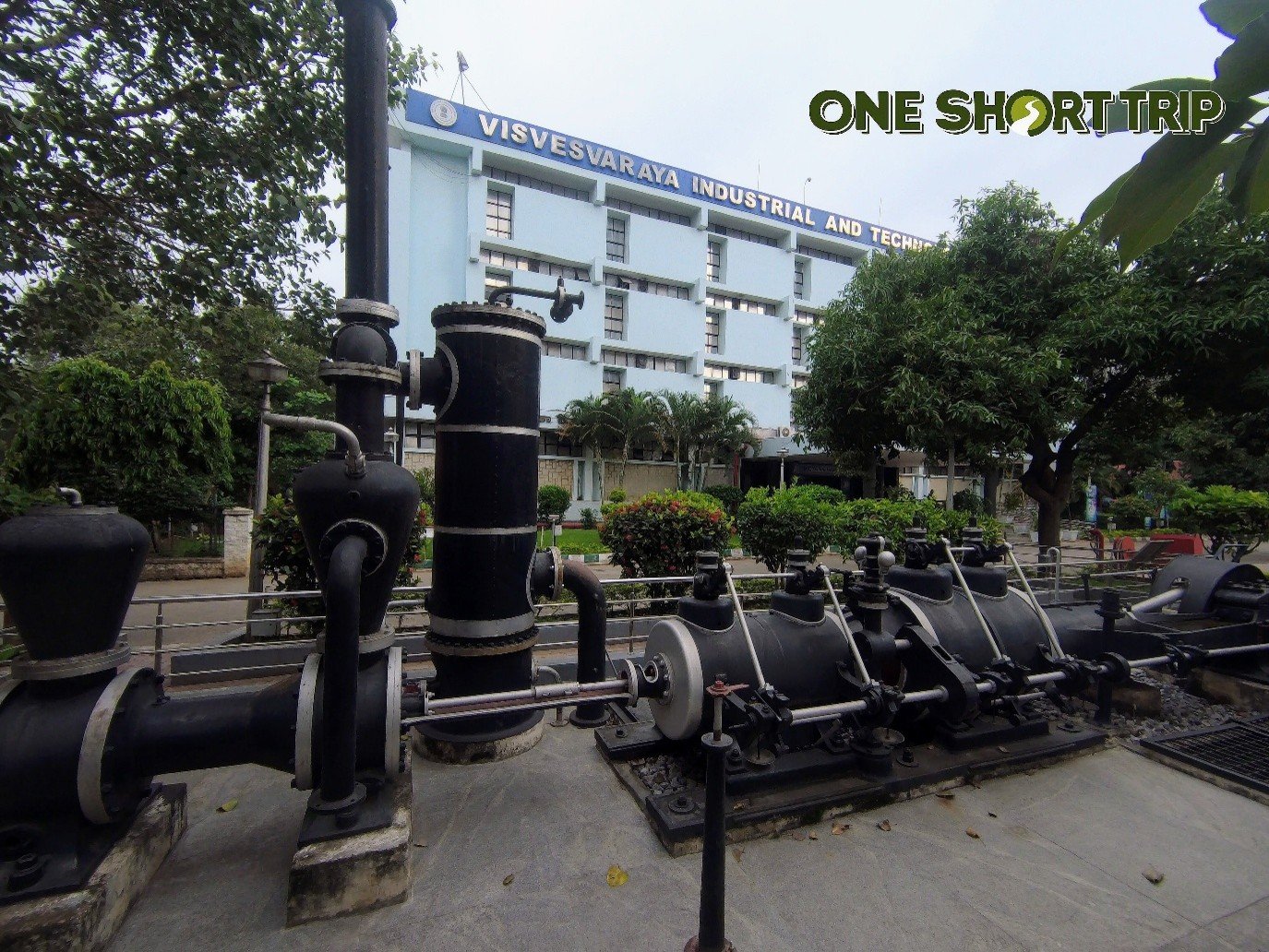
One of the biggest advantages of visiting Venkatappa Art Gallery is its location within Bengaluru's central cultural district. The Government Museum is immediately nearby, while Cubbon Park, the Visvesvaraya Industrial & Technological Museum and the Bengaluru Aquarium can be incorporated into the same outing. Vidhana Soudha and the Karnataka High Court, popularly known as Attara Kacheri, are also close enough to include when planning a central Bengaluru sightseeing route.
For families, the combination of the art gallery, Government Museum, Cubbon Park and Visvesvaraya Industrial & Technological Museum can make an especially varied day. Art and history enthusiasts may prefer spending more time at the two museums, while families with children can balance indoor attractions with a walk and open space in Cubbon Park.
Venkatappa Art Gallery Entry Fee, Timings and Facilities
According to the current Museums of India listing, the gallery is open Tuesday to Sunday from 10:00 AM to 5:00 PM and is closed on Mondays. The listed entry fee is ₹20 for adults and ₹10 for children up to 10 years, with the ticket covering both the Government Museum and Venkatappa Art Gallery. Since museum charges and operating arrangements can change, it is sensible to confirm the latest information before travelling.
The current visitor information also lists the gallery as wheelchair friendly and records facilities including restrooms, parking, a cafeteria, a garden/picnic area and Wi-Fi. Photography is permitted, while videography is not. The gallery also hosts workshops, seminars and lectures from time to time.
Is Venkatappa Art Gallery Worth Visiting?
Yes, particularly if you enjoy art, history, architecture or quieter cultural experiences. Venkatappa Art Gallery may not be one of Bengaluru's most famous tourist attractions, but its collection and location make it a worthwhile stop for travellers who want to understand a different side of the city. The combination of K. Venkatappa's work, contemporary exhibitions and the adjoining Government Museum gives the visit more depth than a standalone art gallery experience.
It is also an easy attraction to add to a Bengaluru sightseeing itinerary. Pair the gallery with the Government Museum and Cubbon Park for a relaxed cultural morning or afternoon, or continue towards the Visvesvaraya Industrial & Technological Museum and Vidhana Soudha for a broader central Bengaluru experience.
Frequently Asked Questions About Venkatappa Art Gallery
What is Venkatappa Art Gallery famous for?
Venkatappa Art Gallery is best known for the works of K. Venkatappa, a pioneering artist from Karnataka particularly recognised for his watercolour paintings and landscapes. The gallery also hosts exhibitions featuring contemporary Indian artists.
Where is Venkatappa Art Gallery located?
The gallery is located on Kasturba Road, Ambedkar Veedhi, Sampangi Rama Nagar, Bengaluru, next to the Government Museum and close to Cubbon Park.
What are the timings of Venkatappa Art Gallery?
The current Museums of India listing shows the gallery open from 10:00 AM to 5:00 PM, Tuesday to Sunday. It is closed on Mondays.
How much is the entry fee for Venkatappa Art Gallery?
The current listed fee is ₹20 for adults and ₹10 for children up to 10 years. The ticket is a combined ticket for the Government Museum and Venkatappa Art Gallery.
How long does it take to visit Venkatappa Art Gallery?
Most visitors should allow around 1 to 2 hours. You can spend longer if you want to study the artworks carefully or visit a temporary exhibition.
What can I visit near Venkatappa Art Gallery?
The Government Museum, Cubbon Park, Visvesvaraya Industrial & Technological Museum, Bengaluru Aquarium, Vidhana Soudha and Attara Kacheri are among the nearby attractions that can be combined with a visit.
Is Venkatappa Art Gallery suitable for families?
Yes. Families interested in art, history and educational experiences can combine the gallery with the Government Museum, Cubbon Park and Visvesvaraya Industrial & Technological Museum for a varied Bengaluru day outing.
Can senior citizens visit Venkatappa Art Gallery comfortably?
The current museum listing describes the gallery as wheelchair friendly. Senior travellers should still plan a comfortable pace and combine the visit with nearby attractions according to their mobility and energy levels.