High Court of Karnataka – Attara Kacheri, Bengaluru
Standing opposite the grand white facade of Vidhana Soudha, the deep-red Attara Kacheri is one of Bengaluru's most recognisable heritage buildings. Today, it houses the principal bench of the High Court of Karnataka, but its story began much earlier as an important administrative building of the erstwhile Mysore State.
About the High Court of Karnataka – Attara Kacheri
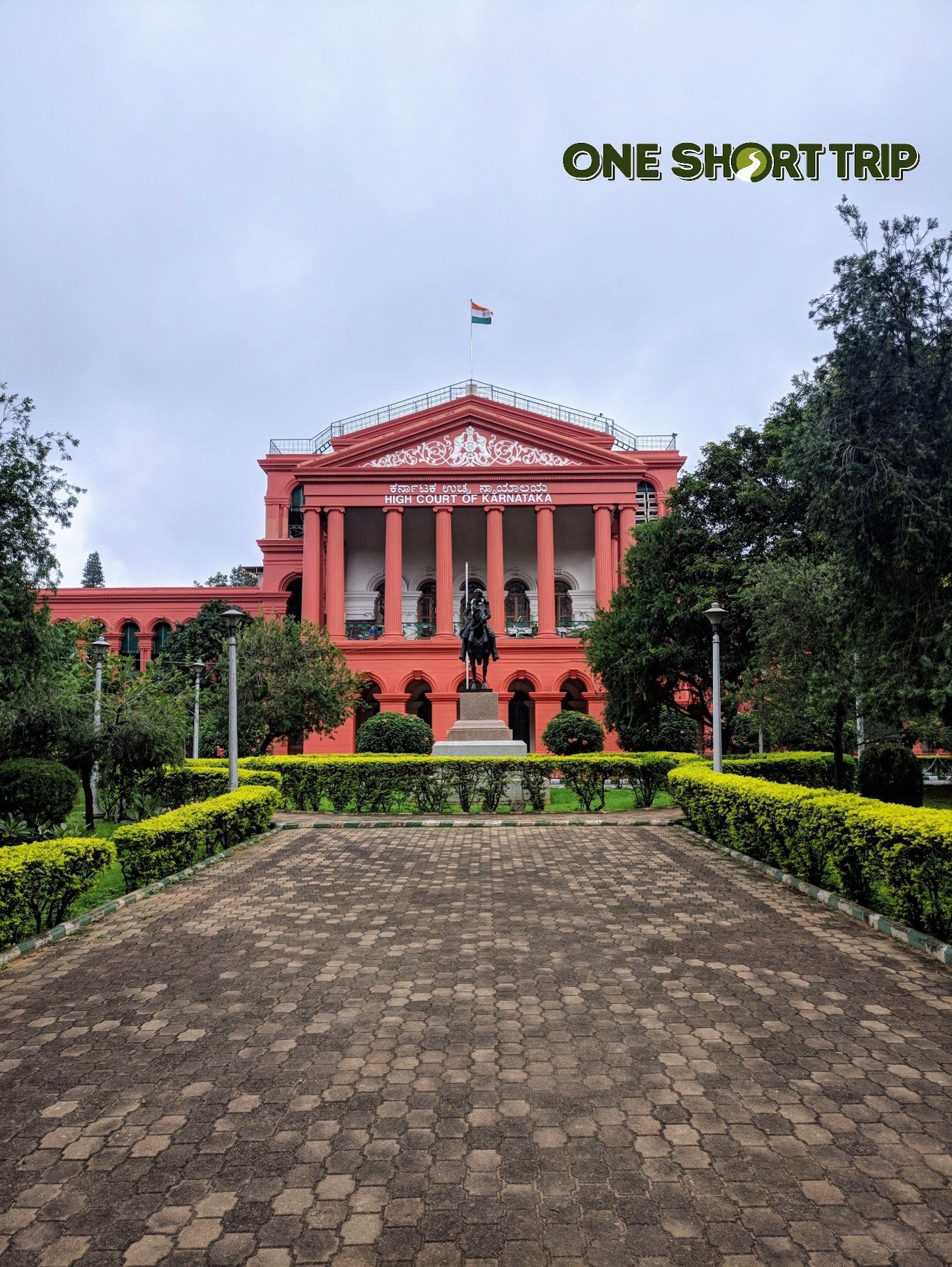
The High Court of Karnataka in Bengaluru functions from the historic Attara Kacheri building in Cubbon Park. It stands on Dr. B. R. Ambedkar Veedhi, directly opposite Vidhana Soudha, placing the judiciary and legislature of Karnataka across from each other in the heart of the city's central administrative area.
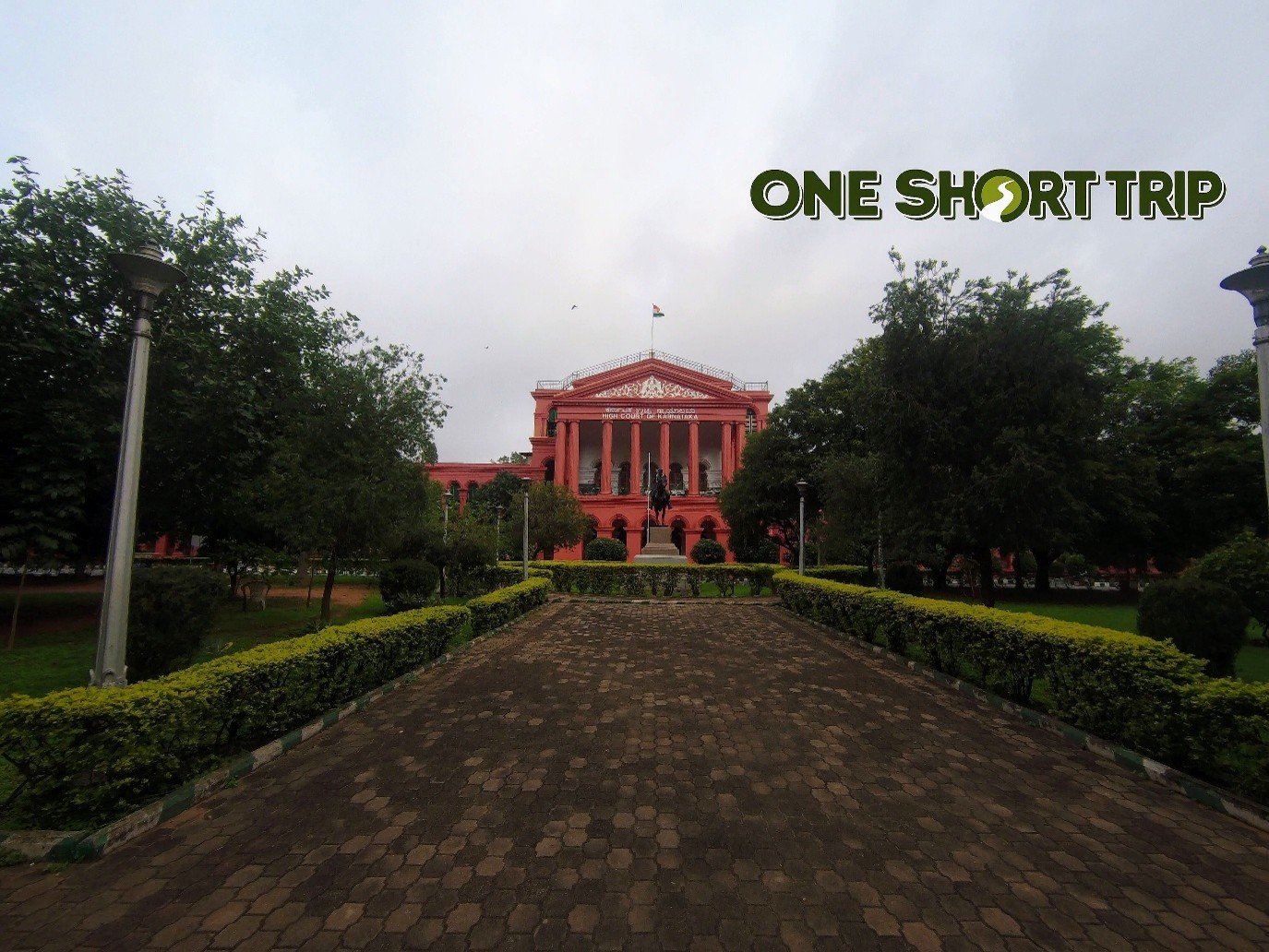
The building is more than a functioning court. It is an important part of Bengaluru's architectural and administrative history. Its red exterior, classical columns and historic setting within Cubbon Park make it a striking landmark for visitors exploring central Bengaluru.
What Does Attara Kacheri Mean?
The name Attara Kacheri refers to "eighteen offices" or departments. The building originally served as the general and revenue secretariat of the Mysore Government, with eighteen administrative departments associated with its name.
The name has remained attached to the building even after its role changed from an administrative secretariat to a court. Today, Attara Kacheri is widely recognised as the historic home of the Karnataka High Court in Bengaluru.
History of Attara Kacheri
The present building was conceived during the administration of Lewin Bentham Bowring, who served as Commissioner of Mysore after Sir Mark Cubbon. The earlier government offices had been functioning in less suitable surroundings, creating the need for a larger administrative headquarters.
Construction of Attara Kacheri began in 1864 and the building was completed in 1868. It was designed by Richard Hieram Sankey, the Chief Engineer of Mysore, and became the home of the Public Offices of the Mysore Government.
The building continued to serve as an administrative centre until 1956. When the new Vidhana Soudha was completed opposite it, the government offices moved there and Attara Kacheri took on its judicial role.
From Mysore Secretariat to Karnataka High Court
The transformation of Attara Kacheri reflects the changing administrative history of the region. The building first served as the secretariat of the princely State of Mysore and later became associated with the state's judicial administration.
In 1929, the building was renamed as the High Court of Mysore. Following the reorganisation of states and the formation of Karnataka, the institution eventually became the High Court of Karnataka. The Bengaluru court is now the principal bench of the High Court.
Architecture of Attara Kacheri
Attara Kacheri is noted for its Neo-Classical architecture. The two-storey building is distinguished by its rich red colour, symmetrical design and prominent classical columns. Its architectural character creates a striking visual contrast with the white granite Vidhana Soudha across the road.
The building's classical design and historic surroundings make it one of the most photographed heritage structures in central Bengaluru. Its location beside the greenery of Cubbon Park adds to the visual appeal of the landmark.
Attara Kacheri and Vidhana Soudha
One of the most interesting features of this part of Bengaluru is the visual relationship between Attara Kacheri and Vidhana Soudha. The two buildings face each other across Dr. B. R. Ambedkar Veedhi and represent different periods of Karnataka's administrative history.
Attara Kacheri represents the older administrative and judicial history of Mysore and Bengaluru, while Vidhana Soudha became the new home of the state legislature and secretariat after its completion in 1956.
Attara Kacheri and Cubbon Park
The High Court building stands within the historic landscape of Cubbon Park, one of Bengaluru's best-known green spaces. This setting gives visitors an opportunity to combine heritage architecture with a relaxed walk through one of the city's most important urban parks.
A visit to Attara Kacheri can therefore be part of a broader central Bengaluru sightseeing route covering Cubbon Park, Vidhana Soudha, nearby museums and other heritage landmarks.
Why Is the High Court of Karnataka an Important Landmark?
The High Court of Karnataka is one of the most important judicial institutions in the state, and its historic Bengaluru building adds a strong heritage dimension to the visit. Attara Kacheri has continued to serve an important public function while also becoming an architectural landmark of Bengaluru.
The building is especially interesting because its history connects administration, law, architecture and the development of modern Bengaluru. It has remained closely linked with the city's civic centre for more than a century and a half.
The Attempt to Save Attara Kacheri
Attara Kacheri also became part of an important heritage preservation story in Bengaluru. A proposal to demolish the historic building in the 1980s led to a public interest litigation seeking to protect it. The case was heard in the same High Court building that was facing the proposed demolition.
The demolition proposal was eventually dropped, allowing this historic building to remain an important part of Bengaluru's cityscape. The episode is now remembered as part of the building's remarkable history.
High Court Museum
A museum associated with the High Court was inaugurated in 2006 during the Golden Jubilee celebrations of the High Court. The collection includes historical objects and artefacts connected with the judicial history of Karnataka and earlier court systems.
Access to court buildings and associated facilities is subject to the rules of the institution. Visitors should not assume that the museum or internal areas are freely accessible at all times.
Can Tourists Enter the Karnataka High Court?
Attara Kacheri is an active court complex, not simply a tourist monument. Visitors can appreciate the building's exterior from the surrounding public areas, but access to courtrooms and internal sections is controlled by court procedures, security requirements and permissions.
If you are visiting as a tourist, the best approach is to admire the historic facade from permitted public areas and avoid entering restricted sections unless you have a legitimate reason and the required permission.
Best Time to See Attara Kacheri
The exterior can be viewed during a visit to the central Bengaluru civic area. Morning and late afternoon can be pleasant times to combine the building with a walk through Cubbon Park.
If photography is your main interest, the red facade stands out strongly against the greenery of Cubbon Park and the contrasting white facade of Vidhana Soudha. Always follow restrictions around the functioning court premises.
How to Reach the High Court of Karnataka
By Metro
The Dr. B. R. Ambedkar Station, Vidhana Soudha metro station is a convenient option for reaching this part of central Bengaluru. From the station, the High Court and Vidhana Soudha area can be reached on foot.
By Bus
Several BMTC bus routes serve the central administrative area around Vidhana Soudha, Cubbon Park and the High Court. The most convenient route depends on your starting point.
By Car or Cab
Cars and taxis can reach the central Bengaluru area around Dr. B. R. Ambedkar Veedhi. However, traffic and parking restrictions can make public transport a more convenient option during busy periods.
Places to Visit Near Attara Kacheri
- Vidhana Soudha – the iconic seat of the Karnataka Legislature and Secretariat.
- Cubbon Park – Bengaluru's historic central green space.
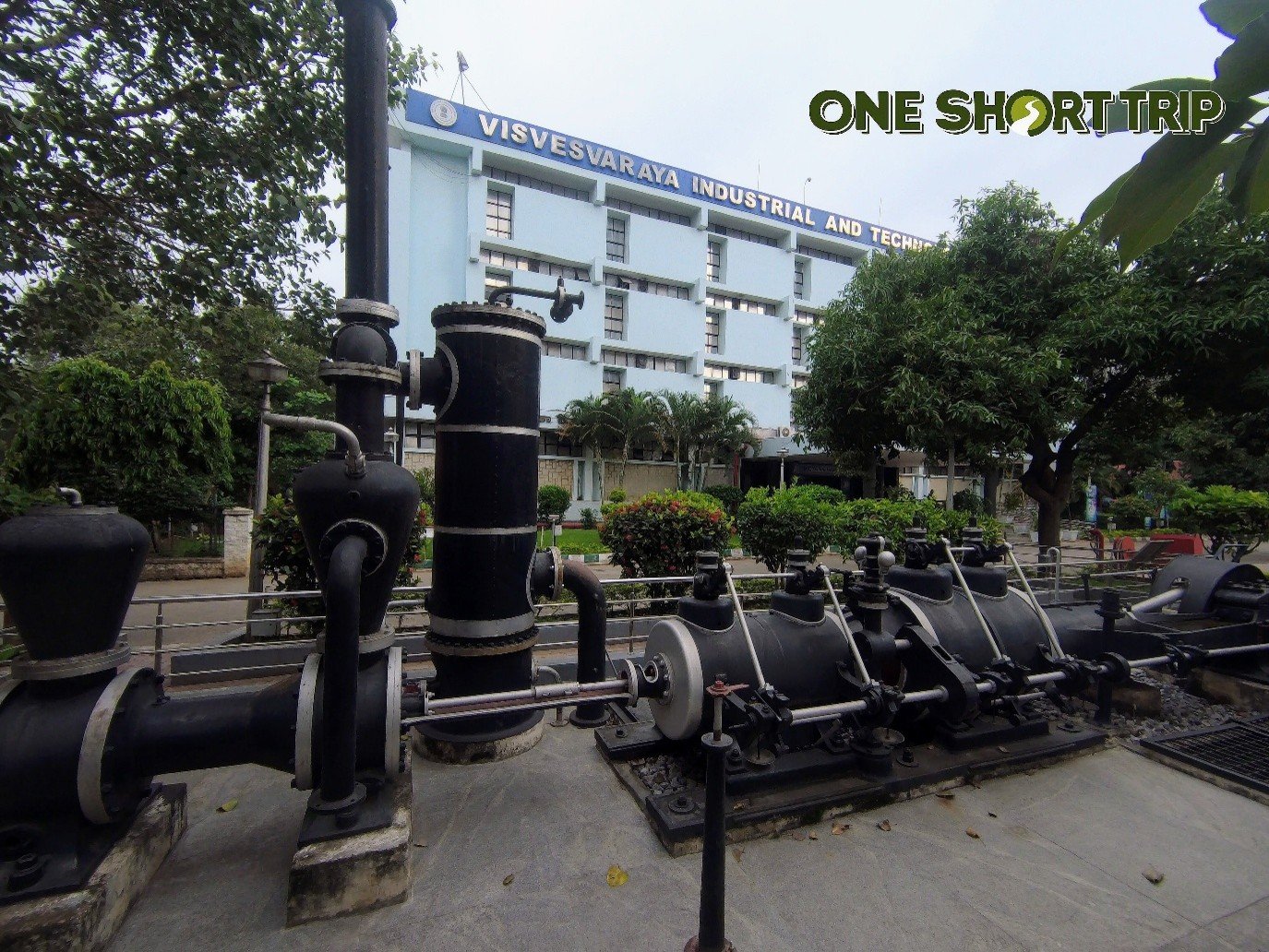
- Visvesvaraya Industrial and Technological Museum – a popular science museum near Cubbon Park.
- Government Museum – one of Bengaluru's important museums, located in the central heritage zone.
- Sheshadri Iyer Memorial Hall and Library – a prominent historic building within Cubbon Park.
Suggested Bengaluru Heritage Route
Attara Kacheri is best experienced as part of a central Bengaluru heritage itinerary. Start with Cubbon Park, admire the High Court building and Vidhana Soudha from the permitted public areas, and then continue to the nearby museums.
Travellers interested in Bengaluru's older history can later continue towards the historic Pete area, KR Market, Bengaluru Fort and Tipu Sultan's Summer Palace. This creates a route that connects the city's administrative history with its older royal and commercial quarters.
Things to Keep in Mind
- Remember that the High Court is a functioning judicial institution.
- Do not enter restricted areas without permission.
- Follow security instructions around the court complex.
- Photography rules may apply within or near restricted court areas.
- For a heritage visit, focus on the exterior, architecture and surrounding Cubbon Park landscape.
- Combine the visit with Vidhana Soudha and nearby museums for a more complete sightseeing experience.
Why Visit Attara Kacheri?
The High Court of Karnataka at Attara Kacheri offers a rare combination of living civic history and heritage architecture. It is still an active institution, while its red Neo-Classical building preserves a visible connection to the administrative history of the former Mysore State.
For travellers exploring Bengaluru, Attara Kacheri is especially worthwhile because it sits within a compact cluster of major landmarks. A visit can easily be combined with Cubbon Park, Vidhana Soudha and the museums of central Bengaluru, making it a natural stop on a city heritage walk.