The Meaning Behind Abhaya Mudra
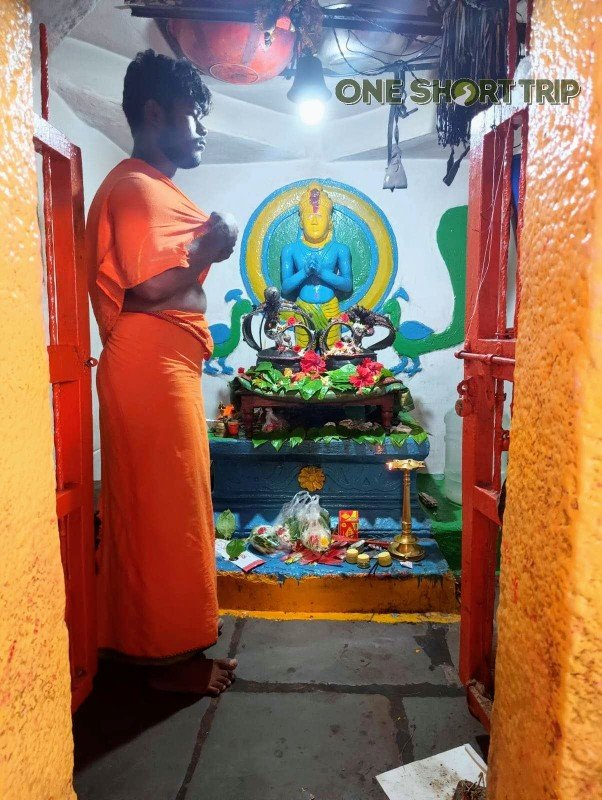
At the Abhaya Anjaneya Swamy Temple, Lord Hanuman is worshipped in a form that represents fearlessness, protection and divine reassurance. The raised right hand, known as the Abhaya Mudra, traditionally symbolises protection. Meanwhile, the gada, or mace, held in the other hand represents strength, courage and righteousness. For many devotees, praying before this form of Hanuman is a deeply personal experience. Moreover, the shrine fits naturally into a Mantralayam pilgrimage centred on faith, devotion and the teachings associated with Sri Raghavendra Swamy.


Architecture and Temple Setting
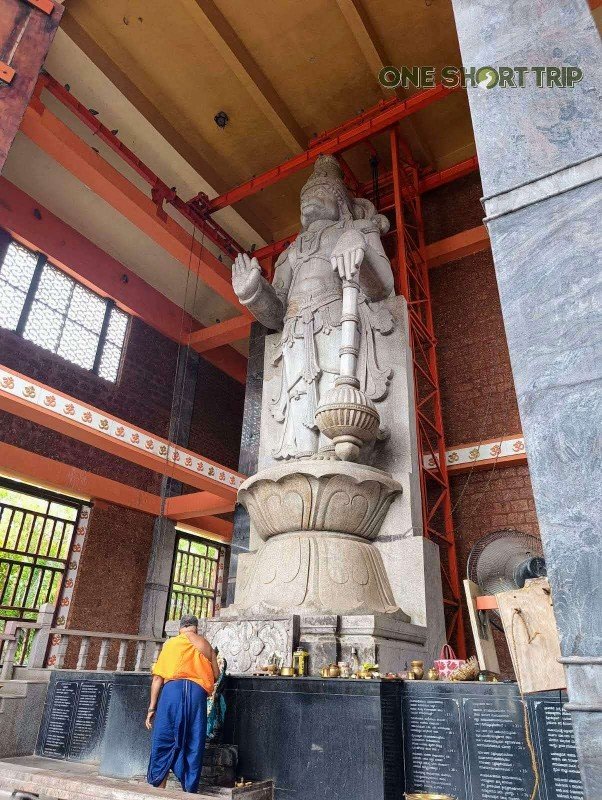
The temple combines modern construction with familiar South Indian temple features. For example, visitors can see granite flooring, a spacious pradakshina patha and decorative elephant sculptures around the premises. In addition, the open layout allows visitors to appreciate the size of the Hanuman idol before entering the prayer area.
The towering idol remains the main attraction. Because of its impressive size, the shrine is easy to recognise and holds a distinctive place in Mantralayam's pilgrimage landscape.
The Idol and Temple Interiors
Inside the prayer hall, a smaller sanctum idol of Abhaya Anjaneya Swamy stands at the base of the large Hanuman idol. Devotees offer flower garlands, tulsi malas, sandalwood paste and oil lamps as part of their worship. These offerings form an important part of the devotional experience.
Meanwhile, devotional chanting and prayers add to the atmosphere. Visitors may hear the Hanuman Chalisa, Vayu Stuti and bhajans during their visit. The devotional mood is often especially noticeable on Saturdays, during Hanuman Jayanti and on other important occasions associated with Lord Hanuman.
Best Time to Visit
The Abhaya Anjaneya Swamy Temple welcomes visitors throughout the year. However, Hanuman Jayanti, Sri Rama Navami and Kartika Masa can attract larger crowds. Saturdays are also popular among Hanuman devotees.
For more comfortable sightseeing around Mantralayam, October to February is generally a pleasant period because temperatures are more manageable. If you prefer a quieter visit, consider travelling outside major festivals and peak pilgrimage periods. This can also give you more time to explore the surrounding temples.
Getting to Abhaya Anjaneya Swamy Temple
Mantralayam is connected to nearby cities by rail and road. The main railway station serving the town is Mantralayam Road, which lies outside the central pilgrimage area. From there, visitors can continue by auto-rickshaw, taxi or other local transport.
For air travel, visitors can consider Kurnool Airport or Rajiv Gandhi International Airport in Hyderabad, followed by a road journey to Mantralayam. Alternatively, regular bus services connect the town with cities such as Bengaluru, Hyderabad, Kurnool, Ballari, Raichur and Vijayawada.
Once you reach the main pilgrimage area, getting to the Abhaya Anjaneya Swamy Temple is relatively convenient. Depending on where you stay, you can walk to the shrine or take a short auto-rickshaw ride.
Places to Include in Your Mantralayam Pilgrimage
The temple is easy to include in a wider Mantralayam pilgrimage. For instance, you can combine your visit with Sri Raghavendra Swamy Brindavana, Sri Manchalamma Temple, the Goshala and the Tungabhadra River ghat.
If you have additional time, you can also plan a separate visit to Panchamukhi Anjaneya Temple near Gaanadhal. Together, these important Hanuman and Raghavendra-related sites offer a broader introduction to Mantralayam's religious heritage.
A Quiet Moment Beneath the Statue
One memorable part of visiting the temple is standing beneath the towering Hanuman idol. Its impressive height can make a strong first impression, even before you reach the main entrance.
Inside the temple, the experience can be quieter. While some devotees sit for a few minutes in prayer, others listen to devotional chanting or observe the rituals. As a result, the visit can feel especially peaceful when fewer pilgrims are present.
Rather than rushing through the temple, take a few quiet moments near the prayer hall after darshan. This gives you time to reflect before continuing to the other sacred places of Mantralayam.


Devotees and Rituals Through the Day
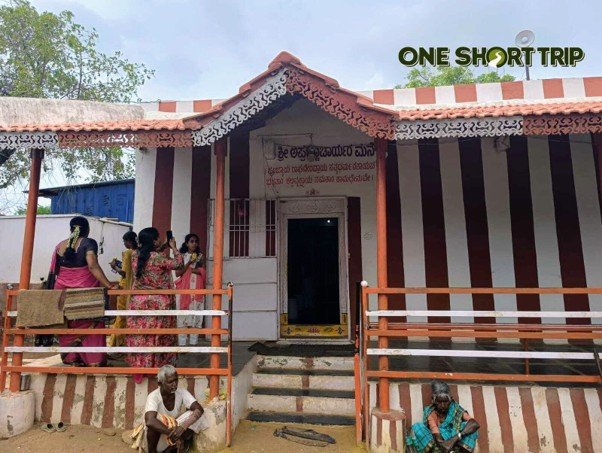
The temple receives a steady flow of pilgrims throughout the day. Some arrive after visiting the Sri Raghavendra Swamy Brindavana, while others come specifically to offer prayers to Lord Hanuman. Therefore, the shrine attracts visitors with different pilgrimage plans.
Depending on the temple's arrangements, devotees may perform archana and other forms of worship. Saturdays and major Hanuman festivals can be considerably busier. For a quieter experience, consider visiting early in the morning or outside festival periods.
The spacious prayer hall and the scale of the main idol give this temple a distinctive atmosphere compared with smaller regional shrines. Even when several pilgrims are present, you may find a moment to pause, pray and appreciate the surroundings.
About Abhaya Anjaneya Swamy Temple
The Abhaya Anjaneya Swamy Temple is an important Hanuman shrine in Mantralayam, Andhra Pradesh. Located near the Sri Raghavendra Swamy pilgrimage centre, it is best known for its impressive 33-foot monolithic granite idol of Lord Hanuman.
The idol shows Hanuman in the Abhaya Mudra, with one raised hand symbolising protection and fearlessness. Moreover, the large granite figure stands on a lotus-shaped pedestal inside a spacious prayer hall, making it one of Mantralayam's most recognisable religious landmarks.
Unlike some of the town's older pilgrimage sites, this shrine is a relatively recent addition to Mantralayam's sacred landscape. It serves as a dedicated place for Hanuman worship. As a result, many devotees include it in their visit to the wider Sri Raghavendra Swamy pilgrimage circuit.
Religious Significance of the Temple
According to the Madhwa tradition, Hanuman is regarded as the first incarnation of Vayu Deva. Bhima from the Mahabharata and Sri Madhwacharya are traditionally considered later manifestations of Vayu. Therefore, the shrine holds special significance for devotees who follow this tradition and also visit the Brindavana of Sri Raghavendra Swamy.
The 33-Foot Granite Idol
One of the temple's main attractions is the towering idol carved from a single block of granite. Its impressive height makes it easy to notice from outside. Once inside, visitors can view the statue clearly from the spacious prayer hall.