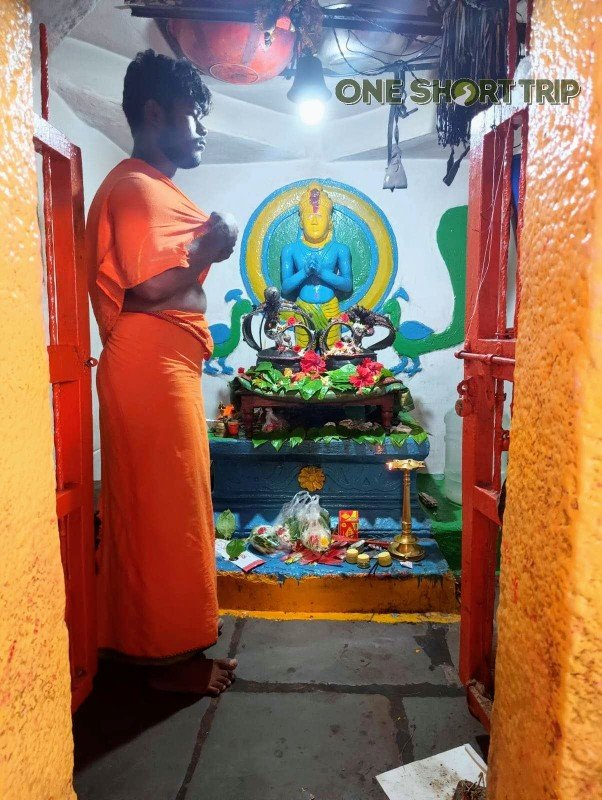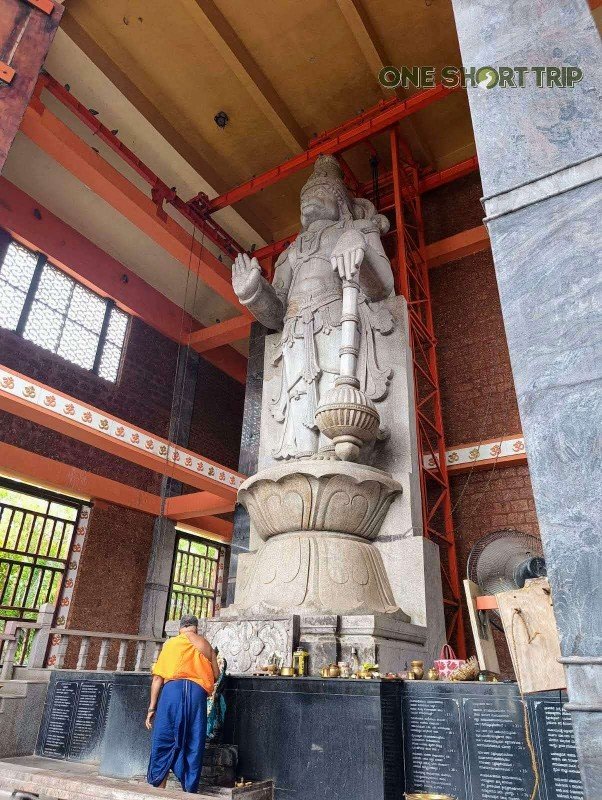
Bichale Sri Raghavendra Teerthara Brundavana
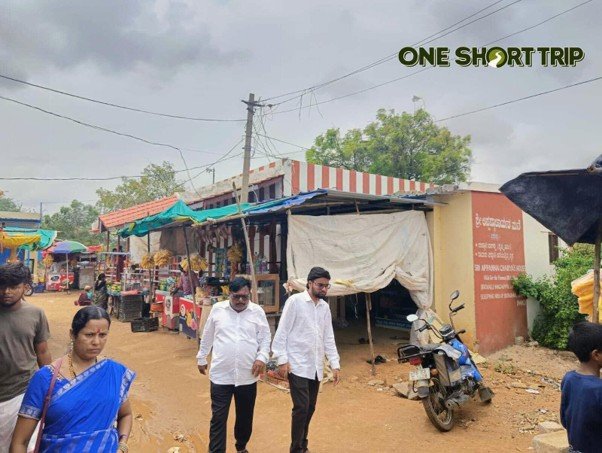
Bichale Sri Raghavendra Teerthara Brundavana is one of the important pilgrimage places associated with Sri Raghavendra Swamy and his close disciple Sri Appanacharya. Located beside the Tungabhadra River in Bichale, also known in traditional accounts as Bhikshalaya or Bichali Japadakatti, the site is valued for its deep connection with the life, teachings and devotional tradition surrounding Rayaru.
For devotees travelling to Mantralaya, a visit to Bichale offers a quieter experience away from the main pilgrimage centre. The Brundavana, the historic Japadakatti area, the Tungabhadra riverbank and the nearby Appanacharyara Mane together preserve the memory of the guru-disciple relationship that forms the heart of Bichale's spiritual significance.
Why Is Bichale Important to Raghavendra Swamy Devotees?
Bichale is important because of its close association with Sri Raghavendra Swamy and Sri Appanacharya. Traditional accounts describe Appanacharya as a learned Madhwa scholar and devoted disciple of Rayaru. The two are remembered not simply as guru and disciple, but as spiritual companions whose relationship became an important part of the devotional history of the Bichale-Mantralaya region.
Bichale is also associated with the composition of the Sri Raghavendra Stotram, the famous Sanskrit hymn traditionally attributed to Appanacharya. According to devotional tradition, Appanacharya composed the hymn while hurrying towards Mantralaya after learning that Rayaru was entering Brundavana. The story of the flooded Tungabhadra and the completion of the hymn is one of the most cherished narratives associated with the saint and his disciple.
The Story of Sri Raghavendra Swamy and Sri Appanacharya
Sri Appanacharya is remembered in the Madhwa tradition as a scholar, teacher and ardent devotee of Sri Raghavendra Swamy. Traditional accounts describe his gurukula at Bichale, where students studied scriptures and philosophical texts. The riverside setting of Japadakatti became associated with teaching, discussion, prayer and spiritual practice.
Accounts differ on the exact length of Rayaru's stay at Bichale, with some traditions describing it as twelve years and others as thirteen. What remains central to the Bichale tradition is that Rayaru spent a substantial period here in close association with Appanacharya before moving to Mantralaya. This long association is the reason Bichale occupies such an important place in the pilgrimage circuit of Raghavendra Swamy devotees.
Bichale Japadakatti and the Riverside Setting
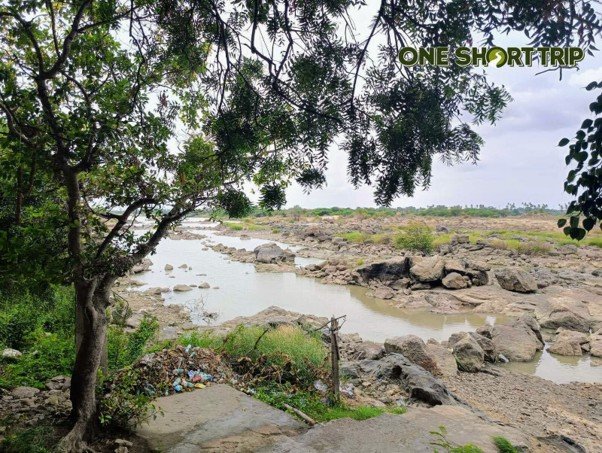
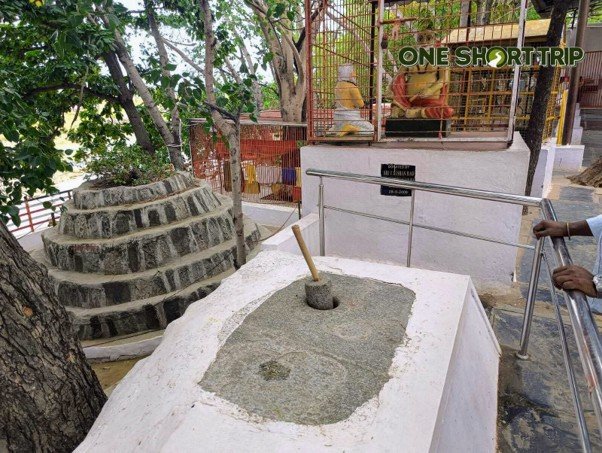
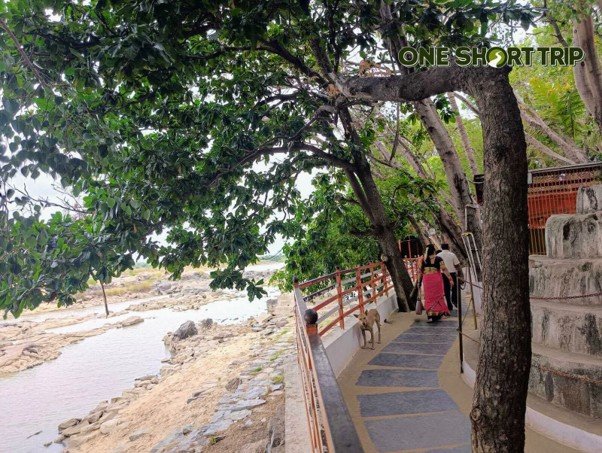
Japadakatti is one of the sacred areas associated with Bichale's religious history. Traditional accounts describe it as a place where Appanacharya taught students and where he and Rayaru spent time discussing scriptures, philosophy and spiritual matters. Its location near the Tungabhadra adds to the peaceful atmosphere of the pilgrimage site.
The river is not simply part of the scenery. The Tungabhadra is deeply woven into the devotional stories of Bichale, especially the traditional account of Appanacharya travelling towards Mantralaya after learning of Rayaru's Brundavana. Today, visitors can spend a few quiet moments near the river and experience the landscape that forms an important part of Bichale's identity.
The Ekashila Brundavana at Bichale
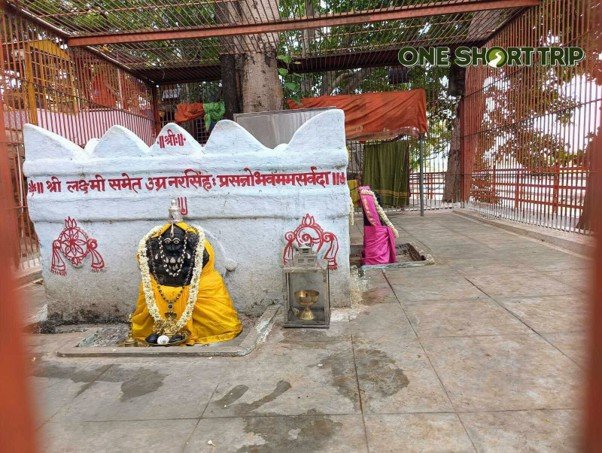
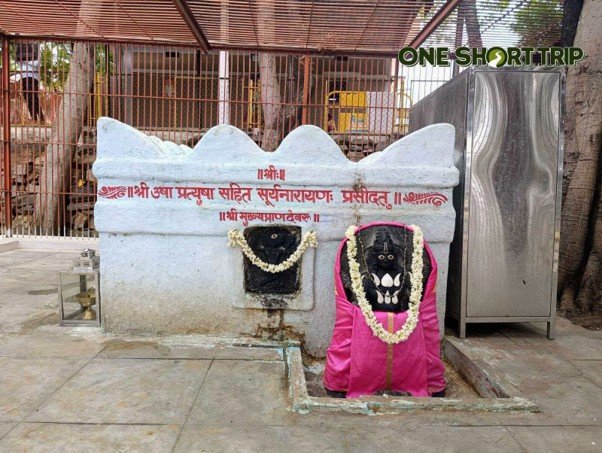
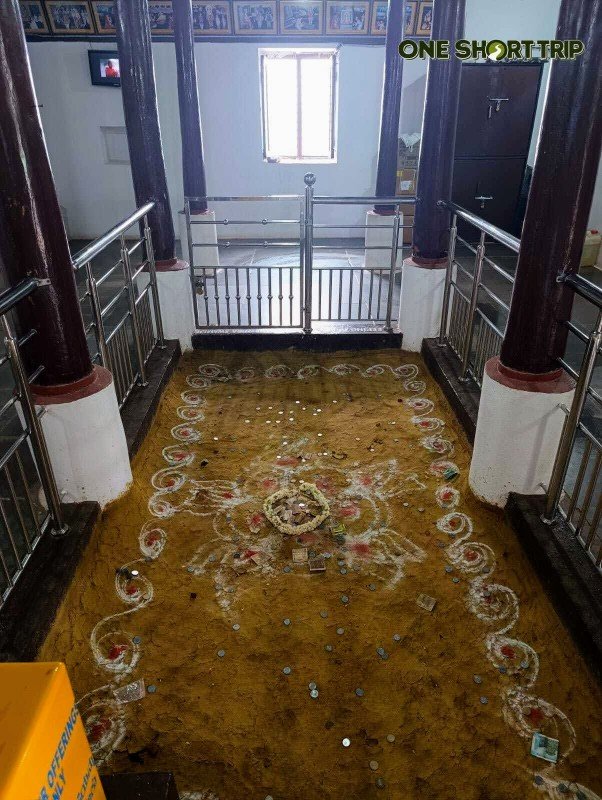
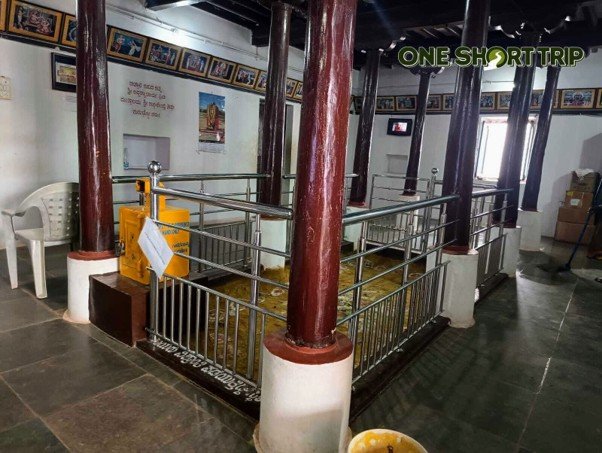
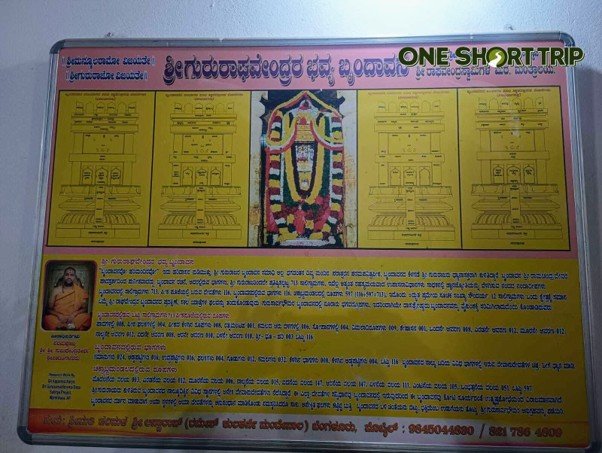
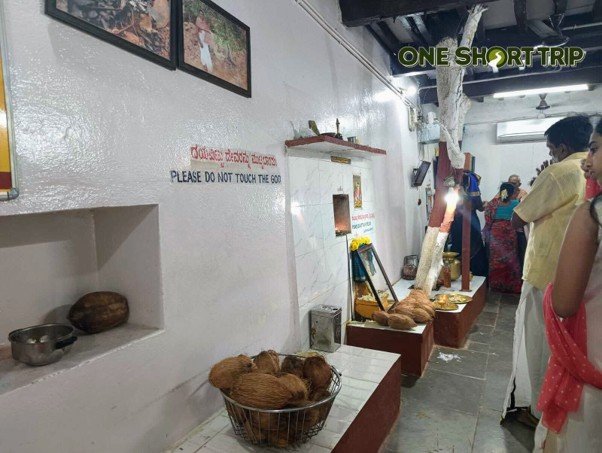
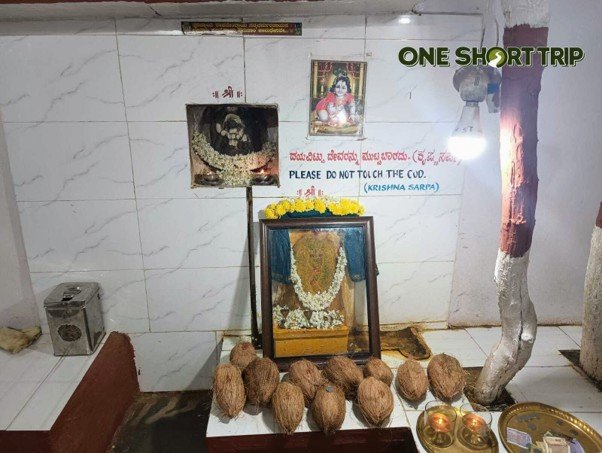
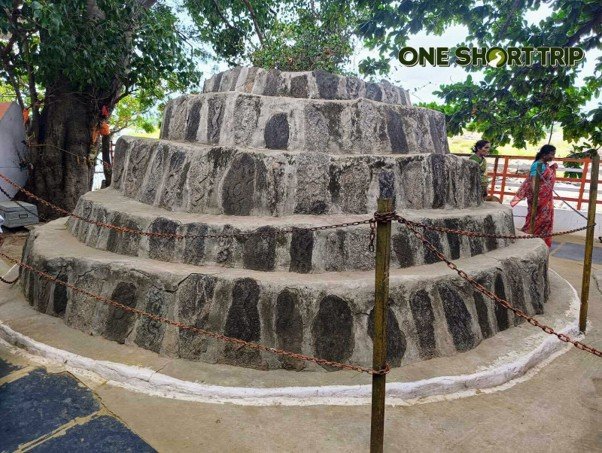
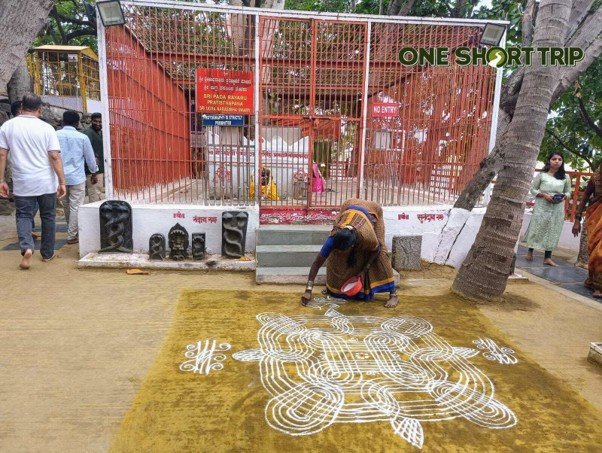
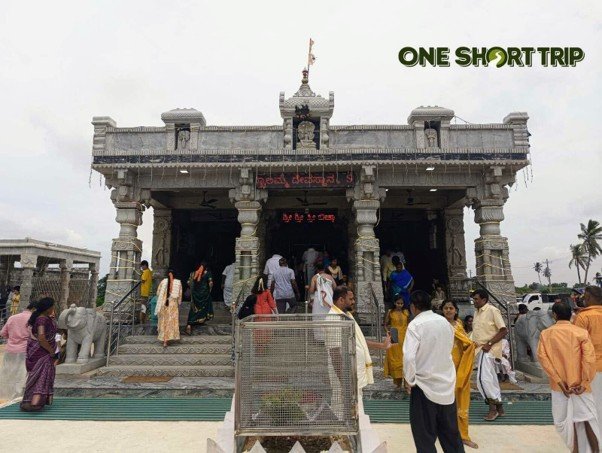
The Bichale Brundavana is traditionally associated with the memory of Sri Raghavendra Swamy's years at Bichale. It is described in devotional sources as an Ekashila Brundavana, meaning a Brundavana made from a single stone. The shrine therefore represents more than a place of worship: for devotees, it is a physical reminder of Rayaru's long connection with Bichale and Appanacharya.
Traditional accounts say that after Rayaru entered Brundavana at Mantralaya, Appanacharya continued to feel a deep connection with his guru. Devotional tradition holds that Rayaru appeared to Appanacharya in a dream and instructed him to establish a Brundavana at Bichale. The present shrine is consequently regarded by devotees as a sacred extension of Rayaru's presence in the place where the two had spent many years together.
Why Devotees Visit Bichale Brundavana
For followers of Sri Raghavendra Swamy, Bichale is significant because it connects several important elements of Rayaru's life and devotional tradition in one place. The Brundavana, Japadakatti, Tungabhadra riverbank and Appanacharya's ancestral home together tell the story of a guru and disciple whose relationship is remembered with exceptional affection in the Madhwa tradition.
The atmosphere is also very different from a large urban pilgrimage centre. Bichale is a small riverside settlement, and visitors generally come here for darshan, prayer, reflection and to understand the history behind the traditions they encounter at Mantralaya. The quieter surroundings make it particularly suitable for devotees who want to slow down rather than simply move from one attraction to another.
Bichale and the Sri Raghavendra Stotram
One of the strongest reasons Bichale is remembered across the Raghavendra Swamy tradition is its association with Sri Appanacharya and the Sri Raghavendra Stotram. The hymn is among the best-known devotional compositions recited by followers of Rayaru, and Appanacharya is traditionally credited with composing it.
The best-known tradition says that Appanacharya was away from Mantralaya when Rayaru entered Brundavana. On hearing the news, he hurried towards Mantralaya and began composing verses in praise of his guru while crossing the Tungabhadra. Devotees believe that the final portion of the hymn was completed through Rayaru's divine intervention. Whether approached as history, devotional tradition or both, the story explains why Bichale holds such a powerful emotional place in the pilgrimage of Raghavendra Swamy devotees.
Sri Appanacharyara Mane at Bichale
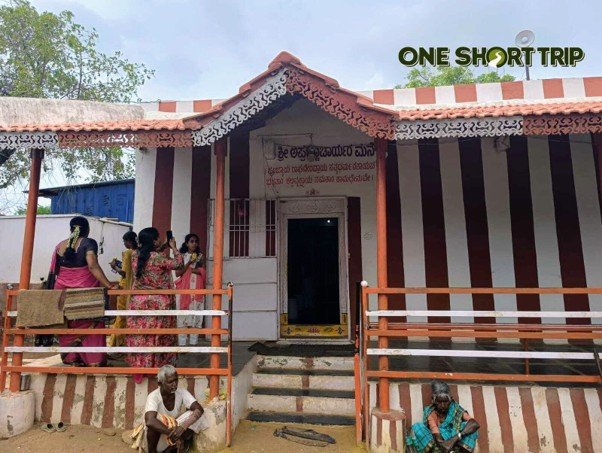
Sri Appanacharyara Mane is one of the most meaningful places to visit in Bichale for devotees of Sri Raghavendra Swamy. The house is associated with Sri Appanacharya, the scholar and devoted disciple of Rayaru, and with the period when Sri Raghavendra Swamy is traditionally believed to have stayed with him at Bichale.
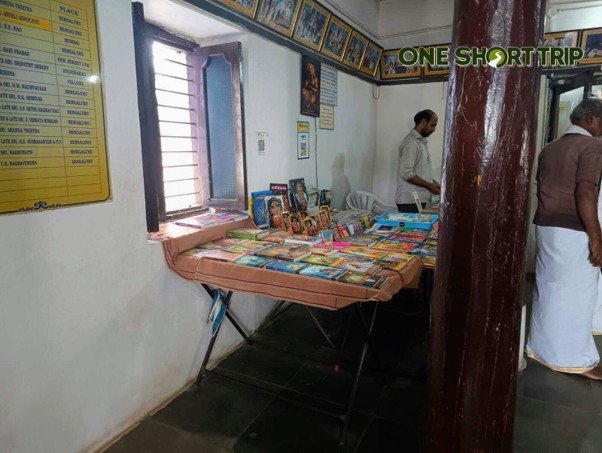
For visitors, the importance of Appanacharyara Mane lies less in its architectural grandeur and more in the personal story connected with the house. This is the place remembered in local and devotional accounts as the home where guru and disciple lived, worshipped, studied and spent time together. A visit therefore adds an intimate dimension to the larger pilgrimage story of Bichale.
Who Was Sri Appanacharya?
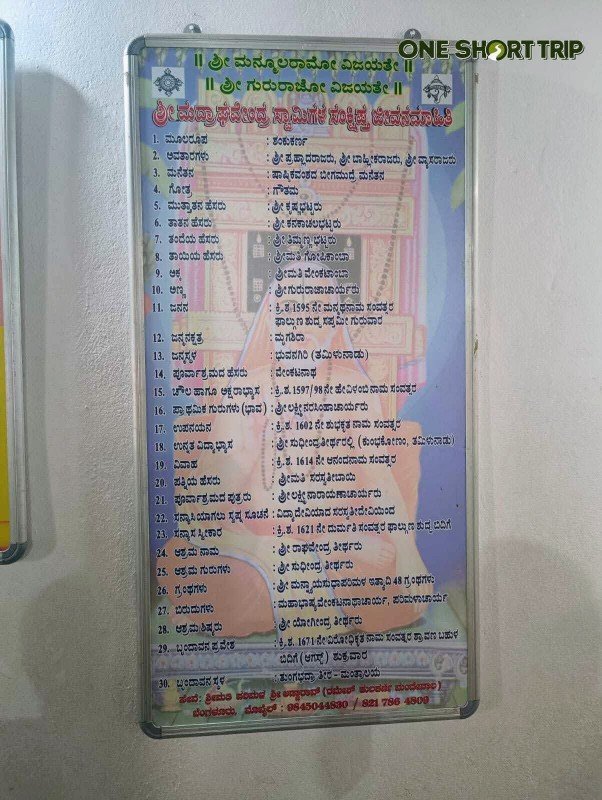
Sri Appanacharya is remembered as a learned scholar associated with the Madhwa tradition and as one of the most devoted disciples of Sri Raghavendra Swamy. Traditional accounts connect him closely with Bichale, where he taught students and conducted scriptural learning. His devotion to Rayaru became so central to the history of the village that Bichale is often introduced to pilgrims through the story of Appanacharya.
Appanacharya is especially remembered for the Sri Raghavendra Stotram, a Sanskrit hymn that continues to be recited by devotees of Rayaru. His life therefore connects scholarship, teaching, household devotion and guru-bhakti, making his ancestral home an important part of the Bichale pilgrimage experience.
Sri Raghavendra Swamy's Association With the House
The greatest significance of Appanacharyara Mane comes from its association with Sri Raghavendra Swamy. Traditional Bichale accounts state that Rayaru stayed at Appanacharya's house during his years in Bichale. The house is therefore regarded by devotees as a sacred domestic space connected with the saint's daily life rather than simply another historical building.
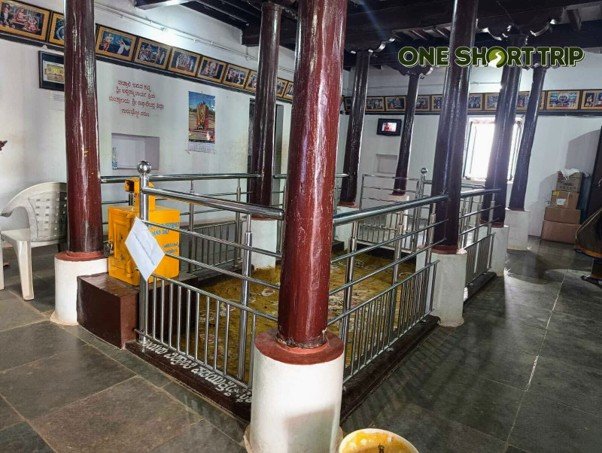
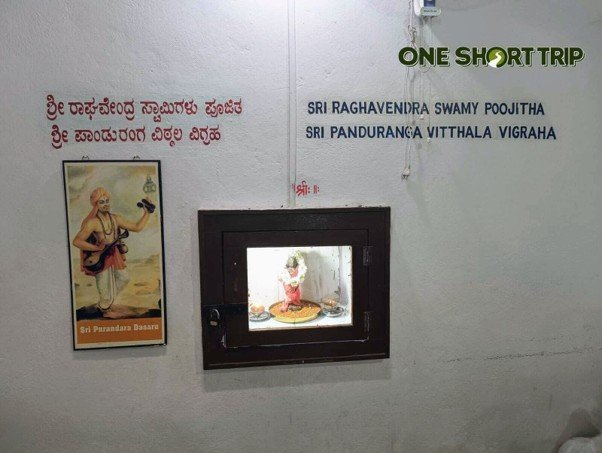
Accounts of the house describe the central living area as a place where Rayaru stayed and performed worship of Sri Moola Rama. The traditions surrounding these spaces are particularly important to devotees because they offer a glimpse into the everyday devotional practices associated with the saint outside a formal temple environment.
The Moola Rama Worship Tradition
Sri Moola Rama worship occupies an important place in the Madhwa tradition and in accounts of Sri Raghavendra Swamy's life. At Appanacharyara Mane, devotees are traditionally shown the area associated with Rayaru's worship and stay. For followers, this transforms the house from an old residence into a deeply personal place connected with the saint's daily spiritual routine.
The emphasis here is on simplicity. Unlike a large temple with monumental architecture, Appanacharyara Mane allows visitors to connect with the domestic side of the saint's life. The house, its rooms and the preserved religious associations help explain how the guru-disciple relationship at Bichale was lived through ordinary acts of worship, service, study and hospitality.
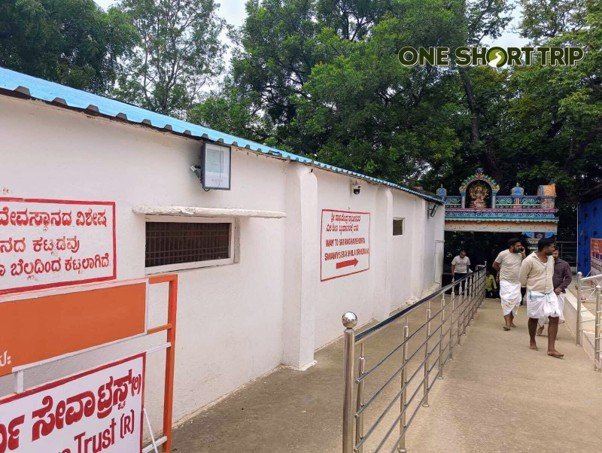
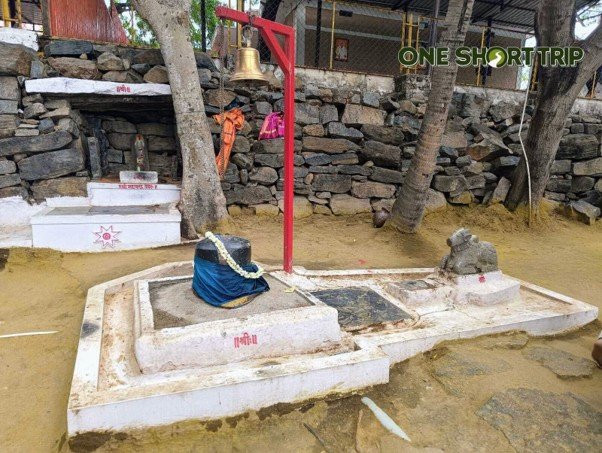
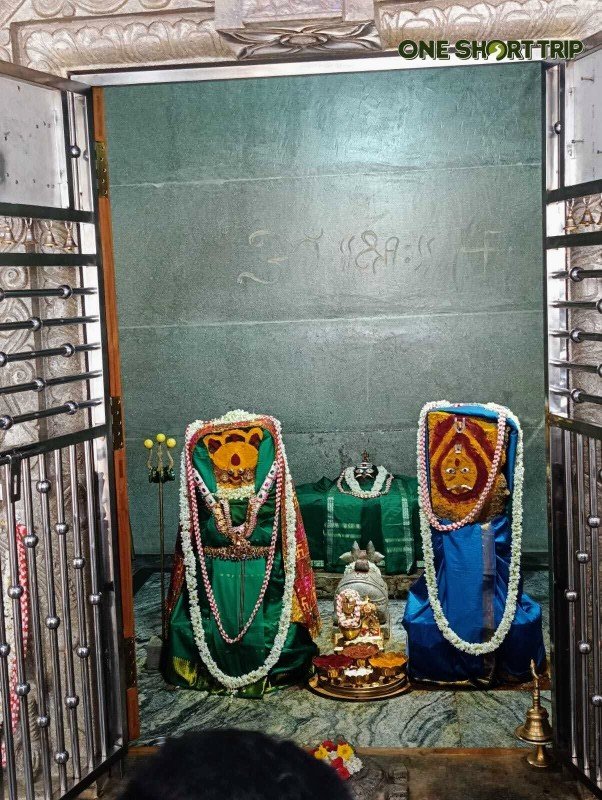
The Grinding Stone and Stories of Seva
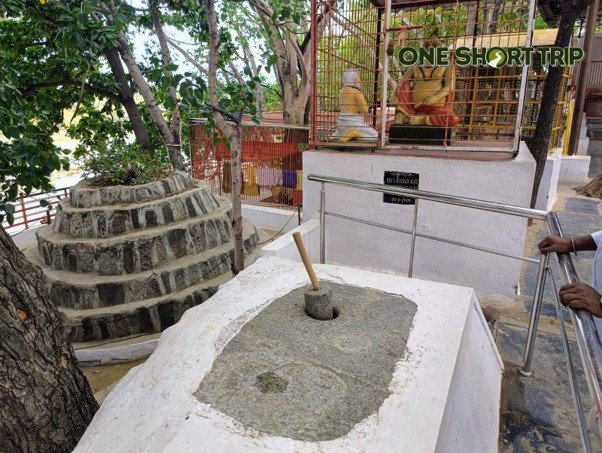
One of the most memorable traditions associated with Appanacharyara Mane concerns the service Appanacharya offered to his guru. Devotional accounts describe him preparing food and grinding ingredients for Rayaru, including the chutney traditionally associated with the house. A grinding stone connected with this story is preserved as part of the site's heritage.
For devotees, this simple household object represents something much larger: the idea that service to one's guru can be expressed through ordinary daily work. The story is one reason Appanacharyara Mane feels different from a conventional monument. Its significance comes from personal memory, devotion and the traditions passed down through generations.
The House, the 2009 Floods and Bichale's Changing Landscape
The history of Appanacharyara Mane is also connected with the changing landscape of Bichale. The area lies close to the Tungabhadra, and severe flooding in 2009 affected the old settlement. Historical accounts published after the floods describe substantial damage to the old house and other structures in the village, followed by efforts to preserve and rebuild important parts of the heritage site.
Because of these changes, visitors should not assume that every visible part of the present structure is untouched from the seventeenth century. The spiritual and historical association with Appanacharya and Rayaru remains the principal reason devotees visit, while the present structure reflects both preservation efforts and the site's continuing religious importance.
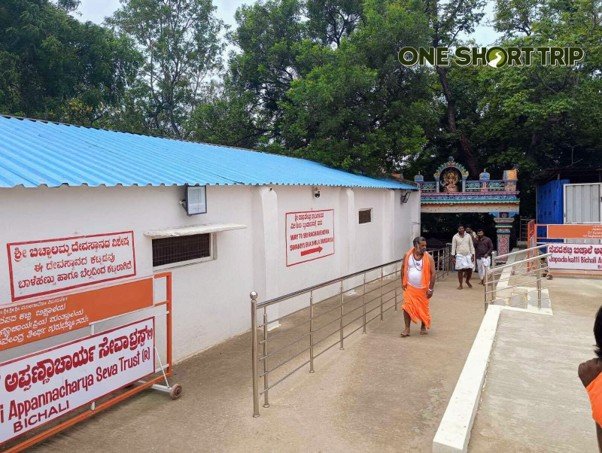
Why Appanacharyara Mane Is Important
Appanacharyara Mane is important because it brings the story of Sri Raghavendra Swamy and Sri Appanacharya into a domestic setting. The Brundavana at Bichale represents the saint's continuing devotional presence, while the house helps visitors understand the personal relationship, hospitality and daily service that surrounded Rayaru during his association with Bichale.
For devotees who have already visited Mantralaya, the house provides additional context to the life of Rayaru and the history of the Sri Raghavendra Stotram. Visiting both the Brundavana and Appanacharyara Mane makes the Bichale pilgrimage much more meaningful because the two sites are connected by the same guru-disciple story.
How to Visit Appanacharyara Mane
Appanacharyara Mane is best visited together with the Sri Raghavendra Teerthara Brundavana rather than as a separate sightseeing stop. Bichale is approximately 20 km from Mantralaya by road, although published distance estimates vary depending on the route and starting point. Local autos, taxis and private vehicles are commonly used for the journey.
Visitors should allow enough time to move slowly between the sacred sites, listen to local explanations where available and spend a few quiet moments at each location. Bichale is a pilgrimage village rather than a conventional tourist attraction, so facilities and transport options are more limited than in Mantralaya.
What to See at Appanacharyara Mane
- The traditional residential spaces associated with Sri Appanacharya.
- The area traditionally associated with Sri Raghavendra Swamy's stay.
- The space connected with Sri Moola Rama worship.
- Traditional household objects associated with devotional accounts of Appanacharya's service.
- The grinding stone associated with the traditional story of Appanacharya preparing food for Rayaru.
- Religious objects and sacred spaces maintained within the house.
- The surrounding Bichale landscape and its connection with the Tungabhadra River.
A Place of Guru Bhakti and Living Memory
The greatest value of Sri Appanacharyara Mane is not its size or architectural grandeur. It is the sense of personal connection it provides to the story of two figures who occupy an important place in the Madhwa devotional tradition. Here, the story of Sri Raghavendra Swamy can be understood through the eyes of the disciple who served him, studied with him and is remembered for his profound devotion.
A visit to Appanacharyara Mane is therefore best approached as part of a pilgrimage rather than a conventional sightseeing experience. Combined with the Bichale Brundavana, Japadakatti and the Tungabhadra riverbank, it offers one of the most intimate ways to understand why Bichale is regarded by many devotees as a deeply sacred extension of the Mantralaya pilgrimage.