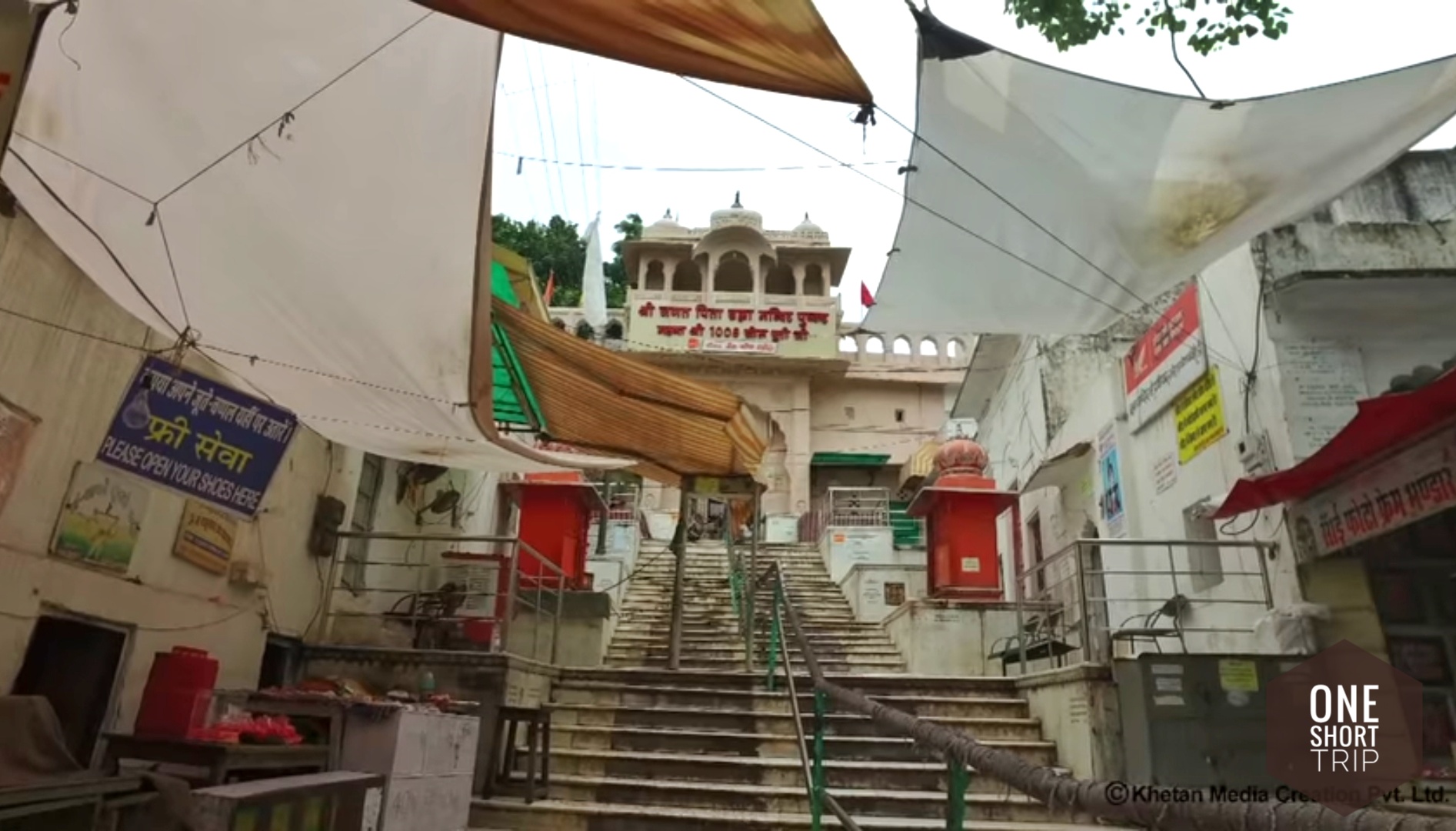
Ajmer Sharif Dargah: A Sacred Shrine in Ajmer
Ajmer Sharif Dargah is one of India's most important Sufi pilgrimage sites and a major spiritual landmark in Ajmer, Rajasthan. The shrine is the resting place of Khwaja Moinuddin Chishti, the revered 13th-century Sufi saint popularly known as Khwaja Gharib Nawaz. Pilgrims and visitors from different communities come here throughout the year to offer prayers, seek blessings and experience the living Sufi traditions associated with the shrine.
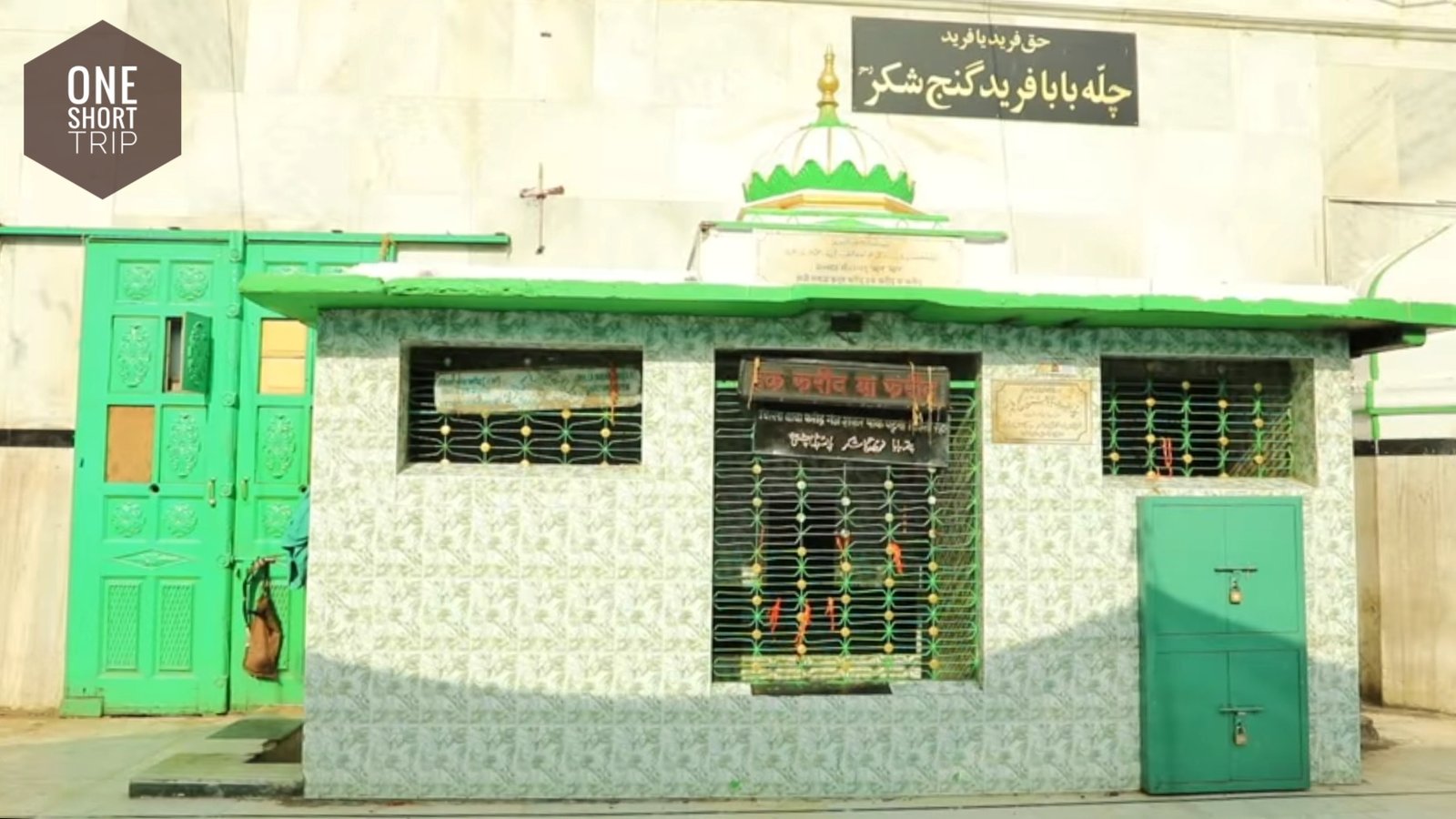
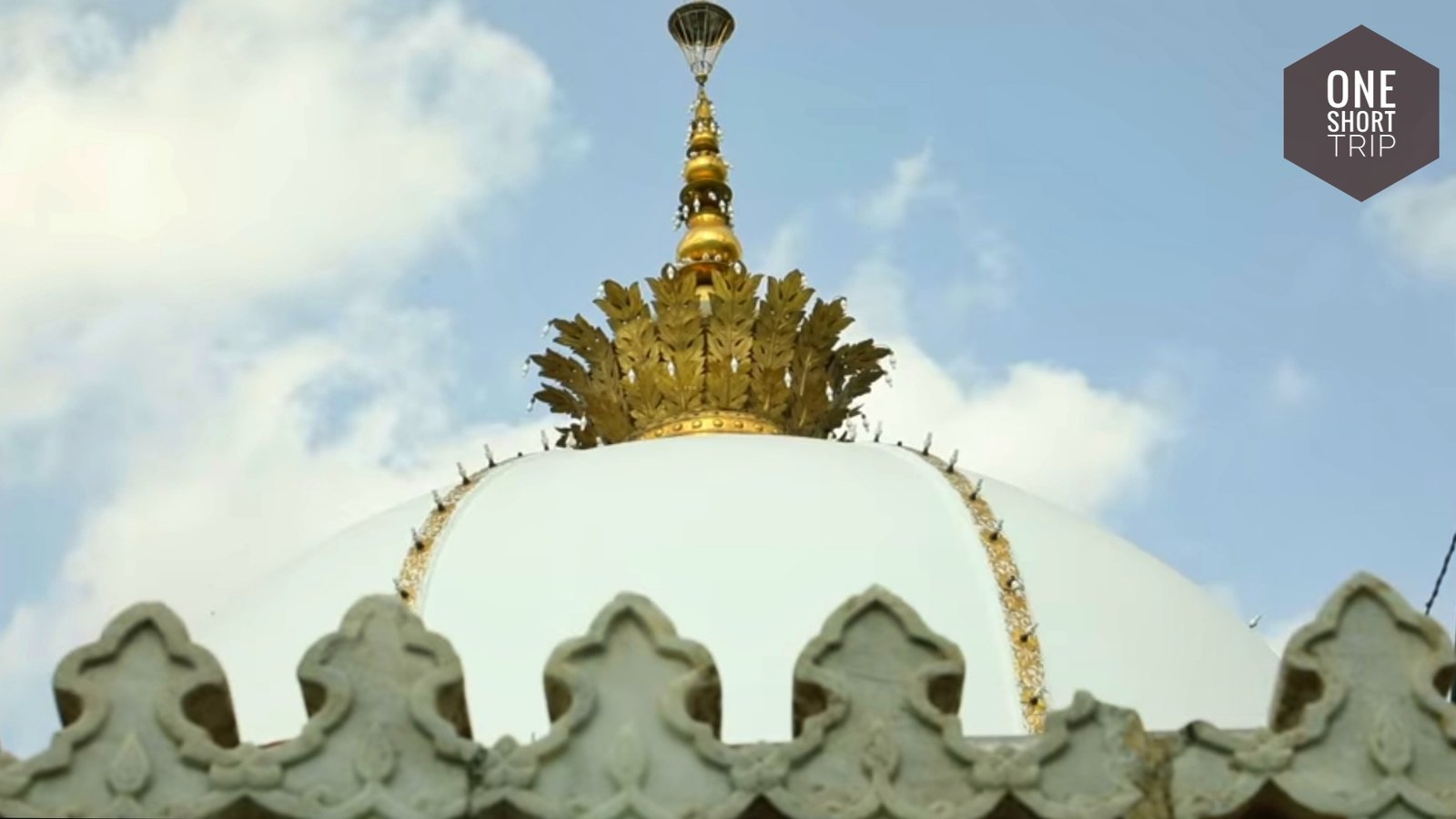
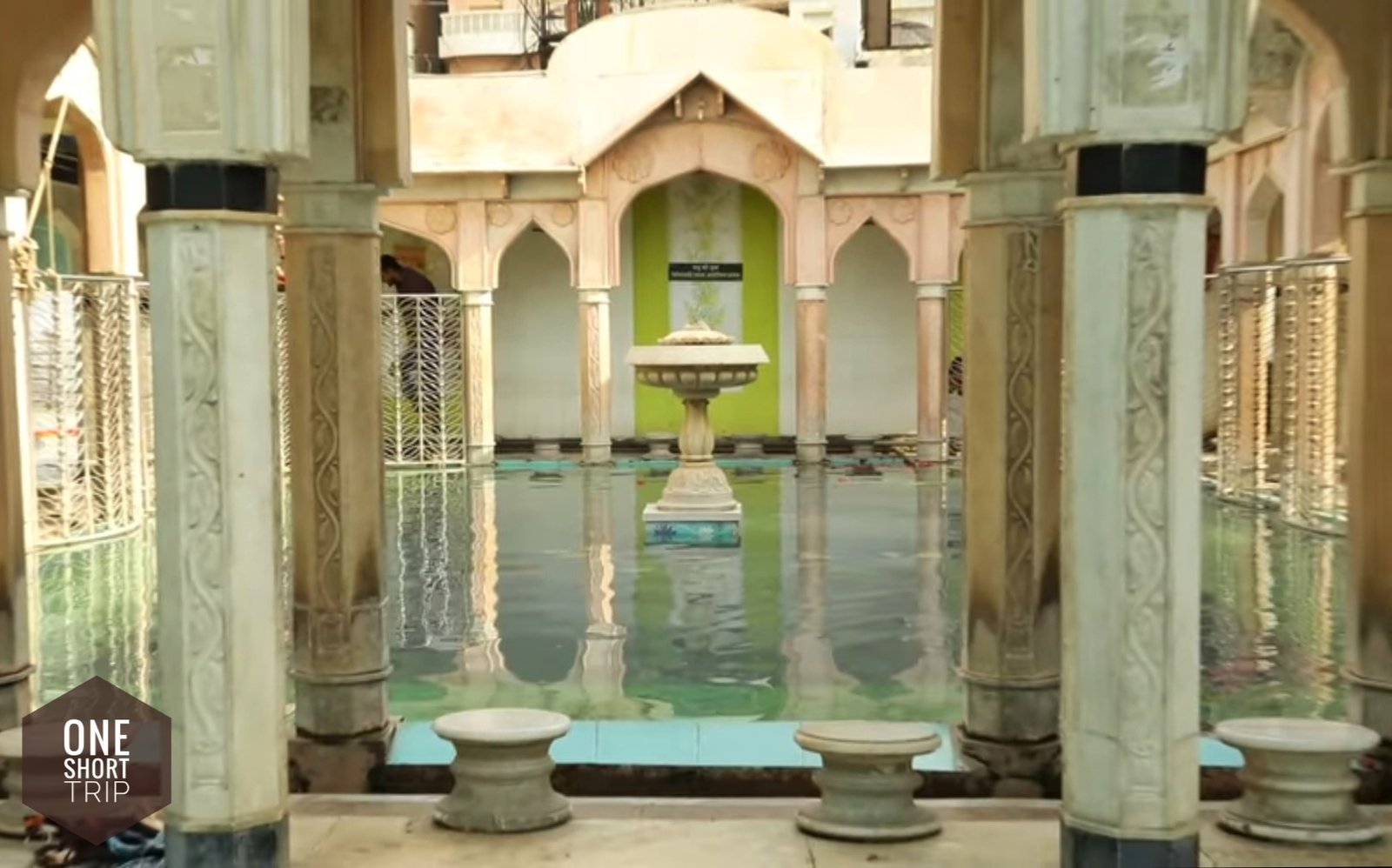
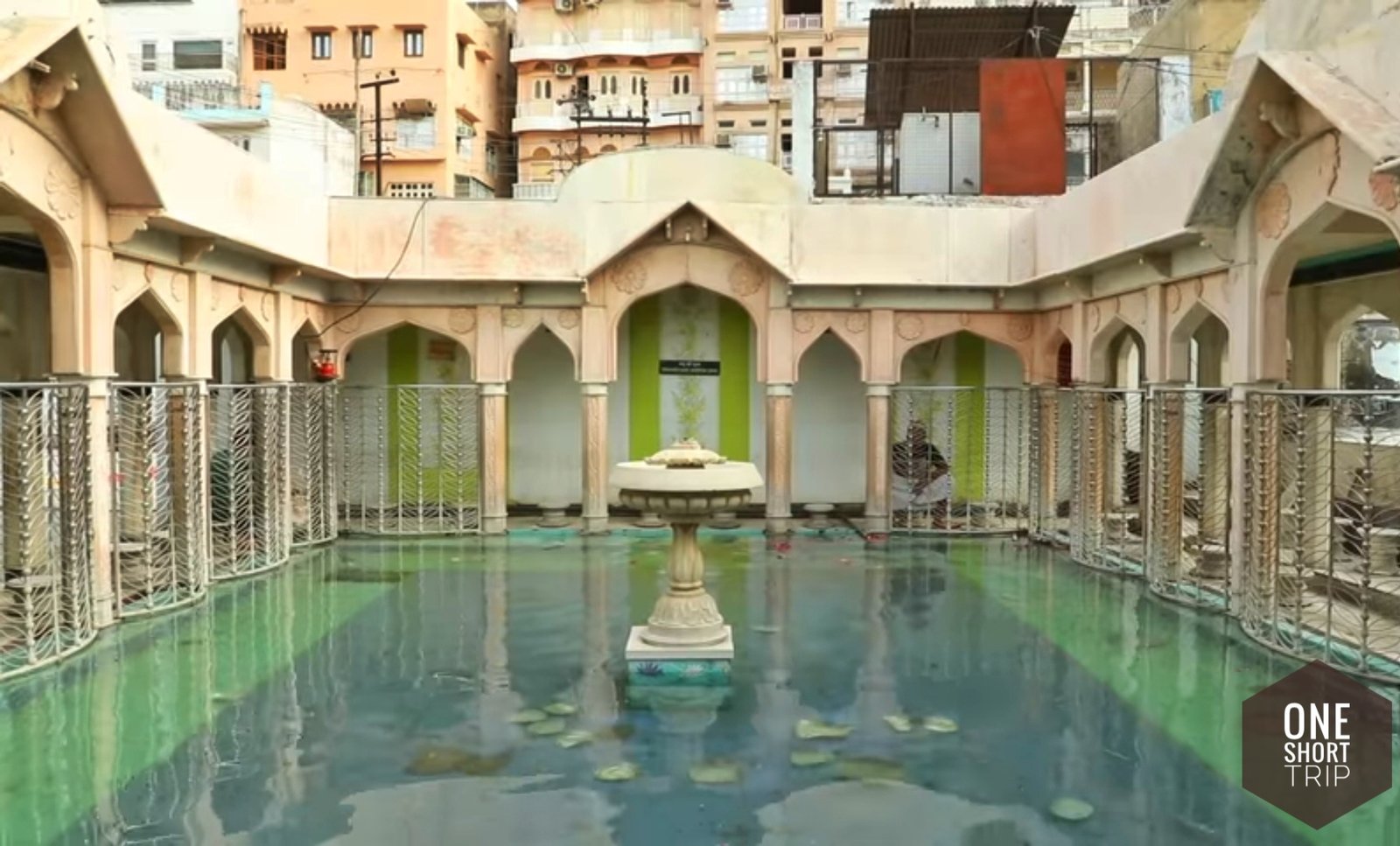
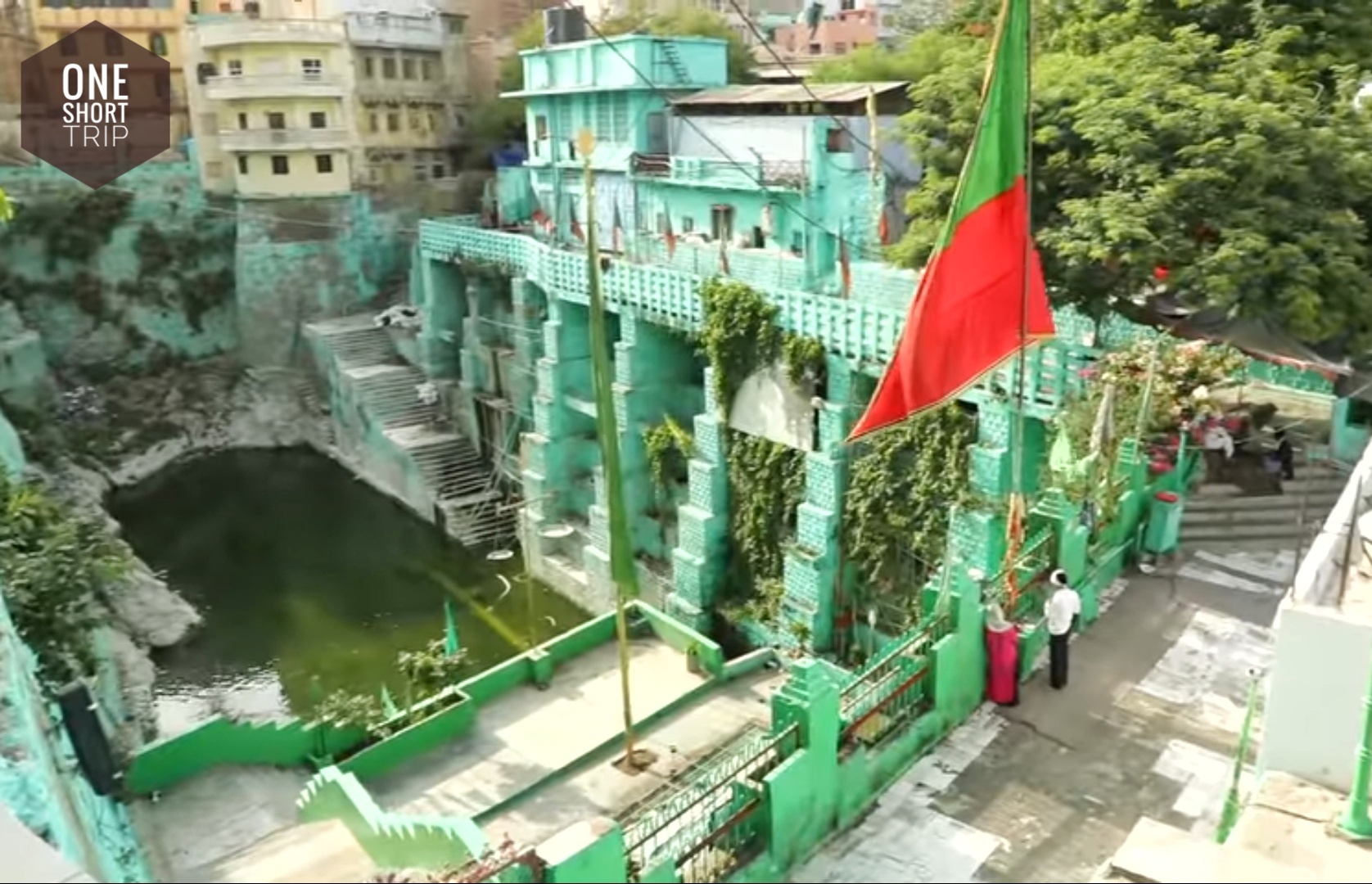
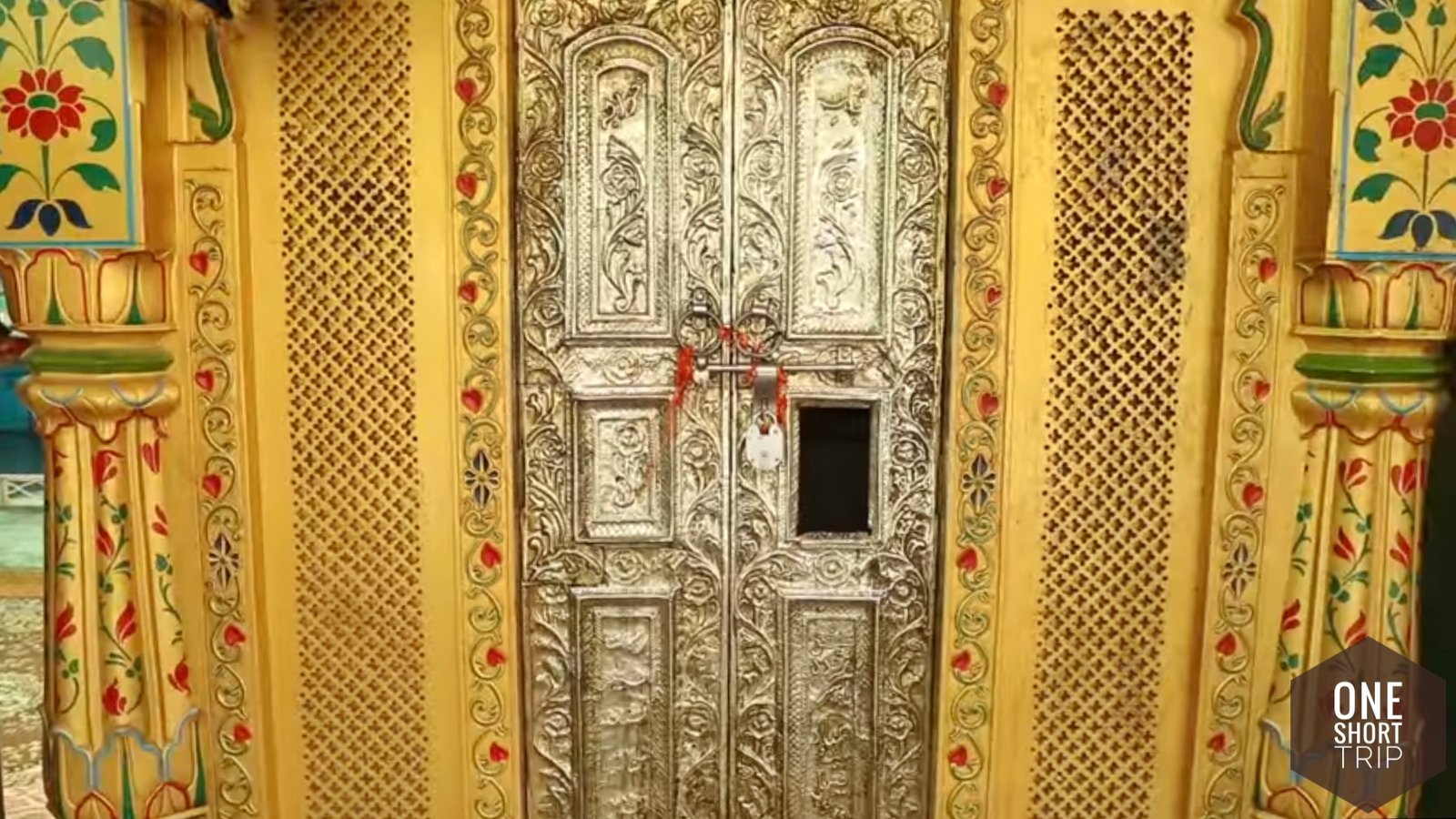
The dargah is located in the heart of historic Ajmer and forms an important part of the city's religious and cultural identity. Its courtyards, gateways, marble structures, devotional traditions and famous cooking vessels known as degs make the complex much more than a single tomb. For travellers exploring Rajasthan, a visit to Ajmer Sharif offers an opportunity to experience an active place of worship as well as an important part of India's spiritual history.
Who Was Khwaja Moinuddin Chishti?
Khwaja Moinuddin Chishti was a prominent Sufi saint who settled in Ajmer and became closely associated with the Chishti tradition of Sufism in the Indian subcontinent. He is remembered for teachings centred on compassion, humility, service and devotion. After his death in 1236, his tomb in Ajmer developed into an important centre of pilgrimage.
Today, the shrine is commonly called Ajmer Sharif or Ajmer Sharif Dargah. The word “dargah” refers to the shrine or tomb of a respected Muslim saint. The site continues to attract devotees who come to pay their respects at the saint's tomb and participate in prayers and other devotional traditions.
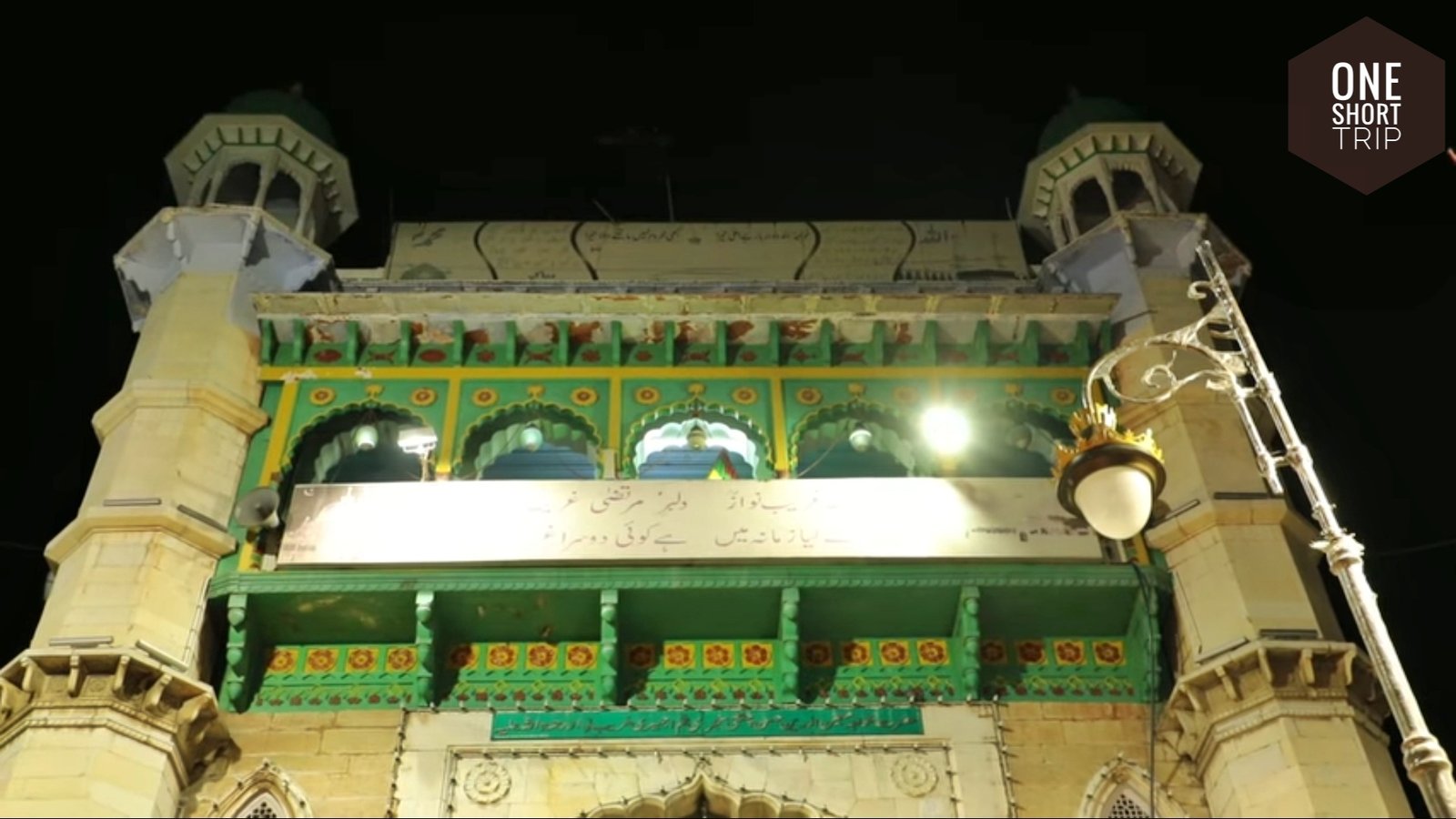
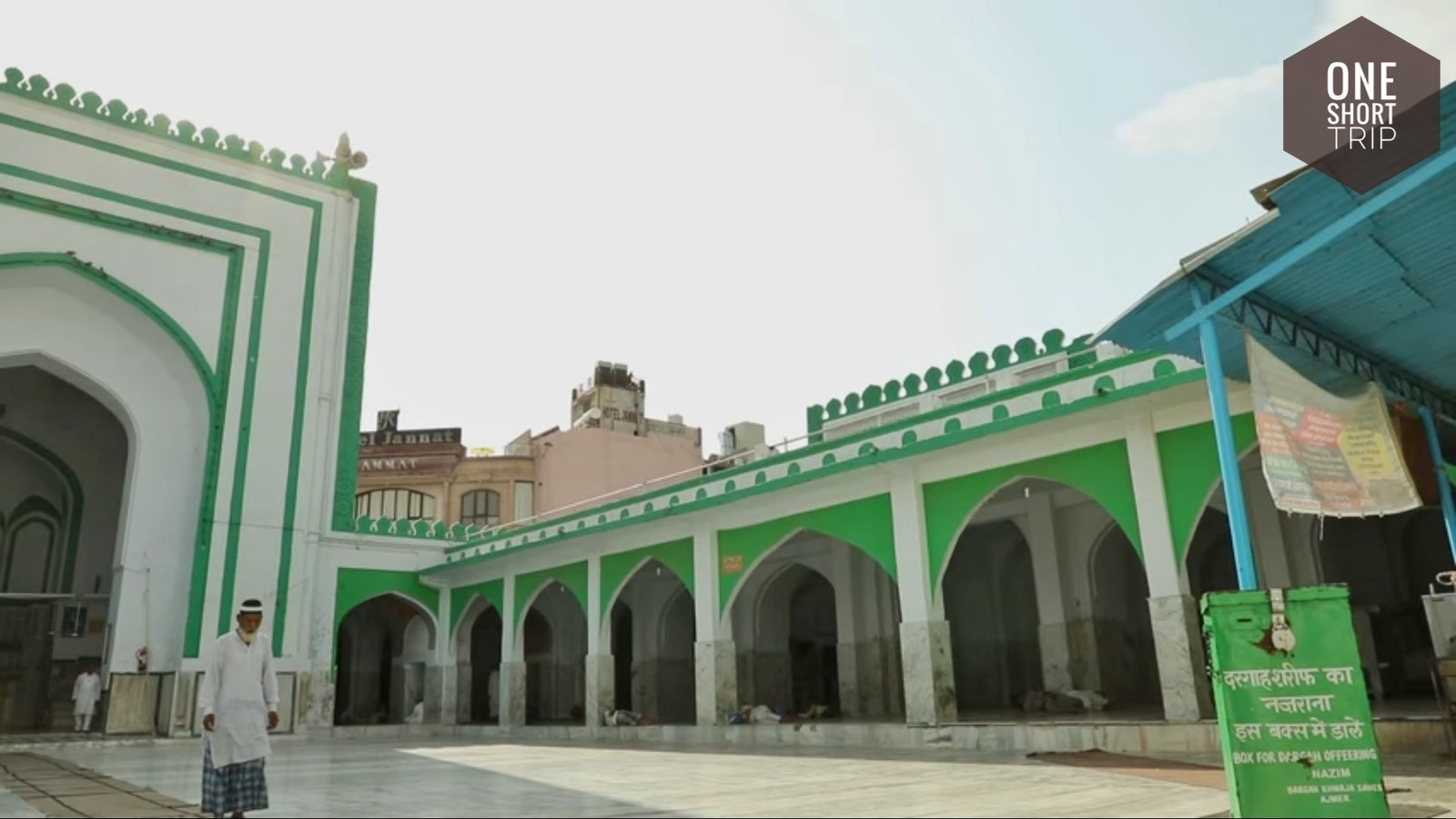
Akbar and the Ajmer Sharif Dargah
The Ajmer Sharif Dargah has a long association with the Mughal rulers of India. Emperor Akbar became one of the shrine's most well-known royal patrons. Historical accounts describe his visits to Ajmer to seek the blessings of Khwaja Moinuddin Chishti, particularly in connection with his desire for an heir.
Akbar's association with the shrine continued to strengthen its importance during the Mughal period. His son Jahangir also maintained a connection with the dargah. The Mughal influence can still be seen in parts of the complex and in traditions associated with the famous degs.
The Famous Deghs of Ajmer Sharif
One of the most distinctive features of Ajmer Sharif Dargah is its pair of enormous cooking vessels, known as degs. They are traditionally associated with the Mughal period and are linked to the charitable food traditions of the shrine.
The larger deg is traditionally associated with Emperor Akbar, while the smaller one is associated with his son Jahangir. Rice and other ingredients are prepared in these vessels on important occasions, with the food distributed as a form of sacred offering known as tabarruk.
The degs are particularly significant during the annual Urs of Khwaja Moinuddin Chishti, when the number of pilgrims visiting Ajmer increases substantially.
The Urs at Ajmer Sharif
The Urs is the annual commemoration of Khwaja Moinuddin Chishti's death anniversary. Unlike a conventional memorial, the Urs is understood within Sufi tradition as a time of spiritual celebration and remembrance. The dates follow the Islamic lunar calendar and therefore change each year.
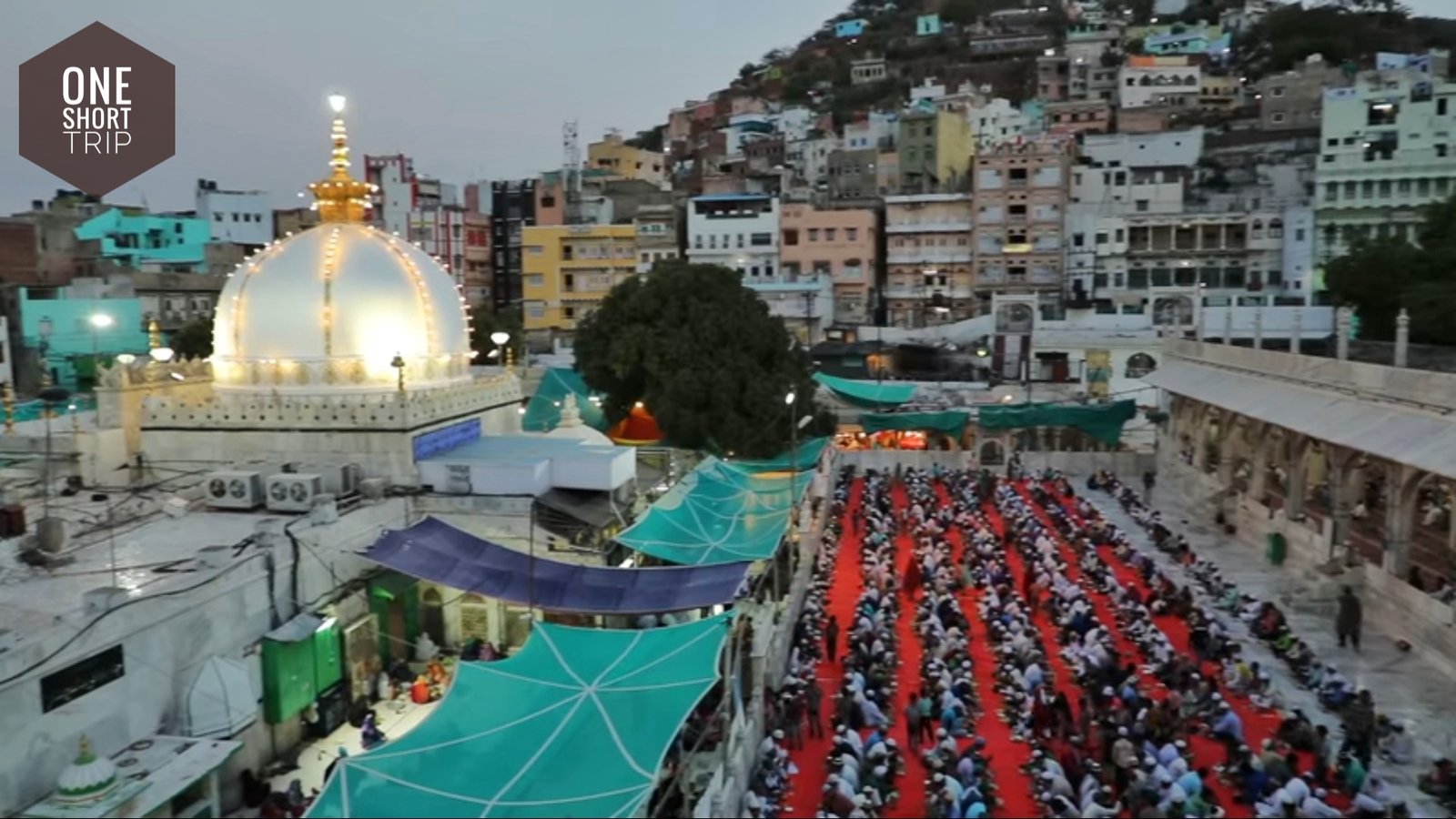
During the Urs, Ajmer Sharif becomes exceptionally busy. Pilgrims gather for prayers, devotional music, qawwali, charitable activities and other religious observances. Visitors arrive from different parts of India and abroad, making the period one of the most significant times in the shrine's annual calendar.
Visitor Etiquette at Ajmer Sharif Dargah
Ajmer Sharif welcomes visitors from different religious and cultural backgrounds. At the same time, it remains an active Islamic place of worship. Visitors should therefore approach the shrine with respect and follow the customs observed within the complex.
Modest clothing is recommended. Covering the head is customary when entering the main shrine area, and visitors should remove their footwear where required. It is also important not to disturb people who are praying or participating in religious ceremonies.
Photography rules can vary between different areas of the complex. Follow signs and instructions from shrine staff, especially around the main tomb and during religious ceremonies. Visitors who are unsure should simply ask before taking photographs.
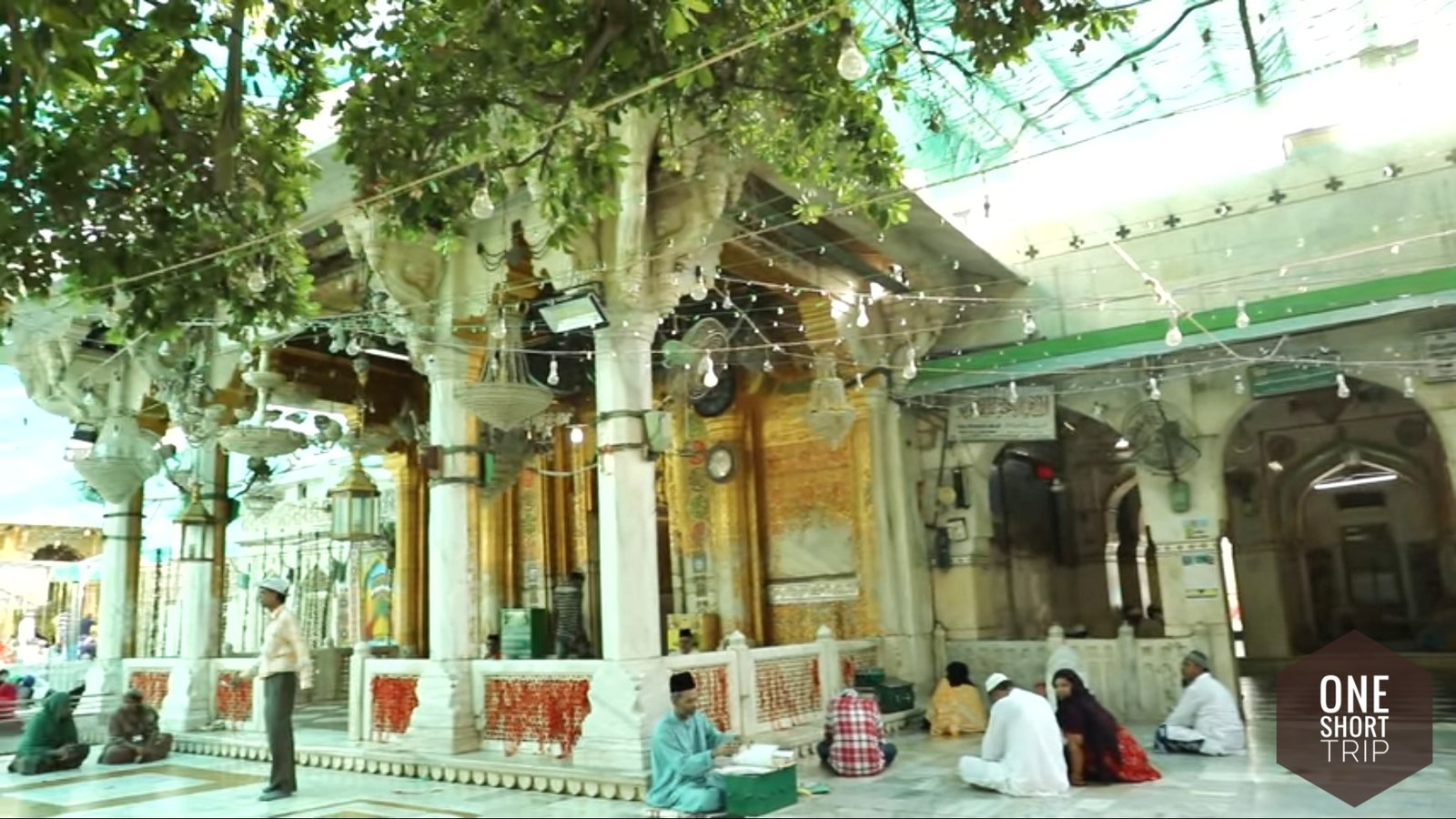
Khadims and other attendants may offer assistance to visitors inside the complex. If you do not require assistance or an additional service, you can politely decline. Keeping the visit simple and respectful will help you focus on the spiritual and cultural significance of the shrine.
Experience the Living Sufi Tradition
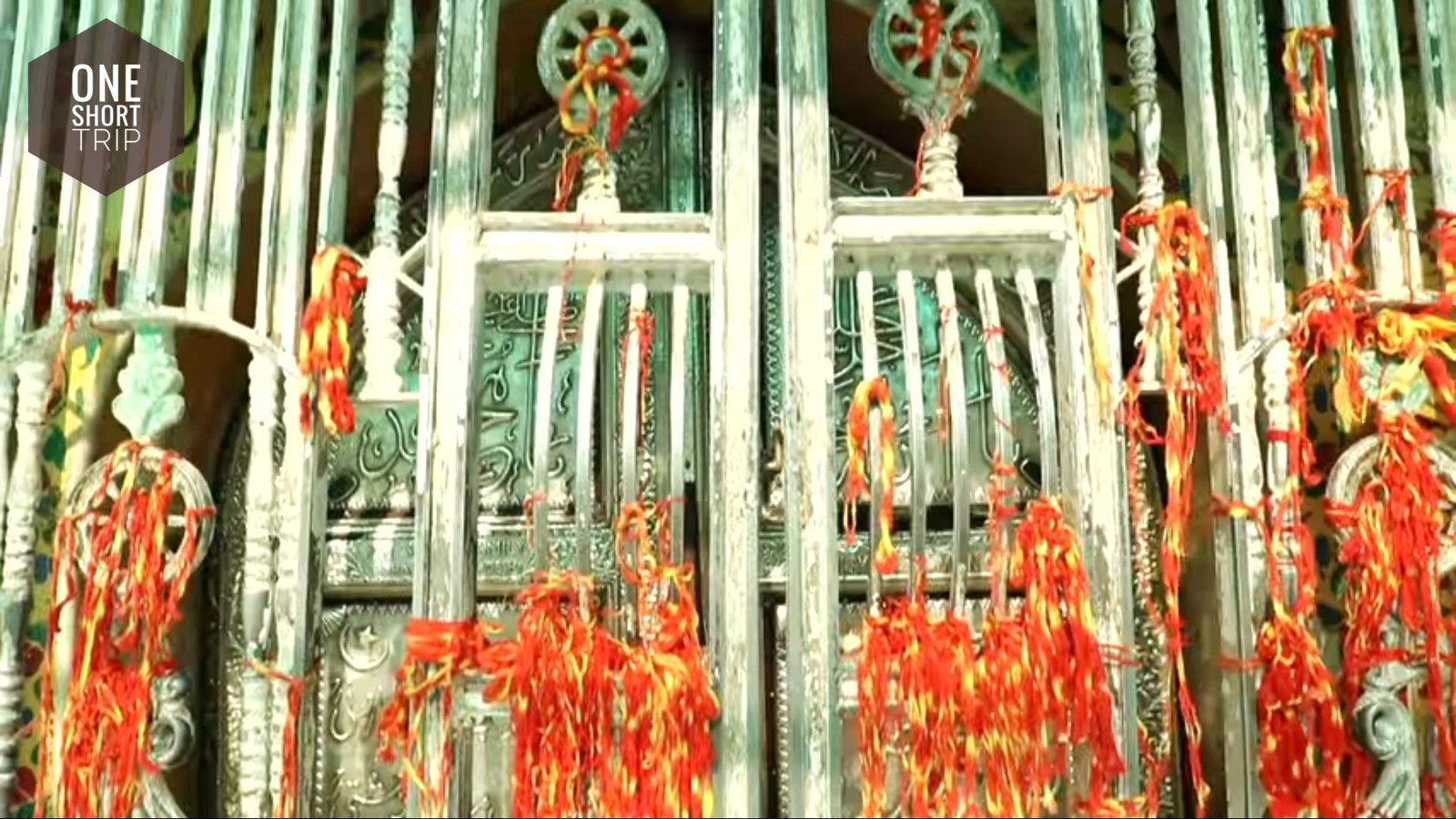
Ajmer Sharif Dargah is not simply a historic monument. It remains an active centre of worship where pilgrims continue traditions that have developed around the shrine over centuries. Prayer, charity, devotional music and the offering of food all form part of the living atmosphere of the dargah.
The atmosphere changes throughout the day. Mornings can feel more relaxed, while evenings often bring a greater sense of activity. During special occasions and the annual Urs, the complex becomes far busier and more vibrant.
Important Areas to See Inside the Dargah
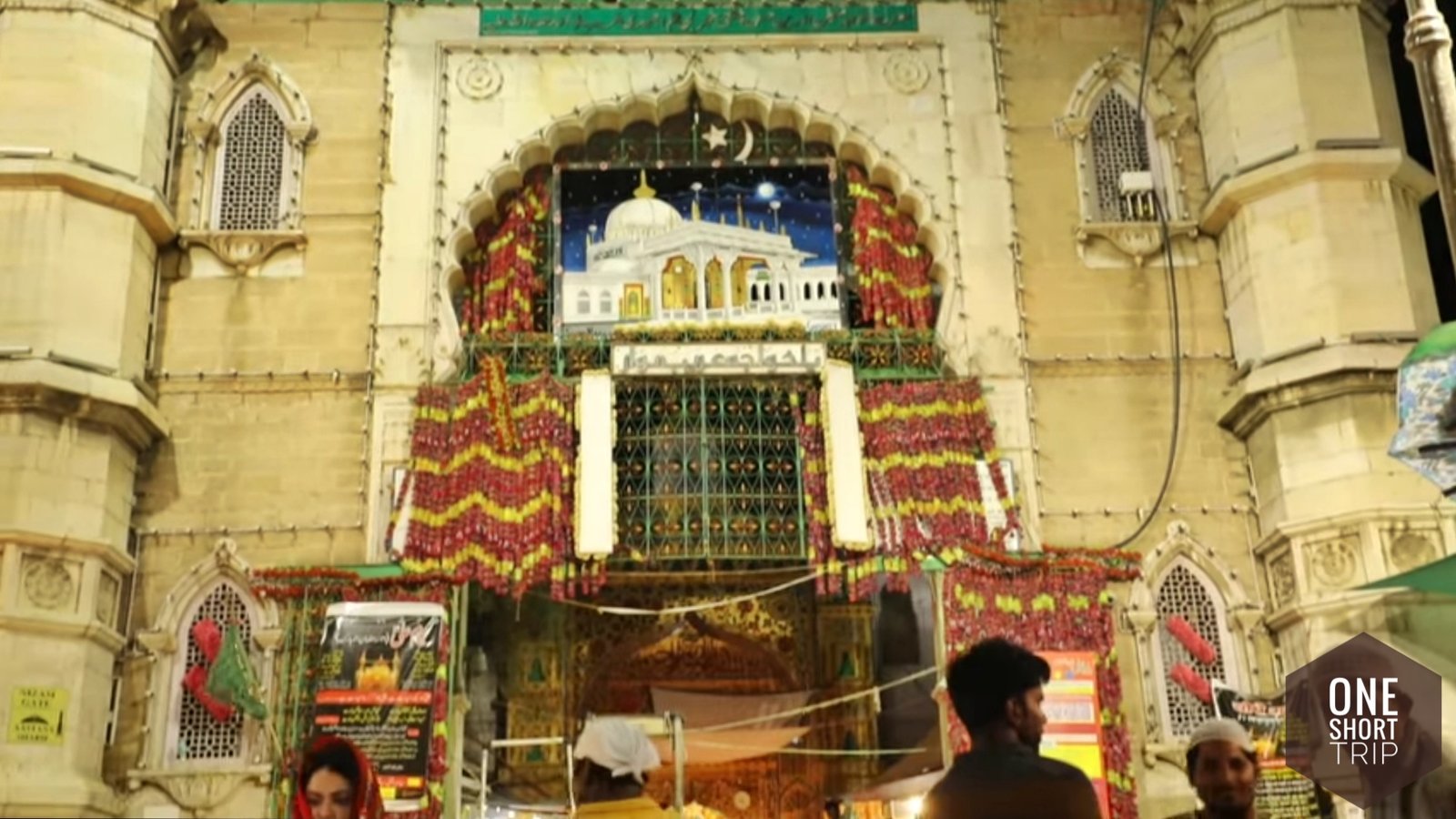
Nizam Gate
The Nizam Gate is one of the important entrances to the dargah complex. It was built during the period of the Nizam of Hyderabad and forms part of the sequence of gateways visitors encounter while entering the shrine area.
Shahjahani Gate
The Shahjahani Gate is associated with Mughal Emperor Shah Jahan. Its presence reflects the long history of royal patronage and architectural additions that shaped the Ajmer Sharif complex.
Buland Darwaza
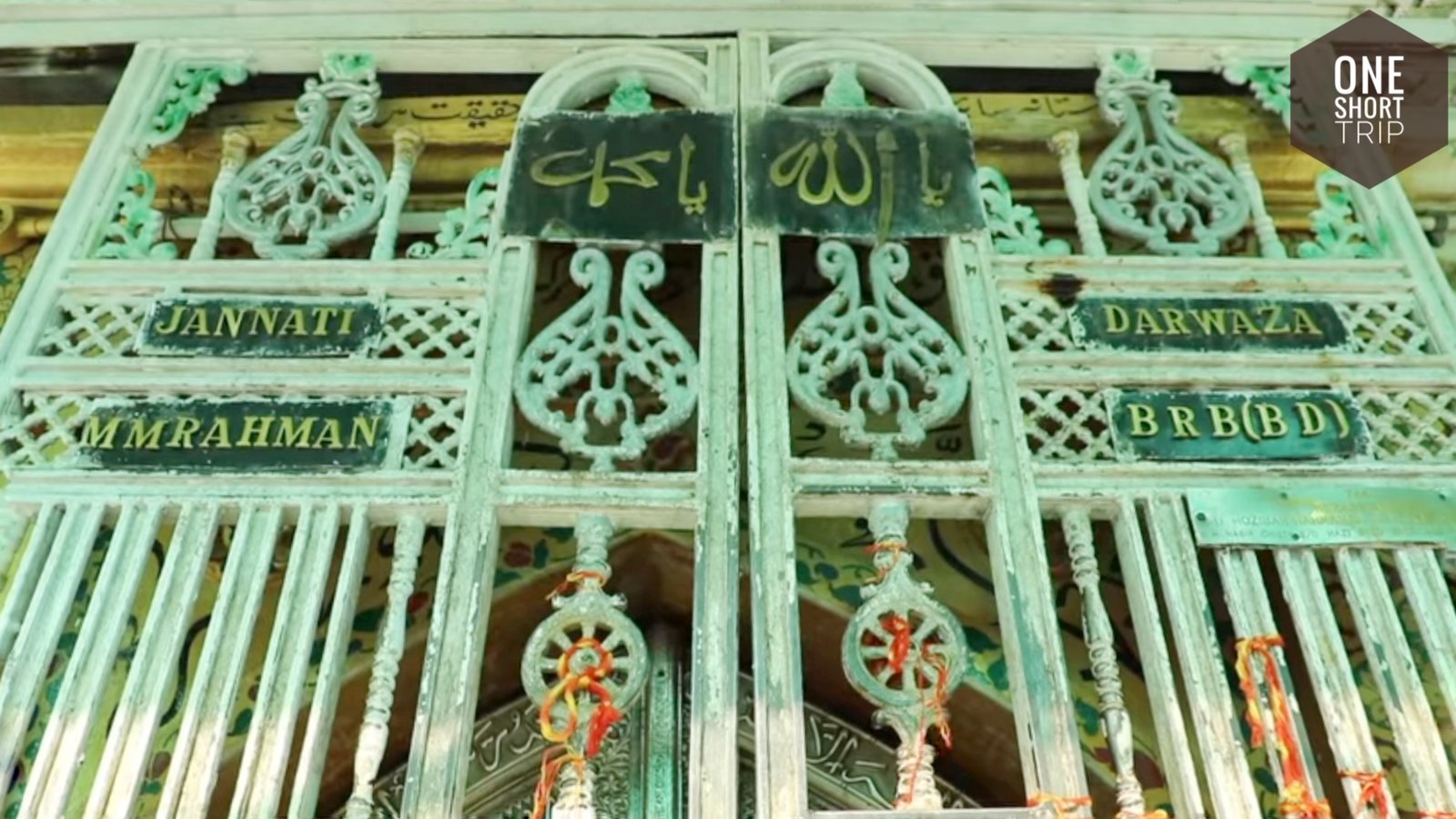
The Buland Darwaza is another prominent gateway associated with the shrine. Together, the historic entrances help visitors understand how the dargah developed as an important pilgrimage centre over different periods of Indian history.
How to Reach Ajmer Sharif Dargah
Ajmer is well connected to major cities in Rajasthan and other parts of India by rail and road. Ajmer Junction is the city's main railway station and receives trains from several major destinations.
Jaipur is roughly 130 kilometres from Ajmer, making the city a convenient addition to a Rajasthan itinerary. Visitors can travel between Jaipur and Ajmer by train, bus, taxi or private vehicle.
The dargah is located in the older part of Ajmer, where the surrounding streets can become crowded. Depending on traffic and local access restrictions, visitors may need to leave their vehicle at a suitable parking area and walk the final stretch. Auto-rickshaws and local transport are useful for getting around other parts of the city.
What to Expect During Your Visit
A visit to Ajmer Sharif Dargah is different from visiting a conventional tourist monument. The complex is an active place of worship, so the atmosphere can be busy and devotional. You may see pilgrims offering prayers, purchasing flowers or chadars, and participating in religious traditions.
The lanes approaching the dargah are also part of the experience. Shops and stalls sell flowers, chadars, religious offerings and other items associated with pilgrimage. Visitors should remain aware of their belongings when walking through busy areas.
If you want to spend more time understanding the shrine rather than simply taking photographs, allow enough time to walk through the complex slowly and observe its architecture, courtyards and devotional practices.
Best Time to Visit Ajmer Sharif Dargah
Ajmer Sharif Dargah can be visited throughout the year. For a less crowded experience, visitors may prefer ordinary weekdays outside major religious occasions. Early mornings can also be more comfortable for travellers who want to explore the area at a slower pace.
The annual Urs is the most important period in the shrine's calendar, but it is also one of the busiest. If you specifically want to experience the Urs, plan well in advance and expect significantly larger crowds than during a normal visit.