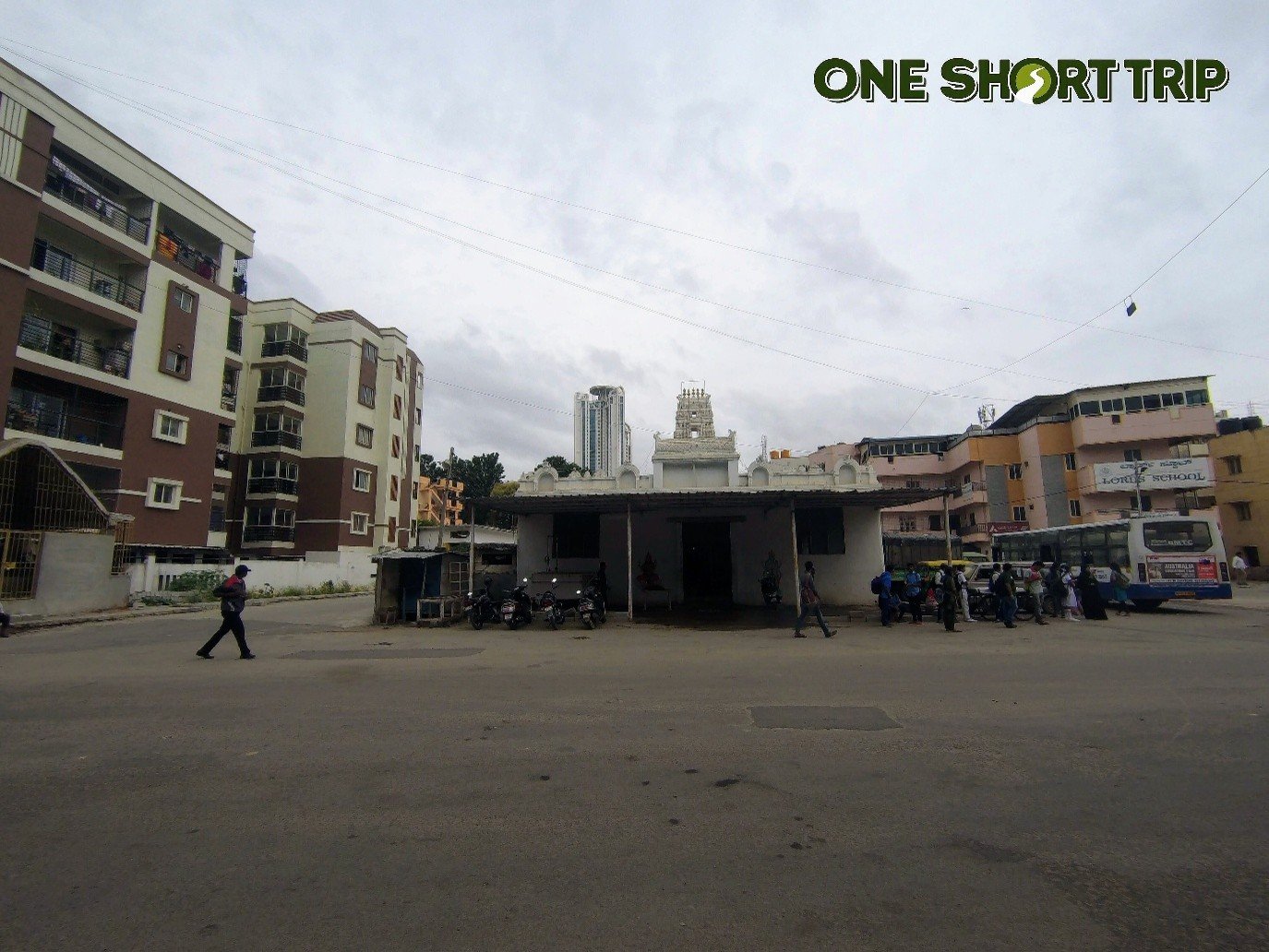
About Begur Fort
Tucked away in Begur in South Bengaluru, Begur Fort is one of the city's lesser-known historical places. It may not have the towering walls or grand gateways of Karnataka's famous forts, but its importance lies in the much older story preserved around it. Begur was an established settlement more than a thousand years ago, long before Bengaluru developed into the modern city we know today. The surviving fort remains offer a glimpse into this early chapter of Bengaluru's history.
Begur's historical importance goes beyond the fort itself. The area is closely associated with the famous Begur inscription of around 890 CE, found in the nearby Nageshwara and Panchalingeshwara Temple complex. This Old Kannada inscription contains an early written reference to Bengaluru, making Begur an important place for understanding the city's ancient past. It is one of the strongest reasons to include Begur on a heritage-focused Bengaluru itinerary.
The wider history of Begur is linked with different South Indian powers, including the Western Gangas and later Chola and other regional rulers. However, the exact date when the present fortification was first constructed is not firmly established, and there is no reliable evidence identifying one ruler as its sole builder. Historical accounts describe Begur as a roughly circular fortified settlement with low defensive walls, a stone gateway and other structures that developed over different periods. Much of the original fort has disappeared or become difficult to distinguish as the surrounding area has grown into a busy part of Bengaluru.
Fees, Timings & Getting There
What to See at Begur Fort
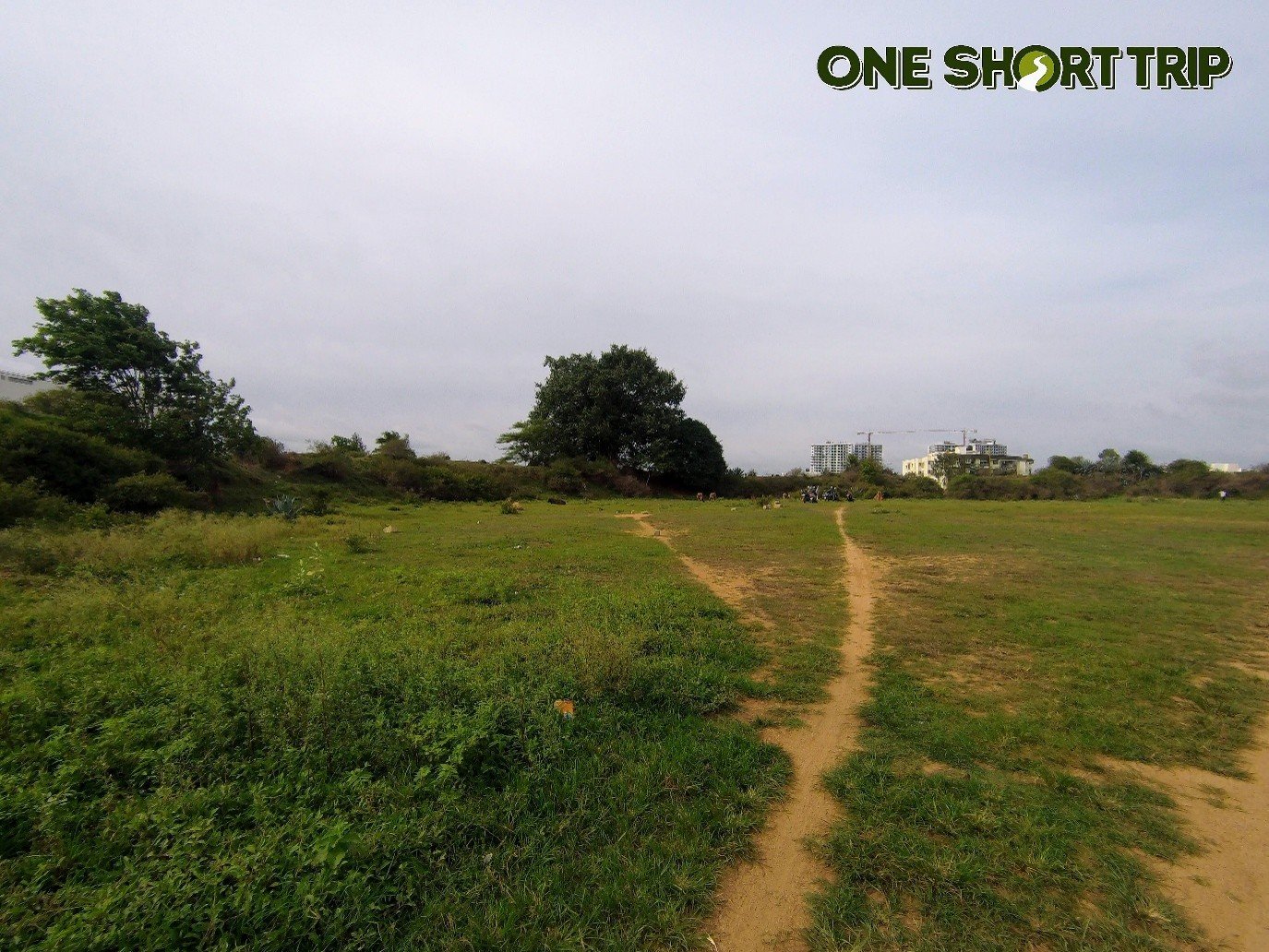
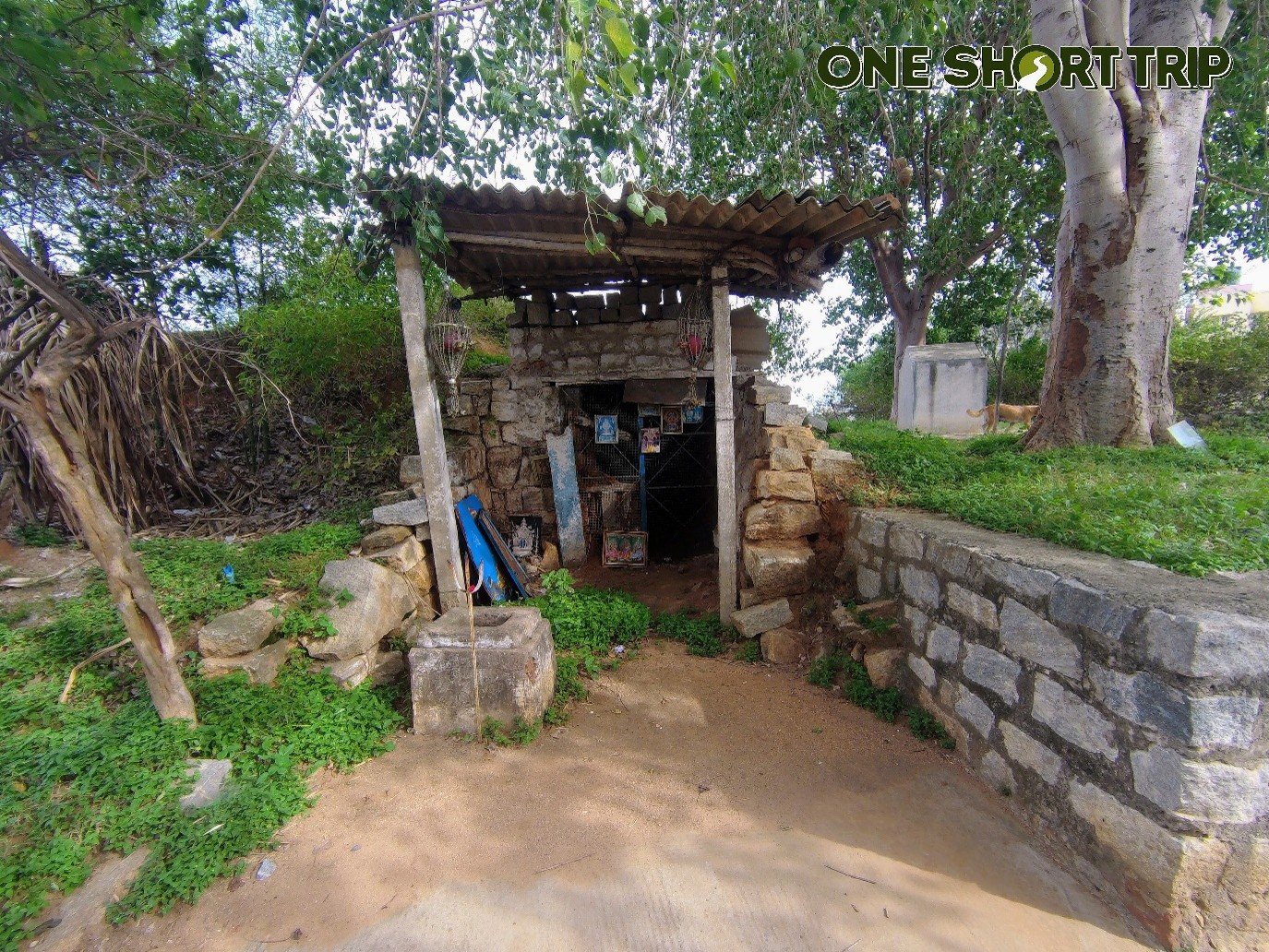
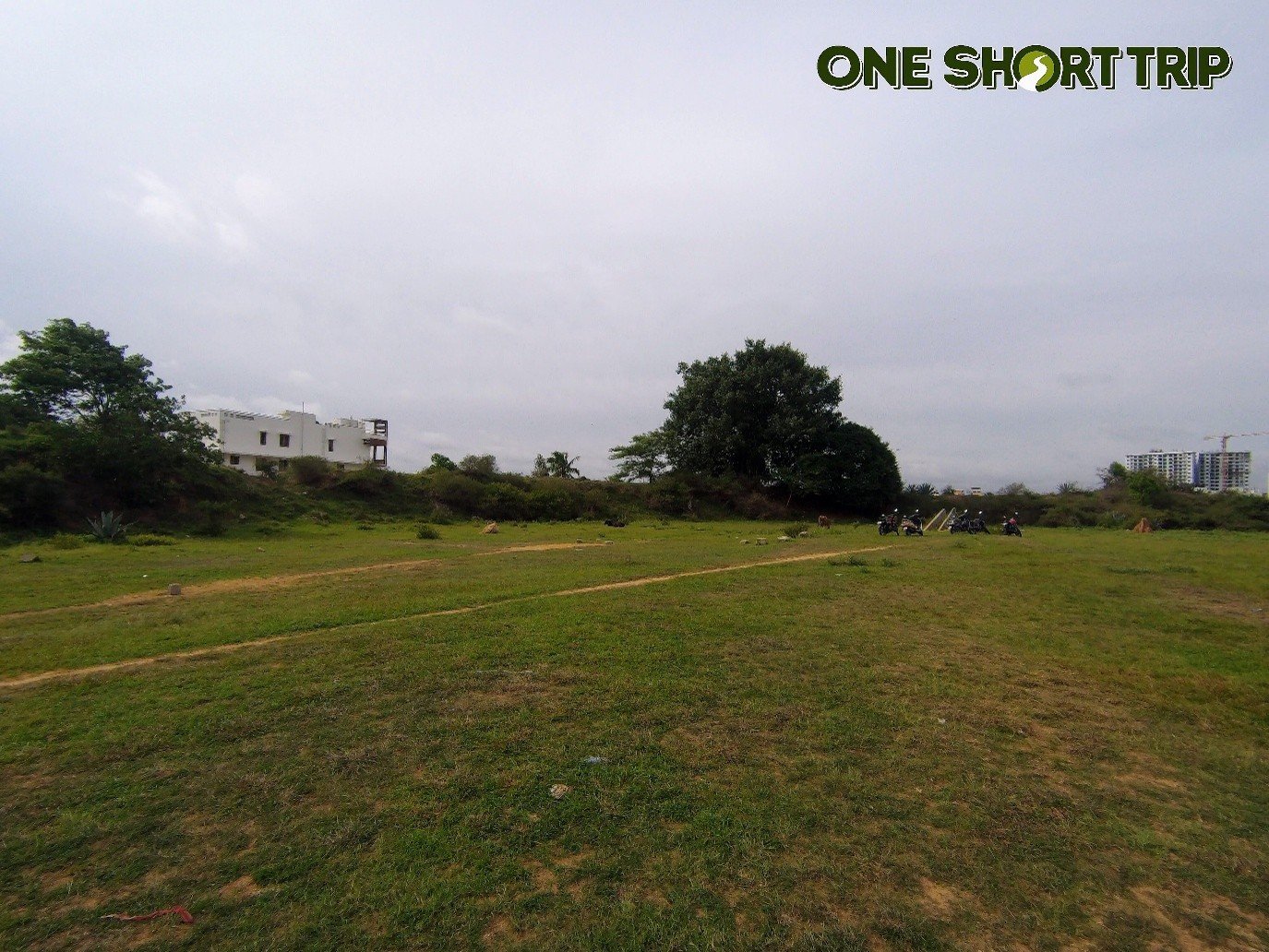
Begur Fort is not a large, fully preserved monument. Much of the original fortification has disappeared over the centuries, while parts of the site are covered by vegetation and surrounded by modern development. For this reason, it is better to explore Begur as a historic landscape rather than expect a conventional fort with large ramparts, palace buildings and imposing bastions.
The surviving remains, old temples and nearby inscriptions together tell a much more interesting story. Take your time to look at the stonework, the remains of the fortification and the historic structures around the area. The real attraction is understanding how an ancient settlement has survived within present-day Bengaluru.
1. Surviving Fortification
Only portions of Begur's old defensive enclosure remain visible today. Historical descriptions identify the fort as an approximately circular settlement protected by relatively low walls. Unlike the massive stone fortifications found at places such as Chitradurga, Begur's defensive structures were much more modest.
As you walk around the site, look for surviving sections of the old enclosure and traces of the historic settlement. The condition of the remains can vary, so visitors should avoid climbing on walls or entering areas that appear unsafe.
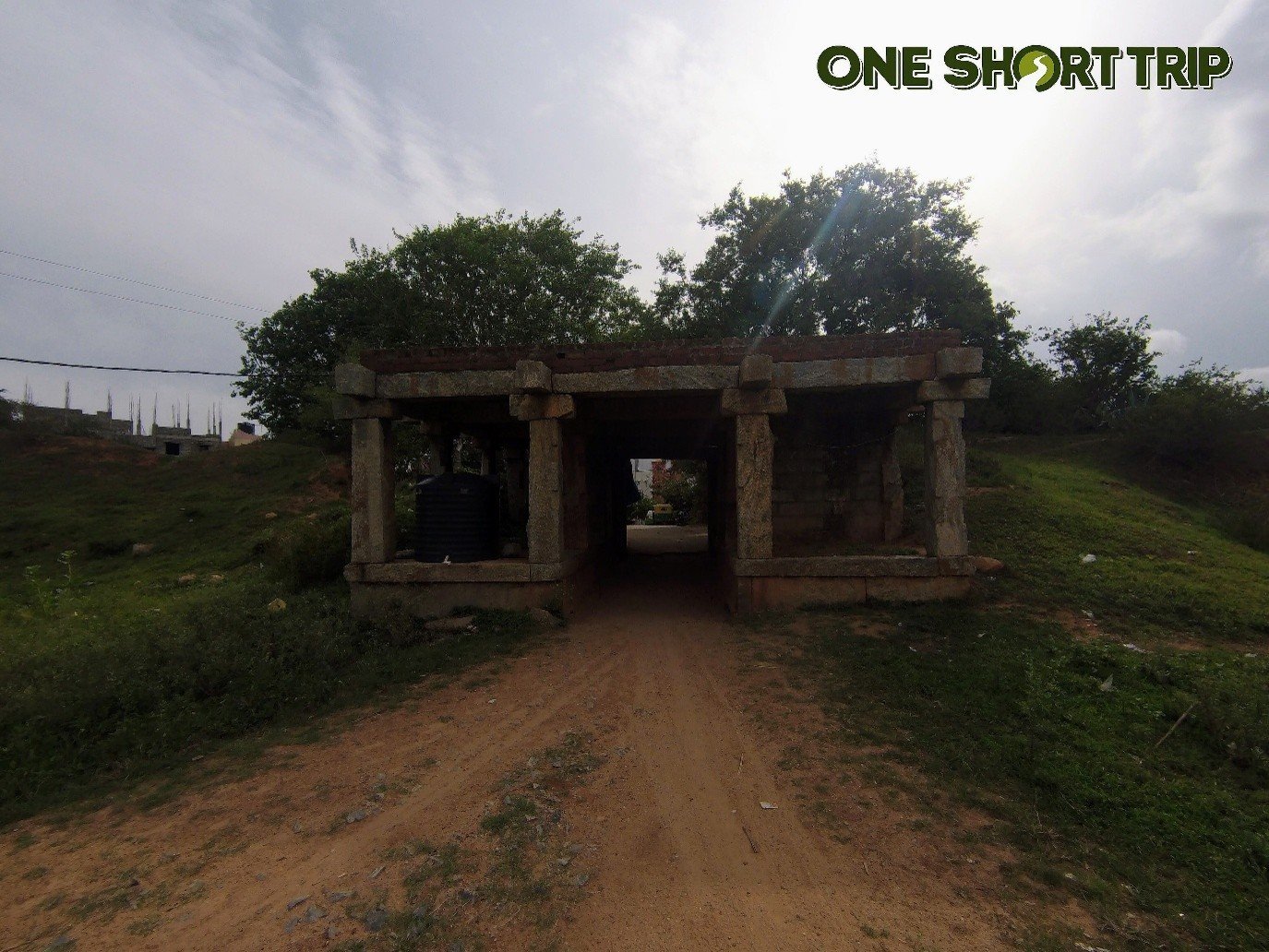
2. The Old Stone Gateway
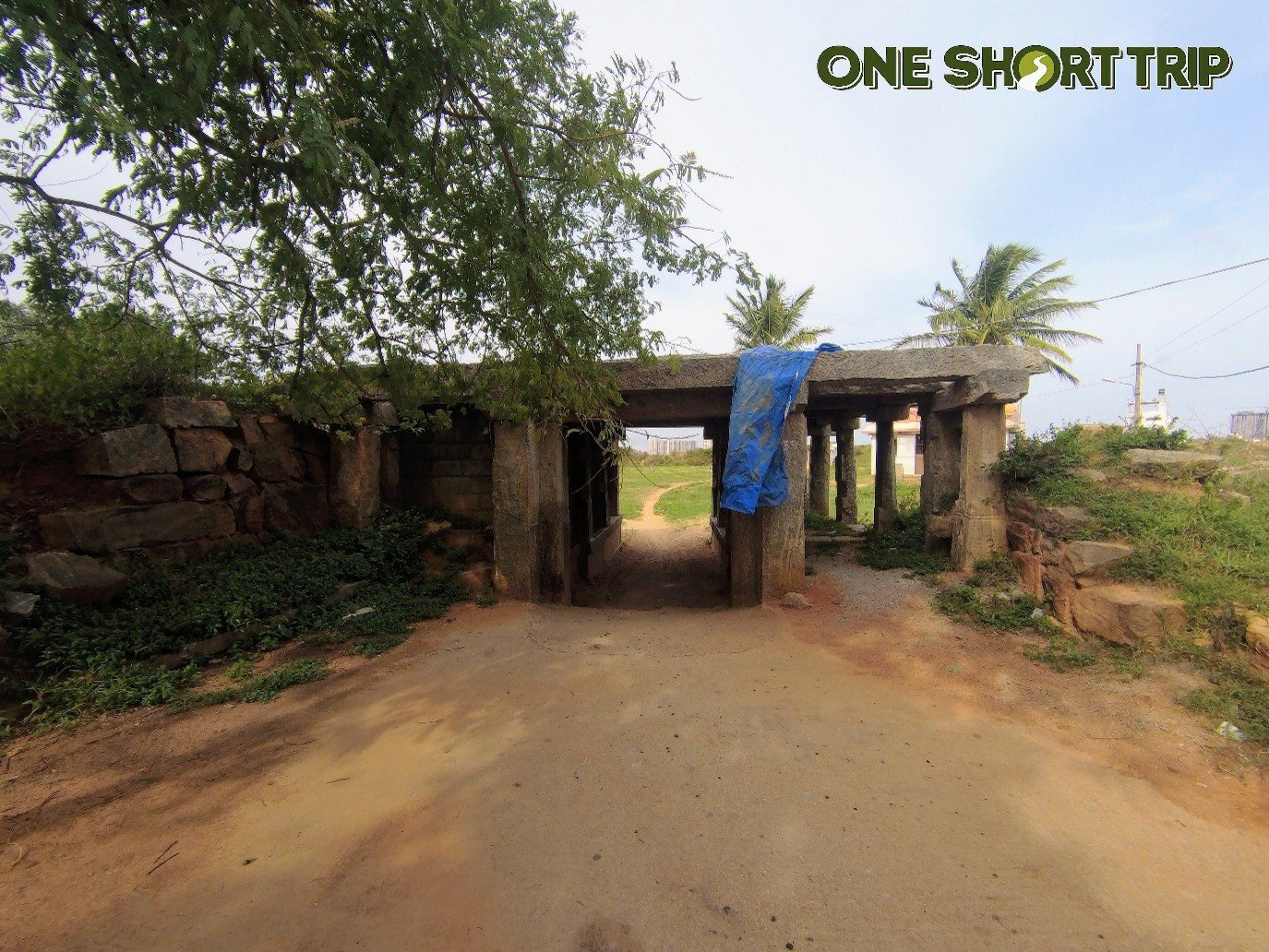
The old stone gateway is one of the more recognisable surviving features associated with Begur Fort. It gives visitors an idea of how people would have entered the fortified settlement in the past.
The gateway is not monumental in scale, but its weathered stonework is a reminder that this area once had a very different landscape. Spend a few minutes observing the construction details before continuing towards the nearby temples and other historical remains.
3. Panchalingeshwara and Nageshwara Temple
The temples near Begur Fort are an essential part of the visit. The Panchalingeshwara and Nageshwara temple complex contains historic structures, sculptures and inscriptions that help explain the importance of Begur as an ancient settlement.
The complex is particularly significant because of the ancient Old Kannada inscription associated with the year around 890 CE. It provides an early written reference to Bengaluru and is one of the most important historical clues connected with the origins of the city's name.
4. The Famous Begur Inscription
For anyone interested in the history of Bengaluru, the Begur inscription is the highlight of this heritage area. The inscription, dated to around 890 CE, records a battle associated with Bengaluru and provides one of the earliest known written references to the city's name.
This is what makes a visit to Begur particularly meaningful. The modern city is often associated with Kempegowda and the 16th-century Bengaluru fort, but the Begur inscription demonstrates that the name Bengaluru was already in use many centuries earlier.
If you visit Begur Fort, do not leave without learning about this inscription. It connects the quiet heritage site in South Bengaluru with one of the oldest written chapters in the history of the city.
5. Ancient Temple Architecture
The temples around the fort add another dimension to the visit. Their stone architecture, pillars and sculptural details provide an opportunity to see how religious spaces formed an important part of historic settlements in the region.
Photography enthusiasts will find plenty of smaller details worth noticing, from weathered stone surfaces to carved architectural elements. Please remember that these are living religious spaces, so photography should always be respectful and visitors should follow any restrictions displayed at the temples.
Best Time to Visit Begur Fort
The most comfortable time to explore Begur Fort is during the cooler hours of the day. Early morning is a good choice if you want a quieter experience, while late afternoon can offer softer light for photography.
Because parts of the historical area are open and the fort remains are not a large enclosed museum, it is better to avoid visiting during the hottest part of the afternoon. Carry drinking water, wear comfortable footwear and allow enough time to explore the nearby temple complex.
How Much Time Do You Need?
You can see the main fort remains in around 30 to 45 minutes. However, that is a very quick visit and does not allow enough time to understand the wider historical importance of Begur.
For a more worthwhile heritage experience, plan around 1.5 to 2 hours for Begur Fort and the nearby temple complex. History enthusiasts and photographers may want to spend longer.
How to Reach Begur Fort
Begur Fort is located in Begur in South Bengaluru and is best reached by road. The area is connected to several major parts of the city, making it a practical short heritage outing for people living in or visiting Bengaluru.
You can reach Begur by car, taxi, two-wheeler or public transport and then use a navigation app to locate the exact access point. Since the fort remains are spread within a developed neighbourhood rather than being a clearly enclosed tourist complex, checking the route before starting your journey is recommended.
Is Begur Fort Worth Visiting?
Begur Fort is worth visiting if you are interested in the history of Bengaluru, ancient temples, inscriptions and lesser-known heritage places. It is not a destination for spectacular fort architecture, but it offers something more unusual: the opportunity to explore a place connected with Bengaluru's history more than a thousand years ago.
The visit becomes especially worthwhile when you combine the fort remains with the nearby temples and learn about the 890 CE inscription. Together, these give Begur a historical significance that is easy to overlook when passing through modern South Bengaluru.
Tips for Visiting Begur Fort
- Visit during the morning or late afternoon for a more comfortable experience.
- Wear comfortable footwear because the ground around historical remains may be uneven.
- Carry drinking water, especially during warmer months.
- Combine the fort with the nearby Panchalingeshwara and Nageshwara Temple complex.
- Take time to learn about the ancient Begur inscription and its connection with Bengaluru.
- Do not climb on old walls, monuments or fragile structures.
- Respect temple customs and photography restrictions.
- Do not expect the extensive facilities available at major ticketed tourist attractions.
- Check the exact access route before travelling because the historic remains are located within a developed urban area.

Begur Fort and the Story of Bengaluru
The most rewarding way to experience Begur Fort is to look beyond the surviving walls. The fort is one piece of a much larger historical landscape that includes ancient temples, inscriptions and evidence of an established settlement.
The ancient inscription associated with Begur is the real historical connection that sets this place apart. It reminds us that Bengaluru has a history far older than the modern city, and that the story of the region cannot be understood only through its later landmarks.
Today, modern Bengaluru surrounds the old settlement. Roads, homes and urban development exist alongside remnants of a landscape that has witnessed more than a thousand years of change. That contrast is what makes Begur Fort one of the city's most interesting lesser-known heritage places.
Planning a Heritage Day in Bengaluru?
Begur Fort works well as a short heritage stop rather than a full-day destination. Pair it with nearby temples and other historical places in South Bengaluru to create a more complete local sightseeing experience.