

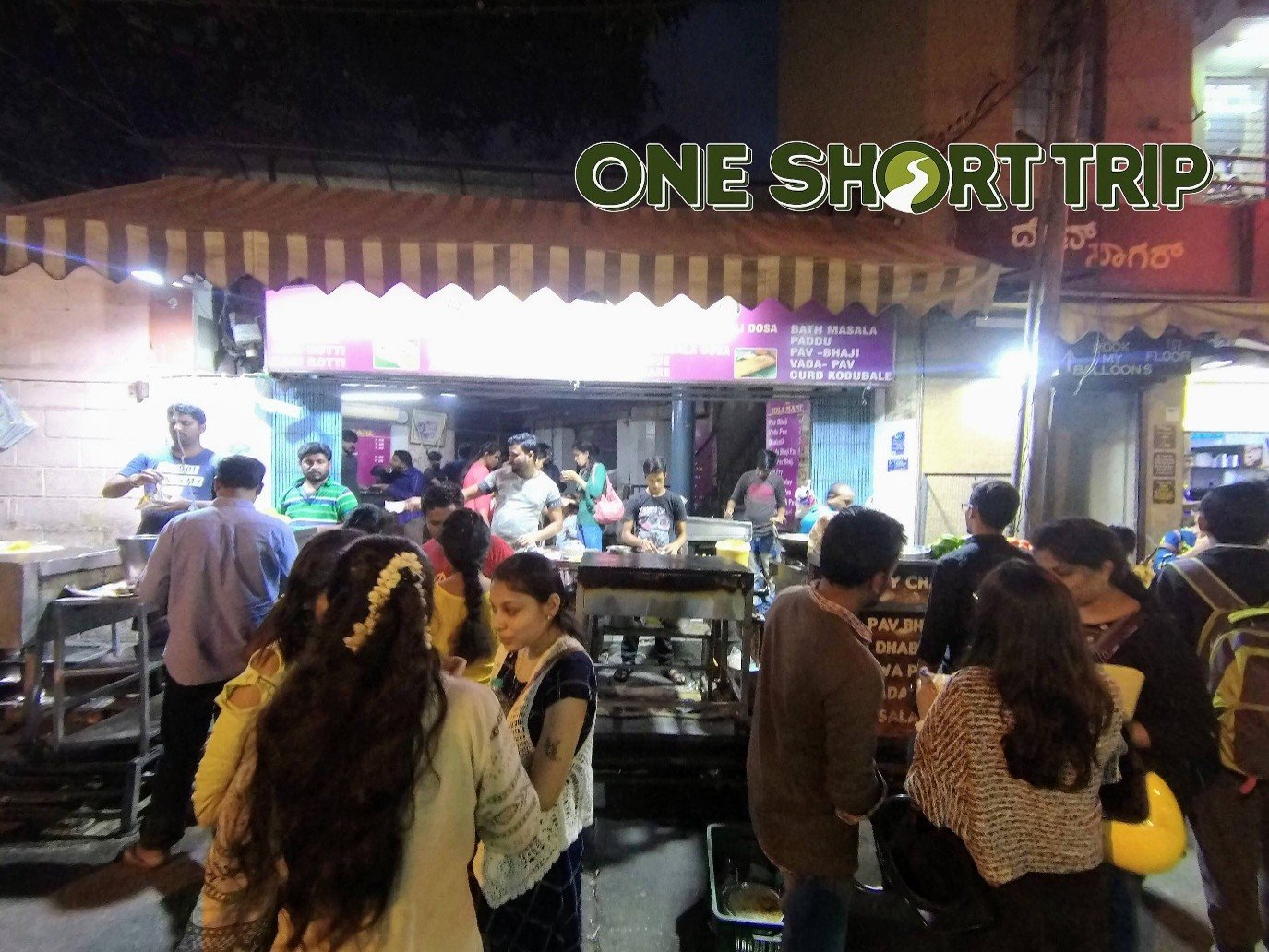
VV Puram Food Street – Bengaluru's Famous Thindi Beedi
VV Puram Food Street, popularly known as Thindi Beedi or Thindi Beedhi, is one of Bengaluru's most famous destinations for street food. Located in the historic Basavanagudi area near Sajjan Rao Circle, this compact food street comes alive in the evening as small eateries, food carts, kiosks and traditional snack shops begin serving freshly prepared vegetarian food.
The name Thindi Beedi reflects exactly what the place is about: a street dedicated to eating. Unlike a conventional restaurant district, VV Puram Food Street is experienced by walking from one end to the other, stopping at different stalls and trying small portions of different dishes. The result is less like a single meal and more like a Bengaluru food trail through South Indian snacks, Karnataka specialities, North Indian chaats, Mumbai-style street food, sweets, drinks and seasonal preparations.
Where Is VV Puram Food Street?
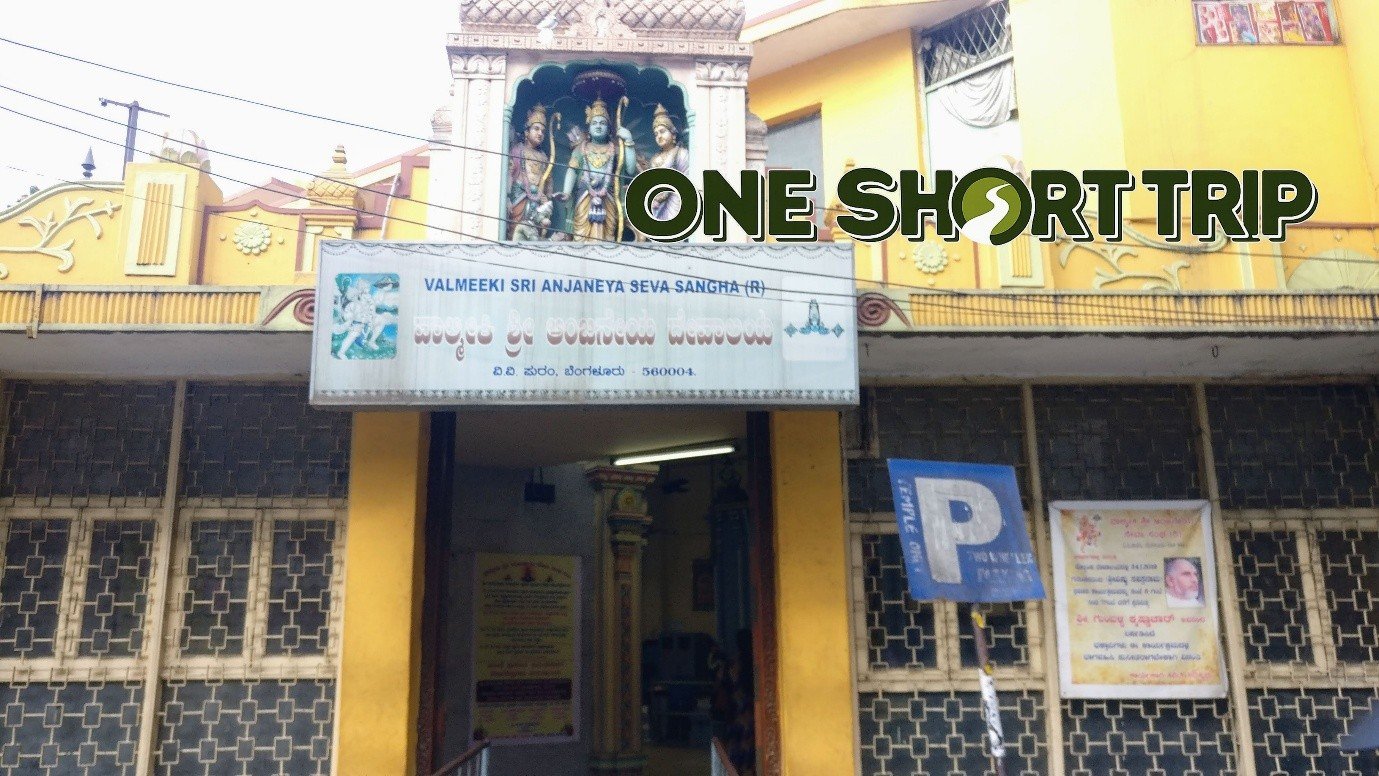
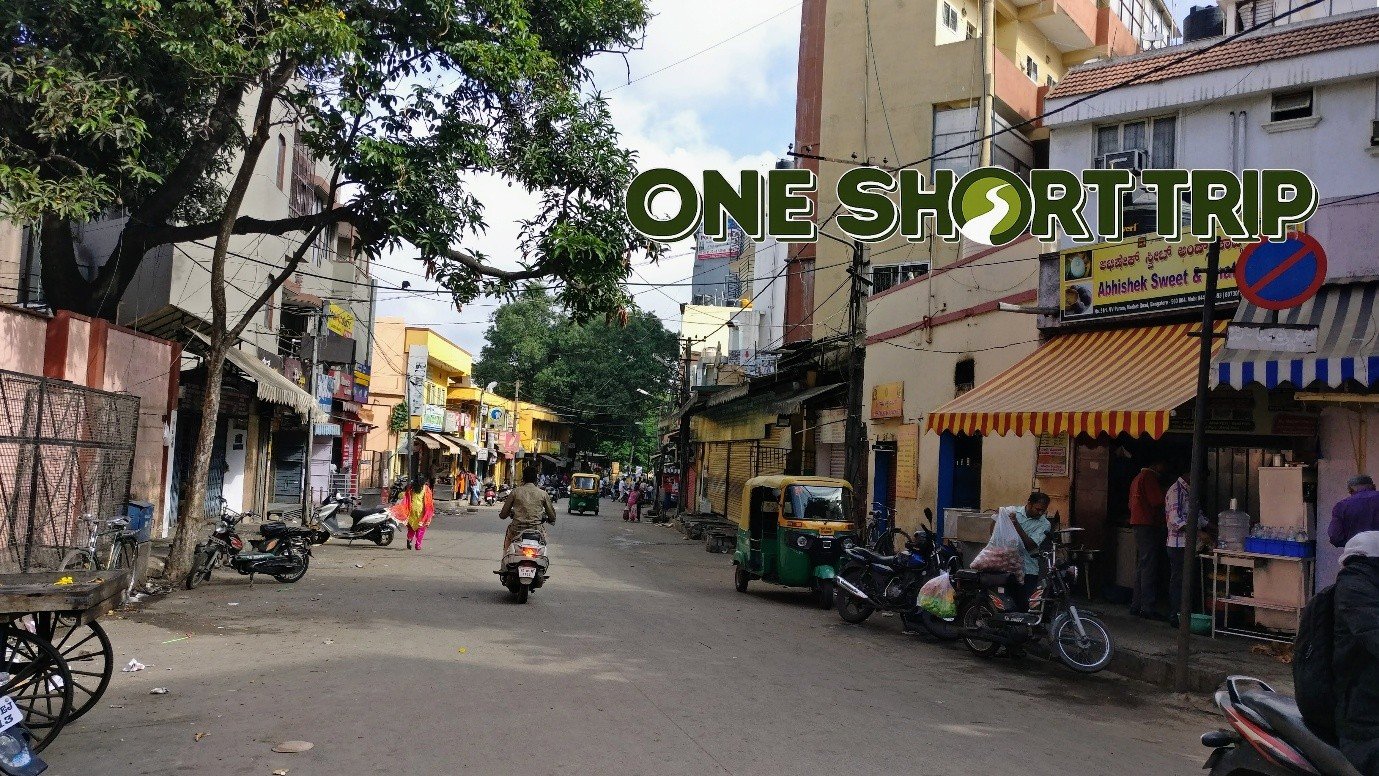
VV Puram Food Street is situated in Visveswarapura (VV Puram), Basavanagudi, Bengaluru, close to Sajjan Rao Circle. The surrounding neighbourhood is one of the older parts of Bengaluru and is known for its traditional markets, temples, residential streets and long-established food businesses.
The food street itself is relatively short, which is one of its attractions. Within a small walking area, visitors can encounter a remarkable variety of food stalls. The compact layout makes it easy to explore several different dishes during one evening rather than travelling between restaurants across the city.
What Makes VV Puram Food Street Special?
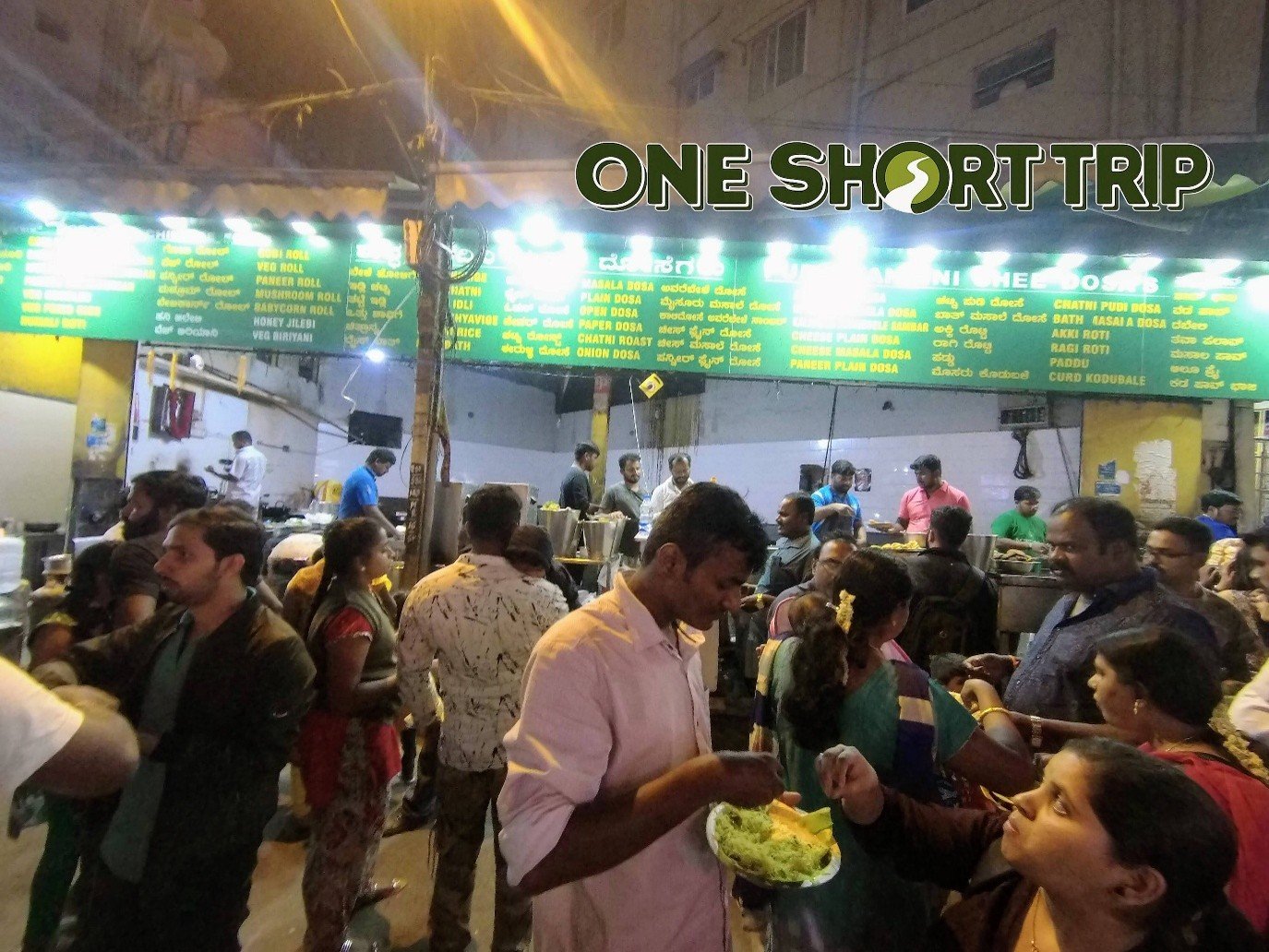
VV Puram is special because of the combination of variety, affordability, freshly prepared food and old-Bengaluru atmosphere. Food is often cooked directly in front of customers, allowing visitors to watch dosas being spread on hot griddles, snacks being fried, chaats being assembled and sweets being prepared.
The street is particularly well known for its vegetarian food. Traditional Karnataka and South Indian dishes sit alongside North Indian chaats, Mumbai-style snacks, Chinese-inspired street food, desserts and refreshing drinks. This unusual mixture is what makes a short walk through VV Puram feel like a miniature tour of India's street-food culture.
A Food Street Built Around Vegetarian Food
One of the defining characteristics of VV Puram Food Street is its strong vegetarian identity. Visitors can comfortably explore the street without having to search for vegetarian options because the food stalls are primarily known for vegetarian preparations.
Traditional breakfast and tiffin dishes, evening snacks, chaats, sweets and drinks all appear within the same stretch. For travellers interested in experiencing Bengaluru's vegetarian food culture, VV Puram offers an especially convenient introduction to the city's traditional and modern street-food scene.
South Indian and Karnataka Specialities
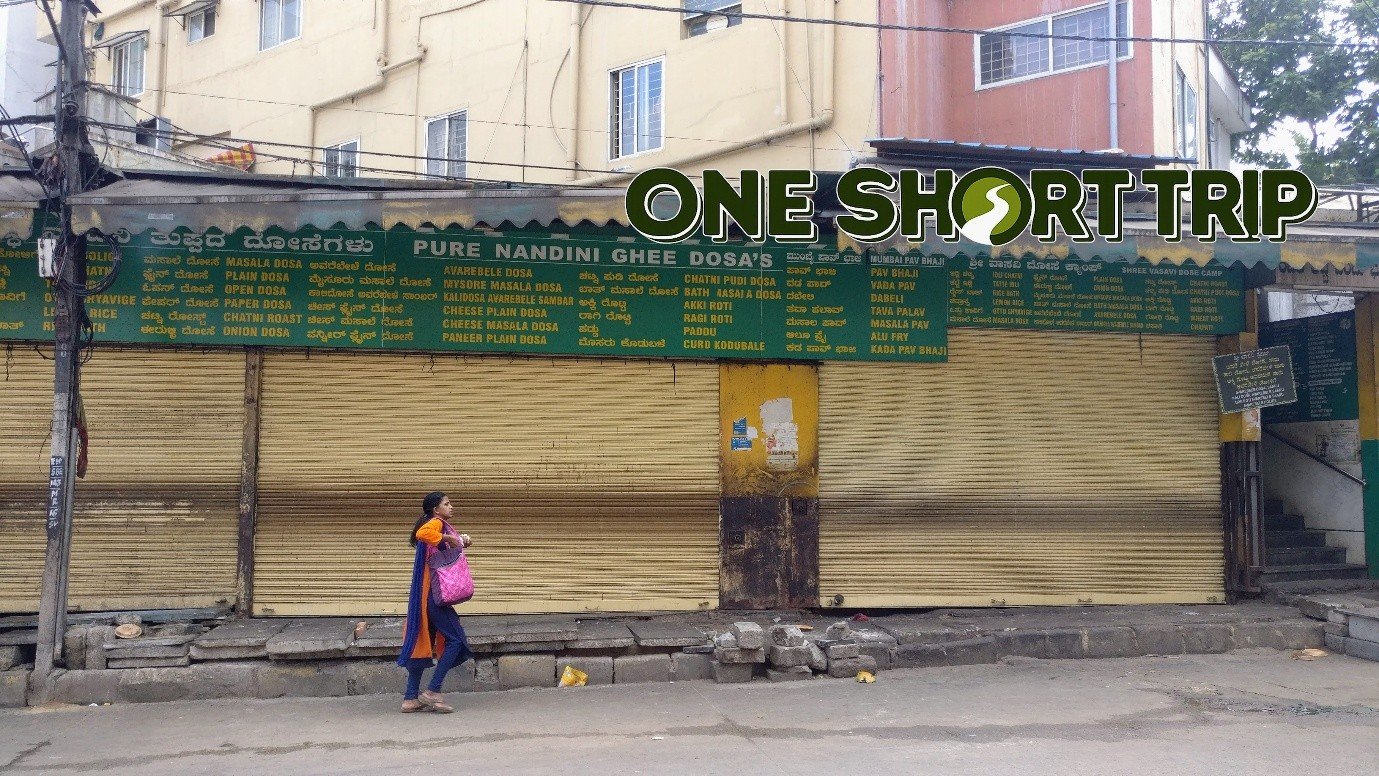
The South Indian food available here is an important part of the street's character. Depending on the stall and the day's menu, visitors can find dishes such as idli, dosa, ghee dosa, uthappam, paddu or paniyaram, vada, akki roti, ragi roti, lemon rice, curd rice and other traditional tiffin items.
Akki roti is particularly associated with Karnataka's culinary traditions. Made using rice flour and cooked on a griddle, it is a simple but satisfying dish that represents the region's everyday food culture. Paddu, also called paniyaram in many parts of South India, is another popular choice, with small round pieces cooked until crisp on the outside while remaining soft inside.
Ghee dosa and other dosa varieties are popular with visitors who want something hot and freshly prepared. The combination of crisp edges, soft centres, chutneys and accompanying curries makes these dishes ideal for sharing during a food walk.
Chaats and North Indian Street Food
VV Puram is not limited to Karnataka cuisine. North Indian-style street food has become an important part of the experience, giving visitors plenty of options between South Indian dishes.
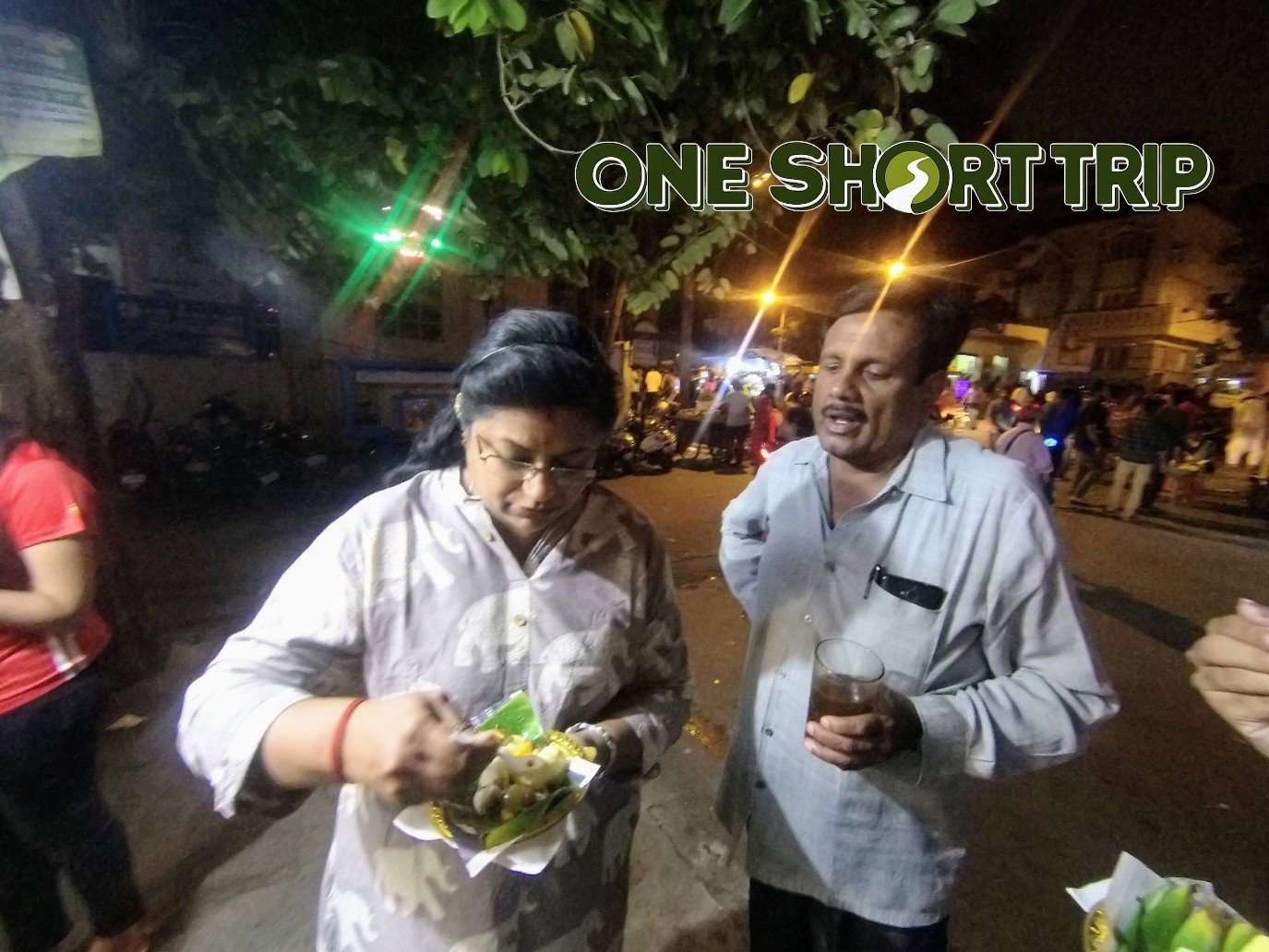
Pani puri, masala puri, bhel puri, papdi chaat, dabeli and other chaat-style snacks are among the foods visitors commonly look for. The flavours can range from tangy and spicy to sweet and savoury, making chaats a good choice when you want to sample several contrasting flavours during one visit.
Masala puri is especially familiar to Bengaluru food lovers, combining crushed puris with a warm spiced mixture, chutneys and garnishes. Pani puri offers a completely different experience, with crisp puris filled and served with flavoured water and other accompaniments.
Mumbai-Style Street Food at VV Puram
Another reason VV Puram is interesting is the presence of Mumbai-style street food alongside traditional Karnataka dishes. Visitors can find favourites such as pav bhaji, vada pav, tawa pulao and dabeli.
Pav bhaji is a filling option made with spiced vegetable bhaji served with buttered pav. Vada pav brings a potato-based fritter together with bread and chutneys, while tawa pulao offers a spicy, buttery rice preparation cooked with vegetables. Dabeli adds a sweeter and nuttier profile with spiced filling, peanuts, sev and chutneys.
This mixture of regional cuisines is one of the strongest features of VV Puram. A visitor can begin with a Karnataka snack, move on to a Bengaluru-style chaat, try Mumbai street food and finish with a traditional Indian sweet without leaving the same food street.
Popular Snacks and Fried Favourites
The street is also known for hot snacks that are especially enjoyable during the evening. Depending on the stall, visitors may find mirchi bajji, potato bajji, bondas, banana bajji, vada, maddur vada and other fried snacks.
These are usually best eaten immediately after preparation, when they are still hot and crisp. Many stalls serve them with chutneys, masala toppings or other accompaniments, making them easy to share as part of a larger food crawl.
Holige, Jalebi and Other Sweets
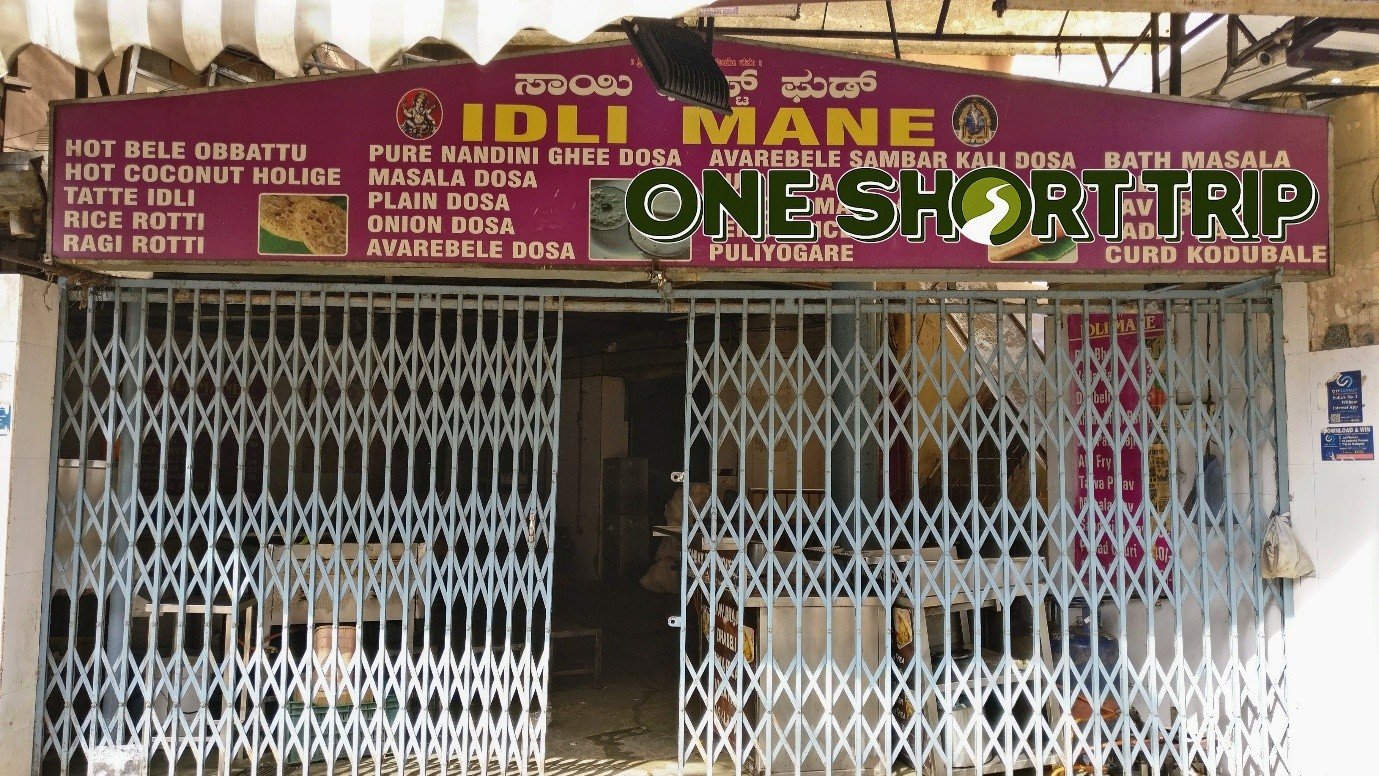
Do not treat VV Puram as a place for savoury food alone. Sweets form an important part of the food-street experience. Traditional holige, also known as obbattu in Karnataka, is one of the regional favourites visitors may look for.
Jalebi, gulab jamun, rasmalai, carrot halwa and other Indian sweets are also available around the food street depending on the outlet. A sensible way to explore VV Puram is to save some appetite for dessert rather than filling up entirely on the first few savoury dishes.
Drinks, Fruit Juices and Cooling Breaks
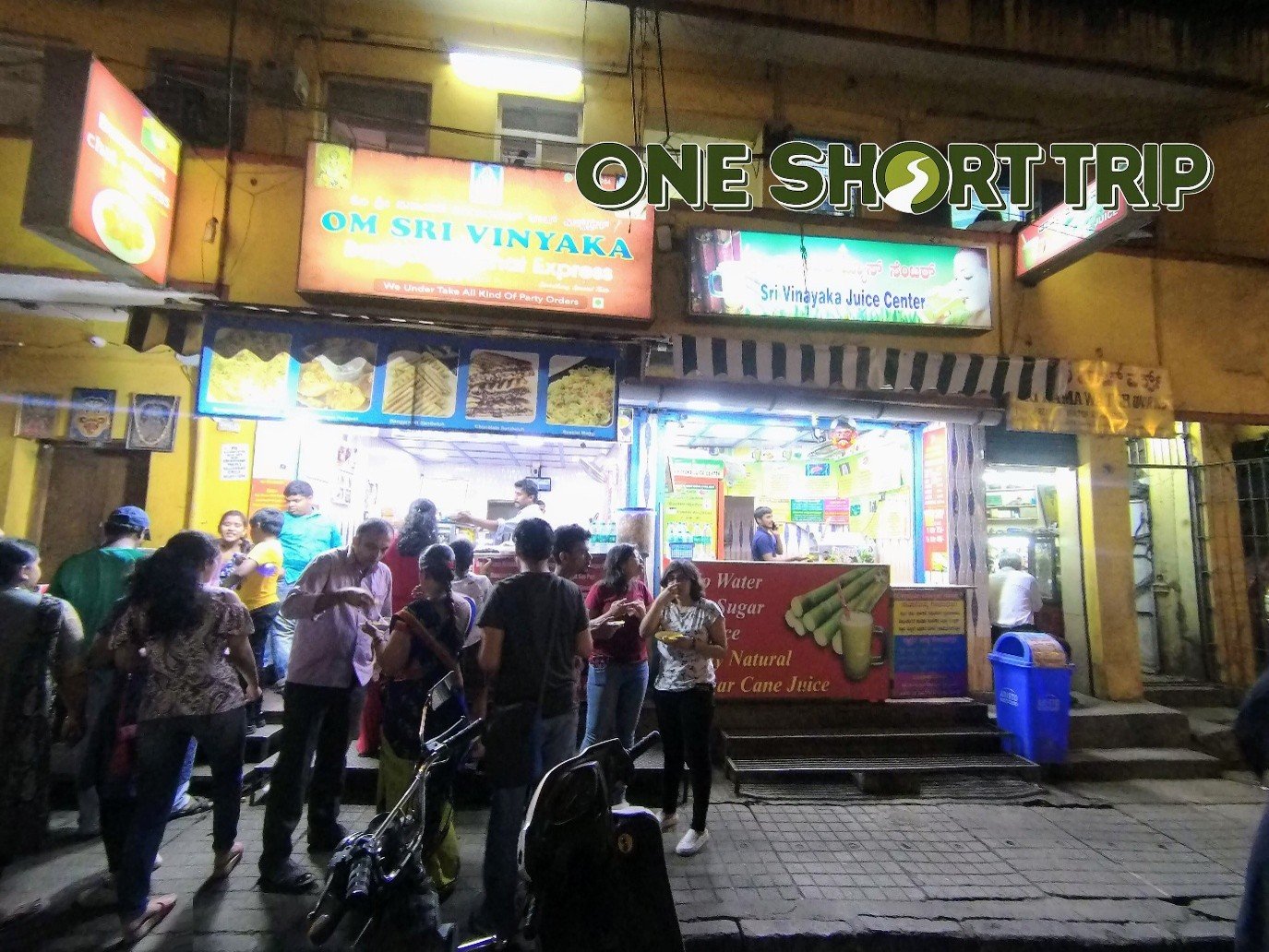
After several spicy and fried snacks, a refreshing drink can make the food walk much more comfortable. Fruit juices, rose milk, badam milk and other beverages are commonly associated with the food-street experience.
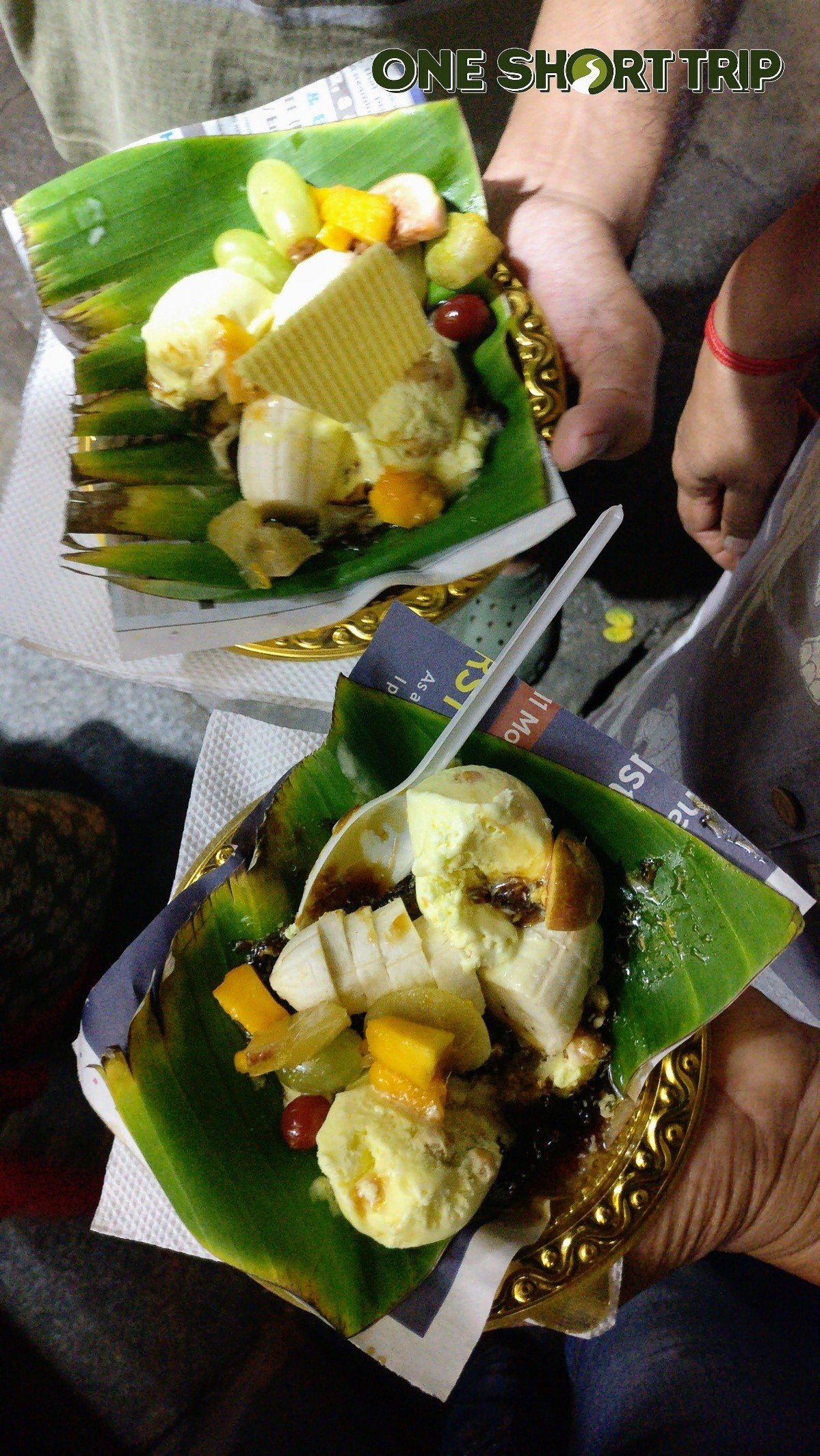
Badam milk is particularly suitable as an evening drink, while seasonal fruit juices provide a lighter option. Some stalls and shops also offer cold desserts and ice creams, giving visitors another way to finish their food trail.
The Best Way to Explore VV Puram Food Street
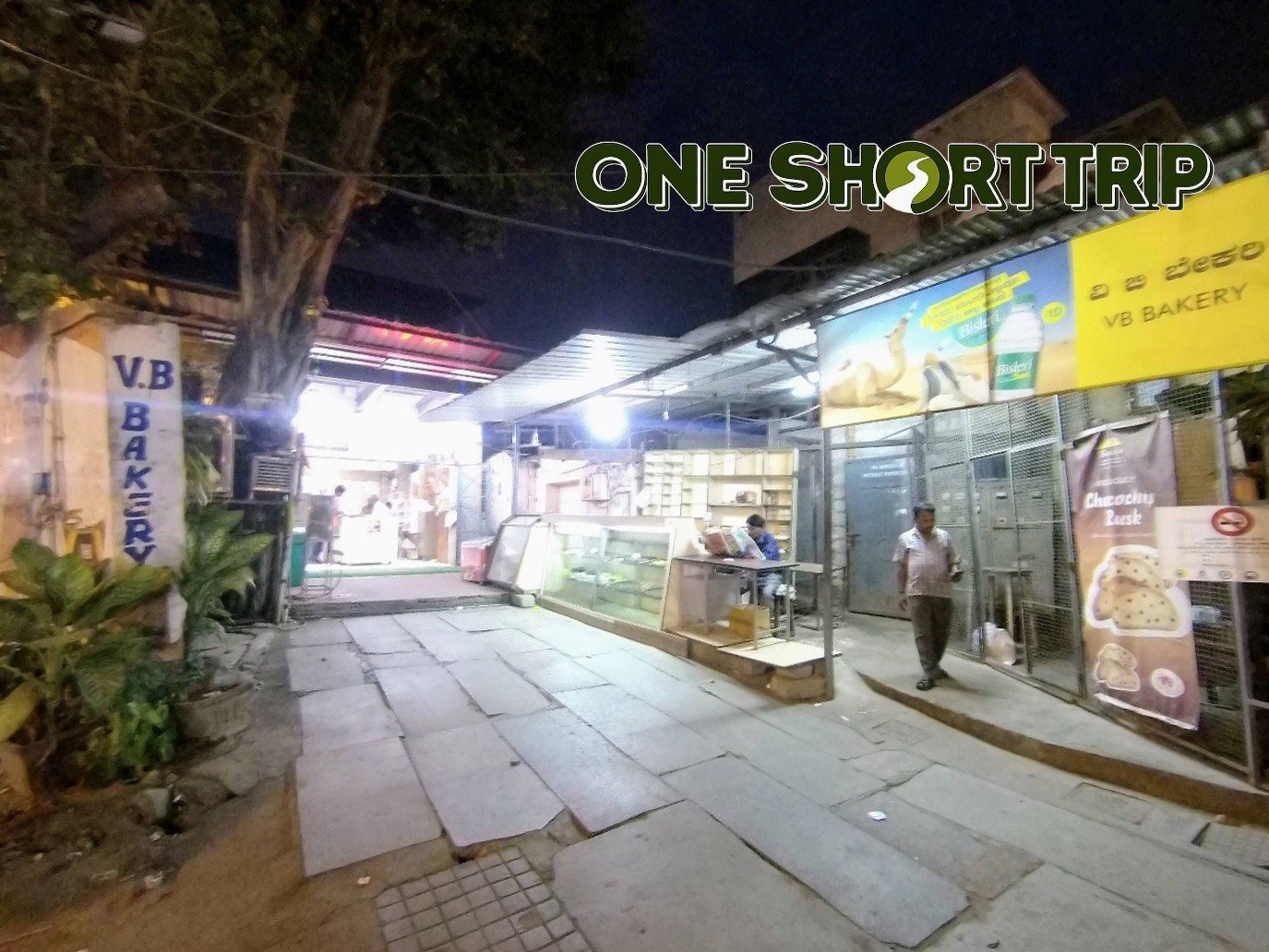
VV Puram is best experienced as a food walk rather than a conventional dinner. Instead of ordering a complete meal at the first stall, walk through the street first, observe what is being prepared and then choose small portions from several places. This allows you to experience far more of the food street without becoming full too early.
When Is the Best Time to Visit VV Puram Food Street?
Evening is the best time to experience VV Puram Food Street. Food businesses generally begin becoming active from the late afternoon, while the atmosphere becomes considerably busier as the evening progresses. Around the early evening, more stalls are operating and visitors can experience the full range of the street-food atmosphere.
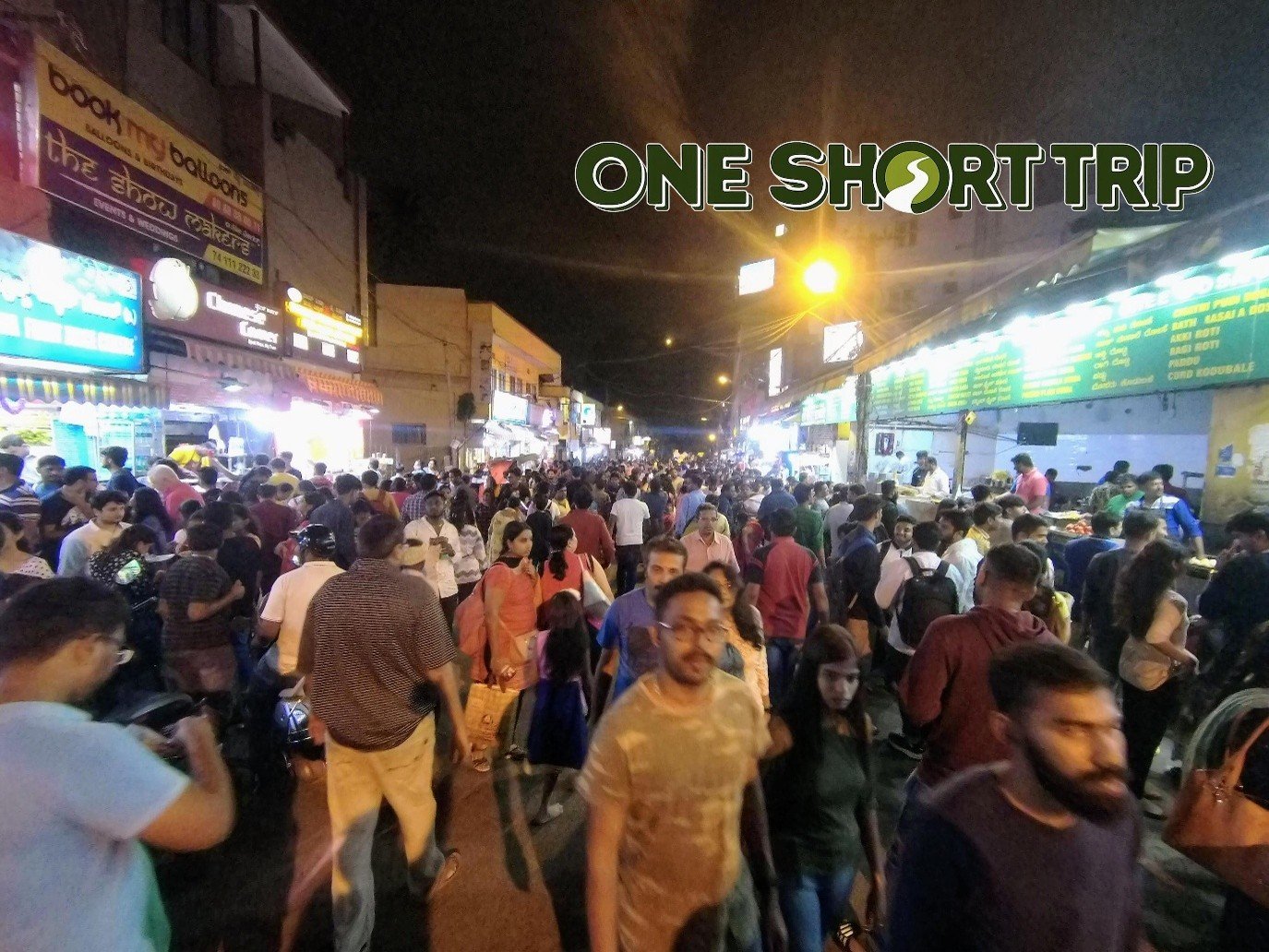
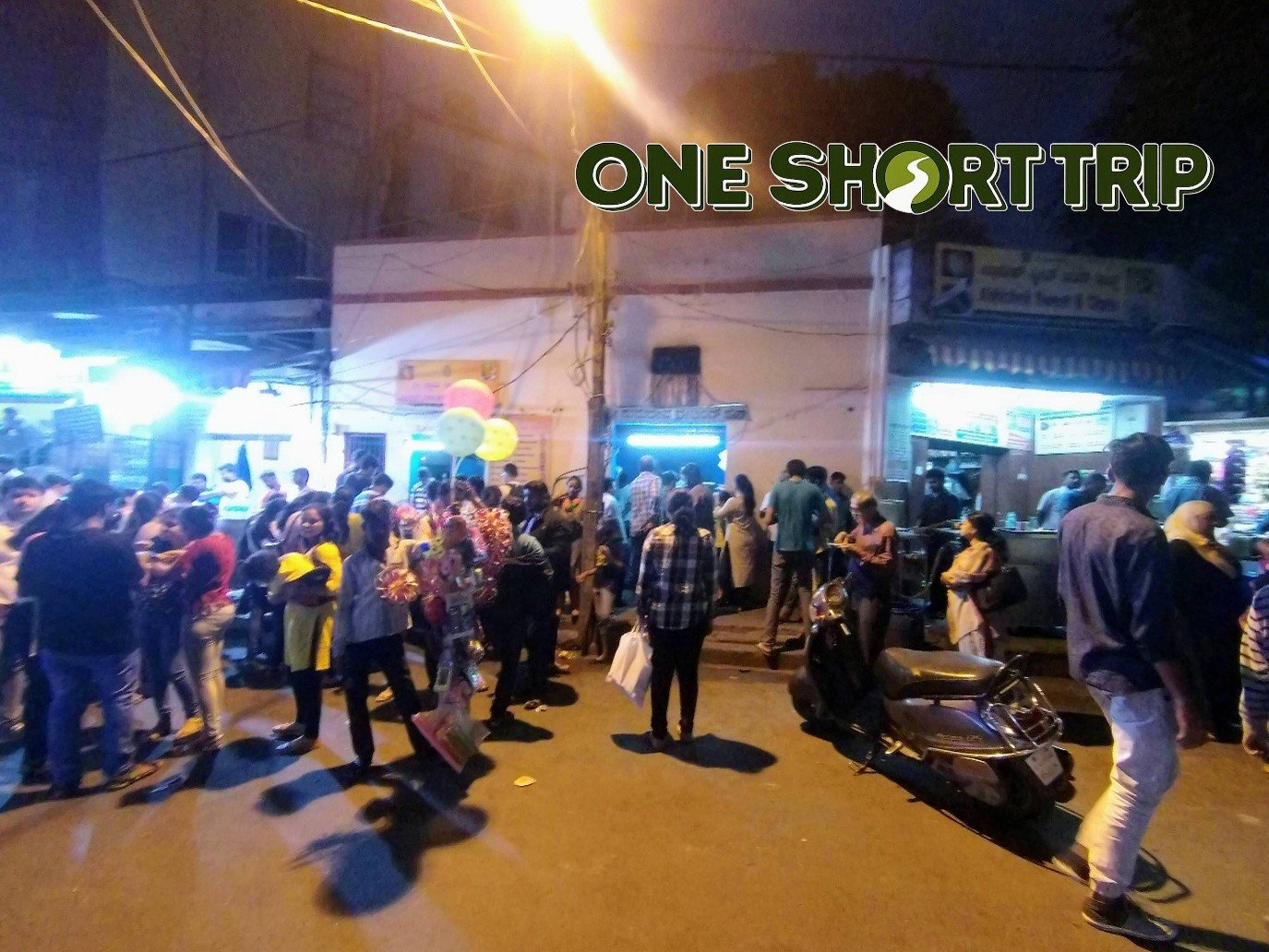
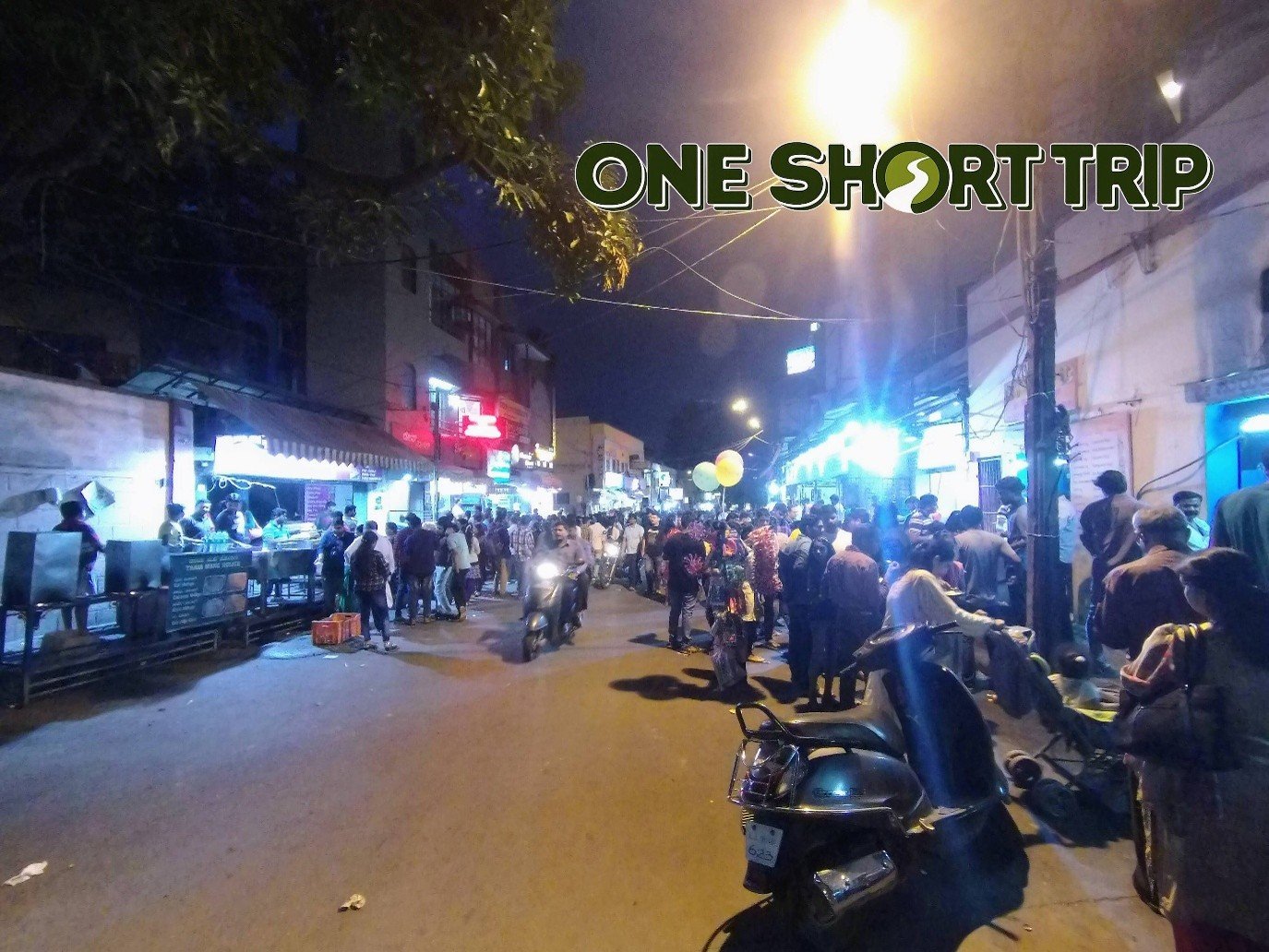
Later in the evening, particularly on weekends, the street can become very crowded. If you want to explore at a more relaxed pace, arriving earlier in the evening is a better choice. If you want the full energetic Thindi Beedi atmosphere, visiting after the street has filled with food lovers gives you the classic experience.
VV Puram Food Street on Weekends
Weekends are among the busiest periods at VV Puram. Families, students, groups of friends, tourists and local food lovers all come to the street, and queues can form at popular stalls.
The crowds are part of the character of the place, but they also mean that visitors should be patient. Seating can be limited because many outlets are designed around quick street-food service rather than traditional restaurant dining. Be prepared to stand while eating or find a convenient spot nearby after collecting your food.
Avarekai Mela – A Seasonal Highlight
One of the most distinctive seasonal events associated with VV Puram is the Avarekai Mela, traditionally held during the winter season. Avarekai, or hyacinth beans, is a much-loved ingredient in Karnataka and becomes the centre of attention during this festival.
During the mela, food vendors create a wide range of preparations using avarekai. Familiar dishes may receive seasonal variations, while visitors can also discover unusual snacks and traditional recipes built around the fresh beans.
The event has a strong connection with Bengaluru's food culture and seasonal produce. It also gives visitors a chance to experience a part of Karnataka's agricultural and culinary traditions in a lively street-food setting.
What Should You Eat at VV Puram Food Street?
There is no single correct food route because the attraction of VV Puram lies in its variety. However, a good first visit can include a combination of traditional Karnataka food, chaats, fried snacks, sweets and a drink.
South Indian favourites: Try dosa, ghee dosa, idli, uthappam, paddu or paniyaram, akki roti and ragi roti.
Chaats: Pani puri, masala puri, bhel puri and other chaat preparations are good choices if you enjoy tangy and spicy flavours.
Snacks: Bajji, bonda, vada and other freshly fried snacks are ideal for sharing.
Mumbai-style food: Pav bhaji, vada pav, tawa pulao and dabeli provide a change from South Indian flavours.
Sweets: Holige, jalebi, gulab jamun and other Indian sweets can be enjoyed towards the end of the food walk.
Drinks: Badam milk, rose milk and fresh fruit juices are useful choices between dishes or at the end of the evening.

Is VV Puram Food Street Suitable for Families?
Yes. VV Puram is a popular evening destination for families as well as students, couples, groups of friends and tourists. The wide variety of vegetarian food means different members of a group can choose different dishes without needing to visit separate restaurants.
Families with children may find the variety particularly enjoyable because the street offers familiar options as well as new foods to try. However, the narrow and crowded environment during peak hours means adults should keep an eye on children while walking between stalls.
Is VV Puram Food Street Expensive?
One of the attractions of Thindi Beedi is the ability to sample several foods without committing to an expensive restaurant meal. Prices vary according to the dish and outlet, but street-food portions generally make it possible to build your meal gradually.
Instead of spending your entire food budget at one place, carry enough small change and try several different preparations. This is also the best way to understand why the street has remained popular with generations of Bengaluru residents.
Parking and Getting Around
Parking can be difficult during the busiest evening hours because the food street attracts a large number of visitors and the surrounding neighbourhood has limited space. Visitors travelling by car should be prepared to park farther away and walk to the food street.
Auto-rickshaws, taxis and app-based cabs are convenient options for reaching the Basavanagudi area. Public transport can also be useful, especially during busy weekend evenings. Once you reach the area, the actual food street is best explored on foot.
How to Reach VV Puram Food Street
VV Puram Food Street is located in Visveswarapura, Basavanagudi, Bengaluru, near Sajjan Rao Circle. It is accessible from several parts of central and south Bengaluru by road and public transport.
If you are driving, navigate towards Sajjan Rao Circle and VV Puram and continue towards the food-street area. Since the street itself is a walking-and-eating destination, it is often more convenient to stop where parking is available and continue on foot.
Practical Tips Before Visiting
Arrive early: Coming before the peak evening rush makes it easier to walk around and decide what you want to eat.
Carry small change: Having smaller denominations can make payments at small stalls quicker and easier.
Do not order too much at once: The whole point of visiting VV Puram is to sample multiple dishes.
Expect limited seating: Many outlets operate as street-food counters rather than full-service restaurants.
Keep an eye on belongings: The street becomes crowded, especially during weekends and peak evening hours.
Carry water: A bottle of water can be useful while moving between spicy, fried and sweet dishes.
Avoid food wastage: Order smaller portions when possible and add more only if you are still hungry.
Keep the street clean: Dispose of plates, cups and food waste in the designated bins and avoid leaving waste on the road.
VV Puram as a Part of Bengaluru's Food Culture
VV Puram Food Street is more than a collection of food stalls. It represents a part of Bengaluru's older food culture where traditional recipes, family-run eateries, street vendors and newer food influences exist alongside one another.
The street's greatest strength is its ability to bring different culinary traditions together within a very small area. Karnataka specialities share space with chaats, Mumbai snacks, sweets, drinks and other popular street foods, while the evening crowd creates an atmosphere that is distinctly Bengaluru.
For travellers exploring things to do in Bengaluru, a visit to VV Puram Food Street is especially worthwhile for anyone interested in local food, vegetarian cuisine and the city's everyday culture. Rather than simply photographing a landmark, visitors can experience Bengaluru through its flavours, aromas, crowded lanes and long-standing food traditions.
Why You Should Visit VV Puram Food Street
Visit VV Puram if you want to experience one of Bengaluru's most recognisable food streets, taste several vegetarian dishes in one evening and discover the informal food culture of Basavanagudi. Come hungry, walk slowly, try small portions and leave room for dessert.
For a first-time visitor, the ideal experience is simple: arrive in the evening, walk through the entire stretch, choose a few Karnataka favourites, add a couple of chaats or street-food snacks, finish with a sweet or drink and take in the lively atmosphere of Thindi Beedi.