One Short Trip

Parks & Heritage

Bugle Rock Park

A billion-year-old granite outcrop, Kempegowda's historic watchtower and a colony of fruit bats, tucked beside the Bull Temple.

Geological Age
Approx. 2.5–3.4 Billion Years
Entry Fee
Free
Timings
5:30–10 AM & 4–8:30 PM
Time Required
1–2 Hours

About Bugle Rock Park

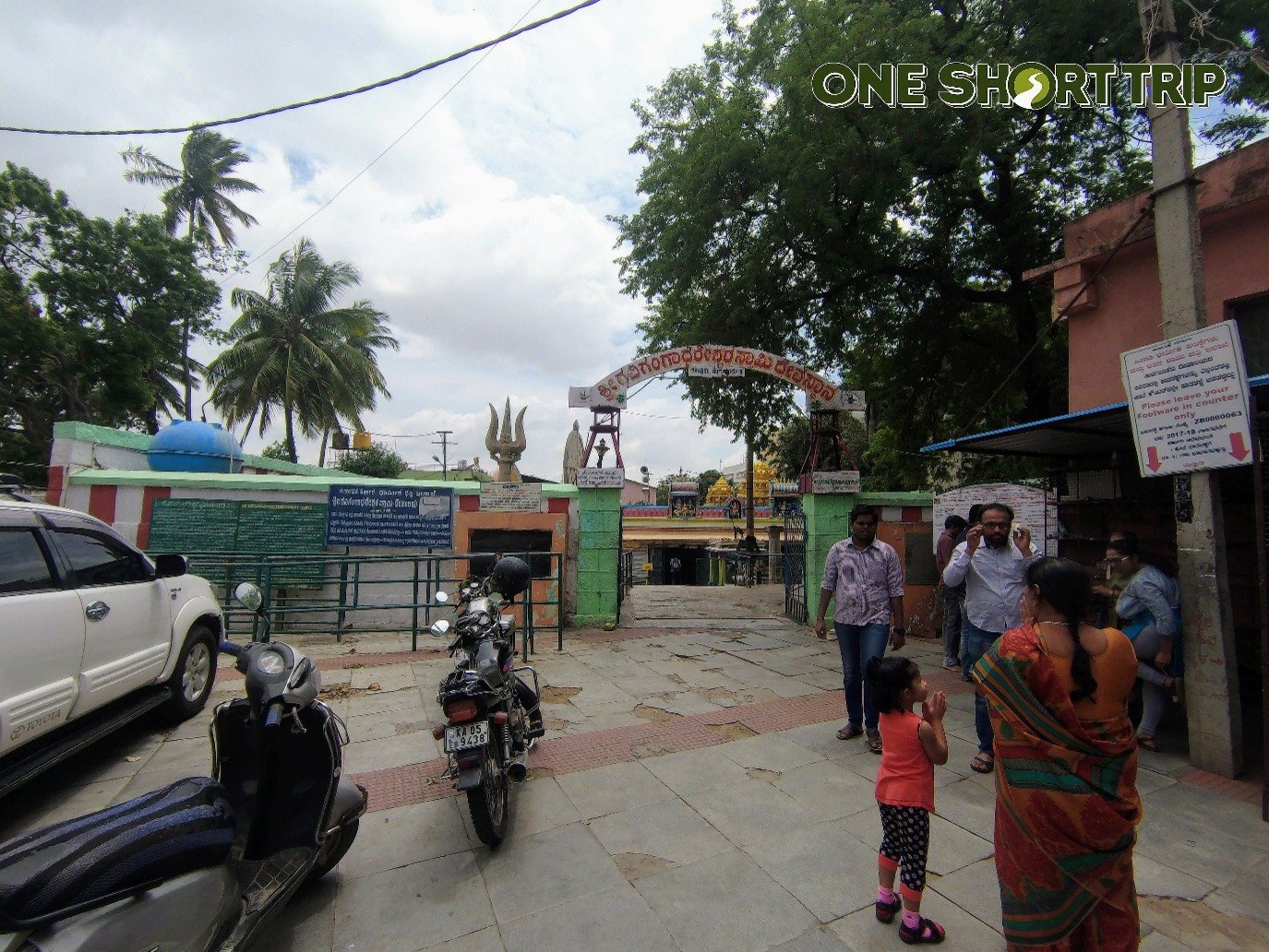
Bugle Rock Park is one of Bengaluru's most distinctive heritage parks, tucked away in the historic Basavanagudi neighbourhood beside the famous Bull Temple. Unlike a conventional city park built mainly around landscaped lawns, Bugle Rock is shaped by the natural granite landscape itself. Ancient rocky outcrops rise through the greenery, while mature trees, winding pathways and shaded corners create a surprisingly peaceful setting in one of South Bengaluru's busiest historic areas. The park is especially interesting because its natural landscape and Bengaluru's early history come together in the same place.

The rock formations here belong to the Peninsular Gneiss geological landscape associated with some of the oldest rocks found around Bengaluru. Similar ancient gneiss formations in the city are estimated to be more than 3 billion years old, giving this part of Bengaluru a geological history that stretches far beyond the city's recorded human history. Walking through Bugle Rock Park therefore feels less like visiting an ordinary urban garden and more like exploring a small natural window into the geological past of the Deccan.
Bugle Rock Park in Basavanagudi Bengaluru with ancient rock formations and greenery

Why Is It Called Bugle Rock?

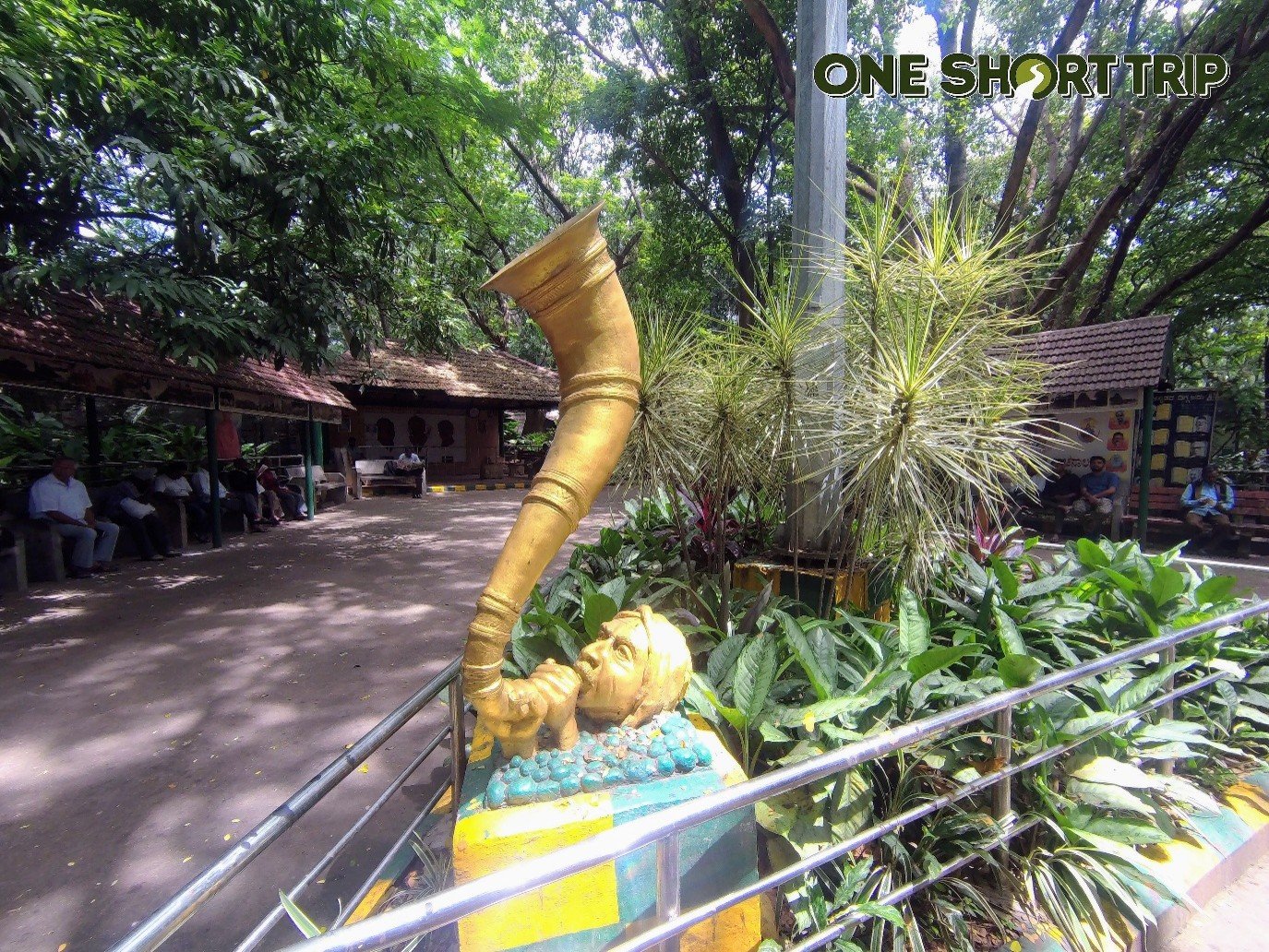
The name Bugle Rock is closely connected with Bengaluru's early defensive history. The rocky hill was traditionally associated with one of the watchtowers established around the old city by Kempegowda. These elevated points were used to keep watch over the surrounding countryside and to identify people approaching the settlement. According to the commonly told local history, a bugle or horn was sounded from the hill to alert people when visitors or possible threats were seen, giving rise to the name Bugle Rock.

The watchtower tradition is important because Bengaluru's early development was closely tied to the fortified settlement created by Kempegowda. The city's historic boundary towers are now surrounded by a much larger modern metropolis, but Bugle Rock preserves one of those elevated landscapes. The setting makes it possible to understand how the city's geography once played a practical role in defence, communication and settlement planning.
Historic rocky hill landscape at Bugle Rock Park in Basavanagudi

Ancient Rocks at Bugle Rock Park

One of the most remarkable things about Bugle Rock Park is that its rocks are far older than Bengaluru itself. The exposed granite and gneiss formations are part of the ancient geological foundation of the region. Peninsular Gneiss formations around Bengaluru are among the oldest geological features associated with the Indian peninsula, with some estimated to date back more than 3,000 million years. These rocks have survived enormous changes in climate, landscape and geological conditions long before the first settlements appeared in the area.

The exposed rock surfaces also give the park its distinctive character. Instead of hiding the natural terrain beneath landscaping, the park allows visitors to see the relationship between the ancient stone formations and the vegetation that has grown around them. For travellers interested in geology, natural history, photography or Bengaluru's unusual landscapes, this is one of the park's most rewarding features.
Ancient Peninsular Gneiss rock formation inside Bugle Rock Park Bengaluru

A Green Space Built Around Natural Rock

Bugle Rock Park combines the unusual character of a rocky hill with the calm atmosphere of a neighbourhood green space. Trees grow around and above the rock formations, providing shade across several sections of the park. Stone pathways make it possible to explore the hill without treating the area like a formal trekking destination, and the relatively compact setting makes it suitable for a short walk rather than an extended excursion.

The park is particularly pleasant when combined with the nearby heritage attractions of Basavanagudi. A visitor can explore the Bull Temple, walk through Bugle Rock Park, continue towards Dodda Ganapathi Temple and then experience the traditional streets and food culture around Gandhi Bazaar. This makes Bugle Rock more valuable as part of a South Bengaluru heritage trail than as an isolated sightseeing stop.
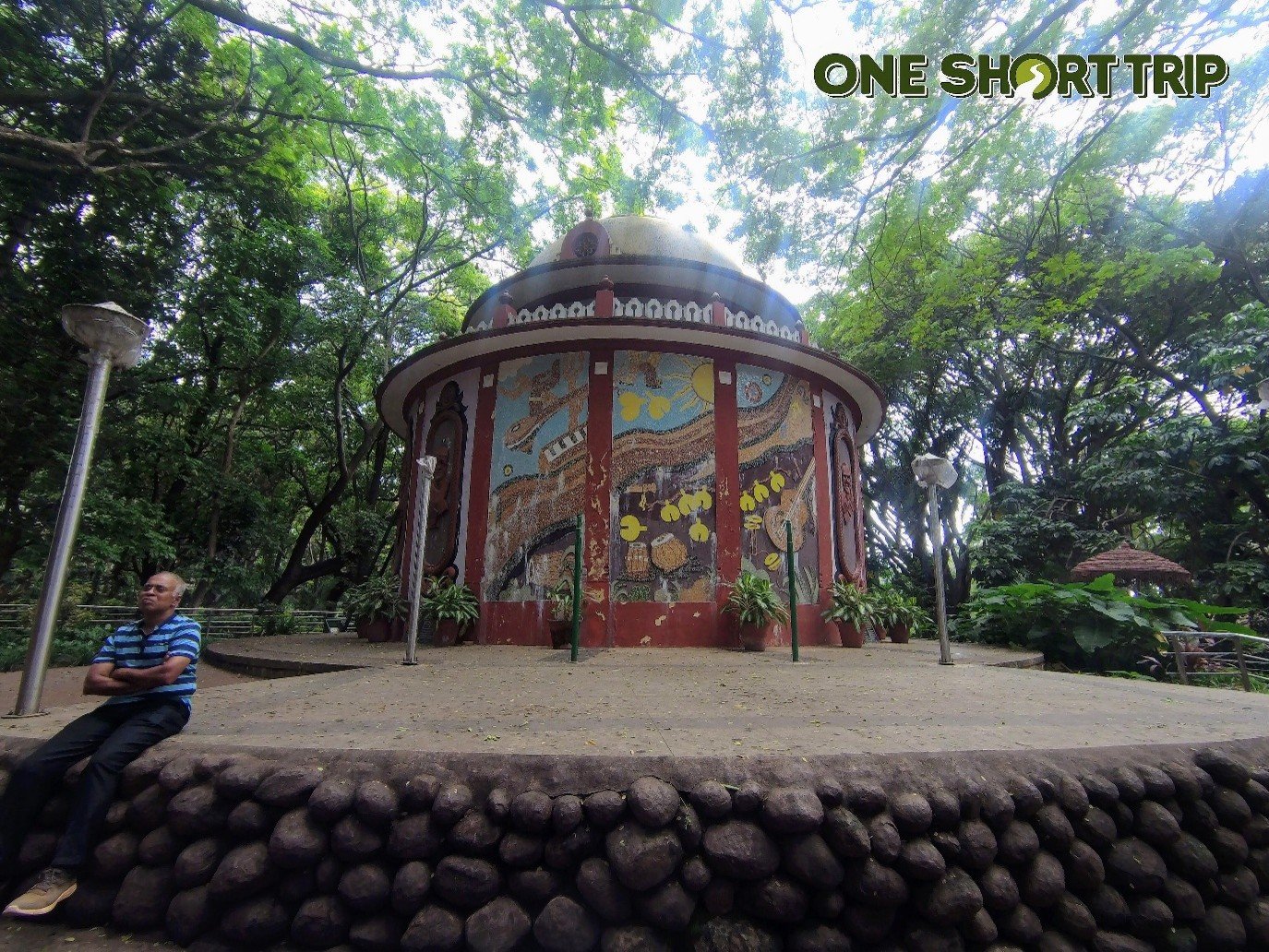
Greenery and rocky pathways inside Bugle Rock Park Basavanagudi Bengaluru

The Fruit Bats of Bugle Rock

Another unusual feature associated with Bugle Rock Park is its population of Indian flying foxes, commonly called fruit bats. The tall trees provide daytime resting places for these large bats, which can often be seen hanging from branches. Their presence adds another layer to the park's identity and is one of the reasons the site is interesting to visitors who enjoy urban wildlife.

The bats are best appreciated from a respectful distance. Visitors should avoid disturbing them, throwing objects towards the trees or attempting to approach them. Their presence is part of the park's natural character and demonstrates how pockets of mature vegetation can continue supporting wildlife even within a densely developed city such as Bengaluru.

Bugle Rock Park and Basavanagudi's Heritage

Bugle Rock Park becomes even more meaningful when viewed as part of Basavanagudi's wider heritage landscape. The neighbourhood is home to some of Bengaluru's best-known traditional landmarks, including the Bull Temple and Dodda Ganapathi Temple. The area also retains the character of old Bengaluru through its markets, traditional eateries, flower sellers and long-established residential streets.

For travellers exploring Bengaluru beyond its technology districts and modern shopping areas, Bugle Rock Park offers a quieter introduction to the city's older identity. Its combination of ancient geology, Kempegowda-era history, greenery and urban wildlife makes it a destination that is easy to overlook but rewarding to include in a Bengaluru heritage itinerary.

Bugle Rock Park Timings & Entry Fee

Bugle Rock Park is a public green space in Basavanagudi and is generally visited as part of the surrounding heritage area rather than as a ticketed attraction. There is no major sightseeing ticketing process to plan for, making it an easy stop to add to a Bengaluru city itinerary. Since park access arrangements can occasionally change for maintenance, local events or civic reasons, it is sensible to check conditions locally if you are planning a very early or late visit.

The park is best experienced during daylight hours when the pathways, rocky formations and surrounding trees can be seen clearly. Early morning and late afternoon are particularly comfortable for walking, while the middle of the day can feel warmer during hotter months. If your main purpose is photography or a relaxed walk, allowing around 30 to 60 minutes is usually sufficient.
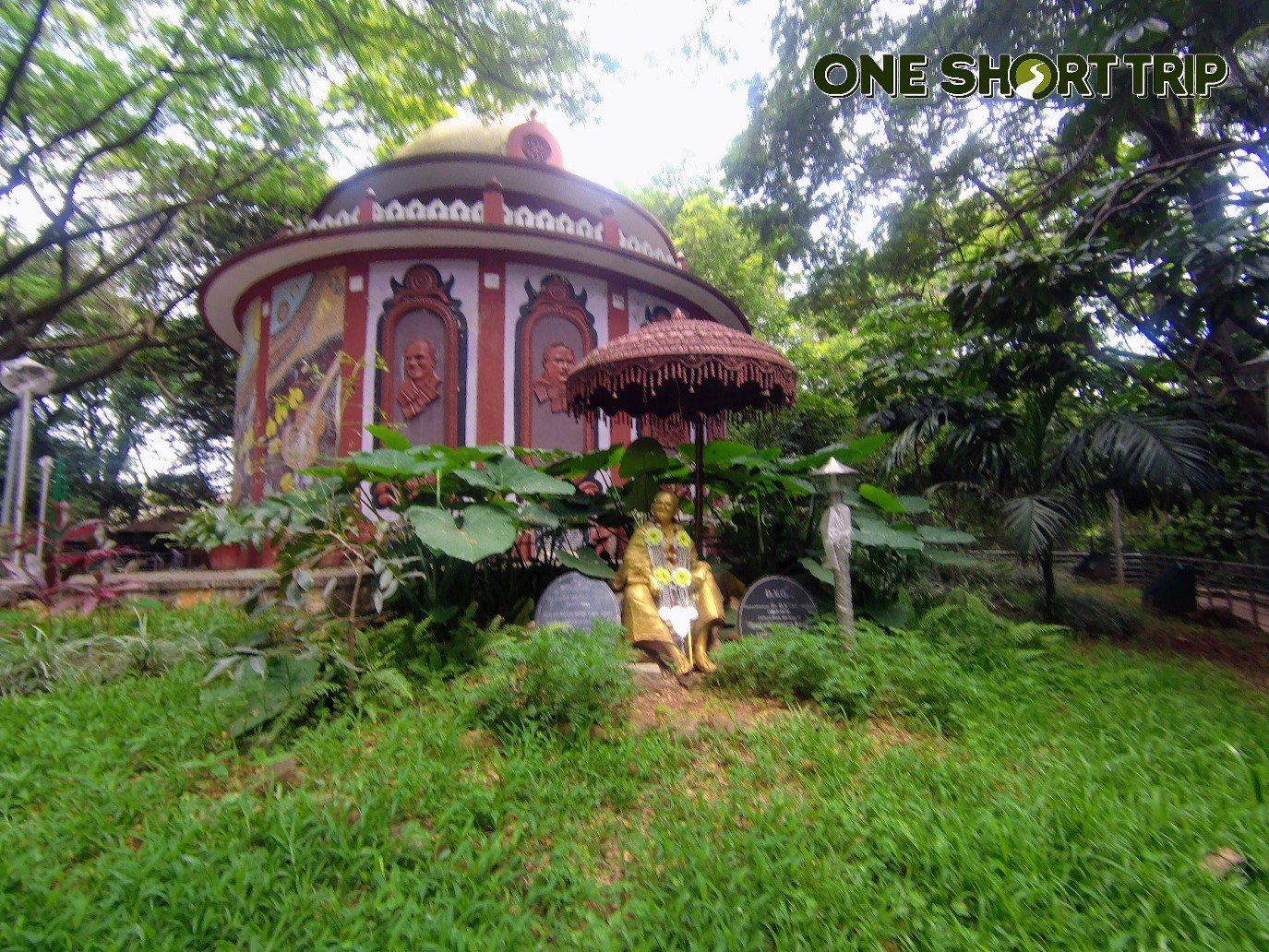
Rocky landscape and shaded pathways at Bugle Rock Park Bengaluru

Best Time to Visit Bugle Rock Park

Bengaluru's relatively mild climate makes Bugle Rock Park suitable for sightseeing throughout much of the year. For the most comfortable outdoor experience, October to February is particularly pleasant, with cooler temperatures that make walking around Basavanagudi more enjoyable. Karnataka Tourism also identifies October to February as a favourable period for exploring Bengaluru's outdoor attractions.

During the warmer months, an early morning visit is preferable to the afternoon. The monsoon season can make the rocks and pathways damp or slippery, so visitors should walk carefully after rain. Weekday mornings are generally a good choice if you want a quieter experience, while weekends can be livelier because Bugle Rock is part of a popular Basavanagudi sightseeing circuit.

How Long Do You Need at Bugle Rock Park?

Most visitors can explore Bugle Rock Park comfortably in about 30 to 60 minutes. This gives enough time to walk along the pathways, look at the ancient rock formations, enjoy the trees and observe the character of the hill without rushing. Photography enthusiasts and visitors interested in geology or Bengaluru's history may prefer to spend longer exploring the different sections.

Because the park sits next to several important Basavanagudi landmarks, it makes more sense to combine it with nearby attractions than to travel across Bengaluru solely for the park. A half-day heritage walk can include Bugle Rock Park, Bull Temple, Dodda Ganapathi Temple and Gandhi Bazaar, creating a much more complete experience of this historic part of the city.
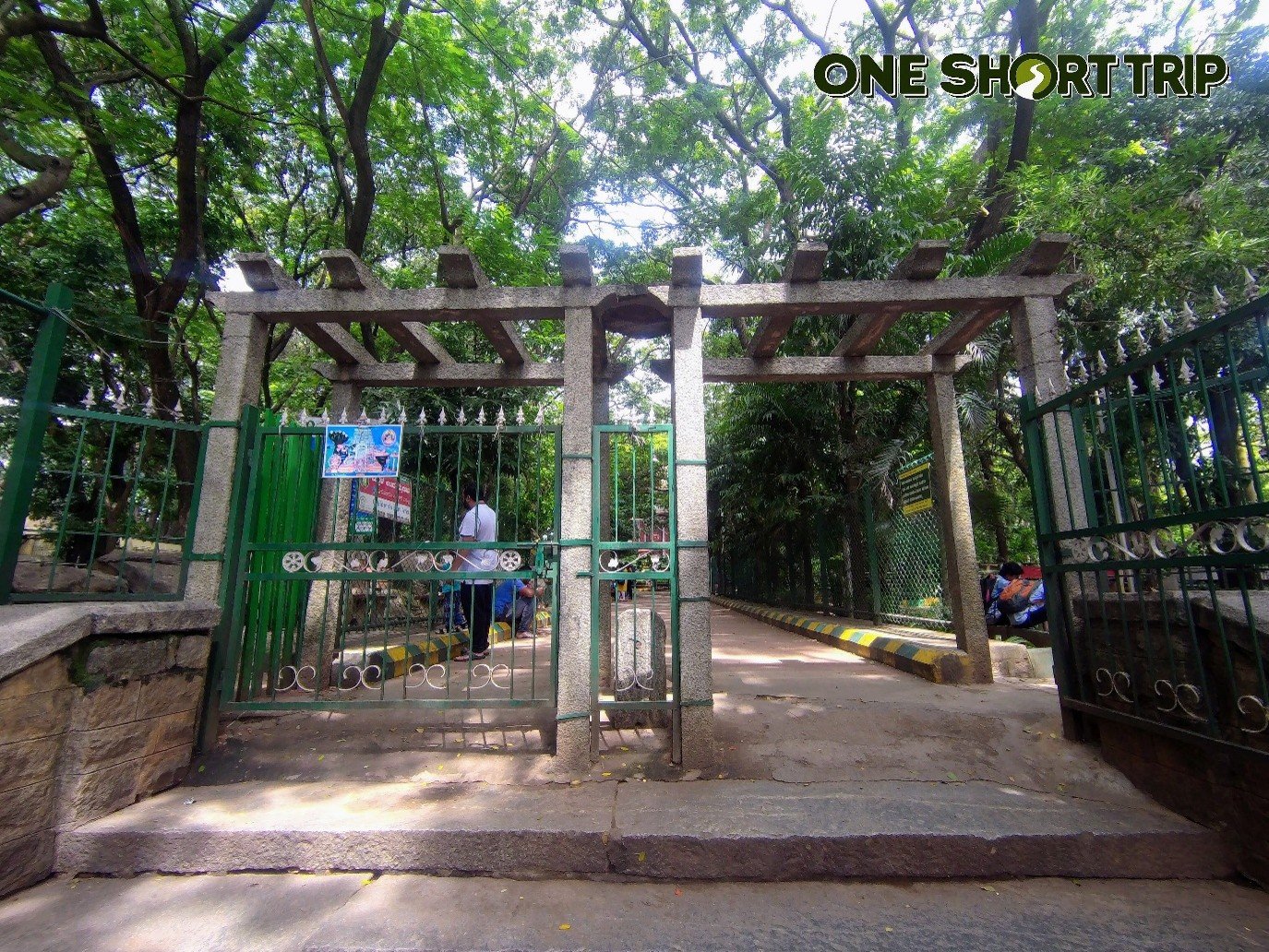
Visitors walking through the natural rocky landscape of Bugle Rock Park

How to Reach Bugle Rock Park

By Road

Bugle Rock Park is located in Basavanagudi in South Bengaluru, close to the Bull Temple and Dodda Ganapathi Temple. It is easy to reach by car, taxi, auto-rickshaw or app-based cab from different parts of the city. Because Basavanagudi has busy roads and established residential streets, travel time can vary considerably with Bengaluru traffic.

By Bus

BMTC buses connect Basavanagudi with several parts of Bengaluru. When using public transport, look for services towards Basavanagudi, Bull Temple or nearby major stops and complete the final section on foot or by auto-rickshaw depending on the exact route. The park's location beside well-known landmarks makes it relatively easy to identify once you reach the neighbourhood.

By Metro

Metro can be useful for reaching the broader Basavanagudi area, but Bugle Rock Park is not directly outside a metro station. Depending on your starting point, you may need to combine the metro with an auto-rickshaw, cab or bus for the final stretch. For visitors staying elsewhere in Bengaluru, checking the live metro and road route on the day of travel is recommended because the most convenient interchange depends on where you start.

What to See Around Bugle Rock Park

Bugle Rock Park is particularly valuable because several of Bengaluru's historic attractions are concentrated nearby. The Bull Temple is immediately adjacent to the park and is one of the area's defining landmarks. Karnataka Tourism describes the temple as a 1537 monument associated with Kempe Gowda I and its large monolithic Nandi.

Dodda Ganapathi Temple is another natural addition to the route, while Gandhi Bazaar provides a chance to experience the traditional commercial character of Basavanagudi. Visitors with more time can continue towards Lalbagh Botanical Garden, making it possible to combine heritage, temples, greenery and local food in one South Bengaluru outing.
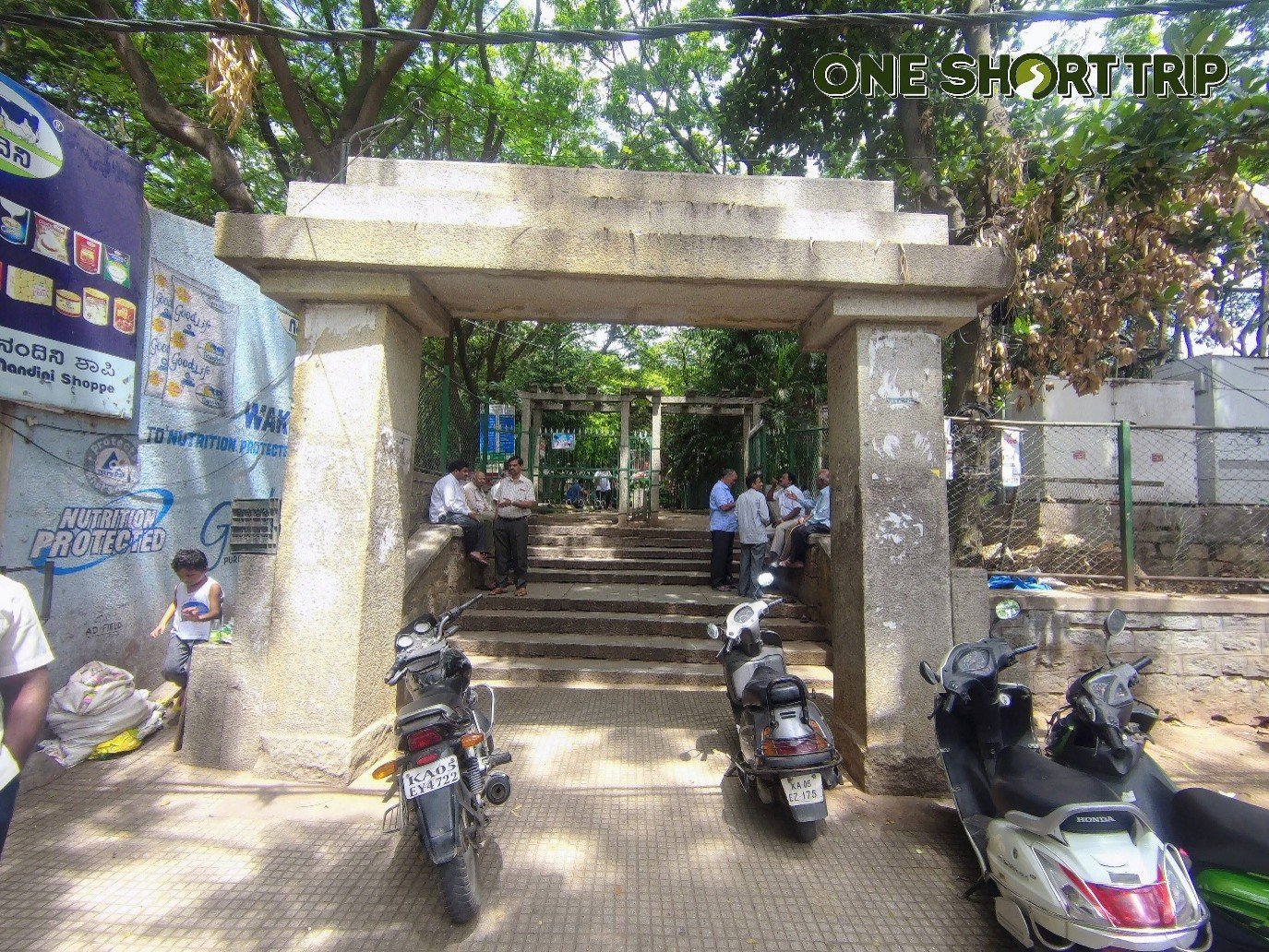
Natural greenery and ancient rocks at Bugle Rock Park near Bull Temple Bengaluru

Tips for Visiting Bugle Rock Park

Wear comfortable footwear because the park has a natural rocky terrain rather than the completely level surfaces found in a conventional landscaped garden. Take extra care after rain, when stone surfaces may become slippery. Carry drinking water, especially if you are combining the park with several nearby attractions on foot.

The park is suitable for families and older visitors who are comfortable with a gentle walk, although anyone with limited mobility should be aware that the natural rocky environment may not offer the same accessibility as a fully paved urban park. Children should stay with adults around rocks and uneven sections. Avoid climbing unstable rock surfaces or entering restricted areas simply for photographs.

Photography, Nature & Responsible Visiting

Bugle Rock Park is a rewarding location for photography because the ancient rock formations, mature trees and changing light create a very different landscape from Bengaluru's usual urban scenery. Early morning light can highlight the textures of the rocks, while the shaded sections of the park provide a cooler atmosphere for photographs.

Visitors should help preserve the park by keeping the area clean, avoiding damage to trees and rock formations, and observing wildlife from a distance. The fruit bats associated with the park should not be disturbed. Bugle Rock's importance comes precisely from the combination of its ancient geology, vegetation, wildlife and history, so responsible sightseeing helps keep that character intact.
Bugle Rock Park landscape with ancient rocks and trees in Basavanagudi Bengaluru

Bugle Rock Park in a Bengaluru Heritage Itinerary

Bugle Rock Park works best as one stop within a wider South Bengaluru heritage itinerary. Start with the Bull Temple and Dodda Ganapathi Temple, explore Bugle Rock's ancient landscape, then continue towards Gandhi Bazaar for traditional snacks and local shopping. If time permits, Lalbagh can be added later in the day.

For travellers looking for places to visit in Bengaluru beyond the city's technology hubs and shopping malls, this small heritage circuit offers a different side of the city. Bugle Rock Park combines ancient geology, Kempegowda-era history, greenery and urban wildlife in a compact setting, making it an easy and worthwhile addition to a Bengaluru sightseeing itinerary.

Quick Visitor Information

Location Basavanagudi, Bengaluru, Karnataka
Known For Ancient Peninsular Gneiss, Kempegowda watchtower, greenery and fruit bats
Terrain Rocky hill landscape with trees and walking paths
Recommended Duration 30–60 minutes
Best Time October to February; early morning or late afternoon for comfortable walking
Nearby Attractions Bull Temple, Dodda Ganapathi Temple, Gandhi Bazaar and Lalbagh Botanical Garden

Why visit

🪨
Rock Older Than Most of the Planet
The park's granite outcrop is estimated at 2.5 to 3.4 billion years old.
🗼
Kempegowda's Historic Watchtower
One of four towers built to mark Bengaluru's original city boundaries.
🦇
A Resident Colony of Fruit Bats
Look up into the taller trees to spot them resting during the day.
🆓
Completely Free to Visit
No ticket needed — just walk in and explore at your own pace.

Frequently Asked Questions

Where is Bugle Rock Park located in Bengaluru?+
Bugle Rock Park is located in Basavanagudi in South Bengaluru, Karnataka. It is adjacent to the historic Bull Temple and behind the Dodda Ganapathi Temple.
What is Bugle Rock Park famous for?+
Bugle Rock Park is famous for its ancient rocky terrain, Peninsular Gneiss formations, Kempegowda-era watchtower, mature trees and the fruit bats that can be seen resting in its trees. The Bengaluru Urban District administration describes the park as a 16-acre rocky green space.
Why is Bugle Rock called Bugle Rock?+
The name is traditionally associated with a watchtower built during Kempegowda's period. It is believed that a bugle or horn was sounded from the elevated point to alert people when visitors or possible threats approached the old city.
How old are the rocks at Bugle Rock Park?+
The rocks are part of the ancient Peninsular Gneiss geological formation. The Bengaluru Urban District administration describes the Bugle Rock formation as being about 3,000 million years old.
What is Peninsular Gneiss at Bugle Rock Park?+
Peninsular Gneiss is an ancient geological rock formation found across parts of peninsular India. At Bugle Rock, these exposed rocks form the distinctive rocky landscape around which the park has been developed.
Who built the watchtower at Bugle Rock?+
Bugle Rock is traditionally associated with one of the watchtowers constructed by Kempegowda around the old Bengaluru settlement. The Bengaluru Urban District administration identifies Bugle Rock as one of Kempegowda's four watchtower sites.
How big is Bugle Rock Park?+
Bugle Rock Park has a spread of approximately 16 acres according to the Bengaluru Urban District administration.
Is Bugle Rock Park a natural rock park?+
Yes. The park is built around natural ancient rock formations rather than being a conventional landscaped garden. Its rocky terrain and mature trees are among its defining features.
Can I see fruit bats at Bugle Rock Park?+
Fruit bats, also known as Indian flying foxes, are associated with the mature trees at Bugle Rock Park. They can often be seen resting in trees during the daytime. Visitors should observe them from a respectful distance.
Is Bugle Rock Park good for nature lovers?+
Yes. The combination of ancient rocks, mature trees, shaded paths and urban wildlife makes Bugle Rock Park a worthwhile stop for visitors interested in nature within Bengaluru.
How long does it take to visit Bugle Rock Park?+
Most visitors can explore Bugle Rock Park in about 30 to 60 minutes. Visitors interested in photography, geology or a slower walk may choose to spend longer.
What is the best time to visit Bugle Rock Park?+
October to February is generally a comfortable period to explore Bengaluru's outdoor attractions. For Bugle Rock Park itself, early morning or late afternoon is preferable when you want to avoid stronger midday heat.
Can Bugle Rock Park be visited during the monsoon?+
Yes, but visitors should take extra care because wet rocks and pathways can become slippery. Comfortable footwear with good grip is recommended after rain.
Is Bugle Rock Park free to visit?+
Bugle Rock Park is a public green space and there is generally no major entry ticketing process for visiting the park. Visitors should check locally for any temporary arrangements or event-related changes.
What are the timings of Bugle Rock Park?+
Visitors should plan their visit during daylight hours. Unlike a ticketed monument with a single published visitor schedule, public park access can vary, so it is advisable to confirm locally if you are planning an early morning or late evening visit.
How do I reach Bugle Rock Park by road?+
Bugle Rock Park is in Basavanagudi, South Bengaluru, close to the Bull Temple and Dodda Ganapathi Temple. It can be reached by private vehicle, taxi or auto-rickshaw, although travel time depends heavily on Bengaluru traffic.
Can I reach Bugle Rock Park by BMTC bus?+
Yes. BMTC buses serve the Basavanagudi area. Depending on your starting point and route, you can get down at a nearby stop and walk or take a short auto-rickshaw ride to Bugle Rock Park.
Is Bugle Rock Park accessible by Bengaluru Metro?+
Metro can be used to reach the broader Basavanagudi area, but Bugle Rock Park is not directly outside a metro station. The final part of the journey may require an auto-rickshaw, cab, bus or walk depending on the station and route.
Is parking available near Bugle Rock Park?+
Parking around Bugle Rock Park and the surrounding Basavanagudi attractions can be limited, particularly during weekends and festivals. Visitors travelling by car should allow extra time to find a suitable legal parking space.
Is Bugle Rock Park suitable for families with children?+
Yes. Bugle Rock Park can be a pleasant family stop, particularly when combined with the nearby temples. Children should remain with adults around rocky sections and should not climb unstable formations.
Is Bugle Rock Park suitable for senior citizens?+
Senior citizens who are comfortable walking on uneven terrain can enjoy the park, but the natural rocky environment may be less suitable for visitors with significant mobility difficulties. Comfortable footwear and a slower pace are recommended.
Is Bugle Rock Park suitable for a morning walk?+
Yes. The shaded trees and relatively peaceful atmosphere make the park suitable for a relaxed morning walk, subject to the park's access arrangements at the time of your visit.
Can I take photographs at Bugle Rock Park?+
The park's rocks, trees and pathways make it a good location for casual photography. Visitors should avoid disturbing wildlife, damaging vegetation or climbing restricted or unsafe rock surfaces for photographs.
Can I see the Bugle Rock watchtower today?+
The site is historically associated with one of Kempegowda's watchtowers. Visitors should distinguish the historic watchtower location and surviving landscape from the idea of a large standalone tower structure that can be toured like a monument.
What is the connection between Bugle Rock Park and Kempegowda?+
Bugle Rock is associated with Kempegowda's system of watchtowers around the old Bengaluru settlement. These elevated points helped monitor the approaches to the city and are now important reminders of Bengaluru's early history.
Is Bugle Rock Park connected to the Bull Temple?+
Yes. Bugle Rock Park is immediately adjacent to the Bull Temple, making it natural to visit both together. The two attractions form an important part of the Basavanagudi heritage landscape.
What temples are near Bugle Rock Park?+
The Bull Temple and Dodda Ganapathi Temple are the most prominent temples immediately around Bugle Rock Park. They can easily be combined into a Basavanagudi temple and heritage visit.
What are the best places to visit near Bugle Rock Park?+
Nearby attractions include the Bull Temple, Dodda Ganapathi Temple, Gandhi Bazaar and Lalbagh Botanical Garden. The Basavanagudi area is particularly suitable for a heritage and food-focused Bengaluru outing.
What is Gandhi Bazaar famous for near Bugle Rock Park?+
Gandhi Bazaar is one of Basavanagudi's traditional commercial areas and is known for local shops, flowers, snacks, eateries and the everyday character of old Bengaluru. It pairs naturally with a visit to Bugle Rock Park and the nearby temples.
Is Bugle Rock Park good for photography?+
Yes. The combination of ancient rock formations, mature trees, pathways and changing natural light provides interesting subjects for photography. Early morning and late afternoon can offer comfortable conditions and softer light.
Should I climb the rocks at Bugle Rock Park?+
Visitors should avoid climbing unsafe, unstable or restricted rock surfaces. The park is best enjoyed by following the established paths and observing the geological formations without damaging or disturbing them.
Is Bugle Rock Park suitable for a short Bengaluru sightseeing trip?+
Yes. Its compact size and location near several major Basavanagudi attractions make Bugle Rock Park ideal for a short sightseeing stop. It is particularly worthwhile when combined with the Bull Temple and Dodda Ganapathi Temple.
Can Bugle Rock Park be included in a Bengaluru heritage tour?+
Yes. Bugle Rock Park is an excellent addition to a South Bengaluru heritage itinerary covering Basavanagudi, the Bull Temple, Dodda Ganapathi Temple and Gandhi Bazaar.
Is Bugle Rock Park crowded on weekends?+
Weekends can be busier because Bugle Rock Park is part of the popular Basavanagudi sightseeing and local recreation area. Early mornings or weekdays are better if you prefer a quieter visit.
What is Kadalekai Parishe and how is it connected to Bugle Rock Park?+
Kadalekai Parishe is Bengaluru's traditional Groundnut Fair associated with the Bull Temple. The Bengaluru Urban District administration notes that groundnut sellers and farmers gather around the Bull Temple, Dodda Ganesha Shrine and Bugle Rock Park during the festival.
When is Kadalekai Parishe held near Bugle Rock Park?+
Kadalekai Parishe is traditionally held in the Hindu month of Karthika, generally around November or December. Exact dates vary each year.
Is Bugle Rock Park good to visit during Kadalekai Parishe?+
Yes, if you enjoy local festivals and crowds. The area around Bugle Rock Park becomes part of the lively Groundnut Fair atmosphere, but roads and parking can be considerably busier than usual.
What should I wear when visiting Bugle Rock Park?+
Comfortable clothing and sturdy walking footwear are recommended because the park has natural rocky terrain. If you are also visiting the nearby temples, dress respectfully as you would for a traditional place of worship.
What footwear should I wear at Bugle Rock Park?+
Comfortable shoes with good grip are recommended because the terrain includes rocks and uneven pathways. If you are visiting the nearby temples, remember that footwear must be removed before entering temple areas.
Are there food options near Bugle Rock Park?+
Yes. Basavanagudi and Gandhi Bazaar have numerous traditional eateries, snack shops and local food options. This makes it easy to combine a Bugle Rock visit with a food stop.
Is Bugle Rock Park safe for tourists?+
Bugle Rock Park is a popular public space in an established Bengaluru neighbourhood. As with any urban attraction, visitors should keep valuables secure, stay on suitable paths and avoid isolated sections when visiting alone.
Can I visit Bugle Rock Park and Bull Temple together?+
Yes. They are adjacent attractions and are among the easiest places to combine in a Basavanagudi itinerary. A visit to both provides a mix of natural, geological, historical and religious experiences.
Can I visit Bugle Rock Park and Dodda Ganapathi Temple together?+
Yes. Dodda Ganapathi Temple is located immediately near Bugle Rock Park, making the two easy to combine during a Basavanagudi temple and heritage walk.
Is Bugle Rock Park worth visiting in Bengaluru?+
Yes, particularly for travellers interested in Bengaluru's history, geology, temples and neighbourhood heritage. Its ancient rocks, greenery and connection with Kempegowda's Bengaluru make it different from the city's more conventional parks.
What makes Bugle Rock Park different from Lalbagh and Cubbon Park?+
Bugle Rock Park is much more closely shaped by its natural rocky terrain and historic hill landscape. Lalbagh and Cubbon Park are larger, landscaped urban parks with extensive gardens and formal attractions, while Bugle Rock combines ancient geology, greenery and Bengaluru's early history in a compact setting.
What should I carry when visiting Bugle Rock Park?+
Carry drinking water, comfortable walking shoes and sun protection when required. A camera or phone is useful for photography, but visitors should avoid using equipment in ways that disturb wildlife or other visitors.
What are the main things to do at Bugle Rock Park?+
Visitors can walk through the rocky landscape, observe the ancient Peninsular Gneiss formations, enjoy the greenery, photograph the surroundings, look for fruit bats from a distance and learn about the site's connection with Bengaluru's early history.
What are the main attractions near Bugle Rock Park for a half-day itinerary?+
A practical half-day route can include Bull Temple, Bugle Rock Park, Dodda Ganapathi Temple and Gandhi Bazaar. Lalbagh Botanical Garden can also be added if you have enough time and prefer a longer sightseeing circuit.
What are the important things to remember before visiting Bugle Rock Park?+
Wear comfortable footwear, take care on wet rocks, respect the park's wildlife and vegetation, avoid climbing unsafe formations, keep the area clean and allow extra travel time because Basavanagudi traffic and parking can be busy.

Nearby In Bangalore

Continue Exploring

Planning A Trip Here?

Get help planning your visit — call or WhatsApp us and we will help you book a tour.