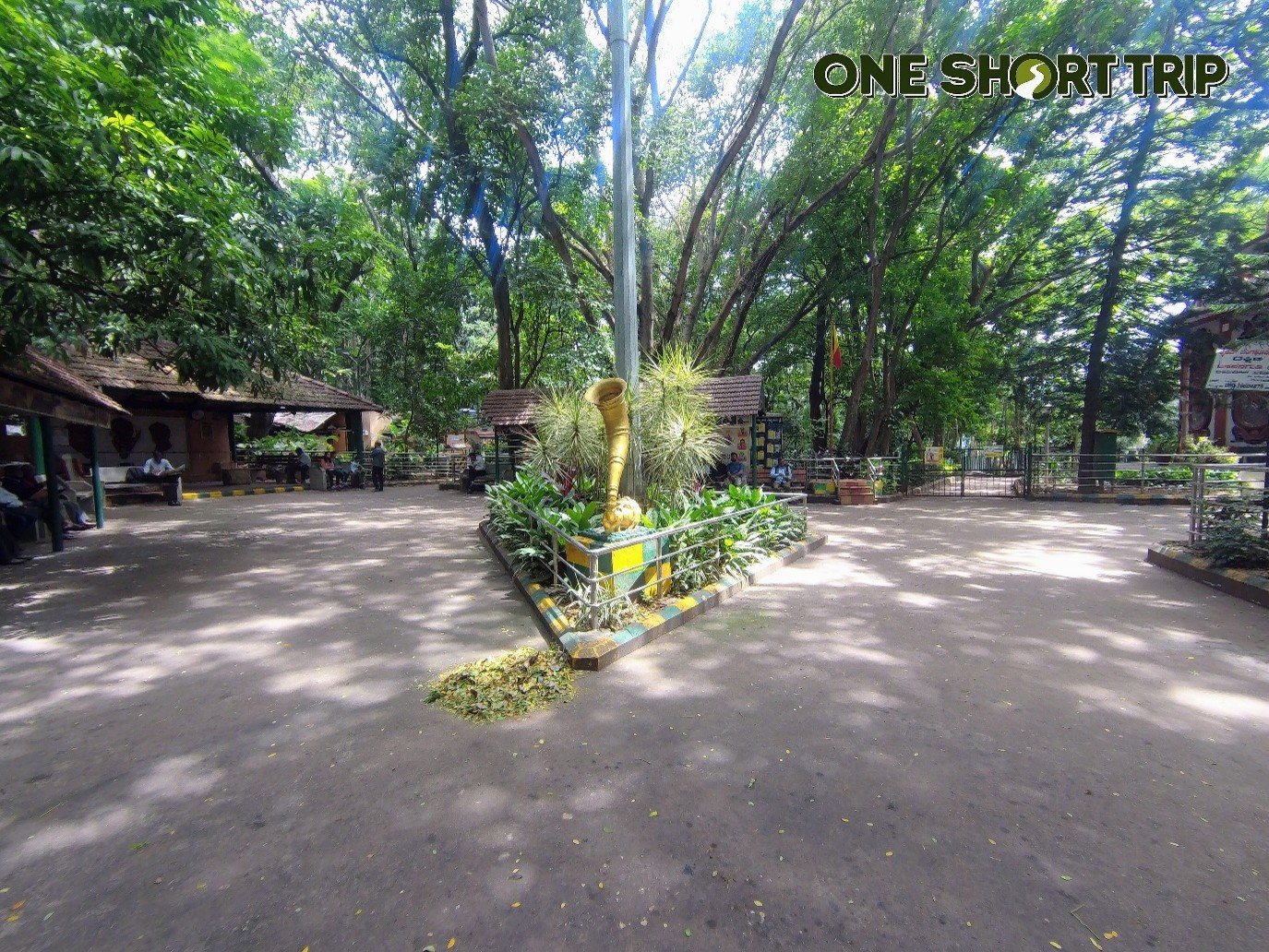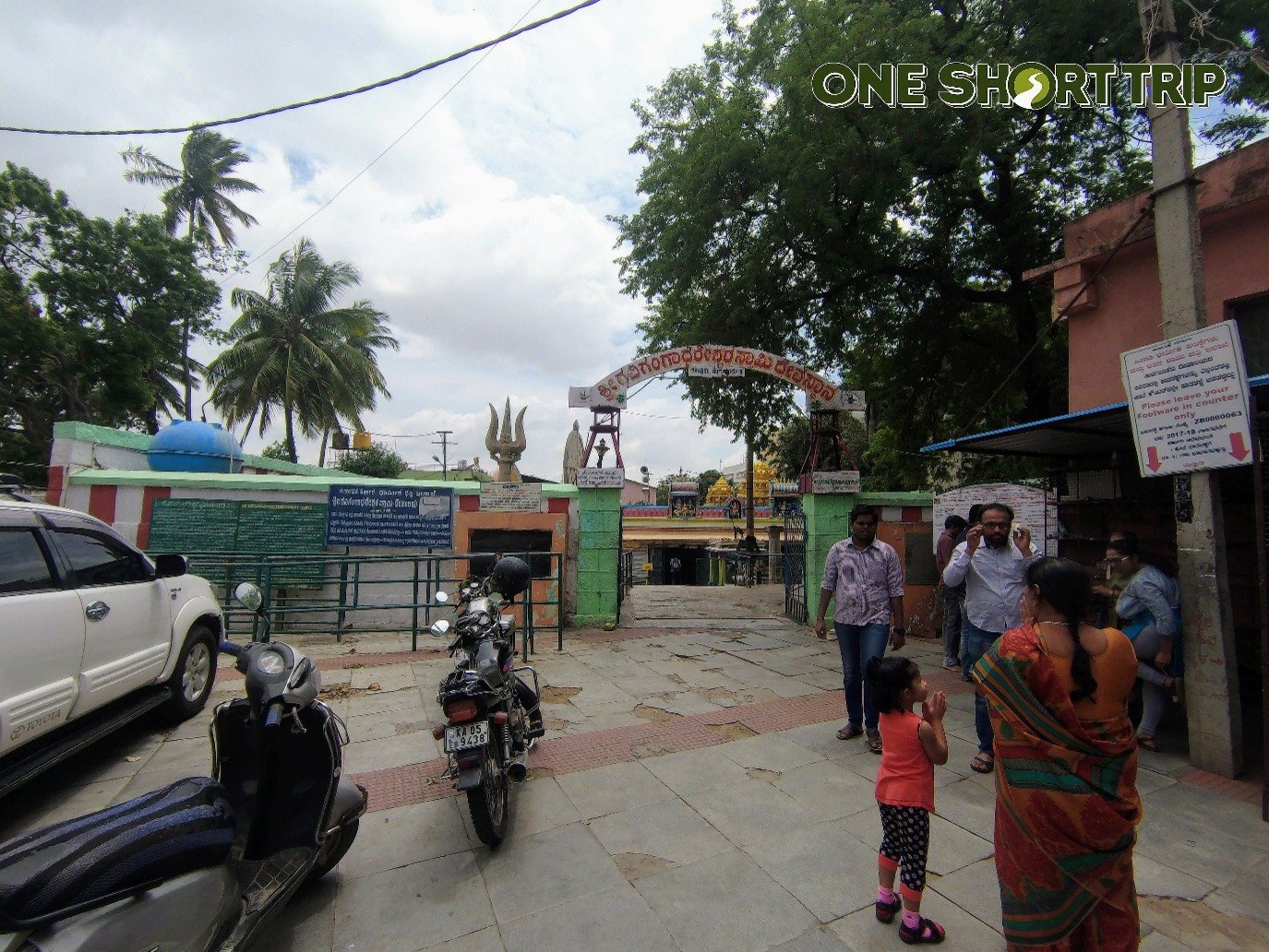
Shri Doddabasavanna Temple, Basavanagudi, Bengaluru
Shri Doddabasavanna Temple, popularly known as the Basavanagudi Bull Temple, is one of the most historic temples in Bengaluru and one of the city's most distinctive places of worship. Located in the historic Basavanagudi neighbourhood, the temple is dedicated to Lord Basavanna, the sacred Nandi associated with Lord Shiva, and is renowned for its enormous monolithic Nandi idol.
The temple is closely connected with the history of Bengaluru itself. The present temple is traditionally attributed to Nadaprabhu Kempe Gowda I, the founder of Bengaluru, who is said to have constructed the shrine in 1537. The temple's importance is so closely tied to the surrounding locality that the neighbourhood came to be known as Basavanagudi, meaning the place associated with the Basavanna temple.
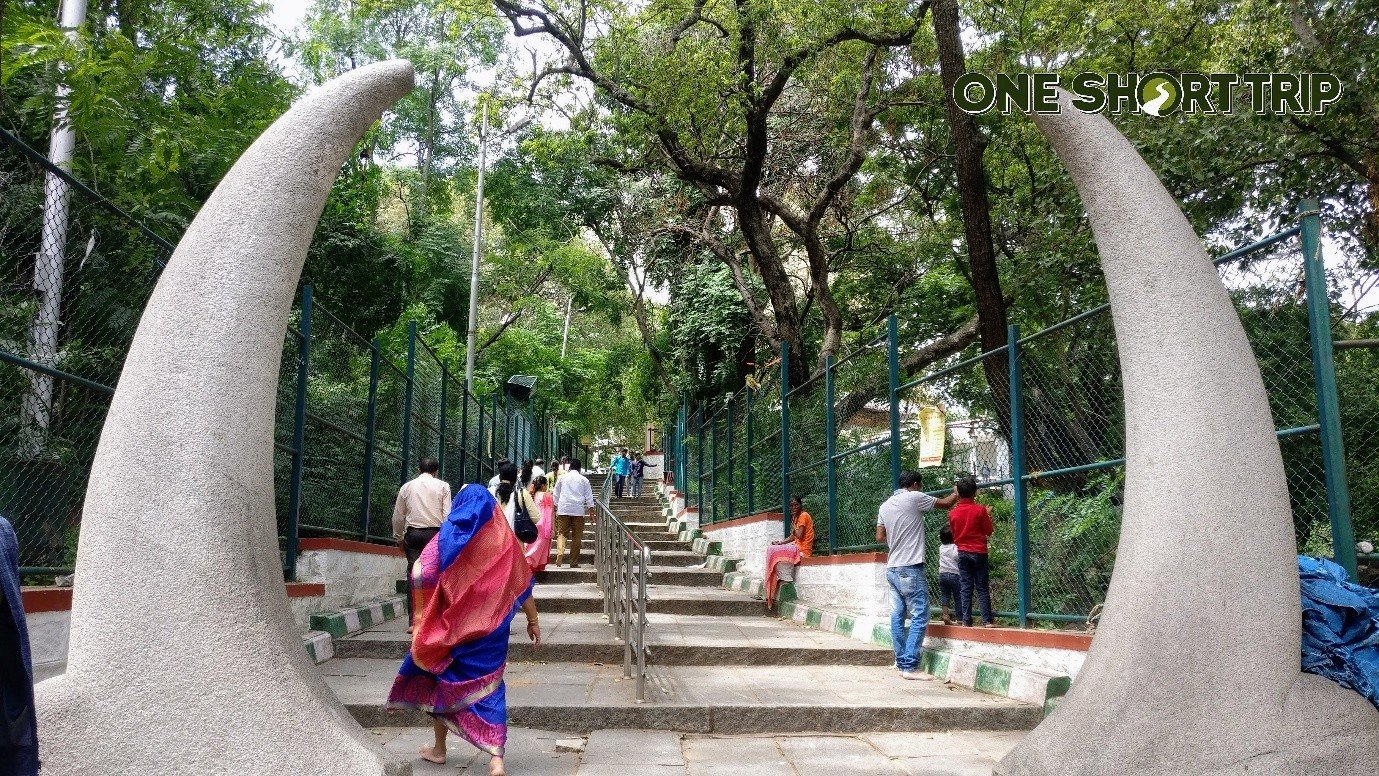


History of Shri Doddabasavanna Temple
The history of Shri Doddabasavanna Temple goes back to the 16th century, making it one of the important historic temples of Bengaluru. According to the official temple history, the shrine was built by Nadaprabhu Kempe Gowda in 1537. At that time, the area around the present-day Basavanagudi was very different from the densely developed neighbourhood seen today.
The area was historically known as Sunkenahalli or Sunkenahalli village. Agriculture was an important part of local life, and many farmers cultivated crops in the fields surrounding the settlement. Groundnuts, in particular, were grown extensively in the area.
The story of the temple is closely connected with a local legend about a mysterious bull. According to tradition, a large bull began entering the agricultural fields after the farmers had returned home in the evenings and started damaging the groundnut crops. As the crop losses continued, the farmers became increasingly concerned about their livelihood.
The Legend of Basavanna and the Groundnut Fields
Local tradition tells of the farmers coming together to seek a solution to the problem. They are said to have prayed to the mysterious bull and promised that they would offer the first harvest of their groundnuts and build a shrine dedicated to it if their crops were protected.
According to the legend, the bull eventually stopped destroying the fields and became regarded by the farmers as a divine manifestation rather than an ordinary animal. The farmers subsequently approached Kempe Gowda and narrated what had happened in the area.
The story became associated with the sacred presence of Basavanna, and Kempe Gowda is traditionally credited with establishing the great Nandi shrine at the site in 1537. Over time, the temple became an important centre of worship and the surrounding locality became known as Basavanagudi.
This legend remains an important part of the temple's cultural identity. It also explains the strong connection between the temple, farmers, groundnut cultivation and the annual Kadalekai Parishe, Bengaluru's famous groundnut festival.
The Massive Nandi Idol
The principal attraction inside Shri Doddabasavanna Temple is the enormous monolithic black-stone Nandi. The official temple history describes the sacred Basavanna as approximately 15 feet high and 20 feet long, making the idol one of the most striking traditional Nandi sculptures in Bengaluru.
The Nandi is carved from a single piece of stone and occupies the central position within the temple. Devotees come here to offer prayers to Basavanna, while visitors are drawn by the impressive scale and historic character of the sculpture.
The idol is traditionally regarded as an Udbhava Murti, meaning a naturally manifested or self-manifested sacred image according to local belief. The temple tradition holds that Lord Shiva's sacred bull came to this place and became stone.
Religious Significance of Basavanna
In Hindu tradition, Nandi is the sacred bull and devoted attendant of Lord Shiva. Nandi is traditionally regarded as Shiva's vehicle and as a guardian of the sacred space before the Shiva sanctum. Because of this association, Nandi occupies an important position in Shaivite temples.
At Shri Doddabasavanna Temple, however, Nandi is not merely an accompanying sculpture placed before a Shiva shrine. The enormous Basavanna itself is the principal object of worship. Devotees visit the temple specifically to seek the blessings of Lord Basavanna.
The deity is associated with qualities such as devotion, strength, patience, protection and steadfastness. The temple therefore has both religious and cultural importance for generations of devotees in Bengaluru.
Architecture of the Temple
The temple stands on elevated ground and has a distinctive traditional temple layout. A prominent gopura marks the temple and forms one of its notable architectural features.
In front of the temple is an ornamental dhwaja stambha, or flagstaff. The stone pillar contains carved relief work, including decorative figures and traditional motifs. These details contribute to the artistic character of the temple.
The temple also has a spacious inner shrine area and a pradakshina patha, allowing devotees to circumambulate the sacred shrine as part of their worship.
The entrance features sculpted dvarapalas, or guardian figures, traditionally placed at temple entrances. Together, the gopura, flagstaff, guardian sculptures, inner courtyard and Nandi shrine give the temple its distinctive historic character.


Why Basavanagudi Is Named After This Temple
The name Basavanagudi is directly associated with the temple. "Basavanna" refers to the sacred Nandi, while "gudi" is a Kannada word for temple. The name therefore reflects the presence of the historic Basavanna shrine that became a defining landmark of the locality.
This makes Shri Doddabasavanna Temple particularly significant in understanding Bengaluru's historical geography. The temple is not simply located in Basavanagudi; it is one of the principal reasons the neighbourhood carries its name.
The Temple and Bengaluru's Agricultural Heritage
One of the most interesting aspects of Shri Doddabasavanna Temple is its connection with the agricultural history of Bengaluru. Modern Bengaluru is a major metropolitan city, but the story surrounding this temple preserves memories of a period when the area consisted largely of villages, farmland and agricultural communities.
Groundnut cultivation was particularly important to the farmers of the region. The traditional story of the Basavanna protecting the farmers' crops eventually became inseparable from the annual groundnut offering made to the deity.
This connection between a temple and an agricultural community has survived for centuries and continues through the celebrated Kadalekai Parishe.
Shri Doddabasavanna Temple, Basavanagudi
Shri Doddabasavanna Temple, popularly known as the Bull Temple, is one of the most distinctive historic temples in Bengaluru. Located on Bugle Rock Hill in Basavanagudi, the temple is dedicated to Nandi, the sacred bull and vahana of Lord Shiva. Its enormous monolithic Nandi idol is the main attraction and has made the temple one of the most recognisable religious and heritage landmarks in Bengaluru.
The temple is particularly important because it brings together Bengaluru's early history, traditional religious practices, local legends, Dravidian-influenced temple architecture and the living cultural traditions of Basavanagudi. A visit here is not simply about seeing a large stone sculpture; it offers an opportunity to experience one of the places around which an important part of old Bengaluru developed.
History of Shri Doddabasavanna Temple
The Bull Temple is traditionally associated with Kempe Gowda I, the founder of Bengaluru, and is generally dated to the 16th century. The shrine was established on the rocky elevation that is now associated with Basavanagudi and Bugle Rock. Its location reflects the character of the Bengaluru landscape before the modern city expanded across the surrounding areas.
The temple's history is closely connected with the growth of the locality itself. Basavanagudi takes its name from Basava, or Nandi, while the temple became an important landmark for generations of residents. What was once a relatively rural and agricultural landscape gradually developed into one of Bengaluru's established neighbourhoods, with the temple remaining at its cultural centre.
The present temple complex has also undergone changes and additions over time. The result is a monument in which older architectural elements exist alongside later modifications, reflecting the continuing use and maintenance of the shrine rather than its preservation as a purely historical structure.
The Enormous Monolithic Nandi
The heart of Shri Doddabasavanna Temple is its massive Nandi idol. The sculpture is carved from a single block of granite and is commonly described as approximately 15 feet high and 20 feet long. Its sheer scale makes it one of the most impressive representations of Nandi found in a Bengaluru temple.
Unlike temples where the principal deity is enclosed deep within an elaborate sanctum, the enormous Nandi immediately dominates the interior of this shrine. Visitors can clearly appreciate the proportions of the sculpture, its seated posture and the traditional ornamentation associated with Nandi.
The dark stone surface has acquired a distinctive appearance through centuries of worship, ritual decoration and regular application of sacred substances. Fresh flowers, garlands, sandalwood paste and sacred ash are commonly used during worship, giving the ancient sculpture a living religious presence rather than making it feel like a museum exhibit.
The Legend of the Growing Nandi
One of the most famous traditions associated with the temple tells the story of a mysterious bull that troubled farmers in the area. According to local belief, the bull repeatedly entered agricultural fields and damaged or consumed groundnut crops. The farmers eventually decided to confront the animal and followed it towards the rocky hill.
The bull is said to have disappeared, and in its place the villagers found a stone image of Nandi. According to the legend, the idol appeared to grow larger over time. Concerned that the enormous image would continue expanding, devotees are traditionally said to have placed an iron peg at the top of the idol to stop its growth.
Whether understood as sacred tradition or local folklore, the story remains an important part of the temple's identity. It also explains the enduring connection between the shrine and the agricultural community that once surrounded the hill.
Why Basavanagudi Is Associated With Nandi
The name Basavanagudi itself is derived from the Kannada association of Basava, meaning Nandi or bull, and Gudi, meaning temple. The name therefore directly reflects the importance of the Bull Temple to the locality.
The temple is consequently more than an isolated religious monument. It became a defining landmark for the surrounding neighbourhood, and its name became part of Bengaluru's everyday geography. Even today, Basavanagudi is recognised as one of the city's older and more culturally distinctive areas.
Architecture of the Bull Temple
The temple displays characteristics associated with South Indian and Vijayanagara-period architectural traditions. Its design is relatively restrained compared with some of the highly ornamented temple complexes found elsewhere in Karnataka, allowing the monumental Nandi to remain the central visual focus.
The entrance gopuram provides the principal architectural introduction to the shrine. Inside, the sanctum is arranged around the colossal Nandi, whose scale gives the interior an unusual sense of proportion. The temple's stone construction and traditional layout contribute to its historic character.
A later vimana above the sanctum forms part of the temple's architectural evolution. Rather than representing a monument frozen at one particular point in history, the building reflects generations of worship, repair and additions that have allowed the shrine to remain active.
Inside the Temple
The main experience inside the temple is centred on the enormous Nandi. The sculpture is traditionally worshipped as the sacred mount of Lord Shiva and is approached with reverence by devotees. Depending on the time of your visit, you may see the idol decorated with flowers, garlands, sandalwood paste and other offerings.
The atmosphere is generally calm outside major festivals, with temple bells, devotional activity and the fragrance of flowers and incense forming part of the experience. Visitors interested in architecture should also take a few moments to observe the entrance structure, stonework and the relationship between the sanctum and the surrounding temple space.
The temple is an active place of worship, so visitors should remember that religious activities take priority over sightseeing and photography.
Kadalekayi Parishe – The Famous Groundnut Fair
One of the most important traditions connected with Shri Doddabasavanna Temple is Kadalekayi Parishe, Bengaluru's famous Groundnut Fair. Kadalekayi means groundnut in Kannada, and Parishe refers to a fair or festival. The celebration is rooted in the old agricultural character of Basavanagudi and the legend of the bull that consumed groundnut crops.
Traditionally held around the time of the annual groundnut harvest, the festival brings groundnut farmers, vendors, devotees and visitors to the area around the Bull Temple. Farmers offer their produce to Nandi as part of the long-standing tradition, while the surrounding streets become lively with stalls, food and festive activity.
Kadalekayi Parishe is particularly significant because it keeps alive the connection between the temple and the agricultural history of the neighbourhood. What began as a local religious and farming tradition has become one of Bengaluru's best-known cultural celebrations.
Religious Significance of Nandi
In Hindu tradition, Nandi is closely associated with Lord Shiva and is regarded as Shiva's sacred bull, vehicle and devoted attendant. In Shaivite temples, Nandi is commonly positioned facing the Shiva shrine, symbolically maintaining a direct connection with the deity.
The extraordinary size of the Nandi at Basavanagudi gives this familiar religious symbol an especially powerful physical presence. For devotees, the temple is a place of prayer and worship; for travellers, it is also an important example of Bengaluru's religious heritage and traditional temple culture.
Why This Temple Still Matters


The importance of Shri Doddabasavanna Temple goes beyond the enormous Nandi inside it. The shrine represents the continuity of Bengaluru's older cultural landscape and remains an active place of worship centuries after its establishment. Its association with Kempe Gowda, the Basavanagudi neighbourhood, the groundnut-growing tradition and Kadalekayi Parishe gives it a distinctive place in the city's history.
The temple is therefore valuable from several perspectives at once: it is a religious destination for devotees, a historic monument for heritage enthusiasts, an architectural attraction for travellers and a living cultural landmark for Bengaluru residents.
How Much Time Should You Spend Here?
A visit to Shri Doddabasavanna Temple itself can usually be completed in around 30 minutes to one hour, depending on the crowd and whether you spend time observing the architecture and participating in worship. If you combine the temple with nearby attractions such as Dodda Ganapathi Temple and Bugle Rock Park, you can comfortably plan a two- to three-hour visit around Basavanagudi.
Best Time to Visit Shri Doddabasavanna Temple
The temple can be visited throughout the year. Early morning is particularly pleasant for travellers who prefer a quieter temple experience and want to explore Basavanagudi before the neighbourhood becomes busy.
The atmosphere changes considerably during major religious occasions and Kadalekayi Parishe. These periods are ideal if you want to experience the cultural energy of the temple and surrounding streets, but they also bring substantially larger crowds and heavier traffic.
For a relaxed sightseeing experience, an ordinary weekday morning is generally more comfortable. For a cultural experience, visiting during the Groundnut Fair offers a completely different perspective of the temple and its relationship with Bengaluru's traditional communities.
Getting to Shri Doddabasavanna Temple
The temple is located in Basavanagudi in southern Bengaluru and is easily accessible from several parts of the city. BMTC buses, taxis and auto-rickshaws provide convenient options for reaching the temple. The area is also accessible by Bengaluru's public transport network, although the final approach may involve a short auto-rickshaw or cab ride depending on the route.
For visitors travelling by car, the surrounding streets can become crowded, particularly during weekends, evenings and festival periods. Parking availability can therefore be limited close to the temple. Arriving early or using public transport can make the visit easier.
Nearby Places to Visit
Shri Doddabasavanna Temple is located in an area with several important cultural, religious and recreational attractions. The nearby Dodda Ganapathi Temple is a natural addition to the visit, allowing travellers to experience two prominent Basavanagudi temples in the same outing.
Bugle Rock Park is another nearby attraction and offers a green setting around the rocky landscape associated with Basavanagudi. Gandhi Bazaar, known for its traditional shops, flowers, fruits and local atmosphere, can also be explored as part of a heritage-oriented visit.
Lalbagh Botanical Garden is also within convenient reach, while Gavi Gangadhareshwara Temple provides another opportunity to explore Bengaluru's historic temple traditions. Visitors interested in food can extend the outing towards VV Puram's popular food street, making it possible to combine heritage, temples, local shopping and Bengaluru cuisine in one trip.
Things to Know Before Visiting
• Shri Doddabasavanna Temple is an active place of worship, so maintain a respectful atmosphere inside the temple.
• Dress modestly and follow the temple's instructions regarding footwear and photography.
• Festival days can be extremely crowded, particularly during Kadalekayi Parishe.
• Parking near the temple can become difficult during weekends and special occasions.
• Early morning visits are generally better for travellers looking for a calmer experience.
• Allow additional time if you plan to visit Bugle Rock, Dodda Ganapathi Temple, Gandhi Bazaar or other nearby attractions.
A Historic Temple at the Heart of Basavanagudi
Shri Doddabasavanna Temple remains one of the defining landmarks of Basavanagudi because its history is inseparable from the story of the neighbourhood itself. The monumental Nandi, the centuries-old worship tradition, the legend of the growing bull, the agricultural roots of Kadalekayi Parishe and the continued devotion of Bengaluru's residents all come together here. For anyone exploring Bengaluru's historic and cultural side, the Bull Temple offers a compact but remarkably rich glimpse into the city's past and its living traditions.