Cubbon Park – Sri Chamarajendra Park
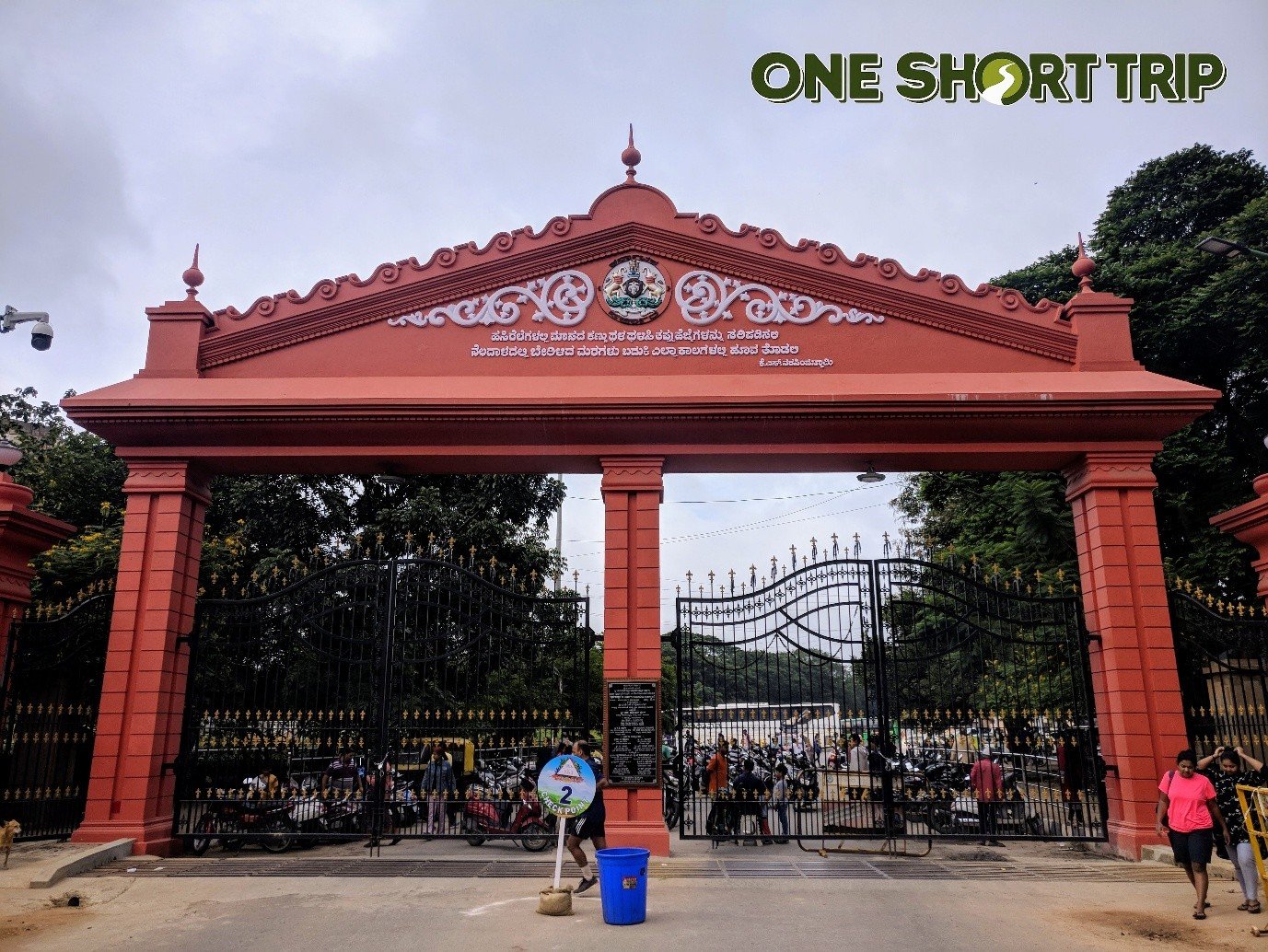
Cubbon Park, officially known as Sri Chamarajendra Park, is one of the most famous green spaces in Bengaluru. Spread across roughly 300 acres in the heart of the city, the park offers a refreshing contrast to Bengaluru's busy roads, commercial districts and modern cityscape.
Established in 1870, Cubbon Park has grown into much more than an urban garden. Its tree-lined avenues, lawns, flowering plants, statues, historic buildings and quiet walking paths make it one of the best places in Bengaluru for a morning walk, relaxed outing, photography, nature appreciation and a break from the city's busy pace.
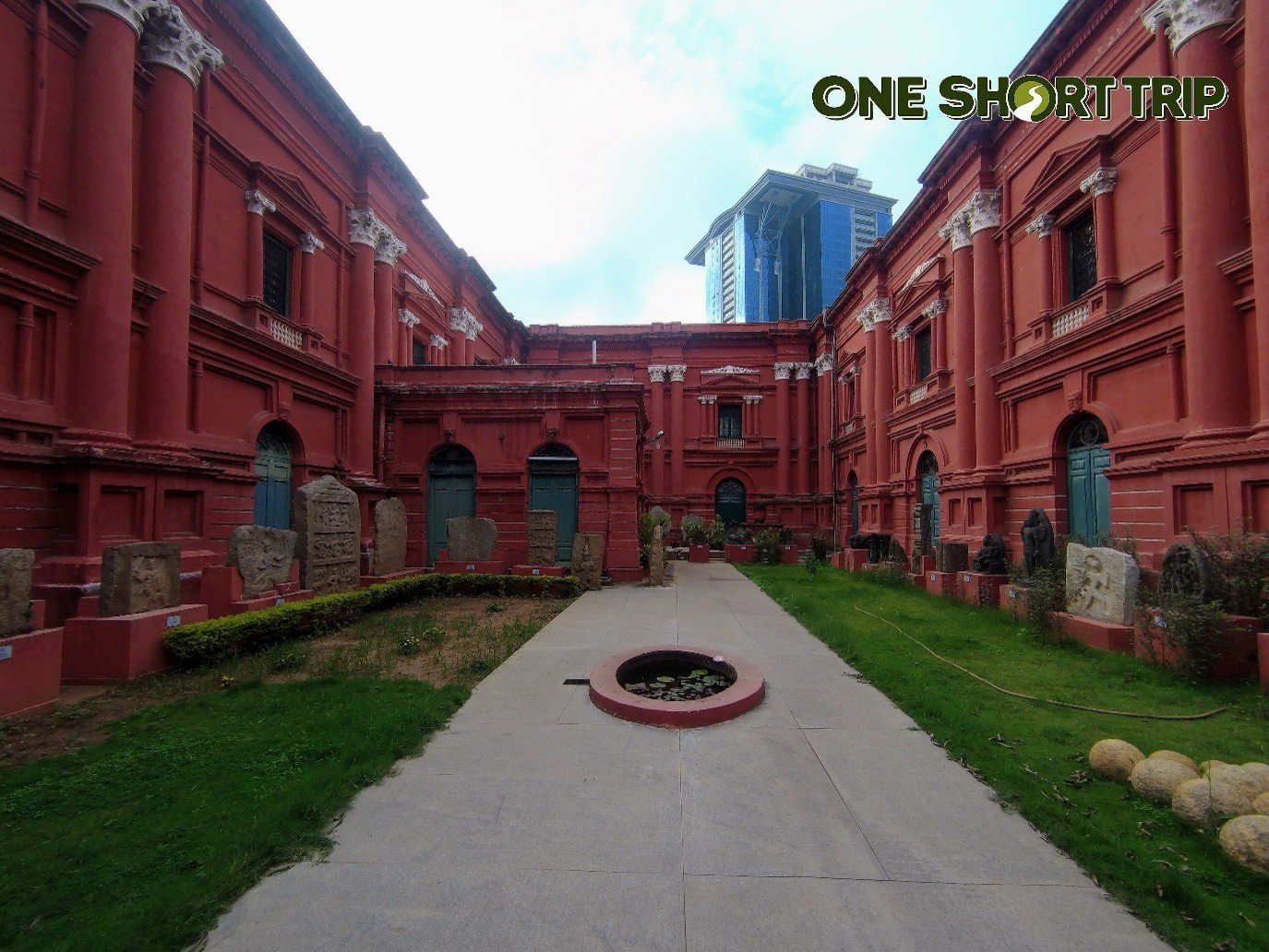
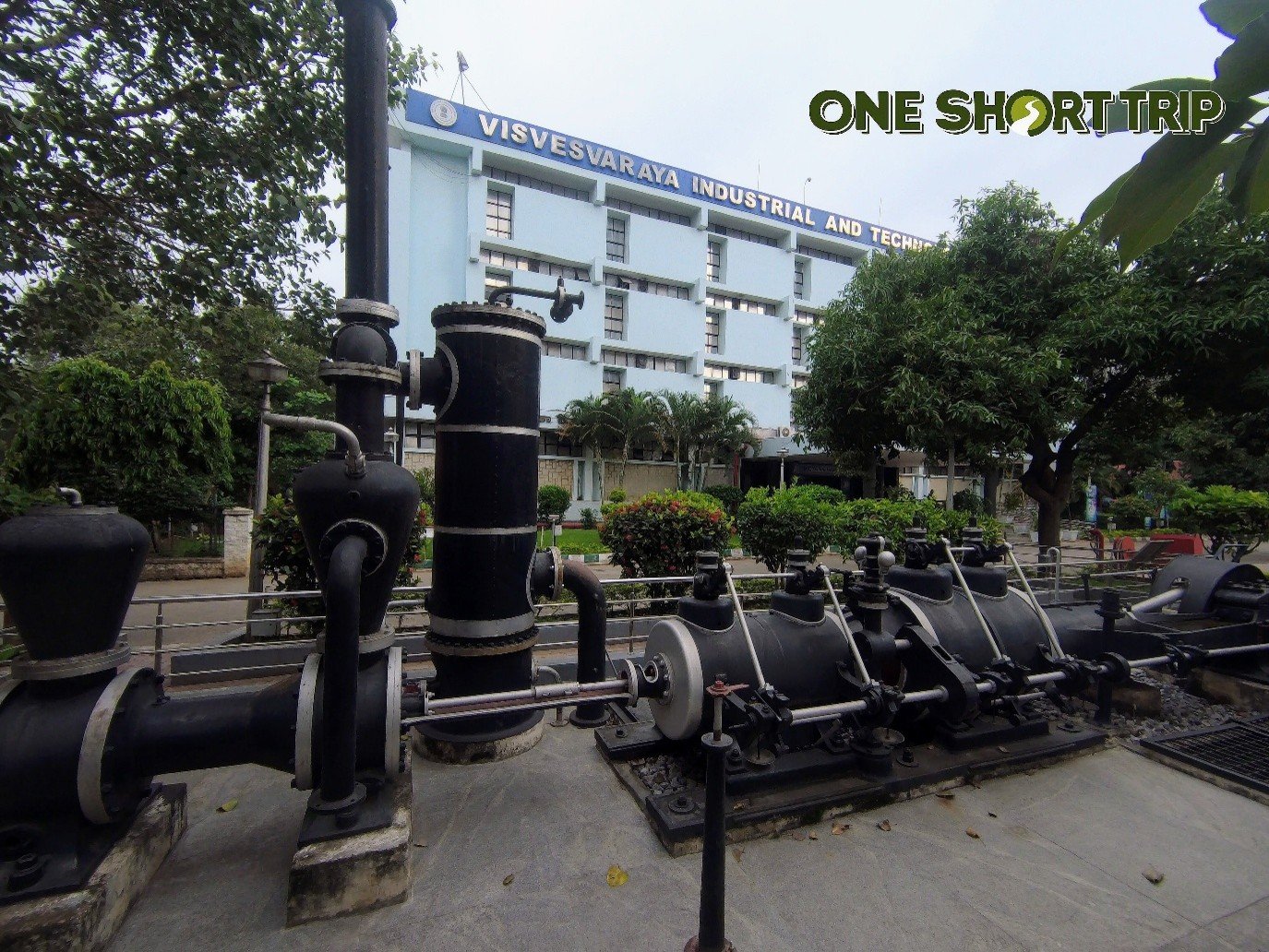
The park also forms part of Bengaluru's historic central district, with important landmarks such as the Sheshadri Iyer Memorial Library, Attara Kacheri, the State Archaeological Museum and the Visvesvaraya Industrial and Technological Museum located in or around the park.


History of Cubbon Park
Cubbon Park was established in 1870 during the colonial period of Bengaluru. It was originally created as a landscaped public park and was later associated with Sir Mark Cubbon, the longest-serving commissioner of Mysore, after whom the park became widely known as Cubbon Park.
The park has changed considerably over the decades, but its original character as a large landscaped green space in central Bengaluru remains important to the city. Today, the combination of mature trees, open lawns, heritage structures and winding roads gives Cubbon Park a character that is very different from a modern city garden.
The official name Sri Chamarajendra Park honours Maharaja Chamarajendra Wadiyar X of Mysore. Both names continue to be used, although "Cubbon Park" is the name most commonly used by visitors and Bengaluru residents.


Why Is Cubbon Park Famous?
Cubbon Park is famous for being a large, historic green space located in the centre of Bengaluru. Its location makes it possible to move from busy commercial areas into a landscape of mature trees, shaded paths and open greenery within minutes.
The park is also known for its heritage architecture. Buildings and landmarks within and around the park add historical interest to what would otherwise be simply a large urban garden. This combination of nature and heritage is one of the reasons Cubbon Park remains one of Bengaluru's most visited outdoor attractions.
For local residents, the park is an important place for walking, jogging, relaxation and spending time outdoors. For tourists, it offers an easy way to experience Bengaluru's famous green character without travelling far from the city centre.
What Can You See Inside Cubbon Park?
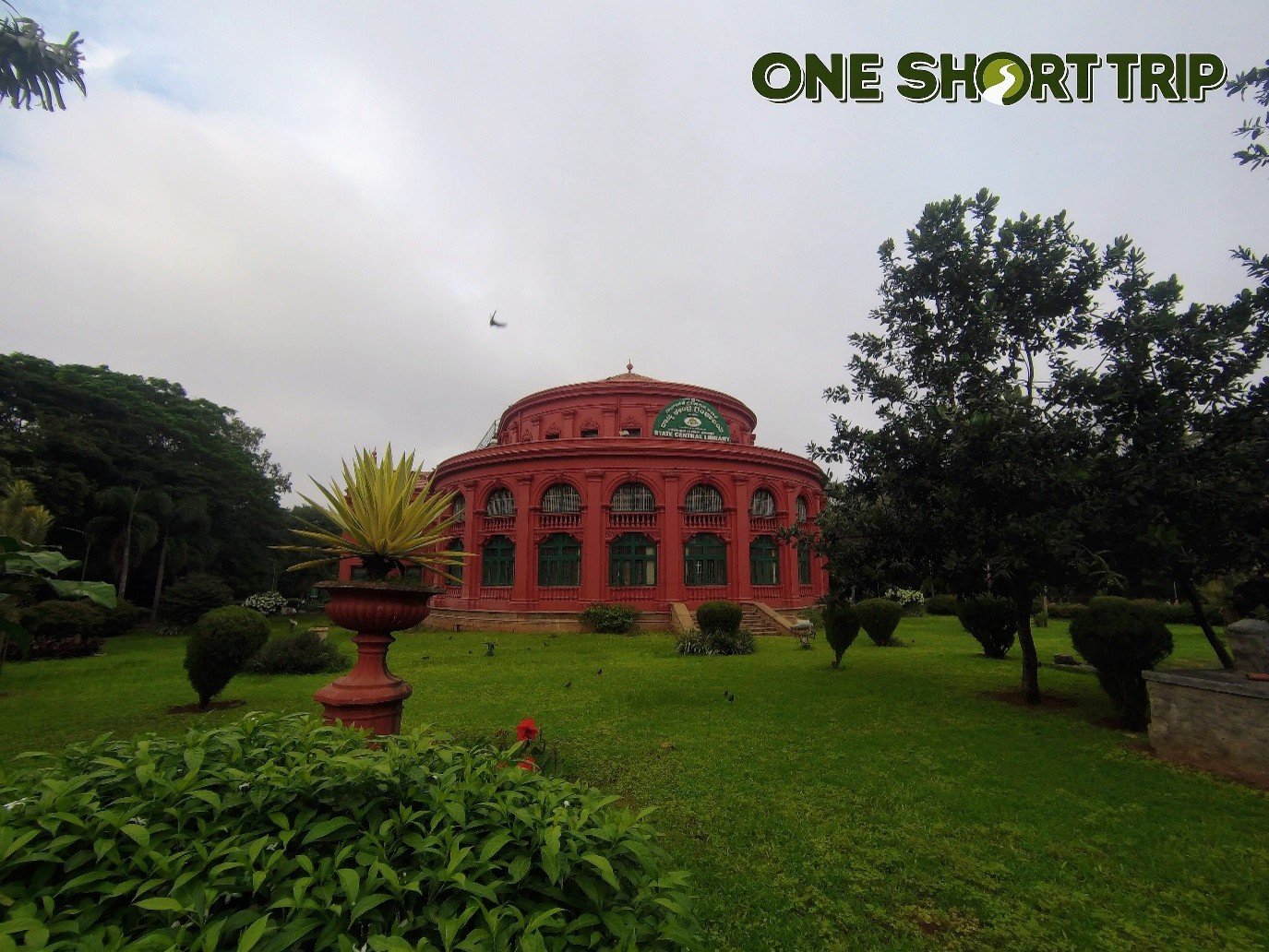
Sheshadri Iyer Memorial Library
The Sheshadri Iyer Memorial Library is one of Cubbon Park's most recognisable heritage structures. The red building stands among the greenery and is an important landmark within the park. It houses the State Central Library.
Attara Kacheri
Attara Kacheri is the historic red-coloured building associated with the former offices of the Mysore government. Located opposite Vidhana Soudha, it adds an important architectural and historical dimension to the Cubbon Park area.
Statues and Monuments
Several statues and commemorative monuments are distributed around the park. These include figures associated with Bengaluru and Karnataka's history, science and public life.
Trees, Lawns and Flowering Plants
The natural landscape is the main attraction for many visitors. Large mature trees create shaded stretches across the park, while lawns, flowering plants and landscaped areas provide places to pause and enjoy the surroundings.


Things to Do in Cubbon Park
1. Take a Morning Walk
Early morning is one of the most peaceful times to experience Cubbon Park. The shaded paths, cooler air and relatively quiet surroundings make it ideal for a relaxed walk.
2. Go for a Jog
Cubbon Park is popular with Bengaluru's running and fitness community. Its extensive network of roads and walking paths provides plenty of space for jogging and outdoor exercise.
3. Enjoy a Nature Walk
A slow walk through the tree-covered areas is a simple way to appreciate the park's botanical character. Look for different tree species, flowering plants and birds while exploring the quieter sections.
4. Explore the Heritage Buildings
Cubbon Park is not only about greenery. Visitors interested in history and architecture can combine their walk with the heritage buildings and landmarks located within and around the park.
5. Photography
The combination of large trees, winding paths, lawns, heritage architecture and changing light makes Cubbon Park a popular location for casual photography, nature photography and architectural photography.
6. Spend a Quiet Morning in Bengaluru
You do not need a packed itinerary to enjoy Cubbon Park. Sitting beneath the trees, reading, walking slowly or simply taking a break from the city can be the most rewarding way to experience it.
Best Time to Visit Cubbon Park
Cubbon Park can be visited throughout the year because it is an outdoor urban park rather than a seasonal attraction. Early morning is generally the most pleasant time for walking, jogging, birdwatching and enjoying the greenery.
Late afternoon and evening can also be enjoyable, particularly when the weather is comfortable. However, visitors should allow enough time to explore because the park is spread across a large area.
Bengaluru's October to March period is generally considered more pleasant for outdoor sightseeing. During the rainy season, the greenery can become especially attractive, although visitors should be prepared for wet paths and changing weather.


Cubbon Park Timings
Cubbon Park is generally open during the morning and evening hours, with published tourism information commonly listing approximately 6:00 AM to 6:00 PM for visitor access. Timings and access arrangements can change, so it is sensible to check the latest local information before travelling, especially around public events or special occasions.
Roads within the park may have restricted vehicle access during certain morning hours. This can make the early morning period particularly pleasant for walkers and joggers.
How Much Time Do You Need at Cubbon Park?
A quick visit can take around 1 hour if you simply want to walk through a section of the park and see a few landmarks. Around 2 hours is more comfortable for a relaxed walk combined with photography and heritage sightseeing.
If you want to explore several buildings, spend time in the greenery and combine the park with nearby museums, plan for half a day.


How to Reach Cubbon Park
By Metro
The Bengaluru Metro is one of the most convenient ways to reach Cubbon Park. Cubbon Park Metro Station on the Purple Line provides access to the park and is especially useful for visitors travelling from other parts of Bengaluru.
By Bus
Several Bengaluru bus routes serve the central city areas around Cubbon Park. Visitors can use stops around Kasturba Road, Hudson Circle, High Court and other nearby parts of the central business district depending on which section of the park they want to enter.
By Car or Taxi
Cubbon Park is centrally located and can be reached by car, taxi or app-based cab. However, visitors should remember that vehicle access inside the park is restricted in some areas and parking availability depends on the entrance and surrounding roads.
Cubbon Park for Families and Children
Cubbon Park is a good choice for families looking for an outdoor activity in central Bengaluru. Children can enjoy the open surroundings, trees and walking paths while parents can combine the visit with nearby museums and attractions.
Families should keep children close on busy weekends and avoid allowing them to wander near roads or restricted areas. Carrying water, snacks and comfortable footwear can make a longer visit easier.
Cubbon Park for Senior Citizens
The park is also suitable for senior citizens who enjoy relaxed outdoor spaces. The large shaded areas provide opportunities to walk at a comfortable pace and take breaks along the way.
Because Cubbon Park is extensive, senior visitors do not need to cover the entire park. Choosing one or two entrances and focusing on nearby landmarks can make the visit much more comfortable.
Nearby Places to Visit from Cubbon Park
Cubbon Park is surrounded by some of Bengaluru's most important cultural, historical and educational attractions. This makes it easy to turn a park visit into a half-day or full-day city itinerary.
Visvesvaraya Industrial and Technological Museum
Located close to Cubbon Park, the Visvesvaraya Industrial and Technological Museum is particularly suitable for families, children and anyone interested in science and technology. Karnataka Tourism currently lists Cubbon Park as its nearest metro area.
Vidhana Soudha
The magnificent Vidhana Soudha stands beside the Cubbon Park area and is one of Bengaluru's best-known landmarks. Its imposing architecture makes it an easy addition to a central Bengaluru sightseeing route.
Government Museum
The Government Museum is located around the Cubbon Park area and is one of South India's older archaeological museums. It can be combined with the park for visitors interested in history, sculpture and archaeology.
Bengaluru High Court and Attara Kacheri
The historic red Attara Kacheri building faces Vidhana Soudha and forms part of the heritage landscape around Cubbon Park. The area is particularly interesting for visitors who enjoy architecture and Bengaluru's administrative history.
A Simple Half-Day Cubbon Park Plan
Start early with a relaxed walk through Cubbon Park while the weather is cooler. Spend time around the major heritage buildings, enjoy the trees and landscaped areas, and take photographs along the way.
After exploring the park, continue towards the nearby Visvesvaraya Industrial and Technological Museum or Government Museum. You can then see Vidhana Soudha and the surrounding central Bengaluru landmarks before continuing towards your next destination.
Things to Keep in Mind Before Visiting Cubbon Park
Wear comfortable walking shoes because exploring the park involves walking on roads, pathways and landscaped areas. Carry water, especially if you plan to stay for several hours.
Follow park rules, avoid damaging plants, use designated areas and keep the surroundings clean. If you are visiting with children, keep them within sight, particularly during busy periods.
If your main goal is photography or a peaceful nature walk, early morning is usually the better choice. If your priority is combining Cubbon Park with museums and other city attractions, a longer daytime visit works well.
Why Cubbon Park Should Be on Your Bengaluru Itinerary
Cubbon Park captures an important part of Bengaluru's identity. It is historic without feeling like a museum, green without being outside the city and peaceful without being far from the major attractions of central Bengaluru.
Whether you are visiting Bengaluru for the first time, travelling with family, looking for a morning walk or building a city sightseeing itinerary, Sri Chamarajendra Park offers an easy and rewarding experience. Its combination of mature greenery, heritage architecture and central location makes it one of the city's essential places to visit.