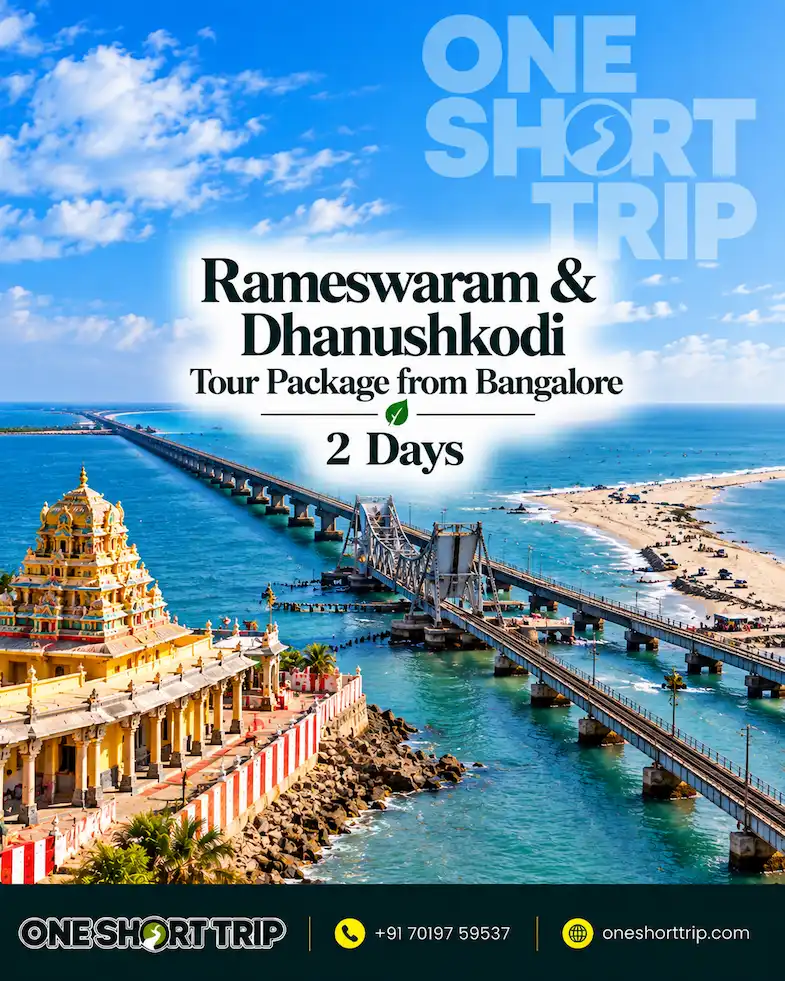
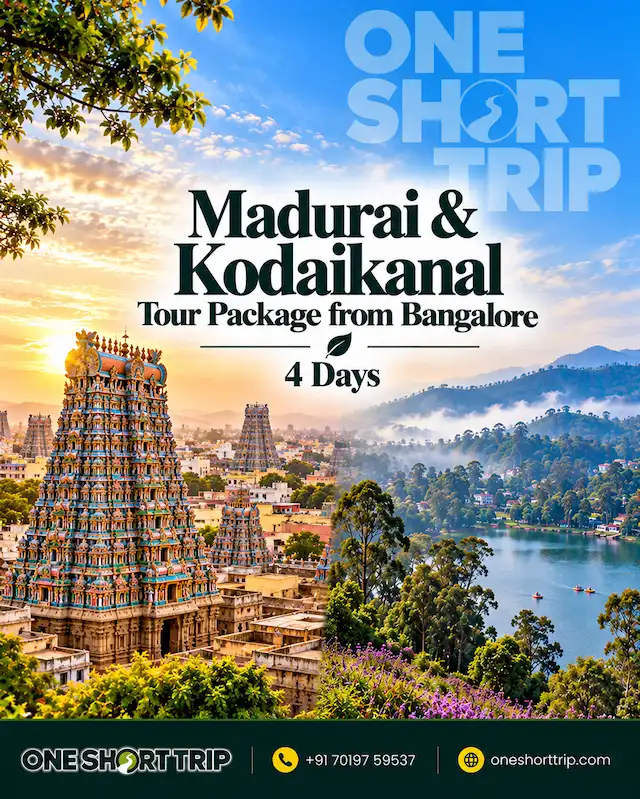
Madurai, Rameswaram & Dhanushkodi Tour Package from Bangalore
Travel overnight from Bangalore to explore Madurai's celebrated temples and heritage, continue across the Pamban crossing to sacred Rameswaram, and experience the coastal landscapes, historic ruins and Arichal Munai at Dhanushkodi on a private 3 Days / 2 Nights tour.
Madurai Temples, Sacred Rameswaram & Dhanushkodi Coast
This 3 Days / 2 Nights Madurai, Rameswaram and Dhanushkodi tour from Bangalore combines some of Tamil Nadu's most important pilgrimage sites with royal heritage, coastal landscapes and historic landmarks. Travel overnight from Bangalore to Madurai and begin with Meenakshi Amman Temple, Thirumalai Nayakkar Mahal, Koodal Azhagar Temple and Thiruparankundram Murugan Temple before continuing towards Rameswaram.
Cross towards Rameswaram via the Pamban route and visit Dr. A.P.J. Abdul Kalam Memorial, Agni Theertham, Sri Ramanathaswamy Temple, the 22 Theerthams, Panchamukhi Hanuman Temple and Villondi Theertham. The journey then continues to Dhanushkodi for Kothandaramaswamy Temple, the abandoned town ruins, Dhanushkodi Beach and Arichal Munai before the return journey to Bangalore.
Madurai Heritage
Explore Meenakshi Amman Temple, Koodal Azhagar, Thiruparankundram and the historic Thirumalai Nayakkar Mahal.
Sacred Rameswaram
Visit Ramanathaswamy Temple, Agni Theertham and the sacred 22 Theerthams at one of India's major pilgrimage destinations.
Pamban & Island Sights
Experience the approach to Rameswaram across the Pamban crossing along with Kalam Memorial and Villondi Theertham.
Dhanushkodi & Arichal Munai
Discover Dhanushkodi's coastal ruins, beach landscapes, Kothandaramaswamy Temple and the remote Arichal Munai end point.
Madurai, Rameswaram & Dhanushkodi Tour Itinerary from Bangalore
PREVIOUS NIGHT Bangalore → Madurai +
-
Evening / Night — Pickup from Bangalore
Begin your private Madurai, Rameswaram and Dhanushkodi tour with pickup from Bangalore and start the overnight road journey towards Madurai. -
Overnight Journey
Travel overnight towards Madurai with suitable rest stops along the route.
Pickup information: Pickup points will be discussed and confirmed 2 days prior to the trip date. Final pickup details will be shared with travellers before departure.
DAY 1 Madurai Sightseeing +
-
Morning — Arrive in Madurai
Reach Madurai after the overnight journey from Bangalore. Freshen up and stop for breakfast before beginning the day's sightseeing. -
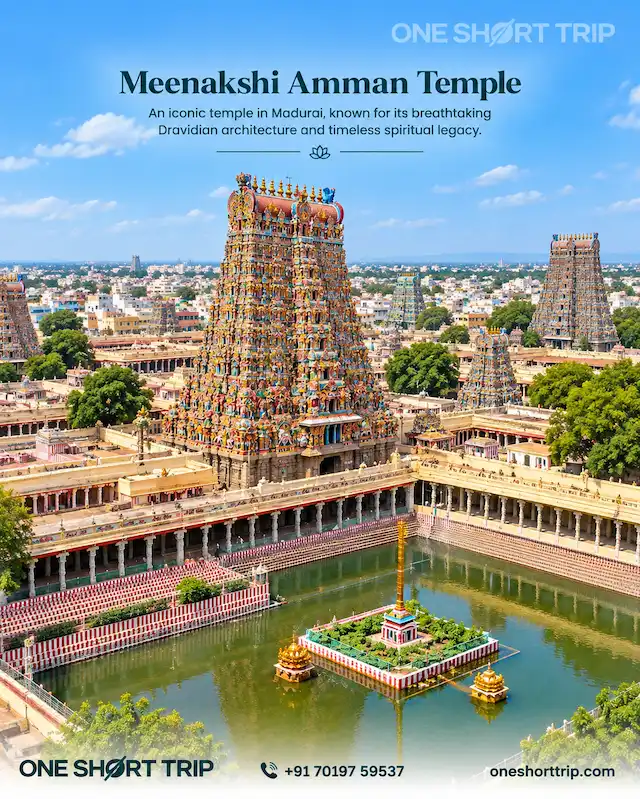
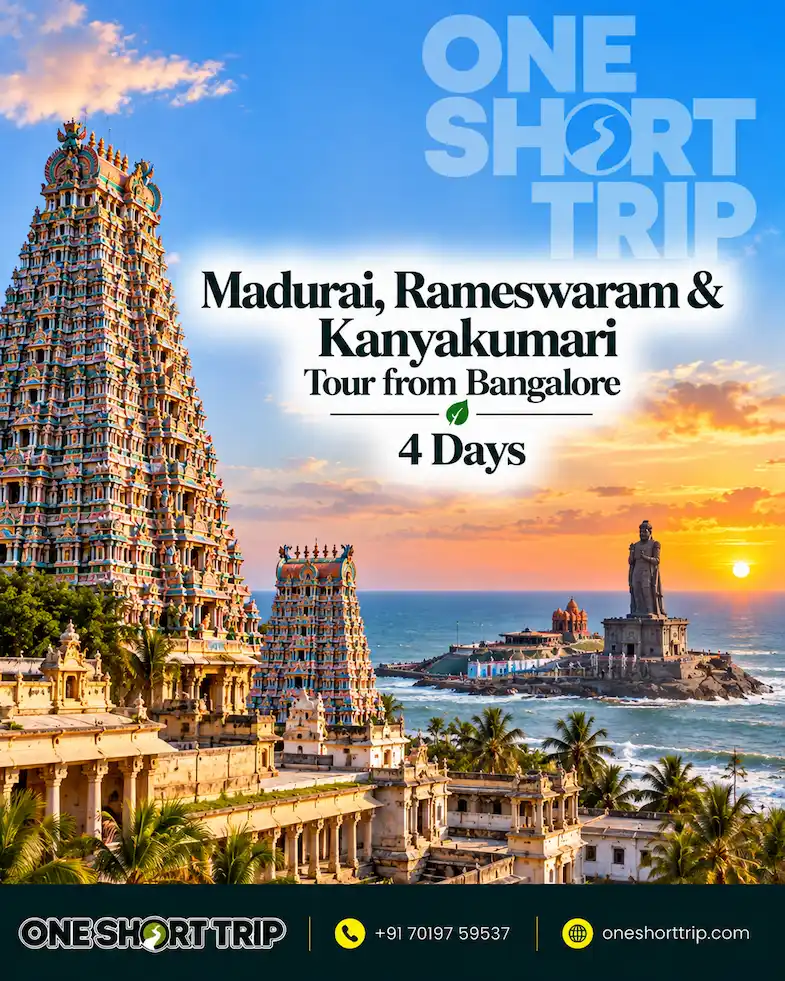
Meenakshi Amman Temple
Begin the Madurai sightseeing circuit at the city's landmark Meenakshi Amman Temple, known for its towering gopurams, sculptural details and long-standing religious importance. -
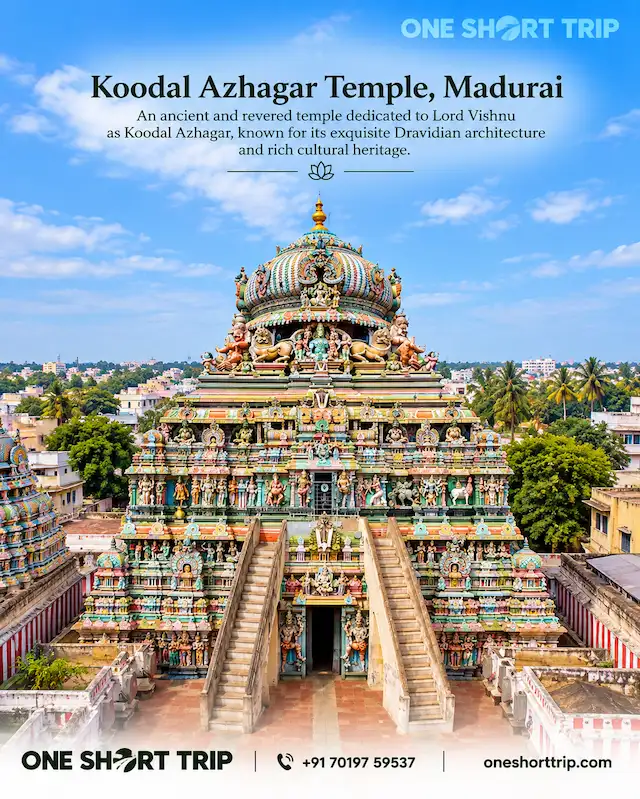
Koodal Azhagar Temple
Visit the historic Vishnu temple in central Madurai and explore one of the city's important Vaishnavite pilgrimage sites. -
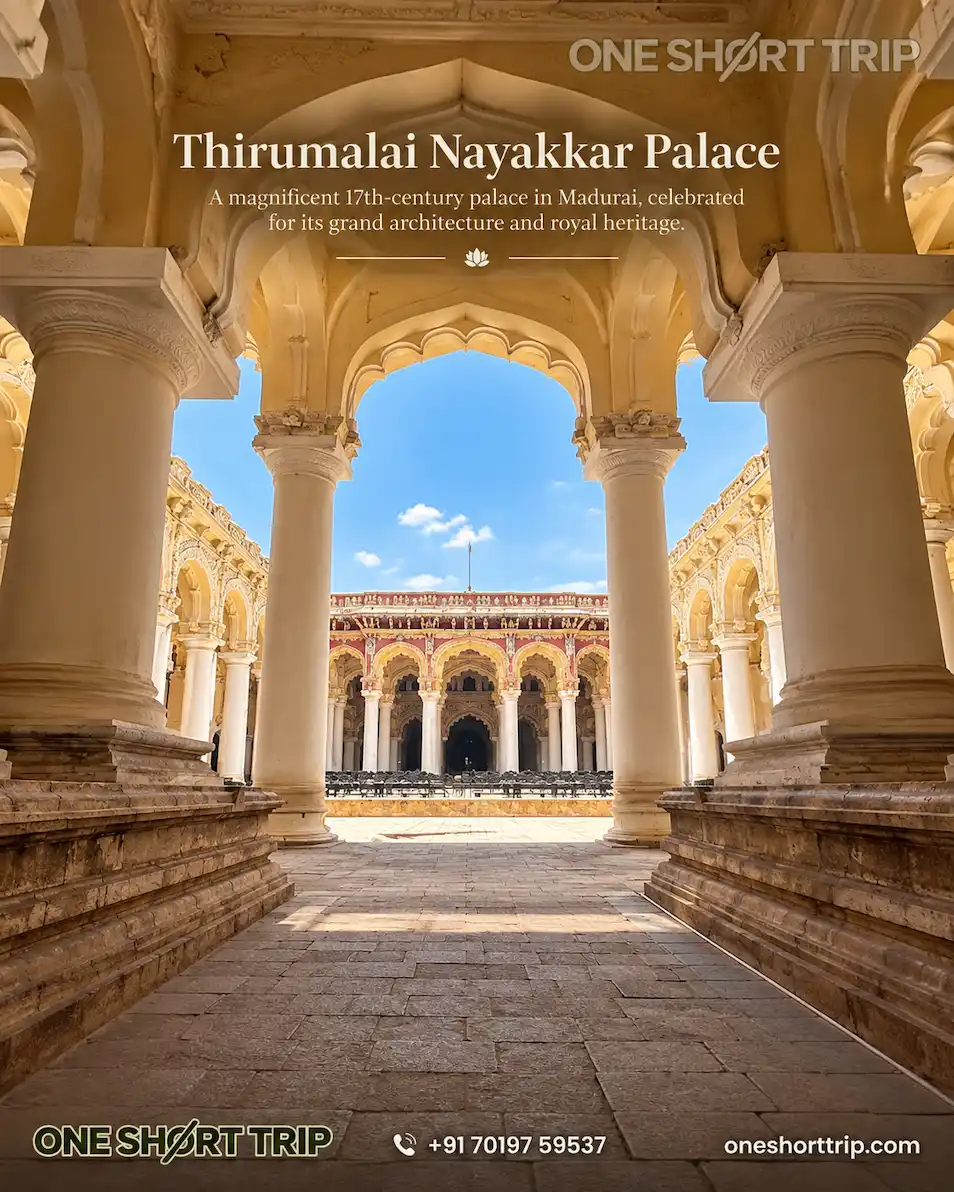
Thirumalai Nayakkar Mahal
Continue to the 17th-century palace associated with King Thirumalai Nayak and see its grand courtyard, massive columns and distinctive architectural character. -
Lunch / Refreshment Break
Stop for lunch at a suitable restaurant before continuing the Madurai sightseeing. -
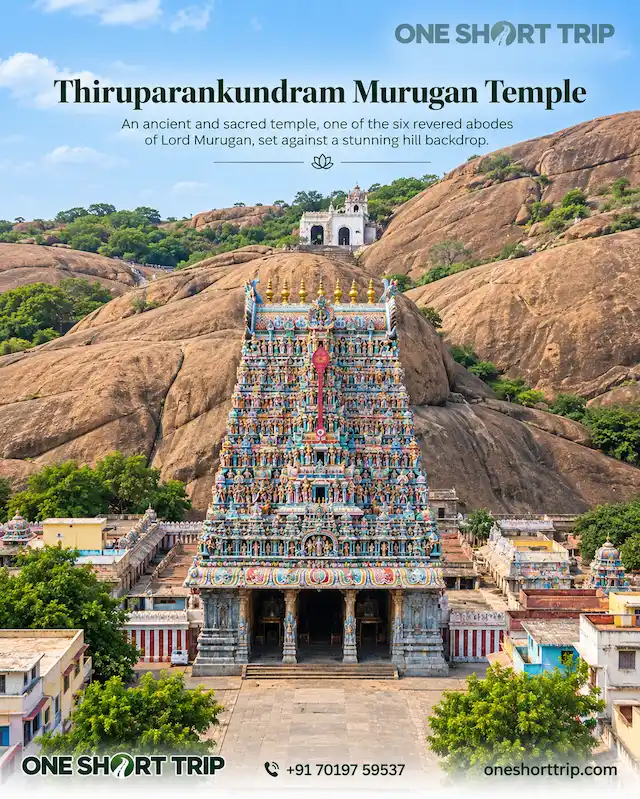
Thiruparankundram Murugan Temple
Visit the important Murugan temple at Thiruparankundram, one of the traditional Arupadai Veedu pilgrimage sites associated with Lord Murugan. -
Evening — Hotel Check-in & Rest
Complete the day's sightseeing and check in to your hotel in Madurai for the overnight stay. -
Overnight Stay — Madurai
Rest in Madurai before travelling towards Rameswaram the following morning.
Please note: The sightseeing order may be adjusted according to temple opening periods, darshan queues, palace operating hours, traffic and local conditions.
DAY 2 Madurai → Rameswaram +
-
Morning — Breakfast & Check-out
After breakfast, check out from the Madurai hotel and begin the drive towards Rameswaram. -
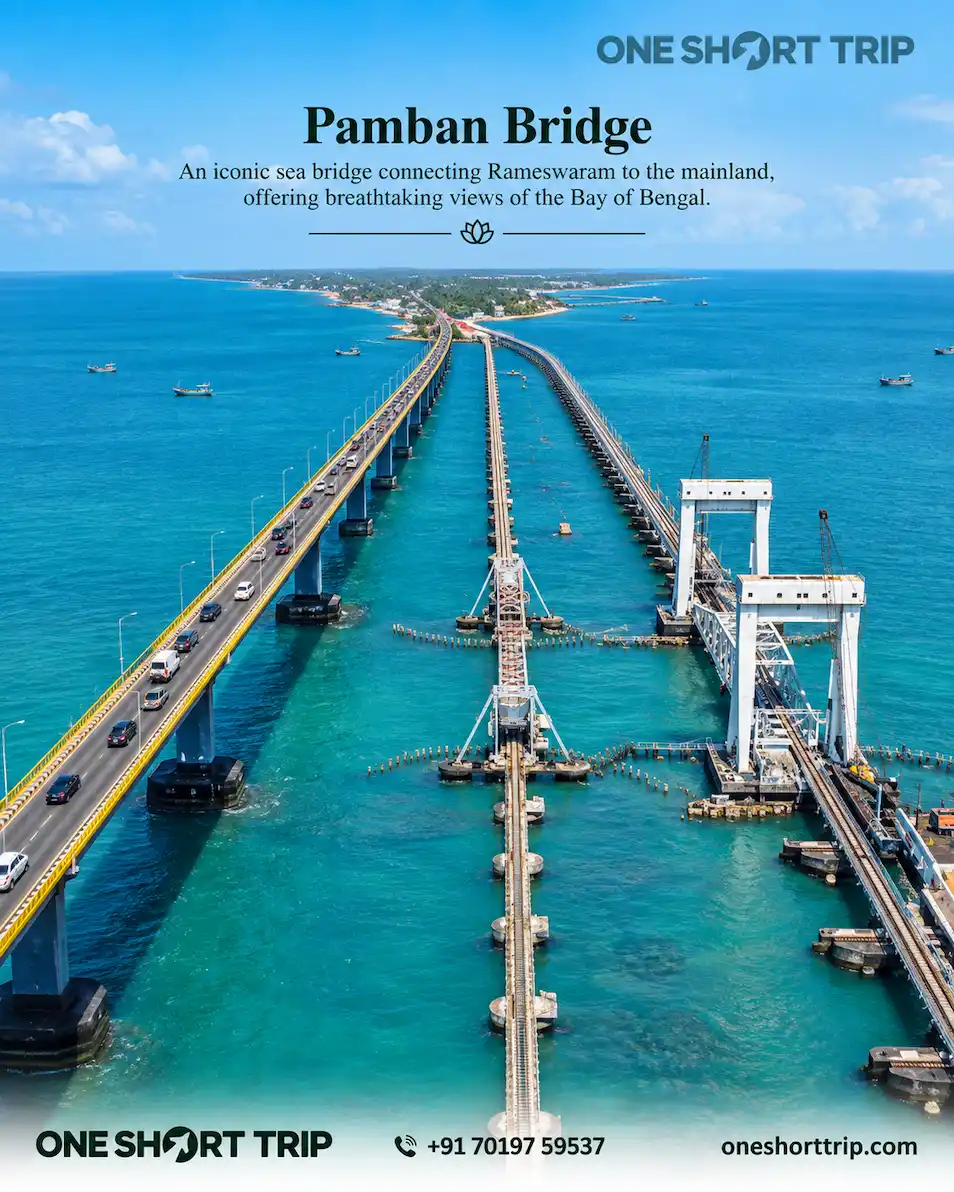
Pamban Bridge / Pamban Sea Bridge
Enjoy the coastal approach to Rameswaram and views around the Pamban crossing connecting the island with mainland Tamil Nadu. -
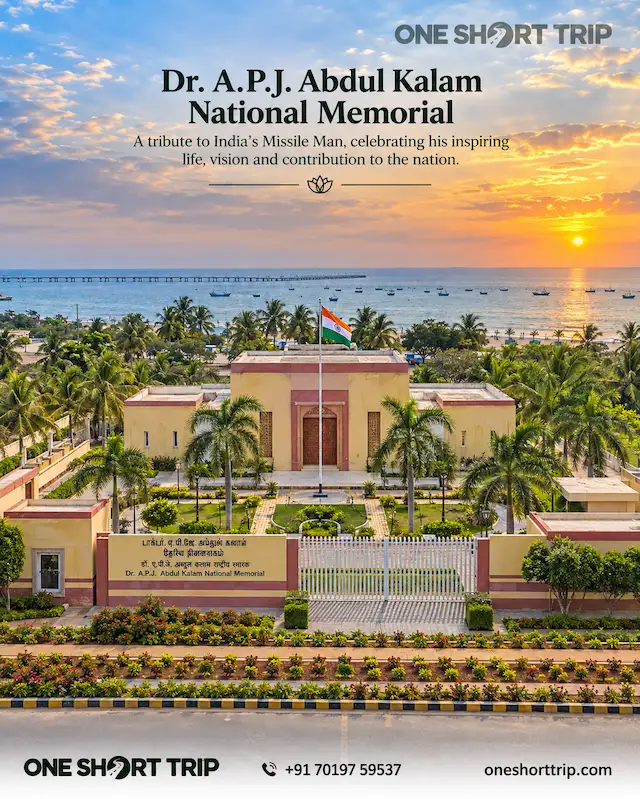
Dr. A.P.J. Abdul Kalam Memorial
Visit the memorial dedicated to former President Dr. A.P.J. Abdul Kalam and learn about his life, achievements and connection with Rameswaram. -
Villondi Theertham
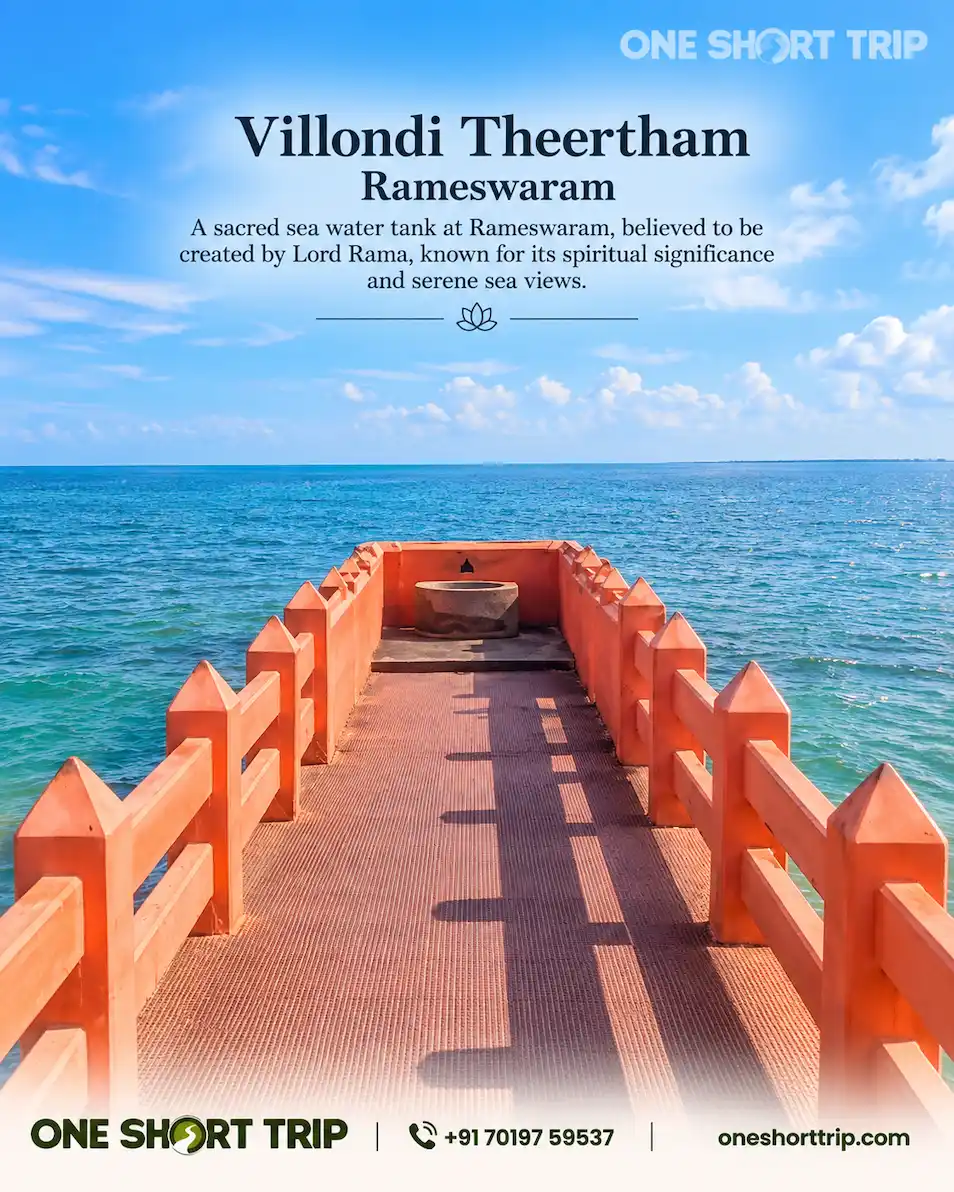
Visit this coastal pilgrimage spot associated with the Ramayana tradition and enjoy the surrounding sea views. -
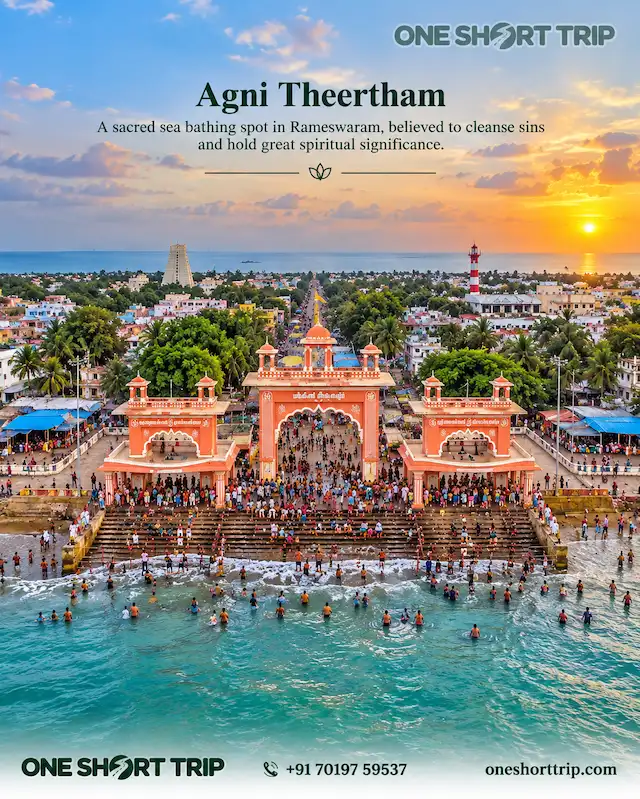
Agni Theertham
Continue to the sacred seafront beside Ramanathaswamy Temple. Pilgrims traditionally visit Agni Theertham before proceeding to the temple. -
22 Theerthams — Ramanathaswamy Temple
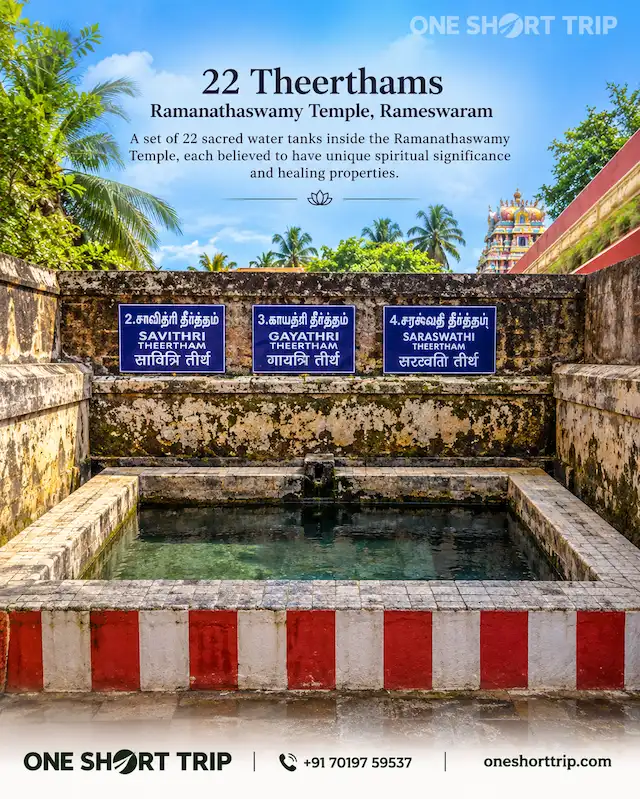
Travellers who wish to participate in the traditional theertham bathing ritual can visit the sacred wells located within the Ramanathaswamy Temple complex, subject to current temple procedures and access. -
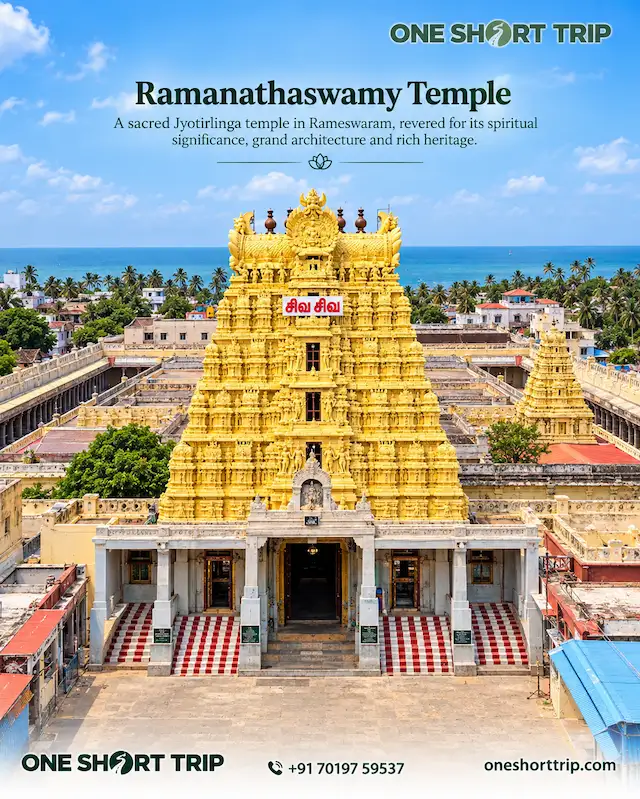
Sri Ramanathaswamy Temple
Visit one of Rameswaram's most important pilgrimage landmarks, renowned for its sacred significance, temple architecture and extensive pillared corridors. -
Panchamukhi Hanuman Temple
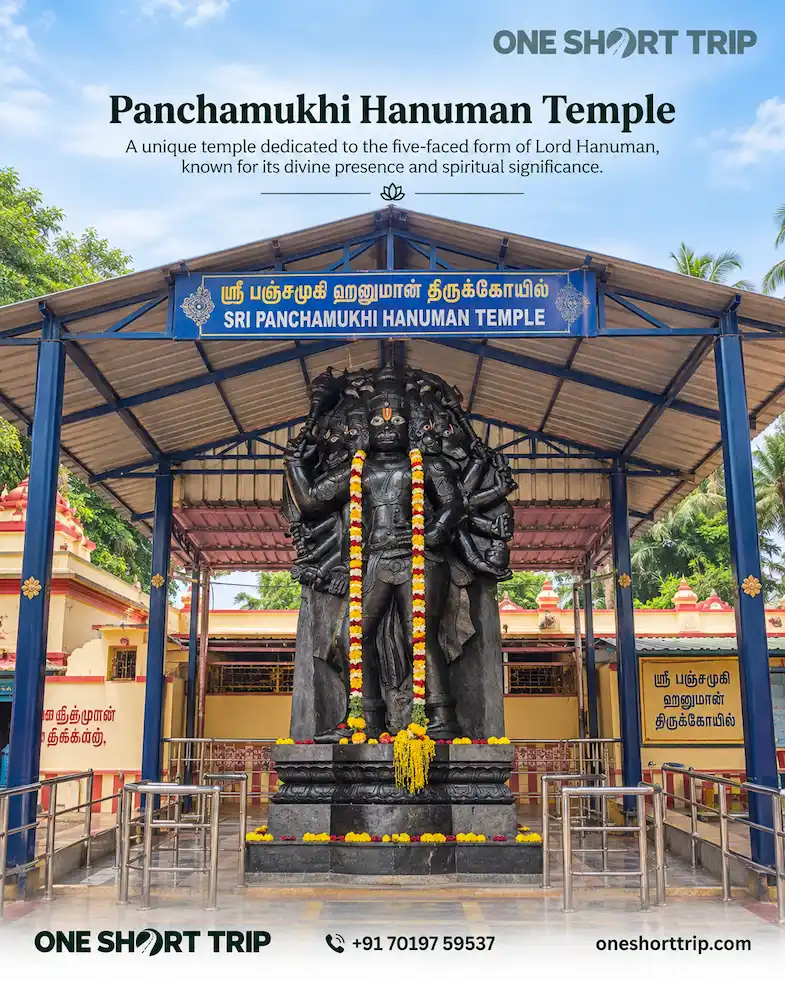
Visit the temple dedicated to the five-faced form of Lord Hanuman, subject to available time and temple opening periods. -
Evening — Hotel Check-in
Complete the day's Rameswaram sightseeing and check in to your hotel. -
Overnight Stay — Rameswaram
Rest in Rameswaram before the early Dhanushkodi sightseeing planned for Day 3.
Please note: Temple timings, the 22 Theerthams procedure, darshan queues and crowd levels can significantly affect the sightseeing sequence. The order may be adjusted on the day to keep the route practical.
DAY 3 Rameswaram → Dhanushkodi → Bangalore +
-
Early Morning — Breakfast & Check-out
Start early, have breakfast and check out from the Rameswaram hotel before proceeding towards Dhanushkodi. -
Kothandaramaswamy Temple
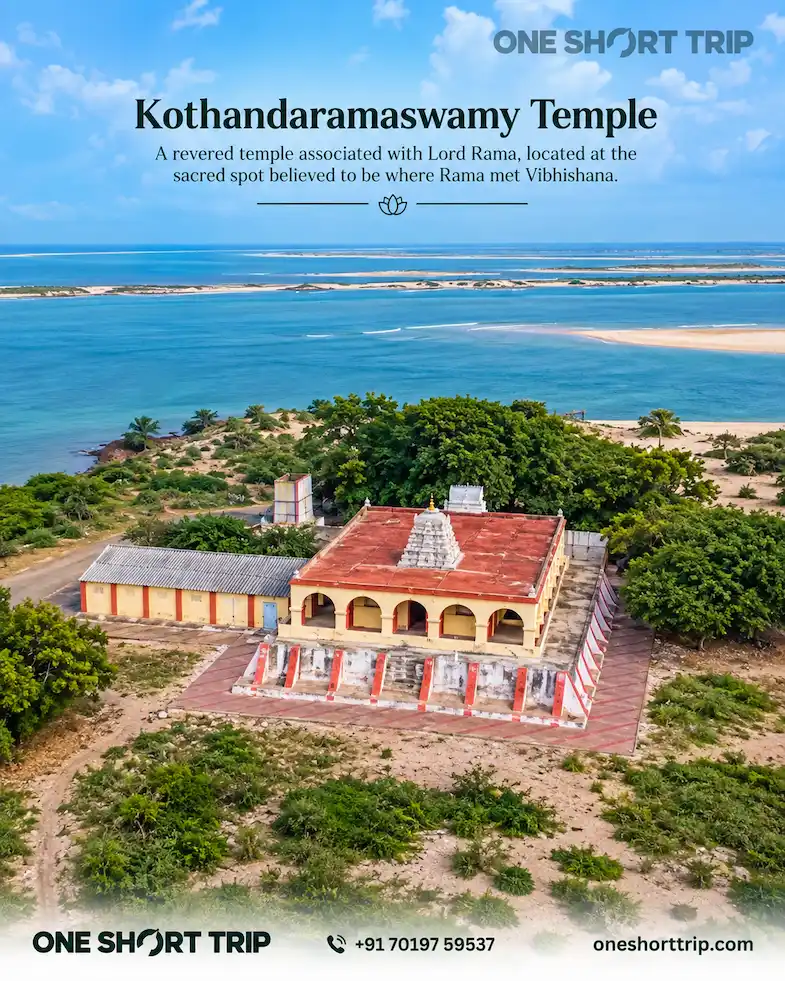
Visit the historic temple located on the route towards Dhanushkodi, surrounded by the coastal landscape of the Rameswaram island region. -
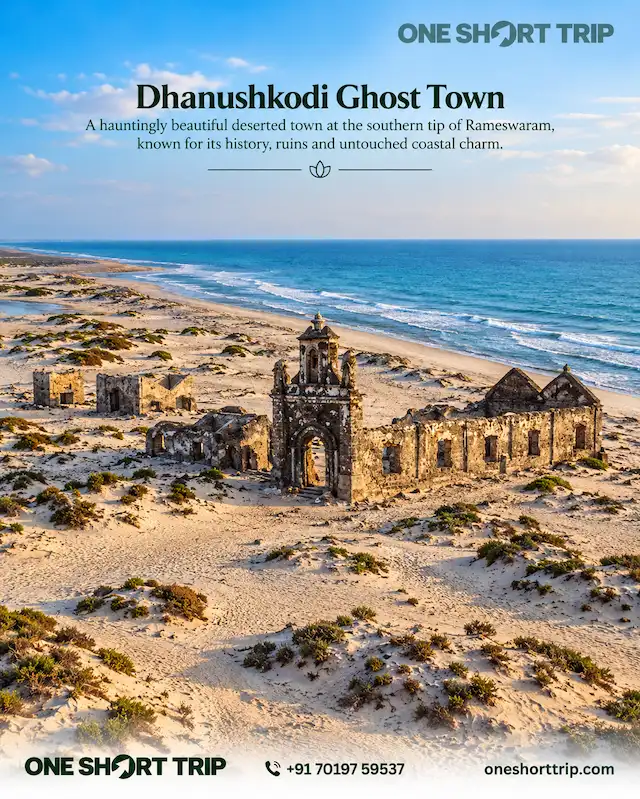
Dhanushkodi Ghost Town / Ruins
Explore the remains of the former coastal settlement devastated by the 1964 cyclone and see the surviving ruins that tell the story of old Dhanushkodi. -
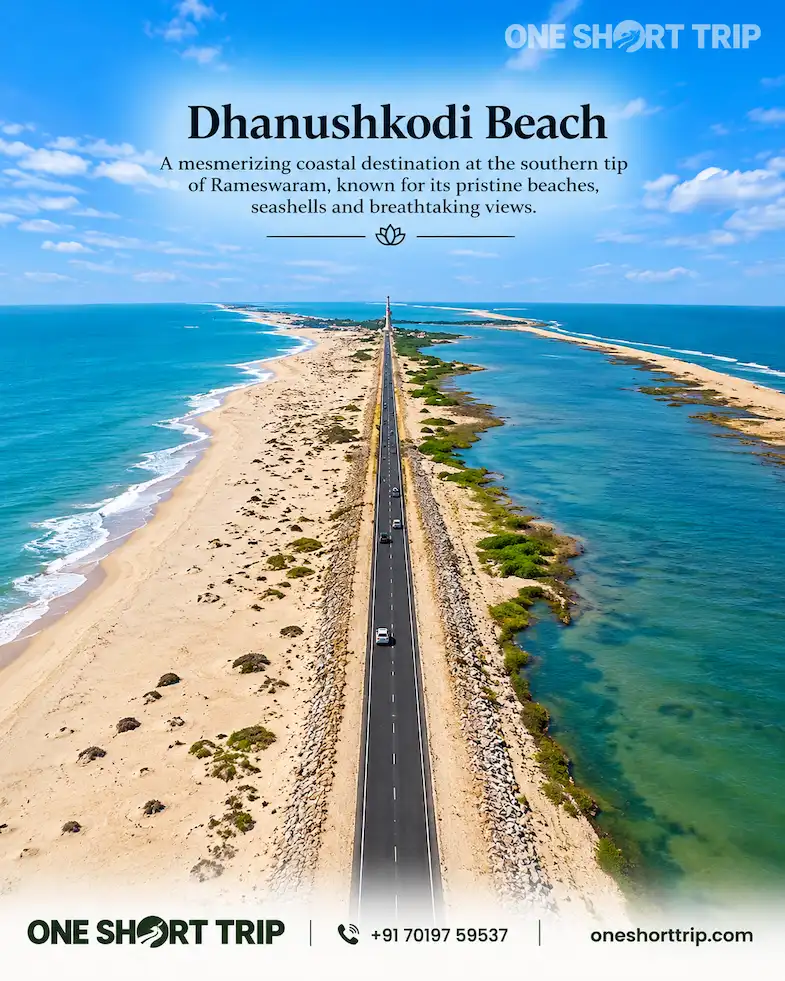
Dhanushkodi Beach
Spend time along the dramatic coastline where long stretches of sand and open sea define the landscape around Dhanushkodi. -
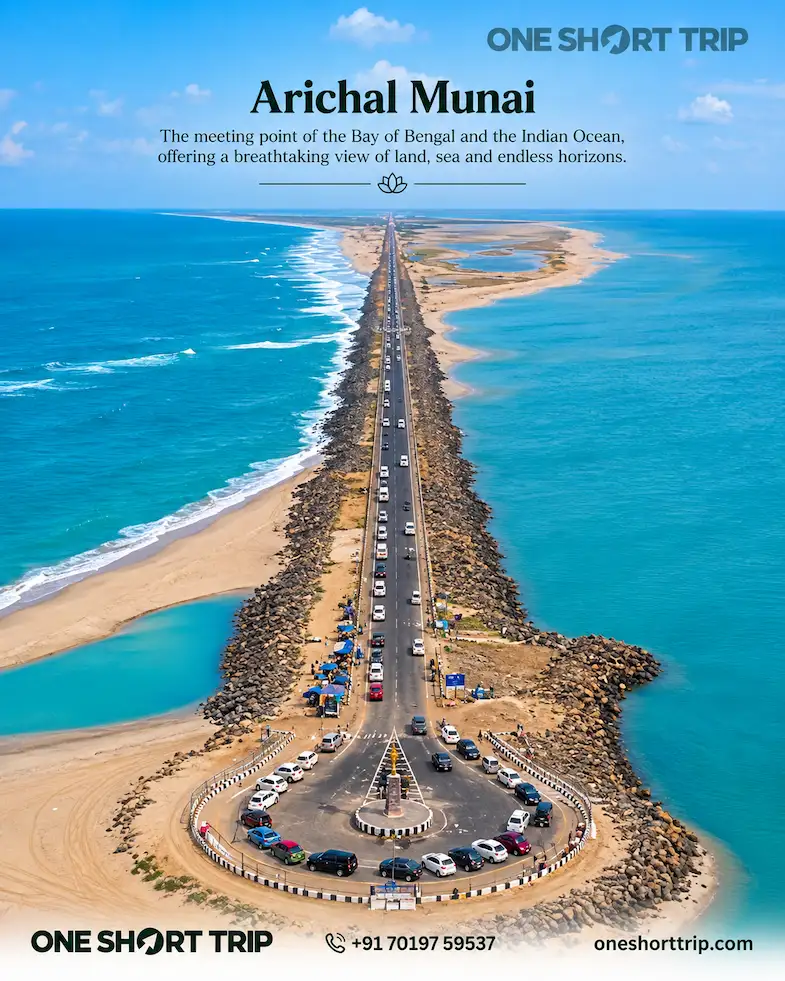
Arichal Munai / Dhanushkodi End Point
Continue to the road's end at Arichal Munai, one of the most distinctive coastal points of the journey, subject to current access, weather and local restrictions. -
Return towards Rameswaram
Drive back from Dhanushkodi after completing the coastal sightseeing circuit. -
Lunch / Refreshment Stop
Stop for lunch or refreshments before beginning the long return journey towards Bangalore. -
Rameswaram → Bangalore
Begin the return road journey to Bangalore with suitable meal and rest stops along the way. -
Bangalore Drop
Complete the tour on arrival in Bangalore. The final arrival time depends on the Dhanushkodi departure time, traffic, road conditions and rest stops during the return journey.
Please note: Access towards Dhanushkodi and Arichal Munai can be affected by weather, coastal conditions, government restrictions and local safety regulations. The sightseeing sequence and return timing may be adjusted when necessary.
Places Covered on the Madurai, Rameswaram & Dhanushkodi Tour
Meenakshi Amman Temple
Visit Madurai's landmark temple, celebrated for its colourful gopurams, intricate sculptures, sacred shrines and centuries-old religious traditions.
Thirumalai Nayakkar Mahal
Explore the historic 17th-century palace known for its vast courtyard, towering columns, arches and distinctive royal architecture.
Koodal Azhagar Temple
Discover an important historic Vishnu temple in the heart of Madurai, known for its religious significance and traditional South Indian temple architecture.
Thiruparankundram Murugan Temple
Visit one of the traditional Arupadai Veedu shrines of Lord Murugan, set against the distinctive rocky landscape of Thiruparankundram.
Pamban Bridge / Sea Bridge
Experience the scenic approach to Rameswaram across the Pamban crossing, surrounded by expansive views of the sea and island coastline.
Dr. A.P.J. Abdul Kalam Memorial
Visit the memorial dedicated to India's former President and learn about Dr. A.P.J. Abdul Kalam's life, achievements and Rameswaram roots.
Agni Theertham
Visit the sacred seafront near Ramanathaswamy Temple where pilgrims traditionally take a ritual bath before proceeding for temple worship.
Sri Ramanathaswamy Temple
Explore Rameswaram's principal pilgrimage landmark, renowned for its sacred importance, impressive architecture and long pillared corridors.
22 Theerthams
Experience the sacred wells within the Ramanathaswamy Temple complex, where pilgrims traditionally undertake a sequence of ritual baths.
Panchamukhi Hanuman Temple
Visit the Rameswaram shrine dedicated to Panchamukhi Hanuman, the five-faced form of Lord Hanuman associated with Hindu devotional tradition.
Villondi Theertham
Stop at this peaceful coastal pilgrimage site associated with local Ramayana tradition and surrounded by the seascapes of Rameswaram Island.
Kothandaramaswamy Temple
Visit the historic temple on the route to Dhanushkodi, standing amid the distinctive coastal landscape of the Rameswaram island region.
Dhanushkodi Ghost Town / Ruins
Explore the remains of the former coastal settlement devastated by the 1964 cyclone and discover the haunting landscape of old Dhanushkodi.
Dhanushkodi Beach
Experience the remote coastal scenery of Dhanushkodi, where broad stretches of sand meet the open waters near India's southeastern edge.
Arichal Munai / Dhanushkodi End Point
Reach the dramatic end of the Dhanushkodi road and experience the remote coastal landscape, subject to weather, access and local safety restrictions.
What to See in Madurai
Madurai forms the first major sightseeing stop on this 3 Days / 2 Nights tour from Bangalore. One of Tamil Nadu's best-known historic and pilgrimage cities, it brings together monumental temple architecture, Vaishnavite and Murugan traditions, and the royal legacy of the Nayak period. This itinerary covers four important Madurai landmarks before continuing towards Rameswaram.
Meenakshi Amman Temple
Meenakshi Amman Temple is the defining landmark of Madurai and one of South India's most important temple complexes. Dedicated to Goddess Meenakshi and Lord Sundareswarar, the temple is recognised for its towering gopurams covered with colourful sculptures, extensive courtyards, pillared spaces and active religious traditions. Allow adequate time for security procedures, walking and darshan, particularly on weekends and festival days.
Thirumalai Nayakkar Mahal
Built during the reign of King Thirumalai Nayak in the 17th century, this palace provides a striking contrast to Madurai's temple architecture. Its surviving sections are known for their immense columns, sweeping arches and spacious central courtyard. The visit adds an important royal and architectural dimension to the Madurai portion of the itinerary.
Koodal Azhagar Temple
Koodal Azhagar Temple is an important Vishnu temple in central Madurai and is traditionally counted among the Divya Desams revered in the Tamil Vaishnavite tradition. Its location makes it a practical addition to the city's sightseeing circuit while giving travellers a different religious and architectural experience from the nearby Meenakshi Amman Temple.
Thiruparankundram Murugan Temple
Located at the foot of a rocky hill on the outskirts of Madurai, Thiruparankundram Murugan Temple is one of the traditional Arupadai Veedu, or six sacred abodes of Lord Murugan. Its rock-cut setting, long religious history and importance to Murugan devotees make it a valuable final stop in the Madurai circuit before the journey continues towards Rameswaram.
Know Before You Go
Bangalore Pickup & Overnight Journey
Private Transportation
Accommodation
Temple Timings & Darshan
Agni Theertham & 22 Theerthams
Meenakshi Temple & Ramanathaswamy Temple Crowds
Thirumalai Nayakkar Mahal & Kalam Memorial
Dhanushkodi & Arichal Munai Access
Pamban Bridge & Coastal Stops
Temple Dress & Visitor Etiquette
Meals & Drinking Water
Entry Fees, Darshan & Other Charges
Weather & What to Carry
Walking & Accessibility
Festival Days & Special Events
Long Return Journey to Bangalore
Itinerary Flexibility
What's Included & Excluded
✅ Inclusions
- Private AC cab for the complete Bangalore–Madurai–Rameswaram–Dhanushkodi tour
- Pickup and drop in Bangalore
- Driver allowance
- Tolls and parking charges
- 2 nights accommodation as per the selected package
- Sightseeing covering the places listed in the confirmed itinerary
❌ Exclusions
- Breakfast, lunch, dinner and other meals unless specifically included in the selected package
- Temple entry fees, special darshan charges, pooja charges and offerings
- Charges related to the 22 Theerthams or other religious rituals unless specifically included
- Entry tickets, camera charges and attraction fees unless specifically included in the confirmed package
- Personal expenses, shopping and other purchases
- Activities or sightseeing not mentioned in the confirmed itinerary
- Any additional charges arising from itinerary changes requested during the trip
Safety & Travel Tips
- This tour includes overnight and long-distance road travel between Bangalore, Madurai and Rameswaram. Allow suitable rest and refreshment breaks during the journey and avoid planning time-sensitive commitments immediately after the expected return to Bangalore.
- Wear comfortable footwear for walking at Meenakshi Amman Temple, Thirumalai Nayakkar Mahal, Ramanathaswamy Temple, Kalam Memorial and the Dhanushkodi sightseeing areas. Temple floors and outdoor surfaces can become hot or slippery depending on the weather.
- Dress modestly when visiting temples and follow the footwear, photography, mobile-phone, security and visitor instructions displayed at each religious site.
- Travellers participating in the Agni Theertham or 22 Theerthams rituals should follow current temple procedures and instructions from authorised personnel. Carry a suitable change of clothes and take extra care on wet or slippery surfaces.
- Madurai and Rameswaram temples can become crowded during weekends, festivals and auspicious dates. Keep children and senior citizens close to the group and take care of phones, wallets and other valuables in busy areas.
- Dhanushkodi and Arichal Munai are exposed coastal areas. Stay within permitted visitor zones, avoid entering rough or unsafe sea conditions and follow instructions issued by police, local authorities or other authorised personnel.
- Access to Dhanushkodi and Arichal Munai may change because of strong winds, rain, sea conditions, road conditions or local safety restrictions. Do not cross barricades or attempt to enter areas that have been temporarily closed.
- At Pamban and other roadside or coastal viewpoints, use only safe and permitted stopping areas. Do not walk onto restricted road, bridge or railway sections for photographs.
- Madurai, Rameswaram and Dhanushkodi can be hot and humid. Carry sufficient drinking water, use sun protection and take suitable breaks, particularly when travelling with children, senior citizens or travellers who may find prolonged heat uncomfortable.
- Carry essential personal medication for the complete journey rather than depending on finding a pharmacy near every sightseeing stop. Keep identification and important travel belongings secure throughout the trip.
- Temple queues, attraction closures, traffic, weather and coastal restrictions can affect the planned schedule. Allow the sightseeing order to remain flexible so that the route can be adjusted safely without rushing between attractions.
Why Book With Us
🗺️ Well-Planned Route
A practical Bangalore–Madurai–Rameswaram–Dhanushkodi route planned around major temples, heritage sites and coastal attractions.
🚗 Private AC Cab
Travel in a private AC vehicle selected according to your group size for the complete journey from Bangalore and back.
🛕 Pilgrimage & Heritage
Experience Madurai's historic temples, sacred Rameswaram and the distinctive coastal landscape and ruins of Dhanushkodi in one trip.
💬 Easy Booking
Enquire directly over WhatsApp or a call to discuss your travel date, group size, vehicle and package requirements.
Frequently Asked Questions
How many days are required for a Madurai, Rameswaram and Dhanushkodi tour from Bangalore?
This itinerary is planned as a 3 Days / 2 Nights tour, with an overnight road journey from Bangalore before Day 1. It provides one sightseeing day in Madurai, one day for Rameswaram and one day covering Dhanushkodi before beginning the return journey to Bangalore.
What is the route for this tour from Bangalore?
The planned route is Bangalore → Madurai → Rameswaram → Dhanushkodi → Bangalore. The journey begins with an evening or night departure from Bangalore, followed by Madurai sightseeing on Day 1, Rameswaram on Day 2 and Dhanushkodi on Day 3.
What places are covered in the Madurai, Rameswaram and Dhanushkodi tour?
The itinerary covers 15 core places: Meenakshi Amman Temple, Thirumalai Nayakkar Mahal, Koodal Azhagar Temple, Thiruparankundram Murugan Temple, Pamban Bridge, Dr. A.P.J. Abdul Kalam Memorial, Agni Theertham, Sri Ramanathaswamy Temple, the 22 Theerthams, Panchamukhi Hanuman Temple, Villondi Theertham, Kothandaramaswamy Temple, Dhanushkodi Ghost Town, Dhanushkodi Beach and Arichal Munai.
Which places are covered in Madurai?
The Madurai sightseeing circuit includes Meenakshi Amman Temple, Koodal Azhagar Temple, Thirumalai Nayakkar Mahal and Thiruparankundram Murugan Temple. Together, these stops combine Madurai's temple traditions with the architectural heritage of the Nayak period.
What is special about Meenakshi Amman Temple?
Meenakshi Amman Temple is Madurai's best-known religious landmark and is dedicated to Goddess Meenakshi and Lord Sundareswarar. The extensive temple complex is recognised for its monumental gopurams, sculptural work, pillared spaces and continuing religious traditions.
Why is Thirumalai Nayakkar Mahal included in the itinerary?
Thirumalai Nayakkar Mahal adds a major heritage attraction to the Madurai portion of the trip. The 17th-century palace is known for its large courtyard, massive columns and arches, providing a different experience from the temple-focused sightseeing elsewhere in the itinerary.
What is special about Koodal Azhagar Temple?
Koodal Azhagar Temple is an important historic Vishnu temple in central Madurai and is traditionally revered as one of the Divya Desams in the Tamil Vaishnavite tradition. Its central location makes it a practical addition to the Madurai temple circuit.
Why visit Thiruparankundram Murugan Temple?
Thiruparankundram Murugan Temple is traditionally regarded as one of the six sacred abodes, or Arupadai Veedu, associated with Lord Murugan. Its setting beside the rocky hill and its religious importance make it one of the key pilgrimage stops around Madurai.
Which places are covered in Rameswaram?
The Rameswaram portion includes the Pamban crossing, Dr. A.P.J. Abdul Kalam Memorial, Villondi Theertham, Agni Theertham, Sri Ramanathaswamy Temple, the 22 Theerthams and Panchamukhi Hanuman Temple. The exact sightseeing sequence may change according to temple timings, queues and local conditions.
What is special about Sri Ramanathaswamy Temple?
Sri Ramanathaswamy Temple is the principal pilgrimage landmark of Rameswaram and is dedicated to Lord Shiva. The large temple complex is particularly known for its sacred traditions, architectural scale and extensive pillared corridors.
What are the 22 Theerthams at Ramanathaswamy Temple?
The 22 Theerthams are sacred wells located within the Ramanathaswamy Temple complex. Pilgrims traditionally bathe with water from these wells as part of a religious ritual. Participation is optional and should follow the temple's current procedures, access rules and instructions.
Is bathing in the 22 Theerthams compulsory?
No. Participating in the 22 Theerthams ritual is a personal religious choice and is not compulsory for travellers on the tour. Those who wish to participate should carry a suitable change of clothes and follow the procedures in place at the temple on the travel date.
What is Agni Theertham?
Agni Theertham is the sacred seafront located near Ramanathaswamy Temple. Pilgrims traditionally visit the seafront and may take a ritual bath before proceeding to the temple. Travellers who do not wish to participate can still visit the area as part of the Rameswaram sightseeing circuit.
Can we visit Ramanathaswamy Temple without taking a ritual bath?
Yes. Travellers do not have to participate in the Agni Theertham or 22 Theerthams bathing rituals simply to include Ramanathaswamy Temple in the itinerary. Religious rituals are optional and can be planned according to each traveller's preferences and the temple procedures applicable on the day.
Why is Dr. A.P.J. Abdul Kalam Memorial included?
Dr. A.P.J. Abdul Kalam was born in Rameswaram, and the memorial presents aspects of his life, achievements and public service. It adds an educational and historical stop to an itinerary otherwise strongly focused on pilgrimage and coastal sightseeing.
What is Villondi Theertham?
Villondi Theertham is a coastal pilgrimage site in the Rameswaram area associated with local Ramayana tradition. Its seaside setting makes it a useful stop while exploring attractions beyond the main Ramanathaswamy Temple area.
What can we see at Panchamukhi Hanuman Temple?
Panchamukhi Hanuman Temple is dedicated to the five-faced form of Lord Hanuman and is one of the commonly visited pilgrimage stops in Rameswaram. The visit is planned according to available sightseeing time and the temple's operating schedule.
Do we stop at Pamban Bridge?
The Pamban crossing forms part of the journey into Rameswaram and offers memorable sea views. Any stopping or photography opportunity depends on current traffic regulations, permitted stopping areas and local restrictions. The itinerary does not rely on stopping in unsafe or restricted sections.
What places are covered in Dhanushkodi?
The Dhanushkodi circuit covers Kothandaramaswamy Temple, the historic Dhanushkodi Ghost Town ruins, Dhanushkodi Beach and Arichal Munai at the end of the accessible road. Access remains subject to weather, coastal conditions and local authority restrictions.
What happened to Dhanushkodi Ghost Town?
Dhanushkodi was severely devastated by the powerful cyclone of 1964. Remains of structures from the former settlement can still be seen today, and these ruins have become one of the defining historical features of a visit to Dhanushkodi.
What is Arichal Munai?
Arichal Munai is the coastal end point reached by road beyond Dhanushkodi and is known for its remote seascape and exposed coastal setting. Access can be restricted because of weather, sea conditions or instructions from local authorities, so reaching the end point cannot be guaranteed on every travel date.
Is Dhanushkodi open throughout the year?
Dhanushkodi is visited throughout much of the year, but access to individual areas can change because of heavy rain, strong winds, rough sea conditions, road conditions, government instructions or other safety restrictions. Current local access conditions should be checked close to the travel date.
Is Dhanushkodi safe for swimming?
Travellers should not assume that the sea around Dhanushkodi is safe for swimming. Coastal currents and sea conditions can change, and visitors should remain within permitted areas and follow local warnings, barriers and instructions from authorised personnel.
Where do we stay during the 3 Days / 2 Nights tour?
The planned itinerary has one overnight stay in Madurai after Day 1 and one overnight stay in Rameswaram after Day 2. The exact hotels, room category and occupancy arrangement depend on the package selected and will be confirmed before booking.
Are hotel stays included in the package?
Two nights of accommodation can be included according to the package selected. The exact hotel category, room arrangement and inclusions will be mentioned in the confirmed quotation, so travellers should refer to the final package details before booking.
Are breakfast, lunch and dinner included?
Meals are included only when specifically mentioned in the selected package and confirmed quotation. Suitable meal and refreshment stops are planned around the road journey, temple timings and sightseeing schedule when meals are not included.
Are temple entry fees, darshan and pooja charges included?
Special darshan charges, pooja expenses, offerings, theertham-related charges, entry tickets and other attraction-specific fees are included only when clearly mentioned in the confirmed package. Personal religious offerings and optional services are normally paid directly by travellers unless otherwise specified.
What type of vehicle is provided for the tour?
A suitable private AC vehicle is selected according to the number of travellers, luggage requirements, comfort preferences and vehicle availability. The recommended vehicle category and final transportation details will be shared while preparing the quotation.
Where are the pickup points in Bangalore?
Pickup points are not fixed on the itinerary page. Pickup points will be discussed and confirmed 2 days prior to the trip date, and final pickup details will be shared with travellers before departure.
How much walking is involved in this tour?
Expect regular walking at the major temple complexes, Thirumalai Nayakkar Mahal, Dr. A.P.J. Abdul Kalam Memorial and the Dhanushkodi sightseeing areas. The tour does not involve a major trek, but comfortable footwear is recommended because some visits involve large complexes, steps or uneven outdoor surfaces.
Is this tour suitable for senior citizens?
The trip can be suitable for senior travellers, but it includes overnight road travel, long driving distances and walking at several large temples and attractions. Travellers with mobility limitations should mention their requirements while enquiring so the sightseeing pace and practical requirements can be discussed in advance.
Is this Madurai and Rameswaram tour suitable for families with children?
Yes, families can take this itinerary, but parents should consider the overnight journeys, long road distances, temple queues, warm weather and walking involved. Children should be supervised carefully at crowded temples, coastal areas and Dhanushkodi.
What should we wear when visiting the temples?
Modest clothing suitable for religious sites is recommended. Individual temples may have their own rules concerning clothing, footwear, photography, mobile phones and access to particular areas, so travellers should follow the instructions displayed at each temple.
What should I carry for the Madurai, Rameswaram and Dhanushkodi trip?
Carry comfortable walking footwear, light breathable clothing, drinking water, sunscreen, sunglasses or a hat, personal medication, identification and essential travel belongings. If you plan to participate in Agni Theertham or the 22 Theerthams ritual, carry a suitable change of clothes and a separate bag for wet clothing.
What is the best time to visit Madurai, Rameswaram and Dhanushkodi?
The cooler months are generally more comfortable for a road trip combining temple visits and outdoor coastal sightseeing. The destinations can be visited at other times as well, but hotter months may make daytime sightseeing tiring, while periods of heavy rain or difficult coastal weather can affect Dhanushkodi access.
Can we visit during temple festivals and holidays?
Yes, but major festivals, auspicious dates and public holidays can bring substantially larger crowds, longer darshan queues, traffic diversions and changes to normal visitor access. The sightseeing sequence may need to be adjusted on particularly busy travel dates.
How much does the Madurai, Rameswaram and Dhanushkodi tour from Bangalore cost?
The package price depends on the number of travellers, vehicle category, hotel selection, room occupancy, travel date and any additional services requested. Share your preferred travel date and group size to receive a quotation based on your requirements.
Can the Madurai, Rameswaram and Dhanushkodi itinerary be customised?
Reasonable changes can be discussed based on your interests, available time, temple schedules and route practicality. Adding or removing attractions, changing hotel requirements or extending the trip may affect the travel schedule and final package cost.
Can we spend more time at Ramanathaswamy Temple?
Yes, the itinerary can be adjusted for travellers who want additional time for darshan or religious rituals at Ramanathaswamy Temple. However, longer temple visits may require reducing time at other Rameswaram attractions or changing the day's sightseeing sequence.
What happens if a temple or attraction is closed?
Temple schedules, weekly closures, special poojas, maintenance, government instructions, weather and local restrictions can occasionally affect access. When necessary, the sightseeing order may be changed or the available attractions covered according to the conditions on the travel date.
What happens if Dhanushkodi or Arichal Munai access is restricted?
Safety and local authority instructions take priority. If weather, sea conditions, road conditions or government restrictions prevent access to Dhanushkodi or Arichal Munai, the itinerary will be adjusted according to the areas that are safely and legally accessible on the day.
When will we return to Bangalore?
The return journey begins after completing the planned Dhanushkodi sightseeing on Day 3. Because this is a long road journey, the final Bangalore arrival time depends on the departure time from the Rameswaram area, traffic, road conditions, meal breaks and rest stops. A fixed arrival time should therefore not be assumed.