

K Gudi Wilderness Camp – A Wildlife Escape in the BR Hills
K Gudi Wilderness Camp is a forest retreat in Kyathadevarayana Gudi, commonly known as K Gudi, in the Biligiri Rangaswamy Temple Tiger Reserve of Karnataka. Set amidst the forested BR Hills, the camp offers a very different kind of getaway from a conventional resort stay. Here, the main attraction is not entertainment within the property but the wilderness outside it – early-morning forest drives, wildlife sightings, birdwatching, nature walks and the quiet atmosphere of the hills.
K Gudi is particularly appealing to travellers who want to experience the BRT Tiger Reserve while staying close to the forest. The surrounding landscape forms part of an important ecological link between the Eastern and Western Ghats, creating a diverse habitat for mammals, birds, reptiles and other forest species. Karnataka Tourism describes BRT as one of the state's important wildlife landscapes, with more than 250 species of birds recorded in the region.

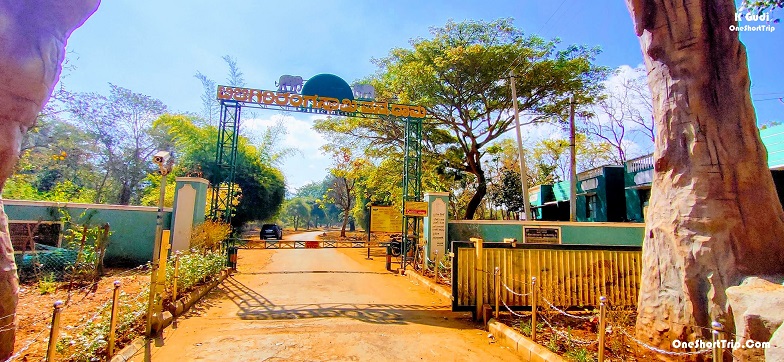

K Gudi and the BRT Tiger Reserve
The setting is one of the biggest reasons to visit K Gudi. The Biligiri Rangaswamy Temple Tiger Reserve, generally called BRT Tiger Reserve or BRT, occupies the BR Hills of southern Karnataka. Its forests include dry deciduous, moist deciduous and other vegetation types, while the elevation and varied terrain create habitats for a wide range of species.
The reserve is also significant because it connects the Eastern and Western Ghats. This geographical position contributes to its ecological diversity and makes the region particularly interesting for wildlife enthusiasts and birdwatchers. The protected landscape supports species such as elephants, gaur, sloth bears, wild dogs, deer and Malabar giant squirrels, while tiger sightings are possible but never guaranteed on a safari.

A Stay Surrounded by the Forest
K Gudi Wilderness Camp is designed around the idea of experiencing nature rather than separating guests from it. The camp's accommodation traditionally includes tented cottages and elevated log cabins, with rooms designed to provide basic comfort while retaining a close connection with the surrounding forest.
The setting allows guests to slow down and experience the quieter side of BR Hills. Instead of a busy resort atmosphere, the experience revolves around forest sounds, changing light over the hills, birdsong and the anticipation of a wildlife encounter. The camp's accommodation information also highlights views towards the surrounding hills and valleys.


Wildlife Safari in BRT Tiger Reserve
The wildlife safari is the central experience for most visitors staying at K Gudi. Jeep safaris take guests into the BRT forest with trained naturalists who help interpret the landscape and identify animals, birds and signs of wildlife along the route. Karnataka Tourism currently lists safari sessions in the morning and afternoon, with timings subject to forest and operational conditions.
A safari in BRT is best approached as a genuine wildlife experience rather than a guaranteed animal-spotting excursion. You may encounter elephants, gaur, deer, wild dogs, sloth bears or smaller forest species, while sightings of more elusive animals depend on season, weather, habitat conditions and simple luck. The journey itself – through the forested BR Hills – is an important part of the experience.

Birdwatching in the BR Hills
K Gudi is also a rewarding destination for birdwatchers. The wider BRT landscape supports more than 250 recorded bird species, making the forest particularly interesting for travellers who enjoy observing birds rather than simply searching for large mammals. Early mornings are especially valuable because the forest becomes active soon after sunrise.
A patient approach can reveal much more than a quick wildlife drive. Forest calls, movement in the canopy and birds feeding along clearings can all become part of the experience. Visitors interested in bird photography should carry suitable equipment while remembering that wildlife should always be observed without disturbance.
Nature Walks and Time in the Wilderness
Beyond the jeep safari, K Gudi offers an opportunity to appreciate the smaller details of the forest. Guided nature activities can introduce visitors to local plants, bird calls, animal signs and the ecology of the BR Hills. The camp's programme has traditionally included nature walks and other experiences designed around the surrounding landscape.
The forest changes character throughout the day. Mornings can be cool and active, afternoons bring a warmer and quieter atmosphere, and evenings allow guests to return to the camp after the day's wildlife experiences. This slower rhythm is one of the strongest reasons K Gudi appeals to travellers looking for a genuine nature escape.
Planning a Visit to K Gudi Wilderness Camp
A stay at K Gudi Wilderness Camp is best planned as an overnight wildlife getaway rather than a quick sightseeing stop. The camp is located within the K Gudi area of the BRT Tiger Reserve, where the experience revolves around forest safaris, nature activities, birdwatching and time spent away from the noise of the city.
The standard camp programme is designed around an afternoon arrival, an evening safari, dinner and an overnight stay, followed by an early-morning forest experience and breakfast the next day. This makes one night and two days a comfortable choice for first-time visitors.


K Gudi Wilderness Camp Timings and Stay Duration
There is no need to treat K Gudi like a conventional tourist attraction with a short sightseeing window. It is a forest camp where guests check in, stay overnight and participate in scheduled wildlife activities. The published camp programme has traditionally followed an afternoon check-in, an evening safari, dinner and an early-morning safari the following day.
Jungle Lodges currently describes K Gudi as a year-round camp, although the character of the forest changes with the seasons. Wildlife sightings are never guaranteed, so staying overnight gives visitors the advantage of experiencing both an afternoon/evening and an early-morning period in the reserve.

Accommodation at K Gudi
Accommodation at K Gudi is deliberately designed to remain close to the surrounding wilderness. The camp's official accommodation information describes eight twin-bedded tented cottages with attached bathrooms, three log cabins built on stilts and two spacious rooms in the Maharaja's Hunting Lodge for larger groups.
The accommodation is comfortable but intentionally non-ostentatious. Guests should choose K Gudi for its forest setting and wildlife experience rather than expecting the facilities and entertainment of a conventional luxury resort. The limited-power environment is also part of the property's wilderness character, so visitors should be prepared for a more unplugged stay.


How to Reach K Gudi Wilderness Camp
K Gudi Wilderness Camp is located at Kyathadevarayana Gudi in Chamarajanagar district, within the BRT wildlife landscape. The camp's published route information places it approximately 225 km from Bengaluru via Mysuru and around 86 km from Mysuru. The journey is primarily a road-trip experience, with the final approach taking visitors into the forested BR Hills.
From Bengaluru: The usual road route is through Mysuru and onward towards Chamarajanagar and BR Hills.
From Mysuru: K Gudi is a practical wildlife getaway from Mysuru, making it possible to combine a city stay with an overnight forest experience.
By public transport: Visitors relying on buses or other public transport should plan the final connection carefully because the camp is inside a forested area rather than in a major town. For a scheduled camp stay, arranging transport up to the property is generally the more convenient option.
Best Time to Visit K Gudi
K Gudi can be visited throughout the year, and Jungle Lodges currently lists the camp as open across seasons. The best time depends on what you want from the trip. The cooler months are generally more comfortable for travelling and spending time outdoors, while the monsoon transforms the BR Hills into a greener landscape.
Wildlife sightings vary naturally with weather, vegetation and animal movement. There is no single month that guarantees a tiger, leopard or other major sighting. Visitors should therefore choose their dates for the overall forest experience rather than planning the trip around one particular animal.
Safari and Nature Activities
The BRT forest safari is one of the principal activities associated with a K Gudi stay. Karnataka Tourism currently lists two daily safari windows, approximately 6:00–8:00 AM and 4:00–6:30 PM. Actual departure times and availability can change according to forest-department rules, weather and camp operations, so guests should confirm the schedule when booking.
Other camp experiences can include guided nature walks, birdwatching and visits to selected forest attractions. The historic camp programme has also included a ride to Dodda Sampige Mara and an evening wildlife film. Activities may change, so the current programme should be checked before travel.
Entry Fee, Package Cost and Booking
K Gudi is primarily operated as a stay-and-experience destination rather than a standalone sightseeing attraction. Current Jungle Lodges packages are sold on a per-person basis and may include accommodation, meals, a BRT jeep safari and guided nature activities, depending on the selected package.
Package prices are dynamic and can change without notice. Because safari availability is tied to the camp and forest operations, advance booking is recommended, particularly for weekends, holidays and popular wildlife seasons.
Is K Gudi Suitable for Families and Senior Citizens?
K Gudi can work very well for families who enjoy nature and wildlife. Children can experience a forest environment, observe birds and animals and learn about the ecosystem through guided activities. However, parents should remember that safari vehicles, forest roads and outdoor activities are different from a conventional resort holiday.
Senior citizens who are comfortable with early mornings and moderate outdoor activity can also enjoy the camp. Those with mobility concerns should confirm the accommodation location, walking requirements and safari arrangements before booking.
What to Carry to K Gudi Wilderness Camp
- Comfortable, muted-colour clothing suitable for forest activities
- Light jacket or warm layer for early mornings
- Comfortable walking shoes
- Hat, sunglasses and sunscreen
- Insect repellent
- Binoculars for birdwatching
- Camera with an appropriate lens if photography is important to you
- Personal medicines and essential toiletries
- Power bank and any necessary electronic essentials
Important Things to Know Before Visiting
K Gudi is a wilderness destination, so visitors should respect the forest and follow instructions from naturalists and staff. Do not attempt to approach, feed or call wildlife, and avoid loud music or unnecessary noise. During safari drives, staying inside the vehicle and following the guide's instructions is essential.
The camp has limited electricity rather than conventional 24-hour power. Jungle Lodges states that generator power is available for limited periods and that solar power is also used. Guests should therefore arrive prepared for a simpler, low-connectivity experience.
K Gudi Wilderness Camp and Nearby Places
A K Gudi trip can be combined with other attractions in and around the BR Hills region. The Biligiri Ranganatha Swamy Temple is an important religious landmark in the hills, while the wider reserve provides opportunities to explore the area's landscape and biodiversity. Depending on the route and available time, travellers can also combine K Gudi with destinations around Chamarajanagar and Mysuru.
Why K Gudi Wilderness Camp Is Worth Visiting
K Gudi is best suited to travellers who want to exchange city noise for forest sounds and a conventional hotel stay for a genuine wildlife experience. The combination of an overnight stay, BRT forest safari, birdwatching, guided nature activities and the distinctive BR Hills landscape makes it one of Karnataka's appealing short wildlife getaways.
For travellers from Bengaluru or Mysuru, the biggest advantage is that the wilderness experience does not require a long multi-day expedition. One carefully planned overnight stay can provide enough time to experience the forest in both the evening and early morning, which is exactly when K Gudi feels most alive.


