Shri Kabbalamma Devi Temple, Kabbalu
In the quiet countryside of Kabbalu in Kanakapura taluk stands Shri Kabbalamma Devi Temple, a powerful village shrine dedicated to Goddess Kabbalamma, worshipped as a form of Shakti. Known locally as Shri Kshetra Kabbalu, the temple has a religious importance that extends well beyond the village itself. It is traditionally regarded as the principal spiritual centre for devotees from the surrounding villages and has remained closely connected with local customs, family vows and community festivals.
Unlike the large royal temples of Karnataka, Kabbalamma is significant because of its close relationship with the everyday religious life of the countryside. The shrine combines the worship of a powerful village goddess with an older landscape of hills, sacred spaces, hero stones and local guardian deities. For visitors interested in Karnataka's grama devathe traditions, folk religion and living temple culture, Kabbalamma offers a very different experience from the better-known pilgrimage centres around Bengaluru.


Kabbalamma and the Sacred Identity of Kabbalu
The name of the village itself is closely associated with its presiding goddess. Kabbalamma is understood as the guardian deity of Kabbalu, and the temple's importance has traditionally extended to a wider group of surrounding settlements. Karnataka's temple records describe the shrine as an important spiritual centre for approximately 28 nearby villages, helping explain why the temple can become particularly busy on special days even though it is situated in a relatively small rural settlement.
This is an important characteristic of Karnataka's village-goddess tradition. A grama devathe is not simply worshipped as an isolated temple deity; the deity can represent the protection, prosperity and collective identity of the surrounding community. Kabbalamma occupies this role at Kabbalu, making the temple as much a part of local social and cultural life as it is a place of individual prayer.
What Is Known About the Temple's History?
The history of Kabbalamma Temple needs to be understood carefully because different descriptions of the shrine's age circulate online. The official Karnataka HRCE temple record specifically states that no inscriptions have been found that establish the exact century to which the temple belongs. It also records that the older temple had fallen into a dilapidated condition and was reconstructed in 2015.
The Bengaluru South district administration describes the temple as having a history of approximately 200 years, while local traditions preserve a much older sacred association with the goddess and the surrounding landscape. These should not be confused with archaeological proof of the present structure's age. The safest way to describe Kabbalamma is therefore as an old and deeply established village shrine whose present temple structure has undergone recent reconstruction.
The Legend of Kabbalamma
One of the most important parts of Kabbalamma's identity comes from oral tradition rather than written history. According to the local legend, the goddess was travelling in search of a place where she could remain. She eventually reached the region of Kabbalu and sought the permission of Basaveshwara, the local guardian deity associated with the sacred bull.
The tradition says that Basaveshwara permitted Kabbalamma to remain there on the condition that worship would first be offered to him before the goddess. This belief explains an unusual feature of the temple's ritual culture: Basaveshwara is closely associated with the worship of Kabbalamma and is treated as an important guardian presence within the sacred landscape.
This story should be understood as a local religious tradition, not as a historically documented event. Its importance lies in what it tells us about the relationship between the village goddess, the local guardian deity and the community that worships them.
Kabbalamma as a Shakti Deity
Kabbalamma is worshipped as a Shakti deity, representing the protective and powerful feminine principle of Hindu religious tradition. Devotees visit the temple with prayers connected with family welfare, protection, prosperity and the fulfilment of personal wishes. The goddess is particularly important within the devotional culture of the surrounding villages.
The character of worship here is therefore different from a purely architectural heritage monument. Kabbalamma is a living village deity, and the temple continues to function as an active place of prayer, offerings, special pujas and festival gatherings. Visitors should approach the shrine primarily as a functioning place of worship rather than simply as a sightseeing attraction.


Temple Architecture and Sacred Spaces
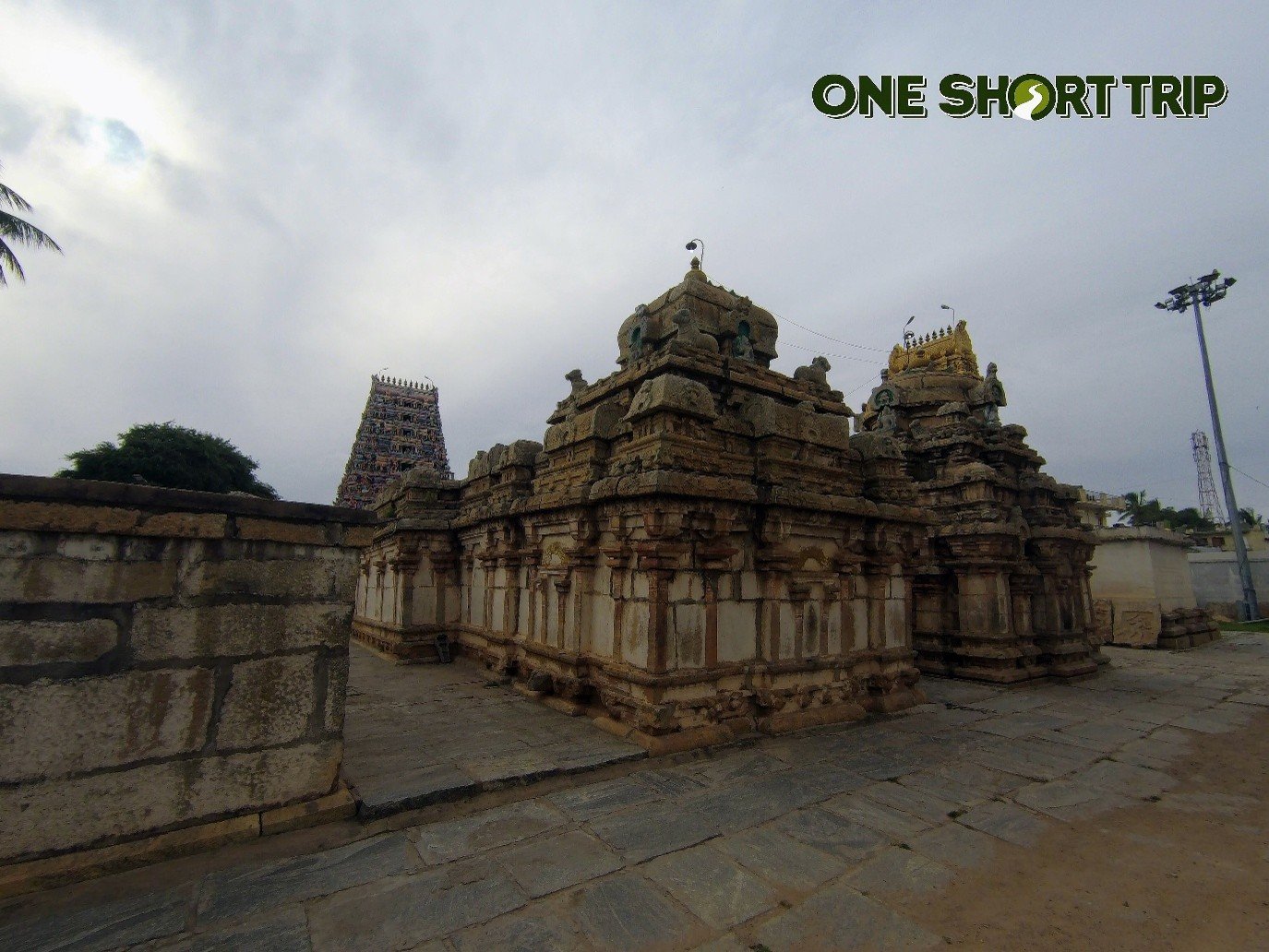
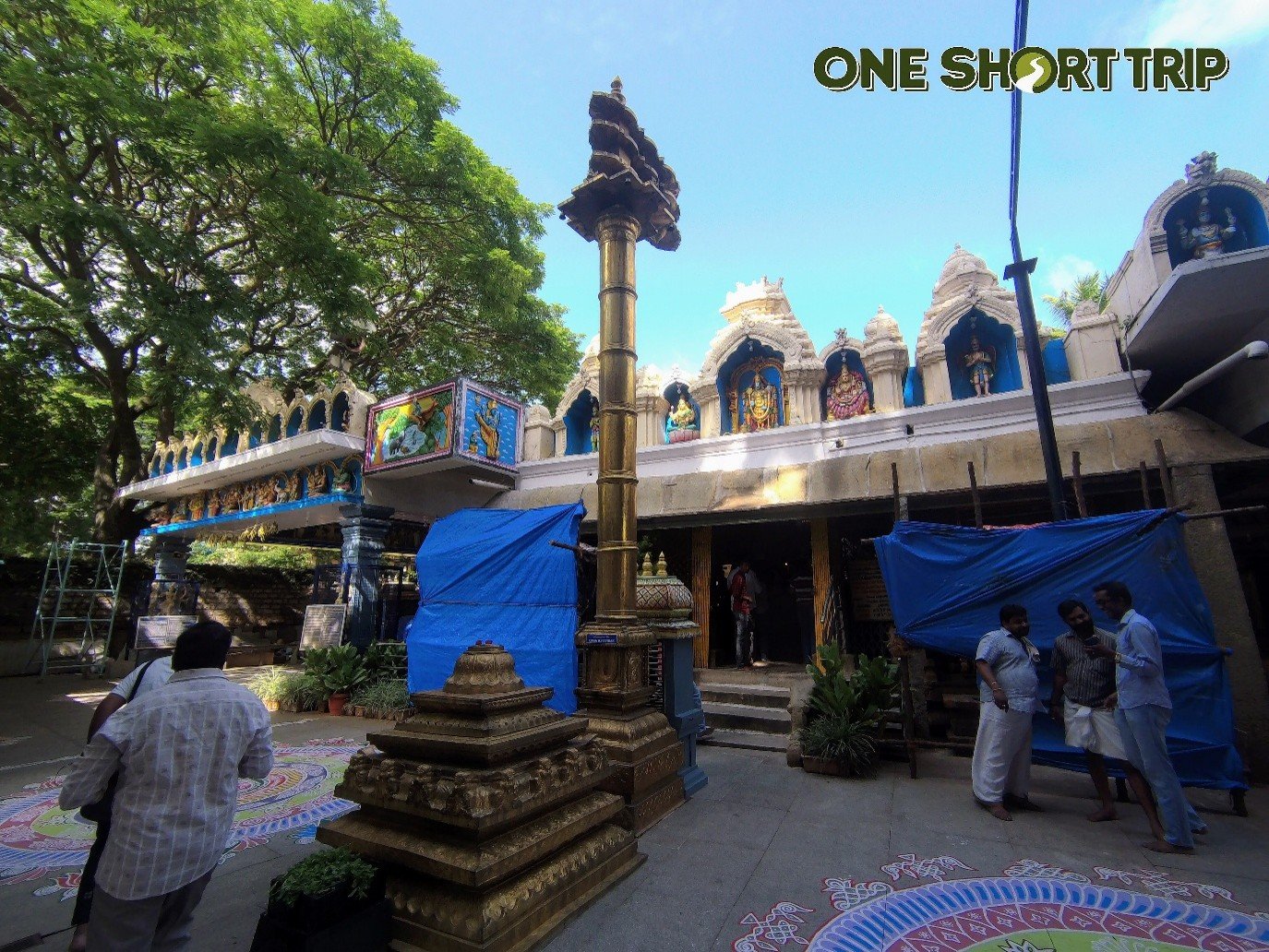
The present Kabbalamma temple combines a comparatively recent structure with older sacred elements preserved around it. The main shrine has a simple brick-and-mortar shikhara, while the overall complex retains the character of a traditional South Indian village temple rather than the monumental scale of a major royal or Hoysala-era centre.
One of the most interesting features documented by the Bengaluru South district administration is the long konda facing the temple. This is the sacred area associated with the traditional fire-walking ritual conducted during the annual Jatra. Its presence gives the temple complex a strong connection with the ritual traditions of rural Karnataka.
Hero Stones and the Bhairava Shrine
The temple precinct also contains features that make the site more historically interesting than its relatively modest appearance might suggest. Adjacent to the konda is an enclosure containing two hero stones. Both are worshipped by devotees and carry inscriptions, creating a direct link between the living religious landscape and older memorial traditions.
To the north of the main temple stands a Bhairava shrine. The shrine contains two masks associated in local tradition with Kenchanna and Kariyanna. Together with the main goddess shrine, these guardian figures demonstrate how village temple complexes often bring together several layers of local sacred tradition rather than focusing on only one deity.
The Temple and Its Surrounding Landscape
Kabbalamma Temple is surrounded by the characteristic rocky and green landscape of southern Karnataka. The temple sits against a hill, and the wider area combines agricultural countryside, rocky elevations and small water bodies. The setting contributes strongly to the atmosphere of the shrine, especially during the quieter hours of the day.
The district tourism record also notes two ponds within the temple precincts and old fortification features around the hill. These elements are important because they show that Kabbalamma is not simply a standalone modern temple building; the sacred site forms part of a larger cultural landscape that has accumulated religious and local historical associations over time.
Kabbalamma Jatra and Community Traditions
The most important annual celebration is the Kabbalamma Jatra. According to the current district tourism information, the Jatra is associated with the period around Shivaratri and continues for about a week, with special worship on Tuesdays and Fridays. During the festival, the deity is taken in a chariot procession around the village before returning to the temple.
The pulling of the temple chariot is considered auspicious, and the Jatra brings together devotees from Kabbalu and the surrounding villages. Traditional music, processions, special pujas and community participation turn the otherwise peaceful village shrine into a major local gathering.
The temple is also associated with special worship on Amavasya, as well as Tuesdays and Fridays. These days can therefore be considerably busier than an ordinary weekday, particularly when they coincide with other local religious occasions.
Why Kabbalamma Temple Is Worth Visiting
Kabbalamma Temple is worth including in a southern Karnataka temple circuit not because it is the largest or most elaborately carved temple, but because it offers something different: an opportunity to see a living village-goddess tradition in its own landscape.
The combination of Kabbalamma worship, Basaveshwara traditions, hero stones, the Bhairava shrine, hill scenery, local rituals and the annual Jatra gives the site a distinctive character. It is particularly interesting for travellers exploring Karnataka temples near Bengaluru, village deity traditions, religious heritage and offbeat places around Kanakapura.
The most useful way to experience Kabbalamma is to allow time for the temple itself rather than treating it as a quick photo stop. Observe the relationship between the shrine and the surrounding village, understand the local traditions, and remember that the temple continues to serve its devotees as an active place of worship.
Ritual at Kabbalamma Temple
One of the more unusual rituals here involves a resident bull the temple calls Basaveshwara. Devotees carrying a problem they can't shake will lie flat on the ground in front of him as a kind of appeal, promising an offering if things work out; if the bull steps over the person lying there, it's taken as his blessing and a sign the matter will resolve. Those who make the request tie money to Basaveshwara's horn as their offering, a small but very literal act of faith that's specific to this temple and not something you'll come across at most other shrines in the region.
There's no entry fee to visit, and the temple keeps to three windows through the day rather than staying open continuously — mornings from 6 to 10, a short midday slot from 1 to 2, and evenings from 4 to 8. If you can time a visit around the annual car festival, or Jatre, you'll see the temple at its busiest and most atmospheric, with neighbouring village deities ceremonially brought in to pay their respects to Kabbalamma.
Planning a Visit to Kabbalamma Temple
A visit to Shri Kabbalamma Devi Temple at Kabbalu is best approached as a peaceful rural pilgrimage rather than a conventional sightseeing stop. The temple is an active place of worship, and the experience depends considerably on the day and time of your visit. Ordinary mornings are generally quieter, while Tuesdays, Fridays, Amavasya and festival days can attract considerably more devotees.
If you are travelling from Bengaluru, the journey itself becomes part of the experience. As you move away from the city towards Kanakapura and the Kabbalu region, the surroundings gradually become more rural, with agricultural land, rocky terrain and village settlements replacing the urban landscape.
Temple Timings
Current local listings commonly show approximately 6:00 AM to 7:30 PM for the temple. These timings should be treated as a practical guide rather than a permanent official schedule, because temple access can change during festivals, special pujas and other religious occasions.
For the most reliable darshan experience, arrive in the morning. If your purpose is photography of the surroundings or simply enjoying the atmosphere of the village, early morning also offers softer light and a quieter setting.
Practical timing advice
Because Kabbalamma is an active local shrine, check with the temple locally before making a long-distance trip specifically for darshan, particularly on festival days.
How to Reach Kabbalamma Temple
By Road
Road travel is the most convenient way to reach Kabbalu. The temple is located in the Kanakapura region of southern Karnataka and is best approached by car or taxi from Bengaluru or Kanakapura. A private vehicle is particularly useful if you plan to combine Kabbalamma Temple with other countryside attractions and temples in the area.
From Bengaluru
For travellers starting from Bengaluru, the practical route is towards Kanakapura and onward to Kabbalu. Travel time can vary substantially depending on your starting point, traffic and road conditions, so it is better to plan by route distance and current navigation rather than relying on a fixed journey time.
By Public Transport
Public transport options are more limited than for major pilgrimage centres. If you are travelling without a private vehicle, reaching Kanakapura first and arranging onward local transport is generally more practical than expecting frequent direct services to the temple.
Parking and Getting Around the Temple
Visitors travelling by car should follow the parking directions available around the temple rather than blocking village roads or access routes used by local residents. On ordinary days parking is generally easier, while festival and Jatra days can bring a significant increase in vehicles and pedestrians.
The temple itself does not require a strenuous trek. However, the surrounding terrain is rural and uneven in places, so comfortable footwear is useful if you intend to explore beyond the immediate shrine.
Is Kabbalamma Temple Suitable for Senior Citizens?
Yes. The temple can be included in a pilgrimage with parents or senior family members, particularly when the visit is planned during a quieter period. The main consideration is not the temple itself but the journey, heat and crowd levels.
For elderly visitors, an early-morning visit is preferable. Avoid arriving during the busiest festival periods unless the purpose of the trip is specifically to experience the Jatra. Carry drinking water, allow enough time for rest and avoid rushing through the temple precinct.
Visiting with Children and Families
Kabbalamma Temple is suitable for a family pilgrimage. Children can experience a quieter side of Karnataka's religious culture, particularly if parents explain that this is a village deity shrine with strong local traditions rather than a monument designed primarily for tourists.
During Jatra days, however, the surroundings can become crowded. Keep young children close to the family, particularly around processions, temple entrances and the chariot route.
Dress Code and Temple Etiquette
Dress modestly when visiting Kabbalamma Temple. Traditional or comfortable Indian clothing is a good choice, particularly on Fridays, festival days and during special worship. Avoid clothing that may be considered inappropriate inside a village shrine.
Remove footwear wherever the temple authorities indicate. Follow the local queue, avoid interrupting ongoing rituals and do not enter restricted areas simply to obtain photographs. If priests or temple volunteers provide specific instructions, those instructions should take priority over general travel advice.
Photography at Kabbalamma Temple
The surrounding village landscape and exterior architecture can make interesting subjects for photography, but visitors should be respectful of the temple's religious character. Do not photograph the sanctum, rituals, devotees or priests if temple rules prohibit it.
Rules can differ between the outer areas and the inner shrine. When in doubt, ask before taking a photograph rather than assuming that photography is permitted everywhere.
Entry Fee and Darshan
There is no dependable current official source establishing a separate tourist entrance ticket for Kabbalamma Temple. It is primarily a functioning place of worship rather than a ticketed heritage monument. If special pujas, offerings or sevas are available, their charges can vary and should be checked at the temple.
Visitors should distinguish between general temple entry and optional religious services. You do not need to participate in a seva simply because you are visiting the temple.
Best Time to Visit
October to February is generally more comfortable for exploring southern Karnataka by road, with cooler mornings and evenings. The surrounding landscape can also look greener after the monsoon.
If your priority is peaceful darshan, choose a normal weekday morning. If you want to experience the temple's community atmosphere, consider visiting during a major local celebration, but expect much larger crowds and slower road movement.
Kabbalamma Jatra: When the Temple Becomes a Major Gathering
The annual Kabbalamma Jatra is the most significant time to experience the temple's community dimension. The celebration brings devotees from Kabbalu and surrounding villages together for special worship and processions. The temple chariot and associated celebrations transform the village into a much busier pilgrimage centre than it is on an ordinary day.
For photographers and cultural travellers, the Jatra can provide a vivid view of living rural Karnataka traditions. For devotees seeking a quiet darshan, however, an ordinary weekday is a better choice.
How Long Do You Need at Kabbalamma Temple?
Allow around 45 minutes to 1.5 hours for the temple and its immediate surroundings on a normal day. Devotees performing special worship may naturally spend longer.
If you are coming from Bengaluru, it makes more sense to treat Kabbalamma as one stop in a wider southern Karnataka day trip rather than travelling several hours for only a few minutes at the shrine.
What to Carry
- Drinking water, especially during warmer months
- Comfortable footwear for the surrounding rural terrain
- Modest clothing suitable for temple entry
- Cash for small local purchases or temple offerings where required
- Sun protection such as a hat, umbrella or sunscreen
- Basic medicines if travelling with elderly family members
What to Avoid
- Avoid visiting without checking local conditions during major festivals if you prefer a quiet experience.
- Do not treat the temple as merely a photography location.
- Do not enter restricted areas of the shrine.
- Avoid littering around the temple, ponds and village surroundings.
- Do not block roads or entrances with parked vehicles.
- Avoid climbing onto sacred structures or memorial stones for photographs.
Places to Combine with Kabbalamma Temple
Kabbalamma works best as part of a Kanakapura-side temple and countryside circuit. Depending on your starting point and available time, you can combine the temple with other religious, natural or rural attractions around southern Bengaluru.
Kabbalamma Temple + Kanakapura
This is the simplest option for travellers primarily interested in the temple and the countryside around Kabbalu. Begin early, visit Kabbalamma for darshan and use the remainder of the day to explore Kanakapura-side attractions.
Kabbalamma Temple + Nature
Travellers who enjoy combining spirituality with nature can build a broader southern Bengaluru excursion around temples, reservoirs, rocky landscapes and countryside roads. The exact combination should be planned according to seasonal access and current road conditions.
Kabbalamma as Part of a Rural Temple Circuit
The temple is particularly valuable when included in a route exploring lesser-known Karnataka shrines. Rather than comparing it with monumental temples such as Belur, Somanathapura or Srirangapatna, it is better understood as an example of living village religious culture.
A Good One-Day Visit from Bengaluru
For a Bengaluru day trip, an early start is recommended. Reach Kabbalu in the morning, spend time at Kabbalamma Temple and explore the surrounding area before the afternoon heat becomes stronger. If you are travelling with family or senior citizens, keeping the schedule flexible is preferable to adding too many distant stops.
The temple is especially suited to travellers who enjoy offbeat temples near Bengaluru and want to understand how village deities continue to shape the cultural identity of rural Karnataka.
Why Visit Kabbalamma Temple?
Kabbalamma is worth visiting because it offers a side of Karnataka that large heritage monuments cannot provide. Here, the temple is still woven into the life of the surrounding villages. The goddess, guardian traditions, annual Jatra, hero stones, sacred landscape and everyday worship all form one connected cultural experience. For travellers looking beyond the usual tourist circuit, Shri Kabbalamma Devi Temple at Kabbalu is a meaningful addition to a southern Karnataka road trip.