One Short Trip

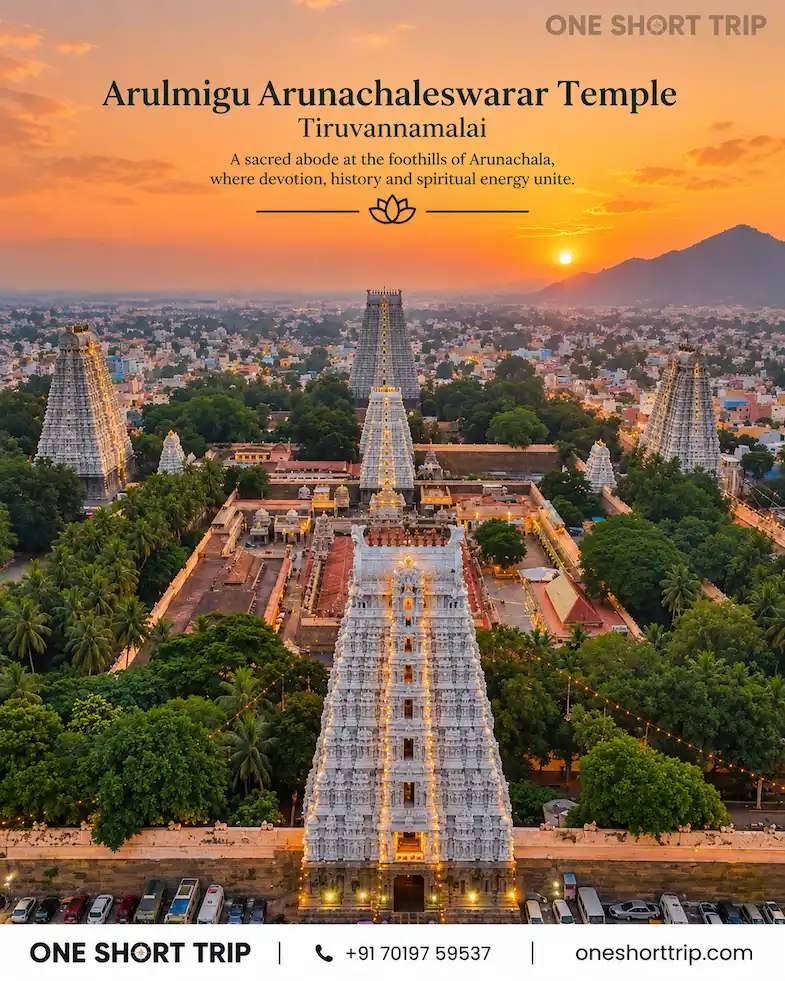
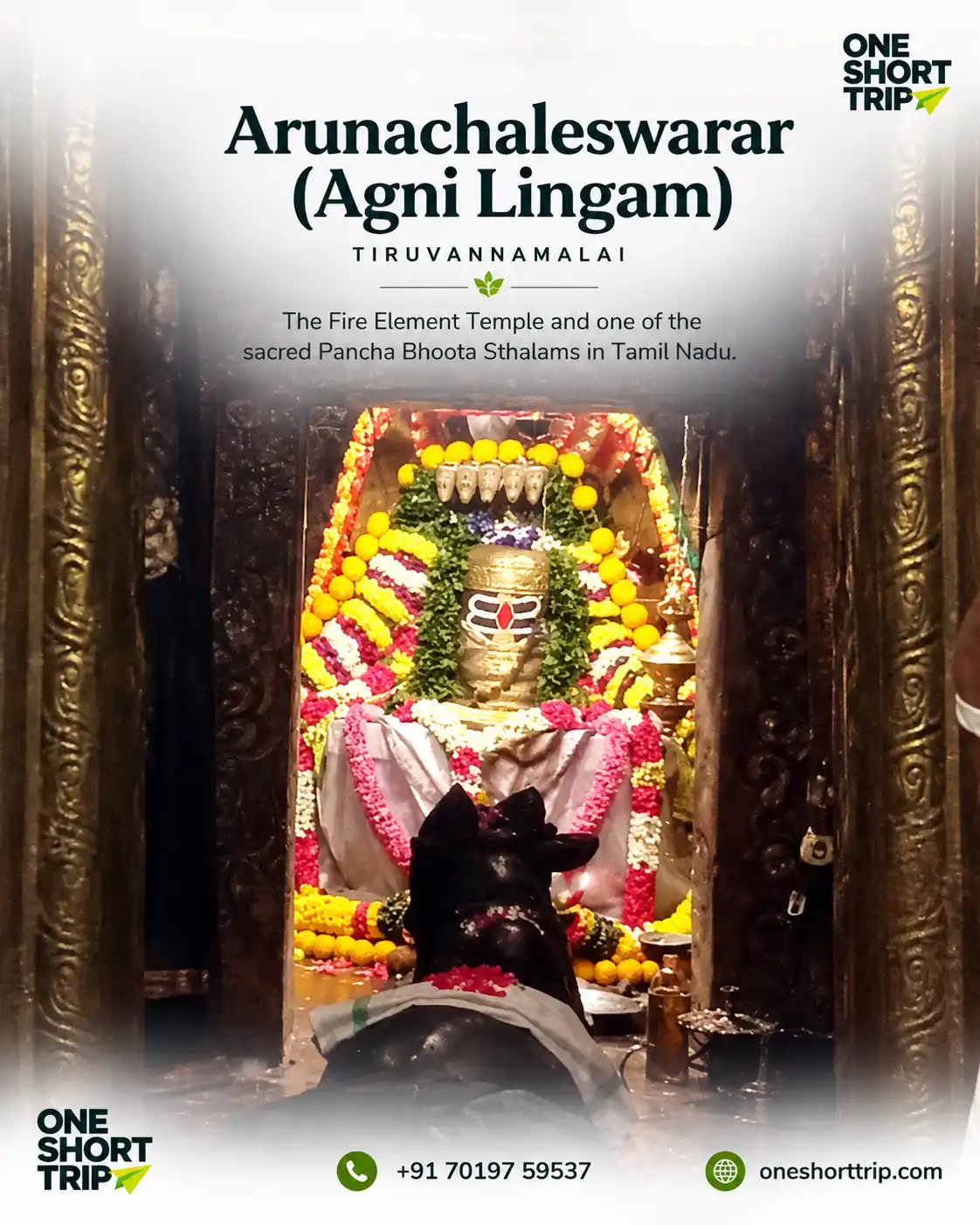
Arunachaleswarar Temple at Tiruvannamalai, one of the five Pancha Bhoota Sthalams on the tour from Bangalore
Pancha Bhoota Sthalams Tour from Bangalore

Pancha Bhoota Sthalams Tour from Bangalore

Visit the five sacred Pancha Bhoota Sthalams of South India on a dedicated Shiva temple pilgrimage from Bangalore. Explore the temples representing Earth, Water, Fire, Air and Space across Kanchipuram, Thiruvanaikaval, Tiruvannamalai, Srikalahasti and Chidambaram.

5 Sacred Temples The Pancha Bhoota Sthalams
5 Elements Earth, Water, Fire, Air & Space
4 Days / 3 Nights Bangalore Round Trip
Private Vehicle Based on Group Size
Tour Overview

Pancha Bhoota Sthalams Tour from Bangalore: The Five Sacred Shiva Temples

The Pancha Bhoota Sthalams tour from Bangalore is a pilgrimage to five revered Shiva temples in South India, each traditionally associated with one of the five elements of nature: Earth, Water, Fire, Air and Space. Known collectively as the Pancha Bhoota Sthalams, these temples are important centres of Shaiva tradition and are visited by devotees seeking darshan at all five sacred sites.

The pilgrimage connects Ekambareswarar Temple in Kanchipuram (Earth), Jambukeswarar Temple in Thiruvanaikaval (Water), Arunachaleswarar Temple in Tiruvannamalai (Fire), Sri Kalahasteeswara Temple in Srikalahasti (Air) and Thillai Nataraja Temple in Chidambaram (Space). Four temples are in Tamil Nadu and Srikalahasti is in Andhra Pradesh. Planned as a 4-day, 3-night road journey from Bangalore, the itinerary links all five temple towns, with travel time and darshan schedules subject to traffic, temple opening hours and local conditions.

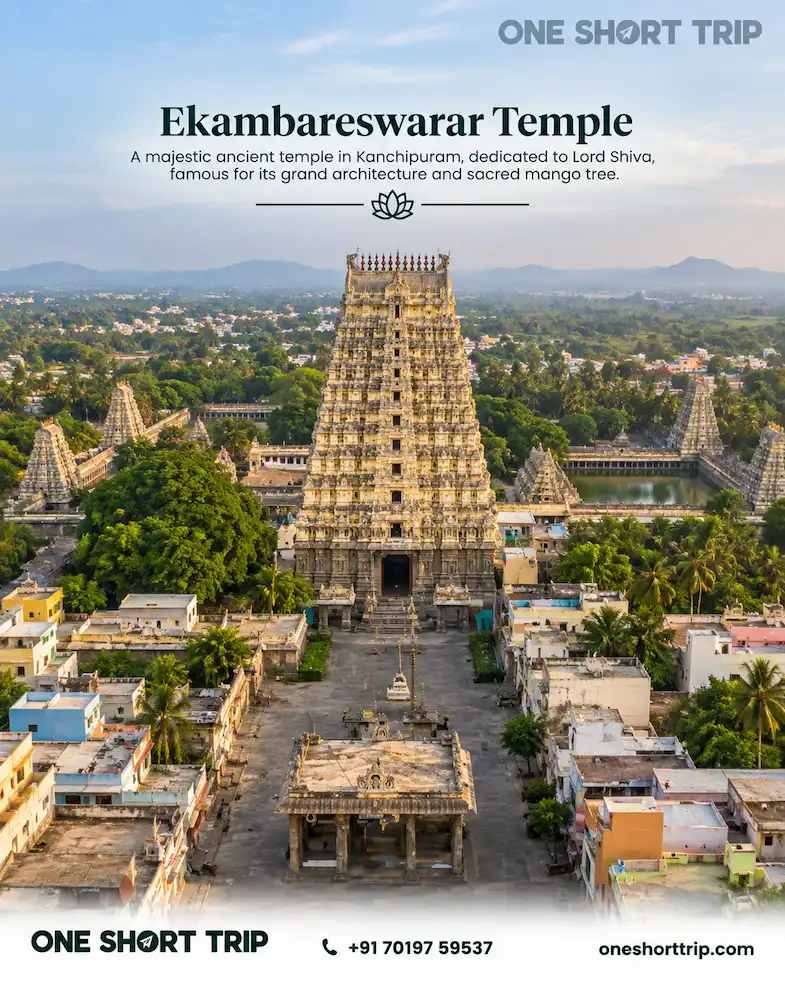
Ekambareswarar Temple in Kanchipuram, representing Earth in the Pancha Bhoota Sthalams pilgrimage from Bangalore

Earth – Prithvi

Ekambareswarar Temple in Kanchipuram represents Earth, one of the five elements associated with Lord Shiva.

Water – Appu

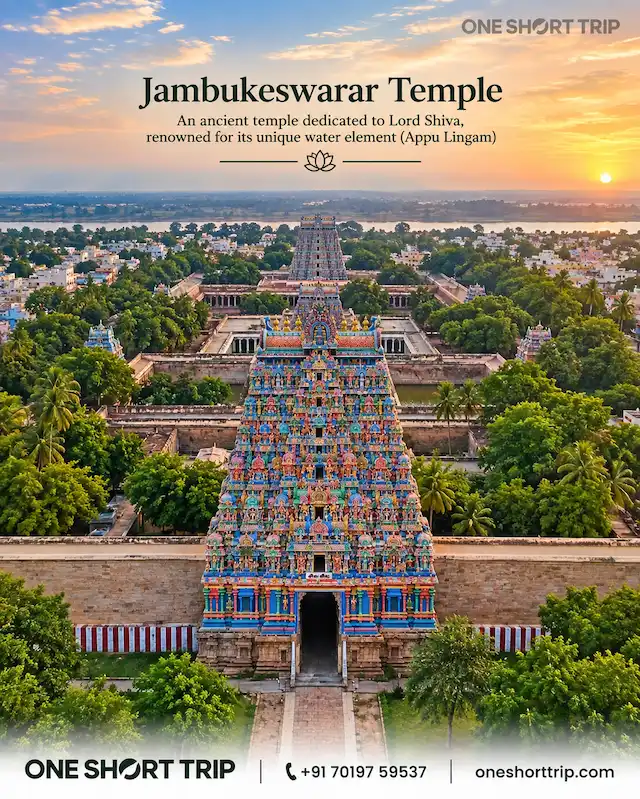
Jambukeswarar Temple in Thiruvanaikaval is the sacred Pancha Bhoota Sthalam associated with Water.

Fire – Agni

Arunachaleswarar Temple in Tiruvannamalai represents Fire and is a major destination for Shiva devotees.

Air & Space

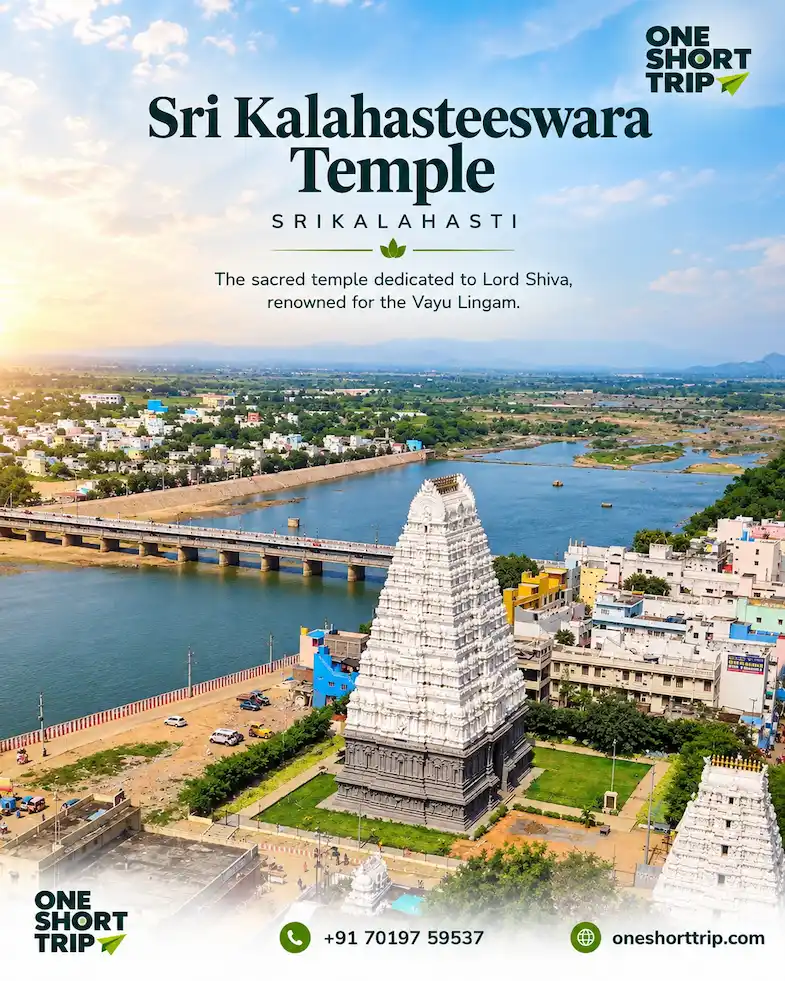
Sri Kalahasteeswara Temple in Srikalahasti represents Air, while Thillai Nataraja Temple in Chidambaram represents Space.

Day Itinerary

Pancha Bhoota Sthalams Tour from Bangalore: 4 Days / 3 Nights Itinerary

DAY 1 Bangalore → Srikalahasti → Kanchipuram
  • Early Morning — Pickup from Bangalore
    Begin your Pancha Bhoota Sthalams pilgrimage with an early-morning departure from Bangalore. Travel by road to Srikalahasti in Andhra Pradesh, then continue to Kanchipuram in Tamil Nadu. Your pickup point and reporting time will be confirmed before departure.
  • Breakfast Stop En Route
    Stop for breakfast at a suitable restaurant along the route. Group tours include meals, while meals are excluded from private tours. Confirm the arrangements applicable to your booking.
  • Sri Kalahasteeswara Temple — Srikalahasti
    Visit Sri Kalahasteeswara Temple, one of the five Pancha Bhoota Sthalams dedicated to Lord Shiva. Located in Andhra Pradesh, this temple is traditionally associated with Vayu, the element of Air, and is revered as the Vayu Sthalam.
  • Vayu Sthalam — Air
    Allow time for darshan and temple worship, subject to opening hours and queue conditions. Special poojas and religious services are subject to temple rules, availability and applicable charges.
  • Drive from Srikalahasti to Kanchipuram
    After the temple visit, continue by road to Kanchipuram, home to Ekambareswarar Temple, the Pancha Bhoota Sthalam associated with Earth.
  • Arrival and Overnight Stay in Kanchipuram
    Check in to your arranged accommodation in Kanchipuram. Group tours include accommodation, while private tours include rooms as specified in the confirmed booking.

Day 1 travel note: The journey from Bangalore via Srikalahasti to Kanchipuram involves substantial road travel. Departure time, traffic, temple opening hours and darshan queues can affect the schedule.

DAY 2 Kanchipuram → Tiruvannamalai → Chidambaram
  • Morning — Ekambareswarar Temple, Kanchipuram
    Begin the day with darshan at Ekambareswarar Temple in Tamil Nadu. This revered Shiva temple represents Prithvi, or Earth, and is traditionally known as the Prithvi Sthalam among the five Pancha Bhoota Sthalams.
  • Prithvi Sthalam — Earth
    Allow time for temple worship and darshan before continuing the journey to Tiruvannamalai.
  • Drive from Kanchipuram to Tiruvannamalai
    Travel to Tiruvannamalai, where Arunachaleswarar Temple stands at the foot of Arunachala Hill.
  • Arunachaleswarar Temple — Tiruvannamalai
    Visit Arunachaleswarar Temple, the Pancha Bhoota Sthalam associated with Agni, or Fire. The temple is revered in Shaiva tradition for its association with Shiva as an infinite column of light.
  • Agni Sthalam — Fire
    Complete darshan at Arunachaleswarar Temple according to the applicable opening hours and queue conditions. A full Girivalam around Arunachala Hill is not included unless separately planned and confirmed.
  • Drive from Tiruvannamalai to Chidambaram
    Continue by road to Chidambaram in Tamil Nadu, the location of Thillai Nataraja Temple, associated with the Space element.
  • Arrival and Overnight Stay in Chidambaram
    Check in to your arranged accommodation in Chidambaram before the next day's temple visit and onward journey towards Thiruvanaikaval.

Day 2 travel note: This day includes two major temple visits and intercity travel. Darshan queues, temple opening periods and road conditions may affect the sequence and time available at each temple.

DAY 3 Chidambaram → Thiruvanaikaval → Trichy
  • Morning — Thillai Nataraja Temple, Chidambaram
    Begin the day with darshan at Thillai Nataraja Temple in Chidambaram, Tamil Nadu. This Pancha Bhoota Sthalam represents Akasha, or Space, and is renowned for the worship of Lord Shiva as Nataraja.
  • Akasha Sthalam — Space
    Allow time for darshan and worship before departing Chidambaram for Thiruvanaikaval, near Tiruchirappalli.
  • Drive from Chidambaram to Thiruvanaikaval
    Travel by road to Jambukeswarar Temple in Thiruvanaikaval, one of the five sacred Shiva temples associated with the elements of nature.
  • Jambukeswarar Temple — Thiruvanaikaval
    Visit Jambukeswarar Temple, traditionally associated with Appu, or Water. The temple is revered as the Appu Sthalam and is associated with the Appu Lingam.
  • Appu Sthalam — Water
    Complete darshan at Jambukeswarar Temple to finish the five-temple pilgrimage. The Pancha Bhoota Sthalams covered are Sri Kalahasteeswara at Srikalahasti (Air), Ekambareswarar at Kanchipuram (Earth), Arunachaleswarar at Tiruvannamalai (Fire), Thillai Nataraja at Chidambaram (Space) and Jambukeswarar at Thiruvanaikaval (Water).
  • Proceed to Trichy — Overnight Stay
    After the final temple visit, travel to the Trichy region and check in to your arranged accommodation before the return journey to Bangalore.

Day 3 travel note: Check the opening and closing periods for Thillai Nataraja Temple and Jambukeswarar Temple before travel. Temple schedules, queues and road conditions may affect the visiting sequence.

DAY 4 Trichy → Bangalore
  • Morning — Breakfast and Check-out
    Have breakfast according to your package inclusions and check out of your accommodation in the Trichy region before beginning the return journey.
  • Return Road Journey from Trichy to Bangalore
    Travel back to Bangalore in the vehicle arranged for your tour. No additional temple visits are planned for this day; the focus is on the return journey after completing all five Pancha Bhoota Sthalams.
  • Meal and Refreshment Stops
    Allow time for meal, tea and refreshment breaks along the route. Group tours include meals, while meals are excluded from private tours.
  • Arrival and Drop-off in Bangalore
    Complete the four-day Pancha Bhoota Sthalams pilgrimage at the agreed drop-off point in Bangalore. The final arrival time depends on traffic, road conditions and the duration of stops.

Day 4 travel note: Return arrival time cannot be guaranteed because of traffic and road conditions. The itinerary concludes in Bangalore after the five-temple pilgrimage.

5 Sacred Temples

The 5 Pancha Bhoota Sthalams and Their Elements

Ekambareswarar Temple in Kanchipuram, the Earth or Prithvi Sthalam on the Pancha Bhoota Sthalams pilgrimage

🌍 Ekambareswarar Temple – Kanchipuram

Element: Earth (Prithvi). Located in Kanchipuram, Tamil Nadu, this sacred Shiva temple is associated with the Prithvi Lingam and the tradition of Goddess Parvati worshipping Shiva with a lingam formed from earth or sand.

Jambukeswarar Temple in Thiruvanaikaval near Tiruchirappalli, the Water or Appu Sthalam

💧 Jambukeswarar Temple – Thiruvanaikaval

Element: Water (Appu). Located near Tiruchirappalli in Tamil Nadu, this temple is associated with the Appu Lingam. Water within the sanctum area is a distinctive feature of its sacred tradition.

Arunachaleswarar Temple in Tiruvannamalai, the Fire or Agni Sthalam associated with Arunachala Hill

🔥 Arunachaleswarar Temple – Tiruvannamalai

Element: Fire (Agni). Located in Tamil Nadu, this temple is associated with Lord Shiva's manifestation as an infinite column of fire and the sacred Arunachala Hill. Karthigai Deepam is one of its major festivals.

Sri Kalahasteeswara Temple in Srikalahasti, Andhra Pradesh, the Air or Vayu Sthalam

🌬️ Sri Kalahasteeswara Temple – Srikalahasti

Element: Air (Vayu). Located in Andhra Pradesh, this is the only Pancha Bhoota Sthalam in this pilgrimage circuit outside Tamil Nadu. The temple is also known for Rahu-Ketu worship and related religious services.

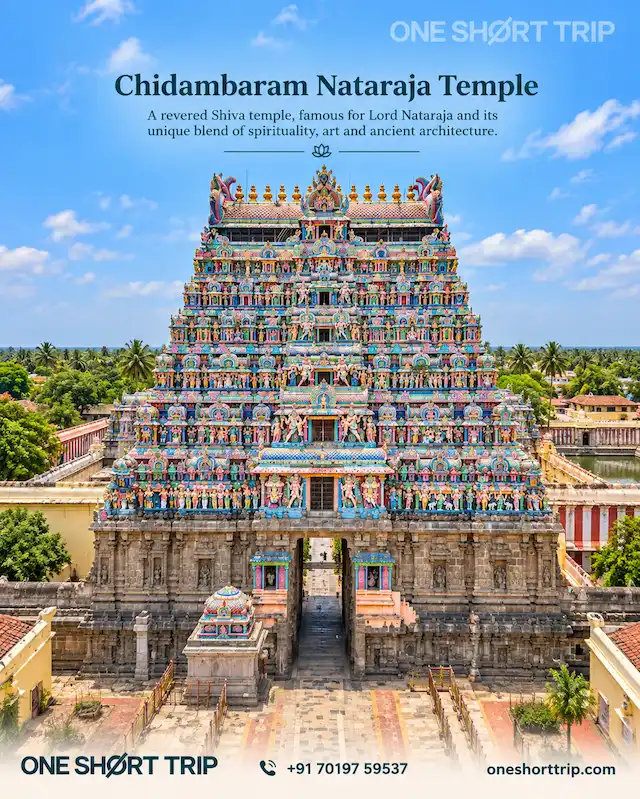
Thillai Nataraja Temple in Chidambaram, the Space or Akasha Sthalam in the Pancha Bhoota tradition

🌌 Thillai Nataraja Temple – Chidambaram

Element: Space (Akasha or Ether). Located in Tamil Nadu, this temple is renowned for Lord Shiva worshipped as Nataraja, the cosmic dancer, and the sacred tradition of Chidambara Rahasyam associated with the formless aspect of the divine.

Explore Pancha Bhoota

Pancha Bhoota Deities, Lingams & Five Elements

The Pancha Bhoota Sthalams are five sacred Shiva temples traditionally associated with the five elements of nature: Earth (Prithvi), Water (Appu), Fire (Agni), Air (Vayu) and Space (Akasha). Each shrine has its own deity, sacred traditions and spiritual significance. Together, Ekambareswarar Temple in Kanchipuram, Jambukeswarar Temple in Thiruvanaikaval, Arunachaleswarar Temple in Tiruvannamalai, Sri Kalahasteeswara Temple in Srikalahasti and Thillai Nataraja Temple in Chidambaram form a distinctive Shiva pilgrimage circuit across Tamil Nadu and Andhra Pradesh.

Ekambareswarar Temple in Kanchipuram, associated with the Prithvi Lingam and Earth element

🌍 Prithvi – Earth

Ekambareswarar Temple in Kanchipuram, Tamil Nadu, represents Prithvi, the Earth element. According to temple tradition, Goddess Parvati worshipped Lord Shiva with a lingam formed from earth or sand. This association gives the shrine its place as the Earth Sthalam in the Pancha Bhoota tradition.

Jambukeswarar Temple in Thiruvanaikaval near Tiruchirappalli, associated with the Appu Lingam and Water element

💧 Appu – Water

Jambukeswarar Temple at Thiruvanaikaval near Tiruchirappalli, Tamil Nadu, represents Appu, the Water element. The shrine is associated with the Appu Lingam, and water within the sanctum area is a distinctive feature of its sacred tradition. Goddess Akhilandeshwari is also closely associated with this temple.

Arunachaleswarar Temple in Tiruvannamalai, associated with Agni and Shiva's manifestation as fire

🔥 Agni – Fire

Arunachaleswarar Temple in Tiruvannamalai, Tamil Nadu, represents Agni, the Fire element. The temple's sacred tradition is associated with Lord Shiva manifesting as an infinite column of fire, while Arunachala Hill is central to the spiritual identity of the destination. The Karthigai Deepam festival is one of its best-known celebrations.

Sri Kalahasteeswara Temple in Srikalahasti, Andhra Pradesh, associated with the Vayu Lingam and Air element

🌬️ Vayu – Air

Sri Kalahasteeswara Temple in Srikalahasti, Andhra Pradesh, represents Vayu, the Air element, and is traditionally associated with the Vayu Lingam. It is the only one of the five Pancha Bhoota Sthalams located in Andhra Pradesh; the other four are in Tamil Nadu. The temple is also known for Rahu-Ketu worship and related religious services.

Thillai Nataraja Temple in Chidambaram, associated with Akasha or Space in the Pancha Bhoota tradition

🌌 Akasha – Space

Thillai Nataraja Temple in Chidambaram, Tamil Nadu, represents Akasha, the element of Space. Lord Shiva is worshipped prominently as Nataraja, the cosmic dancer. The tradition of Chidambara Rahasyam expresses the temple's distinctive association with Akasha and the formless aspect of the divine.

Sacred Shiva pilgrimage representing the five elements of the Pancha Bhoota Sthalams

🕉️ One Pilgrimage, Five Elements

The five Pancha Bhoota Sthalams bring together the elemental traditions of Earth, Water, Fire, Air and Space at five sacred Shiva temples. Collectively, they are also referred to as the Pancha Bhoota Lingam temples. This pilgrimage is distinct from the twelve Jyotirlingas, which belong to a separate Shiva temple tradition.

Plan Ahead

Travel Information for Your Pancha Bhoota Sthalams Tour

Bangalore Pickup & Travel Time
This 4 Days / 3 Nights Pancha Bhoota Sthalams pilgrimage begins and ends in Bangalore. Pickup points and reporting time are confirmed before departure, with final arrangements communicated approximately two days before the trip where possible. The journey involves long road transfers across Andhra Pradesh and Tamil Nadu, so an early departure is important. Actual travel time depends on traffic, meal stops, temple schedules and road conditions.
Route for All Five Temples
The planned route is Bangalore → Srikalahasti → Kanchipuram → Tiruvannamalai → Chidambaram → Thiruvanaikaval / Trichy → Bangalore. It connects all five Pancha Bhoota Sthalams within the four-day itinerary. The visiting sequence or departure times may be adjusted according to temple opening periods, darshan queues, traffic, festivals and local conditions.
Private Transportation
Private tours include transportation for the planned pilgrimage route and transfers between the five temples. The vehicle is selected according to the number of travellers, luggage requirements and availability. Confirm the vehicle type, pickup and drop-off arrangements, trip duration and applicable inclusions in your quotation before booking.
Five Pancha Bhoota Sthalams
The pilgrimage covers Ekambareswarar Temple at Kanchipuram for Earth (Prithvi), Jambukeswarar Temple at Thiruvanaikaval for Water (Appu), Arunachaleswarar Temple at Tiruvannamalai for Fire (Agni), Sri Kalahasteeswara Temple at Srikalahasti for Air (Vayu), and Thillai Nataraja Temple at Chidambaram for Space (Akasha).
Temple Opening & Closing Periods
Temple opening hours and darshan procedures vary by shrine and may include midday closures. Timings can also change during festivals, special poojas and other religious occasions. Check current timings with the respective temple authorities before travel, and allow flexibility when planning the visiting sequence.
Darshan & Waiting Time
Darshan duration depends on the temple, day of the week, crowd levels, festivals and special religious services. Waiting times cannot be guaranteed, particularly during busy pilgrimage periods. The four-day schedule is planned to cover all five temples, but additional time for extended worship or long queues may require itinerary adjustments.
Accommodation for 3 Nights
The itinerary includes three overnight stays, planned around Kanchipuram, Chidambaram and the Trichy region. Group tours include accommodation, while private tours include rooms as part of the package. Confirm the hotel category, number of rooms, room-sharing arrangements and any specific accommodation requirements before booking. Final arrangements are subject to the confirmed itinerary and availability.
Meals & Drinking Water
Group tours include meals as specified in the group package. Private tours include transportation and rooms, but meals are not included. Check the confirmed quotation for the applicable meal arrangements. Carry drinking water for longer road journeys, and plan meal stops around travel progress and temple timings.
Temple Dress Code
Wear modest clothing appropriate for Hindu temple visits and respect the customs followed at each shrine. Individual temples may have specific clothing requirements or restrictions on access to certain areas. Follow the instructions displayed at the temple or provided by temple authorities.
Footwear at the Temples
Footwear generally needs to be removed before entering designated temple areas. Comfortable footwear that is easy to remove and wear again is useful for a pilgrimage involving several temple visits. Use the designated footwear facilities or arrangements available at each temple.
Photography & Mobile Phones
Photography, videography and mobile-phone use may be restricted inside sanctums and other temple areas. Rules differ between temples and may change according to local instructions. Check the rules at each shrine and follow the directions of temple staff.
Pooja, Archana & Special Darshan
Special darshan, pooja, archana, abhishekam and other religious services are not automatically included unless explicitly listed in the confirmed package. Availability, procedures, timings and charges are determined by the respective temple administrations. Discuss any specific religious-service requirements before departure so additional time and arrangements can be considered.
Srikalahasti Pooja Requirements
Srikalahasti is the Vayu Sthalam in this pilgrimage. Travellers interested in additional services, including Rahu-Ketu pooja, should mention their requirements before the trip. Such services may involve separate charges, specific procedures and additional time, and remain subject to temple rules and availability.
Tiruvannamalai Girivalam
The standard itinerary includes darshan at Arunachaleswarar Temple. A full Girivalam, or circumambulation of Arunachala Hill, requires substantial additional time and is not included in the standard four-day schedule unless specifically planned and confirmed before booking.
Chidambaram Nataraja Temple
Chidambaram represents Akasha, or Space, in the Pancha Bhoota tradition. Lord Shiva is worshipped here as Nataraja, the cosmic dancer. Allow time for darshan and follow the temple's current procedures regarding access, photography and worship within different areas of the complex.
Weather & What to Carry
The route passes through regions that can be hot and humid, particularly during daytime temple visits. Carry modest and comfortable clothing, drinking water, sunscreen, an umbrella or rain protection when appropriate, essential medicines, identification and footwear that is easy to remove at temples.
Temple Charges & Other Expenses
Special darshan tickets, pooja charges, archana, religious offerings, prasadam and personal expenses are included only when explicitly listed in the confirmed quotation. Group tours include meals as specified in the package; meals are excluded from private tours. Confirm any additional charges and requested services before booking.
Walking & Accessibility
Although the pilgrimage is primarily road-based, it involves walking within temple complexes and repeated entry and exit from the vehicle. Some areas may have steps, stone flooring, long corridors or uneven surfaces. Senior citizens and travellers with limited mobility should discuss their needs before booking so practical arrangements can be considered.
Mobile Network, Cash & Essentials
Carry identification, essential medicines, a charged mobile phone, a power bank and some cash for small purchases or temple-related expenses where digital payments may not be convenient. Mobile connectivity can vary along intercity road sections.
Festivals, Weekends & Religious Occasions
Crowds can increase during weekends, public holidays, Pradosham, full-moon periods, major Shiva festivals and important temple events. Longer queues, traffic restrictions or changes to temple procedures may affect the schedule. Travellers visiting during busy periods should allow additional flexibility.
Changes Due to Temple or Local Conditions
Temple schedules, festivals, crowd-management measures, traffic, road conditions and local restrictions can affect the planned itinerary. Departure times or the visiting sequence may be adjusted when necessary. The trip is planned to cover all five Pancha Bhoota Sthalams within four days, but actual darshan duration and road travel times cannot be guaranteed.
Package Details

Pancha Bhoota Sthalams Tour Inclusions & Exclusions

✅ Inclusions

  • Group tours: accommodation and meals as specified in the confirmed group package
  • Private tours: private vehicle for the confirmed 4 Days / 3 Nights Bangalore–Srikalahasti–Kanchipuram–Tiruvannamalai–Chidambaram–Thiruvanaikaval–Bangalore itinerary
  • Private tours: rooms or hotel accommodation for the planned 3 nights
  • Pickup and drop in Bangalore, as specified in the confirmed quotation
  • Driver allowance for the planned 4 Days / 3 Nights trip, where applicable to the confirmed vehicle package
  • Tolls and parking charges as specified in the confirmed quotation
  • Transportation between all 5 Pancha Bhoota Sthalams included in the confirmed itinerary

❌ Exclusions

  • Meals for private tours; group-tour meals are included as specified in the confirmed package
  • Special darshan or priority darshan tickets unless specifically included
  • Pooja, archana, abhishekam and other religious service charges unless specifically included
  • Special pooja arrangements at Srikalahasti unless separately confirmed
  • Prasadam, temple offerings and personal religious expenses
  • Temple entry or local charges wherever applicable and not listed in the quotation
  • Camera, photography or mobile-phone deposit charges wherever applicable
  • Full Tiruvannamalai Girivalam unless specifically included in the confirmed itinerary
  • Personal expenses, shopping and other purchases
  • Additional temples, sightseeing, detours or vehicle usage outside the confirmed itinerary
  • Any additional charges arising from itinerary changes requested during the trip
Travel Safely

Travel Tips for the Pancha Bhoota Sthalams Pilgrimage

  • Wear modest, comfortable clothing suitable for visiting Hindu temples. Dress requirements may differ between temples or specific areas, so follow the instructions displayed by the respective temple authorities.
  • Footwear generally needs to be removed before entering temple areas. Choose comfortable footwear that is easy to remove, and keep your phone, wallet and other valuables secure while using designated footwear facilities.
  • Photography, videography and mobile-phone use may be restricted inside sanctums and other temple areas. Check local rules, respect restricted zones and follow instructions from temple staff.
  • Temple floors, stone pathways and steps may be hot in sunny weather or slippery after rain and cleaning. Walk carefully, especially when travelling with children, senior citizens or anyone who needs additional support.
  • This four-day Pancha Bhoota Sthalams tour from Bangalore involves walking, standing in darshan queues and navigating large temple complexes. Travellers with limited mobility or accessibility requirements should discuss their needs before confirming the trip.
  • Temple timings, midday closures, special poojas and crowd levels can affect the daily schedule. Keep some flexibility for darshan, meals and departure times, and follow the latest instructions issued by each temple.
  • The pilgrimage includes long road journeys between Bangalore, Srikalahasti, Kanchipuram, Tiruvannamalai, Chidambaram and the Trichy region. Carry water and refreshments, and allow suitable breaks during longer travel sections.
  • Carry drinking water, sunscreen, a hat or umbrella and rain protection suited to the season. Stay hydrated during outdoor temple visits and dispose of waste responsibly around temple premises.
  • Bring regularly prescribed medicines, personal identification and essential health items for the entire journey. Keep necessary medicines accessible during road travel and temple visits.
  • Keep phones, wallets, identification and cash secure in crowded temple complexes and darshan queues. Carry only the items you need during temple visits, and keep your phone charged for travel coordination.
  • Carry some cash for small purchases, offerings, refreshments and places where digital payments may not be convenient. A power bank can also be useful during this multi-day pilgrimage.
  • Special darshan, archana, abhishekam and other religious services may require separate bookings, additional charges or specific procedures. Check requirements with the relevant temple before travelling, and avoid relying on unauthorised intermediaries promising guaranteed access.
  • A full Girivalam around Arunachala at Tiruvannamalai requires substantial walking and additional time. It is not automatically part of the standard four-day itinerary; plan it separately and allow sufficient time if you wish to undertake the walk.
  • Weekends, public holidays, Pradosham, full-moon days and major Shiva festivals may bring larger crowds and heavier traffic. Allow extra time for parking, security checks and darshan, particularly during busy pilgrimage periods.
  • Respect temple customs, designated queues, restricted areas and instructions from temple staff at all five Pancha Bhoota Sthalams. Avoid rushing through crowded areas and maintain appropriate conduct throughout the pilgrimage.
Why One Short Trip

Why Book Your Pancha Bhoota Sthalams Tour With Us

🕉️ All 5 Sthalams

Complete the Pancha Bhoota pilgrimage covering the five sacred Shiva temples representing Earth, Water, Fire, Air and Space in one dedicated journey from Bangalore.

🚗 Private Vehicle

Travel comfortably between Bangalore, Srikalahasti, Kanchipuram, Tiruvannamalai, Chidambaram and Thiruvanaikaval in a private vehicle based on your group size.

🛕 Temple-Focused Route

The itinerary is planned around completing all five Pancha Bhoota Sthalams with practical travel time and flexibility for temple opening periods, darshan queues and local conditions.

💬 Easy Booking

Enquire directly over WhatsApp or a call to confirm your travel dates, group size, accommodation requirements, vehicle and other package details.

Good to Know

Pancha Bhoota Sthalams Tour FAQs

What is the Pancha Bhoota Sthalams Tour from Bangalore?

The Pancha Bhoota Sthalams Tour from Bangalore is a Shiva pilgrimage covering five sacred temples traditionally associated with the five elements of nature: Earth, Water, Fire, Air and Space. This 4 Days / 3 Nights itinerary connects Kanchipuram, Thiruvanaikaval, Tiruvannamalai, Srikalahasti and Chidambaram before returning to Bangalore.

What are the five Pancha Bhoota Sthalams?

The five temples are Ekambareswarar Temple in Kanchipuram, representing Earth; Jambukeswarar Temple at Thiruvanaikaval, representing Water; Arunachaleswarar Temple in Tiruvannamalai, representing Fire; Sri Kalahasteeswara Temple in Srikalahasti, representing Air; and Thillai Nataraja Temple in Chidambaram, representing Space.

What are the five elements represented by the Pancha Bhoota temples?

The five elements are Prithvi or Earth, Appu or Water, Agni or Fire, Vayu or Air and Akasha or Space. Each of the five Shiva temples in the Pancha Bhoota Sthalams tradition is associated with one of these elements.

Which Pancha Bhoota Sthalam represents Earth?

Ekambareswarar Temple in Kanchipuram is the Prithvi Sthalam representing Earth. Shiva is worshipped here as Ekambareswarar, and the temple forms the Earth shrine of the five-element pilgrimage.

Which Pancha Bhoota Sthalam represents Water?

Jambukeswarar Temple at Thiruvanaikaval near Trichy is the Appu Sthalam representing Water. Shiva is worshipped here as Jambukeswarar, and the shrine is traditionally associated with the Appu Lingam.

Which Pancha Bhoota Sthalam represents Fire?

Arunachaleswarar Temple in Tiruvannamalai is the Agni Sthalam representing Fire. Shiva is worshipped as Arunachaleswarar, and sacred Arunachala Hill is closely connected with the spiritual identity of the shrine.

Which Pancha Bhoota Sthalam represents Air?

Sri Kalahasteeswara Temple in Srikalahasti is the Vayu Sthalam representing Air. Shiva is worshipped as Sri Kalahasteeswara, and the shrine is traditionally associated with the Vayu Lingam.

Which Pancha Bhoota Sthalam represents Space?

Thillai Nataraja Temple in Chidambaram is the Akasha Sthalam representing Space. Shiva is prominently worshipped as Lord Nataraja, and the temple's sacred tradition expresses the element of Akasha differently from the physical elemental associations of the other Sthalams.

What is the route for the Pancha Bhoota Sthalams tour from Bangalore?

The planned route is Bangalore → Srikalahasti → Kanchipuram → Tiruvannamalai → Chidambaram → Thiruvanaikaval / Trichy → Bangalore. This route connects all five Pancha Bhoota temples over four days. The sequence and timings may be adjusted if necessary for temple schedules, traffic or local conditions.

How many days are needed for a Pancha Bhoota Sthalams tour from Bangalore?

This itinerary is planned as a 4 Days / 3 Nights pilgrimage from Bangalore. The five temples are spread across Andhra Pradesh and Tamil Nadu, so the schedule allows time for intercity road travel and temple visits. Actual darshan time depends on temple timings, queues and local conditions.

Where are the five Pancha Bhoota Sthalams located?

Ekambareswarar Temple is in Kanchipuram, Jambukeswarar Temple is at Thiruvanaikaval near Trichy, Arunachaleswarar Temple is in Tiruvannamalai, Sri Kalahasteeswara Temple is in Srikalahasti and Thillai Nataraja Temple is in Chidambaram.

Are all five Pancha Bhoota Sthalams in Tamil Nadu?

No. Four temples are in Tamil Nadu: Kanchipuram, Thiruvanaikaval, Tiruvannamalai and Chidambaram. Sri Kalahasteeswara Temple at Srikalahasti, the Vayu or Air Sthalam, is in Andhra Pradesh.

Where do we stay during the 4-day Pancha Bhoota Sthalams tour?

The itinerary requires three overnight stays, planned around Kanchipuram, Chidambaram and the Trichy region. Accommodation is included in both group and private packages, with the specific hotel, room category, occupancy and stay arrangements confirmed according to your selected package and availability.

Is hotel accommodation included in the package?

Yes. Accommodation is included in the package: group tours include accommodation as specified in the group package, while private tours include rooms for the planned three nights. The hotel details, room occupancy and final arrangements will be confirmed in your quotation before booking.

What is the temple order in this Pancha Bhoota itinerary?

The planned sequence begins with Srikalahasti for Vayu, followed by Kanchipuram for Prithvi, Tiruvannamalai for Agni, Chidambaram for Akasha and Thiruvanaikaval for Appu. The order may be adjusted when necessary because of temple opening periods, special poojas, traffic or local conditions.

Can the five Pancha Bhoota temples be visited in any order?

The tour route can be planned according to the starting point, temple schedules and travel practicality. For this Bangalore package, the sequence is designed to connect all five temples without unnecessary backtracking while allowing time for darshan at each shrine.

What are the temple timings for the Pancha Bhoota Sthalams?

The five temples follow their own opening, closing and pooja schedules, and some may close during part of the afternoon. Timings can also change during festivals and special religious occasions. The itinerary should be coordinated with the temple schedules applicable on your travel dates.

Can temple timings change the itinerary?

Yes. Temple opening periods, midday closures, special poojas, festivals, crowd-management arrangements and darshan queues can affect the planned schedule. Departure times or the order of temple visits may be adjusted when necessary, depending on local conditions.

Is special darshan included at the five temples?

Special or priority darshan is included only when specifically mentioned in your confirmed package. Availability, ticketing procedures, charges and access arrangements are controlled by the respective temple administrations and may vary.

Are pooja, archana and abhishekam included?

Pooja, archana, abhishekam and other religious services are not automatically included. They follow the procedures, schedules and charges of the respective temples. If you wish to arrange these services, discuss them before booking so the requirements and any additional costs can be checked.

Can we perform Rahu-Ketu pooja at Srikalahasti during this tour?

Srikalahasti is known for Rahu-Ketu pooja. If you wish to perform this or another special pooja, inform One Short Trip before the trip so the temple's current procedures, timings, availability, charges and additional time requirements can be checked. The pooja is not automatically included in the standard package.

Is Tiruvannamalai Girivalam included in this itinerary?

The standard itinerary includes a visit to Arunachaleswarar Temple as the Agni Sthalam. A full Girivalam around Arunachala Hill requires considerable additional time and is not included unless it has been specifically planned and confirmed.

Can Girivalam be added to the Pancha Bhoota Sthalams tour?

It can be discussed in advance, but a full Girivalam changes the time required at Tiruvannamalai and may affect the onward journey and overall itinerary. It should be planned before booking rather than assumed to fit into the standard schedule.

What is special about Chidambaram in the Pancha Bhoota pilgrimage?

Chidambaram is the Akasha or Space Sthalam. Shiva is prominently worshipped as Lord Nataraja, the cosmic dancer, and the temple's sacred tradition expresses the concept of Space or Akasha in a distinctive way within the five-element pilgrimage.

Is Lord Nataraja the main deity visited at Chidambaram?

Lord Nataraja is the principal form of Shiva associated with the famous Thillai Nataraja Temple at Chidambaram. For this Pancha Bhoota pilgrimage, Chidambaram is visited specifically as the Akasha or Space Sthalam.

Is the Pancha Bhoota Sthalams tour suitable for senior citizens?

Many senior travellers can undertake the pilgrimage with suitable planning, but the itinerary includes long road journeys, walking inside temple complexes and possible waiting in darshan queues. Travellers with mobility or health requirements should discuss their needs before booking.

Is the tour suitable for families with children?

Families can undertake the pilgrimage, but parents should consider the long road journeys and temple waiting periods. Keep children supervised in crowded temple complexes, on steps and around busy roads and parking areas.

Is there a lot of walking during the Pancha Bhoota Sthalams tour?

The journeys between destinations are by road, but walking is required inside the temple complexes. Some temples have large premises, stone corridors, steps and lengthy approaches. Additional walking may be needed depending on parking arrangements and crowd levels.

What dress code should we follow at the temples?

Modest, comfortable clothing suitable for Hindu temples is recommended throughout the pilgrimage. Individual temples may have specific requirements for entry into certain areas, so follow the instructions displayed at each temple or provided by temple authorities.

Can we wear footwear inside the Pancha Bhoota temples?

Footwear generally needs to be removed before entering temple areas. Since the itinerary includes repeated temple visits, comfortable footwear that is easy to remove and put on again is recommended.

Is photography allowed inside the temples?

Photography and videography rules differ between temples. Photography may be restricted inside sanctums and other designated areas, and mobile phones may also be regulated in some locations. Always follow the instructions of the respective temple administration.

Are meals included in the Pancha Bhoota Sthalams package?

Yes, meals are included in group tours as specified in the confirmed group package. Meals are not included in private tours, so private travellers should budget separately for breakfast, lunch, dinner and refreshments. The final meal arrangements will be stated in your quotation.

Are special darshan tickets and temple charges included?

Special darshan tickets, pooja charges, archana, abhishekam, prasadam, offerings and other temple-related expenses are included only when specifically stated in your confirmed quotation. Check the listed inclusions before booking.

What type of vehicle is provided for the Pancha Bhoota Sthalams tour?

For private tours, the vehicle is selected according to the number of travellers, luggage requirements and availability. Group-tour transport arrangements depend on the confirmed group package. Your quotation will specify the vehicle or transport arrangement, pickup and drop-off details and applicable inclusions.

How much does a Pancha Bhoota Sthalams Tour from Bangalore cost?

The price depends on your travel dates, group size, vehicle category, accommodation requirements and any additional services requested. Share your preferred dates and number of travellers with One Short Trip to receive a quotation for the 4 Days / 3 Nights itinerary.

Can the Pancha Bhoota Sthalams itinerary be customised?

Yes. Changes can be discussed according to your travel dates, group requirements and available time. Adding Girivalam, extra temples, sightseeing, special poojas or additional overnight stays may change the route, duration and final quotation.

Does this itinerary include other temples in Kanchipuram?

The core itinerary visits Ekambareswarar Temple in Kanchipuram specifically as the Prithvi Sthalam. Other Kanchipuram temples are not automatically included, but additional visits can be discussed if the schedule and route permit.

Does the tour include other temples in Tiruvannamalai, Chidambaram or Trichy?

The standard itinerary focuses on Arunachaleswarar Temple, Thillai Nataraja Temple and Jambukeswarar Temple as part of the five-element pilgrimage. Additional temples or sightseeing are not automatically included and can be discussed separately if time and the route permit.

What should I carry for the Pancha Bhoota Sthalams pilgrimage?

Carry temple-appropriate clothing, easy-to-remove footwear, drinking water, suitable sun or rain protection, identification, essential medicines, a charged phone, a power bank and some cash for small expenses and offerings.

What is the best time for the Pancha Bhoota Sthalams tour?

The pilgrimage can be planned at different times of the year, but weather, temple festivals, weekends, public holidays and major Shiva observances can affect crowds and travel times. Consider these factors when choosing your dates and allow flexibility during busy pilgrimage periods.

Will festivals or full-moon days affect the itinerary?

They can. Pradosham, full-moon periods, major Shiva festivals and local temple events may bring larger crowds, longer darshan queues, traffic restrictions and changes to temple procedures. Additional time and itinerary flexibility may be needed on these dates.

Can road or local conditions change the tour schedule?

Yes. Traffic, road conditions, temple schedules, special poojas, festivals and crowd-management measures can affect the planned timings. Departure times or the order of temple visits may be adjusted when necessary to keep the pilgrimage practical.

When will the Bangalore pickup details be confirmed?

Pickup points and reporting times will be discussed and confirmed approximately two days before departure. Final details will be shared according to your confirmed route and travel schedule.