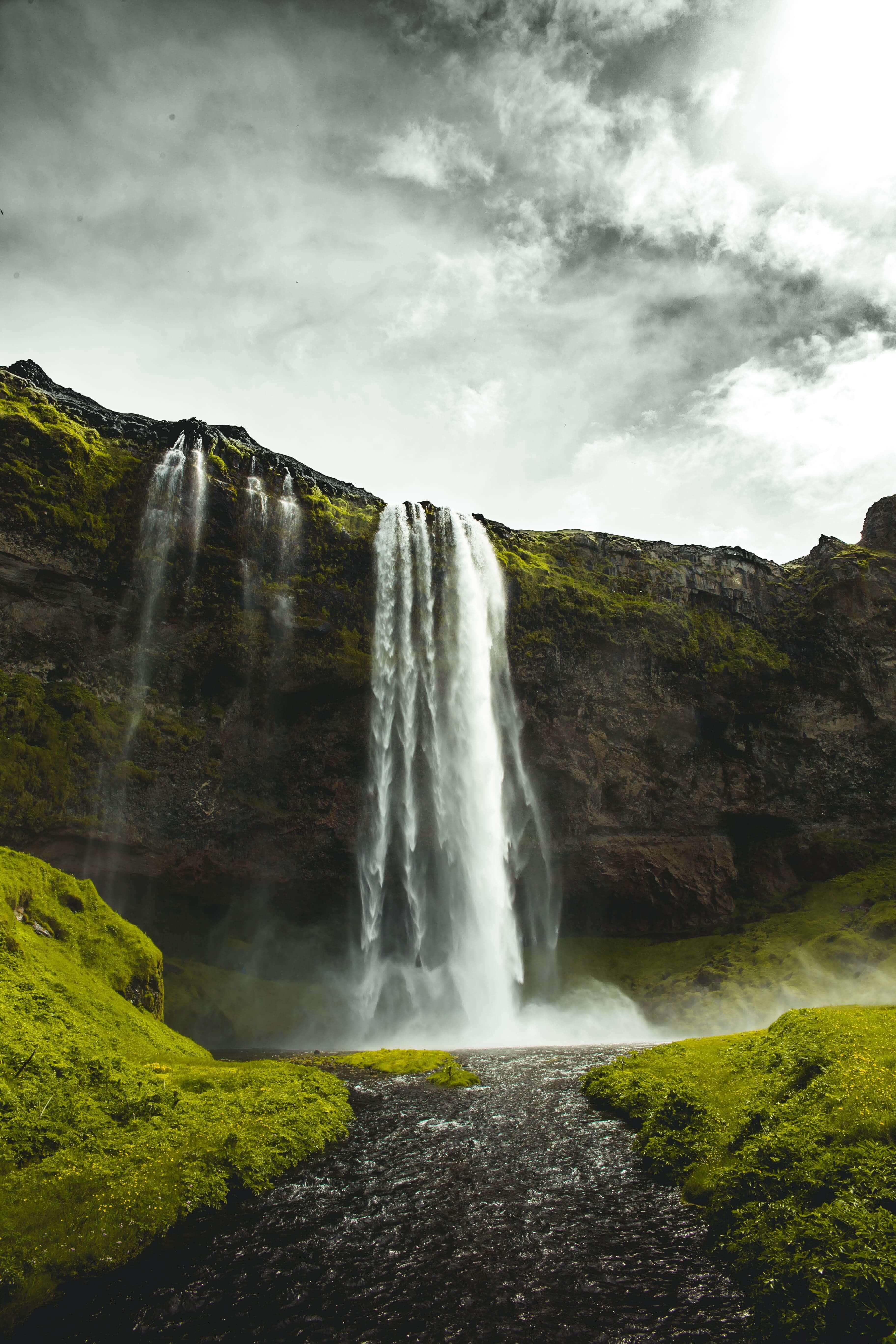
Ranganathittu Bird Sanctuary – Karnataka's Famous Birdwatching Destination
Ranganathittu Bird Sanctuary is one of the most rewarding places to visit near Mysore for birdwatching, nature photography and a peaceful escape into the wetlands of the Cauvery River. Located near Srirangapatna in Mandya district, Karnataka, the sanctuary protects a collection of small river islands surrounded by the waters of the Cauvery. Its combination of shallow wetlands, wooded islands, reeds, trees and quiet river channels provides an ideal habitat for a remarkable variety of resident and migratory birds.
Although it is popularly associated with Mysore because of its proximity to the city, Ranganathittu Bird Sanctuary is geographically closer to Srirangapatna and is easily included in a Mysore sightseeing itinerary. The sanctuary is particularly famous for its boat rides, which take visitors along the river channels surrounding the islands and provide close views of waterbirds, nesting colonies, crocodiles and other wildlife without requiring a long trek.


How Ranganathittu Bird Sanctuary Was Created
The sanctuary owes much of its existence to the transformation of the Cauvery's river environment. In the early twentieth century, a series of small islands formed or were enhanced in the river as part of water-management works associated with the nearby Krishnaraja Sagara region. Ornithologist Dr. Salim Ali recognised the importance of these islands as breeding grounds for birds and drew attention to the need for their protection. The area was subsequently declared a bird sanctuary in 1940 and has since developed into one of Karnataka's best-known wetland habitats.
The sanctuary now protects a group of riverine islands and surrounding wetland habitat rather than a conventional forest landscape. This is an important part of its character: visitors come here not for large mammals or dramatic mountain scenery, but to observe birds living, feeding and nesting in a natural river ecosystem.
A River Sanctuary Built Around Small Islands
Ranganathittu consists of numerous small islands in the Cauvery River, with vegetation covering many of them. Trees provide nesting platforms for colonial waterbirds, while the surrounding river offers feeding grounds for birds that depend on fish, frogs, insects and other aquatic life. The constantly flowing water also creates a series of channels and quieter stretches that make the landscape particularly suitable for boat-based wildlife viewing.


Birds at Ranganathittu Bird Sanctuary
Birdlife is the main attraction at Ranganathittu. The sanctuary supports both resident birds that remain in the region throughout the year and migratory species that arrive during the cooler months. Depending on the season, visitors may see painted storks, Asian openbills, spot-billed pelicans, darters, cormorants, egrets, herons, ibises, spoonbills, kingfishers and several other wetland and woodland species.
One of the most memorable sights is a nesting island crowded with birds. Different species may occupy the same trees, creating a noisy and active breeding colony. Birds can often be seen carrying nesting material, feeding chicks, drying their wings in the sun or diving into the river for food. The sanctuary's protected islands are especially valuable because nesting birds can use trees surrounded by water, reducing disturbance from people and many land-based predators.
The best bird sightings can change from one visit to another. A visitor may encounter a large concentration of waterbirds on one morning while seeing more kingfishers, herons or other species on another day. Patience is therefore part of the experience, particularly for photographers and serious birdwatchers.
Resident and Migratory Birds
Ranganathittu becomes particularly interesting during the migratory season. Birds from colder parts of Asia and other regions travel south to find more favourable feeding and nesting conditions. The sanctuary's combination of water, mudflats, trees and abundant aquatic food makes it an important stopover and wintering habitat.
The bird population varies naturally with water levels, weather, food availability and breeding cycles. This means there is no single fixed list of birds that every visitor will see. The sanctuary's bird list is extensive, and visitors interested in identifying species should carry binoculars or use a field guide rather than relying only on the most commonly photographed birds.
Why Ranganathittu Is Important for Birds
The importance of Ranganathittu goes beyond tourism. Its islands provide protected breeding sites for colonial waterbirds, while the river and surrounding wetlands supply food and shelter. Because several bird species nest together in colonies, the protection of even small areas of suitable habitat can support large numbers of birds.
The sanctuary is also a useful example of how river ecosystems, wetlands and wildlife conservation are closely connected. Maintaining water quality, protecting nesting trees and limiting disturbance during breeding periods are all important for keeping the habitat productive for birds.

Exploring Ranganathittu Bird Sanctuary
A visit to Ranganathittu Bird Sanctuary is best understood as a wildlife experience rather than a conventional sightseeing stop. The sanctuary has a relatively compact visitor area, but the river, islands and bird colonies create plenty to observe. Visitors can explore the designated paths and viewpoints and, when operating, take the boat ride for a different perspective of the islands and wildlife.


The Ranganathittu Boat Ride
The boat ride is one of the most popular experiences at Ranganathittu Bird Sanctuary. Instead of viewing the river islands only from the shore, visitors travel through the channels around the sanctuary and can observe birds from much closer to the water. Depending on the season and conditions, the ride may offer views of nesting birds, crocodiles resting along the banks, turtles and other river wildlife.
The boat experience is particularly valuable for photographers because it allows visitors to see different sides of the islands and observe birds that may not be visible from the walking paths. Boat operations can depend on weather, river conditions, wildlife-management decisions and visitor arrangements, so it is sensible to confirm the current operating status when planning a visit.
What Wildlife Can You See?
Birds are unquestionably the main attraction, but Ranganathittu is not limited to avian life. Mugger crocodiles are an important part of the river ecosystem and may be seen basking on exposed rocks, mudbanks or river edges. The boat ride can sometimes provide particularly good views of these reptiles.
The sanctuary and its surrounding river habitat also support turtles, fish, insects and other small aquatic and terrestrial creatures that form part of the food chain. These species are less predictable than the bird colonies, so sightings depend heavily on season, weather and time of day.
Best Time to Visit Ranganathittu Bird Sanctuary
Ranganathittu can be visited throughout much of the year, but the cooler months are especially attractive for birdwatching because migratory birds add to the resident population. The period from roughly October to March is generally considered a rewarding season for visitors who want to see a wider variety of birds.
Early morning is usually the most comfortable and productive time for a visit. Birds tend to be active during the cooler part of the day, and softer morning light is also better for photography. Late afternoon can provide another pleasant viewing opportunity, but visitors should allow sufficient time before closing.
How Long Do You Need at Ranganathittu?
Most travellers can cover the main visitor areas in around two to three hours, particularly if the boat ride is available. Birdwatchers and photographers may prefer to spend longer because wildlife sightings are unpredictable and patience often produces better results.
For travellers staying in Mysore, Ranganathittu works very well as a half-day outing. It can also be combined with Srirangapatna's historical attractions, making it possible to experience both Karnataka's riverine wildlife and the region's important heritage sites in one day.
How to Reach Ranganathittu Bird Sanctuary
Ranganathittu Bird Sanctuary is located near Srirangapatna in Karnataka and is easily accessible by road from Mysore. The sanctuary is approximately 18–20 km from Mysore and around 125–130 km from Bengaluru, making it suitable for both local sightseeing and day trips from the capital.
By road, visitors travelling from Mysore generally head towards Srirangapatna and then continue towards the sanctuary. From Bengaluru, the most common approach is via the Bengaluru–Mysore highway before continuing towards Srirangapatna. Taxis, private cars and organised sightseeing vehicles are convenient options for families and groups.
Srirangapatna has railway connectivity and is also served by buses. From Srirangapatna town, local transport or a taxi can be used to reach the sanctuary. Visitors relying on public transport should plan the final connection in advance, particularly if they want to arrive early in the morning.
Entry Fee and Timings
Ranganathittu Bird Sanctuary is a managed wildlife destination and admission charges can vary according to visitor category, vehicle arrangements and activities such as boating. Boat tickets are generally separate from the basic entry fee. Because tariffs and operating schedules can change, visitors should verify the latest charges and timings before travelling.
The sanctuary is generally open during daytime hours, with visits planned around the morning and afternoon wildlife-viewing periods. Exact opening and closing times, as well as boat schedules, may change seasonally or because of weather and river conditions.
Tips for Visiting Ranganathittu Bird Sanctuary
• Carry binoculars if birdwatching is a priority; many birds remain on distant islands or high branches.
• A camera with a moderate telephoto lens is useful for photographing birds without approaching their nesting areas.
• Wear comfortable footwear because some areas are explored on foot.
• Morning visits are preferable for cooler weather and active wildlife.
• Do not feed birds or other wildlife.
• Keep voices low, especially around nesting colonies.
• Never attempt to approach, touch or disturb crocodiles or other wild animals.
• Follow sanctuary staff instructions and remain within designated visitor areas.
• Check current boating availability and entry charges before starting the trip.
Places to Visit Near Ranganathittu Bird Sanctuary
Ranganathittu is particularly convenient to combine with the heritage attractions of Srirangapatna. The island town is associated with Tipu Sultan, the Mysore Kingdom and several important monuments. Depending on available time, visitors can also include the historic Ranganathaswamy Temple, Tipu Sultan's summer palace at Daria Daulat Bagh, Gumbaz, the fort area and other sites around Srirangapatna.
The sanctuary is therefore more than a standalone birdwatching destination. It can form part of a broader Mysore–Srirangapatna day trip that combines wildlife, history, architecture and the cultural landscape of the Cauvery river island.
Why You Should Visit Ranganathittu Bird Sanctuary
For travellers looking for a quieter experience beyond Mysore's palaces and monuments, Ranganathittu offers a completely different side of Karnataka. The sight of birds nesting on river islands, the sound of water moving around the channels and the possibility of seeing crocodiles from a boat make the sanctuary memorable without requiring an arduous trek. Its accessibility from Mysore, rich birdlife and peaceful river setting make Ranganathittu Bird Sanctuary one of the best nature experiences to add to a Mysore sightseeing itinerary.