Shri Gavi Ramalingeshwara Cave Temple, Hulimavu, Bengaluru
Hidden within a natural rock formation in Hulimavu, South Bengaluru, Shri Gavi Ramalingeshwara Cave Temple is one of the city's lesser-known cave shrines. Also known as the Hulimavu Cave Temple or Hulimavu Shiva Cave Temple, this peaceful temple combines a naturally formed cave, traditional Hindu worship and the spiritual legacy of saints who are believed to have meditated here.

A Hidden Cave Temple in South Bengaluru
Located in Hulimavu near Bannerghatta Road, the temple is built within a natural rock cave rather than around a conventional freestanding sanctum. The compact entrance opens into a rocky interior where the natural contours of the cave remain an important part of the temple experience.
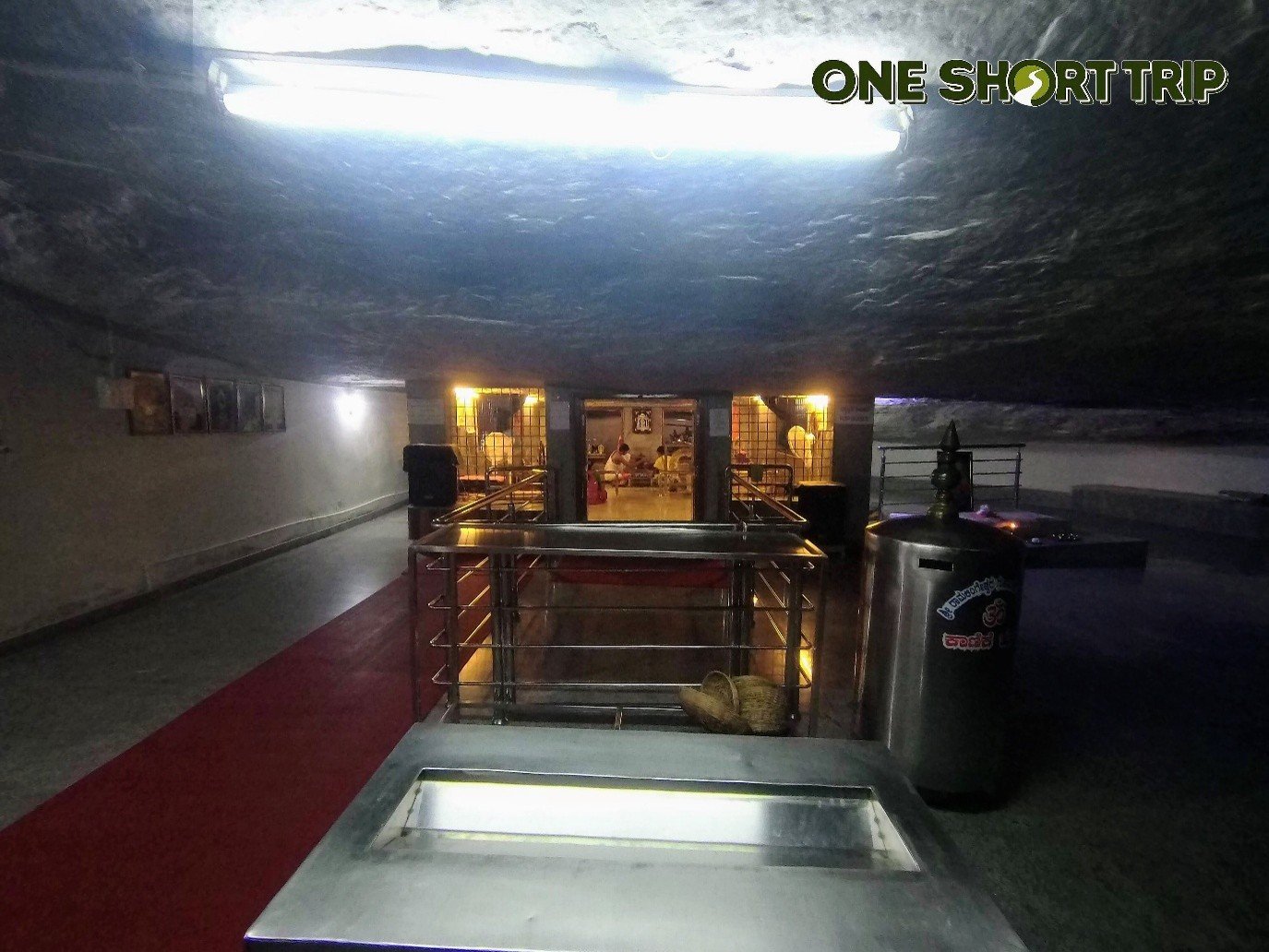
The setting is particularly different from Bengaluru's larger and more ornate temples. Instead of elaborate exterior structures dominating the experience, visitors encounter rock surfaces, a low cave ceiling, narrow passages and shrines integrated into the natural surroundings. This gives the temple a quiet and intimate atmosphere.
The History of Hulimavu Cave Temple

The precise early history of the Hulimavu cave and temple is not well documented. Several local and travel sources describe the cave as very old, sometimes giving an age of around 2,000 years, while the temple itself is generally described as several centuries old. Because there is no sufficiently strong published historical evidence to establish an exact date, it is better to regard the cave's great antiquity as a local tradition rather than a confirmed archaeological date.
The temple is traditionally associated with the Sri Sri Bala Gangadaraswami Mutt. Accounts of the site also connect its spiritual history with Sri Ramanand Swamiji, a saint who is believed to have spent years performing tapas and meditation inside the cave.
Sri Ramanand Swamiji and the Cave's Spiritual Legacy
One of the most important stories associated with the temple concerns Sri Ramanand Swamiji. According to local tradition, the saint chose the cave as a place for prolonged meditation and spiritual practice. His samadhi is preserved within the cave complex, making the site significant not only as a Shiva shrine but also as a place connected with a saint's spiritual life.
The presence of the samadhi adds another dimension to a visit. Devotees and visitors interested in meditation often spend time quietly within the cave, experiencing the natural rock surroundings and the subdued atmosphere of the shrine. Claims about specific supernatural effects should be understood as matters of personal faith rather than established fact.
Lord Ramalingeshwara – The Main Deity
The principal deity of the cave temple is Lord Shiva in the form of Ramalingeshwara. The Shiva Linga is positioned within the natural cave and forms the spiritual centre of the shrine.
The name Ramalingeshwara connects the shrine with the worship of Shiva as a linga, while the cave setting gives the temple a distinct identity among the many Shiva temples of Bengaluru. Devotees visit the shrine for prayer, darshan and traditional offerings to Lord Shiva.
Other Deities Inside the Cave

Shiva
The central Shiva Linga is the principal focus of worship inside the cave.
Ganesha & Devi
The cave also contains shrines dedicated to Ganesha and Devi alongside the main Shiva shrine.
Sources describing the temple commonly identify three principal deities inside the cave: Shiva, Devi and Ganesha. Other accounts also describe a shrine associated with Lord Rama and the Rama Parivar, including Sita, Lakshmana and Hanuman. The combination of Shiva and Rama worship within a natural cave is one of the features that makes this temple particularly interesting for visitors.
The Natural Rock Cave
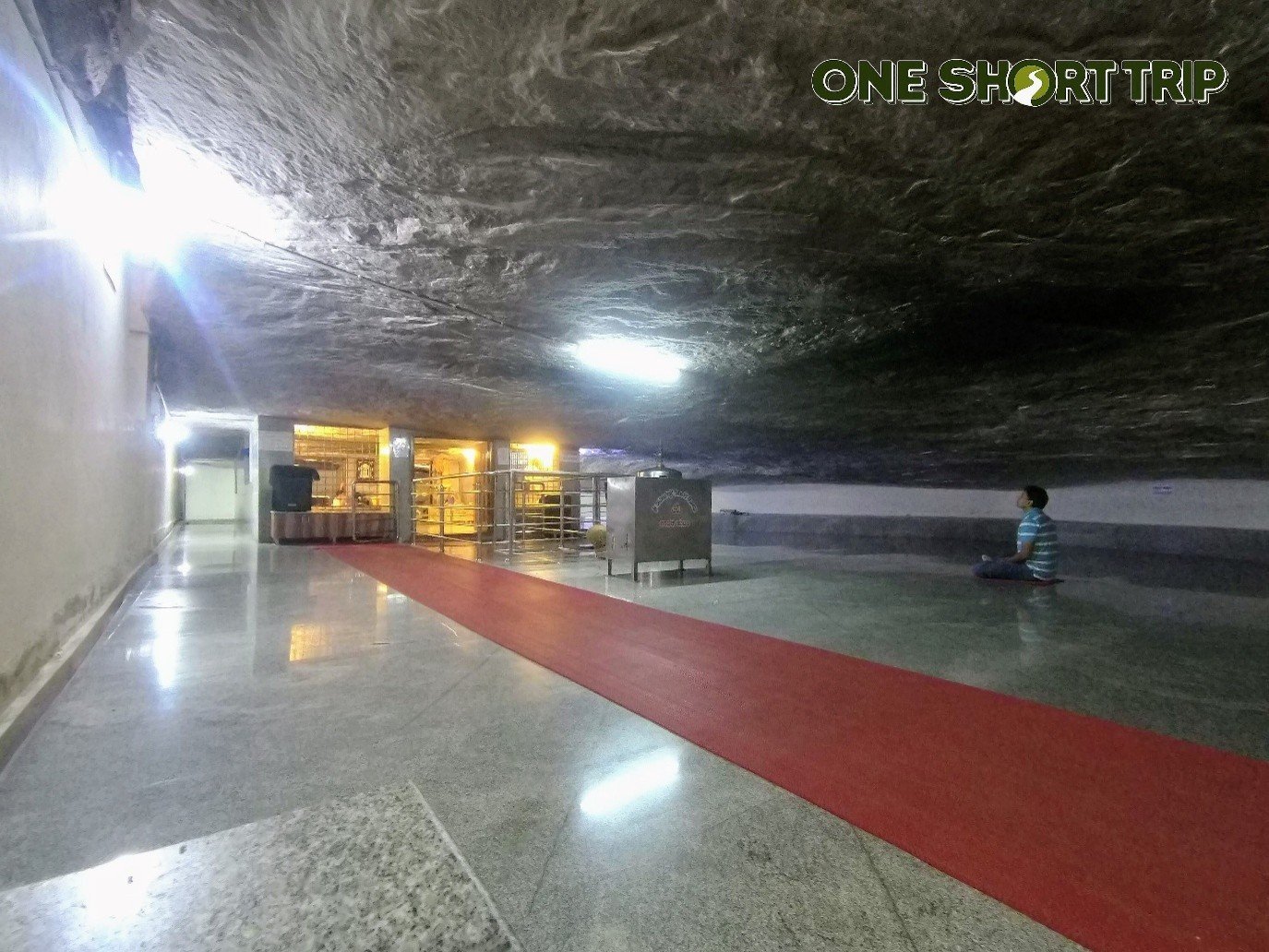
The cave itself is the defining feature of the temple. Natural granite rock forms the walls and ceiling, while steps and pathways guide visitors deeper into the shrine. The low rock ceiling and enclosed setting create a noticeable change in atmosphere from the busy Bannerghatta Road outside.
Rather than completely replacing the natural formation with a conventional temple structure, the shrine incorporates the existing cave into its religious space. This combination of natural geology and active worship is what makes the Hulimavu Ramalingeshwara Cave Temple one of the more unusual temple experiences in Bengaluru.
The Dhyana Mantap – A Place for Meditation
Another distinctive feature associated with the cave is the Dhyana Mantap, or meditation hall. Its presence reflects the site's long-standing association with meditation and spiritual practice. Visitors looking for a quieter experience can spend a few moments sitting peacefully rather than treating the cave only as a quick sightseeing stop.
Shri Gavi Ramalingeshwara Cave Temple Timings


Current visitor listings indicate that Shri Gavi Ramalingeshwara Cave Temple in Hulimavu is generally open in two daily sessions. The commonly listed visiting hours are 7:00 AM to 12:00 PM and 5:00 PM to 7:00 PM.
Morning
7:00 AM – 12:00 PM
Evening
5:00 PM – 7:00 PM
Temple timings can change for festivals, special worship and local events. If you are travelling specifically to visit the cave, it is advisable to confirm the day's timings before leaving, particularly if you are planning an early or late visit.
Where Is Hulimavu Gavi Ramalingeshwara Temple?
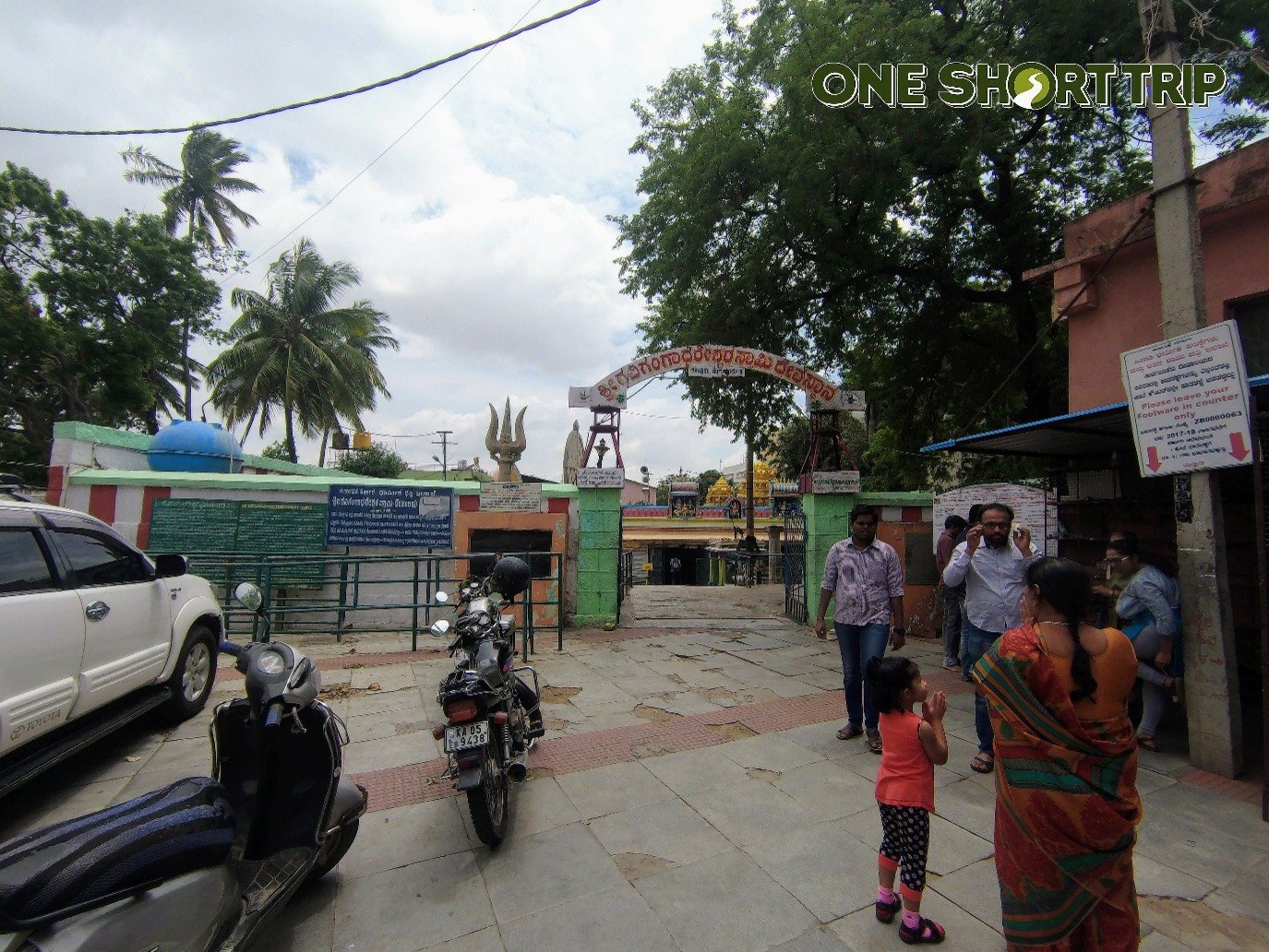
The temple is located in Pai Layout, Hulimavu, Bengaluru, Karnataka – 560076, close to Bannerghatta Road. It is also situated near the BGS educational institutions, making the location relatively easy to identify for visitors travelling through South Bengaluru.
The temple's location is particularly convenient for travellers exploring the Hulimavu, Bannerghatta Road, Gottigere and South Bengaluru areas.
How to Reach Shri Gavi Ramalingeshwara Cave Temple
By Road
The easiest way to reach the temple is by road through Bannerghatta Road. From Bannerghatta Road, continue towards Hulimavu and use the local directions for Cave Temple Road and Pai Layout. Auto-rickshaws and app-based taxis are convenient for the final stretch.
By Metro
The temple is not immediately beside a metro station, so metro travellers need to combine the metro with an auto-rickshaw, cab or bus for the last part of the journey. Konanakunte Cross Metro Station is among the useful metro options for the wider area, depending on your starting point and current road connectivity.
By Bus
BMTC buses operate along Bannerghatta Road and through the surrounding Hulimavu area. Depending on the route, you may need to get down on or near Bannerghatta Road and continue the remaining distance by auto-rickshaw or taxi.
What Can You See Inside the Cave Temple?
Ramalingeshwara
The main Shiva Linga is installed within the natural cave and remains the central focus of worship.
Devi & Ganesha
Shrines associated with Devi and Ganesha are also found within the cave complex.
Saint's Samadhi
The cave is associated with the samadhi of Sri Ramanand Swamiji, adding to its spiritual importance.
A Temple Associated With Meditation
The presence of a Dhyana Mantap and the tradition of Sri Ramanand Swamiji's meditation make the cave particularly appealing to visitors interested in quiet spiritual spaces. The enclosed rock environment naturally feels removed from the traffic and activity of Bannerghatta Road.
Visitors should remember that this is an active place of worship rather than a conventional tourist attraction. Sitting quietly, observing temple customs and allowing devotees to complete their prayers without disturbance will make the experience more meaningful.
How Much Time Do You Need?
For a normal darshan and a look around the cave, 30 minutes to 1 hour is usually sufficient. Visitors who want to sit in the meditation area or spend more time observing the cave can stay longer.
If you are visiting several attractions around Bannerghatta Road, the cave temple works well as a shorter spiritual stop rather than requiring an entire day by itself.

Best Time to Visit Hulimavu Cave Temple
For a quieter experience, weekday mornings are a practical choice. The cave is more comfortable when there is less crowd movement, particularly for visitors who want to appreciate the natural rock formation or spend some time in meditation.
Maha Shivaratri is an important period for a Shiva temple such as Ramalingeshwara, but festival days can naturally bring larger crowds and longer waiting times. Visitors who prefer a peaceful experience should choose a normal weekday instead.
Dress Code and Temple Etiquette
Wear clean and respectful clothing when visiting the temple. As with other Hindu places of worship, visitors should maintain a quiet and respectful manner, especially around the sanctum and the saint's samadhi.
- Remove footwear before entering areas where it is not permitted.
- Maintain silence or speak softly inside the cave.
- Do not touch idols, ritual objects or cave surfaces unless permitted.
- Follow instructions given by temple staff or priests.
- Avoid obstructing devotees who are performing prayers or circumambulation.
- Ask before taking photographs in sensitive areas of the temple.
Is Hulimavu Cave Temple Suitable for Families?
Yes. Families can include the temple in a South Bengaluru outing, particularly if children are interested in caves, temples and unusual places. Parents should keep younger children close because the cave has uneven rock surfaces, steps and confined areas.
Is Hulimavu Cave Temple Suitable for Senior Citizens?
Senior citizens who are comfortable with steps and uneven surfaces can visit the temple. Because this is a natural cave rather than a fully level modern building, visitors with mobility difficulties should assess the access conditions before entering and avoid rushing through the cave.
Nearby Places to Visit
Sri Meenakshi Sundareshwara Temple
Located close to Bannerghatta Road, this temple can be combined with the Hulimavu cave temple for a South Bengaluru temple circuit.
Bannerghatta National Park
The popular wildlife destination can be combined with the temple for a longer Bannerghatta Road day trip.
Hulimavu Lake
The lake provides a contrasting outdoor stop after visiting the enclosed cave environment.
Art of Living International Center
The large spiritual and meditation centre south of Bengaluru can be considered for a broader spiritual itinerary.
Why Visit Shri Gavi Ramalingeshwara Cave Temple?
The biggest reason to visit the Hulimavu Gavi Ramalingeshwara Cave Temple is its unusual combination of natural rock, active worship and spiritual history. The experience is very different from visiting a large urban temple with expansive courtyards and elaborate architecture.
The natural cave, Shiva shrine, associated Devi and Ganesha worship, Dhyana Mantap and the samadhi traditionally associated with Sri Ramanand Swamiji make this a distinctive place for devotees and travellers interested in Bengaluru's lesser-known temples.
If you are exploring hidden temples in Bengaluru, cave temples near Bannerghatta Road or peaceful spiritual places in South Bengaluru, Shri Gavi Ramalingeshwara Cave Temple deserves a place on your list.