Sri Panchalinga Nageshwara Temple, Begur – An Ancient Shiva Temple and a Window into Bengaluru’s Earliest History
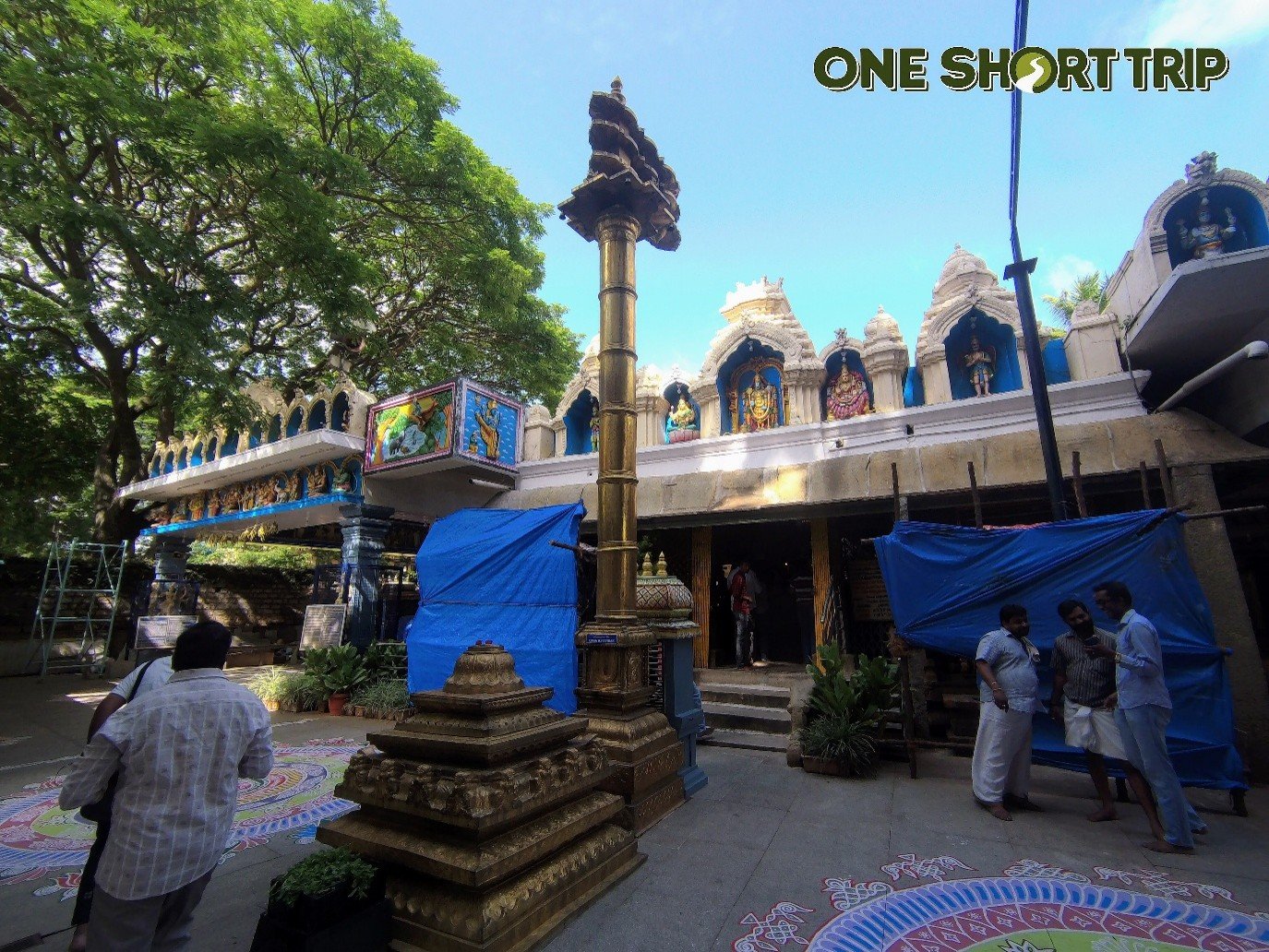
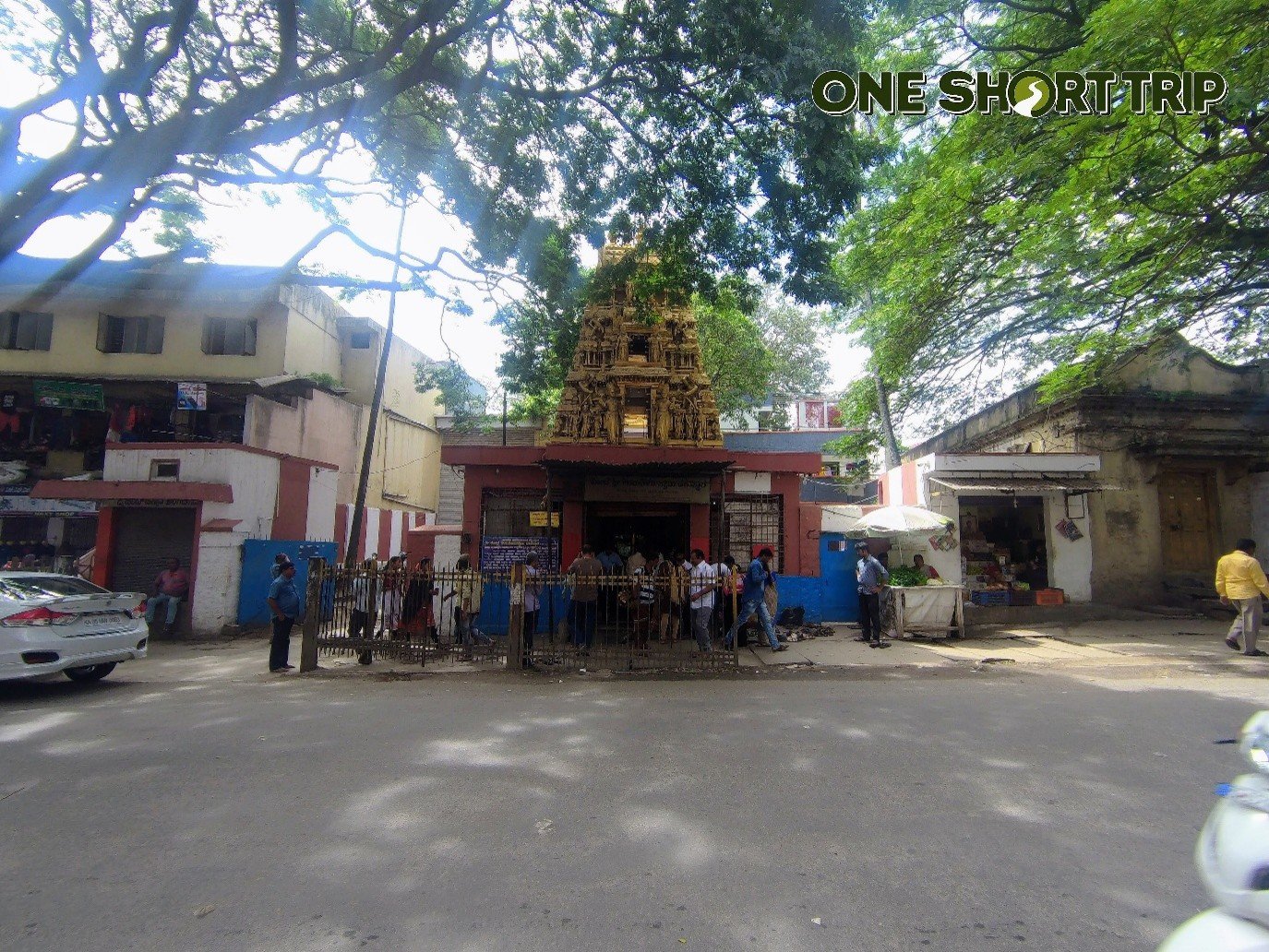
Sri Panchalinga Nageshwara Temple, also known as Nageshvara Temple or Naganatheshwara Temple, is one of the most historically important ancient temples in Bengaluru. Located in Begur in south Bengaluru, this remarkable Shiva temple complex combines centuries-old worship, Western Ganga architecture, later dynastic influences, ancient inscriptions, hero stones and the extraordinary historical connection of Begur with the earliest known written reference to the name Bengaluru.
Unlike many temples that are remembered mainly for their religious importance, the Panchalinga Nageshwara Temple is equally significant for understanding the early history of the Bengaluru region. An Old Kannada inscription dated to around 890 CE, found within the temple complex, records a battle associated with Bengaluru. It is regarded as the earliest known epigraphic reference to the name Bengaluru, placing the documented history of the city more than a thousand years into the past.


A Temple That Connects Directly to the Early History of Bengaluru
The most remarkable historical feature of the temple complex is the Old Kannada inscription dating to approximately 890 CE. The inscription refers to a battle known as a Bengaluru war and provides early written evidence that a place called Bengaluru already existed centuries before the establishment of the city traditionally associated with Kempegowda in the 16th century.
The inscription is important because it changes the way the history of Bengaluru is understood. Rather than beginning the story of the city only with the construction of the famous fort by Kempegowda, the inscription demonstrates that the name Bengaluru and a settlement associated with it were already present in the early medieval period.
The historical record also identifies the area by earlier names. Begur has been associated with names such as Veppur and Kelele in earlier records, while later historical usage developed into Begur. The region was an important settlement in the political landscape of southern Karnataka.


Western Ganga Origins and Later Dynastic Layers
The oldest surviving shrines in the complex are associated with the Western Ganga dynasty. Historical studies attribute the Nageshvara and Nageshvarasvami shrines to the reigns of Ganga rulers Nitimarga I, who ruled approximately from 843 to 870 CE, and Ereyappa Nitimarga II, who ruled in the early 10th century.
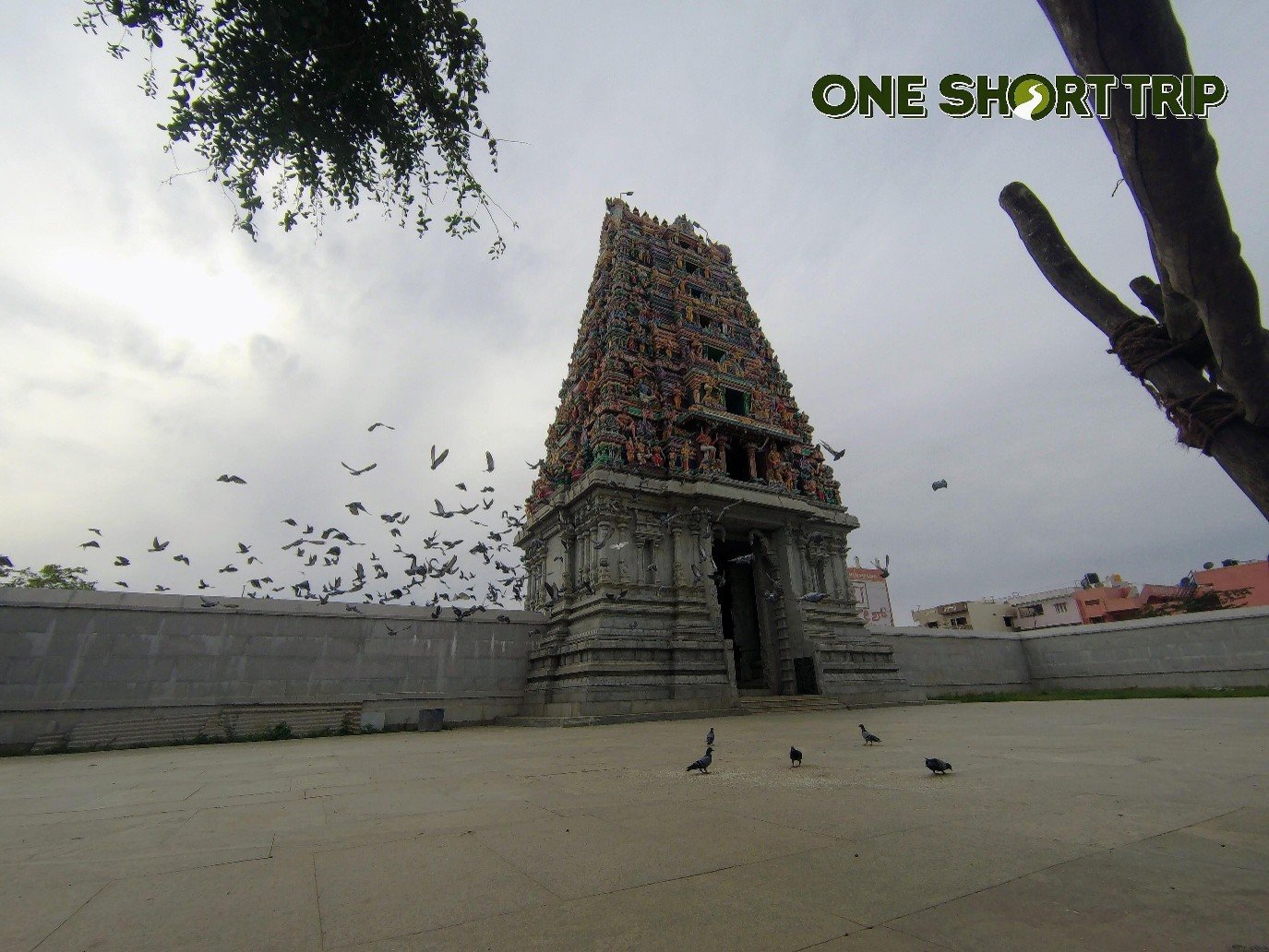
The temple complex subsequently developed through different historical periods. Later shrines, additions and modifications are associated with the Chola, Hoysala and Vijayanagara periods. This gives the complex a layered architectural character rather than making it the product of a single dynasty or construction phase.
This mixture of architectural and historical influences is one of the reasons the temple is valuable to visitors interested in South Indian heritage. The surviving structures allow visitors to see how a sacred site could continue evolving while retaining its older religious core.
Why Is It Called Panchalinga Nageshwara Temple?
The name Panchalinga refers to the presence of five Shiva Lingas worshipped within the larger temple complex. The five shrines are commonly identified as Nageshwara, Nagareshwara, Choleswara, Karaneshwara and Kali Kamateshwara. Each shrine has its own sacred identity, making the complex especially important to devotees of Lord Shiva.
The arrangement is particularly interesting because the visitor is not simply seeing five Lingas gathered in one room. The complex contains separate shrine spaces associated with the different forms of Shiva worshipped here, creating a distinctive Panchalinga temple environment.


The Nageshvara Shrine
The Nageshvara shrine is one of the principal historic structures in the complex. Its basic plan follows the traditional sequence of a garbhagriha, or sanctum, connected through an antarala to a closed hall or navaranga, followed by an open hall or agra-mantapa.
The sanctum contains the Shiva Linga, while the open hall contains Nandi, the sacred vehicle of Lord Shiva. The Nandi is positioned on a lotus-shaped pedestal, allowing devotees to experience the traditional visual relationship between Shiva and his vahana.
Western Ganga Architectural Features
The Nageshvara shrine is particularly valuable for its early architectural details. Its white granite pillars have relatively restrained decoration, with square bases, plain lower sections and fluted octagonal portions. Several parts of the halls have undergone later renovation, but the underlying early temple plan remains visible.
The ceiling of the closed hall contains sculptural panels arranged in a square grid. Among the important imagery is Uma-Maheshvara, the combined representation of Shiva and Parvati, along with representations connected with the eight directional guardians, known as the Ashta Dikpalakas.
Sculptures and Decorative Details
The temple contains a variety of sculptures that reflect the religious and artistic vocabulary of early South Indian temple architecture. Visitors can look for representations of Mahishasuramardini, Lord Ganesha and Kalabhairava, among other sculptural elements preserved within the complex.
The doorways are also worth examining closely. Their vertical doorjambs feature decorative creepers, ganas and lotus motifs, while the central portion of the lintel contains an image of Gajalakshmi accompanied by elephants. These details provide an opportunity to appreciate the temple as an architectural monument rather than viewing it only as a place of worship.
The Nageshvarasvami Shrine and Nandi Mantapa
Another important historic structure is the Nageshvarasvami shrine. It follows a similar early temple arrangement with a square sanctum, vestibule and open hall, together with a separate mukha-mantapa. The mukha-mantapa also functions as a Nandi hall, with Nandi placed within it.
The entrance contains sculptural representations of Ganga and Yamuna figures with attendants, while the architectural treatment shows influences that have been compared with Chalukya-Rashtrakuta traditions. Together with the Ganga-period features elsewhere in the complex, these details demonstrate the sophisticated cultural exchanges that shaped early Karnataka temple architecture.
Sri Panchalinga Nageshwara Temple Begur – Inscriptions, Hero Stones, Sacred Traditions and Visitor Guide
The historical importance of Sri Panchalinga Nageshwara Temple goes far beyond its ancient stone architecture. The temple complex preserves inscriptions, hero stones and religious structures that provide an extraordinary glimpse into the political, social and spiritual history of the Bengaluru region. A visit here is therefore both a pilgrimage and a heritage experience.


The Famous 890 CE Bengaluru Inscription
One of the most important objects associated with the temple is an Old Kannada inscription dating to around 890 CE. The inscription records a conflict referred to as a Bengaluru war and contains an early written form of the name Bengaluru. It is therefore one of the most important pieces of evidence for the antiquity of Bengaluru as a place name.
The inscription is especially significant because it predates the 16th-century establishment of Bengaluru traditionally associated with Kempegowda. It demonstrates that a place known by a form of the name Bengaluru existed in the region many centuries earlier.
The inscription is written in an early form of Kannada and has been documented through the work of epigraphists including R. Narasimhachar and in Epigraphia Carnatica. For anyone interested in the history of Bengaluru, this is arguably the single most important reason to visit the Begur temple complex.
What Does the Bengaluru Inscription Tell Us?
The inscription refers to a battle and records the death of a warrior associated with the local political establishment. Historical interpretations connect the record with the early medieval political landscape of the region, when the Western Gangas and neighbouring powers were competing for control of territory.
Its importance is not simply that the word Bengaluru appears on an old stone. The record provides evidence that the area already had organised settlements, local chiefs, warfare, administration and temple institutions during the early medieval period. It therefore adds an important archaeological dimension to the history of modern Bengaluru.
Begur Hero Stones and Memorial Stones
The temple complex and surrounding Begur area are also associated with hero stones, or viragals. These memorial stones were traditionally erected to commemorate warriors who died in battle or while defending their community. Their inscriptions and carvings provide valuable information about the conflicts, people and social structures of early Karnataka.


One historical hero stone associated with Begur commemorates a warrior who died in a conflict between the Western Ganga ruler Ereyappa and the Nolamba ruler Bira Mahendra, traditionally dated to around 920 CE. Such records help historians reconstruct the political history of the Bengaluru region during a period for which surviving written sources are comparatively limited.
The collection of inscriptions at Begur is broader than the famous Bengaluru inscription alone. Records associated with the temple and locality span several centuries and provide evidence of donations, temple administration, local settlements and political changes. This makes the site particularly valuable for students and enthusiasts of epigraphy and Karnataka history.
A Multi-Dynastic Temple Complex
The present complex should not be understood as the work of one ruler or one dynasty. The oldest surviving Nageshvara and Nageshvarasvami shrines are associated with the Western Ganga period. Other structures and additions reflect the influence of later dynasties, including the Cholas, Hoysalas and Vijayanagara rulers.
This layered history is one of the most interesting aspects of the temple. Instead of seeing a monument frozen in a single historical period, visitors can observe how the sacred complex continued to be used, modified and expanded over generations.
The Panchalinga Tradition
The temple is popularly known as the Panchalinga Nageshwara Temple because the complex is associated with five Shiva Lingas and multiple Shiva shrines. The names commonly associated with the Panchalinga tradition are Nageshwara, Nagareshwara, Choleswara, Karaneshwara and Kali Kamateshwara.
For devotees, the presence of several Shiva shrines within the same historic complex makes the temple an important local centre of Shaiva worship. For heritage visitors, it also provides an opportunity to observe how different shrines developed around an older sacred centre.
Religious Importance of Nageshwara
Nageshwara is a form of Lord Shiva associated with the symbolism of the serpent and the divine power of Shiva. The principal Shiva Linga is worshipped through regular rituals, offerings and festivals, continuing a tradition of Shaiva worship that has deep roots in Karnataka.
The temple's religious importance is strengthened by the presence of Nandi, the sacred bull of Shiva, positioned in relation to the principal shrines. Devotees traditionally approach the sanctum after paying respects to Nandi and follow the customary temple pradakshina and worship practices.


Local Legends and Traditional Beliefs
Like many ancient Shiva temples, the Begur temple is surrounded by traditional stories that have been passed down through generations. Some local accounts connect Nageshwara worship with the wider Shaiva traditions of Karnataka, while other stories connect the shrine with episodes from Hindu mythology.
One traditional account associates Ravana's worship of Shiva with Nageshwara. According to this belief, after Ravana obtained the Atma Linga at Gokarna, he worshipped Nageshwara while travelling back towards Lanka. This is a religious legend rather than an independently established historical event, and it should be understood as part of the devotional traditions associated with the shrine.
Architecture Worth Observing During Your Visit
Take time to look beyond the main deity when visiting. The early temple architecture contains several details that can easily be missed during a quick darshan. Look closely at the granite pillars, doorframes, ceiling panels, Nandi mantapas and sculptural motifs.
- Square sanctums and traditional temple plans
- Antaralas connecting the sanctums and halls
- Navaranga and open mantapas
- Nandi placed in dedicated halls
- Granite pillars with early architectural detailing
- Ceiling panels depicting Hindu deities and directional guardians
- Gajalakshmi imagery on temple door lintels
- Ganga and Yamuna figures around entrances
- Images of Ganesha, Durga and Kalabhairava
- Later additions reflecting changing architectural traditions
Festivals and Special Worship
Mahashivaratri is one of the most important occasions for Shiva devotees and is observed with special worship at temples such as Nageshwara. The temple is also associated with special poojas during the Hindu month of Kartika and other important occasions in the Shaiva calendar.
Traditional sources also mention Brahma Rathotsava or temple chariot celebrations associated with the shrine. Festival dates and programmes can change from year to year, so devotees planning specifically around a festival should confirm the current schedule locally before travelling.
Sri Panchalinga Nageshwara Temple Timings
Published visitor information commonly lists the temple as open in the morning and again in the evening, with timings around 6:00 AM to 12:00 PM and 5:00 PM to 8:00 PM. Because temple hours can change during festivals, special poojas and local events, visitors should confirm the day's darshan timings before travelling.
Typical Visiting Hours
Morning: Around 6:00 AM – 12:00 PM
Evening: Around 5:00 PM – 8:00 PM
Note: Confirm locally on the day of your visit, especially during festivals.
How to Reach Panchalinga Nageshwara Temple, Begur
The temple is located in Begur in south Bengaluru and is accessible by road from major parts of the city. Cab, auto-rickshaw and private vehicles are convenient options for visitors coming specifically to the temple.
BMTC buses serve the Begur and surrounding areas, although the most convenient route depends on the visitor's starting point. Those using Namma Metro will generally need a last-mile connection by bus, auto-rickshaw or cab to reach the temple.
Best Time to Visit
For a peaceful heritage visit, an early morning visit is ideal. The cooler conditions also make it easier to spend time examining the temple's stonework and historical features without rushing.
If you want to experience the temple at its most devotional, visiting during Mahashivaratri or other major festivals can be rewarding, but expect significantly larger crowds and longer waiting times.
How Long Should You Spend Here?
A quick darshan can take around 20 to 30 minutes, but a meaningful heritage visit deserves approximately 45 minutes to 1 hour. Visitors interested in inscriptions, hero stones and architectural details should allow additional time.
Is the Temple Suitable for Senior Citizens?
Yes. The temple can be included in a Bengaluru spiritual and heritage itinerary for senior citizens. Visiting outside peak festival periods is recommended for a more relaxed experience. Comfortable footwear for the approach and sufficient time for walking around the complex can make the visit easier.
Is the Temple Suitable for Families and Children?
Yes. Families can combine the religious visit with a simple introduction to Bengaluru's history. The 890 CE inscription and hero stones can be particularly interesting for older children and students learning about Karnataka's history and ancient Kannada inscriptions.
Photography and Heritage Etiquette
Visitors should follow the temple's current instructions regarding photography. Avoid using flash around sacred objects or during worship, and do not photograph restricted areas if temple authorities prohibit it.
The inscriptions and hero stones should be treated as archaeological heritage. Visitors should not touch, climb on, lean against or attempt to clean historic stones. Preserving these objects is particularly important because they contain irreplaceable evidence about Bengaluru's early history.
Dress Code and Temple Etiquette
- Wear modest and respectful clothing.
- Remove footwear wherever required before entering temple interiors.
- Maintain silence or speak softly near the sanctum.
- Follow the queue and instructions of temple staff.
- Do not touch idols, inscriptions or sculptures unless permitted.
- Avoid disturbing devotees during pooja and darshan.
- Respect photography restrictions.
Nearby Heritage Interest in Begur
The Panchalinga Nageshwara Temple should ideally be viewed as part of the wider historical landscape of Begur rather than as an isolated religious building. The locality has yielded inscriptions, hero stones and other archaeological evidence that demonstrate its importance during the early medieval period.
Begur's historical importance is particularly striking because the area is now surrounded by Bengaluru's rapidly developing urban landscape. The temple therefore provides a rare surviving link between modern Bengaluru and the much older settlements that existed in the region more than a millennium ago.
A Bengaluru Heritage Circuit Around Begur
Travellers interested in Bengaluru's lesser-known history can combine Panchalinga Nageshwara Temple with other historic temples and heritage locations in south Bengaluru. The ideal circuit depends on opening hours and traffic, but Begur works particularly well as an early-morning heritage stop.
For travellers who enjoy archaeology, inscriptions and ancient architecture, the visit can be made more meaningful by researching the 890 CE inscription before arriving. Knowing why the stone matters transforms the visit from simply seeing an old temple into understanding one of the earliest documentary connections to Bengaluru.
What Makes Panchalinga Nageshwara Temple Special?
Few places in modern Bengaluru bring together religion, architecture, epigraphy and city history as closely as the Begur temple complex. The ancient Nageshwara shrines preserve Western Ganga architectural traditions, later structures reveal the continued importance of the site, and the inscriptions provide a direct connection to the early history of Bengaluru.
For One Short Trip readers, this is not simply another old temple to add to a Bengaluru sightseeing list. It is a place where the history of the city can be encountered through surviving stone architecture and inscriptions. A visit to Sri Panchalinga Nageshwara Temple offers devotees a historic Shiva shrine, while heritage travellers get an opportunity to stand at a site that preserves some of the earliest documentary evidence for Bengaluru.