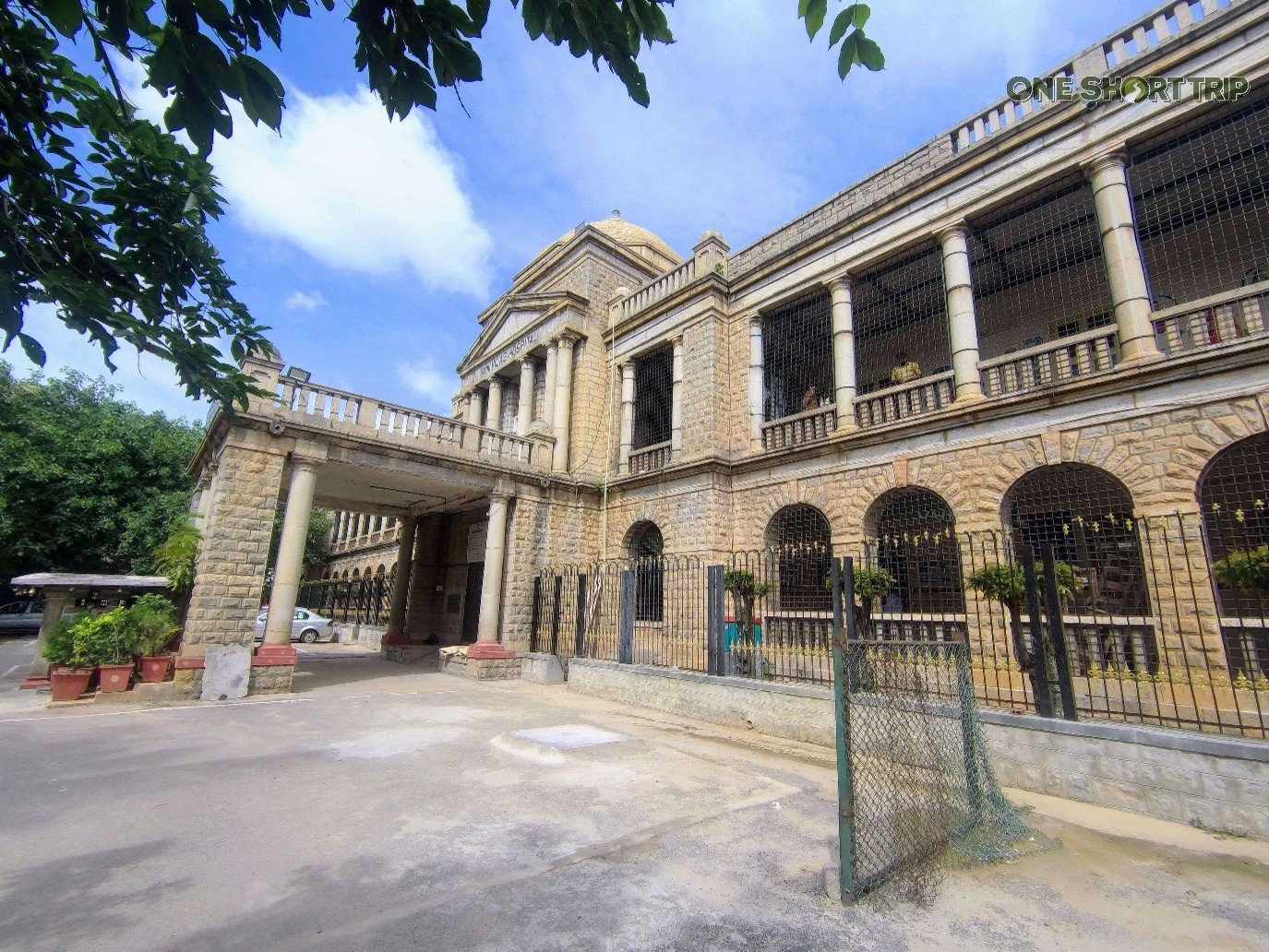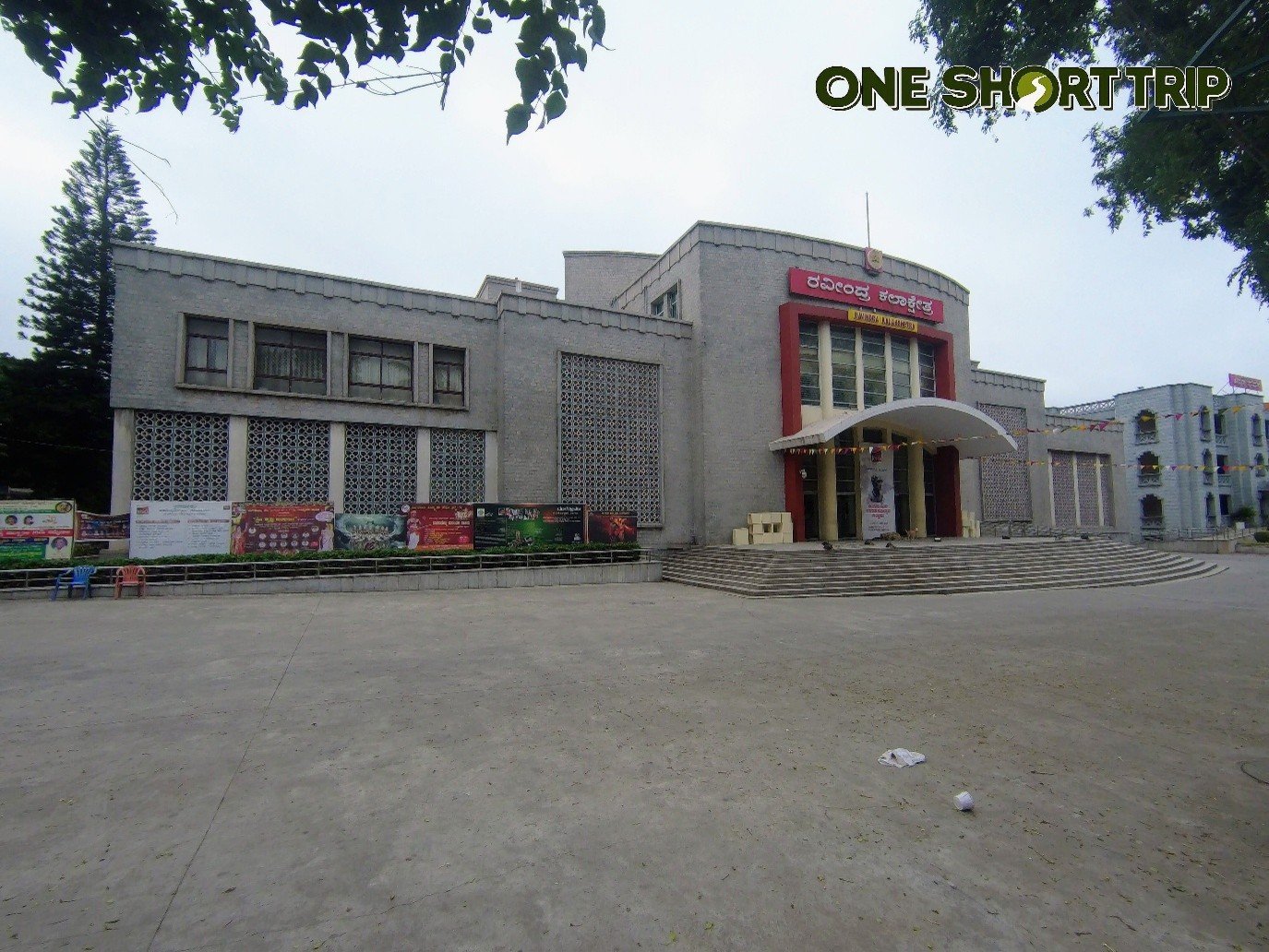
Tipu Sultan’s Summer Palace, Bengaluru
In the historic heart of Bengaluru, close to KR Market and the remains of Bengaluru Fort, stands Tipu Sultan’s Summer Palace, one of the city's most important surviving monuments from the late 18th century. Built primarily with teakwood and decorated with carved pillars, arches, balconies and ornamental details, the palace offers a rare glimpse into Bengaluru's history before the city became the technology capital of India.
The palace is closely associated with Tipu Sultan, the ruler of the Kingdom of Mysore, and his father Hyder Ali. Construction began during Hyder Ali's reign in 1781 and was completed by Tipu Sultan in 1791. Today, the historic structure is preserved as a heritage attraction and museum, allowing visitors to explore the architectural and political history of the Mysore kingdom.


Why Is Tipu Sultan’s Summer Palace Famous?
Tipu Sultan's Summer Palace is famous for its distinctive Indo-Islamic architecture, extensive use of teakwood, carved wooden pillars, cusped arches, balconies and historic association with the Kingdom of Mysore. Unlike the enormous stone palaces found elsewhere in India, this Bengaluru palace has a relatively intimate scale and derives much of its character from wood, ornamentation and proportion.
The palace is also significant because it stands within the historic landscape of Bengaluru Fort. Its location connects several layers of Bengaluru's history: the city's early fortification, the expansion of the Mysore kingdom under Hyder Ali and Tipu Sultan, the Anglo-Mysore Wars and the subsequent British administration.
History of Tipu Sultan’s Summer Palace
The palace's story begins in the period when Hyder Ali strengthened Bengaluru and developed the existing fort and its surrounding royal complex. Construction of the summer palace began around 1781.
Tipu Sultan continued the work after succeeding his father. The palace was completed in 1791, becoming one of the notable royal structures associated with Tipu's period of rule. Contemporary and later descriptions of the building emphasize its wooden construction and Indo-Islamic decorative character.
The palace formed part of a larger royal and administrative landscape within Bengaluru Fort. It should therefore be understood not as an isolated building but as one surviving element of a much larger historic complex that changed substantially during and after the Anglo-Mysore conflicts.
Tipu Sultan and the Palace
Tipu Sultan, often remembered as the “Tiger of Mysore,” ruled the Kingdom of Mysore from 1782 until his death at Srirangapatna in 1799. His reign was marked by repeated conflicts with the British East India Company and its allies, as well as administrative, military and economic reforms.
The Summer Palace represents the more personal and residential side of this period. It was designed as a royal retreat rather than as a massive defensive fortification. At the same time, its position within Bengaluru Fort meant that it existed close to the political and military centre of the city.
Indo-Islamic Architecture
The architectural identity of Tipu Sultan's Summer Palace comes from its combination of Islamic architectural vocabulary with regional craftsmanship. The building features cusped arches, decorative pillars, balconies, wooden brackets and ornamental floral designs.
The palace is particularly interesting because the structure demonstrates how late-18th-century Mysorean architecture incorporated different artistic influences while remaining rooted in local materials and craftsmanship.


The Teakwood Structure
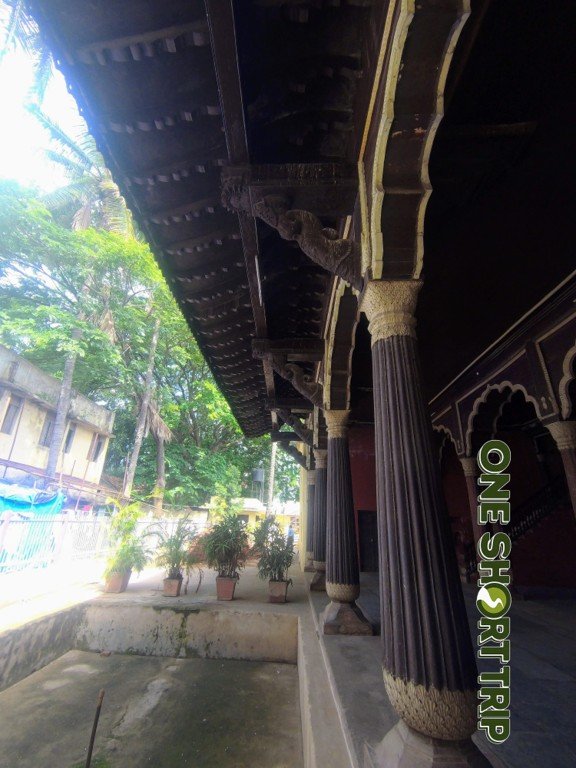
One of the first things visitors notice is the extensive use of teakwood. The palace's columns, beams, balconies and decorative elements give the building a warm appearance that is very different from Bengaluru's later colonial and modern architecture.
The wooden construction also demonstrates the skill of the craftsmen who worked on royal buildings in the Mysore kingdom. The combination of structural timber and decorative carving gives the palace its distinctive character.
The Two-Storey Palace
Tipu Sultan's Summer Palace is a two-storey structure. Its upper level is particularly notable for its open spaces, balconies and ornamental wooden elements.
Historical descriptions associate the upper balconies with royal court activities. The arrangement of the building also included smaller rooms that have traditionally been identified with the palace's private quarters.
The building's relatively open design allows light and air to move through the structure, creating the characteristic airy feel of a traditional palace in a warm climate.
Fluted Pillars, Arches and Balconies
The palace's fluted pillars are among its most recognisable architectural features. They support the upper structure while also contributing to the decorative rhythm of the building.
The cusped arches and projecting balconies create another distinctive feature. When viewed together with the teak columns and painted surfaces, they give the palace the elegant Indo-Islamic appearance for which it is known. Karnataka Tourism specifically identifies the palace's fluted pillars, cusped arches and balconies as key architectural features.
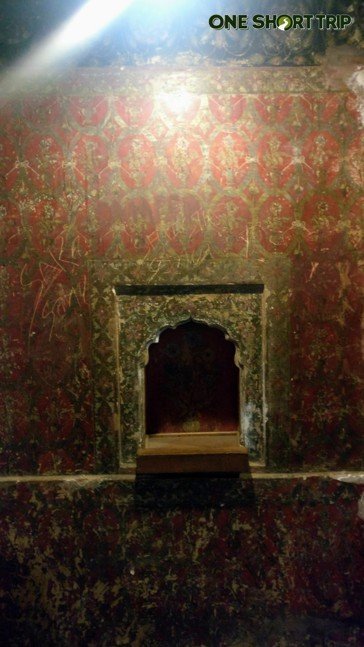
Floral Motifs and Decorative Work
Floral patterns form an important part of the palace's decorative vocabulary. Painted and carved motifs appear across different parts of the structure, adding colour and visual detail to the otherwise restrained wooden architecture.
These motifs are particularly worth observing closely rather than simply photographing from a distance. The palace rewards visitors who take time to look at the details of its pillars, brackets, arches, ceilings and painted surfaces.
The Palace Museum
Part of the palace functions as a museum dedicated to the history and legacy of Tipu Sultan and the Hyder-Tipu period. Museum displays help visitors understand the political and military world in which the palace was created.
Depending on the current display arrangement, visitors may encounter historical portraits, documents, coins, weapons-related objects, replicas and other material connected with Tipu Sultan and his period. The museum transforms the visit from an architectural experience into a broader introduction to the history of the Mysore kingdom.
Tipu Sultan’s Tiger
One of the objects associated with the palace museum is a replica of Tipu Sultan's famous mechanical tiger. The original “Tipu's Tiger” is preserved at the Victoria and Albert Museum in London, while reproductions and historical displays in India help explain the tiger imagery associated with Tipu Sultan.
The tiger became strongly associated with Tipu's identity and the symbolism of the Mysore state. Tiger motifs appeared in different forms during his reign, making the subject an important part of understanding Tipu's visual and political symbolism.
The Golden Throne Story
The palace is also associated with the story of the ornate throne envisioned by Tipu Sultan. Historical accounts describe a magnificent throne decorated with gold and precious stones, which Tipu is said to have intended to use only after defeating the British.
The throne itself did not survive as an intact object. After Tipu Sultan's death, its components were dismantled and dispersed. The palace's historical displays and interpretations help visitors understand the ambitions and symbolism surrounding Tipu's royal court.
Tipu Sultan’s Connection with Bengaluru
Bengaluru played an important role in the history of the Mysore kingdom. Under Hyder Ali and Tipu Sultan, the city's fortifications were strengthened and Bengaluru became an important strategic centre.
Tipu Sultan's Summer Palace is therefore valuable because it preserves a physical link to a period when Bengaluru was very different from the modern metropolis surrounding it today. The contrast between the palace and the city's contemporary skyline makes the site particularly interesting for visitors interested in urban history.


The Palace After Tipu Sultan
Tipu Sultan died in 1799 during the Fourth Anglo-Mysore War at Srirangapatna. After the fall of the Mysore kingdom's capital, the political landscape of the region changed dramatically.
The Bengaluru palace subsequently entered a different phase of its history. During the British period, the building was used for administrative purposes, including as a secretariat, before the administration eventually moved to Attara Kacheri. This later history is an important reminder that historic buildings often acquire new functions as political power changes.
Tipu Sultan’s Summer Palace and Bengaluru Fort
The palace should ideally be understood together with Bengaluru Fort. The original fort was established much earlier in Bengaluru's history and was subsequently transformed and strengthened under Hyder Ali.
Only portions of the historic fort survive today. The remaining structures, gateways and palace provide an opportunity to reconstruct the story of old Bengaluru and understand how the city developed around its historic core.
A Glimpse of Old Bengaluru
Visiting Tipu Sultan's Summer Palace is one of the easiest ways to experience the contrast between Old Bengaluru and modern Bengaluru. Just outside the heritage complex are busy markets, roads, commercial areas and dense urban neighbourhoods.
Inside the palace, the atmosphere changes. Wooden columns, historic architecture and garden space create a quieter environment where visitors can pause and think about the city's earlier centuries.
Why History and Architecture Lovers Should Visit
For history enthusiasts, the palace offers several layers of interpretation: Tipu Sultan's reign, Hyder Ali's expansion of Bengaluru, the Anglo-Mysore Wars, Indo-Islamic architecture, traditional woodworking, British administration and the evolution of modern Bengaluru.
Architecture enthusiasts will particularly appreciate the relationship between the wooden structural system and the decorative arches, pillars and balconies. The building is compact enough that visitors can examine these details without needing several hours.
Tipu Sultan’s Summer Palace in a Bengaluru Heritage Circuit
The palace is particularly easy to combine with other historic attractions in central and southern Bengaluru. A heritage-focused itinerary can include Bengaluru Fort, KR Market, Tipu Sultan's Summer Palace, Kote Sri Prasanna Venkataramana Swamy Temple and nearby historic landmarks.
Visitors interested in architecture can extend the circuit toward Lalbagh, while those interested in Bengaluru's religious heritage can continue toward the temples of Basavanagudi and Banashankari.
Quick Information
| Location | Old Bengaluru, near KR Market and Bengaluru Fort |
| Main Historical Association | Tipu Sultan and Hyder Ali |
| Construction Began | 1781 |
| Completed | 1791 |
| Architecture | Indo-Islamic |
| Primary Material | Teakwood with masonry elements |
| Structure | Two storeys |
| Present Use | Heritage monument and museum |
| Ideal For | History, architecture, heritage and cultural sightseeing |
Tipu Sultan's Summer Palace is one of Bengaluru's most valuable surviving links to the city's pre-colonial past. Its teakwood architecture, Indo-Islamic design, association with Tipu Sultan and location within the historic Bengaluru Fort landscape make it much more than a quick photo stop. It is a place where the history of Bengaluru, the Mysore kingdom and the late 18th-century Deccan come together.
Visiting Tipu Sultan’s Summer Palace, Bengaluru
Tipu Sultan's Summer Palace is one of the easiest heritage attractions to include in a Bengaluru sightseeing itinerary because it is located in the historic southern part of the city, close to KR Market, Bengaluru Fort and the old Pete area. A visit does not require an entire day, making the palace particularly suitable for travellers combining several attractions in central and southern Bengaluru.
The palace is best experienced slowly rather than treated only as a photo stop. Allow enough time to observe the wooden columns, arches, balconies, decorative work, museum displays and the surrounding historic landscape.


Tipu Sultan Summer Palace Timings
Published Karnataka Tourism material lists the Tipu Sultan Summer Palace as open from approximately 8:30 AM to 5:30 PM. Since heritage-site operating arrangements can change, it is sensible to verify the current opening hours before travelling, particularly around public holidays or special circumstances.
For a comfortable visit, reaching the palace in the morning is recommended. The surrounding KR Market area becomes considerably busier as the day progresses, so an early visit can also make the overall heritage circuit easier.
How Much Time Do You Need?
Most visitors can explore the palace in approximately 45 minutes to 1 hour. History enthusiasts and photographers may want to spend longer examining the architecture and museum displays.
If you are visiting Bengaluru as a tourist, it is more efficient to combine the palace with nearby attractions rather than travelling across the city just for this monument.
Best Time to Visit Tipu Sultan’s Summer Palace
The palace can be visited throughout the year. However, morning hours are generally more comfortable for sightseeing, particularly if you are combining the visit with Bengaluru Fort, KR Market or other outdoor attractions.
The cooler months from roughly October to February are particularly pleasant for exploring Bengaluru's heritage attractions. During the hotter months, an early visit helps avoid the stronger afternoon heat.
Visiting During Weekdays
Weekdays are a good choice for travellers who prefer a quieter heritage experience. Weekends and holidays can bring more visitors, especially because the palace is located close to busy central Bengaluru markets and other popular attractions.
If photography and detailed architectural observation are your priorities, a quieter morning can make the visit more enjoyable.


How to Reach Tipu Sultan’s Summer Palace
The palace is situated in the old Bengaluru area near KR Market and Bengaluru Fort. Because this part of the city is densely developed, travel time depends heavily on traffic.
By Road
You can reach the palace by car, taxi, auto-rickshaw or city bus from different parts of Bengaluru. For visitors staying in central Bengaluru, a taxi or auto is usually the simplest option.
By Metro
The Bengaluru Metro provides access to the wider central-city area, after which you can continue by auto, taxi or other local transport. Because the most convenient station can depend on the route and current Metro network, check the live Bengaluru Metro route before travelling rather than relying on an old station recommendation.
By Train
Travellers arriving by train can continue from Bengaluru's major railway stations by taxi, auto-rickshaw or city transport. The palace is within the central Bengaluru urban area, so road traffic rather than distance can be the main factor affecting journey time.
By Air
Visitors arriving at Kempegowda International Airport need to travel into the city before reaching the palace. Airport taxis and app-based cabs are convenient, while airport buses can be useful for travellers who prefer public transport before completing the final portion of the journey locally.
Is Parking Available?
Parking around the old KR Market and fort area can be challenging because this is one of Bengaluru's busiest commercial zones. If you are driving, allow additional time to find suitable parking and consider using a taxi or auto for the final approach.
For a heritage circuit covering several nearby attractions, using a driver or cab can be more convenient than repeatedly moving and parking a private vehicle.
Photography at Tipu Sultan’s Summer Palace
The palace is visually attractive for photography because of its teakwood structure, pillars, arches, balconies and historic surroundings. However, photography and camera rules can differ by area and may be subject to site instructions. Visitors should follow the signs and instructions given by the staff rather than assuming that every interior area has identical photography permissions.
Avoid touching wooden carvings, leaning against fragile architectural elements or using photography equipment in a way that obstructs other visitors.
Is the Palace Suitable for Children?
Yes. Children who enjoy stories about kings, forts and battles may find the palace particularly interesting. The compact scale of the monument also makes it easier for families than some enormous palace complexes.
Parents should keep children from climbing on, touching or leaning against historic architectural elements and should explain that the palace is a protected heritage structure.
Is It Suitable for Senior Citizens?
The palace can be included in a senior-friendly Bengaluru itinerary, particularly because the visit does not normally require several hours. Seniors should wear comfortable footwear and avoid rushing through the building.
Because heritage buildings can have uneven surfaces, steps or restricted areas, visitors with mobility limitations should check the current accessibility arrangements before travelling.
What Should You Wear?
There is no temple-style dress code for the palace. Comfortable, modest clothing is appropriate for sightseeing. Lightweight clothing is useful during warmer months, while comfortable footwear is more important than formal clothing because visitors will be walking around the heritage complex.
Food and Refreshments
The palace itself should be treated as a heritage attraction rather than a food destination. Because it is located close to KR Market and the historic commercial areas of Bengaluru, visitors have numerous options for refreshments and meals nearby.
If you are planning a longer heritage walk, carrying drinking water is advisable, especially during warmer weather. Follow site instructions regarding food and beverages within the protected monument area.
Places to Visit Near Tipu Sultan’s Summer Palace
One of the biggest advantages of visiting the palace is the number of historic attractions that can be combined with it.
- Bengaluru Fort: Explore the surviving remains of the historic fort and its connection with the development of old Bengaluru.
- Kote Sri Prasanna Venkataramana Swamy Temple: A historic temple associated with the old fort area and the Wodeyar period.
- KR Market: One of Bengaluru's oldest and busiest market areas, offering a very different experience from the palace.
- Lalbagh Botanical Garden: A major historic botanical garden developed from the 18th century and strongly associated with Hyder Ali and Tipu Sultan. Karnataka Tourism identifies Tipu Sultan's Summer Palace as approximately 4 km from Lalbagh.
- Bull Temple: One of Bengaluru's best-known historic temples in Basavanagudi.
- Dodda Ganapathi Temple: A prominent temple that can be combined with the Bull Temple area.
- Gavi Gangadhareshwara Temple: A historic cave temple in Gavipuram, known for its distinctive rock-cut setting and annual sunlight phenomenon.
- Basavanagudi: A historic neighbourhood with temples, traditional markets and old Bengaluru character.

Suggested Bengaluru Heritage Circuit
A practical heritage-focused route can begin at Tipu Sultan's Summer Palace in the morning and continue to Bengaluru Fort, Kote Sri Prasanna Venkataramana Swamy Temple and KR Market. You can then proceed toward Lalbagh and later explore Basavanagudi, Bull Temple and Gavi Gangadhareshwara Temple.
This combination works particularly well because several attractions are located within the historic southern and central parts of Bengaluru. It also gives travellers a more complete understanding of the city's evolution rather than visiting each monument as an isolated attraction.
Suggested Half-Day Plan
Morning: Start with Tipu Sultan's Summer Palace and Bengaluru Fort. Spend around 1–1.5 hours exploring the heritage area.
Late morning: Continue toward Kote Sri Prasanna Venkataramana Swamy Temple and explore the historic KR Market area.
Afternoon: Visit Lalbagh Botanical Garden if you want to add a larger outdoor attraction to the itinerary.
Evening: Continue toward Basavanagudi, Bull Temple or Gavi Gangadhareshwara Temple depending on your interests and available time.
Suggested One-Day Bengaluru Heritage Plan
For travellers with an entire day, a heritage-focused Bengaluru itinerary can combine Tipu Sultan's Summer Palace, Bengaluru Fort, KR Market, Lalbagh, Basavanagudi, Bull Temple, Gavi Gangadhareshwara Temple and other nearby historic landmarks.
The exact order should be adjusted according to opening hours, traffic and the day of travel. Starting early is particularly useful because central Bengaluru traffic can become heavy later in the day.
What to Carry
- Drinking water
- Comfortable footwear
- Phone or camera for permitted photography
- Sun protection during hotter months
- Small personal essentials
- Identification if required for ticketing or other site procedures
Important Visitor Tips
- Prefer morning hours for a more comfortable visit.
- Check the latest opening hours before travelling.
- Allow extra travel time because the KR Market area is busy.
- Follow all photography restrictions displayed at the monument.
- Do not touch, climb on or lean against historic structures.
- Wear comfortable footwear.
- Keep children under supervision.
- Senior citizens should take their time around uneven heritage surfaces.
- Combine the palace with nearby heritage attractions to make better use of your travel time.
- During festivals, holidays or special events, check whether normal visitor arrangements have changed.
Who Should Visit Tipu Sultan’s Summer Palace?
The palace is especially suitable for history lovers, architecture enthusiasts, photographers, families, students, cultural travellers and first-time visitors exploring Bengaluru's heritage.
It is also a good choice for travellers who want to understand the historical roots of Bengaluru rather than focusing only on the city's modern attractions, shopping districts and technology landmarks.
Is Tipu Sultan’s Summer Palace Worth Visiting?
Yes. If you are interested in Bengaluru's history, the palace is one of the city's most worthwhile heritage stops. Its importance comes from the combination of Tipu Sultan's history, Hyder Ali's role in Bengaluru, Indo-Islamic architecture, traditional teakwood craftsmanship and its connection with Bengaluru Fort.
The palace is not enormous, so travellers expecting a vast royal complex should set the right expectation. Its strength lies in the historical atmosphere, architectural details and the story it tells about a crucial period in Bengaluru's past.
Tipu Sultan’s Summer Palace — Planning at a Glance
| Location | Near KR Market and Bengaluru Fort, Bengaluru |
| Historical Period | Late 18th century |
| Construction | Began 1781; completed 1791 |
| Architecture | Indo-Islamic, predominantly teakwood |
| Visit Duration | About 45–60 minutes for most visitors |
| Best Time | Morning; October to February is generally comfortable for Bengaluru sightseeing |
| Ideal For | History, architecture, heritage, families and cultural travellers |
| Nearby Highlights | Bengaluru Fort, KR Market, Lalbagh, Basavanagudi, Bull Temple and Gavi Gangadhareshwara Temple |
Tipu Sultan's Summer Palace is one of the best places in Bengaluru to step back into the city's late-18th-century history. Pairing it with Bengaluru Fort, Lalbagh, KR Market and the heritage neighbourhoods of Basavanagudi turns a short palace visit into a much richer exploration of old Bengaluru.