One Short Trip

Jwala Narasimha Swamy Temple at Upper Ahobilam, Nandyal, Andhra Pradesh
Nava Narasimha Temple

Jwala Narasimha Swamy Temple, Ahobilam

Discover the sacred hill shrine of Lord Jwala Narasimha in Upper Ahobilam, traditionally associated with the divine manifestation of Lord Narasimha and the protection of Prahlada.

Primary Deity
Lord Jwala Narasimha Swamy
Location
Upper Ahobilam, Nandyal, Andhra Pradesh
Religious Significance
One of the Nava Narasimha Shrines
Temple Access
Hill Trek from Upper Ahobilam
Discover the Sacred Nava Narasimha Kshetram

About Jwala Narasimha Swamy Temple, Ahobilam

Jwala Narasimha Swamy Temple is one of the nine sacred Nava Narasimha shrines of Ahobilam, located in the forested hills of the Nallamala range in Andhra Pradesh. Situated on Achalachaya Meru in Upper Ahobilam, this hill shrine is closely associated with the fierce manifestation of Lord Narasimha during the protection of His devotee Prahlada.

Unlike the main Upper Ahobilam temple, which can be reached by road, Jwala Narasimha Temple requires a challenging trek through rocky hill terrain. The route passes through uneven stone steps, narrow mountain pathways and sections overlooking deep valleys. Its remote location makes the pilgrimage particularly meaningful for devotees who wish to visit all nine forms of Lord Narasimha.

According to the traditional Sthala Purana of Ahobilam, this is the sacred place where the Lord's fierce anger reached its culmination when He destroyed Hiranyakashipu. The shrine is therefore an important destination for devotees exploring the religious heritage and mythology of Ahobilam.

Jwala Narasimha Swamy Temple – Quick Information

Temple Name
Sri Jwala Narasimha Swamy Temple
Other Name
Jwala Narasimha Shrine, Jwala Nrisimha
Presiding Deity
Lord Jwala Narasimha Swamy
Location
Achalachaya Meru, Upper Ahobilam
Town and District
Ahobilam, Nandyal District, Andhra Pradesh
PIN Code
518543 (Ahobilam)
Religious Tradition
Sri Vaishnavism
Temple Association
Nava Narasimha Kshetram
Hill Location
Achalachaya Meru
Trek Distance
Approximately 4 km from Upper Ahobilam temple (Mutt reference)
Temple Access
Hill Trek Through Rocky Terrain
Temple Group
One of the Nine Nava Narasimhas

Travel recommendation: Start the trek early in the day, wear footwear with good grip and check local temple and forest access arrangements before beginning the climb. The route is physically demanding.

What Is Jwala Narasimha Temple Famous For?

Jwala Narasimha Temple is famous for its association with the most intense phase of Lord Narasimha's manifestation, when He appeared to protect Prahlada and destroy the demon king Hiranyakashipu. The shrine is traditionally identified as the place where the Lord's fierce form reached its culmination.

The name Jwala is associated with flame, fire and intense radiance. It reflects the powerful form of Lord Narasimha worshipped at this shrine. For devotees, the temple represents divine protection, courage and the triumph of devotion over evil.

The Temple Is Particularly Known For

  • Being one of the nine sacred Nava Narasimha temples of Ahobilam.
  • Its traditional association with the destruction of Hiranyakashipu.
  • The fierce manifestation of Lord Narasimha.
  • Its location on Achalachaya Meru in Upper Ahobilam.
  • Its connection with the sacred Narasimha incarnation and the devotion of Prahlada.
  • The challenging hill trek required to reach the shrine.
  • Its importance for pilgrims undertaking the complete Nava Narasimha pilgrimage.

The combination of religious significance and difficult mountain access makes Jwala Narasimha one of the most distinctive shrines in the Ahobilam pilgrimage circuit.

Jwala Narasimha Swamy Temple on Achalachaya Meru in Upper Ahobilam, Andhra Pradesh
Jwala Narasimha Swamy Temple, Upper Ahobilam, Andhra Pradesh

Where Is Jwala Narasimha Swamy Temple Located?

Jwala Narasimha Swamy Temple is situated on Achalachaya Meru, a hill in the Upper Ahobilam region of the Nallamala mountain range in Andhra Pradesh. The shrine lies higher up the hill beyond the Malola Narasimha Temple.

Ahobilam is divided into two principal pilgrimage areas: Lower Ahobilam and Upper Ahobilam. The main Upper Ahobilam temple serves as the starting point for several of the hill shrines, including Jwala Narasimha.

Temple Location

Sri Jwala Narasimha Swamy Temple,
Achalachaya Meru, Upper Ahobilam,
Nandyal District, Andhra Pradesh, India – 518543.

According to the Ahobila Mutt's visitor information, the Jwala shrine is approximately four kilometres from the main Upper Ahobilam temple. This is a hill-route distance, not a road distance. The actual walking route and time depend on the approach taken and local conditions.

Visitors should reach Upper Ahobilam first and obtain local guidance about the available trekking route before proceeding towards Jwala Narasimha.

What Is the Story of Jwala Narasimha Temple?

The religious significance of Jwala Narasimha Temple is connected with one of the most important episodes in Hindu mythology: the appearance of Lord Vishnu as Narasimha to protect His devotee Prahlada.

According to the traditional Sthala Purana of Ahobilam, the hills preserve the sacred setting associated with the manifestation of Lord Narasimha and the defeat of Hiranyakashipu.

The Sacred Legend

The Story of Lord Narasimha and Prahlada

According to Hindu tradition, Hiranyakashipu was a powerful demon king who had obtained a boon that made him extremely difficult to defeat. He became arrogant and demanded that everyone worship him instead of Lord Vishnu.

However, his own son Prahlada remained a devoted follower of Lord Vishnu. Despite repeated attempts by Hiranyakashipu to change his son's devotion, Prahlada continued to chant the name of the Lord and place his faith in Vishnu.

Enraged by Prahlada's unwavering devotion, Hiranyakashipu challenged him to show where Vishnu existed. When Prahlada declared that the Lord was present everywhere, the king struck a pillar and demanded that Vishnu appear from it.

Lord Vishnu then manifested as Narasimha, a divine form that was neither fully human nor fully animal. Appearing at twilight, the Lord placed Hiranyakashipu across His lap and destroyed him at the threshold, fulfilling the conditions of the boon.

This manifestation is remembered as the triumph of divine protection and unwavering devotion. The Jwala Narasimha shrine is traditionally associated with the fierce culmination of this divine episode.

Why Is Lord Narasimha Worshipped in a Fierce Form Here?

Lord Narasimha's fierce form represents the extraordinary power required to protect Prahlada and eliminate the threat posed by Hiranyakashipu. The Jwala manifestation is particularly associated with this intense moment of the incarnation.

The traditional interpretation of the shrine connects the deity with divine energy, courage and the destruction of unrighteousness. It is this association that gives Jwala Narasimha a distinct place among the nine Narasimha forms at Ahobilam.

What Is the Significance of Achalachaya Meru?

Achalachaya Meru is the hill on which Jwala Narasimha Temple is situated. Its dramatic rocky formation is an important part of the traditional geography of Ahobilam.

The Ahobila Mutt's pilgrimage account identifies this hill as the location of the Jwala shrine and connects it with the place where the Lord's fierce manifestation reached its culmination.

Jwala Narasimha Swamy idol worshipped at the sacred Jwala Narasimha Temple in Ahobilam
Jwala Narasimha Swamy – the fierce manifestation of Lord Narasimha

What Is the History of Jwala Narasimha Temple?

The history of Jwala Narasimha Temple is closely connected with the wider religious heritage of Ahobilam. Ancient Hindu religious traditions and the Sthala Purana describe Ahobilam as the sacred setting of Lord Narasimha's manifestation.

The Ahobila Mutt's visitor account refers to traditional narratives preserved in the Puranas and the Ahobilam Kaifiyat. These accounts describe the sacred hills, the worship of Narasimha and the significance of the Jwala shrine.

Ancient Religious Origins of the Shrine

According to the traditional account, Garuda performed penance in the Nallamala hills seeking a vision of Lord Narasimha. The Lord subsequently manifested in His sacred forms across the Ahobilam region.

Jwala Narasimha is included among the nine manifestations traditionally worshipped in this sacred region. The shrine's location on Achalachaya Meru is an important part of its religious identity.

Ahobilam and the Sri Vaishnava Tradition

Ahobilam occupies an important position in the Sri Vaishnava pilgrimage tradition. Its nine Narasimha shrines are connected with the divine incarnation of Lord Vishnu and the protection of Prahlada.

The Ahobila Mutt, established by Sri Adivan Satakopa Jeeyar, has played an important role in preserving the religious traditions associated with Ahobilam. The shrine of Malola Narasimha is particularly connected with the spiritual lineage of the Mutt.

Historical Records and Temple Construction

The religious history of Jwala Narasimha is preserved mainly through the traditional accounts of Ahobilam. However, the sources consulted for this guide do not establish a definitive construction year, the identity of an individual architect or a complete chronological record of the present shrine's physical structure.

Historical Clarification

The traditional religious antiquity of Ahobilam should be distinguished from the documented construction history of individual shrines. A precise construction date for the present Jwala Narasimha temple has not been established in the historical material consulted for this page.

Who Is the Main Deity of Jwala Narasimha Temple?

The presiding deity of Jwala Narasimha Temple is Lord Vishnu in His fierce Narasimha manifestation, worshipped as Jwala Narasimha Swamy.

Narasimha is a unique incarnation of Lord Vishnu, combining a human body with a lion's face. This divine form appeared to protect Prahlada and destroy Hiranyakashipu when ordinary forms of intervention could not fulfil the conditions of the demon king's boon.

The Jwala form is associated with the Lord's fierce and radiant manifestation. It represents the powerful moment of divine intervention in the Narasimha incarnation.

What Does the Name Jwala Narasimha Mean?

Jwala refers to a flame or blazing fire, while Narasimha refers to Lord Vishnu's half-man, half-lion incarnation. Together, the name reflects the fiery and powerful manifestation of Lord Narasimha worshipped at this shrine.

Devotees visit the temple to offer prayers to Jwala Narasimha Swamy and seek His blessings for protection, courage and spiritual strength.

What Is the Religious and Spiritual Significance of Jwala Narasimha Temple?

Jwala Narasimha Temple is an important destination for devotees because it represents the powerful protective aspect of Lord Vishnu. Its religious importance comes from its association with Prahlada, the Narasimha incarnation and the sacred traditions of the Nava Narasimha temples.

🛕

Nava Narasimha Tradition

Jwala Narasimha is one of the nine sacred forms worshipped in the Ahobilam region, each representing a distinct aspect of the Lord's manifestation.

🙏

Protection of Prahlada

The shrine is traditionally associated with the episode in which Lord Narasimha protected His devotee Prahlada from Hiranyakashipu.

🔥

Fierce Divine Manifestation

The Jwala form represents the intense power of Lord Narasimha during the destruction of evil and the protection of righteousness.

⛰️

Sacred Hill Shrine

Its position on Achalachaya Meru makes it one of the distinctive hill pilgrimage destinations of Upper Ahobilam.

Beliefs regarding the spiritual benefits of worship are matters of faith and may vary among devotees.

How Difficult Is the Trek to Jwala Narasimha Temple?

The trek to Jwala Narasimha Temple is one of the more demanding parts of the Ahobilam pilgrimage. Unlike shrines that can be reached directly by vehicle, Jwala Narasimha requires visitors to walk through rocky mountain terrain and negotiate uneven steps and narrow passages.

The Ahobila Mutt describes the shrine as approximately four kilometres from the main Upper Ahobilam temple. The route passes through the mountainous area of Achalachaya Meru and requires careful movement in certain sections.
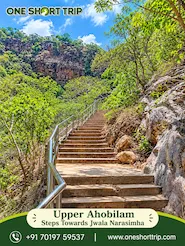
Rocky steps and trekking pathway leading towards Jwala Narasimha Swamy Temple in Upper Ahobilam
Steps and rocky hill pathway towards Jwala Narasimha Temple

What Is the Trekking Route Like?

The approach involves a combination of natural rocky surfaces, stone steps and narrow pathways along the mountain. Some stretches pass close to steep slopes and deep valleys, making it important to maintain balance and follow the designated route.

The traditional pilgrimage route connects the higher Narasimha shrines, including Malola and Jwala. Depending on the route chosen, visitors may encounter challenging climbs, rocky crossings and sections that require additional care.

Important Trekking Information

  • Start from Upper Ahobilam with sufficient daylight available.
  • Wear shoes with good grip for rocky and uneven surfaces.
  • Carry adequate drinking water and light refreshments.
  • Follow the designated route and local guidance.
  • Be especially careful near narrow passages and steep slopes.
  • Avoid trekking during heavy rain or when the rocks are slippery.
  • Do not attempt the route after dark.

Can Senior Citizens Visit Jwala Narasimha Temple?

Senior citizens can consider visiting Jwala Narasimha Temple only after carefully assessing their physical fitness and ability to manage a demanding hill trek. The uneven steps, steep sections and narrow pathways can make the journey difficult for people with limited mobility.

Traditional doli (palanquin) assistance has been reported for pilgrims who cannot complete the route on foot. However, availability, charges, permitted routes and operating arrangements should be confirmed locally before planning the visit.

A practical recommendation for families

Visitors with knee problems, balance difficulties, heart or breathing conditions, or limited walking ability should seek medical advice before attempting this trek. Do not assume that doli assistance makes every section safe or accessible.

What Is the Best Time to Visit Jwala Narasimha Temple?

The cooler months are generally more comfortable for visiting Ahobilam and undertaking the Jwala Narasimha hill trek. The weather, trail condition and local access arrangements should all be considered before planning the pilgrimage.

OCTOBER – FEBRUARY
Generally More Comfortable

Cooler weather generally makes this period more suitable for outdoor walking and hill visits.

MARCH – MAY
Hotter Conditions

High temperatures can make the trek more tiring. Early starts and proper hydration are particularly important.

JUNE – SEPTEMBER
Rainy Conditions

Rain can make rocks, steps and forest pathways slippery. Check local conditions and trekking restrictions before visiting.

Should You Visit Early in the Morning?

Yes. An early start is advisable because it gives visitors more daylight for the climb, darshan and return journey. It also helps reduce exposure to the stronger afternoon sun.

Before beginning the trek, confirm the shrine's current darshan schedule and local forest access rules. The timings of the main Upper Ahobilam temple should not automatically be treated as the timings of Jwala Narasimha shrine.

How Is Jwala Narasimha Temple Connected to the Other Nava Narasimha Temples?

Ahobilam is renowned for its nine sacred forms of Lord Narasimha, collectively known as the Nava Narasimhas. These shrines are spread across the Lower and Upper Ahobilam regions of the Nallamala hills.

Each shrine has its own traditional identity, location and religious significance. Jwala Narasimha is one of the important hill shrines in this pilgrimage group.

01
Jwala Narasimha
Fierce manifestation on Achalachaya Meru
02
Ahobila Narasimha
Main Upper Ahobilam shrine
03
Malola Narasimha
Graceful form with Goddess Lakshmi
04
Kroda Narasimha
Varaha-faced manifestation
05
Karanja Narasimha
Shrine beneath the Karanja tree
06
Bhargava Narasimha
Associated with Bhargava Theertham
07
Yogananda Narasimha
Associated with Prahlada's spiritual instruction
08
Chatravata Narasimha
Associated with a sacred peepal tree
09
Pavana Narasimha
Shrine associated with the Pavana River

The nine shrines together form an important pilgrimage circuit. Visitors planning to cover all nine temples should allocate sufficient time, particularly for the hill shrines that require trekking.

Important Travel Tips for Visiting Jwala Narasimha Temple

A visit to Jwala Narasimha Temple requires more preparation than a regular temple visit because of its hill location and challenging approach. Keep these practical suggestions in mind before starting your pilgrimage.

🥾

Choose Proper Footwear

Wear comfortable trekking shoes with good grip. Avoid smooth soles and footwear that makes climbing difficult.

💧

Carry Drinking Water

Carry enough drinking water for the trek. Do not depend on shops or refill facilities along the mountain route.

🌄

Start Early

Begin the journey early enough to complete the trek and return while there is adequate daylight.

🌧️

Check Weather Conditions

Avoid attempting the rocky route during heavy rain or when the trail is slippery.

🎒

Pack Light

Carry only essential items in a small backpack so that your hands remain free while climbing.

🙏

Follow Local Guidance

Confirm temple access, forest restrictions and route conditions with local authorities before trekking.

Continue Exploring

Explore More About Ahobilam

Discover the nine sacred forms of Lord Narasimha, the temples of Upper and Lower Ahobilam, their religious significance and practical travel information with our detailed Ahobilam travel guide.
How Far Is Jwala Narasimha Temple from Upper Ahobilam?

Jwala Narasimha Swamy Temple is located high on Achalachaya Meru Hill in Upper Ahobilam, Nandyal district. Unlike the main Upper Ahobilam temple, this shrine cannot be reached by an ordinary direct road journey. Visitors need to follow a hill trekking route through rocky and uneven terrain.

From Upper Ahobilam
Approx. 4 km

The Ahobila Mutt visitor guide places Jwala Narasimha Shrine approximately four kilometres from the main Upper Ahobilam temple. The route involves walking through the hills.

Access Type
Hill Trek

The final approach includes rocky paths and narrow sections. Good footwear, sufficient water and careful walking are important.

Distance and Trekking Route

The traditional route begins at Upper Ahobilam and continues towards the nearby Narasimha shrines before reaching Jwala Narasimha. The shrine stands higher up Malola Narasimha Temple on Achalachaya Meru Hill.

The Ahobila Mutt describes the approach as a challenging route involving a narrow rocky passage with a deep valley alongside it. Therefore, visitors should walk carefully and avoid rushing through the trail.

Can You Reach Jwala Narasimha Temple by Road?

You can travel by road to Upper Ahobilam, subject to local transport and road conditions. However, the final stretch to Jwala Narasimha Temple requires trekking. A private car or jeep cannot take you directly to the shrine entrance.

Travel Tip

Do not plan this visit as a simple roadside temple stop. Allow enough time for the uphill and downhill walk. Senior citizens and visitors with knee, balance or mobility difficulties should assess the route carefully before starting.

What Are the Temple Timings of Jwala Narasimha Swamy Temple?

Jwala Narasimha Temple is one of the hill shrines associated with the Nava Narasimha Kshetram of Ahobilam. Since reaching the shrine involves a trek, visitors should confirm both the darshan schedule and the permitted trekking hours before beginning their journey.

Published temple information gives different schedules for the main Upper Ahobilam temple and the individual hill shrines. These timings should not automatically be treated as the confirmed opening hours of Jwala Narasimha Temple.

Important Timing Information

We are not publishing unverified opening and closing hours as confirmed Jwala Narasimha Temple timings. Please check the latest schedule with the temple authorities or local administration before setting out for the trek.

How Can You Confirm the Temple Timings?

Before travelling, follow these steps:

01
Check the Official Temple Website

Refer to the Ahobilam Devasthanam website for current temple announcements and visitor information.

02
Confirm with Temple Authorities

Ask specifically about Jwala Narasimha Shrine darshan and the permitted trekking schedule.

03
Check Weather Conditions

Ask whether the hill route is accessible, especially during heavy rain or difficult weather.

04
Start Early

Plan the trek early in the day and allow sufficient time for the return journey.

Important: The timings of the main Upper Ahobilam temple may differ from those of Jwala Narasimha and the other hill shrines. Confirm the schedule for the specific shrine you intend to visit.

When Is the Best Time to Visit Jwala Narasimha Temple?

The best time to visit Jwala Narasimha Temple depends on weather conditions, trekking comfort and temple access. Since the shrine is located in the Nallamala hills, choose a period when the trail is reasonably dry and safe.

🌅

Early Morning

Early morning is generally preferable for beginning the hill trek, as temperatures are usually more comfortable than during the afternoon.

Start only after confirming the shrine's opening schedule and local trekking arrangements.

🍃

November to February

The cooler months are generally more comfortable for travelling around Ahobilam and undertaking outdoor activities.

This is a useful period to consider for a pilgrimage involving several Narasimha shrines.

🌺

Brahmotsavam Season

The annual Brahmotsavam celebrations are among the important religious occasions at Ahobilam.

Expect more pilgrims and check the festival programme and individual shrine access before travelling.

🌧️

Monsoon Period

The Nallamala hills receive rainfall during the monsoon season. Rocky paths can become slippery and streams may carry more water.

Avoid attempting the trek during heavy rain or whenever local authorities advise against access.

Which Months Are Comfortable for Visiting?

November to February

These months are generally suitable for planning an Ahobilam pilgrimage because of the comparatively cooler weather. The conditions may be more comfortable for walking along the hill trails, although the route should always be checked locally.

During Summer

Summer temperatures can make an uphill walk physically demanding. If you visit during this period, start early, carry sufficient drinking water and avoid unnecessary exertion during the hottest hours.

What Are the Important Festivals Associated with Jwala Narasimha Temple?

Jwala Narasimha Temple is part of the sacred Nava Narasimha Kshetram of Ahobilam. Devotees visit the region during important occasions associated with Lord Narasimha and the annual celebrations of Sri Lakshmi Narasimha Swamy at Ahobilam.

🎉

Sri Lakshmi Narasimha Swamy Brahmotsavam

Brahmotsavam is one of the major annual celebrations at Ahobilam. The festivities include traditional worship and ceremonial activities dedicated to Lord Narasimha. Check the annual programme to understand which shrines and events are included.

🙏

Narasimha Jayanti

Narasimha Jayanti commemorates the divine appearance of Lord Narasimha. Devotees observe the occasion through prayers, worship and visits to Narasimha temples.

🌿

Paruveta Utsavam

The Paruveta Utsavam is a distinctive traditional festival associated with Ahobilam. The celebrations involve the ceremonial procession of the Lord to different villages as part of the regional religious tradition.

🌕

Swathi Nakshatram

Swathi Nakshatram is traditionally associated with Lord Narasimha worship. Devotees may choose this auspicious day for prayers and visits to Narasimha shrines.

🪔

Other Temple Celebrations

Other religious observances and special sevas take place according to the temple calendar. Confirm the dates and activities with the temple administration before planning your visit.

Festival planning: Festival dates change each year according to the traditional calendar. During major celebrations, accommodation and transport may be in higher demand. Also confirm whether the Jwala hill route is open and suitable for trekking on your chosen date.

How to Reach Jwala Narasimha Temple, Ahobilam?

To visit Jwala Narasimha Temple, first reach Ahobilam in Nandyal district, Andhra Pradesh. From there, travel to Upper Ahobilam and continue on foot along the hill route to the shrine on Achalachaya Meru.

From Lower Ahobilam to Upper Ahobilam

Lower Ahobilam is the main access point for visitors arriving by road. From here, you can continue towards Upper Ahobilam using available local transport or an arranged vehicle, depending on current road and transport conditions.

🚗
Private Car
🚕
Taxi
🚙
Local Jeep
🥾
Hill Trek

The final approach from Upper Ahobilam to Jwala Narasimha Temple is a trek. Local transport can take you only to the road-accessible area; it does not replace the walking section.

How to Reach Jwala Narasimha Temple from Bangalore?

Travellers from Bangalore can reach Ahobilam by road through the Andhra Pradesh highway network. The journey is generally planned through towns such as Anantapur, Kurnool, Nandyal or Allagadda, depending on the route selected.

After reaching Ahobilam, travel to Upper Ahobilam and begin the trek to Jwala Narasimha Temple. If you are travelling with family or senior citizens, consider staying overnight near Ahobilam rather than attempting the hill trek immediately after a long road journey.

How to Reach Ahobilam from Chennai?

Travellers from Chennai can reach Ahobilam by road or by using suitable train connections to nearby railway stations such as Nandyal. The onward journey can be completed by taxi or other available local transport.

From Ahobilam, continue to Upper Ahobilam and follow the trekking route to Jwala Narasimha Temple.

How to Reach by Train?

Nandyal Junction is one of the main railway access points for pilgrims visiting Ahobilam. From Nandyal, visitors can continue by taxi or bus towards Allagadda and Ahobilam.

Check current train services and onward road transport before booking. The distance from the railway station to Ahobilam still needs to be covered by road.

How to Reach by Bus?

Bus services connect nearby towns such as Nandyal and Allagadda with the Ahobilam region. Service frequency and operating times may vary, so check the latest bus availability before travelling.

From the bus drop-off point, arrange local transport to Upper Ahobilam. The final stretch to Jwala Narasimha Temple must be completed on foot.

Travel Recommendation

If you are travelling from Bangalore with family or senior citizens, plan the road journey, accommodation and hill trek as separate parts of your itinerary. Avoid making the Jwala Narasimha trek the final activity after a tiring overnight journey.

How Much Time Is Required to Visit Jwala Narasimha Temple?

The time required to visit Jwala Narasimha Temple depends on your walking pace, trail conditions, darshan arrangements and the amount of time spent at the shrine. Since the temple is reached by a hill trek, visitors should allow considerably more time than they would for a roadside temple visit.

Type of Visit Suggested Planning
Trek from Upper Ahobilam Allow time for the uphill and return walk
Darshan at Jwala Narasimha Temple Depends on queue and temple schedule
Visit with Malola Narasimha Allow additional walking time
Visit with other Upper Ahobilam shrines Plan a longer temple visit
Visit during festival days Allow extra time for crowds and arrangements

These are planning considerations rather than official trek-duration estimates. Walking time can vary considerably depending on fitness, weather and trail conditions. Visitors travelling with senior citizens or children should allow additional rest breaks.

What Should You Know Before Visiting Jwala Narasimha Temple?

Jwala Narasimha Temple is situated in a hilly forest environment and requires a trek from Upper Ahobilam. A little preparation can make the pilgrimage safer and more comfortable. Keep these practical points in mind before starting.

✓

Wear good-grip footwear: Choose comfortable walking shoes suitable for rocky and uneven paths. Follow local instructions about removing footwear near the shrine.

✓

Carry drinking water: Take sufficient water for the uphill and return walk. Avoid carrying unnecessarily heavy bags.

✓

Start early: Begin the trek early after confirming the shrine's opening schedule and permitted trekking hours.

✓

Walk carefully: Some sections are rocky and narrow, with steep terrain nearby. Avoid rushing or taking unnecessary risks.

✓

Check weather conditions: Avoid the trek during heavy rain or when local authorities advise against using the trail.

✓

Consider your fitness: The trek may be difficult for people with knee problems, balance difficulties or limited mobility. Do not attempt it if you are unsure of your ability to complete the route safely.

✓

Ask about local assistance: Check whether an authorised guide or doli service is available before depending on it. Availability and suitability must be confirmed locally.

✓

Respect the forest environment: Do not litter, disturb wildlife or move away from the established route.

✓

Follow temple instructions: Respect the directions given by temple staff and local guides regarding access, darshan and photography.

✓

Plan for children and senior citizens: Assess the physical demands of the route before travelling. Keep the trek flexible and do not pressure anyone to continue if they feel tired or unwell.

What Are the Places to Visit Near Jwala Narasimha Temple?

Jwala Narasimha Temple is part of the Nava Narasimha Kshetram, a group of nine sacred Narasimha shrines associated with Ahobilam. A visit can be combined with other shrines in Upper and Lower Ahobilam, depending on your time, fitness and trekking arrangements.

01 · Main Upper Ahobilam Shrine

Ahobila Narasimha Swamy Temple

Ahobila Narasimha is the principal shrine of Upper Ahobilam. The deity is worshipped in a fierce form and is closely associated with the traditional account of Lord Narasimha's manifestation to protect Prahlada.

02 · Upper Ahobilam Shrine

Kroda (Varaha) Narasimha Swamy Temple

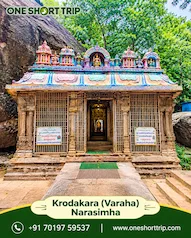
Kroda Narasimha is worshipped in a form associated with the Varaha aspect of Lord Vishnu. The deity is depicted with the face of a boar and is accompanied by Goddess Lakshmi.

03 · Hill Shrine

Malola Narasimha Swamy Temple

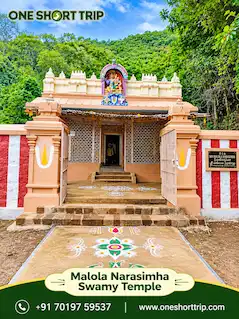
Malola Narasimha is worshipped with Goddess Lakshmi in a graceful form. The name Malola is traditionally explained as the beloved of Lakshmi. The shrine is situated along the hill route above the main Upper Ahobilam temple.

04 · Shrine Near Upper Ahobilam

Karanja Narasimha Swamy Temple

Karanja Narasimha is associated with the Karanja tree under which the deity is worshipped. This shrine is another important stop for devotees exploring the Nava Narasimha temples.

05 · Lower Ahobilam Region

Bhargava Narasimha Swamy Temple

Bhargava Narasimha is one of the nine sacred forms worshipped at Ahobilam. The shrine is traditionally associated with the penance of Parashurama, also known as Bhargava Rama.

06 · Lower Ahobilam Region

Yogananda Narasimha Swamy Temple

Yogananda Narasimha is worshipped in a peaceful yogic posture. The traditional account connects this form of the Lord with the spiritual instruction given to Prahlada.

07 · Lower Ahobilam Region

Chatravata Narasimha Swamy Temple

Chatravata Narasimha is associated with a sacred tree and is traditionally depicted in a form connected with music and worship. It is one of the nine Narasimha shrines of Ahobilam.

08 · Forest Shrine

Pavana Narasimha Swamy Temple

Pavana Narasimha Temple is situated near the Pavana River in the forest region. It is traditionally associated with purification and the removal of sins. Reaching this shrine involves additional travel and walking arrangements.

09 · Sacred Natural Landmark

Ugra Sthambham

Ugra Sthambham is a dramatic cleft in the Nallamala hills traditionally associated with the appearance of Lord Narasimha from a pillar. It is a challenging trekking destination and should not be combined casually with other demanding hill walks.

The nine Narasimha shrines are spread across different parts of Ahobilam. They do not all have the same level of road access. Plan the order of visits according to the route, local transport availability, temple timings and your group's fitness.

Can You Visit Jwala Narasimha Temple and Other Ahobilam Temples on the Same Day?

Yes, it may be possible. Visitors can combine Jwala Narasimha Temple with selected shrines in Upper Ahobilam on the same day. However, the route involves hill walking, so the plan should be based on your fitness, weather conditions and the time available for darshan.

Suggested Order of Visits

1
Reach Upper Ahobilam

Travel to Upper Ahobilam and confirm the shrine timings and trekking conditions before starting.

2
Visit Ahobila Narasimha Swamy

Begin with darshan at the main Upper Ahobilam shrine, subject to its opening schedule.

3
Proceed Towards Jwala Narasimha Temple

Follow the established hill route towards Jwala Narasimha on Achalachaya Meru. Walk carefully through rocky and narrow sections.

4
Visit Malola Narasimha Shrine

If the route and available time permit, include Malola Narasimha Temple as part of the hill pilgrimage.

5
Return to Upper Ahobilam

Complete the return walk carefully. Do not add another demanding trek if your group is tired or running short of daylight.

Important Trekking Advisory

The suggested order is a planning outline, not a guaranteed route or fixed temple schedule. Follow current local directions because access conditions and the permitted sequence may change. Ugra Sthambham and Pavana Narasimha involve additional trekking and should be planned separately if necessary.

Suggested One-Day Jwala Narasimha Temple Visit Plan

If you have one day at Ahobilam and want to visit Jwala Narasimha Temple along with selected nearby shrines, consider a flexible plan that gives priority to the hill trek. The schedule below is indicative and should be adjusted according to temple timings and local trekking conditions.

Time Suggested Activity
Early Morning Reach Upper Ahobilam and confirm the day's trekking and darshan arrangements.
Morning Visit the main Ahobila Narasimha Swamy shrine, subject to opening hours.
Morning Begin the hill trek towards Jwala Narasimha Temple.
Late Morning Complete darshan at Jwala Narasimha and begin the return or onward walk as locally advised.
Afternoon Have lunch and allow time for rest.
Later in the Day Visit another accessible shrine, such as Karanja Narasimha, if time and transport arrangements permit.
Important Planning Note

This is a suggested visit sequence, not a confirmed timetable. The actual schedule depends on the shrine's opening hours, trekking conditions, walking speed, darshan arrangements and local instructions.

For a relaxed pilgrimage, consider spending two days at Ahobilam. This gives you more time to visit the Nava Narasimha shrines without rushing through the hill routes. It is particularly worth considering for families and groups with older travellers.

Visitor Information

Frequently Asked Questions About Jwala Narasimha Temple, Ahobilam

Find answers to common questions about Jwala Narasimha Swamy Temple, including its location, history, religious significance, hill trek, darshan timings, accessibility and nearby Nava Narasimha shrines.

1. Where is Jwala Narasimha Temple located?

Jwala Narasimha Swamy Temple is located in Upper Ahobilam, in the Nandyal district of Andhra Pradesh. The shrine is situated higher up the hill on Achalachaya Meru and is reached by a trek from Upper Ahobilam.

2. What is Jwala Narasimha Temple famous for?

Jwala Narasimha Temple is famous for its association with the fierce manifestation of Lord Narasimha. According to the traditional legend, this is the sacred place where Lord Narasimha's anger culminated after the destruction of the demon king Hiranyakashipu. It is one of the nine important Narasimha shrines of Ahobilam.

3. Who built Jwala Narasimha Temple?

A definitive builder or construction date for the present Jwala Narasimha shrine is not established in the historical information consulted for this guide. The temple is part of the ancient religious landscape of Ahobilam and is closely associated with the traditional history of Lord Narasimha.

4. Is Jwala Narasimha Temple one of the Nava Narasimha temples?

Yes. Jwala Narasimha is one of the Nava Narasimha shrines of Ahobilam. These nine sacred temples are associated with different manifestations of Lord Narasimha and are spread across the Upper and Lower Ahobilam areas.

5. What is the story behind Jwala Narasimha Temple?

According to Hindu tradition, Lord Vishnu appeared as Narasimha to protect His devotee Prahlada and defeat Hiranyakashipu. Jwala Narasimha is associated with the intense and powerful manifestation of the Lord during this episode. The shrine is traditionally identified with the place where the Lord's fierce anger reached its culmination.

6. Which God is worshipped at Jwala Narasimha Temple?

The presiding deity is Lord Jwala Narasimha Swamy, a fierce manifestation of Lord Vishnu in the Narasimha form. Narasimha is traditionally depicted with a human body and a lion's face.

7. What does the name Jwala Narasimha mean?

The word Jwala means flame or blazing fire. The name Jwala Narasimha refers to the fiery and fierce manifestation of Lord Narasimha associated with the destruction of evil and the protection of His devotee Prahlada.

8. What are the darshan timings of Jwala Narasimha Temple?

Confirmed daily opening and closing timings for the hill shrine are not consistently available in the visitor information consulted for this guide. Temple schedules may vary, so check with the Ahobilam temple administration or local authorities before beginning the trek.

9. How far is Jwala Narasimha Temple from Upper Ahobilam?

The Ahobila Mutt visitor guide describes Jwala Narasimha Temple as approximately 4 km from Upper Ahobilam. This is a hill route, so the actual walking distance and time can depend on the trail and route taken.

10. Is the trek to Jwala Narasimha Temple difficult?

The trek can be challenging because the route includes rocky, uneven and steep sections. Some stretches pass through narrow terrain beside a deep valley. Visitors should be prepared for a physically demanding walk rather than treating it as an easy temple approach.

11. How much time does it take to reach Jwala Narasimha Temple?

Trekking time varies according to fitness, weather, trail conditions and the pace of the group. Since the shrine is approximately 4 km from Upper Ahobilam and the terrain is demanding in places, allow sufficient time for the uphill journey, darshan and return walk.

12. Can I reach Jwala Narasimha Temple by car?

You can travel by road to the Upper Ahobilam area, subject to local road and vehicle-access arrangements. However, Jwala Narasimha Temple is higher up the hill and the final approach requires a trek. A car cannot take you directly to the shrine.

13. Can senior citizens visit Jwala Narasimha Temple?

Senior citizens who are comfortable with steep, uneven hill trails may be able to undertake the trek, depending on their individual fitness. However, the route can be physically demanding and may not be suitable for everyone. Those with mobility difficulties should consider visiting the more accessible shrines and seek local advice before attempting this trek.

14. Can I visit Jwala Narasimha Temple during the monsoon?

Monsoon conditions can make rocky hill trails slippery and more difficult to navigate. Heavy rain may also affect access and safety. Check the local weather and current trekking conditions before setting out, and avoid attempting the route when authorities or local guides advise against it.

15. What should I carry for the Jwala Narasimha Temple trek?

Carry drinking water, suitable walking shoes with good grip, a light snack, sun protection and any personal medication you may need. Keep your hands free where possible, avoid carrying heavy luggage and follow the instructions of local guides or temple authorities.

16. What is the connection between Jwala Narasimha and Prahlada?

Prahlada was a devoted follower of Lord Vishnu, despite his father Hiranyakashipu's opposition. Lord Narasimha appeared to protect Prahlada and defeat the demon king. The Jwala Narasimha shrine is traditionally connected with this powerful episode in the Narasimha legend.

17. What is the significance of Ugra Stambham near Jwala Narasimha Temple?

Ugra Stambham is a sacred rock formation associated with the traditional belief that Lord Narasimha emerged from a pillar to protect Prahlada. It is another important pilgrimage destination in Upper Ahobilam, reached by a demanding hill route. It is distinct from the Jwala Narasimha shrine.

18. Are Jwala Narasimha and Malola Narasimha temples close to each other?

Both shrines are located in the Upper Ahobilam hill area. The Jwala Narasimha shrine is situated higher up the hill beyond the Malola Narasimha shrine. Visitors planning to cover both should allow enough time for the additional walking and challenging terrain.

19. Which temples can I visit along with Jwala Narasimha Temple?

You can plan visits to other Nava Narasimha shrines, including Ahobila Narasimha, Kroda Narasimha, Malola Narasimha, Karanja Narasimha, Bhargava Narasimha, Yogananda Narasimha, Chatravata Narasimha and Pavana Narasimha. The route and time required differ between shrines.

20. Can I visit all nine Nava Narasimha temples in one day?

Covering all nine shrines in one day can be demanding because they are spread across different areas and some require hill trekking. The Upper Ahobilam temples, particularly Jwala Narasimha and Ugra Stambham, involve challenging terrain. A carefully planned itinerary with sufficient time is recommended.

21. Is there an entry fee at Jwala Narasimha Temple?

We have not found a reliable current official source confirming a general entry fee or separate darshan charges for Jwala Narasimha Temple. Check with the temple administration for current arrangements before your visit.

22. Is photography allowed inside Jwala Narasimha Temple?

Photography rules may vary between the temple surroundings and the inner shrine. Follow the notices displayed at the temple and the instructions of temple authorities. Avoid photography where it is restricted.

23. Can I visit Jwala Narasimha Temple without trekking?

The final approach to Jwala Narasimha Temple is on foot through the hill terrain. There is no direct road access to the shrine. Visitors who cannot manage the trek can consider visiting other shrines in Ahobilam that are more accessible by road, subject to local access arrangements.

24. What is the best time of year to visit Jwala Narasimha Temple?

The cooler months, generally from October to February, are often more comfortable for outdoor travel and hill trekking. Summer heat can make the climb tiring, while monsoon rain may create slippery trail conditions. Always check the weather and local trekking advice before planning your visit.

Explore Ahobilam with One Short Trip

Plan Your Ahobilam Nava Narasimha Temple Visit with One Short Trip

Ahobilam is one of the important pilgrimage destinations associated with Lord Narasimha. Set amidst the Nallamala hills of Andhra Pradesh, this sacred place is home to nine traditional shrines, each connected with a different manifestation of the Lord.

From the main Ahobila Narasimha shrine to the hill temples of Malola Narasimha and Jwala Narasimha, the pilgrimage combines temple darshan, traditional legends and the natural beauty of the surrounding forest landscape.

The Upper Ahobilam route includes challenging trekking sections, so a thoughtful travel plan is especially important for families and senior citizens. Allow enough time for temple visits, walking, rest breaks and local travel arrangements.

At One Short Trip, we help travellers plan spiritual journeys from Bangalore and other destinations with practical travel arrangements and thoughtfully planned pilgrimage itineraries.

Explore More About Ahobilam

Temple Location

Where Is Jwala Narasimha Swamy Temple Located?

Jwala Narasimha Swamy Temple is located in Upper Ahobilam, in the Nandyal district of Andhra Pradesh. Situated on Achalachaya Meru hill, this sacred shrine is one of the Nava Narasimha temples. Visitors reach the temple by trekking along a rocky hill trail from Upper Ahobilam.

📍
Jwala Narasimha Swamy Temple Upper Ahobilam, Nandyal District, Andhra Pradesh 518543, India
Get Directions

Planning A Trip Here?

Get help planning your visit — call or WhatsApp us and we will help you book a tour.