
Ahobilam Travel Guide – Explore the Sacred Land of Nava Narasimha
Ahobilam is one of the most revered pilgrimage destinations in Andhra Pradesh, set amidst the forested Nallamala Hills. It is traditionally associated with the divine appearance of Lord Narasimha to protect His devotee Prahlada. The region is especially known for its nine sacred forms of Lord Narasimha, worshipped at different shrines across Upper and Lower Ahobilam.
The pilgrimage is not limited to visiting one temple. It involves exploring the nine Nava Narasimha shrines, understanding the distinction between Upper Ahobilam and Lower Ahobilam, and experiencing the natural surroundings of the Nallamala Hills. Some shrines are accessible by road, while others require walking or trekking over uneven terrain.
For travellers planning a visit from Bangalore or other parts of Karnataka, Ahobilam is best approached as a planned pilgrimage rather than a rushed temple stop. The time required depends on the shrines you wish to visit, the available transport, local access conditions and your comfort with walking and trekking.
This Ahobilam travel guide brings together the essential information for planning your journey: the nine Narasimha temples, Upper and Lower Ahobilam, routes from Bangalore, travel options, trekking considerations, nearby sacred places and suggested ways to organise your visit.
Ahobilam at a Glance
Before planning your pilgrimage, understand the layout of Ahobilam. The region has two principal areas connected by a hill road, with the Nava Narasimha shrines spread across the surrounding landscape.
Main pilgrimage focus
The nine Nava Narasimha shrines are the central attraction of Ahobilam. Each shrine represents a distinct form of Lord Narasimha and has its own traditional significance.
Upper Ahobilam
The Upper Ahobilam area is home to the principal Ahobila Narasimha shrine and several other sacred shrines located in the hill and forest landscape.
Lower Ahobilam
Lower Ahobilam is the base area for the pilgrimage. It includes the important Lakshmi Narasimha temple and provides access to nearby shrines and local facilities.
Additional places to explore
Ugra Stambham, Bhavanasini River, Prahlada Badi and other sacred natural landmarks add to the wider Ahobilam experience. Some require additional walking or trekking.
Planning tip: Do not assume that all nine shrines are located beside one another or can be visited with the same level of physical effort. Check the route, local access and trekking requirements before deciding how many places to cover.
Where Is Ahobilam Located?
Ahobilam is located in the Nallamala Hills of Andhra Pradesh, in the Nandyal district region. The pilgrimage area is surrounded by rocky hills, forest landscapes, streams and natural formations. Its setting is an important part of the experience for devotees visiting the Narasimha shrines.
The wider Ahobilam pilgrimage is divided into two principal areas: Eguva Ahobilam, also known as Upper Ahobilam, and Diguva Ahobilam, also known as Lower Ahobilam. They are connected by a hill road. The commonly quoted road distance between the two areas is approximately 8 km, although the exact distance depends on the starting and ending points.

Upper Ahobilam – Eguva Ahobilam
Upper Ahobilam is located further into the hills and is the main area for visiting several of the Nava Narasimha shrines. The principal Ahobila Narasimha temple is situated here. Some of the other shrines involve forest paths, stone steps and uneven terrain.
Lower Ahobilam – Diguva Ahobilam
Lower Ahobilam is situated at the foot of the hills. It is associated with the important Lakshmi Narasimha shrine and serves as a convenient base for visitors exploring the wider pilgrimage area.
For Bangalore travellers: Ahobilam is a long-distance road journey from Bangalore. It is advisable to plan the departure, meal breaks, arrival and onward local travel together, particularly when travelling with a group or senior citizens.
Bangalore to Ahobilam Distance and Route
Ahobilam can be reached from Bangalore by road through the Andhra Pradesh region. The total driving distance and journey time depend on your starting point, the route selected by navigation apps, traffic, road conditions and the number of breaks taken along the way.
Since Ahobilam is not a short drive from Bangalore, travellers should avoid planning the journey around an overly tight arrival schedule. If you intend to visit the temples on the same day you arrive, allow enough time for local transfers and the access conditions at the shrines.
Planning Your Bangalore to Ahobilam Road Journey
The exact road route can vary according to your departure location and current road conditions. Use live navigation before departure and confirm the final approach to your accommodation or temple area.
What to plan for the road journey
For a comfortable journey from Bangalore, plan suitable departure timings, breakfast and meal stops, drinking water and rest breaks. If you are travelling in a Tempo Traveller, confirm the seating arrangement and luggage capacity before the trip.
On reaching Ahobilam, keep some flexibility for checking in, freshening up and visiting the nearby temples. Avoid scheduling a demanding trek immediately after a tiring road journey, especially when travelling with older family members.
Travel tip: The journey to Ahobilam and the movement between its shrines are two separate parts of the trip. Plan enough time for both. A long-distance arrival followed by several treks can make the day exhausting.
How to Reach Ahobilam
Ahobilam can be reached by road using private vehicles or public transport connections. The most suitable option depends on your starting city, group size, travel budget and the amount of flexibility you need for visiting the different shrines.
1. By Car or Private Vehicle
Travelling by car gives you flexibility to choose your departure time, take breaks and plan visits to the different temple areas. It can be convenient for families and small groups travelling from Bangalore.
Check the latest road route and local approach conditions before departure. Some shrines are not directly accessible by ordinary road transport and require walking or trekking.
2. By Tempo Traveller
A Tempo Traveller is a practical option for families, friends and pilgrimage groups travelling together. It allows members to stay together during the long journey from Bangalore.
Confirm vehicle capacity, luggage space, pickup locations and rest stops. Local transport arrangements may still be required for certain temple routes.
3. By Bus
Travellers can look for bus connections to nearby towns such as Allagadda and Nandyal, followed by local transport towards Ahobilam.
Direct services and connecting routes may vary by date. Check current bus availability, arrival points and onward transport before booking.
4. By Train
Nandyal is one of the railway access points used by pilgrims travelling to Ahobilam. Other rail connections may be available through nearby towns depending on your starting station.
From the railway station, continue by road using a suitable bus, taxi or pre-arranged vehicle. Check current train schedules before finalising your plan.
5. By Air
Ahobilam does not have a major commercial airport in the immediate pilgrimage area. Travellers arriving by air need to select a suitable airport based on flight availability and onward road connections.
Allow sufficient time for the road journey from the airport to Ahobilam.
6. Local Travel Around Ahobilam
Local movement between Lower Ahobilam, Upper Ahobilam and the surrounding shrines may involve private vehicles, locally available transport and walking.
Access to forest-side shrines and trekking routes can be subject to local conditions. Confirm vehicle access, permissions and guide arrangements locally.
Important: Do not assume that your Bangalore-to-Ahobilam vehicle can reach every shrine. Some temple approaches involve narrow paths, steps, rocky trails or forest routes. Make local transport arrangements according to the actual route.
Ahobila Narasimha Temple – The Principal Shrine of Upper Ahobilam
The Ahobila Narasimha Swamy Temple is one of the most important shrines in the Ahobilam pilgrimage. Located in Upper Ahobilam, it is traditionally regarded as the principal shrine among the Nava Narasimha temples. The Lord is worshipped here in the fierce Ugra Narasimha form.

The wider Ahobilam tradition is closely connected with the story of Lord Narasimha appearing to protect Prahlada and defeating Hiranyakashipu. The sacred landscape, caves, rocky hills and temple locations are all associated with this religious tradition.
Location
The principal Ahobila Narasimha shrine is located in Upper Ahobilam, reached by road from the Lower Ahobilam area. Other shrines in the upper region may require additional walking or trekking.
Darshan planning
Temple timings and access arrangements can vary. Check the latest information with the temple authorities or local contacts before travelling, especially if you are planning to visit several shrines in one day.
What to know before visiting
Wear clothing suitable for a place of worship and follow the instructions provided at the temple. Keep enough time for darshan and movement around the temple premises. During festivals and busy pilgrimage periods, waiting times may be longer than expected.
If you are visiting with senior citizens or children, consider their walking comfort and the distance between the shrines. Do not combine a demanding trek with multiple temple visits unless everyone in the group is comfortable with the physical requirements.
For a detailed temple guide: Read our Ahobila Narasimha Temple guide for more information about the shrine, its religious significance and the visitor experience.
Explore the Nine Nava Narasimha Temples of Ahobilam
Ahobilam is especially revered for its nine forms of Lord Narasimha, collectively known as the Nava Narasimhas. These shrines are spread across the Upper and Lower Ahobilam region and are associated with different manifestations and traditional stories of the Lord.
Each shrine has its own identity, setting and significance. Some are located close to the main temple areas, while others require additional travel, walking or trekking. Select a temple below to explore its dedicated travel guide.




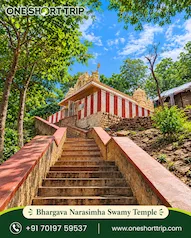

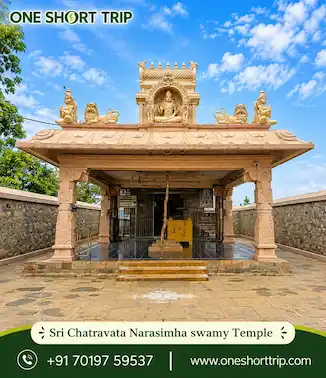

Important distinction: The nine shrines listed above form the Nava Narasimha pilgrimage. Diguva Ahobilam's Lakshmi Narasimha temple and Ugra Stambham are also important places to explore in the wider Ahobilam region, but they should not be counted as additional Nava Narasimha temples.
Also Explore: Lower Ahobilam Lakshmi Narasimha Temple
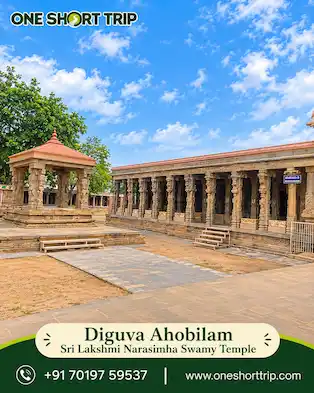
Diguva Ahobilam – Lakshmi Narasimha Temple
The Lower Ahobilam temple is an important part of the pilgrimage and is distinct from the nine Nava Narasimha shrines. Explore its temple architecture, courtyard and religious significance.
Read the Diguva Ahobilam temple guide →
Ugra Stambham – The Sacred Landmark
Ugra Stambham is a sacred natural landmark associated in religious tradition with the pillar from which Lord Narasimha manifested. Reaching the area involves a challenging hill trail.
Read the Ugra Stambham travel guide →Trekking in Ahobilam – Trails, Terrain and Preparation
One of the distinctive features of the Ahobilam pilgrimage is the natural landscape surrounding several of its shrines. Unlike a pilgrimage where every temple is reached directly by road, some Ahobilam visits involve walking through forest paths, climbing stone steps and crossing uneven rocky sections.
The level of physical effort varies from one shrine to another. A visit to the principal Upper Ahobilam temple is different from a trek towards Jwala Narasimha or Ugra Stambham. Before choosing your route, understand the terrain and consider the fitness of everyone in your group.

Road-accessible temple areas
Some shrines can be approached by road or with a relatively short walk from the vehicle access point. The exact access arrangements should be confirmed locally before starting.
Hill paths and stone steps
Certain shrines involve climbing steps or walking along sloping paths. Take your time and use suitable footwear where permitted by the temple and local arrangements.
Forest and rocky trails
Routes towards some of the more remote shrines and Ugra Stambham may involve uneven rocks, narrow sections and natural terrain. Local guidance is advisable.
Water and weather conditions
Streams and rocky surfaces can become slippery, especially after rainfall. Avoid attempting difficult trails during unsafe weather or when access is restricted.
Important places in the Ahobilam landscape
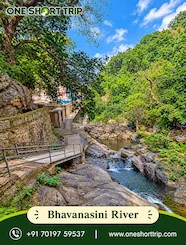
Bhavanasini River
The Bhavanasini is an important sacred watercourse associated with the Ahobilam pilgrimage. Visitors should follow local instructions around the water and avoid unsafe areas.
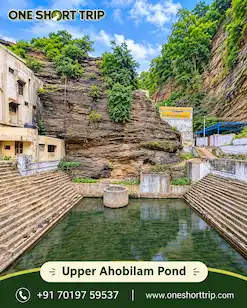
Upper Ahobilam Sacred Pond
The sacred water features around Upper Ahobilam contribute to the spiritual and natural setting of the pilgrimage. Respect the cleanliness and local usage of these places.

Prahlada Badi
Prahlada Badi is a sacred place associated with Prahlada in the Ahobilam tradition. The rocky surroundings make it important to pay attention to the walking route and local safety advice.

Prahlada Mettu
Prahlada Mettu is another sacred landmark in the Ahobilam region. Check the local approach and physical requirements before including it in your itinerary.
Understand the route
Ask about the current trail condition, access restrictions and whether a local guide is recommended. Carry drinking water and suitable essentials before setting out.
Move carefully
Walk at a comfortable pace, use stable footing and avoid rushing on rocky or steep sections. Stay with your group and follow local instructions.
Allow time to recover
Keep time for rest, food and hydration after a demanding trail. Avoid planning a long return drive immediately after strenuous trekking.
Is Ahobilam suitable for senior citizens and families?
Ahobilam can be a meaningful pilgrimage for families and older travellers, but not every shrine has the same level of accessibility. The main temple areas and more accessible shrines may be suitable for visitors who prefer limited walking, depending on their individual mobility.
More demanding trails, particularly routes involving steep climbs, uneven rocks or narrow paths, may not be suitable for everyone. Senior citizens, young children and people with mobility limitations should assess each route separately rather than feeling obliged to complete every trek.
Our recommendation: Plan the pilgrimage around the comfort and physical ability of the group. It is better to visit fewer shrines comfortably than to rush through difficult trails. Confirm local access conditions, weather and guide availability before attempting remote routes.
Other Sacred Places to Explore in Ahobilam
The Ahobilam pilgrimage extends beyond the nine Nava Narasimha temples. The surrounding Nallamala Hills contain sacred natural landmarks, water bodies and places associated with the story of Prahlada and Lord Narasimha. These destinations can add depth to your visit, although some require additional walking or trekking.
Diguva Ahobilam Lakshmi Narasimha Temple
Located in Lower Ahobilam, this important Lakshmi Narasimha shrine is a separate temple from the nine Nava Narasimha shrines. It is an important stop for devotees visiting the wider Ahobilam pilgrimage area.

Ugra Stambham
Ugra Stambham is a sacred natural rocky landmark associated with the traditional account of Lord Narasimha emerging from a pillar. The approach involves a demanding hill trail and is not suitable for every visitor.
Bhavanasini River
The Bhavanasini River is an important sacred watercourse associated with Ahobilam. Visitors should respect local customs around the river and take care near rocks, flowing water and slippery surfaces.
Upper Ahobilam Sacred Pond
The sacred pond is part of the natural and devotional landscape around Upper Ahobilam. Visitors should follow local guidance and avoid entering water areas unless permitted.
Prahlada Badi
Prahlada Badi is a sacred place associated with Prahlada in the Ahobilam tradition. Its rocky surroundings make it important to check the route and local safety conditions before visiting.
Prahlada Mettu
Prahlada Mettu is another sacred landmark connected with the religious landscape of Ahobilam. Check its current access conditions and walking requirements before including it in your plan.
Important distinction: Diguva Ahobilam Lakshmi Narasimha Temple and Ugra Stambham are not additional members of the traditional nine Nava Narasimha shrines. They are separate and important places within the wider Ahobilam pilgrimage.
What Makes the Ahobilam Pilgrimage Different?
Ahobilam combines temple worship with a natural landscape of hills, forest paths, rocky formations and sacred watercourses. The experience can be very different from visiting a group of temples located within one town.
Temples Amidst Rocky Hills
Several shrines are set within the rugged landscape of the Nallamala Hills. The natural surroundings form an important part of the pilgrimage experience.
Walking and Trekking Routes
Some temple visits involve steps, sloping paths and uneven ground. The physical effort varies, so plan each route according to your group's ability.
Sacred Water Features
The Bhavanasini River and sacred ponds are part of the wider religious landscape. Follow local instructions around water and natural rock formations.
Ugra Stambham and the Hill Landscape
The Ugra Stambham area is associated with the Narasimha tradition and offers a more demanding trekking experience. It should be considered separately from the regular temple circuit.
Respect the natural environment: Ahobilam is surrounded by forest and rocky terrain. Avoid littering, stay on permitted paths, follow local instructions and do not attempt isolated trails without understanding the conditions.
Best Time to Visit Ahobilam
The weather has an important influence on an Ahobilam pilgrimage because several temple visits involve outdoor walking and, in some cases, trekking. Choose your travel period with both temple darshan and trail conditions in mind.
Seasonal Travel Considerations
| Period | Conditions to Consider | Travel Suggestion |
|---|---|---|
| November – February | Generally more comfortable for outdoor visits than the hotter months. | A period worth considering for temple visits and walking routes. |
| March – May | Daytime heat can make exposed paths and uphill walks tiring. | Plan outdoor visits during cooler hours and avoid overloading the schedule. |
| June – September | Rain can affect forest paths, rocks, streams and trekking conditions. | Check local access and weather conditions before attempting trails. |
| October | Conditions can vary, including rainfall and changing trail conditions. | Check the forecast and local advice before travelling. |
Festival and Special Occasion Visits
Festivals and important religious occasions can attract additional devotees to Ahobilam. These periods can be spiritually significant, but they may also affect accommodation availability, darshan waiting times and local transport.
If you are travelling during a festival, confirm the relevant temple programme and accommodation arrangements in advance. Do not rely on ordinary-day timings for a festival visit.
Best Time of Day for Temple Visits and Trekking
Early Morning
An early start can help you avoid some daytime heat. Confirm temple opening hours and local access before setting out.
Daytime
Keep demanding walks and exposed trails within a safe schedule. Avoid continuing a trek when weather or visibility becomes unsuitable.
Our suggestion: Choose a period with comfortable weather, but always check current local conditions. Forest access and trekking safety can matter just as much as the general seasonal forecast.
Visiting Ahobilam with Senior Citizens and Families
Ahobilam can be a meaningful pilgrimage for families and older devotees. However, the different shrines have different access conditions. Some visits involve relatively limited walking, while others require climbing steps or navigating uneven hill and forest paths.
The best approach is to plan the pilgrimage around the comfort and physical ability of everyone travelling. Completing all nine shrines should not come at the expense of safety or wellbeing.
Choose Accessible Shrines
Understand the road access and walking distance for each temple. Prioritise shrines that are suitable for the mobility of your group.
Assess Trekking Requirements
Some routes involve steps, rocky ground or uphill walking. Do not assume every shrine is accessible by vehicle.
Allow Extra Time
Build rest breaks and flexible travel time into the itinerary. Avoid rushing between temples.
Carry Essential Medication
Keep personal medicines and basic essentials accessible throughout the journey.
Wear Suitable Footwear
Choose footwear appropriate for the walking route and follow temple instructions about footwear at sacred premises.
Keep Children Close
Supervise children around streams, rocky edges, steps and forest paths. Avoid allowing them to explore trails independently.
Important for senior citizens: Ugra Stambham and other demanding trails should not be treated as compulsory parts of the pilgrimage. Visitors with mobility limitations or health concerns should assess the route carefully and seek medical advice where appropriate.
Food, Drinking Water and Facilities in Ahobilam
Ahobilam is a pilgrimage destination surrounded by a hill and forest landscape. Facilities may differ between Lower Ahobilam, Upper Ahobilam and individual temple approaches. It is important to prepare for the day rather than assume that food, water and other facilities will be available at every stop.
Food and Refreshments
Plan your meals around your accommodation and the day's temple route. Confirm food availability locally, particularly if you are travelling with children, senior citizens or a large group. Carry suitable snacks if your schedule includes longer walks.
Drinking Water
Carry sufficient drinking water before leaving for temple visits or trekking routes. Do not depend on finding shops or refill points along every trail. Keep water accessible to all members of your group.
Toilets and Rest Facilities
The availability of toilets and resting places can vary between the main settlement areas and remote temple approaches. Use suitable facilities before beginning longer walks and plan breaks accordingly.
Mobile Network and Connectivity
Mobile connectivity may vary across the hill and forest areas. Share your day's plan with someone in your group, keep your phone charged and avoid relying entirely on mobile connectivity for navigation on remote trails.
Before Leaving
Carry water, snacks, personal medication and any essentials required for the day's route.
During Temple Visits
Follow temple instructions and keep personal belongings secure.
During Trekking
Stay with your group, follow permitted routes and avoid isolated trails.
Protect the Environment
Carry back plastic waste and avoid disturbing wildlife or damaging natural surroundings.
Practical reminder: Confirm current food, water, toilet and local transport facilities before setting out for the more remote shrines. Facilities should never be assumed to be available throughout the forest routes.
Where to Stay When Visiting Ahobilam
Choosing the right accommodation can make a significant difference to your Ahobilam pilgrimage. Staying close to the pilgrimage area can reduce unnecessary travel, while nearby towns may provide additional accommodation choices depending on availability.
Ahobilam
Staying in the Ahobilam area can be convenient for devotees who want to begin temple visits early and reduce repeated road journeys. Confirm room availability and facilities before travelling.
Allagadda
Allagadda can be considered as an alternative base for travellers exploring the region. Check the road journey to Ahobilam and the suitability of available accommodation.
Nandyal
Nandyal may be useful for travellers who prefer to stay in a larger town with onward transport connections. Account for the additional road travel to Ahobilam.
Group Accommodation
Groups should confirm the number of rooms, occupancy, parking, meal arrangements and check-in timings well before arrival.
What to Check Before Booking
Confirm the property's exact location, distance from the temples, room facilities, attached bathrooms, parking, meal arrangements and cancellation policy. If you are travelling with senior citizens, consider accessibility and the amount of walking required around the property.
Our travel suggestion: For a pilgrimage covering several shrines, choose accommodation that minimises unnecessary transfers. If you plan to visit remote temples, confirm your local transport arrangements separately.
Bangalore to Ahobilam – Suggested 2-Day Pilgrimage Plan
A two-day trip can introduce you to Ahobilam's principal temple areas and selected shrines. However, visiting all nine Nava Narasimha temples, additional sacred places and demanding trekking routes may require more time. Treat this as a flexible outline and confirm the actual route and temple access locally.
Bangalore – Ahobilam – Lower and Upper Ahobilam
Selected Nava Narasimha Shrines – Return Journey
For all nine Nava Narasimha temples: Consider a longer itinerary, potentially three days or more depending on the current route, temple access and trekking requirements. A two-day plan should not promise completion of every shrine without confirming the actual arrangements.
Would a Three-Day Trip Be Better?
A longer stay gives you more flexibility to divide the pilgrimage into manageable visits. It can be particularly useful for groups with senior citizens, families with children or travellers who want to include additional sacred landmarks such as Ugra Stambham.
Day 1 – Travel and Settle In
Travel from Bangalore, reach your accommodation and visit a suitable nearby temple if time permits.
Day 2 – Temple Pilgrimage
Focus on the Nava Narasimha shrines according to the confirmed local route and access conditions.
Day 3 – Additional Visits and Return
Consider remaining shrines or additional sacred places only if practical, then begin the return journey.
Keep the Plan Flexible
Adjust the number of temples according to darshan, trail conditions, weather and the comfort of the group.
Frequently Asked Questions About Ahobilam
Here are answers to common questions about travelling to Ahobilam from Bangalore, visiting the Nava Narasimha temples, understanding Upper and Lower Ahobilam and planning a comfortable pilgrimage.
Where is Ahobilam located?
Ahobilam is located in the Nallamala Hills of Andhra Pradesh, in the Nandyal district region. It is an important pilgrimage destination associated with Lord Narasimha.
Why is Ahobilam famous?
Ahobilam is especially famous for the nine Nava Narasimha temples. The region is traditionally associated with the appearance of Lord Narasimha to protect Prahlada.
What are the nine Nava Narasimha temples?
The nine shrines are Ahobila, Jwala, Malola, Kroda or Varaha, Karanja, Bhargava, Yogananda, Chatravata and Pavana Narasimha temples.
What is the difference between Upper Ahobilam and Lower Ahobilam?
Upper Ahobilam, also called Eguva Ahobilam, is the hill area associated with the principal Ahobila Narasimha shrine and several other sacred locations. Lower Ahobilam, also called Diguva Ahobilam, is at the foot of the hills and has the important Lakshmi Narasimha temple.
How far is Ahobilam from Bangalore?
The road distance depends on your starting point and selected route. Use live navigation before departure to check the current distance, journey time and road conditions.
How many days are needed to visit Ahobilam?
The duration depends on how many shrines you want to visit and whether you plan to include trekking routes. A short visit can cover selected temples, while a more complete Nava Narasimha pilgrimage is better planned with additional time.
Can all nine Nava Narasimha temples be visited in one day?
Do not assume that all nine can be comfortably covered in one day. The shrines are spread across the region, and some require additional travel, walking or trekking. Confirm the current route and access before planning.
Is Diguva Ahobilam Lakshmi Narasimha Temple one of the nine Nava Narasimha temples?
The Diguva Ahobilam Lakshmi Narasimha Temple is an important separate shrine in Lower Ahobilam. It is not counted as an additional member of the traditional nine Nava Narasimha temples.
Is Ugra Stambham one of the Nava Narasimha temples?
No. Ugra Stambham is a sacred natural rocky landmark associated with the traditional account of Lord Narasimha emerging from a pillar. It is not one of the nine Nava Narasimha shrines.
Is trekking required in Ahobilam?
Some shrine visits involve walking, steps or trekking, while others may be approached more easily. The requirements vary by temple and current access conditions. Confirm the route locally before setting out.
Is Ugra Stambham suitable for senior citizens?
The route to Ugra Stambham involves a demanding hill trail and may not be suitable for every visitor. Senior citizens and people with mobility limitations should assess the physical requirements carefully and should not feel obliged to attempt it.
Can families with children visit Ahobilam?
Yes. Families can visit the accessible temple areas, but children should be supervised around steps, rocky paths, streams and forest trails. Choose the shrines according to the family's comfort and fitness.
What is the best time to visit Ahobilam?
The cooler months are generally more comfortable for outdoor temple visits and walking. During rainy periods, forest paths and rocks may become slippery. Check the weather and local access conditions before travelling.
Where can we stay when visiting Ahobilam?
You can explore accommodation in Ahobilam and nearby towns such as Allagadda and Nandyal. Choose based on your route, room requirements and the amount of travel you are comfortable with.
Can we travel to Ahobilam from Bangalore by Tempo Traveller?
Yes. A Tempo Traveller can be a practical option for families and pilgrimage groups travelling together. Confirm seating capacity, luggage space, parking and local transport arrangements for the temple routes.
Are food and drinking water available in Ahobilam?
Facilities may vary between the main settlement areas and remote temple approaches. Carry drinking water and essential snacks, and confirm meal arrangements before starting longer temple visits or treks.
Should we hire a local guide for Ahobilam?
Local guidance can be useful for understanding routes, access conditions and trekking requirements, particularly when visiting remote shrines. Confirm whether a guide is recommended or required for your planned route.
Are temple timings fixed throughout the year?
Temple timings and access arrangements may change according to festivals, local conditions and temple administration. Confirm the latest timings with the relevant temple authorities before travelling.
Planning an Ahobilam Pilgrimage from Bangalore?
Whether you are planning a family pilgrimage, a group journey or a visit to the nine Nava Narasimha temples, a thoughtfully organised itinerary can make the journey more comfortable.
One Short Trip helps travellers explore spiritual destinations and organise pilgrimage journeys from Bangalore. Contact us to discuss your travel dates, group size and preferred temple visits.
Explore Trips with One Short Trip