Ugra Stambham, Ahobilam
Explore the sacred rocky cleft of Ugra Stambham in Upper Ahobilam, traditionally believed to mark the place where Lord Narasimha emerged from the pillar to protect Prahlada. Discover its spiritual significance and the challenging mountain trail through the Nallamala Hills of Andhra Pradesh.
About Ugra Stambham, Ahobilam
Located in the rugged Upper Ahobilam region of the Nallamala Hills in Andhra Pradesh, Ugra Stambham is one of the most sacred natural landmarks associated with Lord Narasimha. It is traditionally believed to be the place where Lord Vishnu emerged from a pillar in His extraordinary Narasimha form to protect His devotee Prahlada and defeat the demon king Hiranyakashipu.
Unlike the temple shrines of Ahobilam, Ugra Stambham is a dramatic rocky cleft or pillar-like formation in the mountain landscape. Its spiritual importance comes from its connection with the Narasimha avatar and the traditional belief that the Lord manifested from a pillar when Prahlada's devotion was challenged.
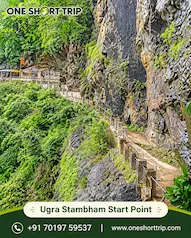
The landmark is reached through a demanding mountain trail in Upper Ahobilam. The route passes through rugged terrain, rocky sections and forest surroundings, making the journey an experience for pilgrims and trekking enthusiasts who are physically prepared for the challenge.
For devotees exploring Ahobilam, Ugra Stambham offers an opportunity to connect with one of the most powerful stories in Hindu tradition while experiencing the dramatic natural landscape of the Nallamala Hills.
Ugra Stambham – Quick Information
Best time for the trek: The cooler months from October to February are generally more comfortable. Trekking conditions, local permissions and access arrangements should be checked before starting the journey. Avoid attempting the trail during unsafe weather conditions.
What Is Ugra Stambham Famous For?
Ugra Stambham is famous for its association with the appearance of Lord Narasimha from the pillar in order to protect Prahlada. It is one of the most distinctive sacred landmarks in the Ahobilam hills and attracts devotees who wish to visit the place connected with this powerful religious tradition.
The natural rocky formation, its elevated mountain setting and the challenging trekking route make Ugra Stambham different from the regular temple visits around Lower and Upper Ahobilam.
Ugra Stambham Is Particularly Known For
- Its traditional association with the pillar from which Lord Narasimha emerged.
- Its connection with the protection of Prahlada and the defeat of Hiranyakashipu.
- Its distinctive rocky cleft and pillar-like natural formation.
- Its location in the rugged Upper Ahobilam mountain region.
- Its spiritual importance within the Narasimha tradition of Ahobilam.
- Its demanding trekking trail through rocky and forested terrain.
- Its panoramic mountain surroundings and dramatic cliffside views.
- Its importance as a sacred landmark for pilgrims visiting Ahobilam.
For devotees, reaching Ugra Stambham is more than a sightseeing experience. It is a pilgrimage connected with the story of divine protection and unwavering faith. The demanding nature of the trail also means that visitors should assess their fitness and safety before attempting it.
Where Is Ugra Stambham Located?
Ugra Stambham is located in the Upper Ahobilam region of the Nallamala Hills in Andhra Pradesh. It lies in the rugged mountain landscape associated with the Narasimha pilgrimage sites of Ahobilam.
The landmark is commonly described as being around 8 kilometres from Upper Ahobilam, although the actual trekking distance and time can vary depending on the route, starting point and local trail conditions. The approach involves a strenuous trek rather than an ordinary road journey.
Ugra Stambham,
Upper Ahobilam, Nallamala Hills,
Ahobilam, Nandyal District,
Andhra Pradesh, India.
The surrounding terrain includes steep and uneven sections, exposed rocks and forest paths. Visitors should not assume that the landmark can be reached directly by car or that the entire route is a paved walking path.
Before travelling, check with local guides or the relevant temple and forest authorities about the permitted route, weather conditions, access restrictions and whether a guided trek is advisable.
What Is the Story of Ugra Stambham?
The story of Ugra Stambham is connected with one of the most well-known accounts of Lord Vishnu's Narasimha avatar. According to Hindu tradition, the Lord appeared from a pillar to protect His devotee Prahlada from his father, the demon king Hiranyakashipu.
The traditional belief associates the rocky formation at Ahobilam with this divine manifestation. The landmark is therefore revered as a sacred reminder of the moment when the Lord appeared in an extraordinary form to uphold dharma and protect His devotee.
The Pillar from Which Lord Narasimha Emerged
According to Hindu tradition, Hiranyakashipu became hostile towards Lord Vishnu and demanded that everyone worship him instead. After receiving a powerful boon from Lord Brahma, he believed that he could not be defeated through ordinary means.
His son Prahlada, however, remained a devoted follower of Lord Vishnu. Despite repeated threats and attempts to change his beliefs, Prahlada continued to remember and worship the Lord.
One day, Hiranyakashipu challenged Prahlada and questioned whether Vishnu was truly present everywhere. Prahlada affirmed that the Lord existed throughout creation, including within a nearby pillar.
Enraged by the answer, Hiranyakashipu struck the pillar. At that moment, Lord Vishnu manifested from it in a form unlike any other: Narasimha, with the body of a human and the head of a lion.
The Lord overcame the conditions of Hiranyakashipu's boon by appearing neither fully human nor fully animal. At twilight, at the threshold, He placed the demon king on His lap and defeated him with His claws.
Prahlada was protected, and the story became a lasting expression of the power of devotion and the divine protection of those who remain faithful. Ugra Stambham is traditionally associated with the pillar and the extraordinary appearance of Lord Narasimha.
Why Is Ugra Stambham Considered Sacred?
The name Ugra Stambham is associated with the fierce manifestation of Lord Narasimha and the pillar from which He is believed to have appeared. The landmark is revered because of its connection with the moment when divine power intervened to protect Prahlada.
The rocky cleft and pillar-like appearance of the formation add to its significance in local religious tradition. For pilgrims, the landscape serves as a physical reminder of the Narasimha avatar story.
The spiritual meaning of Ugra Stambham is closely connected with faith, courage, protection and the triumph of righteousness over injustice.
What Is the Connection Between Prahlada and Ugra Stambham?
Prahlada is central to the story associated with Ugra Stambham. His unwavering devotion to Lord Vishnu, even in the face of danger from his own father, is the reason for the divine appearance of Narasimha in the traditional account.
The pillar represents the challenge made by Hiranyakashipu and the revelation that the Lord is not limited by any place or form. The appearance of Narasimha demonstrates the belief that divine protection can manifest in unexpected ways.
This association makes Ugra Stambham an important destination for devotees who wish to experience the sacred landscape connected with the Prahlada and Narasimha tradition.
What Does the Name Ugra Stambham Mean?
The name combines two Sanskrit-derived terms. Ugra means fierce, powerful or formidable, while Stambham means pillar or column. Together, the name is associated with the pillar connected to the fierce manifestation of Lord Narasimha.
Ugra Stambham – The Sacred Pillar of Lord Narasimha
The name recalls the powerful form of the Lord and the traditional account of His emergence from the pillar to protect Prahlada.
The name is therefore deeply connected with the Narasimha avatar and the religious identity of Ahobilam.
What Is the History of Ugra Stambham?
The history of Ugra Stambham is primarily preserved through the religious traditions and sacred legends of Ahobilam. The landmark is associated with the Narasimha avatar and is traditionally believed to mark the place connected with the Lord's emergence from the pillar.
Unlike a constructed temple, Ugra Stambham is a natural geological formation. Its religious identity comes from its association with the sacred events described in the Narasimha tradition rather than from a known architectural construction date.
The Traditional Origins of Ugra Stambham
According to the local Sthala Purana and religious belief, Ahobilam is the sacred region associated with the manifestation of Lord Narasimha. Ugra Stambham is traditionally identified with the pillar from which the Lord appeared to protect Prahlada.
The formation is consequently revered by devotees as a sacred natural landmark. The traditional account should be understood as religious belief rather than a historically documented event tied to a precisely dated location.
Ugra Stambham Within the Sacred Landscape of Ahobilam
Ahobilam is an important centre of Narasimha worship, with temples, caves, streams and mountain landmarks spread across the Nallamala Hills. Ugra Stambham is one of the most distinctive places associated with the central Narasimha legend.
Its remote mountain setting also gives the landmark a different character from the main temple complexes. Reaching it requires preparation, physical effort and attention to local trekking conditions.
Ahobilam and the Sri Vaishnava Tradition
Ahobilam holds an important position in the Sri Vaishnava tradition. The region is associated with the worship of Lord Narasimha and the devotional heritage preserved through temple worship, religious literature and the traditions of Sri Ahobila Math.
Ugra Stambham forms part of this wider sacred landscape. Its importance is based on its connection with the Narasimha avatar rather than its classification as a separate temple or Divya Desam shrine.
The Establishment of Sri Ahobila Math
One of the major developments in the religious history of Ahobilam was the establishment of Sri Ahobila Math by Srimad Athivan Satakopa Jeeyar, traditionally dated to around 600 years ago.
According to the Math's traditional account, Lord Lakshmi Narasimha appeared to the Acharya and instructed him to come to Ahobilam. The Math subsequently became an important institution for preserving and spreading Sri Vaishnava teachings.
The Math's association with Ahobilam has contributed significantly to the religious identity of the region and the continuation of its Narasimha worship traditions.
Historical and Religious Clarification
Ugra Stambham is a natural rocky formation associated with the traditional story of Lord Narasimha's emergence from a pillar. It is not a constructed temple, and no historical builder or construction date applies to the natural formation itself. Its sacred importance is preserved through the religious traditions of Ahobilam.
Religious Heritage of Ugra Stambham
Ahobilam is revered as the sacred region associated with Lord Narasimha's appearance to protect Prahlada. Ugra Stambham is traditionally connected with the pillar in this account.
The association between the rocky landmark and the Narasimha avatar continues through local religious belief and pilgrimage traditions.
Srimad Athivan Satakopa Jeeyar establishes the Math according to its traditional history.
The wider Ahobilam temple region receives patronage during the Vijayanagara period.
Ugra Stambham remains an important sacred landmark for devotees and visitors exploring the Narasimha heritage of Ahobilam.
Who Built Ugra Stambham?
Ugra Stambham is a natural rocky mountain formation, not a man-made temple structure. Therefore, it does not have a known human builder, architect or temple construction date.
Was Ugra Stambham Created by Lord Narasimha?
According to the religious tradition of Ahobilam, Ugra Stambham is associated with the pillar from which Lord Narasimha appeared to protect Prahlada. Devotees revere the natural formation because of this sacred connection.
This is a traditional religious belief and should be distinguished from the geological formation of the mountain, which developed through natural processes over a long period.
Which King Constructed Ugra Stambham?
No king is identified as the builder of Ugra Stambham because it is a natural landmark rather than a constructed temple. Historical patronage of temples in the wider Ahobilam region does not apply to the creation of this rock formation.
Its religious significance comes from its traditional association with the Narasimha avatar and the sacred landscape of Ahobilam.
What Is the Role of Sri Ahobila Math?
Sri Ahobila Math is an important religious institution associated with Ahobilam. It was established by Srimad Athivan Satakopa Jeeyar and has played a major role in preserving Sri Vaishnava teachings and the religious traditions of the region.
The Math's heritage forms part of the wider spiritual history of Ahobilam, including the worship of Lord Narasimha and the pilgrimage traditions connected with the surrounding hills.
Ugra Stambham is a natural rocky landmark traditionally associated with the pillar from which Lord Narasimha emerged. It was not built by a king or architect. Its importance is religious and cultural, rooted in the sacred story of Prahlada and the Narasimha avatar.
Which Deity Is Associated with Ugra Stambham?
Ugra Stambham is associated with Lord Ugra Narasimha, the fierce manifestation of Lord Vishnu who appeared to protect Prahlada and defeat Hiranyakashipu.
Narasimha is depicted in a form combining the body of a human being with the head of a lion. The traditional account describes His emergence from a pillar as a manifestation beyond ordinary human and animal forms.

Why Is the Lord Called Ugra Narasimha?
The word Ugra means fierce, powerful or formidable. The name Ugra Narasimha refers to the intense form assumed by Lord Vishnu when He appeared to destroy Hiranyakashipu.
In the Narasimha tradition, this fierce appearance represents the destruction of injustice and the protection of devotees. The same divine power that destroys evil is understood as compassionate towards those who seek the Lord's refuge.
Who Is Prahlada?
Prahlada is the young devotee of Lord Vishnu whose unwavering faith forms the centre of the Narasimha avatar story. Despite the opposition of his father Hiranyakashipu, Prahlada continued to worship Lord Vishnu.
His devotion and the Lord's appearance to protect him are central to the religious significance of Ugra Stambham.

What Is the Religious and Spiritual Significance of Ugra Stambham?
Ugra Stambham holds an important place in the spiritual landscape of Ahobilam. Its significance comes from the traditional belief that it is associated with the pillar from which Lord Narasimha emerged to protect Prahlada. It represents divine protection, courage, unwavering devotion and the triumph of righteousness.
Narasimha Manifestation
The landmark is traditionally connected with the appearance of Lord Narasimha from the pillar.
Protection of Prahlada
It recalls the story of the Lord protecting His young devotee despite the threats of Hiranyakashipu.
Sacred Mountain Landmark
The natural rocky formation forms part of the sacred landscape of Upper Ahobilam.
Power of Devotion
The story highlights Prahlada's faith and the belief that sincere devotion is never abandoned by the divine.
Nallamala Heritage
Its remote setting connects the landmark with the rugged natural and religious landscape of Ahobilam.
Pilgrimage and Trekking
The journey combines a sacred destination with a physically demanding mountain trekking experience.
Beliefs about the blessings and spiritual benefits of visiting sacred places are matters of faith and may vary among devotees. The trek should be attempted only when conditions are safe and the visitor is physically prepared.
What Is the Connection Between Ugra Stambham and the Nava Narasimha Temples?
Ugra Stambham is closely associated with the Narasimha tradition of Ahobilam, but it is important to understand that it is not one of the nine Nava Narasimha temples. It is a separate sacred natural landmark connected with the traditional story of the Lord's emergence from the pillar.
The Nava Narasimha pilgrimage includes nine shrines dedicated to different forms of Lord Narasimha. These temples are spread across Lower and Upper Ahobilam, with some requiring difficult trekking through the surrounding hills and forest routes.
What Are the Nine Narasimha Temples of Ahobilam?
The nine shrines traditionally included in the Nava Narasimha pilgrimage are:
Ugra Stambham is an additional sacred landmark associated with the Narasimha avatar story, not a tenth Nava Narasimha temple. The nine shrines and Ugra Stambham are distinct pilgrimage destinations within the wider Ahobilam region.
Is Ugra Stambham One of the Nava Narasimha Temples?
It is traditionally associated with the pillar from which Lord Narasimha emerged. The Nava Narasimha pilgrimage consists of nine distinct temple shrines elsewhere in the Ahobilam region.
The Upper Ahobilam region includes several important Narasimha shrines as well as challenging trekking destinations. Visiting Ugra Stambham requires separate planning and should not be treated as an easy extension of a regular temple circuit.
If you are planning a pilgrimage to Ahobilam, explore the nine Narasimha temples separately and check the trekking requirements before adding Ugra Stambham to your itinerary.
Explore More About Ahobilam
Discover the sacred Narasimha shrines, understand the routes through Lower and Upper Ahobilam, and prepare for your pilgrimage with our detailed travel guide.
How Far Is Ugra Stambham from Lower Ahobilam?
Ugra Stambham is a sacred rocky landmark in Upper Ahobilam, located in the Nallamala Hills of Andhra Pradesh. Unlike the temples that can be approached by road, reaching Ugra Stambham involves a challenging uphill trek through rugged hill terrain. Lower Ahobilam is a common starting point for visitors exploring the Ahobilam pilgrimage region.
Ugra Stambham is situated in the rocky hill landscape of Upper Ahobilam, within the Nallamala range.
The final approach involves uneven, rocky terrain. Visitors should check the current trail conditions and local guidance before starting.
Understanding the Route to Ugra Stambham
Ahobilam is traditionally divided into Lower Ahobilam and Upper Ahobilam. Visitors generally travel towards Upper Ahobilam before beginning the trek to Ugra Stambham. The route is not a simple temple approach, as the final section involves climbing through a rugged natural landscape.
The time and effort required depend on the route being used, trail conditions, weather and the visitor's fitness. Rather than relying on a fixed distance or trekking duration, confirm the current route with knowledgeable local guides before planning your visit.
Is Ugra Stambham Close to the Nava Narasimha Temples?
Ugra Stambham is associated with the sacred landscape of Upper Ahobilam, where several important Narasimha shrines are located. However, it is a natural landmark rather than one of the nine Nava Narasimha temples. The routes to individual shrines and the hill landmark can involve different walking requirements.
Do not treat Ugra Stambham as an ordinary temple visit. Check whether the trail is open, arrange an experienced local guide where required, start early and allow enough time for the climb and return journey.
What Are the Visiting Timings for Ugra Stambham?
Ugra Stambham is a natural sacred landmark, not a conventional temple with a sanctum and regular darshan schedule. Visitors planning the trek should confirm the permitted access hours, local arrangements and forest-related restrictions before travelling to Upper Ahobilam.
The climb is best planned during daylight. Starting early gives visitors more time to complete the uphill walk, spend time at the landmark and return safely. Avoid setting out late in the afternoon or attempting the route after dark.
There is no separate temple darshan timetable to rely on for Ugra Stambham. Access may depend on local guidance, weather, trail safety and applicable forest or administrative restrictions. Confirm the latest arrangements before beginning the trek.
What Should You Confirm Before the Trek?
Before travelling towards Ugra Stambham, check the following:
Ask local authorities or knowledgeable guides whether the route is currently accessible.
Check whether a local guide or authorised assistance is required or recommended.
Avoid the trek during heavy rainfall, thunderstorms or other unsafe weather conditions.
Start early and allow sufficient time to return before daylight fades.
Important: Do not assume that access to Ugra Stambham is available throughout the day or throughout the year. Follow current local instructions and never continue if the trail is considered unsafe.
When Is the Best Time to Visit Ugra Stambham?
The best time to visit Ugra Stambham depends on the weather, trail conditions and your ability to manage a demanding uphill trek. Since the landmark is located in the rugged Nallamala Hills, comfortable temperatures and dry, stable conditions are important for a safer visit.
Early Morning
An early start is preferable for a hill trek. It provides more daylight for the ascent, time at the landmark and the return journey.
Begin only after confirming the permitted access arrangements.
October to February
These months are generally more comfortable for outdoor travel around the Ahobilam hill region.
Check recent rainfall and trail conditions even during the cooler season.
March to May
Summer temperatures can make exposed uphill sections physically demanding.
Avoid the hottest hours and reconsider the trek if conditions are too hot.
June to September
Monsoon rainfall can make rocky slopes and uneven paths slippery.
Avoid attempting the trek during heavy rain or when local authorities advise against access.
Which Months Are More Comfortable for Trekking?
This period is generally a good choice for exploring the Ahobilam hill region because temperatures are comparatively comfortable. It can be more suitable for outdoor movement, provided the trail is dry, open and considered safe.
The summer heat can increase fatigue and dehydration during the climb. Carry sufficient water, start early and do not attempt the trek if the weather or your physical condition makes it unsafe.
Rain can make exposed rocks and steep paths hazardous. Do not plan this trek simply because the route appears accessible. Confirm conditions locally and postpone the visit if there is a risk of slipping, storms or restricted access.
Are There Any Important Festivals Associated with Ugra Stambham?
Ugra Stambham is a sacred natural landmark associated with the manifestation of Lord Narasimha. It is not a conventional temple with its own established annual festival calendar. However, devotees visiting Ahobilam may plan their wider pilgrimage around important occasions associated with Lord Narasimha and the region's temples.
Narasimha Jayanti
Narasimha Jayanti commemorates the appearance of Lord Vishnu in his Narasimha incarnation to protect Prahlada. The occasion has a special spiritual connection with Ugra Stambham because local sacred tradition associates the landmark with the pillar from which the Lord manifested.
Ahobilam Brahmotsavam
Brahmotsavam is an important festival associated with the temples of Ahobilam. Devotees visit the region for special worship and celebrations. Ugra Stambham itself does not have a separate temple Brahmotsavam schedule, so confirm the festival programme and hill access arrangements before planning a visit.
Swathi Nakshatra
Swathi Nakshatra is traditionally associated with Lord Narasimha worship. Devotees may observe special prayers at Narasimha temples on this occasion. Check the individual temple arrangements if you are combining a pilgrimage with the Ugra Stambham trek.
Vaikunta Ekadashi
Vaikunta Ekadashi is an important occasion in the Vaishnava calendar. Devotees visit Vishnu temples for prayers and special observances. It is relevant to a wider Ahobilam pilgrimage rather than a separate celebration at the natural landmark.
Other Vaishnava Observances
Other occasions in the Vaishnava calendar bring devotees to the Narasimha temples of Ahobilam. Visitors planning to combine festival visits with a hill trek should check crowd levels, local access and safety arrangements.
Festival planning: Confirm the annual temple festival calendar separately from Ugra Stambham trail access. A festival day does not automatically mean that the hill trek is open or suitable for visitors.
How to Reach Ugra Stambham, Ahobilam?
Ugra Stambham is located in the Upper Ahobilam hill region of the Nandyal district in Andhra Pradesh. Visitors generally travel to Ahobilam through nearby towns such as Allagadda and Nandyal before continuing towards Upper Ahobilam. The final approach to Ugra Stambham is a trek through rugged terrain rather than a regular road journey.
From Lower Ahobilam to Ugra Stambham
Lower Ahobilam is a common base for visitors exploring the pilgrimage region. From there, travel towards Upper Ahobilam using suitable local road transport. The trekking approach to Ugra Stambham begins in the Upper Ahobilam area, subject to the current route and access arrangements.
The availability of local transport and the permitted starting point for the trek may vary. Confirm these details locally rather than assuming that a vehicle can reach the landmark itself.
How to Reach Ugra Stambham from Bangalore?
Travellers from Bangalore can reach Ahobilam by road through Andhra Pradesh. A private car or hired vehicle offers flexibility for reaching Lower Ahobilam and arranging onward transport towards Upper Ahobilam.
The journey from Bangalore involves considerable road travel, followed by the uphill trek. If you are travelling with family, consider reaching Ahobilam the previous day, resting overnight and beginning the trek early the following morning. This is more practical than attempting the long drive and the climb on the same day.
How to Reach by Train?
Visitors travelling by train can check suitable connections to railway stations serving the Nandyal and Kurnool region. From the selected station, continue towards Ahobilam by taxi or other available road transport.
Check train schedules and onward road transport together before booking. You will still need to arrange transport to Upper Ahobilam and confirm the local trekking arrangements.
How to Reach by Bus?
Travellers can look for bus connections to nearby towns such as Allagadda and Nandyal. From there, continue towards Ahobilam using available local bus services or hired road transport.
Bus frequency and onward connections may vary. Confirm the return journey as well, especially if you plan to stay in the area after completing the trek.
How to Reach by Air?
Visitors travelling from distant cities can compare flights to airports serving the wider region, depending on available connections. An onward road journey is required to reach Ahobilam.
Compare airport location, flight availability and onward road travel time before choosing this option.
For a visit to Ugra Stambham, plan the road journey and trek as two separate stages. Reach Ahobilam in advance, arrange local guidance and begin the climb only after confirming that the trail is accessible and safe.
How Much Time Is Required to Visit Ugra Stambham?
The time required to visit Ugra Stambham depends on the trekking route, weather, trail conditions and your walking pace. Unlike a regular temple visit, this experience involves an uphill climb and a return journey over uneven terrain. Visitors should plan enough time for breaks rather than treating it as a quick sightseeing stop.
| Type of Visit | Planning Guidance |
|---|---|
| Travel from Lower to Upper Ahobilam | Allow for road travel and local arrangements |
| Uphill trek to Ugra Stambham | Depends on route and fitness |
| Time at the landmark | Allow time for rest and viewing |
| Return trek | Allow sufficient daylight |
| Combined Ahobilam pilgrimage | Plan additional time separately |
These are planning guidelines, not official trekking durations. The actual time can vary considerably with the route, local access arrangements, weather and individual fitness. Avoid relying on a fixed return time when planning this trek.
What Should You Know Before Visiting Ugra Stambham?
Ugra Stambham is a sacred natural landmark in a rugged hill environment. The trek requires preparation, suitable footwear and awareness of the surrounding terrain. Keep these guidelines in mind before starting your journey.
Assess your fitness: The route involves a challenging uphill trek. Be realistic about your fitness and ability to manage steep, uneven terrain.
Wear proper trekking footwear: Use sturdy shoes with good grip. Ordinary slippers and smooth-soled footwear are unsuitable for rocky paths.
Arrange local guidance: Check the current route with knowledgeable local guides and follow any instructions from the authorities.
Carry drinking water: Take sufficient water for the climb and return journey. Do not assume refreshments will be available along the trail.
Start early: Begin in the morning after confirming access. Keep enough daylight for the entire return journey.
Check weather conditions: Avoid the trek during heavy rain, thunderstorms or when rocks and slopes are slippery.
Respect the forest environment: Do not litter, disturb wildlife, damage plants or leave permitted routes.
Do not climb exposed rocks: Avoid risky climbing, standing near unprotected edges or attempting photographs from unsafe positions.
Carry essential items: Keep a charged phone, basic first-aid supplies and any personal essentials you may need during the trek.
Consider accessibility: The trek may not be suitable for young children, elderly visitors with mobility or balance difficulties, or anyone unable to manage steep and uneven terrain.
Check access restrictions: Confirm whether forest permissions, local guidance or other access arrangements apply before setting out.
Ugra Stambham is not an easy-access temple visit. Visitors with limited mobility, balance concerns or difficulty walking on steep rocky ground should consider visiting the more accessible temples of Ahobilam instead of attempting this trek.
What Are the Places to Visit Near Ugra Stambham?
Ugra Stambham is part of the wider sacred landscape of Ahobilam, which is famous for the nine forms of Lord Narasimha known as the Nava Narasimha. Visitors can explore the temples of Lower and Upper Ahobilam as part of a wider pilgrimage. However, these shrines are spread across different locations, and some require separate journeys or trekking.
Ahobila Narasimha Temple
Ahobila Narasimha Temple is one of the most important shrines in the Ahobilam pilgrimage. It is associated with the fierce form of Lord Narasimha and is traditionally regarded as the principal shrine among the Nava Narasimha temples. It is located in the Upper Ahobilam region.
Jwala Narasimha Temple
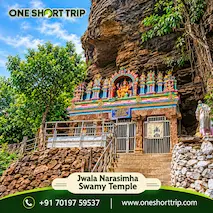
Jwala Narasimha is associated with the fierce manifestation of the Lord and the episode of Hiranyakashipu's destruction. The shrine is located in the Upper Ahobilam hill region and is approached through rugged terrain. Visitors should check the route and trekking requirements before planning this visit.
Malola Narasimha Temple
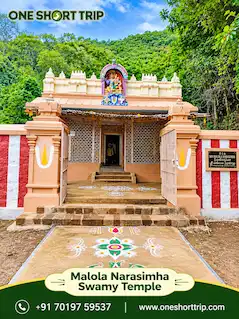
Malola Narasimha represents the form of Lord Narasimha with Goddess Lakshmi. The name is traditionally associated with the Lord's affectionate and benevolent aspect. The shrine is an important stop for devotees exploring the Nava Narasimha pilgrimage.
Kroda Narasimha Temple
Kroda Narasimha, also known as Varaha Narasimha, is one of the traditional Nava Narasimha forms. The deity is associated with the Varaha aspect of Lord Vishnu and is an important part of the sacred temple circuit at Ahobilam.
Karanja Narasimha Temple
Karanja Narasimha is traditionally associated with the Karanja tree. It is one of the nine Narasimha shrines and is included in the wider pilgrimage around Ahobilam.
Bhargava Narasimha Temple
Bhargava Narasimha is associated with the sage Bhargava's penance and worship of Lord Narasimha. The shrine is part of the traditional nine-form pilgrimage and is located in the Ahobilam region.
Yogananda Narasimha Temple
Yogananda Narasimha represents the peaceful and meditative aspect of the Lord. The shrine is traditionally associated with Lord Narasimha blessing Prahlada after the destruction of Hiranyakashipu.
Chatravata Narasimha Temple
Chatravata Narasimha is traditionally associated with a sacred tree and represents another form of Lord Narasimha worshipped at Ahobilam. Its peaceful setting forms part of the region's spiritual landscape.
Pavana Narasimha Temple
Pavana Narasimha is one of the nine sacred shrines and is traditionally associated with purification and the removal of sins. It is located in a more remote part of the Ahobilam region, and reaching it can involve a demanding journey.
Important distinction: Ugra Stambham is not one of the nine Nava Narasimha temples. It is a separate sacred natural landmark associated with the Narasimha manifestation legend. Plan its trek separately from the temple circuit.
Can You Visit Ugra Stambham and the Temples of Ahobilam on the Same Day?
It may be possible to combine selected temple visits with the Ugra Stambham trek, but it should not be treated as a rushed one-day sightseeing plan. The climb to Ugra Stambham requires physical effort and sufficient daylight. The time available for other temples will depend on the trekking route, local access, weather and your pace.
Suggested Order of Visits
Travel towards Upper Ahobilam after confirming the route, local guidance and permitted access for the day.
Start the uphill walk with suitable footwear, sufficient water and local guidance. Do not proceed if weather or trail conditions are unsafe.
Experience the dramatic rocky landscape and the spiritual significance associated with the pillar from which Lord Narasimha is believed to have manifested.
Allow enough time for the descent. Do not extend the visit if it could leave you returning after daylight.
If you have sufficient time and energy, consider a suitable temple visit in the Ahobilam region. Confirm its location, opening hours and transport arrangements separately.
The Ugra Stambham trek should be the main activity of the day. Do not try to complete all nine Nava Narasimha temples around the same trek. If you want a relaxed pilgrimage covering several shrines, plan an additional day.
Suggested One-Day Ugra Stambham Trek Plan
If you have one day for Ugra Stambham, keep the itinerary focused on reaching Upper Ahobilam, completing the trek and returning safely. The following is a flexible planning outline, not an official trekking timetable. Adjust it according to local access instructions, weather and the time required for the route.
| Part of the Day | Suggested Activity |
|---|---|
| Early Morning | Reach the Upper Ahobilam area after confirming the day's access and local trekking arrangements. |
| Morning | Begin the uphill trek towards Ugra Stambham with suitable footwear, water and local guidance. |
| During the Trek | Take breaks when needed and follow the permitted route. Avoid exposed edges and unsafe climbing. |
| At the Landmark | Spend time experiencing the sacred natural setting and the views of the Nallamala Hills. |
| Return Journey | Start the descent with enough daylight remaining and return to the Upper Ahobilam area. |
| Later in the Day | Rest and return to your accommodation. Include another temple visit only if time, energy and access conditions permit. |
This is a suggested day plan, not a fixed schedule or confirmation of trail availability. The actual route, duration and starting arrangements must be checked locally before the visit.
For a relaxed Ahobilam pilgrimage, keep the Ugra Stambham trek on a separate day from a full Nava Narasimha temple circuit. This allows enough time for the climb, rest and safe return without rushing between locations.
Frequently Asked Questions About Ugra Stambham, Ahobilam
Find answers to common questions about Ugra Stambham, including its location, spiritual significance, connection with Lord Narasimha, trekking route, best time to visit and travel arrangements.
1. Where is Ugra Stambham located?
Ugra Stambham is a sacred rocky landmark in the Upper Ahobilam hills of the Nallamala forest region in Andhra Pradesh. It is traditionally associated with the pillar from which Lord Narasimha manifested. Reaching the landmark involves an uphill trek through rocky and uneven terrain.
2. What is Ugra Stambham famous for?
Ugra Stambham is famous for its religious association with the manifestation of Lord Narasimha from a pillar to protect Prahlada and defeat Hiranyakashipu. The striking rocky formation and its elevated position among the Ahobilam hills make it an important spiritual and trekking destination.
3. What does the name Ugra Stambham mean?
The name combines two Sanskrit words. "Ugra" means fierce, powerful or intense, while "Stambham" means pillar or column. The name reflects the traditional belief that this rocky landmark is associated with the pillar from which Lord Narasimha appeared in his powerful form.
4. Is Ugra Stambham one of the Nava Narasimha temples?
No. Ugra Stambham is a sacred natural landmark and not one of the nine Nava Narasimha temples of Ahobilam. It has its own religious importance because of its traditional connection with Lord Narasimha's manifestation from a pillar.
5. What is the story behind Ugra Stambham?
According to the traditional account, Prahlada was a devoted follower of Lord Vishnu, while his father Hiranyakashipu opposed his devotion. When Hiranyakashipu challenged Prahlada to show where Vishnu was present, the Lord emerged from a pillar in the form of Narasimha, with a human body and a lion's face. Ugra Stambham is traditionally identified with this sacred pillar and is revered as a place connected with that divine manifestation.
6. Which God is worshipped at Ugra Stambham?
Ugra Stambham is not a conventional temple with a separate presiding deity or regular temple sanctum. Its spiritual significance comes from its association with Lord Sri Narasimha, an incarnation of Lord Vishnu, who is believed to have manifested from a pillar to protect Prahlada.
7. Is Ugra Stambham the same as Ahobila Narasimha Temple?
No. Ugra Stambham and Ahobila Narasimha Temple are separate destinations in Upper Ahobilam. Ahobila Narasimha is a sacred cave shrine and one of the Nava Narasimha temples, whereas Ugra Stambham is a natural rocky landmark associated with the pillar from which Lord Narasimha is traditionally believed to have appeared.
8. Is Ugra Stambham located inside a cave?
No. Ugra Stambham is known as a rocky hill formation and natural landmark rather than a cave temple. Its surroundings consist of rugged rock surfaces, elevated viewpoints and forested hills. Visitors should be prepared for an outdoor trekking experience rather than a conventional temple visit.
9. How difficult is the Ugra Stambham trek?
The trek to Ugra Stambham is challenging because the route involves uphill walking, uneven rocky surfaces and exposed sections. The difficulty depends on weather, trail conditions, the starting point and individual fitness. It is important to assess your ability and take local guidance before attempting the climb.
10. Is Ugra Stambham the same as Jwala Narasimha Temple?
No. They are separate destinations in the Upper Ahobilam region. Jwala Narasimha is one of the Nava Narasimha temple shrines, while Ugra Stambham is a natural rocky landmark traditionally connected with the manifestation of Lord Narasimha. Both are associated with the sacred Narasimha tradition of Ahobilam.
11. Are there temple timings for Ugra Stambham?
Ugra Stambham is an outdoor natural landmark, not a temple with fixed darshan timings. Access may depend on local conditions, forest-area regulations and guidance available at the time of your visit. Plan the trek during daylight and confirm current access arrangements locally before starting.
12. Can I reach Ugra Stambham by car?
You can travel by road towards Upper Ahobilam from Lower Ahobilam, subject to local road and vehicle-access conditions. However, a vehicle does not take you directly to the Ugra Stambham landmark. The final approach involves trekking through rocky terrain. Confirm the current road access and trail starting point with local authorities or guides.
13. Can senior citizens visit Ugra Stambham?
Ugra Stambham involves a demanding uphill trek over uneven and rocky ground, so it may not be suitable for every senior citizen. Anyone with limited mobility, balance difficulties or health concerns should carefully assess the physical demands before planning the climb. Families can consider visiting accessible temples and viewpoints in Ahobilam instead of attempting the trek.
14. How much time should I allow for the Ugra Stambham visit?
Allow several hours for the overall visit, including the approach, uphill trek, time at the landmark and return journey. The actual time depends on the trail starting point, weather, local access arrangements, walking pace and breaks. It is better to plan with sufficient daylight rather than rush the trek.
15. What is the best time of year to visit Ugra Stambham?
October to February is generally more comfortable for outdoor exploration in the Ahobilam hills because temperatures are usually more suitable for trekking. Summer heat can make the exposed rocky climb strenuous, while monsoon rain may make the rocks and trail slippery. Always check the weather and local access conditions before setting out.
16. Is Ugra Stambham connected with Prahlada?
Yes. The spiritual significance of Ugra Stambham is closely connected with Prahlada's devotion to Lord Vishnu. According to the traditional story, Lord Narasimha emerged from a pillar when Hiranyakashipu challenged Prahlada's faith. The rocky landmark is traditionally associated with this important episode in the Narasimha legend.
17. Are any festivals celebrated specifically at Ugra Stambham?
Ugra Stambham is a natural landmark rather than a regular temple with an established daily festival schedule. Its religious significance may attract devotees during Narasimha Jayanti and important Ahobilam pilgrimage periods. Festival celebrations and special worship arrangements are primarily associated with the temples of Ahobilam, so visitors should not assume that a separate festival programme takes place at the landmark.
18. Is a local guide necessary for the Ugra Stambham trek?
Taking guidance from someone familiar with the local trail is strongly advisable. The route passes through rugged terrain, and trail conditions or access arrangements may change. Confirm whether a local guide, permission or other arrangements are required before beginning the trek. Avoid exploring unfamiliar routes independently.
19. Which places can I visit near Ugra Stambham?
Upper Ahobilam has several important destinations, including Ahobila Narasimha Temple, Jwala Narasimha Temple and Malola Narasimha Temple. Other Nava Narasimha shrines are spread across the wider Ahobilam region. You can also explore Prahlada Mettu and the temples of Lower Ahobilam, depending on the available time and physical demands of each route.
20. Can I visit Ugra Stambham and all nine Nava Narasimha temples in one day?
Attempting the Ugra Stambham trek and visiting all nine Nava Narasimha temples in one day is not a practical plan for most visitors. The shrines are spread across different locations, and some involve demanding walks or trekking. A separate, carefully planned itinerary is preferable, especially for families and travellers who want a comfortable pilgrimage without rushing.
21. Is there an entry fee to visit Ugra Stambham?
We do not have a reliably confirmed current official entry-fee schedule for Ugra Stambham. Since access may be subject to local or forest-area arrangements, check with the relevant local authorities or guides before travelling. Do not assume that temple darshan charges apply to this natural landmark.
22. Is photography allowed at Ugra Stambham?
Visitors may wish to photograph the rocky landscape and surrounding hills, but photography and drone use must follow applicable local restrictions. Respect any instructions from forest staff or local authorities. Take care while using a camera, particularly near steep slopes and exposed rock edges.
23. What should I carry for the Ugra Stambham trek?
Carry sufficient drinking water, suitable trekking shoes with a good grip, sun protection, a small first-aid kit and essential personal items. Keep your backpack light and carry snacks if appropriate. Start early, check the weather and avoid the trek during or immediately after heavy rain when the rocky surfaces may become slippery.
24. Can I visit Ugra Stambham as part of an Ahobilam trip from Bangalore?
Yes, Ugra Stambham can be included in an Ahobilam journey from Bangalore, provided you allow enough time for road travel and the demanding uphill trek. It is important to plan the visit separately from the regular temple circuit, check local access arrangements and assess the fitness of everyone travelling. Travellers who prefer a relaxed pilgrimage can prioritise the accessible shrines and plan the trek only when conditions are suitable.
Plan Your Ugra Stambham Visit with One Short Trip
Ugra Stambham is one of the most distinctive sacred landmarks of Ahobilam. Traditionally associated with the pillar from which Lord Narasimha manifested to protect Prahlada, this rocky formation holds a special place in the spiritual heritage of the Nallamala Hills.
Unlike a conventional temple visit, reaching Ugra Stambham involves an uphill trek through rocky and uneven terrain. The journey requires suitable footwear, sufficient water, favourable weather and careful attention to local trail and access conditions.
Visitors planning an Ahobilam pilgrimage can also explore the Nava Narasimha temples, including the important shrines at Upper and Lower Ahobilam. However, the Ugra Stambham trek should be planned separately so that travellers have enough time and energy to complete it safely.
At One Short Trip, we help travellers plan spiritual journeys and temple tours from Bangalore with practical travel arrangements and thoughtfully organised itineraries. Whether you are planning an Ahobilam pilgrimage with family or exploring its sacred landmarks, our aim is to make your journey easier to organise and more comfortable.
Explore More About Ahobilam
Where Is Ugra Stambham Located?
Ugra Stambham is a sacred natural rock formation in the Nallamala Hills near Upper Ahobilam, in Andhra Pradesh. Traditionally associated with the pillar from which Lord Narasimha manifested to protect Prahlada, this mountain cleft is an important pilgrimage landmark. It lies beyond the Upper Ahobilam temple area and is reached by a demanding forest trek through rugged terrain. Visitors should plan the walk with a knowledgeable local guide and check current access conditions before setting out.
You May Also Like
Planning A Trip Here?
Get help planning your visit — call or WhatsApp us and we will help you book a tour.