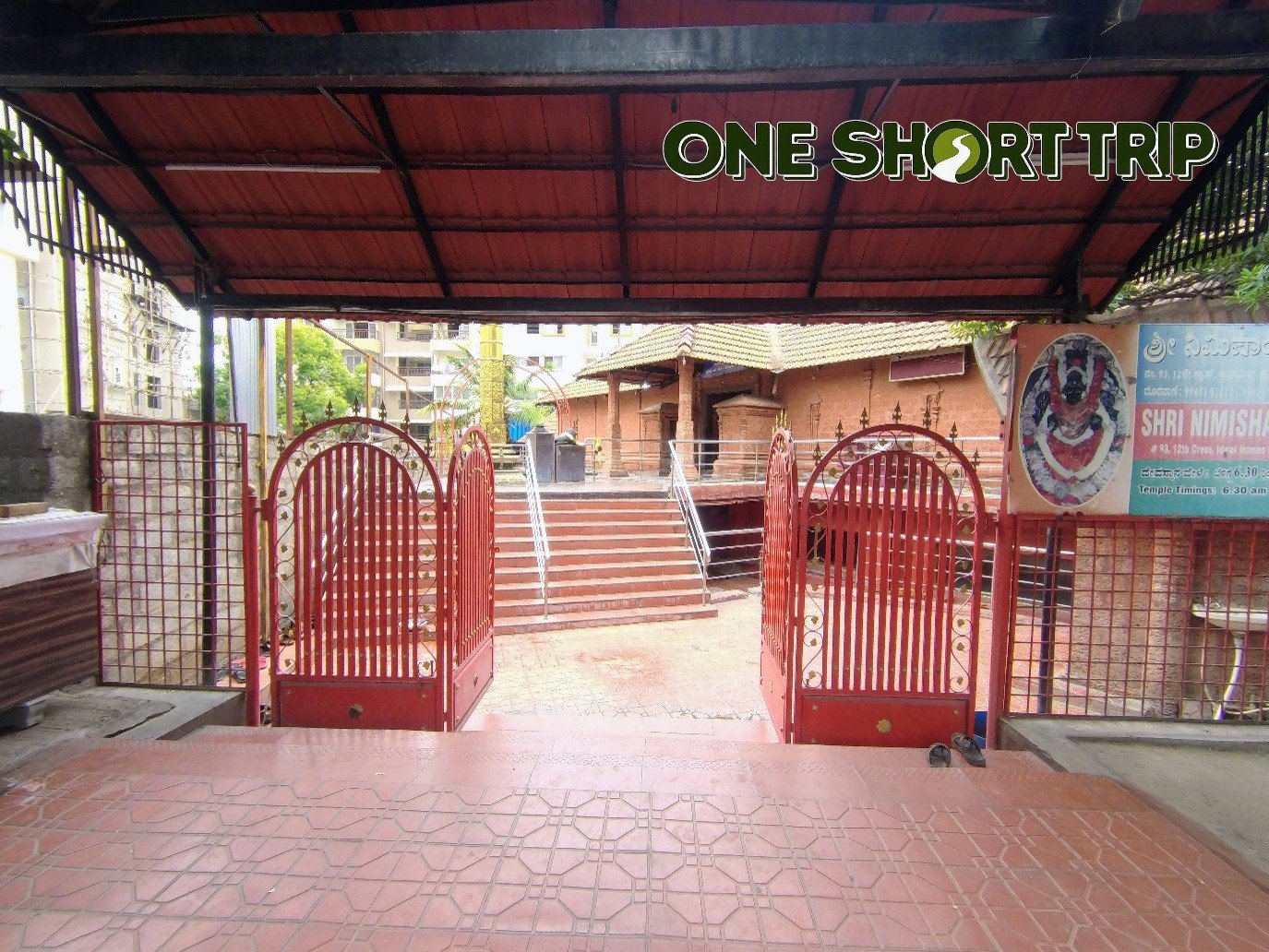


Sri Nimishamba Temple, Srirangapatna – A Sacred Cauvery Riverside Shrine
Sri Nimishamba Temple is one of the most distinctive spiritual places to visit around Srirangapatna in Karnataka. Set beside the Cauvery River at Ganjam, the temple combines a living tradition of Goddess worship with the historic landscape of the former Mysuru capital. Unlike the large monumental temples for which Srirangapatna is known, Nimishamba Temple feels more intimate: devotees come primarily for darshan, prayer and special pujas, while the river flowing beside the shrine gives the visit a distinctly peaceful character.
The presiding deity is Sri Nimishamba, regarded as a manifestation of Goddess Parvati. The name itself is central to the temple's identity. Nimisha means a moment or minute, while Amba refers to the Divine Mother. Local religious tradition therefore associates Nimishamba with the belief that the Goddess responds to sincere prayers and removes difficulties quickly. This is a devotional belief rather than a historical claim, but it explains why the shrine has become especially important to devotees seeking relief from personal obstacles.
A Temple Shaped by the Wodeyar Era
The temple belongs to the historic religious landscape that developed around Srirangapatna after the Wodeyars established their control over the island town in the early seventeenth century. Karnataka Tourism currently places the temple's origin in the period of Raja Wodeyar, who ruled in the early 1600s. Other published accounts describe the shrine as roughly three to four centuries old and differ over the exact ruler associated with its construction. For a destination guide, the safest conclusion is that the present temple belongs to the early Mysuru Wodeyar-era religious landscape rather than assigning an uncertain single construction date as absolute fact.
Its location is also significant. Ganjam lies on the eastern side of historic Srirangapatna, along the road towards the meeting of the rivers. The shrine therefore sits within a landscape where temples, royal history, waterways and old settlements overlap. The Cauvery is not simply a backdrop here; the river is part of the spiritual atmosphere of the temple and can be reached by steps from the shrine precinct.


The Legend Behind Nimishamba
The temple's mythology centres on a protective form of the Divine Mother. According to local sthala tradition, a ruler named Muktharaja sought divine assistance against powerful demonic forces. The story describes Goddess Parvati appearing as Nimishamba and promising aid within a nimisha, or a moment. The same tradition connects the shrine with the form of Shiva known as Moukthikeshwara or Mukthikeshwara.
These stories belong to the temple's religious tradition and should be understood as sacred legend rather than archaeological history. Their importance lies in explaining the identity of the shrine: Nimishamba is worshipped as a compassionate but powerful protective goddess, and devotees approach her with prayers concerning difficulties, family matters, health, prosperity and other personal concerns.
The Sacred Sri Chakra
One of the most important features of the temple is the Sri Chakra placed before the Goddess. Unlike a decorative element that visitors simply look at, the Sri Chakra has an active ritual role in the temple's worship. It is associated with Shakti traditions and is offered puja along with the main deity.
Local tradition attributes the stone-incised Sri Chakra to Muktharaja. The story surrounding him and the Sri Chakra is part of the sacred narrative of the temple. For visitors interested in South Indian goddess worship, this makes Nimishamba Temple particularly interesting because the shrine combines the worship of the Goddess with yantra-based devotional practice.
The Seven-Tiered Rajagopuram
The temple is approached through a prominent seven-tiered Rajagopuram. The scale of the gateway contrasts with the relatively compact character of the main shrine, creating a strong sense of arrival as devotees enter the temple precinct. The temple faces east, while the Cauvery lies at a lower level beside the shrine.
Within the complex, the shrine of Nimishamba is accompanied by other important deities. Shiva is worshipped in the form of Moukthikeshwara/Aksheeswara, represented by a Shiva Linga, while a shrine for Lakshminarayana is also present. Traditional descriptions place these three principal sanctums in a row, reflecting the temple's compact yet multi-deity character.
Nimishamba, Shiva and Lakshminarayana
The combination of Nimishamba, Shiva and Lakshminarayana is an important part of understanding the temple. Nimishamba represents the protective and compassionate aspect of Shakti; Shiva is present through the associated Shaiva shrine; and Lakshminarayana adds a Vaishnava presence. The temple therefore does not function simply as an isolated goddess shrine but as a compact sacred complex with several layers of Hindu worship.
The Nandi associated with the Shiva shrine is proportionately smaller than the imposing Nandis seen at some major Karnataka temples. The scale of these elements reinforces the intimate character of Nimishamba Temple: it is a place designed around worship and ritual rather than monumental scale alone.
A Temple Beside the Cauvery
The riverfront setting is one of the temple's greatest attractions. The Cauvery flows below the temple precinct, and stone steps lead down towards the water. The combination of the shrine above, the river below and the surrounding greenery creates a different atmosphere from the more densely built historic core of Srirangapatna.
Visitors should remember that the river is a natural water body and its depth and current can change. The riverside should therefore be treated as a place for quiet reflection and viewing rather than as an assumed swimming area.
Rituals, Devotion and Local Importance
Daily worship revolves around the Goddess and the accompanying deities, with the Sri Chakra receiving particular ritual attention. Devotees often visit on days considered auspicious for Shakti worship, including full-moon occasions and major Hindu festivals. Navaratri is especially significant because the temple's identity is centred on the Divine Mother.
The temple also has a strong association in popular devotion with resolving obstacles in marriage and family life. Stories of devotees receiving favourable outcomes after prayer have contributed to its reputation. Such experiences belong to personal faith and should not be presented as guaranteed results, but they are an important part of why people continue to visit the shrine.
Why Sri Nimishamba Temple Is Worth Including in a Srirangapatna Trip
Nimishamba Temple adds a spiritual and riverside dimension to a Srirangapatna itinerary. The island is best known for its fort, Sri Ranganathaswamy Temple, Tipu Sultan's monuments and the history of the Anglo-Mysore Wars, but the Nimishamba shrine reveals another side of the region: living religious traditions connected with the Cauvery, goddess worship and the Wodeyar-era sacred landscape. For travellers who want more than monuments, this is one of the most worthwhile temples to combine with the historic sights of Srirangapatna.
Visiting Sri Nimishamba Temple, Srirangapatna
A visit to Sri Nimishamba Temple is best experienced as a peaceful spiritual stop rather than a quick sightseeing photo break. The shrine is in Ganjam, close to Srirangapatna, and its position beside the Cauvery gives the visit a quieter atmosphere than the busy historic centre of the island town. You can spend time inside the temple for darshan and then walk towards the riverside steps to experience the setting around the shrine.
Because this is an active place of worship, the experience can change considerably according to the day, festival and time of visit. Fridays and auspicious occasions can attract substantially more devotees, so travellers looking for a quieter visit should preferably arrive during a less crowded period. Karnataka Tourism specifically notes that Fridays can be busy.
Temple Timings and Darshan
There are different timings published by travel sources for Sri Nimishamba Temple, so it is better not to plan a long Srirangapatna itinerary around an unverified fixed schedule. Older visitor accounts commonly mention approximately 6:30 AM to 8:30 PM, while Karnataka Tourism currently advises visitors to check the temple's darshan timings before visiting. Timings can also change during festivals and special religious programmes.
For a normal sightseeing trip, the safest approach is to reach during the established morning or evening worship periods and confirm locally if you are travelling specifically for a particular puja or seva. This is especially important during major festival days when the temple may operate with a different schedule.
Entry Fee and Special Pujas
There is generally no separate entrance fee for ordinary temple darshan. Devotees who wish to perform special pujas, archana or other religious services may have separate offerings or seva charges. These should be checked at the temple rather than relying on old online fee lists.
Karnataka Tourism also records a distinctive local practice in which devotees offer a prayer or moola mantra written on paper, seeking the Goddess's swift intervention. This is part of the temple's devotional tradition and should be approached respectfully rather than as a tourist activity.
How to Reach Sri Nimishamba Temple
By road: The temple is in Ganjam, approximately 2 km from the centre of Srirangapatna. From Mysuru, the journey is straightforward by road, while travellers coming from Bengaluru can reach Srirangapatna via the Bengaluru–Mysuru corridor and continue towards Ganjam. Autos and local taxis are convenient for the final stretch.
By train: Srirangapatna Railway Station is the closest railhead, while Mysuru Junction provides more frequent long-distance connections. Karnataka Tourism currently lists the Srirangapatna station at roughly 2 km from the temple and Mysuru Railway Station at around 14 km.
By air: Mysuru Airport is the nearest airport, approximately 20 km away according to Karnataka Tourism. Bengaluru Kempegowda International Airport is a practical alternative for travellers arriving by air from cities with limited Mysuru connectivity.
Parking and Getting Around
Local parking availability can change according to crowd levels, particularly on Fridays and festival days. If you are travelling by car, allow some flexibility rather than expecting a large dedicated tourist parking area immediately beside the shrine. During busy periods, it can be easier to park where permitted nearby and walk the final stretch.
The temple itself does not require a major climb, making it considerably easier for most visitors than hilltop temples around the Mysuru region. However, the riverside steps require additional care, particularly for elderly visitors, young children and anyone with mobility difficulties.
Is the Temple Suitable for Senior Citizens?
Yes. Sri Nimishamba Temple can be included in a family itinerary with senior citizens because the main temple visit does not involve a demanding trek. The main consideration is the riverside area. The Cauvery steps can become slippery, especially during wet weather or when the river level is high, so seniors should remain cautious and use assistance where necessary.
If an elderly traveller is visiting primarily for darshan, there is no need to descend all the way towards the river. The temple itself can be experienced without turning the visit into a physically demanding outing.
Is It Suitable for Families and Children?
The temple is suitable for families, particularly when combined with the other attractions of Srirangapatna. Children can experience a traditional South Indian temple environment, learn about Goddess worship and see the Cauvery riverfront in the same visit.
Parents should keep children close around the river steps. The Cauvery is a flowing river rather than a controlled bathing facility, and water conditions can change seasonally. Karnataka Tourism specifically advises caution near the river during the monsoon.
Dress Code and Temple Etiquette
Wear modest and comfortable clothing suitable for an active Hindu temple. Traditional or conservative clothing is the safest choice, particularly if you intend to spend time inside the shrine. Remove footwear wherever required and follow instructions from temple staff.
Avoid loud conversations, unnecessary movement during rituals and inappropriate photography. The temple is a functioning place of worship, so visitors should give priority to devotees and ongoing religious ceremonies rather than treating the inner areas as a sightseeing zone.
Photography at Nimishamba Temple
The riverside surroundings and exterior of the temple offer attractive photography opportunities. Karnataka Tourism specifically highlights the temple's setting beside the Cauvery as a photographic feature.
Inside the active shrine, however, photography should only be done where the temple permits it. If a sign, priest or temple staff member says photography is not allowed, follow that instruction. Avoid photographing devotees during private prayers or rituals without permission.
How Much Time Do You Need?
Allow around 30 minutes to 1 hour for a normal visit. This gives enough time for darshan, a look around the temple precinct and a short visit to the Cauvery riverfront. Devotees performing special pujas or visiting during busy periods may need considerably longer.
If you are building a full Srirangapatna itinerary, Nimishamba Temple works best as one stop within a larger circuit rather than as the only destination for the day.
Best Time to Visit
For comfortable sightseeing around Srirangapatna, October to February is generally the most pleasant period. Karnataka Tourism gives October to February as the best season for Srirangapatna as a whole.
Early morning and late afternoon are particularly pleasant if you want to combine temple darshan with time beside the river. The monsoon can make the surroundings greener and the Cauvery more dramatic, but river access requires additional caution when water levels rise.
Festivals and Crowds
Nimishamba Temple becomes particularly active during major Hindu religious occasions and days associated with Goddess worship. Fridays are also known to attract larger numbers of devotees. If your purpose is purely sightseeing and photography, a regular weekday is generally more comfortable than a major festival day.
On the other hand, visitors interested in experiencing the temple as a living religious centre may find festival periods especially meaningful. Expect larger crowds, slower movement and greater demand for parking and local transport during such occasions.
The Cauvery River Beside the Temple
One of the strongest reasons to include Nimishamba Temple in a Srirangapatna itinerary is the riverfront itself. After darshan, visitors can spend a few quiet minutes near the Cauvery and appreciate the relationship between the temple and the landscape.
Some devotees traditionally take a ritual bath in the river, but this should never be treated as compulsory for tourists. River conditions, current and water level vary, especially during the monsoon. If you are unfamiliar with the area, it is safer to remain on the designated steps and avoid entering the water without local guidance.
Places to Visit Near Nimishamba Temple
Nimishamba Temple is particularly easy to combine with the major heritage attractions of Srirangapatna. A well-planned circuit can include the Sri Ranganathaswamy Temple, Tipu Sultan's Dariya Daulat Bagh, Gumbaz, the historic fort area and other monuments before or after visiting Nimishamba. Karnataka Tourism specifically recommends combining the shrine with Srirangapatna's fort, temples and historical attractions.
For nature lovers, the visit can also be extended towards Ranganittu Bird Sanctuary. Travellers with more time can continue towards the Cauvery's river landscapes and nearby Mysuru.
Suggested Srirangapatna Day Circuit
Morning: Start with Sri Ranganathaswamy Temple and explore the historic Srirangapatna area. Continue to Tipu Sultan's Summer Palace at Dariya Daulat Bagh and the associated heritage sites.
Afternoon: Visit Gumbaz and other monuments before heading towards Ganjam and Sri Nimishamba Temple.
Late afternoon: Spend time at Nimishamba Temple and the Cauvery riverfront. If time permits, continue towards Ranganittu Bird Sanctuary or return towards Mysuru.
Where to Stay
For travellers making a dedicated Srirangapatna heritage trip, staying in or around the town is convenient. Karnataka Tourism lists Hotel Mayura Riverview, Srirangapatna, along with local guesthouses and lodges. Mysuru, roughly 14–20 km away depending on the exact point of measurement, provides a much wider range of accommodation from budget hotels to premium properties.
Food and Local Purchases
Small local vendors around the temple area commonly sell flowers, coconuts and other puja materials. Karnataka Tourism specifically mentions these traditional worship items among the things visitors can purchase near the shrine.
For a proper meal, it is usually more practical to eat in Srirangapatna or continue towards Mysuru, where there is a much wider choice of restaurants. If visiting as part of a temple circuit, carry drinking water, particularly during warmer months.
Important Safety Tips
- Be especially careful on the Cauvery steps during and after rain.
- Do not allow children to approach the river edge unattended.
- Avoid entering the river unless local conditions and safety arrangements make it appropriate.
- Follow temple instructions regarding footwear, photography and restricted areas.
- Expect heavier crowds on Fridays and festival days.
- Confirm darshan timings if the temple visit is an essential part of your itinerary.
- Carry water and wear comfortable footwear for the surrounding sightseeing circuit.
Nimishamba Temple as Part of a Srirangapatna Experience
Sri Nimishamba Temple is most rewarding when experienced as part of the wider Srirangapatna landscape. The visit moves naturally from the quiet interior of a living shrine to the open riverfront, while the surrounding town adds layers of Wodeyar, Tipu Sultan and Cauvery-region history. For travellers interested in temples, heritage, spirituality and scenic river landscapes, Nimishamba provides a meaningful contrast to Srirangapatna's larger monuments and is an easy addition to a one-day Mysuru–Srirangapatna itinerary.