
Shri Nimishamba Devi Temple, Bengaluru
Shri Nimishamba Devi Temple in Rajarajeshwari Nagar is one of Bengaluru's distinctive Hindu temples, dedicated to Goddess Nimishamba, a revered form of Goddess Parvati. Located at Ideal Homes Circle, the temple offers devotees a peaceful spiritual space within the city and is particularly known for its distinctive South Indian architectural character, devotional atmosphere and traditional poojas.
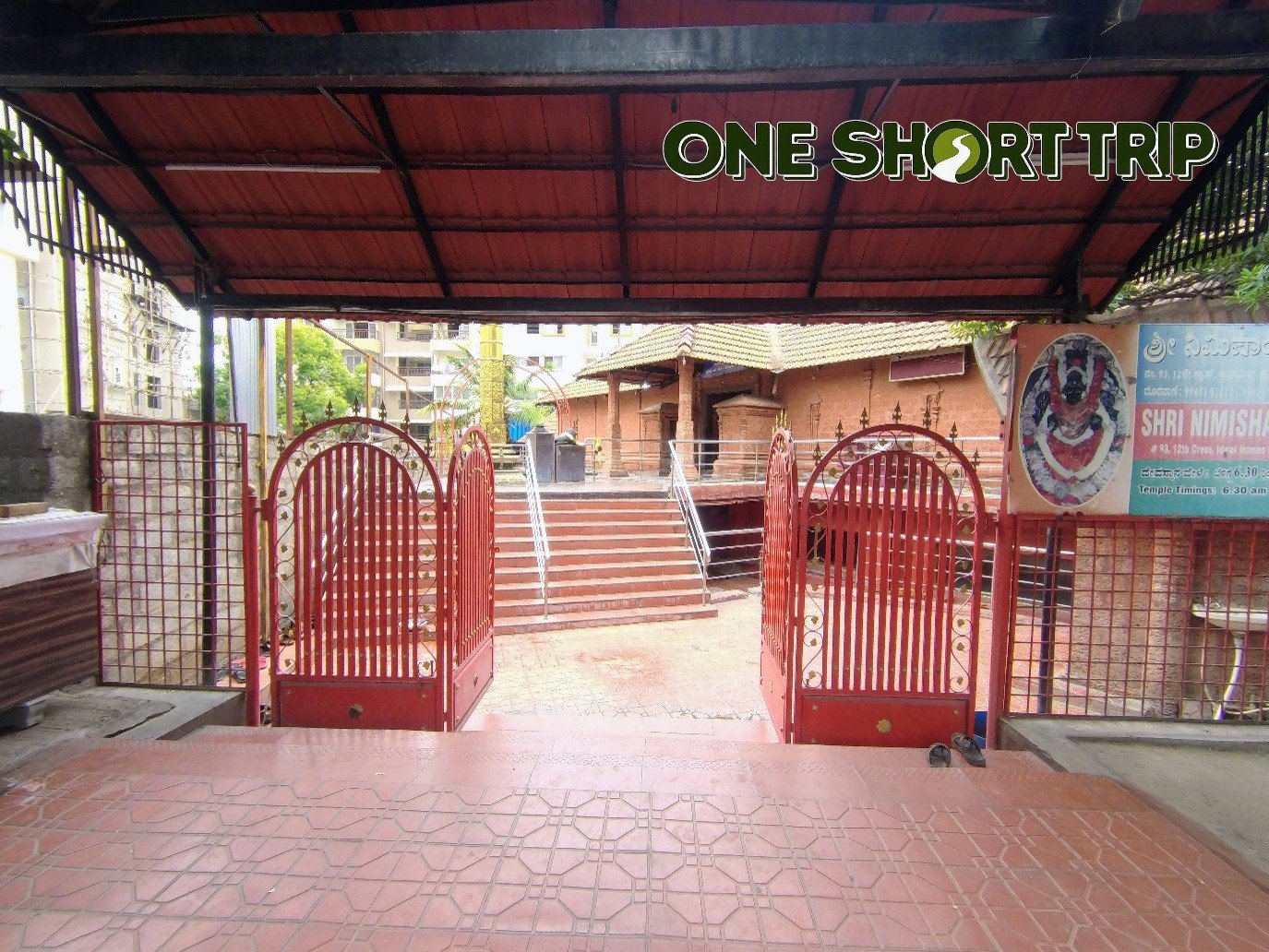
Unlike many older temples in Bengaluru, Shri Nimishamba Devi Temple is a relatively modern temple. It was built in 2006 and inaugurated on 7 May 2006. The temple was designed in the traditional Parashurama Kshetra architectural style, a style associated with parts of Dakshina Karnataka and Kerala. The design was created by renowned South Indian temple architect Kanipayoor Krishnan Namboodiri.

About Shri Nimishamba Devi Temple
The temple is dedicated to Shri Nimishamba Devi, whose name combines Nimisha, meaning a minute or moment, and Amba, a name associated with the Divine Mother. According to the temple's traditional account, devotees believe that the Goddess responds swiftly to sincere prayers and helps remove difficulties. This belief is central to the devotional identity of the shrine.
The temple's atmosphere is designed around worship rather than simply sightseeing. Devotees visit to offer prayers, participate in poojas and seek the blessings of Nimishamba Devi. The shrine also incorporates several other important sannidhis, making it a broader spiritual complex rather than a single-deity temple.
The Legend of Goddess Nimishamba
The traditional story associated with Nimishamba Devi goes back to King Sumanaska and the sage Mukta Rishi. According to the temple's account, King Sumanaska wanted to perform a Pundarika Yaga with the intention of promoting peace. Mukta Rishi agreed to conduct the sacred ritual.
The ritual was opposed by Janumandala, who sought to disrupt the yaga. When Mukta Rishi was unable to overcome the threat, he prayed to Goddess Parvati. The Goddess is said to have appeared from the sacrificial fire in an instant, defeated Janumandala and Sumandala, and enabled the yaga to be completed.
Following this intervention, Mukta Rishi is traditionally said to have addressed the Goddess as Jaganmathe Nimishamba, referring to her swift appearance and assistance. The story explains the temple's association with the belief that Nimishamba Devi can come to the aid of devotees quickly.


Parashurama Kshetra Architecture
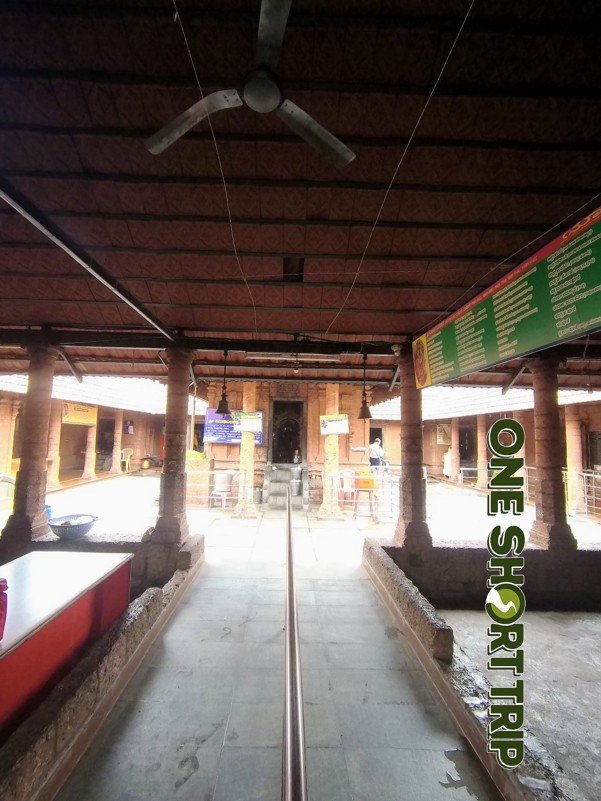
One of the most interesting aspects of the temple is its architectural style. Shri Nimishamba Devi Temple is constructed using red laterite stone and follows the traditional Parashurama Kshetra style, which the temple describes as a distinctive architectural tradition associated with Dakshina Karnataka and Kerala.
This gives the temple a character that differs from many of Bengaluru's better-known Dravidian-style temples. The traditional design, carefully proportioned structures and use of laterite create a strong connection with the temple-building traditions of the western coastal regions of South India.
Sri Chakra and Spiritual Significance
A significant feature associated with the temple is the Shri Chakra carved on a stone in front of the Nimishamba shrine. Devotees offer prayers and participate in rituals around this sacred symbol. The Shri Chakra has an important place within Shakta traditions and adds another layer to the temple's spiritual significance.
For visitors interested in Hindu traditions, the temple provides an opportunity to experience the living practice of worship rather than simply viewing a historical monument. The atmosphere becomes particularly devotional during poojas, special observances and festival occasions.
Other Deities and Sannidhis
The temple complex includes several other sannidhis alongside Goddess Nimishamba. These include Moukthikeswara, Siddhi Vinayaka, Saraswathi and Lakshmi Narayana. The presence of these shrines allows devotees to include prayers to different deities during the same temple visit.
The temple's current official website also highlights shrines or worship associated with Nagadevatha, Anjaneya and Navagraha. The temple describes Nagadevatha as associated with protection from Nagadosha, Anjaneya with mental strength and Navagraha worship with traditional beliefs concerning karma. These are religious beliefs and should be understood within their devotional context.
Poojas, Sevas and Rituals
Religious activities are an important part of the temple experience. The temple offers different types of sevas and poojas, including Chandika Homas, Abhishekas, Alankaras and rituals associated with individual sannidhis and traditional pariharas.
Abhisheka rituals may involve traditional offerings such as milk, honey, turmeric and holy water, accompanied by Vedic chanting. The temple lists rituals such as Panchamrutha Abhisheka, Rudra Abhisheka and Ekadashavara Maha Rudrabhishekam among its offerings.
Alankara is another devotional practice in which deities are decorated with offerings such as flowers, kumkuma, turmeric, butter, cashews and sarees. The temple states that Alankara is performed at several sannidhis within the complex.
A Peaceful Temple in Bengaluru
Despite being located within Bengaluru, Shri Nimishamba Devi Temple provides a distinctly spiritual environment away from the city's busy streets. Its traditional architecture, devotional rituals and multiple shrines make it a worthwhile stop for devotees and travellers interested in Bengaluru's lesser-known religious and cultural attractions.
For travellers exploring Rajarajeshwari Nagar and western Bengaluru, the temple can also be combined with other nearby cultural and religious attractions to create a relaxed half-day itinerary.
Shri Nimishamba Devi Temple Timings
Shri Nimishamba Devi Temple is open for devotees every day, with separate morning and evening darshan sessions. The temple's official website currently lists the following timings:
Morning
Monday–Thursday, Saturday & Sunday: 6:30 AM–12:30 PM
Friday: 6:30 AM–1:30 PM
Evening
Monday, Wednesday–Sunday: 5:00 PM–8:00 PM
Tuesday: 3:30 PM–8:30 PM
Friday has an extended morning session, while Tuesday has an earlier evening opening. Since temple schedules can change during festivals and special occasions, it is sensible to verify the day's timings before travelling for a specific pooja or seva.


Where Is Shri Nimishamba Devi Temple Located?
The temple is located at Ideal Homes Circle, Rajarajeshwari Nagar, Bengaluru, Karnataka 560098. The full address listed by the temple is 93, 12th Cross Road, Remco BHEL Layout, Ideal Homes Township, Rajarajeshwari Nagar.
Its location in western Bengaluru makes the temple convenient for devotees living in Rajarajeshwari Nagar and surrounding neighbourhoods. It can also be included in a west Bengaluru temple circuit.
How to Reach Shri Nimishamba Devi Temple
By Metro
The nearest metro station listed by the temple is Rajarajeshwari Nagar Metro Station on Bengaluru's Purple Line. The temple states that the station is approximately a 17-minute walk away, making metro travel a practical option for visitors coming from other parts of Bengaluru.
By Bus
Several BMTC bus routes serve the Rajarajeshwari Nagar area. The temple lists routes including 225C, 225CB and BC-6. Nearby stops include Ideal Homes, Nimishamba Temple and Rajarajeshwari School.
By Car or Taxi
The temple can be reached directly by road using GPS navigation to Ideal Homes Circle. Parking availability can vary depending on the time of day, weekday, weekend and special religious occasions, so visitors travelling during busy periods should allow extra time.
Is There an Entry Fee?
There is no entry fee to visit Shri Nimishamba Devi Temple. Devotees can enter the temple for darshan during the published opening hours. Separate charges may apply for specific sevas, poojas or devotional services chosen by devotees.
Poojas and Sevas at Nimishamba Temple
Devotees can participate in several traditional rituals at the temple. The official temple website provides dedicated information for Archana, Abhisheka, Alankara, Chandika Homa, Navagraha Seva, Vahana Pooja and other parihara-related services.
Archana involves offering prayers while the devotee's name is recited along with sacred mantras. The temple lists different forms including Kumkuma Archana, Bhagya Suktha Archana, Vishnu Sahasranama Archana and Thulasi Mala Archana.
Abhisheka is another important form of worship. The temple describes rituals involving traditional offerings such as milk, honey, turmeric and holy water. Different Abhishekas are performed at several sannidhis, including Nimishamba Devi, Eswara, Navagraha and Lakshmi-Narayana.
Vahana Pooja is also offered for devotees who wish to perform a traditional blessing ceremony for a two-wheeler or four-wheeler. The temple describes it as a devotional ritual seeking blessings for safe and smooth journeys.

Other Important Sannidhis
A visit to the temple is not limited to the main Nimishamba Devi shrine. The complex includes several other sannidhis, allowing devotees to offer prayers to different deities during the same visit.
Siddhi Vinayaka
Associated with the traditional practice of worshipping Lord Ganesha before beginning a new undertaking.
Lakshmi Narayana
A shrine dedicated to Lakshmi Narayana, associated traditionally with prosperity and a peaceful life.
Nagadevatha
A shrine dedicated to Nagadevatha, with worship connected to traditional beliefs surrounding naga-related doshas.
Anjaneya
Devotees offer prayers to Shri Anjaneya, traditionally associated with courage, strength and overcoming obstacles.
Navagraha
The Navagraha shrine provides devotees with an opportunity to perform traditional planetary worship and pradakshina.
Eswara
The temple complex also includes Eswara worship, with Abhisheka and other traditional rituals offered at the sannidhi.
How Much Time Do You Need at the Temple?
A normal darshan visit can generally be completed in around 30 to 60 minutes, depending on the crowd and whether you visit the different sannidhis. Devotees performing a specific pooja, seva or Abhisheka should allow additional time according to the ritual schedule.
If you are visiting primarily to appreciate the architecture and atmosphere rather than performing an elaborate ritual, a short and peaceful visit is sufficient.
Best Time to Visit Nimishamba Devi Temple
For a quieter devotional experience, visiting during the morning opening hours can be a good choice. Early morning visits also avoid much of Bengaluru's daytime heat and allow devotees to complete darshan before the city becomes busy.
Friday mornings and Tuesday evenings have special extended timings, but these periods may also attract more devotees. Festival days and special pooja occasions can be significantly busier than ordinary days.
Dress Code and Temple Etiquette
Visitors should dress modestly and respectfully because this is an active place of worship. Traditional or comfortable clothing that covers the shoulders and knees is appropriate, particularly when visiting with family or participating in religious rituals.
Follow the temple's instructions regarding footwear, photography, offerings and movement within the shrine. Maintain silence or speak softly near the sanctum, avoid disturbing devotees during prayer and do not touch idols or sacred objects unless specifically permitted.
Photography at the Temple
Visitors should follow the temple's instructions regarding photography. Even when photography is permitted in exterior areas, photography inside active worship areas or near the sanctum may be restricted. When in doubt, ask temple staff before taking photographs.
Is the Temple Suitable for Families and Senior Citizens?
Yes. Shri Nimishamba Devi Temple is suitable for family visits and can be included in a relaxed Bengaluru temple itinerary. Senior citizens may find a morning visit more comfortable, particularly outside peak periods and major festival days.
Families travelling with children should keep the visit comfortable and supervise children around crowded areas. During special religious events, allow additional time for traffic, parking and darshan.
Can You Perform a Special Pooja at Nimishamba Temple?
Yes. The temple provides several seva and pooja options for devotees. These include different forms of Archana, Abhisheka, Alankara, Chandika Homa, Navagraha Seva, Vahana Pooja and other devotional services. Availability, scheduling and charges depend on the particular seva, so devotees should check the temple's current booking information before planning a special ritual.
Useful Tips for Visiting
- Check the temple's current timings before travelling, especially on Fridays, Tuesdays and festival days.
- Morning visits are a good option for devotees seeking a calmer experience.
- Dress modestly and follow temple etiquette.
- Carry minimal belongings when visiting during crowded periods.
- Do not assume photography is permitted inside every part of the temple.
- If you want to perform a special seva, check its availability and booking procedure beforehand.
- Allow extra travel time during festivals and special religious occasions.
- Senior citizens and families with children may prefer visiting outside peak hours.
Nearby Places to Explore
The temple can be combined with other attractions in western and central Bengaluru depending on the time available. Travellers interested in Bengaluru's religious and cultural heritage can build a wider temple circuit around Rajarajeshwari Nagar, Basavanagudi and the city centre.
For a more focused visit, however, the Nimishamba Temple is best treated as a devotional destination rather than trying to combine too many unrelated attractions into a single short outing.
Why Visit Shri Nimishamba Devi Temple?
Shri Nimishamba Devi Temple offers a distinctive combination of devotion, traditional South Indian temple architecture and a peaceful spiritual atmosphere within Bengaluru. Its association with Goddess Nimishamba, the sacred Shri Chakra, multiple sannidhis and a range of traditional sevas makes it an interesting destination for devotees as well as travellers exploring the city's lesser-known temples. Built in 2006 and inaugurated on 7 May 2006, the temple also provides a modern example of Parashurama Kshetra architectural traditions in Bengaluru.