
Jaigarh Fort, Jaipur – The Fort of Victory
Jaigarh Fort is one of the most impressive hill forts around Jaipur and one of the best places to understand the military strength, engineering skills and royal history of the Kachhwaha rulers of Amer. Built on the rugged Cheel ka Teela, meaning the Hill of Eagles, the fort rises high above the historic Amer landscape and commands sweeping views of Amber Fort, Maota Lake and the surrounding Aravalli hills.
Unlike the richly decorated palace spaces of Amber Fort, Jaigarh was designed primarily as a powerful defensive and military stronghold. Its massive red-sandstone walls, watchtowers, bastions, cannon positions, armoury, foundry, water reservoirs and internal passages reveal a fort built for protection as much as for royal residence. The name Jaigarh comes from Sawai Jai Singh II, who strengthened and developed the fort in the 18th century, and the name is commonly understood as the Fort of Victory.
The fort is particularly famous for the enormous Jaivana Cannon, one of the world's largest cannon on wheels, but stopping at the cannon alone would mean missing much of Jaigarh's story. Inside the fort are royal palaces, courtyards, gardens, temples, a cannon foundry, armoury, museum collections, water-management structures and viewpoints that together make Jaigarh one of Jaipur's most rewarding heritage sites.
Jaigarh Fort History
The history of Jaigarh is closely connected with the history of Amer and the Kachhwaha Rajput rulers. The strategic hills around Amer were important to the ruling dynasty long before the present form of Jaigarh took shape. Early fortifications in the area are associated with the Kachhwaha rulers, and the hill stronghold eventually developed into the formidable military complex seen today.
Sawai Jai Singh II, the founder of Jaipur, commissioned major construction and development at Jaigarh in the early 18th century. The fort's position above Amer made it an ideal defensive structure: from its elevated walls, soldiers could observe approaches through the surrounding hills and protect the palace complex and settlements below.
Jaigarh also developed into an important centre for military production. Cannon-making, metalworking, storage of weapons and ammunition and other military activities were carried out within the fort. Its importance continued through changing political circumstances, including the period when the Mughal Empire exercised influence over the region.


Jaigarh Fort Architecture
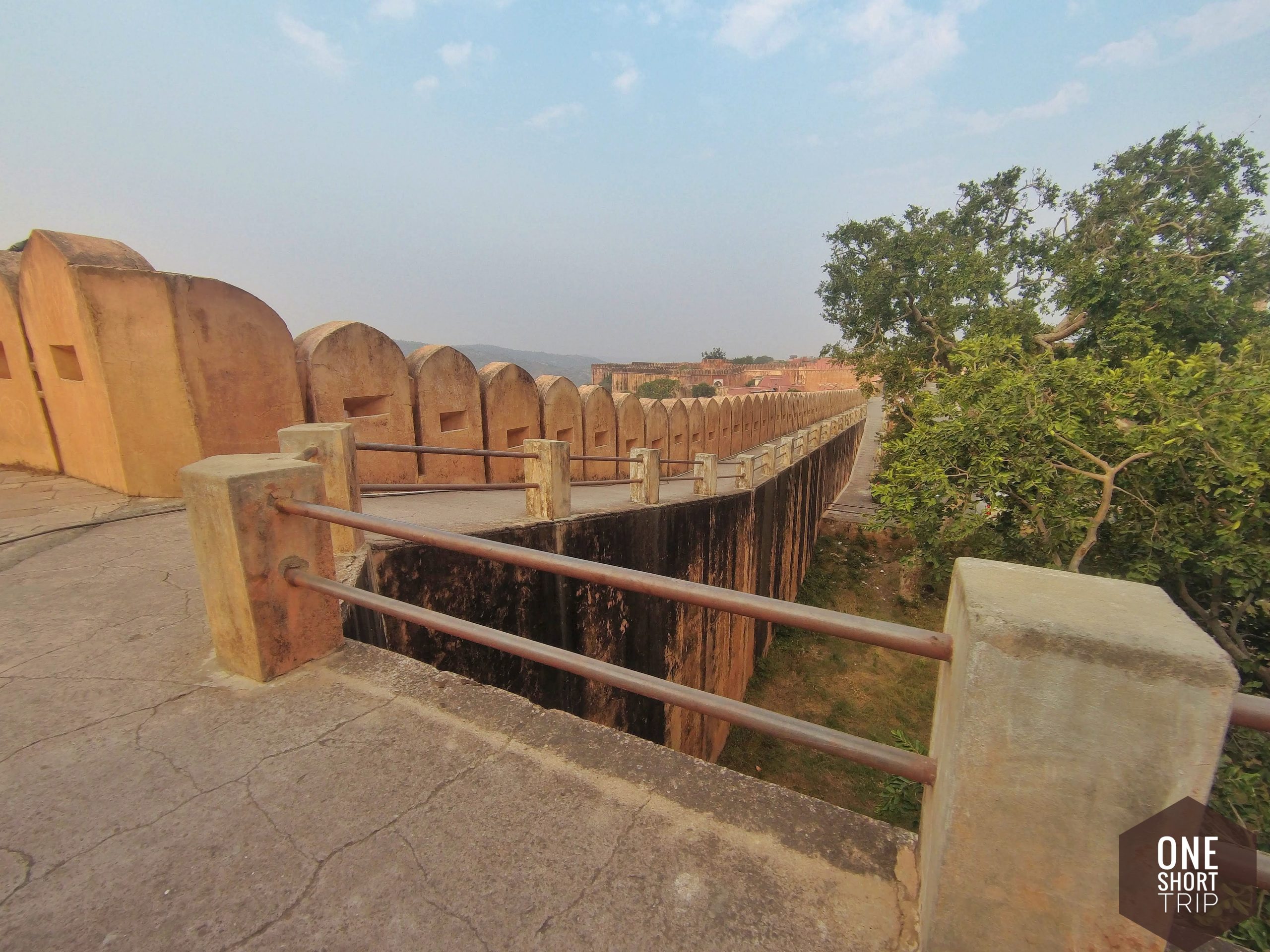
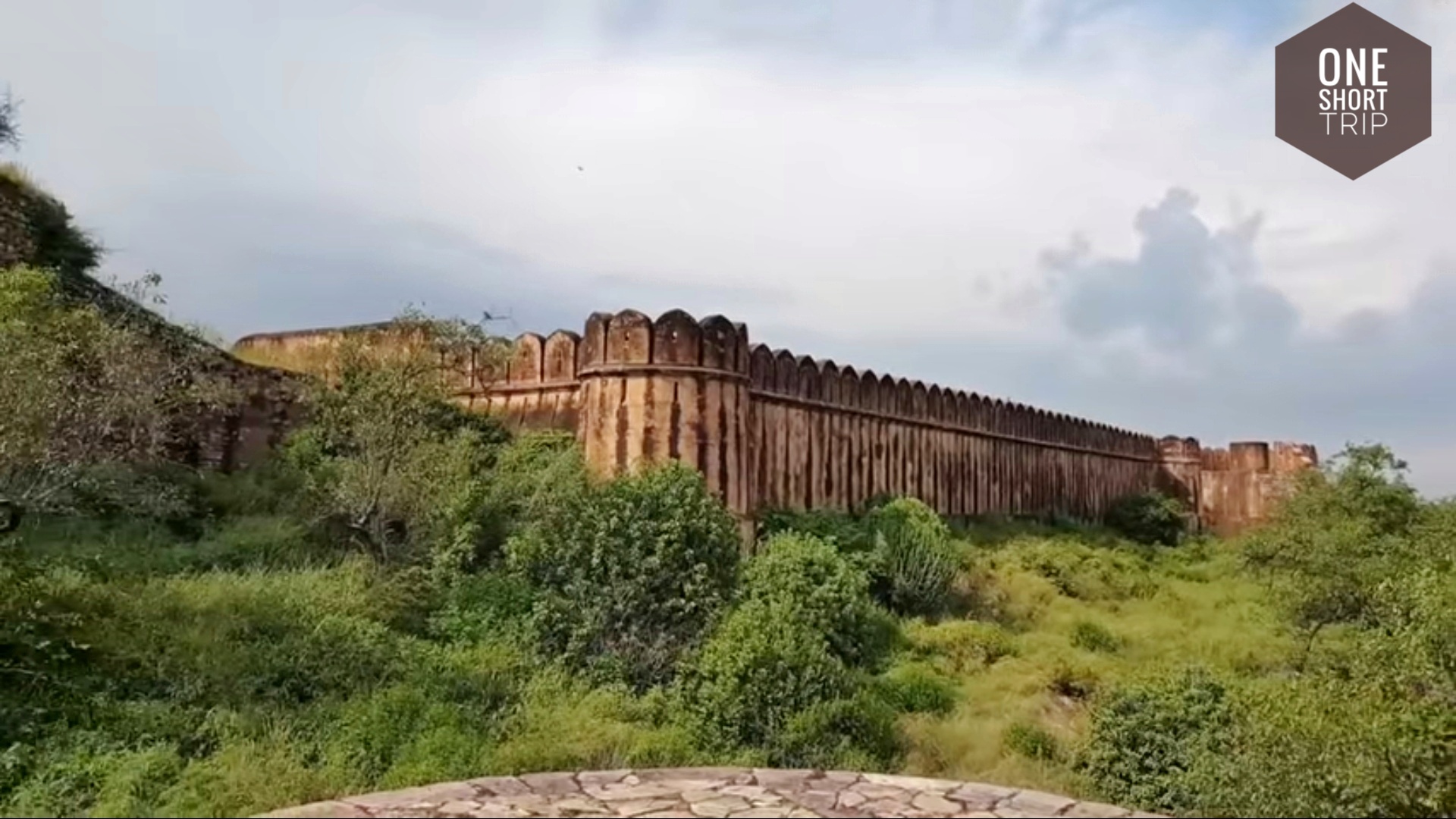
Jaigarh Fort is an excellent example of a Rajput military fortress adapted to the rugged terrain of the Aravalli hills. Thick red-sandstone walls run for roughly 3 kilometres across the hilltop, while bastions, ramparts, gateways and elevated platforms were positioned to provide defensive advantages. The architecture is practical and imposing rather than excessively ornamental, reflecting the fort's military purpose.
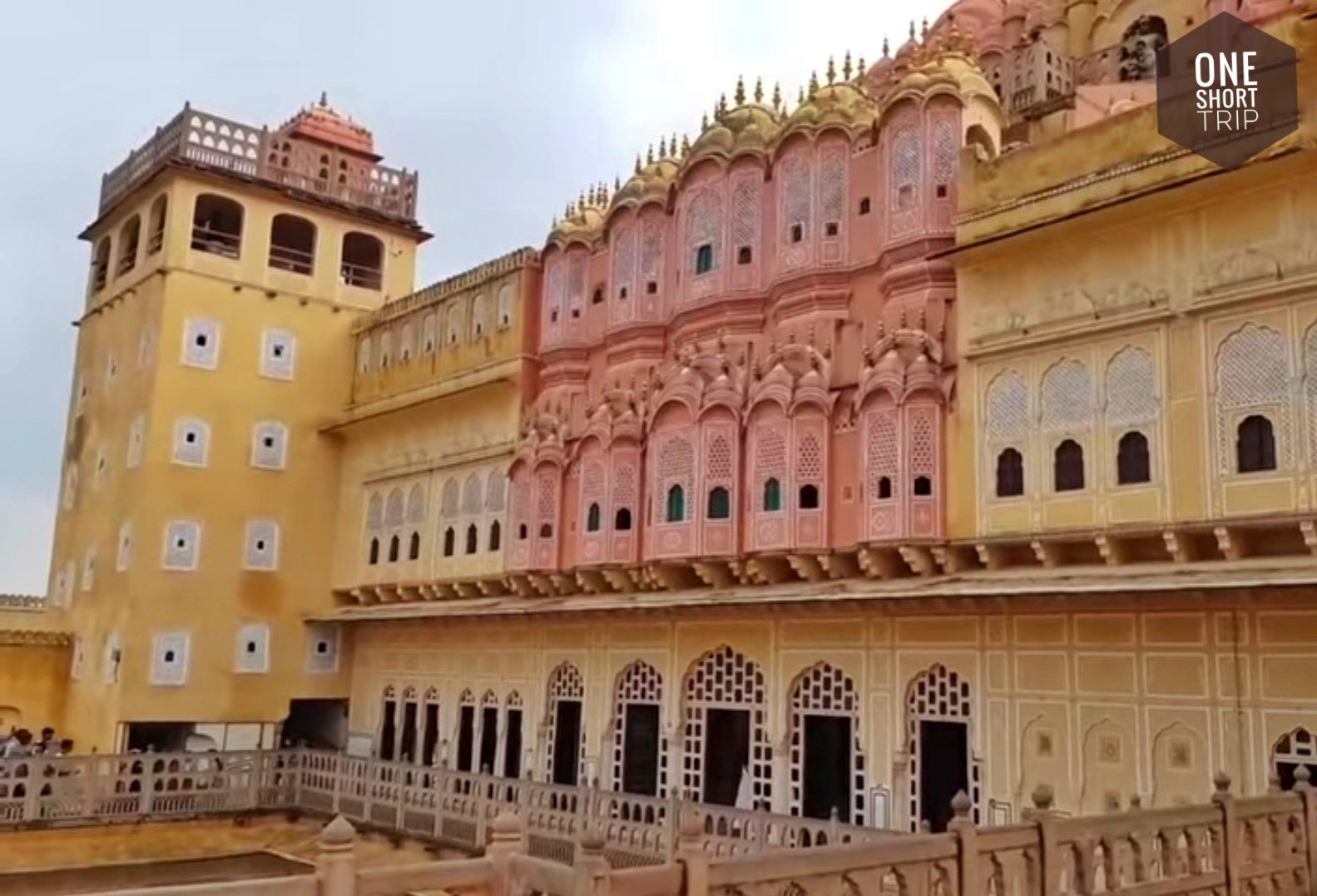
Inside the defensive walls, however, the character changes. Courtyards, palaces, gardens, screened windows, stone jharokhas, decorated halls and royal chambers reveal the residential side of the complex. The combination of military architecture and palace design is one of the reasons Jaigarh is different from the other major forts around Jaipur.
The fort also demonstrates how architecture was adapted to Rajasthan's climate. Thick walls reduced heat, screened openings allowed airflow while providing privacy, and an elaborate water system helped the fortress survive long periods of heat and scarcity.


Jaivana Cannon – The Main Attraction of Jaigarh Fort
The Jaivana Cannon is the attraction most closely associated with Jaigarh Fort. Cast at the fort's own cannon foundry during the reign of Sawai Jai Singh II, the enormous weapon demonstrates the metalworking and artillery expertise that made Jaigarh an important military centre.
Jaivana is widely described as one of the largest wheeled cannons ever made. Its enormous barrel, decorated exterior and heavy carriage make it an extraordinary piece of early-modern military engineering. The cannon was mounted on a massive wheeled platform, allowing it to be positioned within the fort.
A popular story says that Jaivana was test-fired only once and that its projectile travelled an extraordinary distance. Stories surrounding the cannon have grown over time, so visitors should distinguish the documented history of the weapon from later legends. What is beyond doubt is the scale of the cannon and the technical sophistication required to manufacture and move it.
The cannon is not simply an isolated weapon on display. It makes sense when seen alongside Jaigarh's cannon foundry, armoury and military workshops, which reveal how the fort functioned as a complete defence and weapons-production complex.


Palaces and Royal Buildings Inside Jaigarh Fort
Subhat Niwas
Subhat Niwas was associated with military gatherings and royal administration. Its open hall and surrounding courtyard provided space for the ruler to meet military officers and address matters connected with the army. Large war drums and other military objects help visitors imagine the role the building once played.
Khilbat Niwas
Khilbat Niwas was used for more private meetings and discussions involving the ruler, ministers and senior officials. It represents the administrative side of Jaigarh, showing that the fort was not simply a military outpost but also a place where important decisions could be made.
Laxmi Vilas
Laxmi Vilas is one of the most elegant palace spaces within Jaigarh. Its decorated interiors, marble elements, painted surfaces and carefully planned ventilation reflect the royal residential character of the fort. The building went through additions and alterations under different rulers of the Kachhwaha dynasty.
Lalit Mandir
Lalit Mandir served as a summer palace. Its two-storeyed design, open spaces, balconies and stone screens were suited to the hot climate, allowing air to circulate through the building. The palace provides an interesting contrast to the heavy defensive structures around it.
Vilas Mandir
Vilas Mandir was associated with the royal women and contains the screened openings and jharokha-style architectural details characteristic of Rajput palace design. These screens provided privacy while helping air move through the rooms.
Aram Mandir and the Garden
Aram Mandir served as a place for relaxation within the fort. The adjoining garden introduces a softer landscape into the otherwise strongly fortified complex and demonstrates how the royal occupants balanced military readiness with everyday palace life.


Jaigarh Fort Temples
Ram Harihar Temple
The Ram Harihar Temple is one of the historic religious structures within Jaigarh Fort. Its distinctive iconography brings together traditions associated with Vishnu and Shiva, while the temple's age adds another layer to the history of the hill complex.
Kal Bhairav Temple
The Kal Bhairav Temple is traditionally associated with the protective spiritual character of the fort. Kal Bhairav is regarded in Hindu tradition as a guardian deity, making the presence of this shrine particularly appropriate within a major military stronghold.
Jaigarh Fort Water Harvesting System
One of the most impressive but often overlooked features of Jaigarh Fort is its water-management system. A large hilltop fortress could not depend entirely on external water supplies, especially during periods of siege or drought, so the builders developed an elaborate network for collecting, transporting and storing rainwater.
Rainwater collected from the surrounding Aravalli catchment was directed through channels and aqueducts towards the fort. Water was then stored in large underground reservoirs, helping maintain supplies through the dry season. Some reservoirs were designed with covered structures that reduced evaporation and protected the stored water.
The system is an important reminder that the engineering achievement of Jaigarh extends far beyond its walls and cannons. Water conservation was essential to the survival of a large population of soldiers, workers, animals and members of the royal household living inside the fortress.


Cannon Foundry, Armoury and Military Heritage
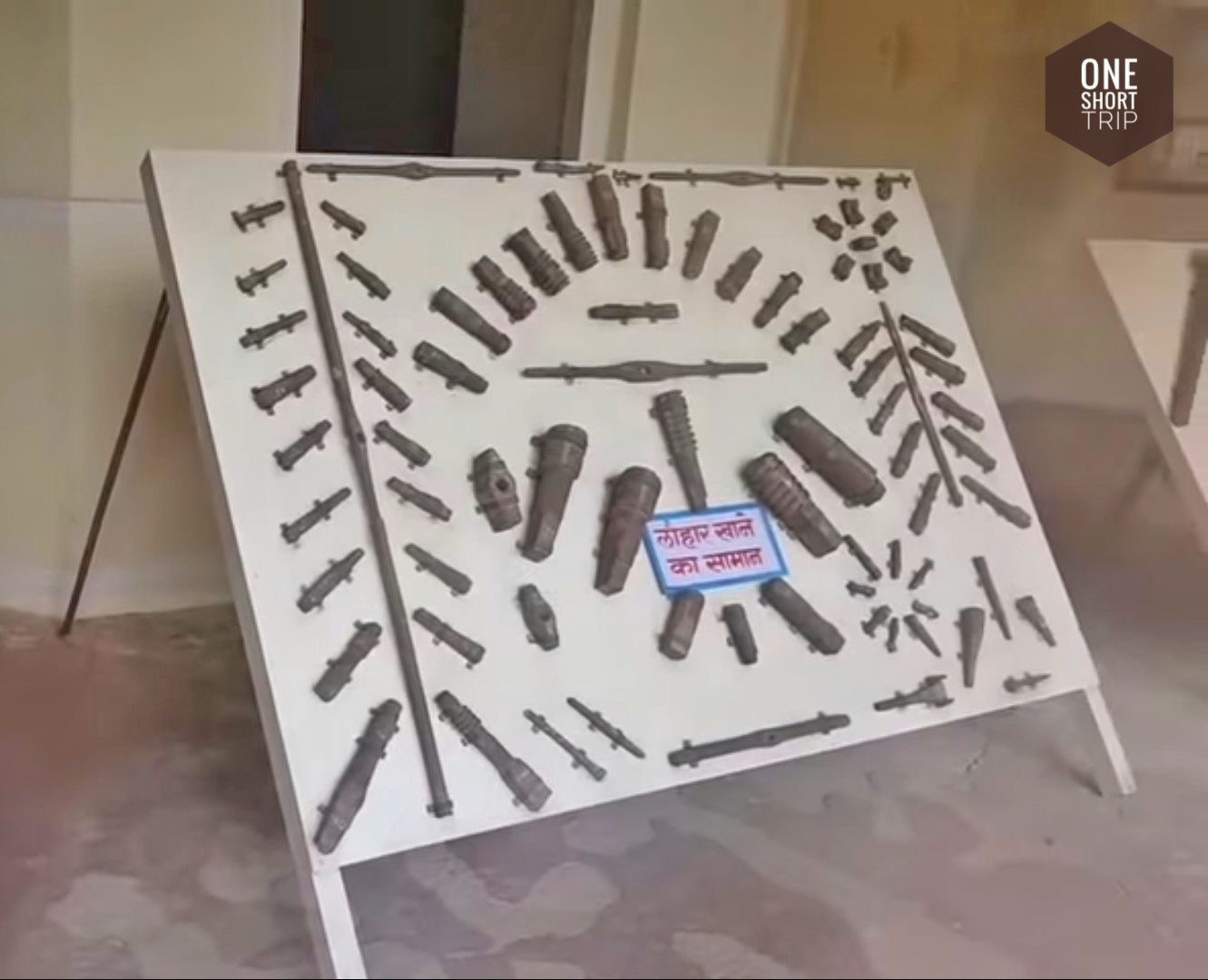
Jaigarh's identity as a military fortress is particularly clear in its cannon foundry and armoury. Metalworking facilities inside the fort allowed weapons to be produced and maintained close to the defensive stronghold. The ability to manufacture heavy artillery locally gave the rulers greater control over their military equipment.
The museum and heritage displays provide additional insight into this military world, with collections associated with weapons, armour, old equipment, maps, coins, paintings, royal objects and the working life of the fort. For visitors interested in military history, this section can be as fascinating as the Jaivana Cannon itself.
Jaigarh's military importance also explains why the fort remained comparatively austere when compared with Jaipur's more decorative palace buildings. Every major element — from the ramparts and watchtowers to the storage areas and workshops — was connected to the practical needs of defence.
The Jaigarh Treasure Legend
Jaigarh Fort is also surrounded by one of Rajasthan's most famous treasure stories. For generations, rumours circulated that the Kachhwaha rulers had hidden a vast royal treasure somewhere inside or around the fort. The story became especially prominent in the 1970s when government authorities carried out searches of the fort for a supposed hidden hoard.
Despite extensive searches, no legendary treasure hoard of the kind described in popular stories was officially recovered. The episode nevertheless became part of Jaigarh's modern folklore and added another layer of mystery to an already secretive military complex.
The treasure story should therefore be treated as a historical legend rather than a confirmed reason to visit. The real treasures of Jaigarh are its architecture, engineering, military history, royal spaces and surviving objects.


Jaigarh Fort and Amer Fort Connection
Jaigarh Fort and Amer Fort should be understood as parts of the same historical landscape rather than completely separate monuments. Amer developed as the royal capital and palace centre, while Jaigarh occupied the strategically superior hill above it and provided military protection to the settlement and palace below.
Traditional routes and passages connected the two fort complexes, allowing movement between the palace and defensive stronghold. From Jaigarh's elevated position, visitors can see the Amer landscape from an entirely different perspective, including the fort below and the hills surrounding the old capital.
For travellers exploring Jaipur's heritage, visiting Amber Fort and Jaigarh Fort on the same day is therefore one of the most logical combinations. Amber explains the royal and ceremonial life of the Kachhwahas, while Jaigarh explains how that kingdom defended itself and managed its military resources.
Jaigarh Fort Timings
Jaigarh Fort is currently open daily from 9:00 AM to 6:30 PM, with the last entry listed at around 6:00 PM. Timings can change during special events, maintenance or administrative closures, so travellers planning a tightly scheduled Jaipur sightseeing day should verify the latest visitor information before leaving.
Jaigarh Fort Entry Fee
The current listed adult entry fee for Jaigarh Fort is ₹200. Children aged 5–12 years and students with valid identification are listed at discounted rates, while additional charges can apply for certain photography or video equipment. Eligible senior citizens, defence personnel and some visitors with accessibility requirements may also receive concessions.
Best Time to Visit Jaigarh Fort
The most comfortable time to visit Jaigarh Fort is generally during the cooler months from October to March. The weather is more suitable for walking around the extensive ramparts and open courtyards, and the visibility from the hilltop can be excellent.
Winter mornings are particularly pleasant for visitors who want to explore the fort in detail. During the hotter months, temperatures can become uncomfortable because several sections of the fort are exposed to the sun, so an early visit is preferable.
How to Reach Jaigarh Fort
Jaigarh Fort is located in the Amer area of Jaipur, roughly 15 km from central Jaipur depending on the starting point and route. The fort is reached by road through the Amer hills and is commonly visited together with Amber Fort and other attractions in the Amer heritage zone.
By car or taxi: A private car or taxi is the easiest option for travellers visiting Jaigarh Fort along with Amber Fort, Jal Mahal and other Jaipur attractions.
By local transport: Local buses, taxis and auto-rickshaws can be used to reach the Amer area, after which a local taxi or other transport can take visitors up towards the fort.
From Jaipur Railway Station: The fort is accessible by road from the railway station through Jaipur and Amer. A taxi or private vehicle is generally the most convenient option, particularly for families and visitors combining several sightseeing stops.
Parking at Jaigarh Fort
Parking is available outside the fort. Visitors travelling by private car should expect to park before entering the monument and then walk through the entrance area. Parking arrangements and charges can change, so it is advisable to confirm the current rate at the time of arrival.
How Long Does It Take to Visit Jaigarh Fort?
Allow at least 1.5 to 2 hours for a meaningful visit to Jaigarh Fort. Visitors who want to explore the palaces, museum, military structures, cannon, water system, viewpoints and gardens without rushing can comfortably spend longer.
If you are combining Jaigarh with Amber Fort, allow a substantial part of the day rather than treating both monuments as very short photo stops. The two sites tell different parts of the same story and are best experienced together.
Photography at Jaigarh Fort
Jaigarh Fort is one of the best photography locations around Jaipur for travellers interested in architecture and landscapes. The long ramparts, red sandstone walls, cannon platforms, palace courtyards, gateways and Aravalli views provide a wide variety of compositions.
Morning light is generally softer and more comfortable for walking, while the late afternoon can produce warm light across the sandstone walls. Photography rules and charges can vary depending on the equipment being used, so visitors carrying professional cameras, tripods or video equipment should check the current regulations.
Places to Visit Near Jaigarh Fort
Jaigarh Fort is located in one of Jaipur's richest heritage zones. Important nearby attractions include:
- Amber Fort – the grand palace-fort complex directly associated with the history of Jaigarh.
- Maota Lake – the historic lake below Amber Fort.
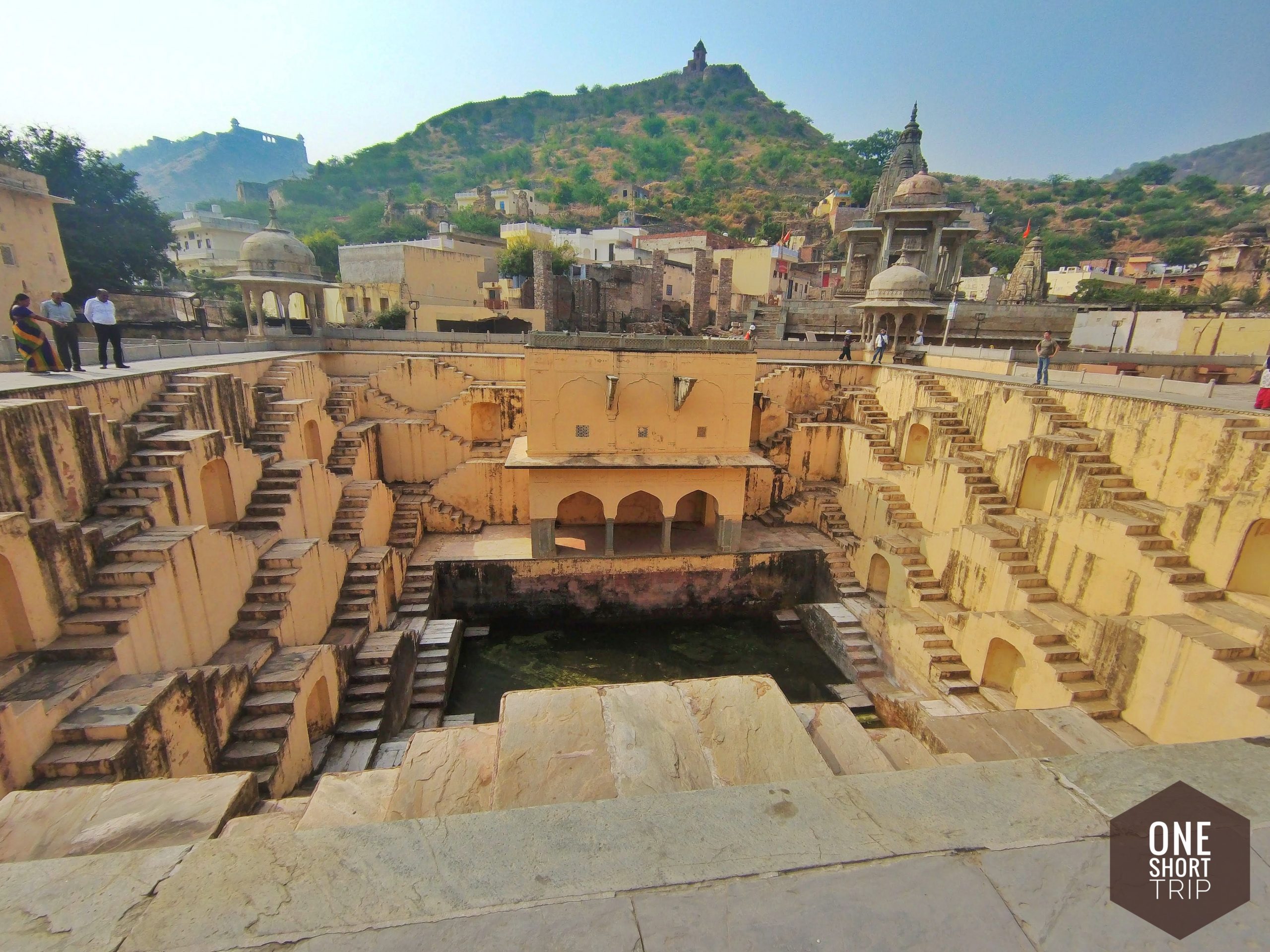
- Panna Meena ka Kund – the famous geometric stepwell near Amber.
- Jal Mahal – the palace rising from Man Sagar Lake on the Jaipur-Amer road.
- Nahargarh Fort – another major hill fort overlooking Jaipur.
- City Palace Jaipur – the historic royal complex in the heart of the Pink City.
- Hawa Mahal – Jaipur's iconic palace façade and one of the city's most recognisable landmarks.
Visitor Tips for Jaigarh Fort
- Wear comfortable footwear because the fort involves considerable walking across stone and uneven surfaces.
- Carry drinking water, particularly during the warmer months.
- Start early if you are visiting Jaigarh and Amber Fort on the same day.
- Do not rush directly to the Jaivana Cannon; the palace areas, water system, foundry and museum are important parts of the fort's history.
- Allow extra time for photography if you want to explore the ramparts and viewpoints.
- Respect the historic structures and avoid climbing onto restricted walls or architectural elements.
- Dress comfortably for the weather, especially during summer.
- Families and senior citizens should plan breaks because of the fort's size and walking requirements.
- Consider a licensed guide if you want to understand the military architecture, royal buildings and legends in greater depth.
Why Jaigarh Fort Is Worth Visiting
Jaigarh Fort is more than a viewpoint or a place to photograph the famous Jaivana Cannon. It is a remarkably complete military landscape where fortification, palace architecture, artillery production, water conservation, royal life and religious traditions exist within the same complex.
For travellers interested in Rajasthan's history, Jaigarh provides a different experience from Amber Fort. Amber shows the grandeur of royal courts and palace life, while Jaigarh reveals the defensive infrastructure that protected that kingdom. Its massive walls and hilltop position make the strategic logic of the old capital immediately understandable.
The fort's surviving water-harvesting system is equally important. In a dry region where reliable water could determine whether a settlement survived, the ability to capture monsoon water and store it for long periods was a major engineering achievement.
Whether you come for the Jaivana Cannon, the history of the Kachhwaha rulers, the panoramic views, the royal palaces, the military architecture or the remarkable water-management system, Jaigarh Fort deserves more than a quick stop. It is one of the places that helps connect the different pieces of Jaipur's royal and military history into a single story.