


Jal Mahal Jaipur – The Beautiful Water Palace in Man Sagar Lake
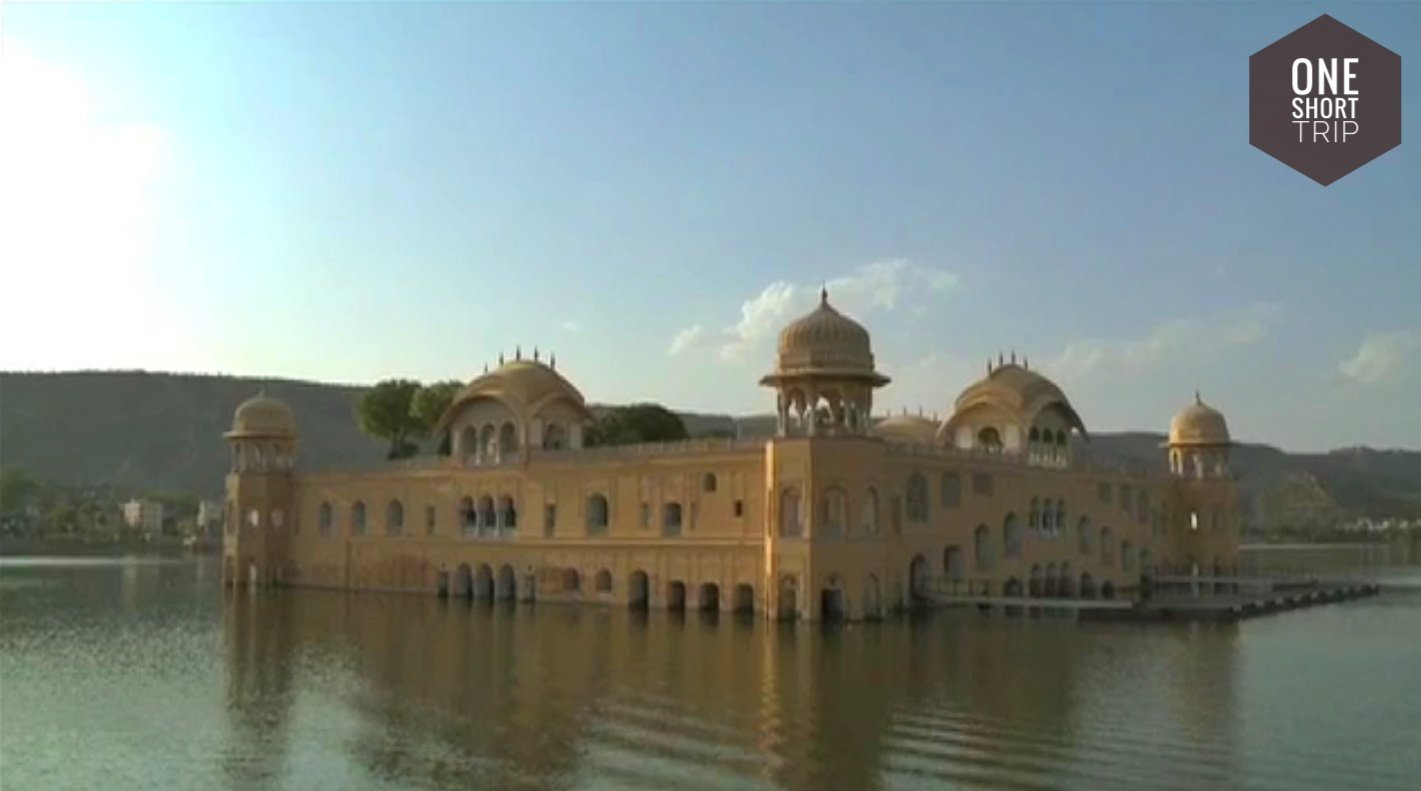
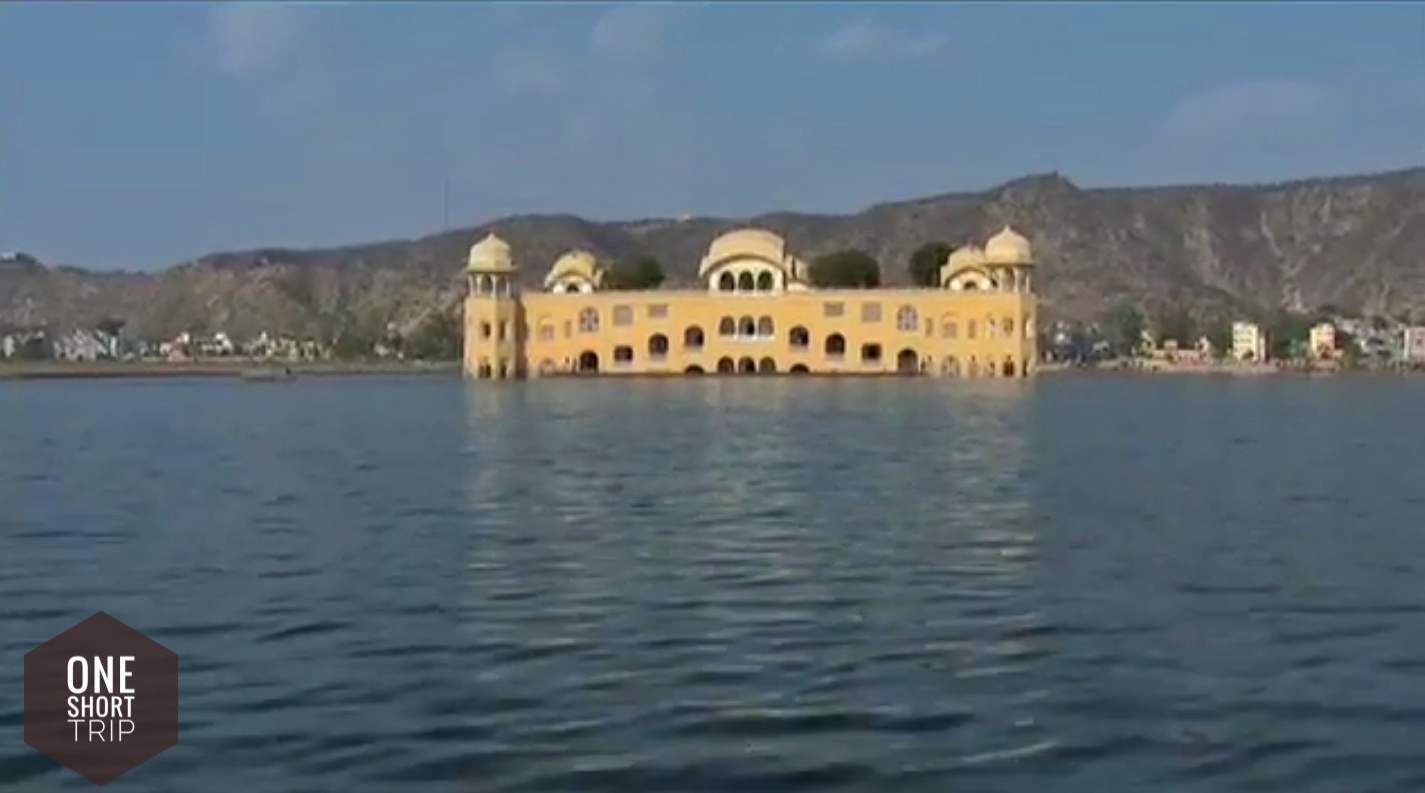
Jal Mahal, also known as the Water Palace or Lake Palace of Jaipur, is one of the most recognisable landmarks in Rajasthan. Standing in the middle of Man Sagar Lake, the pale sandstone palace appears to float above the water, creating one of Jaipur's most memorable views.
Located on the historic road between Jaipur and Amer, Jal Mahal is surrounded by the Aravalli hills and can be viewed from the lakeside promenade. Its combination of Rajput architecture, still water, surrounding hills and changing light makes it particularly popular for photography and sightseeing.
What Makes Jal Mahal Special?
The most striking feature of Jal Mahal is its setting. The palace stands within Man Sagar Lake, with the surrounding Aravalli hills providing a dramatic natural backdrop. From the shore, the building appears to emerge directly from the water, giving it the distinctive appearance that has made it one of Jaipur's most photographed monuments.
Rajasthan Tourism describes Jal Mahal as one of the most wonderful sights in Jaipur, particularly because of the contrast between its light, sand-coloured stone walls and the deep blue waters of Man Sagar Lake.
The History of Jal Mahal Jaipur
The history of Jal Mahal is connected with the development of Man Sagar Lake and the royal landscape around Jaipur. A Rajasthan Tourism environmental planning document records that the palace was originally constructed in 1699, with the building and lake later renovated and enlarged during the 18th century by Maharaja Jai Singh II of Amber.
This makes Jal Mahal part of the wider architectural legacy associated with the rulers of Amber and Jaipur. The palace was designed not as a conventional city palace but as a retreat set within the lake, giving the royal landscape a distinctive character.
Why Is It Called Jal Mahal?
The name Jal Mahal literally refers to a palace associated with water. Its location in the middle of Man Sagar Lake is the defining feature of the monument. Unlike a palace built on dry land, much of the structure is visually surrounded by water, creating the impression that the building is floating on the lake.
This unusual setting is the reason the monument is also popularly described as Jaipur's Water Palace or Lake Palace.
Jal Mahal Architecture
Jal Mahal showcases the refined architectural vocabulary associated with Rajasthan's royal buildings. The palace uses warm, light-coloured sandstone that contrasts beautifully with the blue-green tones of Man Sagar Lake. Its elevated position within the water gives the structure a symmetrical and balanced appearance when viewed from the shore.
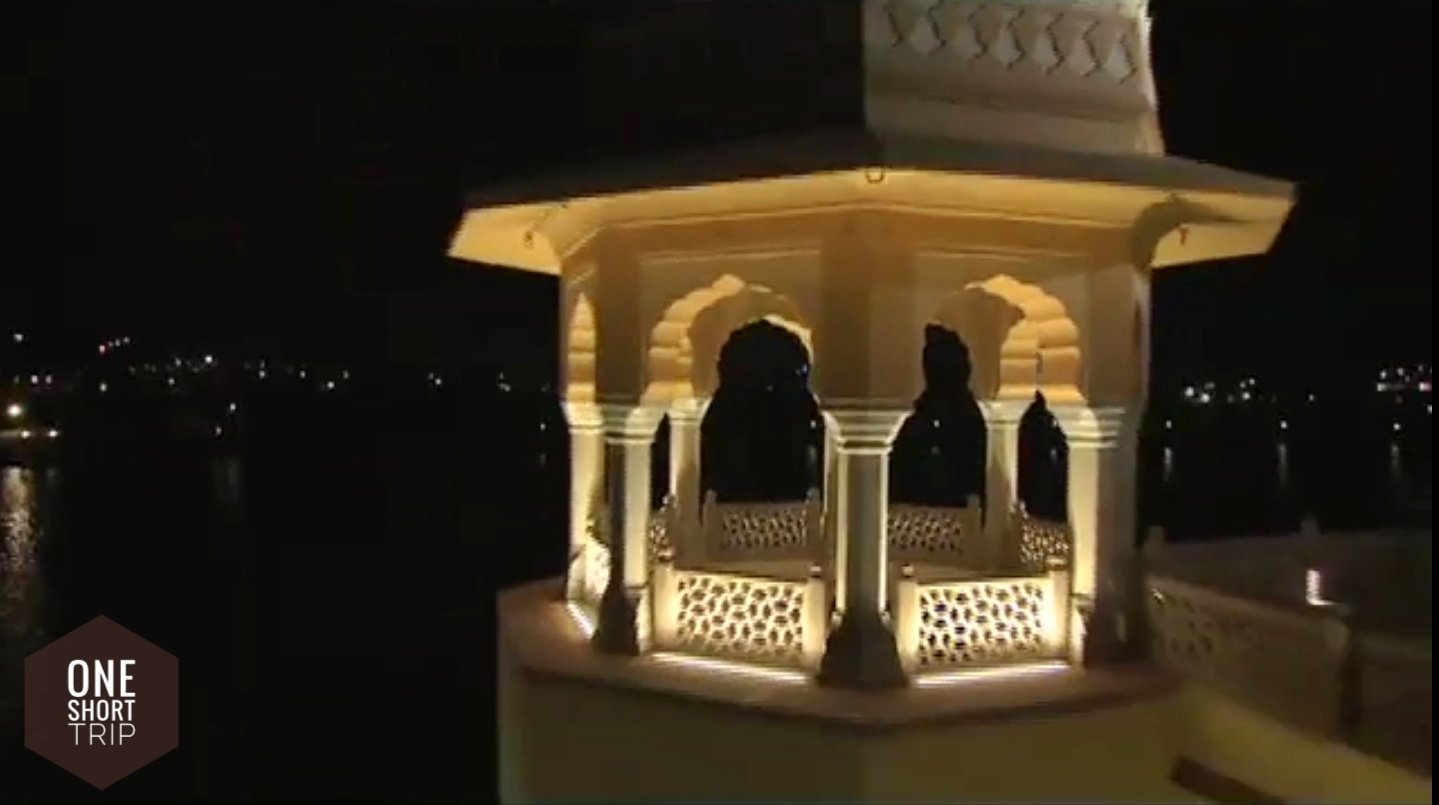
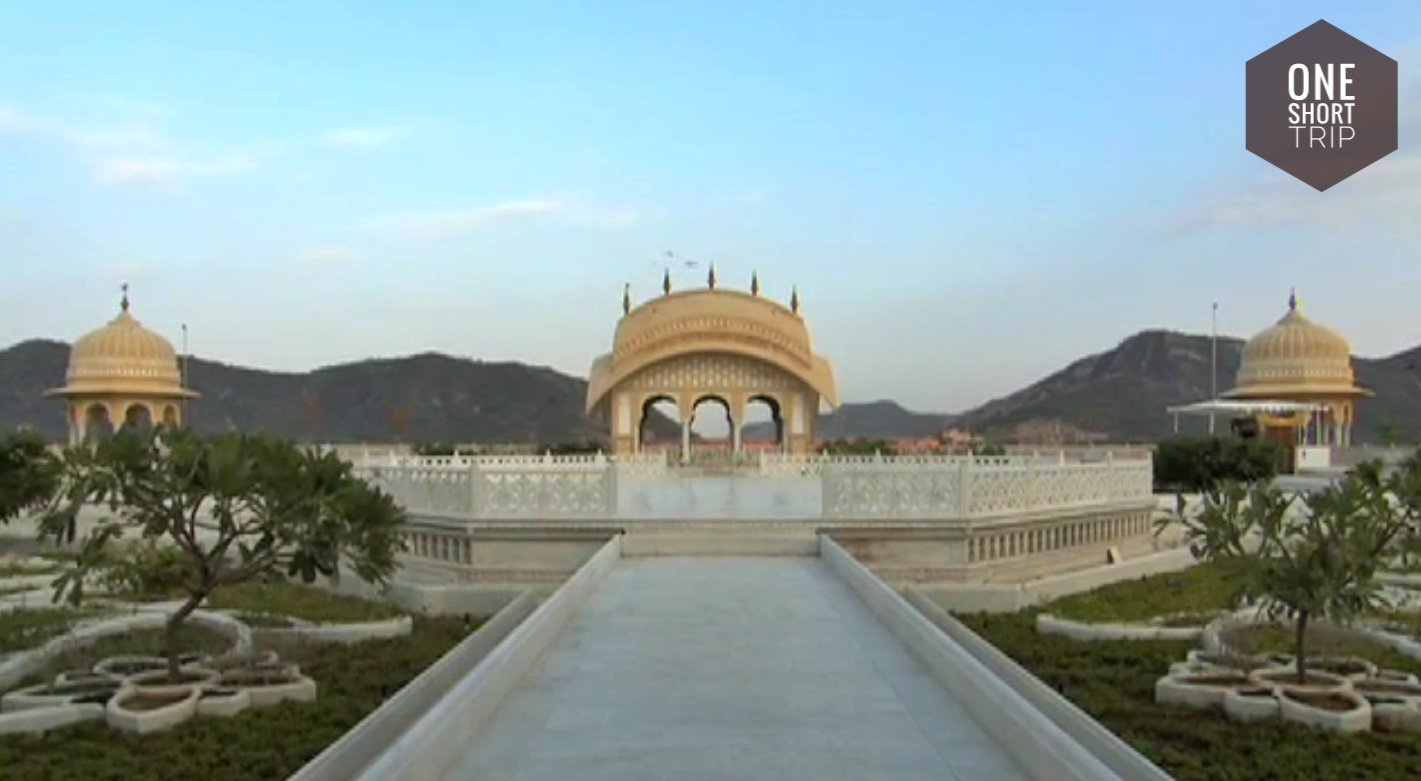
The palace is particularly known for its chhatris, domed pavilions and Rajput architectural details. Rajasthan Tourism's environmental assessment identifies the building as a showcase of Rajput architecture and notes the octagonal chhatris positioned at its four corners.
The Five-Storey Palace and the Lake
Jal Mahal is popularly described as a five-storey palace, although the surrounding waters conceal much of the lower structure when the lake is full. From the shore, visitors primarily see the upper portion of the building rising above the water.
This relationship between architecture and water is central to the visual identity of Jal Mahal. The appearance of the palace changes depending on the water level, weather, season and time of day, which is why the same monument can look dramatically different from one visit to another.
Jal Mahal and Man Sagar Lake
Man Sagar Lake is an important part of the Jal Mahal experience rather than simply a backdrop for the palace. The lake occupies the valley between Jaipur and the surrounding Aravalli hills and forms the setting in which the palace appears to float.
The lake and its surroundings have also been the subject of restoration and environmental efforts. The Rajasthan Tourism environmental assessment notes that the palace had suffered from water-related deterioration in the past and that restoration work was undertaken to address damage associated with waterlogging and seepage.
Jal Mahal as a Photography Landmark
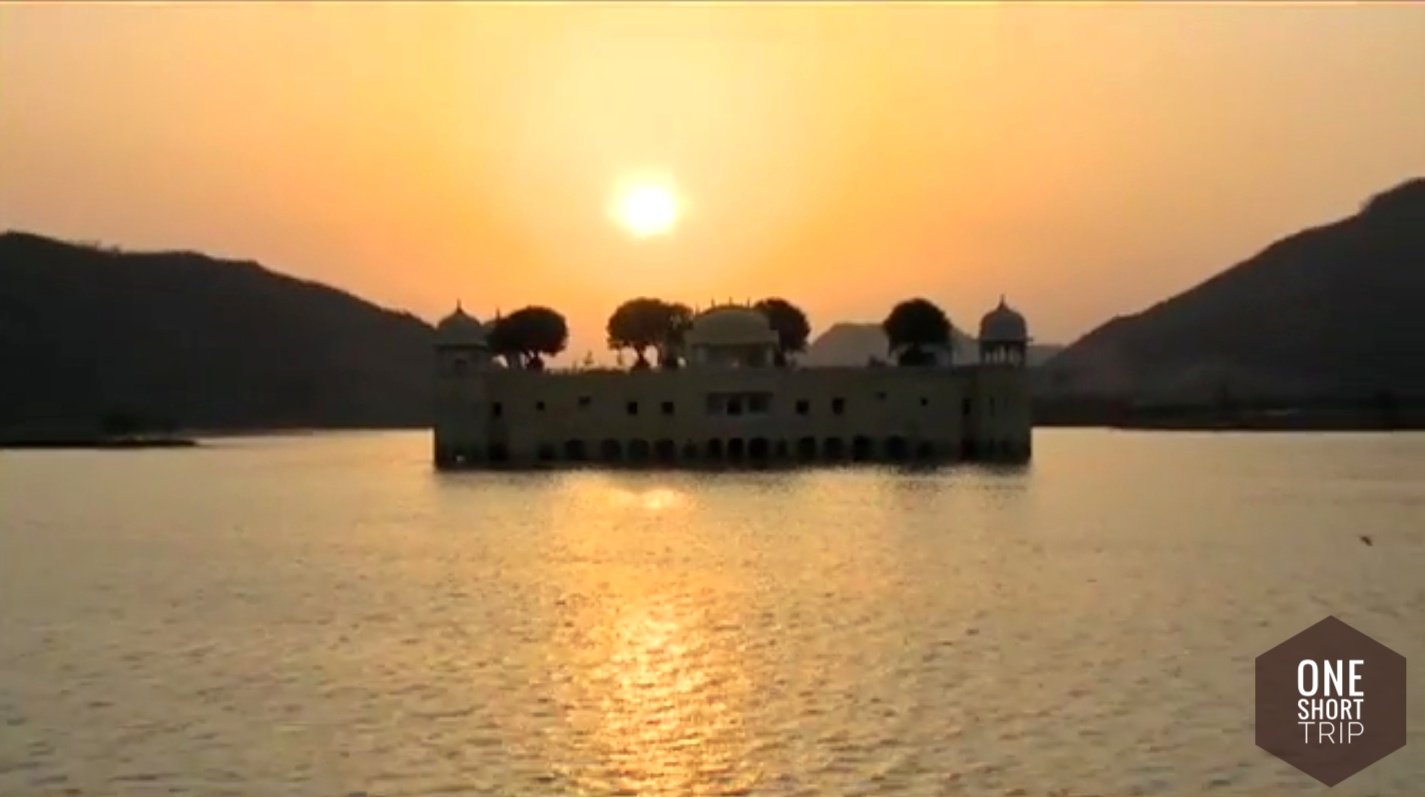
Jal Mahal is one of the best places in Jaipur for photographing a palace against a natural landscape. The lake provides reflections on calm days, while the Aravalli hills add depth behind the monument. The warm sandstone façade also photographs particularly well during the softer light around sunrise and sunset.
For travellers interested in Jaipur photography, the lakefront viewpoint offers several perspectives of the palace without needing to enter the monument itself. The changing colours of the sky and water can make an evening visit especially attractive.
Jal Mahal at Sunrise and Sunset
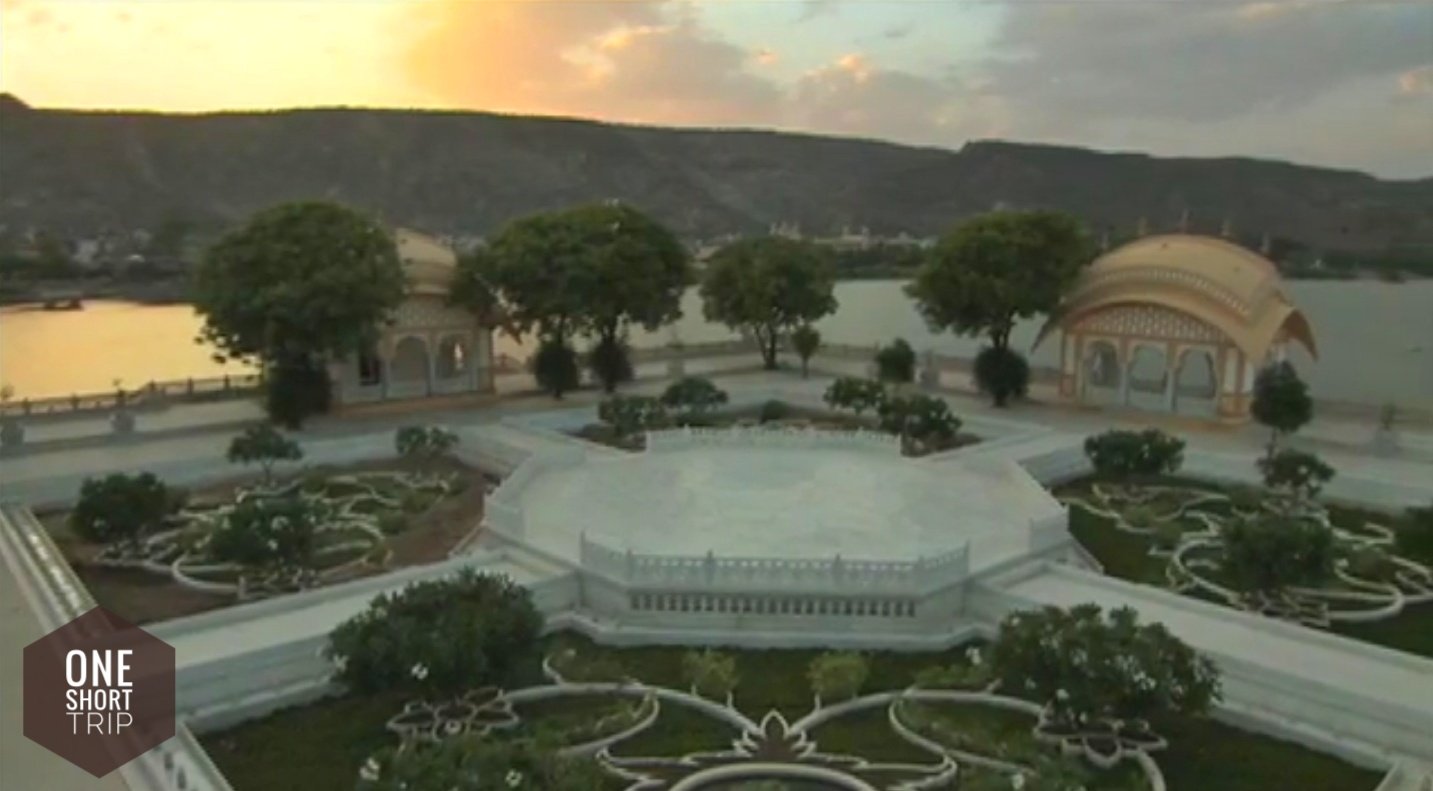
The appearance of Jal Mahal changes throughout the day. Early morning light can create a calm atmosphere over Man Sagar Lake, while sunset brings warmer tones to the sandstone façade and surrounding hills.
For photographers, the period around sunrise and sunset is often more visually rewarding than the harsh midday hours. Travellers visiting Jaipur during winter can also enjoy more comfortable conditions around the lake during these times.
Jal Mahal on the Jaipur–Amer Route
One of Jal Mahal's biggest advantages for travellers is its location. The palace lies along the historic route connecting central Jaipur with the Amer Fort and Amer region, making it easy to combine with other major Jaipur attractions.
Rajasthan Tourism includes Jal Mahal among Jaipur's major sightseeing attractions and regularly features it as a front-view stop on Jaipur city sightseeing itineraries.
Visiting Jal Mahal Jaipur – Timings, Best Time, How to Reach & Travel Tips
Jal Mahal is one of the easiest landmarks to include in a Jaipur sightseeing itinerary. Unlike forts and museums where visitors spend several hours exploring the interiors, the main experience at Jal Mahal is the view of the palace from the banks of Man Sagar Lake.
The palace is currently not open to the majority of tourists, so visitors generally come to the lakefront to admire the monument, photograph its architecture and enjoy the surrounding Aravalli landscape. Rajasthan Tourism specifically describes the lake banks as the main viewing point for tourists.
Is Jal Mahal Open to Tourists?
The Jal Mahal palace itself is not generally open to the public. Tourists visit the banks of Man Sagar Lake to view the palace from the shore. This is an important distinction when planning a Jaipur sightseeing trip because Jal Mahal is primarily a viewing and photography stop rather than an interior palace tour.
Visitors should therefore not expect to enter the five-storey structure or explore its submerged levels. The exterior view from the lakefront remains the main attraction.
Jal Mahal Timings
Because the palace is not generally open for interior sightseeing, there is no conventional monument-entry schedule comparable to Jaipur's ticketed forts and museums. The practical visiting window depends on access to the lakefront and local conditions.
For the best experience, visit during daylight or around sunset when the palace, lake and surrounding hills are clearly visible. Evening is particularly popular, and Rajasthan Tourism notes that the lake banks become busy with visitors and street-food vendors.
Is There an Entry Fee for Jal Mahal?
There is no regular palace-entry ticket for the usual lakefront viewing experience because visitors are not generally entering the palace. If temporary access arrangements, events or special activities are introduced, visitors should follow the latest instructions from the relevant authorities.
Best Time to Visit Jal Mahal
The cooler months from October to March are generally the most comfortable period for sightseeing in Jaipur. Winter also provides pleasant conditions for spending time outdoors around Man Sagar Lake.
For photography, early morning and sunset are especially attractive. Morning light can produce softer reflections, while sunset creates warmer tones across the palace and surrounding hills. Rajasthan Tourism also highlights Man Sagar Lake and Jal Mahal as a particularly scenic photography setting.
How Long Should You Spend at Jal Mahal?
For most travellers, 30 to 60 minutes is enough for Jal Mahal. This gives you time to enjoy the lakefront view, photograph the palace and take in the surrounding scenery.
Photography enthusiasts may want to spend longer, particularly around sunrise or sunset. If you are combining Jal Mahal with Amer Fort, Jaigarh Fort or Nahargarh Fort, it works well as a shorter sightseeing stop between major attractions.
How to Reach Jal Mahal Jaipur
By car or taxi: Jal Mahal is situated on the Jaipur–Amer road and is straightforward to reach by private car or taxi. It is particularly convenient when travelling towards Amer Fort.
By auto-rickshaw: Auto-rickshaws are another practical option from different parts of Jaipur. Agree on the fare or use the applicable metered/app-based option before starting the journey.
By local bus: Jaipur's local bus network provides access towards the Amer side of the city. Rajasthan Tourism also identifies local buses, taxis and auto-rickshaws as practical ways to reach Jaipur's major attractions.
Jal Mahal for Photography
Jal Mahal is particularly rewarding for photographers because the composition naturally combines palace architecture, water, reflections and the Aravalli hills. The symmetrical sandstone building provides a strong central subject while the lake creates depth in the foreground.
A standard wide-angle photograph works well for capturing the complete landscape, while a zoom lens can isolate architectural details such as the chhatris, domes and upper levels. Rajasthan Tourism itself highlights Jal Mahal and Man Sagar Lake as a notable photography setting.
Jal Mahal at Night
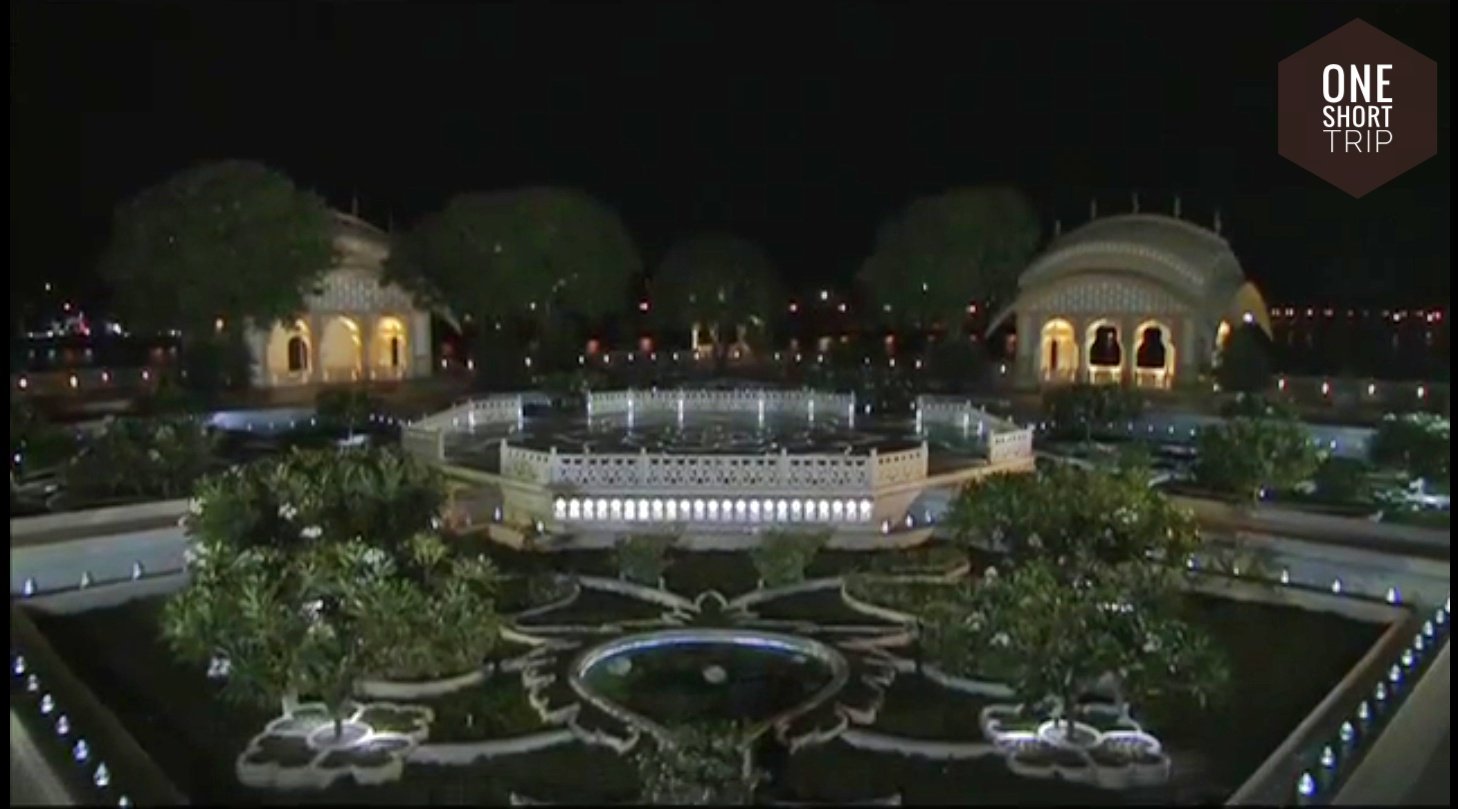
The atmosphere around Jal Mahal changes after sunset. The lakefront can become lively, with visitors stopping to enjoy the view and local food vendors operating in the area. Rajasthan Tourism specifically notes the popularity of the lake banks in the evening.
If you visit after dark, remain in the established public areas and be mindful of traffic along the busy Jaipur–Amer road. For photography, dusk and the period immediately after sunset can be more useful than very late-night visits.
Jal Mahal with Amer Fort
Combining Jal Mahal and Amer Fort is one of the most convenient ways to plan this part of Jaipur. Jal Mahal lies on the route towards the Amer region, so visitors can stop at the lakefront before continuing towards the fort.
The same sightseeing circuit can also include Jaigarh Fort, Nahargarh Fort, Gaitore and other attractions around the Jaipur–Amer corridor. Rajasthan Tourism's Nahargarh-area tourism material identifies Jal Mahal, Amer Fort, Jaigarh Fort, Nahargarh Fort, Gaitore and Panna-Meena Kund among the prominent tourist locations in the region.
Places to Visit Near Jal Mahal
Amer Fort: One of Jaipur's most important historic attractions and a natural addition to a Jal Mahal sightseeing circuit.
Jaigarh Fort: A major hilltop fort associated with Jaipur's royal history and located above the Amer region.
Nahargarh Fort: A hilltop attraction offering broad views over Jaipur and the surrounding Aravalli landscape.
Gaitore: The royal cenotaph complex on the Jaipur–Amer road, known for its carved marble and sandstone chhatris.
Panna Meena Kund: A historic stepwell near Amer that can be included in the same sightseeing route.
Is Jal Mahal Suitable for Families?
Yes. Jal Mahal is an easy stop for families because the visit does not require a long interior tour or extensive walking. Children can enjoy the unusual sight of a palace surrounded by water, while adults can appreciate the architecture and landscape.
Families should remain attentive near the roadside and use designated public viewing areas rather than attempting to approach the water or palace.
Is Jal Mahal Suitable for Senior Citizens?
Jal Mahal can be a comfortable sightseeing stop for senior citizens because the main attraction is viewed from the lakefront rather than through a long palace tour. Choosing a quieter time of day can make the experience more relaxed.
During busy evenings, the area can become crowded, so senior travellers may prefer an earlier visit when there is more space and less roadside congestion.
Food and Local Atmosphere Around Jal Mahal
The area around Jal Mahal becomes livelier in the evening, with street-food vendors and visitors gathering around the lakefront. Rajasthan Tourism specifically notes the presence of street food vendors around the banks after evening hours.
If you are trying Jaipur's street food, choose hygienic, busy stalls with good turnover and use normal precautions with drinking water and uncooked food.
Practical Tips for Visiting Jal Mahal
• Jal Mahal is primarily a lakefront viewing stop, not an interior palace visit.
• Visit around sunrise or sunset if photography is a priority.
• Combine it with Amer Fort and other attractions along the Jaipur–Amer route.
• Be careful around the busy road beside the lake.
• Do not attempt to enter restricted areas or approach the palace through the lake.
• During hot months, carry water and avoid prolonged outdoor exposure during the harshest afternoon hours.
• Keep valuables secure when the lakefront becomes crowded in the evening.
Why Jal Mahal Should Be on a Jaipur Itinerary
Jal Mahal may not offer the extensive interior experience of Jaipur's forts and palaces, but its importance lies in the combination of architecture, water and landscape. The palace appears to float in Man Sagar Lake, with the Aravalli hills forming its backdrop, making it one of the most distinctive views in the Pink City.
For travellers exploring Jaipur, it is an easy and worthwhile stop to add to an Amer sightseeing circuit, particularly around sunrise or sunset. A short visit here can complement a much longer day exploring Jaipur's forts, palaces, temples and historic neighbourhoods.