Brahma Temple Pushkar – History, Mythology and Religious Significance
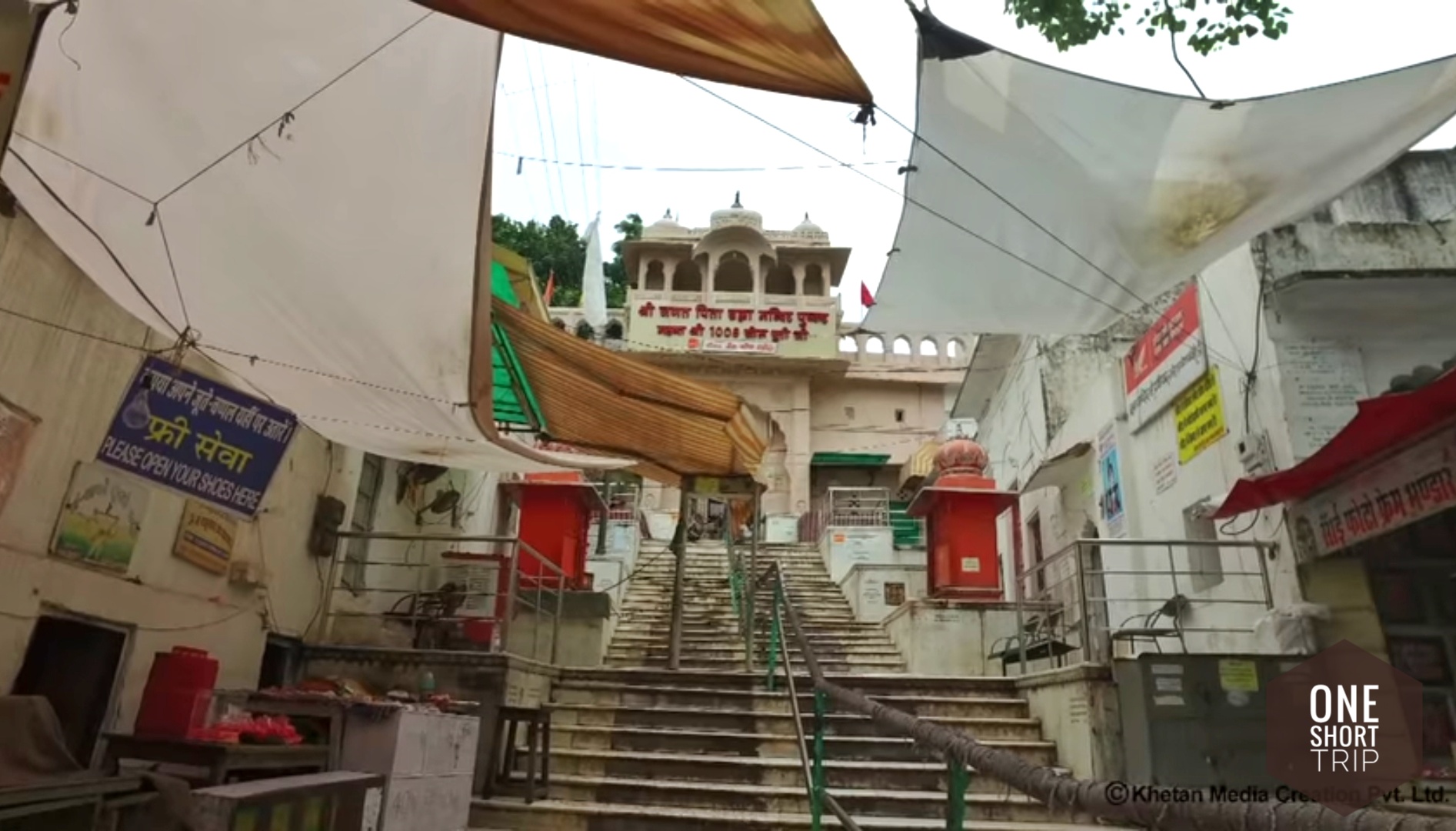
The Brahma Temple in Pushkar, officially known as Jagatpita Brahma Mandir, is one of the most important pilgrimage sites in Rajasthan and one of the very few major temples in India dedicated to Lord Brahma, the Hindu god of creation. Standing close to the sacred Pushkar Lake, the temple is at the heart of Pushkar's religious identity and attracts pilgrims, heritage travellers and international visitors throughout the year.
The present temple structure dates largely to the medieval period, while Rajasthan Tourism describes the sacred site itself as having a much older history. The temple that visitors see today is associated with later reconstruction and renovation, making it a fascinating example of how an ancient pilgrimage tradition continued through successive periods of Indian history.


Why Is Brahma Temple in Pushkar So Famous?
The temple is best known for its association with Lord Brahma. Temples dedicated specifically to Brahma are exceptionally uncommon, which gives the Pushkar shrine a distinctive place in Hindu pilgrimage. Rajasthan Tourism describes it as the only temple in the world dedicated to Lord Brahma, while the wider town of Pushkar is regarded as one of India's major sacred pilgrimage destinations.
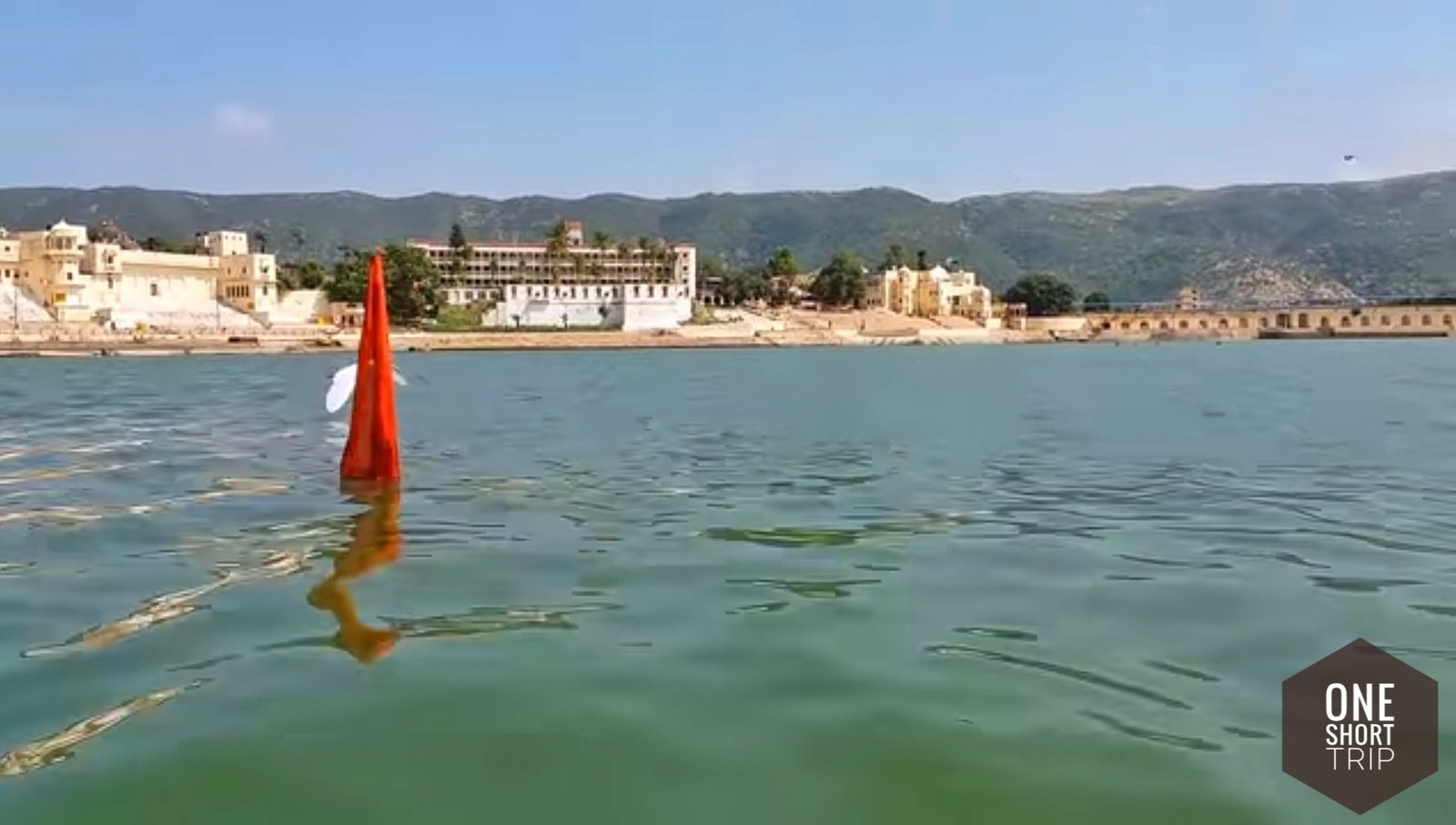
Its importance also comes from its location beside Pushkar Lake. Pilgrims traditionally combine a visit to the sacred lake and its ghats with worship at the Brahma Temple. The relationship between the lake, the temple and the surrounding shrines is central to understanding Pushkar as a pilgrimage town rather than seeing the Brahma Temple as an isolated monument.
The Legend of Lord Brahma and Pushkar
According to Hindu tradition, Lord Brahma was searching for a suitable and auspicious place to perform a yajna. A lotus associated with Brahma fell to the earth, and the sacred Pushkar Lake is believed to have appeared at the place where the flower touched the ground. The name Pushkar itself is traditionally connected with the lotus.
The lake therefore became a sacred centre associated with Brahma, and the surrounding landscape developed into one of the most important pilgrimage areas in Rajasthan. This is a religious tradition rather than an archaeological account, but it remains fundamental to Pushkar's spiritual identity.
The Story of Brahma's Yajna and Savitri
One of Pushkar's best-known traditions concerns the yajna that Brahma is believed to have performed at the sacred lake. According to the legend, Brahma's wife Savitri was delayed while preparations for the ritual were underway. Because the auspicious time for the yajna was passing, Brahma is said to have married Gayatri so that the ritual could begin.
Savitri was angered by the event and is traditionally believed to have cursed Brahma so that he would have very few temples dedicated to him. The story is commonly given as an explanation for the extraordinary rarity of Brahma temples and for the special status of the Pushkar shrine. The nearby Savitri Temple on the hill overlooking Pushkar is closely associated with this tradition.
History of Brahma Temple Pushkar
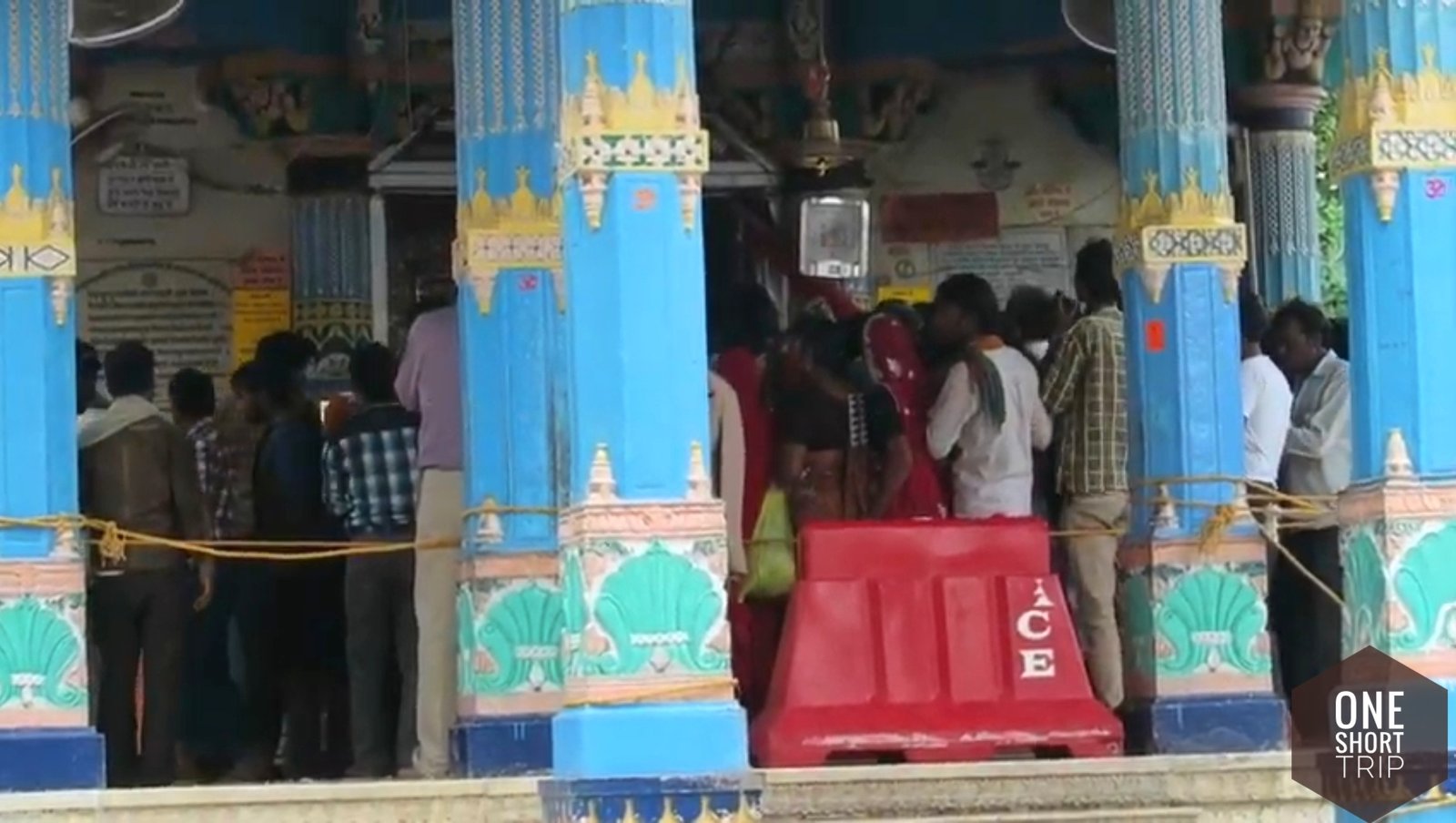
The sacred association of Pushkar with Brahma is considered much older than the present building. Rajasthan Tourism describes the temple site as having an ancient history while identifying the current structure primarily with the 14th century. Over time, the shrine underwent renovation and modification as different patrons supported its continued religious importance.
Tradition also associates the temple with the 8th-century philosopher and theologian Adi Shankaracharya, who is said to have contributed to its renovation. The present form is also associated with later restoration by Maharaja Jawat Raj of Ratlam. These successive phases help explain why the temple combines an ancient pilgrimage tradition with a comparatively later architectural appearance.
Architecture of Brahma Temple
The Brahma Temple is built primarily using marble and stone and is particularly easy to recognise from its distinctive red shikhara. The temple's architecture reflects the development of a major pilgrimage shrine in Rajasthan, with religious symbolism incorporated into its exterior and interior details.
One of the most recognisable motifs is the hamsa or swan, the sacred vehicle traditionally associated with Lord Brahma. The swan imagery reinforces the temple's connection with the deity and is an important visual feature to look for while exploring the shrine.
The Four-Faced Idol of Lord Brahma
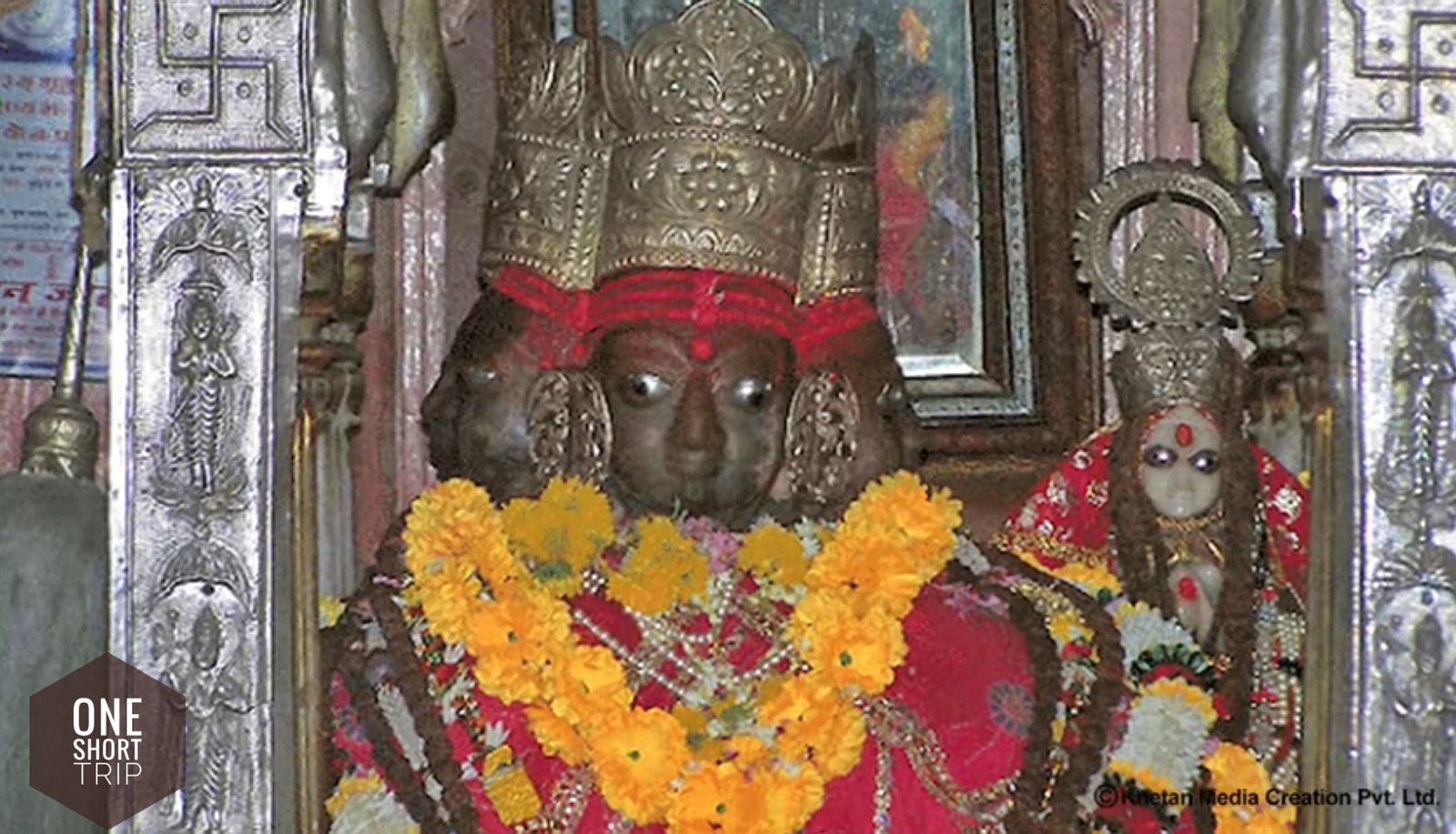
The principal deity is represented by a four-faced image of Lord Brahma, traditionally known as Chaturmukhi Brahma. The four faces are an important part of Brahma's iconography and symbolically represent his all-encompassing nature.
The inner sanctum is also associated with Brahma's consort Gayatri. The presence of the deity, the sacred lake outside and the wider network of temples around Pushkar together create the religious landscape that makes this pilgrimage centre unique.
The Unique Surya Image
Another interesting feature highlighted by Rajasthan Tourism is the marble image of Surya, the Sun God, within the temple. Unlike the barefoot representation commonly seen for many Hindu deities, this particular image is shown wearing boots resembling ancient warrior footwear, making it a distinctive detail for visitors interested in religious iconography.
Brahma Temple and Pushkar Lake
A visit to the Brahma Temple is best understood as part of the larger Pushkar Lake pilgrimage. The lake is regarded in Hindu tradition as one of the most sacred pilgrimage waters, and Rajasthan Tourism identifies it as Tirtha Raj, or the king of pilgrimage sites. The lake is surrounded by numerous temples and 52 bathing ghats.
Pilgrims traditionally visit the ghats for ritual bathing and prayers before or alongside temple worship. Visitors who are not undertaking a religious pilgrimage should respect the sanctity of the lake and follow local instructions around the ghats.
Pushkar Fair and Kartik Purnima
The religious importance of the Brahma Temple reaches a major annual peak around Kartik Purnima, the full moon of the Hindu month of Kartik. This period coincides with the famous Pushkar Fair, when the town becomes a major gathering place for pilgrims, traders, visitors and cultural performers.
During this period, Pushkar is exceptionally busy. Pilgrims visit the sacred lake, temples and ghats while the wider town hosts the famous camel and livestock fair and a large cultural celebration. Travellers visiting during Kartik Purnima should expect substantially larger crowds than during a normal day.
Why Brahma Temple Is Important to Hindu Pilgrimage
Pushkar occupies a distinctive position in Hindu pilgrimage because the town combines the sacred lake, the Brahma Temple and a large concentration of temples and ghats within a relatively compact landscape. For devotees, visiting the Brahma Temple is therefore part of a broader pilgrimage experience connected with Pushkar Sarovar.
For heritage travellers, the temple offers another perspective on Rajasthan: instead of forts and royal palaces, it presents a living pilgrimage tradition where mythology, architecture, ritual and centuries of religious continuity remain closely connected.
Visiting Brahma Temple Pushkar – Timings, How to Reach, Dress Code and Travel Tips
A visit to Brahma Temple Pushkar is best planned as part of a wider Pushkar pilgrimage and sightseeing experience. The temple is located close to Pushkar Lake, so visitors can comfortably combine darshan with the sacred ghats, nearby temples, local markets and the streets of the old pilgrimage town. Rajasthan Tourism also places the temple among the principal religious attractions of Pushkar.
Brahma Temple Pushkar Timings
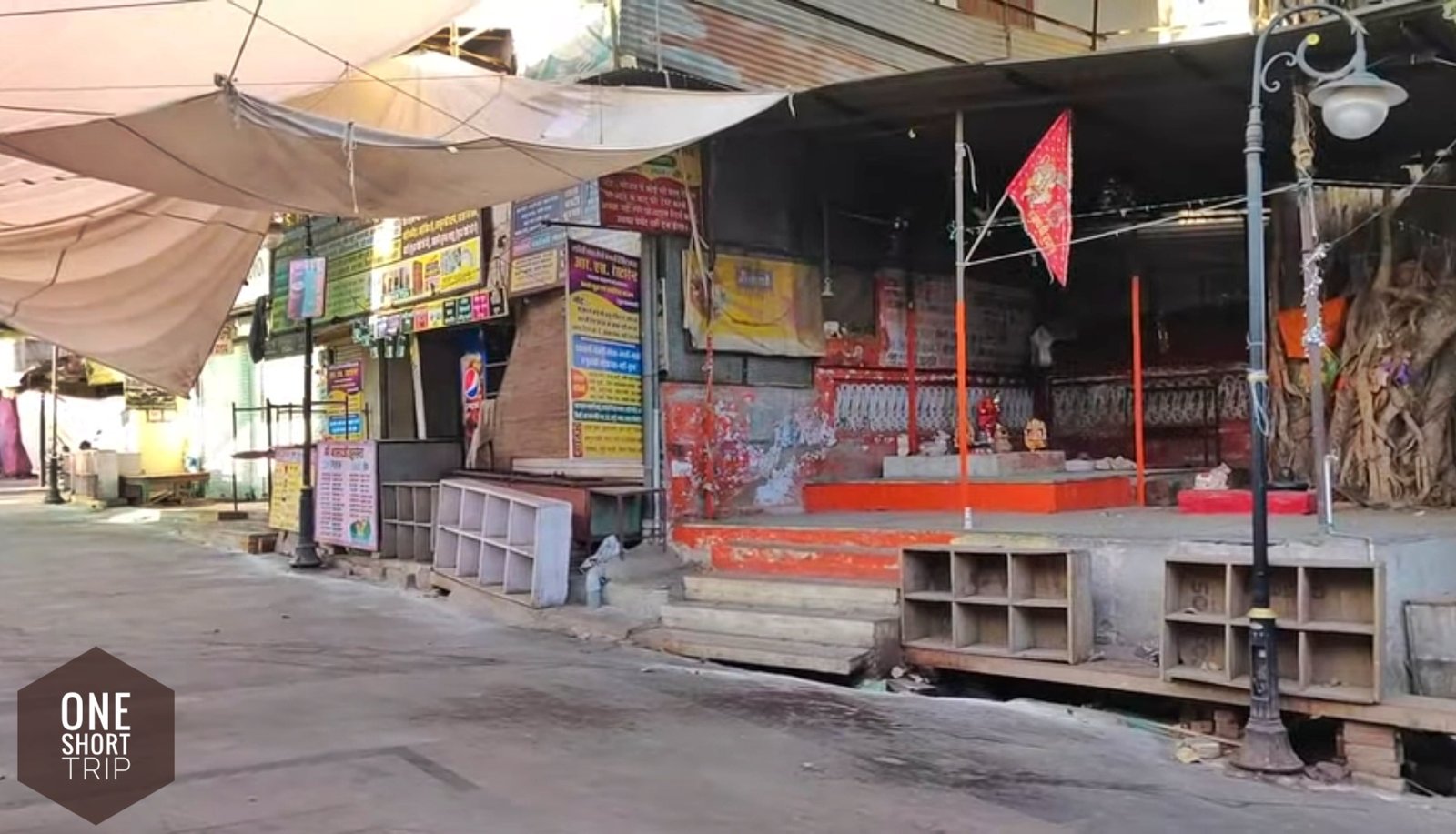
The temple follows daily worship and darshan schedules, but exact opening, closing and ritual timings can change depending on festivals, special poojas and religious occasions. Travellers should therefore confirm the day's schedule locally before planning a tightly timed itinerary.
For a quieter experience, early morning is generally preferable. During Kartik Purnima and the Pushkar Fair, the number of pilgrims and visitors increases dramatically, and the normal temple experience can be much more crowded.
How to Reach Brahma Temple Pushkar
Pushkar is located approximately 15–16 km from Ajmer and is connected to the city by road. Rajasthan Tourism states that buses are available from Ajmer railway station, while taxis and tuk-tuks are also convenient options for reaching Pushkar.
Reaching Pushkar by Road
Road travel is one of the easiest ways to reach Pushkar. The town can be accessed from Ajmer and is also commonly included in Rajasthan road-trip itineraries connecting Jaipur, Ajmer and Jodhpur. Once inside Pushkar, the temple is located in the central pilgrimage area near Pushkar Lake.
Reaching Pushkar by Train
Ajmer is the main railway gateway for travellers visiting Pushkar. From Ajmer railway station, visitors can continue by bus, taxi or tuk-tuk to Pushkar. Rajasthan Tourism specifically notes the availability of buses from Ajmer station.
Reaching Pushkar by Air
Travellers arriving by air generally use the Jaipur airport as the major air gateway for the Pushkar and Ajmer region, followed by road travel. Pushkar is well suited to combination itineraries from Jaipur because the town can be paired with Ajmer on the same journey.
Parking Near Brahma Temple
Because the Brahma Temple lies within the dense pilgrimage area of Pushkar, visitors should not expect large parking areas immediately beside the shrine. During busy periods, especially the Pushkar Fair, road restrictions and crowds can make the central area difficult to access by private car.
If travelling by car, it is often more practical to park at an appropriate designated or permitted location outside the most congested temple lanes and continue on foot or by a local vehicle where permitted.
How Much Time Should You Spend at Brahma Temple?
Allow around 30–45 minutes for a normal temple visit, depending on the crowd and darshan queue. If you are combining the visit with Pushkar Lake, nearby ghats and other temples, it is better to plan several hours rather than treating the Brahma Temple as a standalone stop.
Travellers interested mainly in photography, architecture and the atmosphere of the pilgrimage town may want additional time to explore the surrounding lanes and lakefront.
Dress Code and Temple Etiquette
Brahma Temple is an active Hindu place of worship, so visitors should wear clean and modest clothing. Avoid beachwear, very short clothing or outfits that may be considered inappropriate in a traditional pilgrimage setting.
Remove footwear wherever instructed, maintain a respectful distance from worshippers, and follow directions from temple staff. Visitors should also avoid disturbing ongoing rituals simply for photographs or videos.
Photography and Mobile Phones
Photography restrictions can apply within religious areas and may change according to temple management or the nature of the ritual taking place. Always follow the current instructions displayed at the temple and do not photograph restricted areas, priests or devotees without permission.
The surrounding Pushkar streets, lakefront and exterior architecture offer many opportunities for photography, but visitors should remain discreet around the sacred ghats and religious ceremonies. Rajasthan Tourism also advises visitors to respect local sentiments when photographing religious occasions.
Visiting with Senior Citizens
Senior citizens can visit the Brahma Temple, but the experience involves walking through the busy lanes of central Pushkar and potentially standing in queues. A morning visit outside major festival periods is generally more comfortable.
During Kartik Purnima and the Pushkar Fair, crowds can become particularly heavy, so families travelling with elderly members should plan extra time and avoid unnecessarily congested periods.
Visiting Brahma Temple with Children
The temple can be a meaningful family visit, particularly when children are introduced to the story of Brahma, the legend of Pushkar Lake and the connection between mythology and the living pilgrimage traditions of Rajasthan.
Keep children close in crowded areas and explain temple etiquette beforehand, especially during major festivals when the town becomes exceptionally busy.
Best Time to Visit Brahma Temple Pushkar
The cooler months are generally the most comfortable time to explore Pushkar. October to February is particularly suitable for combining temple visits with walking tours around the lake and town.
If your priority is experiencing Pushkar's largest religious and cultural celebration, visit around Kartik Purnima and the Pushkar Fair. However, this is also the busiest period, with very large crowds and significantly greater demand for accommodation and transport. Rajasthan Tourism identifies Kartik Purnima as the major annual celebration associated with the Brahma Temple.
Pushkar Fair and Brahma Temple
The Pushkar Fair is much more than a livestock event. It combines pilgrimage, religious observances, cultural performances, markets and traditional celebrations. The Brahma Temple and Pushkar Lake remain central to the spiritual side of the occasion.
During the fair, pilgrims traditionally visit Pushkar Lake and the surrounding temples, while the wider town becomes filled with temporary markets, cultural events and livestock activities.
Pushkar Lake and the Sacred Ghats
Do not limit your visit to the temple itself. Pushkar Lake is one of the defining features of the town and is traditionally regarded as a highly sacred pilgrimage lake. Rajasthan Tourism notes that the lake is surrounded by 52 bathing ghats and hundreds of temples.
Visitors should behave respectfully around the ghats because they remain active religious spaces. Ritual bathing, prayers and ceremonies are regularly performed here.
Other Temples to Visit Near Brahma Temple
Pushkar has an unusually high concentration of temples, making it possible to create a complete temple circuit within the town. Important nearby religious sites include Savitri Temple, Varaha Temple, Rangji Temple, Atmateshwar Temple and the temples around Pushkar Lake.
Rajasthan Tourism specifically highlights the Varaha Temple and Savitri Temple alongside the Brahma Temple as major Pushkar attractions.
Savitri Temple
Savitri Temple stands on a hill behind the Brahma Temple and is associated with Goddess Savitri, Brahma's first wife in the traditional story. The hilltop provides expansive views across Pushkar Lake, the surrounding temples and the landscape around the town. Rajasthan Tourism also notes that a ropeway provides access to the hilltop.
Varaha Temple
The Varaha Temple is dedicated to Lord Vishnu's Varaha incarnation and is one of Pushkar's important historic temples. It provides an interesting contrast to the Brahma Temple and is worth including for travellers interested in the religious diversity of Pushkar's sacred landscape.
Ajmer and Pushkar in One Day
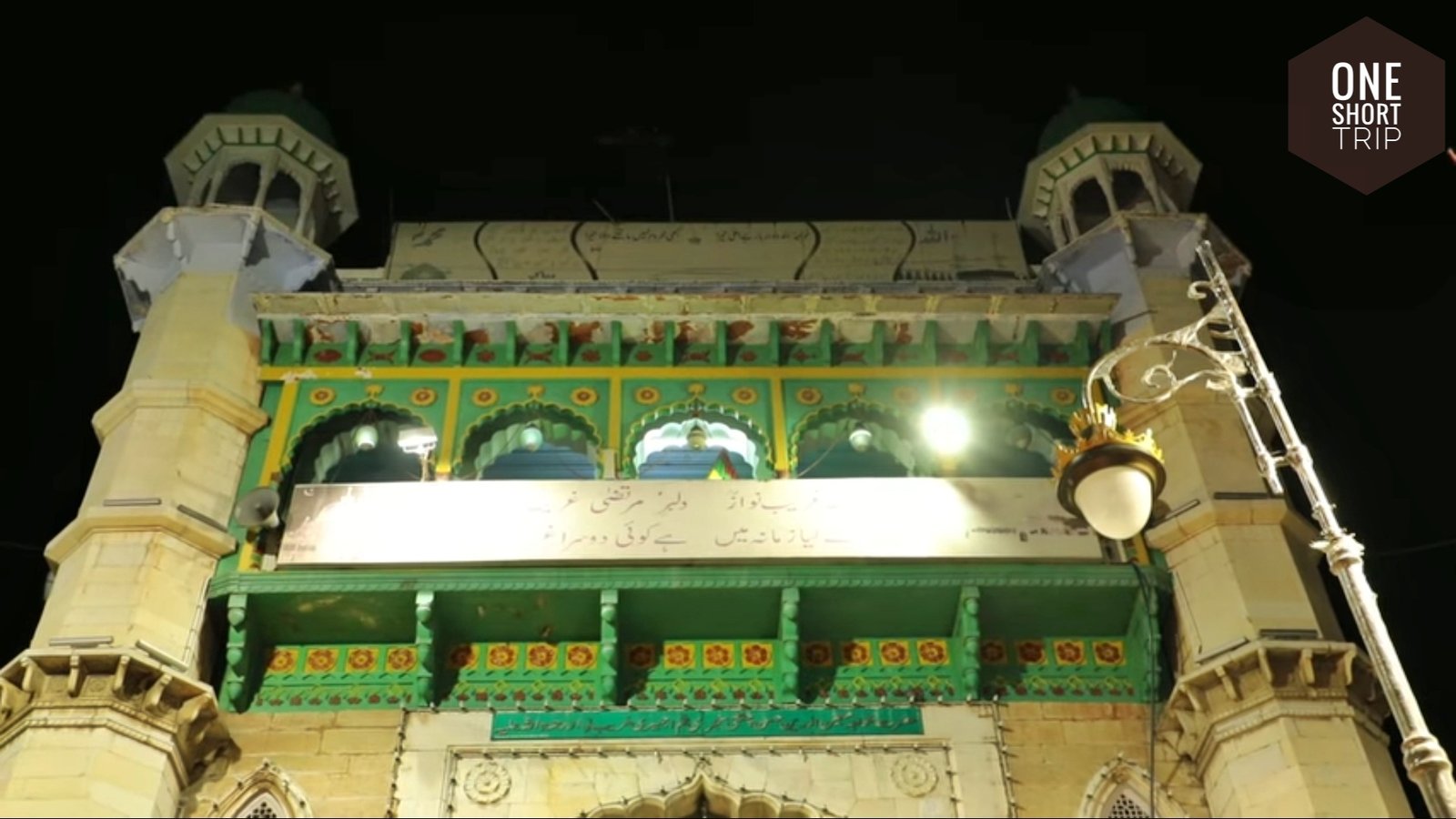
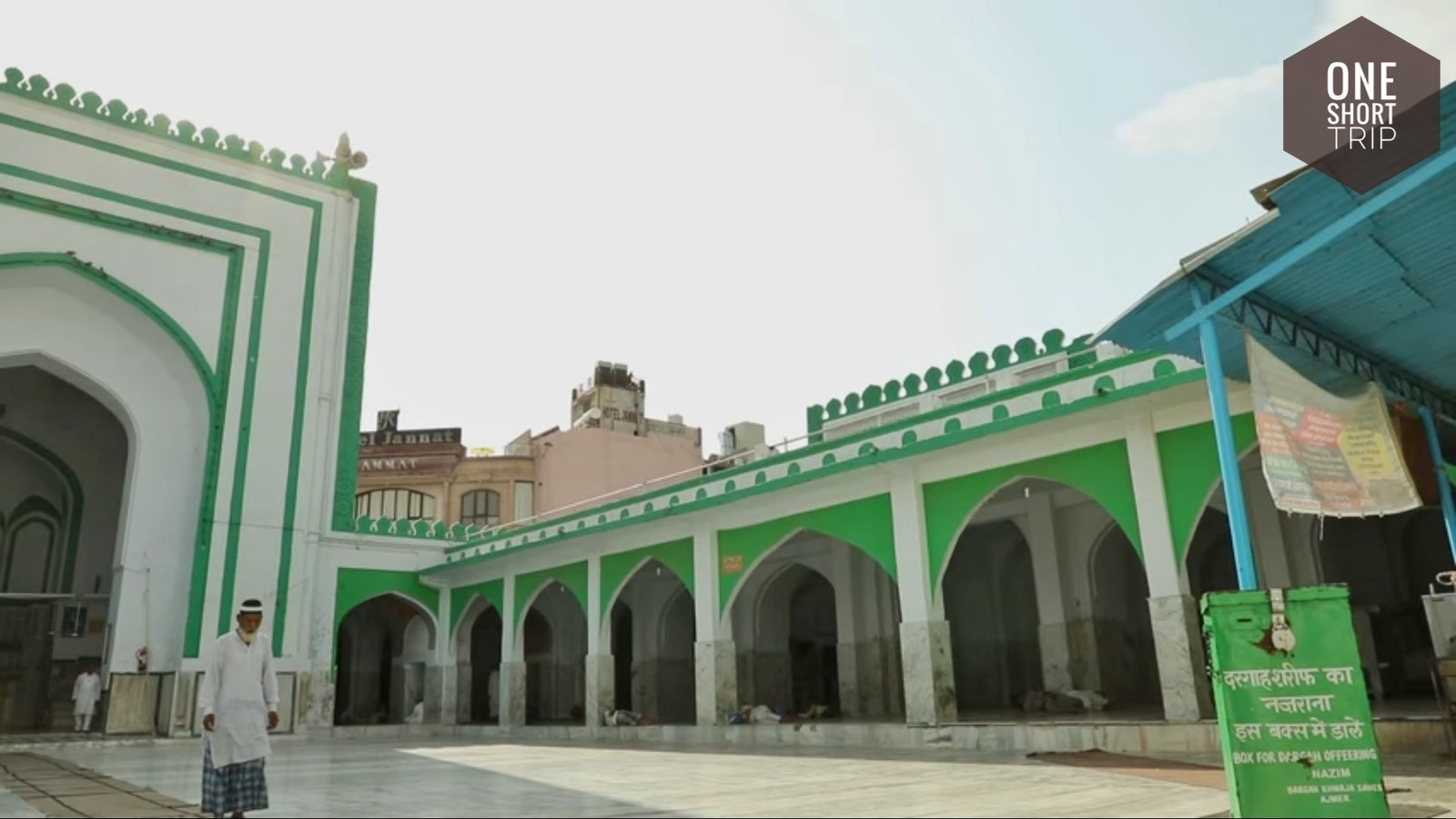
Brahma Temple can easily be combined with Ajmer for a full-day sightseeing and pilgrimage circuit. A practical route can include Ajmer Sharif, Ana Sagar Lake, Pushkar Lake and Brahma Temple, with additional time for Savitri Temple or Pushkar's markets depending on the schedule.
Rajasthan Tourism itself recommends combining Brahma and Savitri Temple visits with Ajmer during Rajasthan itineraries, demonstrating how naturally the two destinations fit together.
What to Carry for a Visit
Carry drinking water, comfortable footwear for walking around Pushkar, sun protection and a small bag for personal belongings. If visiting during summer, a hat, sunglasses and sunscreen are especially useful.
During the Pushkar Fair, expect much larger crowds and longer walking distances, so comfortable clothing and footwear become particularly important.
Things to Avoid at Brahma Temple and Pushkar Lake
Avoid littering, loud behaviour, inappropriate photography and entering restricted religious areas. Do not disturb people performing rituals around the ghats, and be cautious of unsolicited approaches from individuals offering religious services.
Most importantly, remember that Pushkar is not simply a tourist attraction. It remains an active pilgrimage centre with religious practices taking place throughout the day.
Why Brahma Temple Pushkar Is Worth Visiting
Brahma Temple is worth visiting because very few major Hindu temples are dedicated to Lord Brahma, and Pushkar preserves a rare living pilgrimage tradition centred around the deity, the sacred lake and hundreds of surrounding temples. The combination of mythology, architecture, ritual, history and the distinctive atmosphere of Pushkar makes the temple one of Rajasthan's most unusual religious destinations.