Jaswant Thada, Jodhpur – The Marble Memorial of the Rathore Dynasty
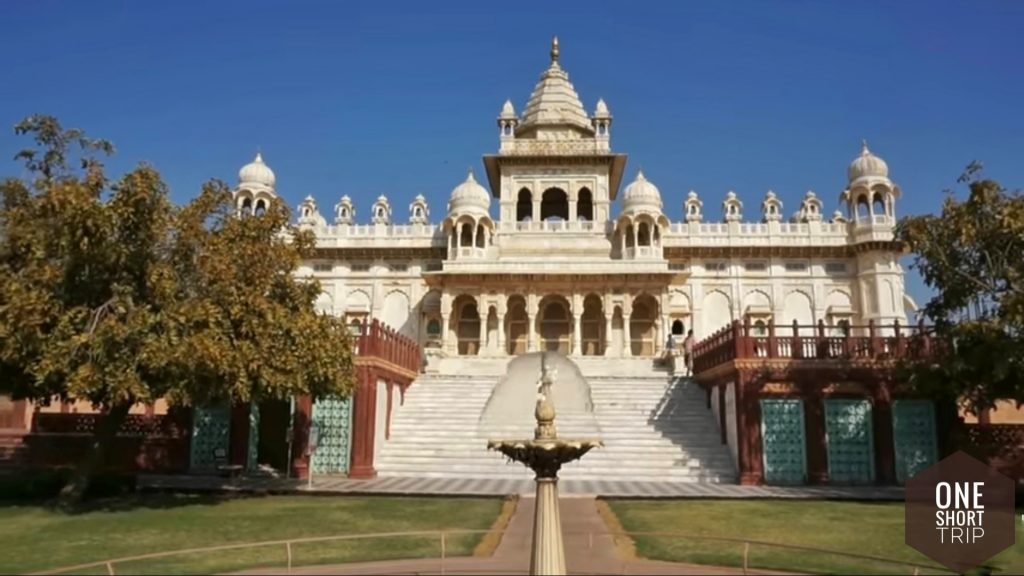
Jaswant Thada is one of the most peaceful and visually striking historical places to visit in Jodhpur, Rajasthan. Built from finely carved white Makrana marble, this elegant memorial stands on the slopes of the Mehrangarh Fort hill and overlooks the historic Blue City. Its quiet setting, translucent marble surfaces, ornate jalis and beautifully landscaped surroundings make it very different in character from the massive military architecture of nearby Mehrangarh Fort.
The monument was constructed in 1899 in memory of Maharaja Jaswant Singh II, the 33rd Rathore ruler of Jodhpur. He ruled the princely state of Jodhpur from 1878 until his death in 1895 and is remembered for his administrative reforms, efforts to improve agriculture and water management, and support for the development of the state. The memorial therefore serves not only as a beautiful architectural landmark but also as an important reminder of the later history of the Marwar royal family.
Often called the “Taj Mahal of Marwar,” Jaswant Thada is best experienced slowly — for its marble craftsmanship, royal history, peaceful atmosphere and sweeping views over Jodhpur.
Jaswant Thada is also an important traditional cremation and memorial site associated with the Rathore rulers of Marwar. Several cenotaphs and memorial structures connected with the royal family can be found within the complex, creating a layered heritage landscape where architecture, royal memory and Rajput traditions come together.


The most distinctive feature of Jaswant Thada is the quality of its marble. The Makrana marble used for the memorial is exceptionally fine and was prized for important buildings and monuments across India. At Jaswant Thada, the thinly carved marble sheets allow sunlight to pass through parts of the structure, giving the monument a soft, glowing appearance at certain times of the day. This effect becomes particularly beautiful during the early morning and late afternoon when the changing light reveals the depth of the stonework.
The exterior combines domes, carved pillars, arches, decorative screens and intricate latticework. Rather than relying on enormous walls or defensive towers, the memorial achieves its visual impact through proportion, symmetry and detailed craftsmanship. The white marble contrasts strongly with the surrounding rocky landscape and the warm colours of Jodhpur, making Jaswant Thada especially photogenic.


History of Jaswant Thada
Maharaja Jaswant Singh II was one of the better-known rulers of the Jodhpur state during the nineteenth century. His reign began in 1878, a period when the princely state was undergoing administrative and economic changes under the wider political framework of British India. He became associated with reforms intended to strengthen the administration of Marwar and improve the conditions of the people under his rule.
After Jaswant Singh II died in 1895, his son and successor Maharaja Sardar Singh commissioned the memorial that would become Jaswant Thada. Construction was completed in 1899. The monument was designed as a royal memorial and was positioned close to the cremation grounds traditionally associated with the Rathore rulers.
The site subsequently developed into a memorial complex containing cenotaphs associated with members of the Jodhpur royal family. These structures reflect the Rajput tradition of commemorating rulers and members of the royal household through chhatris and memorial architecture.
Architecture of Jaswant Thada
Jaswant Thada is sometimes compared with a miniature marble palace because of its elegant proportions and elaborate ornamentation. The principal memorial is topped by a prominent dome, while smaller domed elements and chhatri-like structures contribute to the layered silhouette. Carved screens allow light and air to enter the interior while providing privacy and creating intricate patterns of light and shadow.
The craftsmanship extends across the pillars, arches, ceilings and marble panels. Some surfaces are finely perforated while others contain floral and geometric motifs. The contrast between solid marble sections and delicate jali work gives the building an unusually light appearance despite being constructed entirely as a substantial stone memorial.


The Royal Cenotaphs and Memorial Complex
Jaswant Thada is more than a single memorial building. The surrounding complex contains smaller cenotaphs and memorial structures connected with the Rathore royal family. These chhatris are part of a long-standing Rajput architectural tradition in which memorial structures were raised to honour rulers and members of important royal households.
The memorial grounds are deliberately quieter than the main tourist areas of Jodhpur. Visitors can walk through the complex, examine the stonework and understand how royal memory was expressed through architecture. The setting also provides an opportunity to appreciate the relationship between the memorial, the Mehrangarh Fort above it and the historic city spread across the landscape below.


Jaswant Thada and Mehrangarh Fort
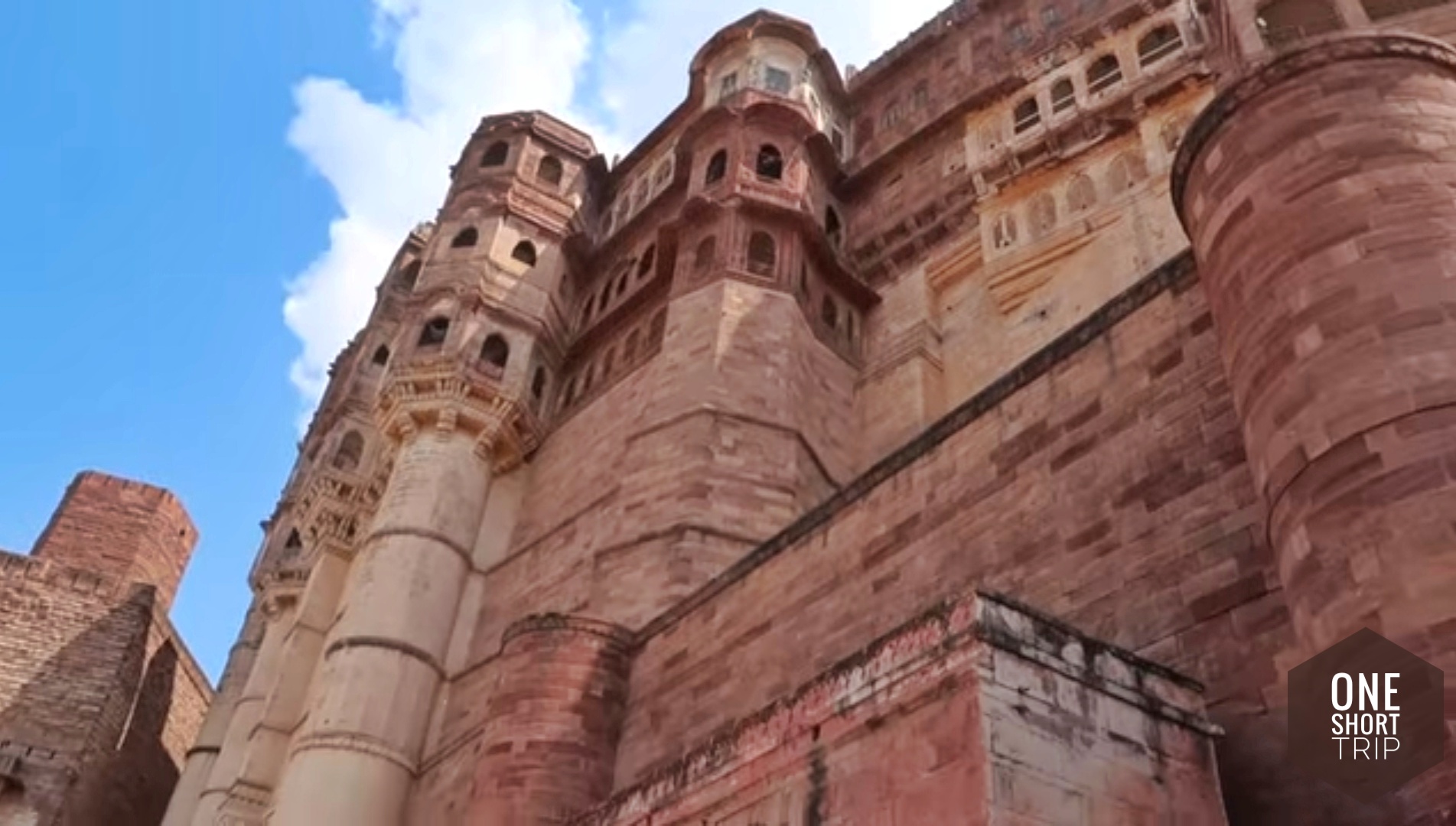
One of the biggest advantages of visiting Jaswant Thada is its location near Mehrangarh Fort. The two monuments are naturally combined in most Jodhpur sightseeing itineraries. Mehrangarh represents the military strength and political power of the Rathore kingdom, while Jaswant Thada reflects its royal memory and memorial traditions.
From the elevated grounds around Jaswant Thada, visitors can also enjoy views across Jodhpur, including the densely built historic neighbourhoods that give the city its famous blue appearance. On clear days, the elevated setting creates excellent opportunities for landscape photography.
The Peaceful Setting of Jaswant Thada
Unlike many major forts and palaces in Rajasthan, Jaswant Thada has a calm and contemplative atmosphere. Green lawns, trees and open spaces surround the marble structures, while the elevated location keeps the complex visually connected to the rocky hills around Jodhpur. The combination of white marble, greenery and desert landscape makes it one of the city's most attractive heritage sites.
The peaceful character of the site also makes it a place where visitors can slow down after exploring the much busier Mehrangarh Fort. Early morning is especially pleasant for travellers who prefer cooler temperatures and softer light, while the late afternoon offers attractive views as the sun begins to change the colour and texture of the marble.

Best Time to Visit Jaswant Thada
The best season to visit Jaswant Thada is generally from October to March, when Jodhpur experiences more comfortable weather for sightseeing. Winter mornings and afternoons are particularly suitable for exploring outdoor monuments, while the summer months can become extremely hot in Rajasthan.
For photography, early morning and late afternoon are preferable because the lower-angle sunlight brings out the details of the marble carvings and creates a softer contrast. The monument can be included conveniently with Mehrangarh Fort, making it practical to visit both during the same sightseeing session.
How to Reach Jaswant Thada
Jaswant Thada is located in Jodhpur, close to Mehrangarh Fort. Jodhpur is well connected by road, rail and air with major cities in Rajasthan and other parts of India. From central Jodhpur, the memorial can be reached by taxi, auto-rickshaw or private vehicle.
Travellers arriving in Jodhpur by train or flight can arrange local transportation to the fort area. Because Jaswant Thada and Mehrangarh Fort are located close to each other, visiting them together saves travel time and makes for a more complete introduction to Jodhpur's royal heritage.
Things to Notice During Your Visit
- Look closely at the translucent Makrana marble and the way sunlight passes through selected panels.
- Observe the carved jali screens, arches, pillars, domes and decorative stonework.
- Explore the smaller royal cenotaphs surrounding the main memorial.
- Take time to appreciate the views of Jodhpur and the blue-painted neighbourhoods below.
- Combine the visit with Mehrangarh Fort because of their close proximity and shared Rathore history.
- Visit in the cooler part of the day during summer and carry water while exploring the surrounding area.
- Wear comfortable footwear because the visit involves walking through the memorial grounds and nearby heritage areas.
Why Jaswant Thada Is Worth Visiting
Jaswant Thada offers a quieter side of Jodhpur's royal heritage. Its finely worked white marble, royal memorials, peaceful gardens and elevated views provide a completely different experience from the imposing walls of Mehrangarh Fort. For travellers interested in Rajasthan history, Rajput architecture, photography and the story of Jodhpur's Rathore rulers, this elegant memorial is an important stop rather than merely a quick photo point.