Mantralaya – A Sacred Pilgrimage Destination of Sri Raghavendra Swamy
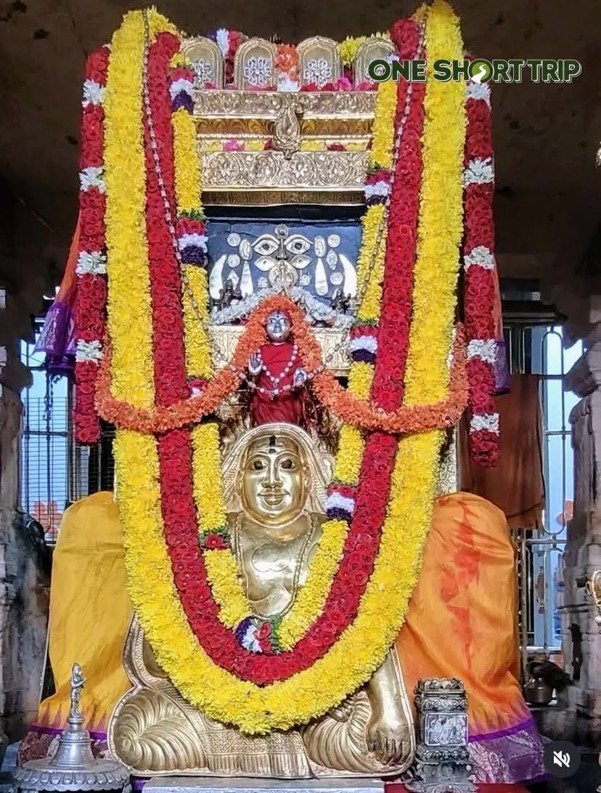


Mantralaya is one of the most revered pilgrimage destinations in South India and an important spiritual centre for followers of Sri Raghavendra Swamy and the Dvaita tradition. Located on the banks of the Tungabhadra River in Andhra Pradesh, close to the Karnataka border, the town is centred around the sacred Brindavana of Sri Raghavendra Swamy at Sri Raghavendra Swamy Matha.
For devotees, a visit to Mantralaya is much more than a temple visit. The atmosphere revolves around darshan, seva, prayer, Vedic traditions, spiritual learning and the living legacy of Guru Rayaru. The Matha continues to function as an active religious institution, attracting pilgrims from Karnataka, Andhra Pradesh, Telangana, Maharashtra, Tamil Nadu and many other parts of India.
The official Sri Raghavendra Swamy Matha describes Mantralayam as a centre of devotion, Dvaita Vedanta, Guru Seva and Vedic learning, sanctified by the Brindavana of Sri Rayaru.
Why Is Mantralaya Famous?
Mantralaya is famous primarily because it is the place where Sri Raghavendra Swamy entered Jeeva Samadhi in 1671. His Brindavana became the spiritual centre around which the present-day pilgrimage town developed.
Sri Raghavendra Swamy, affectionately known by devotees as Rayaru or Guru Raghavendra, was a renowned scholar and saint of the Madhva tradition. His teachings were rooted in Dvaita Vedanta, and his life continues to have a profound influence on devotees across South India.
Devotees believe that Sri Raghavendra Swamy continues to remain spiritually present at the Brindavana and bless those who approach him with faith. This belief is central to the spiritual identity of Mantralaya and is one of the main reasons pilgrims return to the town repeatedly.
Sri Raghavendra Swamy and His Connection With Mantralaya


Sri Raghavendra Swamy was born as Venkatanatha in 1595 and became a highly respected scholar of Sanskrit, Vedas, philosophy and the teachings of Madhvacharya. He later entered monastic life and became the pontiff of the Sri Matha, taking the name Sri Raghavendra Tirtha.
During his lifetime, he travelled extensively, teaching philosophy and guiding devotees. Mantralaya eventually became the place chosen for his final spiritual resting place. In 1671, he entered Jeeva Samadhi at Mantralaya, and the Brindavana established at the site became one of the most important pilgrimage centres in the Madhva tradition.
The Sri Raghavendra Swamy Matha continues to preserve this spiritual tradition through daily worship, sevas, religious education, charitable activities and facilities for pilgrims.
The Sacred Brindavana of Sri Raghavendra Swamy
The Moola Brindavana is the spiritual heart of Mantralaya. It is the sacred site associated with Sri Raghavendra Swamy's Jeeva Samadhi and is the principal destination for devotees visiting the town.
Darshan at the Brindavana is conducted according to the Matha's daily schedule. The official Matha currently states that Brindavana darshan is available from 6:00 AM to 2:00 PM in the morning and again from 4:00 PM to 9:00 PM in the evening. Timings and the sequence of rituals can change during Aradhana and other special occasions.
What Makes a Visit to Mantralaya Special?
The experience of Mantralaya comes from its combination of faith, tradition and a continuously active pilgrimage environment. The Matha is not simply a historical monument; it is a living spiritual institution where worship and seva continue throughout the day.
Visitors can observe devotees performing pradakshina, participating in sevas, receiving prasada and spending time in prayer. The disciplined movement of pilgrims through the Matha and the regular cycle of rituals give Mantralaya an atmosphere that is very different from a conventional sightseeing destination.
The official Matha also provides online services for seva booking, accommodation, donations and other pilgrim requirements, reflecting the scale of the modern pilgrimage infrastructure at Mantralaya.
Mantralaya and the Tungabhadra River


The Tungabhadra River is an important part of Mantralaya's geographical and spiritual setting. The town stands on its banks, giving the pilgrimage destination a distinctive riverside character.
The river and surrounding landscape also make the experience feel different from pilgrimage centres located within large urban areas. Devotees visiting for more than a few hours can combine temple darshan with quiet time around the surrounding pilgrimage area, while maintaining the respectful atmosphere expected at a sacred destination.
The Spiritual Importance of Mantralaya
Mantralaya holds particular importance for followers of the Madhva or Dvaita tradition. The teachings of Madhvacharya form the philosophical foundation of the tradition associated with Sri Raghavendra Swamy.
For devotees, the pilgrimage is an opportunity to seek the blessings of Guru Raghavendra, participate in seva and prayer, and connect with a tradition that has continued for centuries. The Matha also supports Sanskrit and Vedic education, helping preserve the intellectual and religious traditions associated with the institution.
Panchamukhi Anjaneya Temple – An Important Part of the Pilgrimage
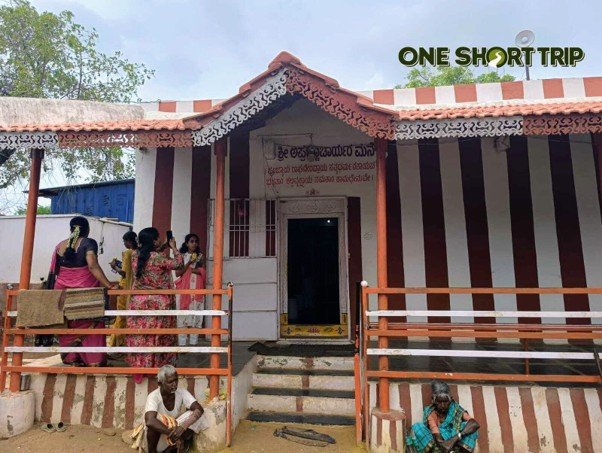
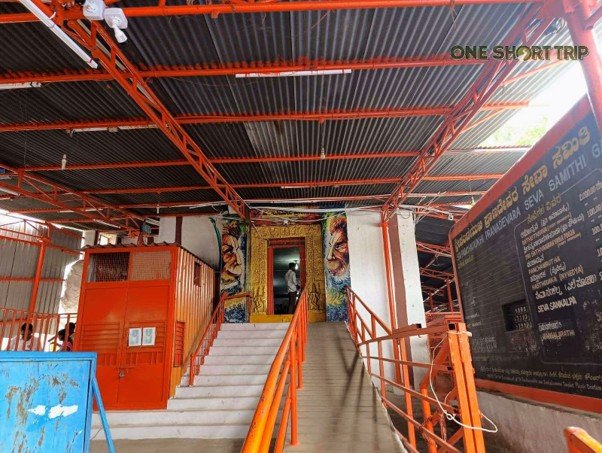
One of the most important places to include in a Mantralaya pilgrimage is the Panchamukhi Anjaneya Temple at Panchamukhi in Karnataka. The shrine is closely associated with the life and spiritual journey of Sri Raghavendra Swamy.
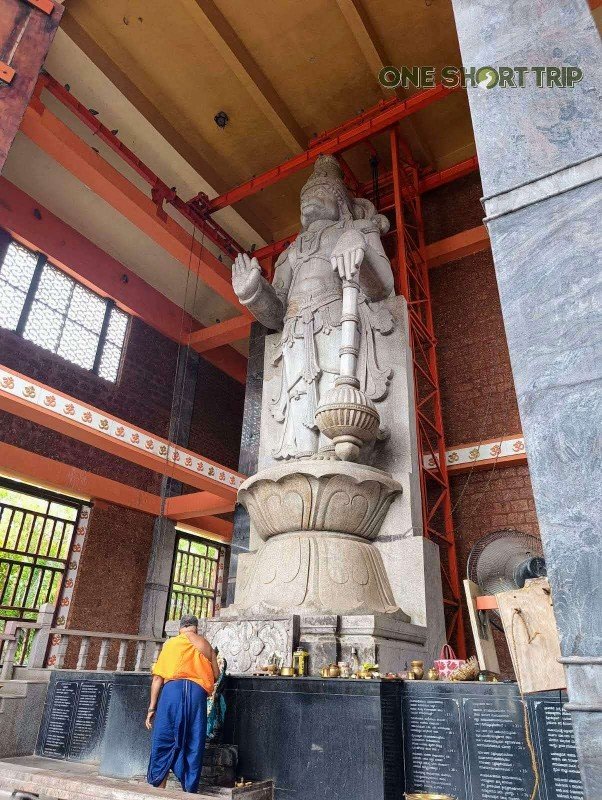
According to the traditional account, Sri Raghavendra Swamy spent an extended period in meditation at Panchamukhi before settling at Mantralaya. The temple is dedicated to Panchamukha Anjaneya, the five-faced form of Lord Hanuman.
The five faces traditionally associated with the form are Anjaneya, Narasimha, Garuda, Varaha and Hayagriva. Historical documentation also records the longstanding association of Panchamukhi with Sri Raghavendra Swamy and describes it as an important pilgrimage stop for visitors to Mantralaya.
Because of this close spiritual connection, many pilgrims consider a visit to Panchamukhi an important extension of their Mantralaya pilgrimage rather than a separate sightseeing stop.
Mantralaya as a Pilgrimage Town
The town has developed around the needs of pilgrims. Along with the Matha and its religious facilities, visitors will find accommodation, vegetarian food, shops selling devotional items and practical services for travellers.
The official Sri Raghavendra Swamy Matha itself operates a large accommodation network for devotees. Its current information states that the Matha has more than 1,200 rooms, with some rooms available for advance online booking and others through its Central Reception Office.
Visitors planning an overnight stay should use the official Sri Raghavendra Swamy Matha booking system rather than relying on unofficial agents or third-party booking channels, as the Matha specifically warns devotees about fraudulent room-booking services.
Anna Prasadam and Food at Mantralaya
Food is an important part of the pilgrimage experience at Mantralaya. Devotees can participate in the Matha's Anna Dasoham and prasada traditions, while the town also has vegetarian restaurants serving South Indian meals and other simple food options.
For a pilgrimage-focused visit, it is useful to keep meals simple and vegetarian and to allow enough time for darshan and seva rather than planning the day around restaurant stops.
Who Should Visit Mantralaya?
Mantralaya is especially suitable for devotees of Sri Raghavendra Swamy, followers of the Madhva tradition, families, senior citizens, spiritual travellers and visitors interested in South India's living religious traditions.
Families can plan the pilgrimage at a comfortable pace, while senior citizens may benefit from staying overnight rather than attempting the entire visit as a rushed day trip. Those travelling primarily for darshan should also allow additional time during weekends, festival periods and Aradhana days when pilgrim numbers can increase significantly.
Mantralaya Quick Information
| Destination | Mantralaya / Mantralayam |
| State | Andhra Pradesh |
| District | Kurnool |
| River | Tungabhadra River |
| Main Pilgrimage | Sri Raghavendra Swamy Matha and Moola Brindavana |
| Spiritual Tradition | Madhva / Dvaita Vedanta |
| Jeeva Samadhi | 1671 |
| General Darshan | Free |
| Official Darshan Timings | 6:00 AM–2:00 PM and 4:00 PM–9:00 PM, subject to changes on special days |
| Important Nearby Pilgrimage | Panchamukhi Anjaneya Temple |
Why Mantralaya Deserves a Place on Your Travel List
Mantralaya is one of those destinations where the importance of the place cannot be understood simply by counting monuments or sightseeing attractions. Its identity comes from the continuing presence of the Sri Raghavendra Swamy Matha, the sacred Brindavana, daily worship and centuries of devotion.
Whether you are visiting for the first time or returning as a devotee, the combination of darshan, spiritual atmosphere, Tungabhadra riverside setting and nearby Panchamukhi pilgrimage creates a meaningful travel experience.
For travellers from Bengaluru, Hyderabad, Raichur, Ballari and other parts of South India, Mantralaya can also be planned as a dedicated pilgrimage trip or combined with nearby spiritual and heritage destinations.
Mantralaya Travel Guide – Darshan, Timings, How to Reach and Practical Information


Mantralaya Darshan Timings
Planning the day around Brindavana darshan is one of the most important things to do before visiting Mantralaya. The official Sri Raghavendra Swamy Matha currently lists the general Brindavana darshan window as 6:00 AM to 2:00 PM and 4:00 PM to 9:00 PM.
The Matha states that the main gate closes around 2:00 PM for cleaning of the sanctum area and darshan resumes at 4:00 PM. Pooja and seva timings can vary according to the day, number of devotees and special occasions.
Best Time to Visit Mantralaya for Darshan
For a relatively comfortable pilgrimage experience, early morning is a good time to begin your visit. The morning hours can also make it easier to complete darshan and other planned activities before the warmer part of the day.
Evening darshan is another convenient option, particularly for travellers arriving in Mantralaya later in the day. If you are travelling specifically for a major festival, Aradhana or special seva, expect larger crowds and check the Matha's latest announcements before finalising your schedule.
The official Matha website publishes current festival information, seva updates and changes to special darshan arrangements, making it the most reliable source to check before a pilgrimage.
How Long Do You Need in Mantralaya?
A short visit focused only on the main Brindavana can be completed in a few hours, but a one-night or two-day Mantralaya trip is more comfortable for most families and senior citizens.
A simple pilgrimage schedule can include arrival, check-in, Brindavana darshan, prasada or meals, rest and a visit to Panchamukhi Anjaneya Temple. Staying overnight also avoids the pressure of completing everything in a single rushed visit.
| Short Visit | Approximately 3–5 hours for darshan and a basic pilgrimage visit. |
| 1 Day | Suitable for travellers who arrive early and focus on the main pilgrimage sites. |
| 1 Night / 2 Days | Recommended for families, senior citizens and devotees wanting a relaxed visit. |
| Longer Stay | Useful when participating in sevas, festivals, religious activities or exploring nearby pilgrimage sites. |
How to Reach Mantralaya


By Train
The most commonly used railway access point is Mantralayam Road Railway Station. The railway station is located outside the main pilgrimage town, and the Andhra Pradesh government tourism page states that it is about 16 km from Mantralayam. Buses and local transport are available for the onward journey.
Rail travel is particularly convenient for pilgrims coming from Bengaluru, Hyderabad, Mumbai, Pune and other cities connected to the railway network. Check the latest train schedules before travelling because train services and timings can change.
By Air
For air travellers, the nearest practical airport options depend on the flight network and onward road journey. The Kurnool district administration lists Kurnool Airport at approximately 95 km and Hyderabad Airport at approximately 290 km from Mantralayam.
Because flight availability can vary, travellers should compare the total journey time rather than choosing an airport based only on distance.
By Road
Mantralaya is well connected by road with important cities of Karnataka, Andhra Pradesh and Telangana. Road travel is especially convenient for families and pilgrimage groups because it allows you to combine Mantralaya with places such as Panchamukhi and other destinations along the route.
The official Kurnool district tourism page places Mantralayam about 90 km from Kurnool.
Mantralaya from Bengaluru
For travellers starting from Bengaluru, Mantralaya is a popular long-distance pilgrimage destination that can be reached by train, bus or private vehicle.
A private vehicle is particularly useful when travelling with parents, children or a group because it gives greater flexibility to stop for meals and breaks and to include Panchamukhi Anjaneya Temple in the itinerary.
For a dedicated pilgrimage trip, many travellers prefer to leave Bengaluru early enough to reach Mantralaya with sufficient time for darshan rather than arriving at the last moment.
Accommodation in Mantralaya
Accommodation is available both through the Sri Raghavendra Swamy Matha and through private hotels and lodges in and around the town. For devotees who want to stay close to the pilgrimage centre, Matha accommodation can be a convenient option.
The official Matha currently states that it has more than 1,200 rooms. Online advance booking and current booking through the Central Reception Office are available according to the Matha's booking system.
How Early Should You Book Accommodation?
If you are travelling during weekends, holidays, Aradhana, major festivals or other important religious occasions, booking early is strongly recommended.
The official Matha currently provides advance online room booking as well as limited short-notice booking slots. Its accommodation page states that bookings can be made through designated advance windows and that current rooms are also handled through the Central Reception Office.
For important pilgrimage dates, do not depend on finding a room after arrival. Confirm your accommodation before beginning the journey.
Seva and Religious Services at Mantralaya
Devotees visiting Mantralaya can participate in different sevas and religious services offered by the Matha. The exact availability, timings and eligibility can vary according to the seva and date.
The official Matha provides online seva booking and publishes information about religious programmes, festivals and special events. Devotees who want to participate in a specific seva should check the official booking portal rather than assuming that an on-the-spot booking will always be available.
Dress Code and Temple Etiquette
Mantralaya is an active pilgrimage centre, so visitors should dress modestly and respectfully. Traditional Indian clothing is a comfortable choice for a temple visit, especially when participating in religious activities.
Avoid clothing that may be considered inappropriate for a sacred environment. Keep footwear arrangements in mind, follow instructions from temple volunteers and avoid obstructing devotees who are performing prayers or rituals.
If travelling with children, explain basic temple etiquette beforehand so that the visit remains comfortable for both your family and other devotees.
Photography at Mantralaya
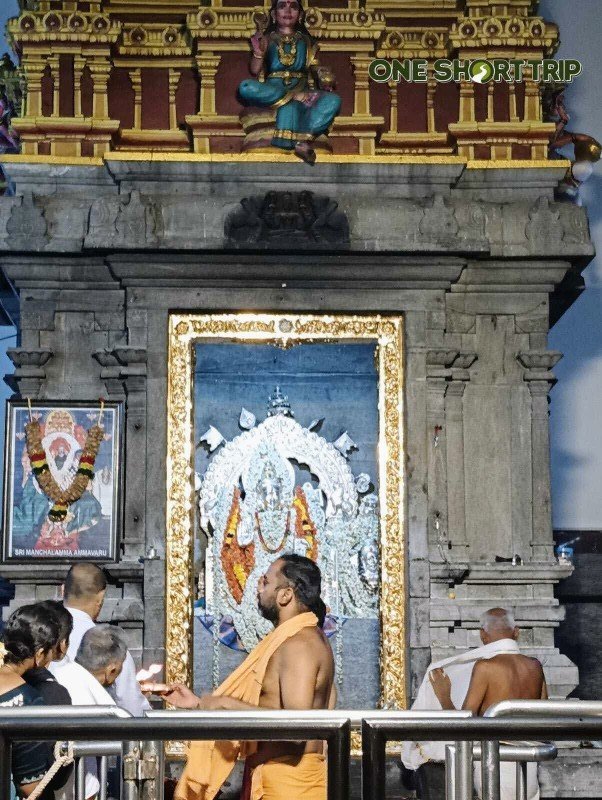
Mantralaya is a place of worship first and a travel destination second. Photography may be possible in permitted areas, but visitors should always follow the latest instructions of the Matha and avoid photographing restricted areas, rituals or devotees without permission.
Do not allow photography to interfere with darshan or create inconvenience for people engaged in prayer. When in doubt, follow the instructions displayed within the premises or given by Matha staff and sevadars.
Visiting Mantralaya With Senior Citizens
Mantralaya can be a meaningful pilgrimage for senior citizens, but the trip should be planned at a comfortable pace. Avoid packing too many destinations into one day and allow enough time for rest between travel and darshan.
Staying close to the Matha can reduce unnecessary local travel. Early morning or evening visits can also be more comfortable than spending extended periods outdoors during the hotter part of the day.
If a senior traveller has mobility limitations, check the current facilities and access arrangements directly with the Matha before travelling.
Visiting Mantralaya With Children
Families with children can visit Mantralaya comfortably when the itinerary is kept simple. The most important part is to explain that the Matha is an active place of worship and that children should remain close to their parents during darshan.
Keep water, light snacks and any essential items ready for the journey, particularly when travelling by road. Avoid scheduling a very long sightseeing day immediately after an overnight journey.
Panchamukhi Anjaneya Temple From Mantralaya
Panchamukhi Anjaneya Temple is one of the most important places to combine with a Mantralaya pilgrimage. Its traditional association with Sri Raghavendra Swamy makes it especially meaningful to devotees.
The Andhra Pradesh government itself identifies Panchamukhi Anjaneya Swamy Temple as one of the important places to visit in the Mantralayam area, alongside the Raghavendra Swamy Brindavana and Venkateswara Swamy Temple.
If you are planning a pilgrimage rather than a simple temple stop, keeping Panchamukhi in the itinerary gives the journey a more complete spiritual context.
Other Places to Visit Around Mantralaya
Although the main purpose of most journeys to Mantralaya is the Sri Raghavendra Swamy Matha, the surrounding region has a few additional religious and cultural places that can be considered depending on the time available.
- Panchamukhi Anjaneya Temple – an important pilgrimage associated with Sri Raghavendra Swamy.
- Venkateswara Swamy Temple – another religious site identified among the important places around Mantralayam.
- Tungabhadra River – an important geographical and spiritual feature of the pilgrimage town.
- Mantralayam town – useful for experiencing the everyday atmosphere of a major pilgrimage centre.
The official district tourism page specifically highlights the Raghavendra Swamy Brindavan, Panchamukhi Anjaneya Swamy Temple and Venkateswara Swamy Temple among the important places to visit.
How to Plan a One-Day Mantralaya Trip
A one-day pilgrimage is possible if you arrive early enough and keep the itinerary focused. Begin with the main Brindavana darshan, allow time for prayer and prasada, and then visit Panchamukhi if your travel schedule permits.
For a one-day road trip, avoid adding too many unrelated sightseeing stops. Mantralaya is best experienced without rushing from one place to another.
How to Plan a Two-Day Mantralaya Trip
A 2-day Mantralaya itinerary is a better option for families, senior citizens and devotees travelling from Bengaluru or other cities at considerable distance.
Day 1: Travel to Mantralaya, check in, rest and complete evening Brindavana darshan.
Day 2: Begin with morning darshan, complete planned seva or prayer activities, visit Panchamukhi Anjaneya Temple and begin the return journey according to your schedule.
This structure keeps the pilgrimage relaxed and gives you a better buffer if queues or travel delays occur.
Best Season to Visit Mantralaya
The cooler months are generally more comfortable for a pilgrimage because much of the journey involves road travel and walking between different areas. October to February is a practical period for travellers who want relatively comfortable weather.
Summer can be hot, so travellers visiting during warmer months should plan outdoor movement around the cooler morning and evening hours, stay hydrated and avoid unnecessary exposure to the midday heat.
For devotees whose priority is a particular religious occasion, the festival date is naturally more important than the weather. However, expect increased crowds during major events and make accommodation arrangements well in advance.
Important Festivals in Mantralaya
The most significant annual religious occasion associated with Sri Raghavendra Swamy is the Aradhana Mahotsava. The Matha organises elaborate religious programmes during the Aradhana period, and darshan, seva and other timings can differ from the normal daily schedule.
The official Matha publishes festival announcements and programme information through its website. For example, the 355th Rayara Aradhana Mahotsava was scheduled from 27 August to 2 September 2026.
What to Carry for a Mantralaya Pilgrimage
- Comfortable and modest clothing
- Personal medicines and essential prescriptions
- Drinking water for the journey
- Small personal bag for temple essentials
- Valid identification for accommodation or travel requirements
- Comfortable footwear for walking
- Umbrella or sun protection depending on the season
- Any required seva or accommodation confirmation
Travellers staying at Matha accommodation should also follow the property's current check-in requirements and booking instructions.
Important Tips Before Visiting Mantralaya
- Check the official Matha website for the latest darshan timings before leaving.
- Arrive with enough buffer before the planned darshan window.
- Book accommodation only through official channels.
- Do not give money to unauthorized room-booking agents.
- Keep valuables secure in crowded areas.
- Dress respectfully throughout the pilgrimage.
- Follow photography restrictions and temple instructions.
- Keep elderly travellers' walking and rest requirements in mind.
- During Aradhana and major festivals, expect substantially higher pilgrim traffic.
- If travelling by train, arrange onward transport from Mantralayam Road Railway Station before or soon after arrival.
Is Mantralaya Worth Visiting?
Yes, especially if you are interested in pilgrimage, Hindu spiritual traditions, Sri Raghavendra Swamy and the Madhva tradition. Mantralaya is not primarily a conventional tourist destination filled with monuments and entertainment. Its appeal comes from its living religious atmosphere and the continuing importance of the Sri Raghavendra Swamy Matha.
The sacred Brindavana, daily worship, Tungabhadra setting, Panchamukhi connection and strong devotional culture make Mantralaya one of the important pilgrimage destinations of South India.
Mantralaya Travel Planning at a Glance
| Best For | Spiritual travel, pilgrimage, family temple trips and devotees of Sri Raghavendra Swamy |
| Ideal Duration | 1–2 days |
| Main Attraction | Sri Raghavendra Swamy Moola Brindavana |
| Important Nearby Shrine | Panchamukhi Anjaneya Temple |
| Railway Access | Mantralayam Road Railway Station, approximately 16 km from Mantralayam |
| Nearest Listed Airport Options | Kurnool Airport and Hyderabad Airport |
| River | Tungabhadra |
| General Darshan | 6:00 AM–2:00 PM and 4:00 PM–9:00 PM, subject to special-day changes |
| Accommodation | Sri Matha guesthouses and private accommodation |
| Best Approach | Plan the pilgrimage around darshan rather than treating Mantralaya as a rushed sightseeing stop |
Mantralaya – A Journey of Faith and Devotion
A trip to Mantralaya is ultimately a journey centred on faith, devotion and the living legacy of Sri Raghavendra Swamy. From the sacred Brindavana to the Tungabhadra River and the connected pilgrimage at Panchamukhi, the destination offers a deeply spiritual experience for devotees and travellers interested in India's religious heritage.
Whether you are planning a short darshan, a family pilgrimage or a dedicated multi-day spiritual journey, the best Mantralaya itinerary is one that leaves enough time for prayer, darshan and rest rather than trying to fit too many activities into a single day.
With the right planning, Mantralaya can become more than a temple visit—it can be a peaceful and meaningful pilgrimage experience that connects you with one of South India's most enduring spiritual traditions.