Shri Gavi Gangadhareshwara Swamy Temple, Bengaluru – A Complete Guide
Shri Gavi Gangadhareshwara Swamy Temple is one of Bengaluru's most distinctive historic temples, famous for its natural cave setting, ancient Shiva worship and remarkable connection between temple architecture and the movement of the sun. Located in Gavipuram, near Basavanagudi, this unique temple offers a very different experience from Bengaluru's more conventional standalone temple structures.
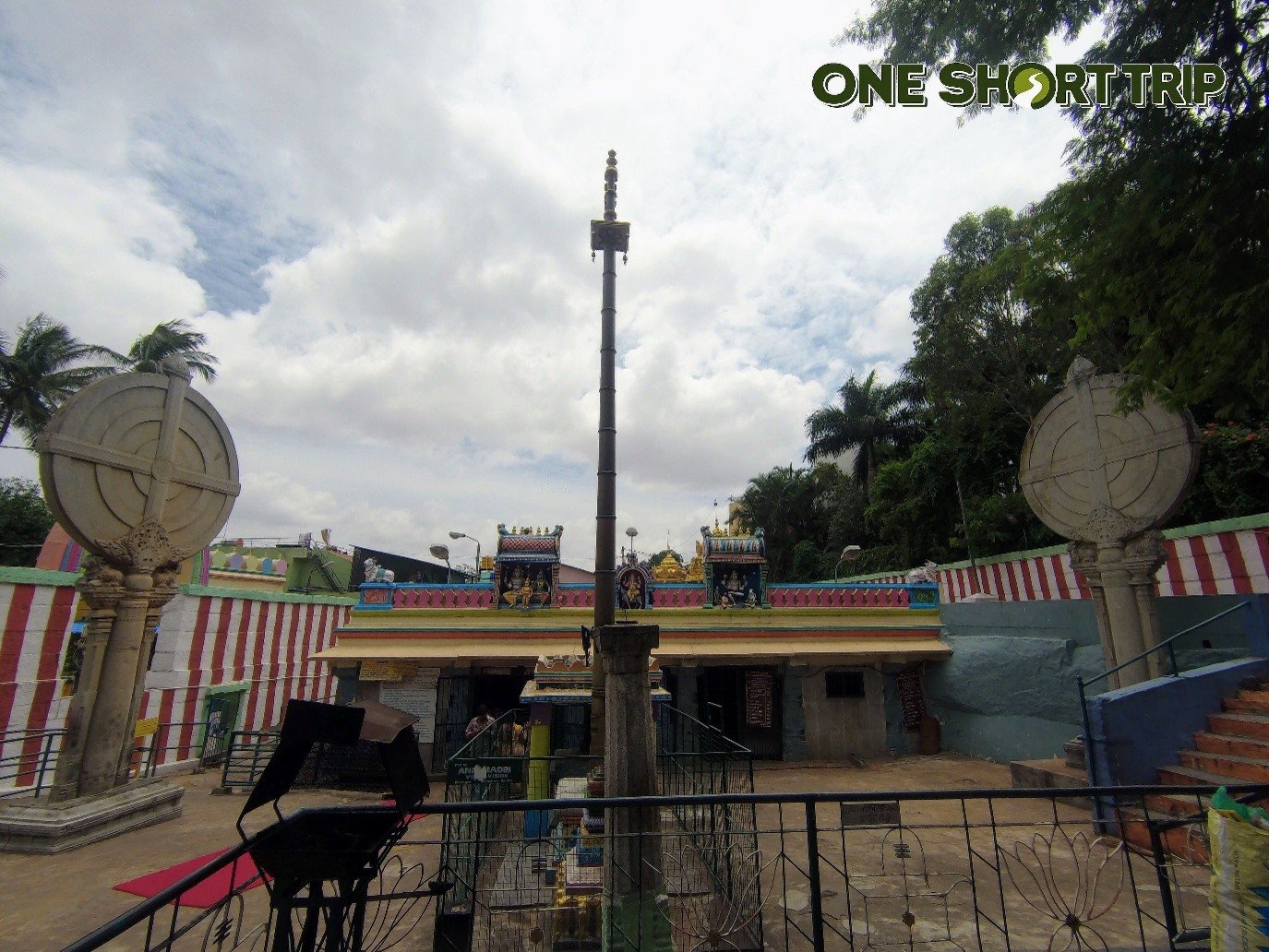
The temple is dedicated to Lord Shiva as Gavi Gangadhareshwara, and its name reflects its cave setting. Karnataka Tourism highlights the temple's granite sun and moon discs, stone umbrella, Shivalinga and cave passages as distinctive architectural features. The temple is especially famous during Makara Sankranti, when sunlight is aligned through the temple's stone structures and reaches the Shiva Linga inside the cave.
Why Is Gavi Gangadhareshwara Temple Famous?
Gavi Gangadhareshwara Temple is famous for combining cave architecture, Shaiva worship and an extraordinary solar alignment. The temple's most celebrated feature is the way sunlight reaches the Shiva Linga during the Makara Sankranti period. This has made the temple one of Bengaluru's best-known examples of traditional architectural knowledge connected with astronomy.
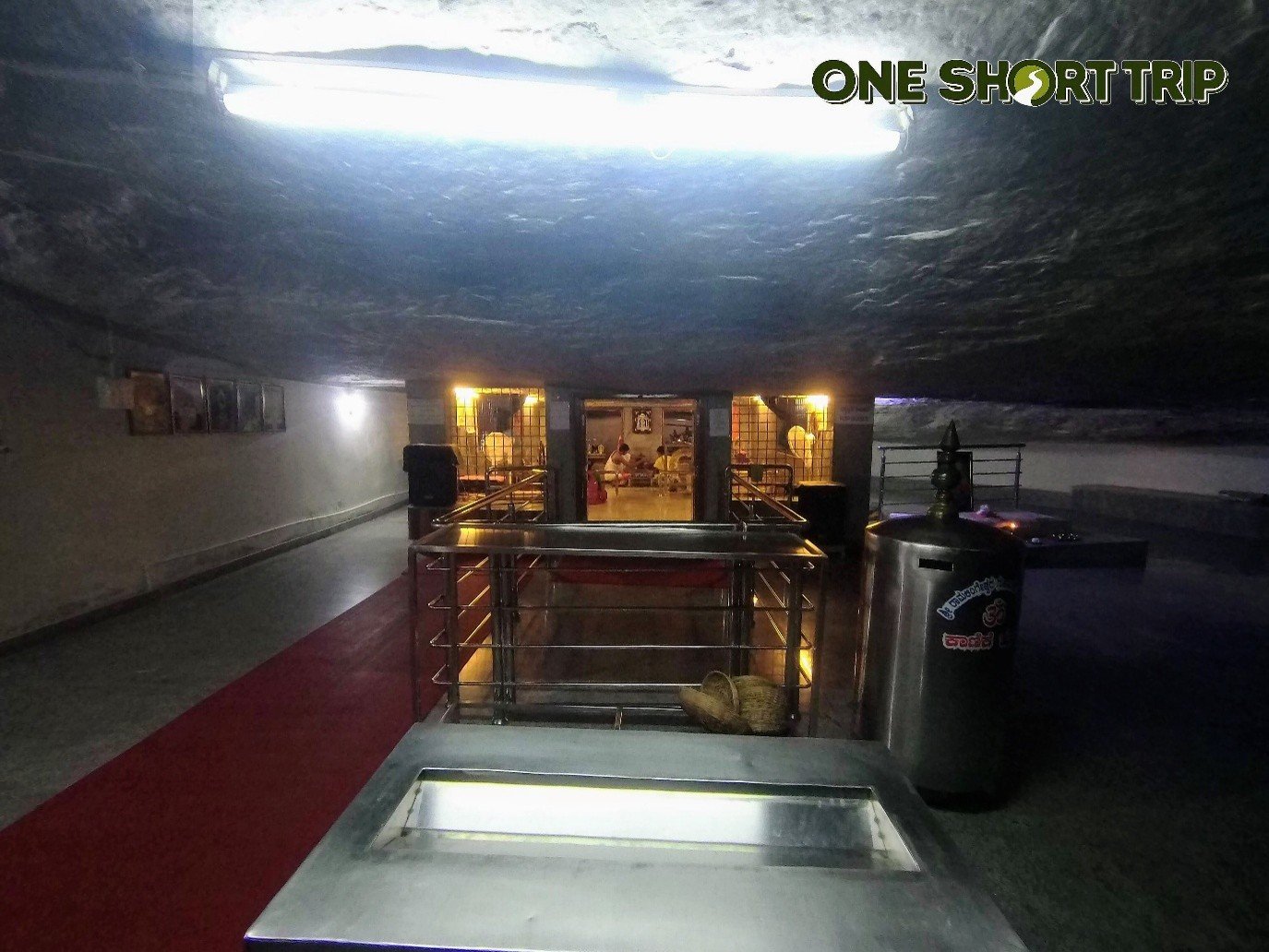
The temple is also notable because the main shrine is situated within a cave rather than inside a conventional freestanding sanctum. The surrounding rock formations and stone elements give the temple a distinctive atmosphere that is very different from many other temples in Bengaluru.
Who Is Gavi Gangadhareshwara?
The principal deity is Lord Shiva, worshipped here as Gavi Gangadhareshwara. The name is associated with Shiva and the cave in which the shrine is located. Devotees visit the temple for darshan, prayers and traditional Shaiva worship throughout the year.
The cave environment adds to the spiritual character of the temple. Instead of being known primarily for a large gopuram or expansive temple complex, Gavi Gangadhareshwara is valued for its unusual rock-cut setting and historic religious character.
History of Gavi Gangadhareshwara Temple
The temple is closely associated with Kempegowda I, the founder of Bengaluru. Karnataka Tourism describes the present historic temple as having been built during Kempegowda's reign in the 16th century. Its distinctive stone elements and cave passages reflect the architectural traditions of the period.
The temple's design includes features such as monolithic sun and moon discs, a stone umbrella and a Shiva Linga within the cave. These elements are part of what makes the temple particularly interesting for visitors who want to explore the historical architecture of Bengaluru alongside its religious traditions.
The Famous Sun-Ray Phenomenon
The most famous feature of Gavi Gangadhareshwara Temple is its Makara Sankranti solar alignment. Around Makara Sankranti, sunlight enters through the carefully positioned openings and stone elements of the temple before reaching the Shiva Linga inside the cave. Karnataka Tourism describes this as a remarkable architectural and astronomical phenomenon.
The alignment is particularly fascinating because the temple's design allows the sun's rays to travel through the structure and illuminate the deity. Karnataka Tourism notes that the phenomenon typically occurs around the early evening on Makara Sankranti, although the exact viewing conditions can depend on the day and natural factors.
Gavi Gangadhareshwara Temple Architecture
The temple's architecture is closely connected to its cave environment. Visitors can see distinctive stone features including the Shiva Linga, monolithic representations associated with the sun and moon, and a stone umbrella. The temple also has cave passages that contribute to its unusual layout.
For architecture enthusiasts, the temple is especially interesting because its design demonstrates how religious spaces could be integrated with natural rock formations. It is this combination of geology, worship and carefully positioned stone architecture that gives Gavi Gangadhareshwara its distinctive identity.
Why Visit Gavi Gangadhareshwara Temple?
A visit to Gavi Gangadhareshwara Temple is worthwhile for both devotees and travellers interested in Bengaluru's history. Devotees can experience an important Shiva shrine, while history and architecture enthusiasts can explore a temple whose cave setting and solar alignment make it unusually distinctive.
The temple is also conveniently located near several other important attractions in Basavanagudi, making it easy to include in a South Bengaluru temple tour covering Gavi Gangadhareshwara Temple, Dodda Ganapathi Temple, Bull Temple and other nearby places.


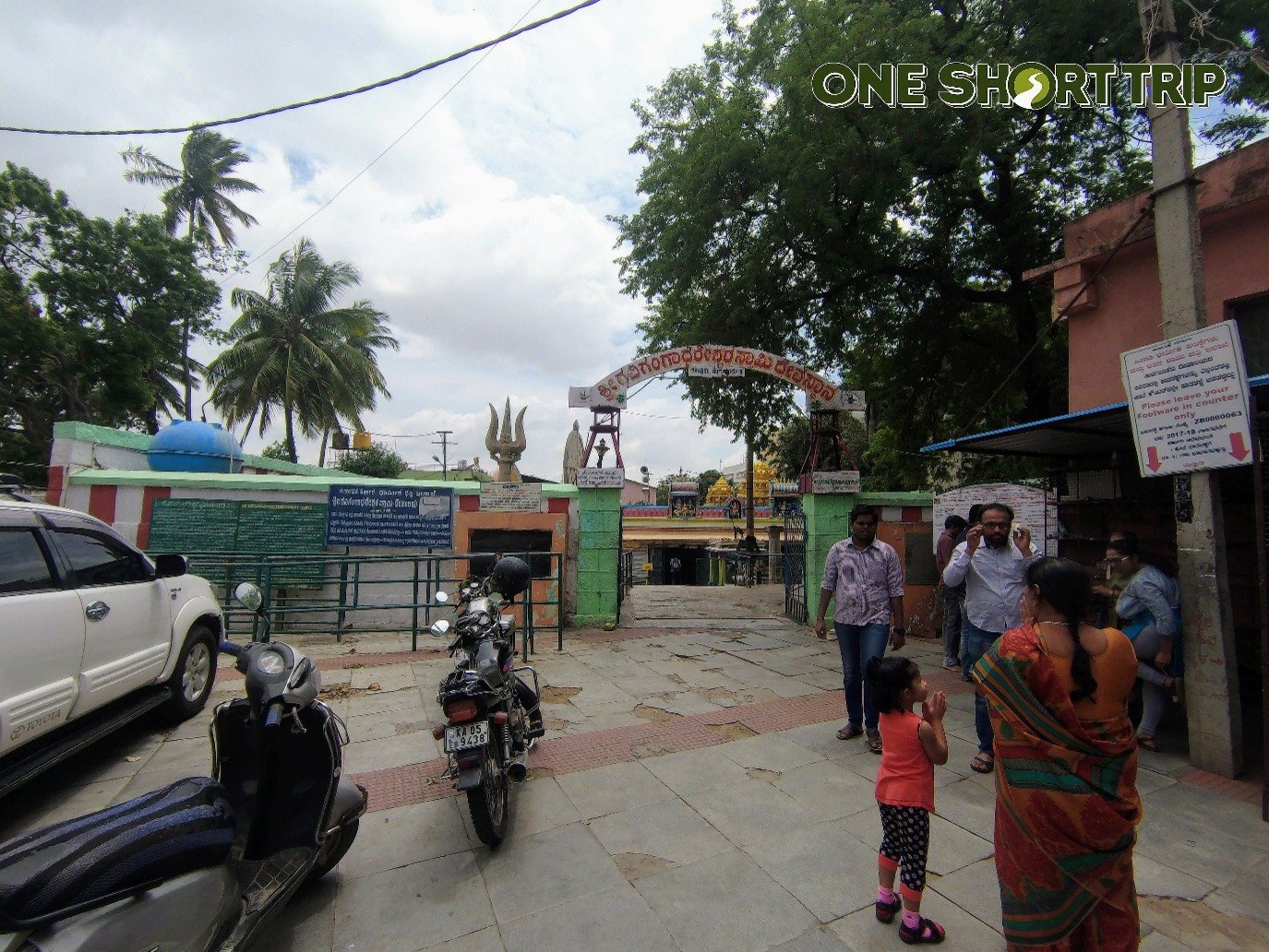
Shri Gavi Gangadhareshwara Swamy Temple is located in Gavipuram, Bengaluru, and is easy to include in a South Bengaluru temple visit. Unlike a conventional standalone temple, the main shrine is set within a natural cave, making the visit especially interesting for devotees, history enthusiasts and travellers who enjoy distinctive heritage sites.
The temple is also one of Bengaluru's most famous places to visit during Makara Sankranti because of its remarkable sun-ray phenomenon. For a regular visit, however, you can come throughout the year for darshan and to experience the unusual cave architecture at a quieter pace.
Gavi Gangadhareshwara Temple Timings
The Karnataka Hindu Religious Institutions and Charitable Endowments Department currently lists general darshan hours in the morning and evening, with an afternoon closure. Other current listings show slightly different closing times, so it is best to confirm the day's timings before travelling, particularly on festival days.
Morning: Around 7:00 AM to 12:00 PM
Evening: Around 5:30 PM to 8:30 PM
Timings may change during festivals, special pujas and temple events. Confirm before your visit.
Entry Fee and Darshan
There is generally no regular entrance ticket required for darshan at Gavi Gangadhareshwara Temple. Devotees can visit during the temple's opening hours and follow the temple's instructions for worship, queues and special sevas.
Best Time to Visit Gavi Gangadhareshwara Temple
For a peaceful temple visit, an early morning or early evening visit is a good choice. Weekdays can also be more comfortable if you want to spend time observing the cave setting without the larger crowds associated with major festivals.
If your main reason for visiting is the famous solar alignment, plan around Makara Sankranti in January. On this occasion, sunlight enters through the temple's openings and aligns with the Shiva Linga. Karnataka Tourism describes the phenomenon as a special annual event, with the sunlight typically reaching the shrine in the late afternoon. The exact experience can depend on the day's conditions and temple arrangements.
Gavi Gangadhareshwara Temple on Makara Sankranti
Makara Sankranti is the most famous day to experience the temple's unique astronomical and architectural feature. A ray of sunlight travels through the temple's carefully positioned openings and stone elements before illuminating the Shiva Linga inside the cave.
The event attracts a very large number of devotees and visitors. If you plan to visit specifically for the sun-ray phenomenon, expect significant crowds and allow extra time for traffic, parking and queues. For a quieter experience of the temple itself, choose a normal weekday instead.
How to Reach Gavi Gangadhareshwara Temple
The temple is situated in Gavipuram, Bengaluru, near the Basavanagudi and Kempegowda Nagar areas. It is well connected by Bengaluru's road network and can be reached by car, cab, auto-rickshaw and city buses.
By Road
Driving or taking a cab is convenient if you are visiting several temples in South Bengaluru. Use Gavipuram or Gavi Gangadhareshwara Temple as your navigation point and allow additional travel time during weekends and festival periods.
By Bus
BMTC buses serve the surrounding Gavipuram and Basavanagudi areas. From a nearby bus stop, the temple can be reached by a short walk or local auto depending on where you get down.
By Metro
National College Metro Station on the Green Line is one of the useful metro options for reaching this part of South Bengaluru. From the station, you can continue by auto-rickshaw or cab to the temple.
How Much Time Do You Need?
A regular darshan can usually be completed within about 30 to 60 minutes, depending on the crowd. If you are interested in the cave architecture, stone features and devotional atmosphere, allow additional time rather than treating the temple as a quick stop.
Dress Code and Temple Etiquette
Wear modest and comfortable clothing suitable for a Hindu temple. Remove footwear before entering the designated temple areas and follow instructions from temple staff and priests, especially around the cave shrine.
Because parts of the temple are inside a cave, move carefully and avoid blocking the path of other devotees. Photography should always follow the temple's current rules, particularly inside sacred areas.
Nearby Places to Visit
Gavi Gangadhareshwara Temple can easily be combined with several attractions in the Basavanagudi and Gavipuram area. This makes it a good starting point for a South Bengaluru temple and heritage circuit.
- Dodda Ganapathi Temple – A popular Ganesha temple in Basavanagudi.
- Dodda Basavana Gudi (Bull Temple) – One of Bengaluru's best-known historic temples dedicated to Nandi.
- Bugle Rock Park – A green urban park and viewpoint area in Basavanagudi.
- Gandhi Bazaar – A lively traditional shopping and food area known for local Bengaluru flavours.
- Basavanagudi – A historic neighbourhood that is ideal for combining temples, heritage and local food.
Suggested Gavi Gangadhareshwara Temple Visit
If you are planning a short South Bengaluru temple tour, begin with Gavi Gangadhareshwara Temple and then continue towards Dodda Ganapathi Temple and Bull Temple. You can add Bugle Rock and Gandhi Bazaar depending on your available time.
This combination works well for families, senior citizens and visitors who want to experience Bengaluru's religious heritage without travelling far across the city. Start early if you want a more relaxed temple visit and keep additional time for traffic when travelling between attractions.
Tips for Visiting Gavi Gangadhareshwara Temple
- Check the current temple timings before starting your journey.
- Visit early on a weekday if you prefer a quieter darshan.
- Expect heavy crowds around Makara Sankranti and major Shiva festivals.
- Wear comfortable, modest clothing and carry minimal belongings.
- Be careful while moving through the cave and follow temple instructions.
- If travelling by car, allow extra time to find parking in the surrounding neighbourhood.
- Combine the temple with nearby Basavanagudi attractions to make better use of your day.
Why Gavi Gangadhareshwara Temple Is Worth Visiting
Gavi Gangadhareshwara Temple offers something that few city temples can match: a functioning Shiva shrine set within a distinctive cave environment and an annual solar phenomenon that connects architecture, astronomy and religious tradition. Its location in South Bengaluru also makes it easy to combine with some of the city's most important temples and heritage attractions.
Whether you visit for Lord Shiva's darshan, the cave architecture, the history associated with Kempegowda's Bengaluru or the famous Makara Sankranti sun-ray alignment, this temple is one of the most distinctive places to include in a Bengaluru temple itinerary.